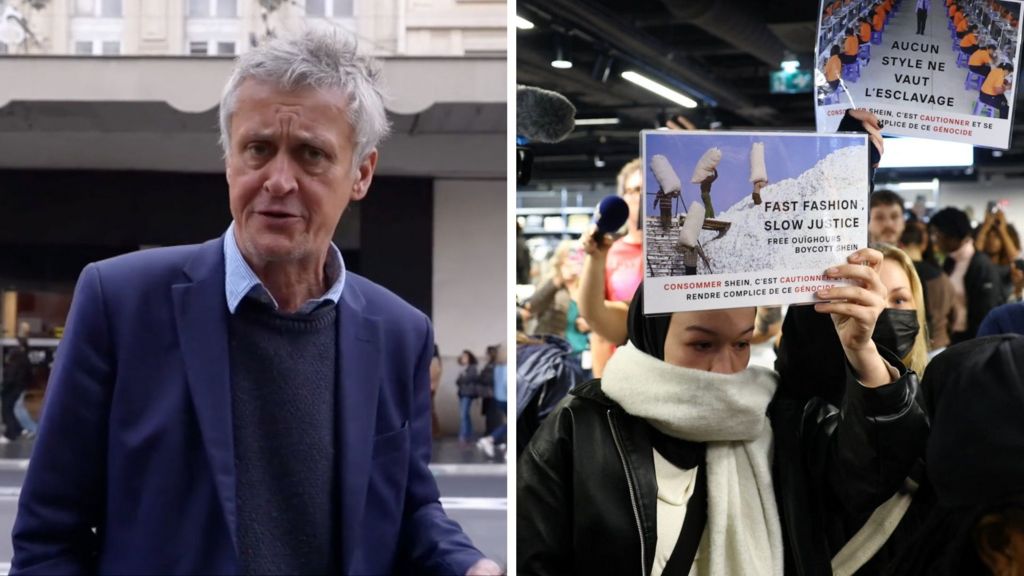
The global e-commerce powerhouse Shein made headlines with the grand opening of its first-ever physical store in Paris, marking a significant milestone in its expansion strategy. Located within a renowned Parisian department store, the pop-up shop attracted massive crowds, with long queues forming hours before the doors opened. However, the event was not without controversy, as protesters gathered outside to voice concerns over the company’s fast-fashion practices and environmental impact. The mixed reception highlights the growing scrutiny faced by Shein, which has rapidly risen to prominence as a leader in affordable online retail. The Paris pop-up, which will operate for a limited period, aims to offer customers a tangible shopping experience while showcasing Shein’s latest collections. This move into physical retail underscores the brand’s ambition to diversify its presence and connect with consumers in new ways, even as it navigates criticism over sustainability and labor practices.
标签: Europe
欧洲
-
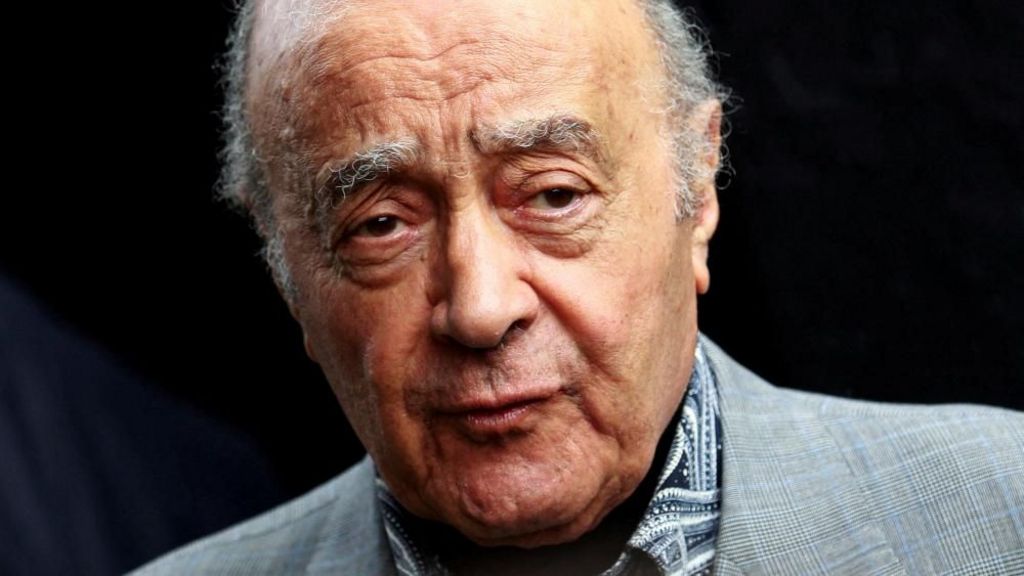
French police launch investigation into Al Fayed sex-trafficking allegations
French authorities have initiated a comprehensive investigation into sex-trafficking allegations tied to the late businessman Mohamed Al Fayed, who passed away two years ago. The probe, ordered by the Paris prosecutor’s office, centers on potential aggravated human trafficking involving multiple victims, alongside allegations of prostitution and rape. The investigation is expected to scrutinize Al Fayed’s Ritz Hotel in Paris, following claims that staff were complicit in or aware of the abuse of women. In response, the Ritz Hotel issued a statement expressing deep concern and pledging full cooperation with authorities. This investigation adds a new chapter to the ongoing legal battles surrounding Al Fayed’s alleged violent crimes and the quest for justice for his victims. Pelham Spong, a 40-year-old American woman, played a pivotal role in triggering the investigation. She alleges that Al Fayed relocated young female staff from the Ritz to his private residences and yachts across the Mediterranean. Spong, who worked briefly for the Al Fayed family in 2008, claims she was subjected to invasive medical examinations and sexual assault. She only recently recognized herself as a victim of sex trafficking after understanding the systemic nature of the abuse. Spong’s lawyer, Anne-Claire Le Jeune, believes her client’s case is strong due to the extensive evidence she has preserved. Meanwhile, Al Fayed is also under investigation in the UK, where over 140 individuals have reported him to the Metropolitan Police. The extent of his predatory behavior was first exposed in a 2024 BBC documentary, which prompted dozens more women to come forward. Despite numerous allegations, Al Fayed was never charged before his death. Harrods, the luxury department store he once owned, has allocated over £60 million to compensate alleged victims, emphasizing its commitment to preventing such behavior in the future.
-
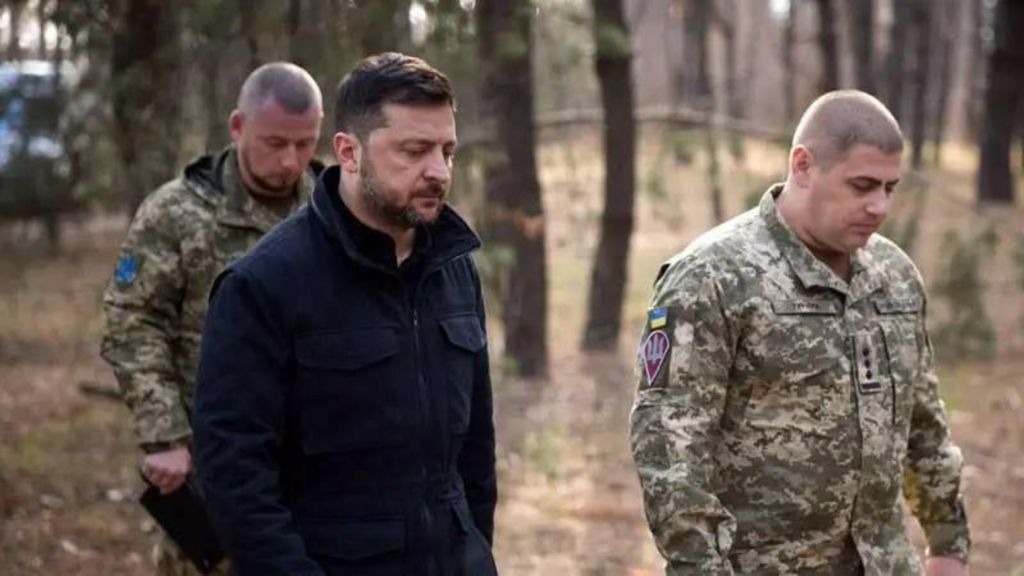
Why the fall of Pokrovsk would matter to Ukraine and Russia
The eastern Ukrainian city of Pokrovsk has become the focal point of a critical battle between Ukrainian and Russian forces, with significant implications for the ongoing conflict. Russian troops, bolstered by tens of thousands of reinforcements, have gradually infiltrated the city, seizing key buildings and streets. Despite Ukraine’s claims of active resistance and successful operations, such as the Skelya regiment’s recapture of the city council building, open-source intelligence suggests Russian forces are gaining ground. Pokrovsk, a strategic road and rail junction, is vital for Ukraine’s defense of the Donbas region. Its fall could pave the way for Russian advances toward Dnipropetrovsk and other key areas. Analysts, however, argue that Russia’s slow progress and lack of momentum may hinder significant breakthroughs. Meanwhile, Ukrainian President Volodymyr Zelensky remains resolute, asserting that Russia faces years of protracted warfare if it aims to control the entire Donbas. The battle for Pokrovsk not only impacts military strategy but also carries political weight, potentially influencing international negotiations and Ukraine’s morale as winter approaches.
-
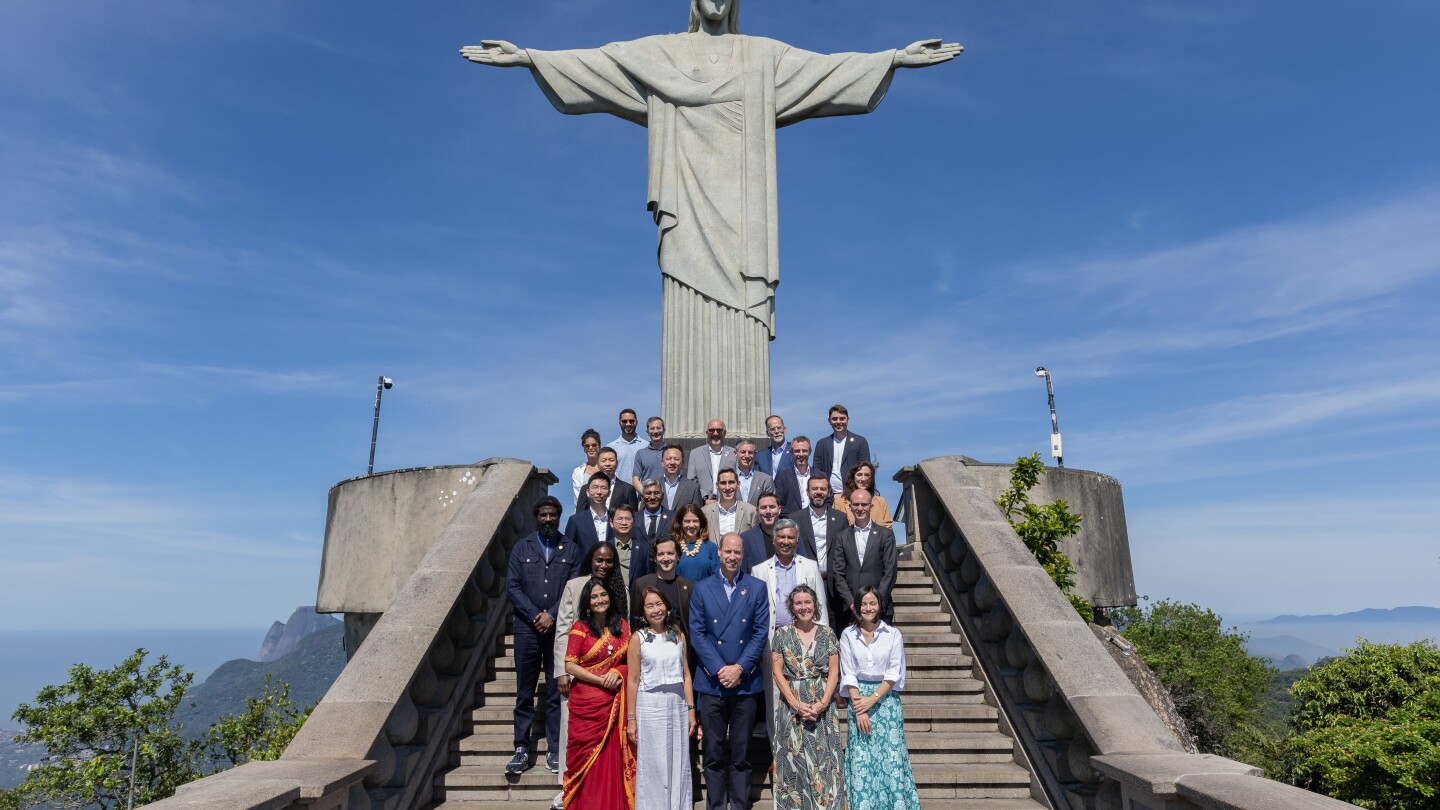
Prince William to spotlight environmental solutions in Rio de Janeiro with Earthshot Prize awards
Prince William, the Prince of Wales, is set to unveil the winners of his prestigious Earthshot Prize during a ceremony in Rio de Janeiro on Wednesday evening. This event marks the culmination of a three-day visit to the Brazilian metropolis, which has been centered on environmental advocacy and conservation efforts. The trip precedes his attendance at the United Nations Climate Summit, COP30, in the Amazon city of Belem.
Since arriving in Rio on Monday, Prince William has engaged in a series of high-profile activities, including a meeting with former soccer legend Cafu at Maracana Stadium, a volleyball game on Copacabana Beach, and a visit to the iconic Sugarloaf Mountain. Beyond these cultural experiences, his itinerary has been dominated by climate-focused initiatives. He participated in a global wildlife summit and joined a mangrove restoration project in Guanabara Bay, where he took part in a tree-planting activity.
The Earthshot Prize, launched by Prince William in 2020 through his Royal Foundation, aims to inspire innovative solutions to combat climate change and its impacts. This year’s ceremony, held at the Museum of Tomorrow in downtown Rio, is the first to take place in Latin America. Five winners will receive grants totaling $1.3 million to support their sustainable and eco-friendly projects. Among the finalists are a Brazilian startup leveraging Artificial Intelligence for forest restoration and a British company tackling microplastic pollution.
The event also highlights broader environmental initiatives, such as the United Nations High Seas Treaty, Guangzhou’s leadership in public transport electrification, and Lagos Fashion Week’s promotion of sustainable clothing. The ceremony will feature performances by renowned artists, including Anitta, Gilberto Gil, Kylie Minogue, Seu Jorge, and Shawn Mendes.
Prince William’s visit to Brazil underscores his commitment to environmental leadership and positions him as a statesman ready to assume the British throne. Following the awards, he will head to COP30, where global leaders will discuss strategies to accelerate carbon emission reductions and combat global warming.
-

Norway transport firm steps up controls after tests show Chinese-made buses can be halted remotely
In response to alarming test results, Norway’s leading public transport operator, Ruter, has announced plans to implement stricter security measures and anti-hacking protocols for its fleet of Chinese-made electric buses. The tests revealed that Yutong Group, the Chinese bus manufacturer, could remotely access the control systems of its vehicles for software updates and diagnostics, raising concerns about potential exploitation.
-
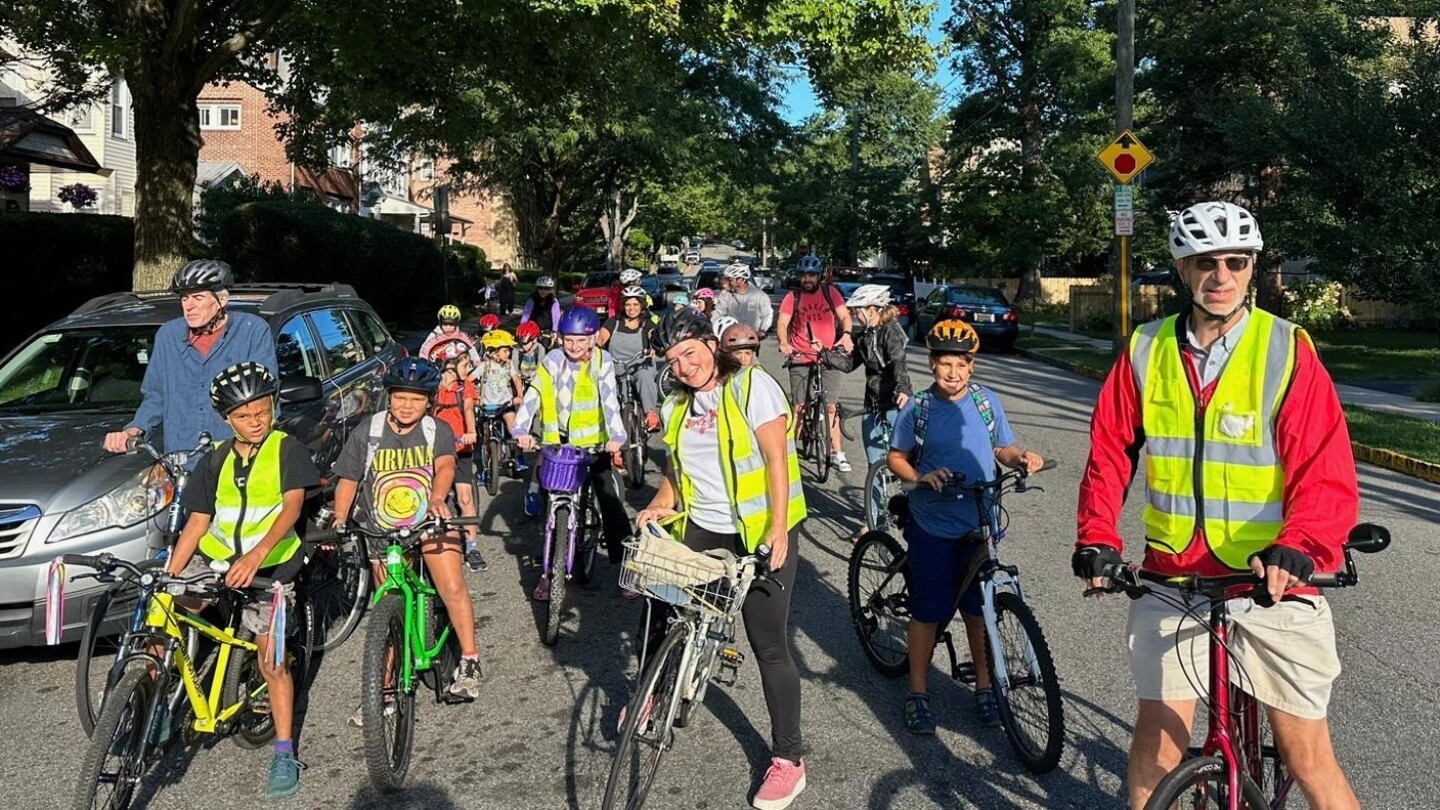
From a few to more than 350, children and parents ride together to school as a ‘bike bus’
On a crisp autumn morning in Montclair, New Jersey, a vibrant scene unfolded as children, clad in helmets and backpacks, gathered with their parents for a communal bicycle ride to local elementary schools. Volunteers in orange safety vests ensured everyone was ready before the group embarked on their 5-mile “bike bus” route. As the procession moved through the neighborhood, more families joined, swelling the group to over 350 participants. Older students chatted with friends, while younger ones focused on pedaling. Cars respectfully yielded to the long line of cyclists, and as the journey progressed, families peeled off toward their respective schools. This weekly ritual, which began three years ago as a small initiative by a handful of parents, has now become a cherished tradition and a viable commuting option for many families.
-

Munich’s famous river wave has vanished after a cleanup. Surfers hope it will return soon
The iconic Eisbach wave in Munich, Germany, a renowned man-made river-surfing spot, has mysteriously disappeared following the city’s annual river cleaning operation. This unexpected event has left the local surfing community in dismay, marking the first time in decades that the wave has failed to return. The Eisbach wave, created in 1972 by strategically placed concrete blocks in the Isar River canal, has been a magnet for surfers worldwide, earning the title of ‘the mother of all river waves’ from SurferToday.com. Known for its formidable height of up to 4 feet (1.22 meters), the wave offers thrilling but brief rides, typically lasting less than a minute. Surfers and spectators alike have long cherished the site, with enthusiasts taking turns to brave the frigid waters while onlookers gather on a nearby bridge. The wave’s sudden disappearance has sparked confusion and concern. Munich’s mayor’s office has confirmed that surfers are collaborating with the building department to investigate the cause and explore potential solutions for its restoration. In the interim, surfers have turned to a secondary wave within the same park, though it lacks the power and prestige of the Eisbach. Munich, globally celebrated for its Oktoberfest festivities, only legalized surfing at the Eisbach in 2010. The sport has faced challenges, including a tragic fatality in April when an experienced surfer’s leash became entangled in the riverbed, leading to her drowning. This incident prompted stricter safety measures, including a ban on nighttime surfing. River surfing remains popular in other regions, such as the United Kingdom and Hawaii, but the loss of the Eisbach wave is a significant blow to Munich’s unique surfing culture. Local resident Lena Stillner, a seven-year veteran of the Eisbach wave, expressed her disappointment and hope for a swift resolution to restore this cherished landmark.
-
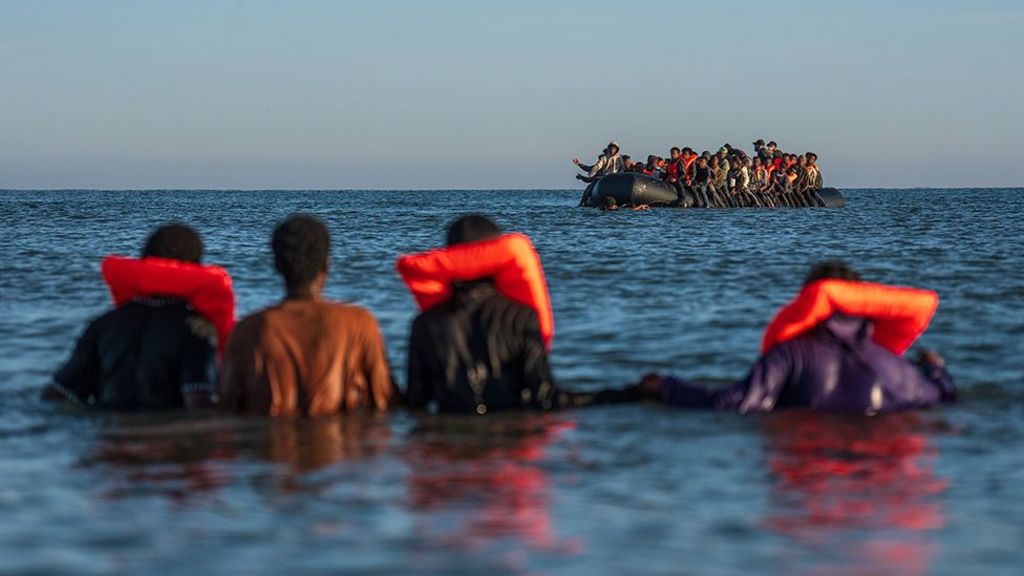
Migrant who returned to UK after removal sent back to France
The year 2025 has witnessed a significant surge in asylum seekers attempting to cross the English Channel in small boats, marking an increase compared to the previous year. A recent case highlights the complexities of the UK-France migration agreement, as an Iranian migrant who was removed to France under the ‘one-in, one out’ scheme returned to the UK less than a month later, only to be removed again. The man, whose identity remains undisclosed, claimed to be a victim of modern slavery at the hands of smuggling gangs in France. Home Secretary Shabana Mahmood emphasized that the government is committed to expediting removals and securing borders, stating, ‘Anyone looking to return to the UK after being removed is wasting their time and money.’ The migrant recounted harrowing experiences of abuse and threats by smugglers, explaining his fear for his life in France. So far, 94 migrants have been removed from the UK under the treaty, while 57 have been admitted from France. The government faces mounting pressure to address illegal migration, particularly with 36,734 arrivals by small boat as of October 21, 2025—a figure 8,530 higher than in 2024 but 869 lower than the record high in 2022. Additionally, the government has pledged to end the use of costly asylum hotels, which have sparked anti-migrant protests. The previous Conservative government’s Rwanda asylum plan, which faced legal challenges, was halted by the current Labour administration after only four individuals were sent there.
-
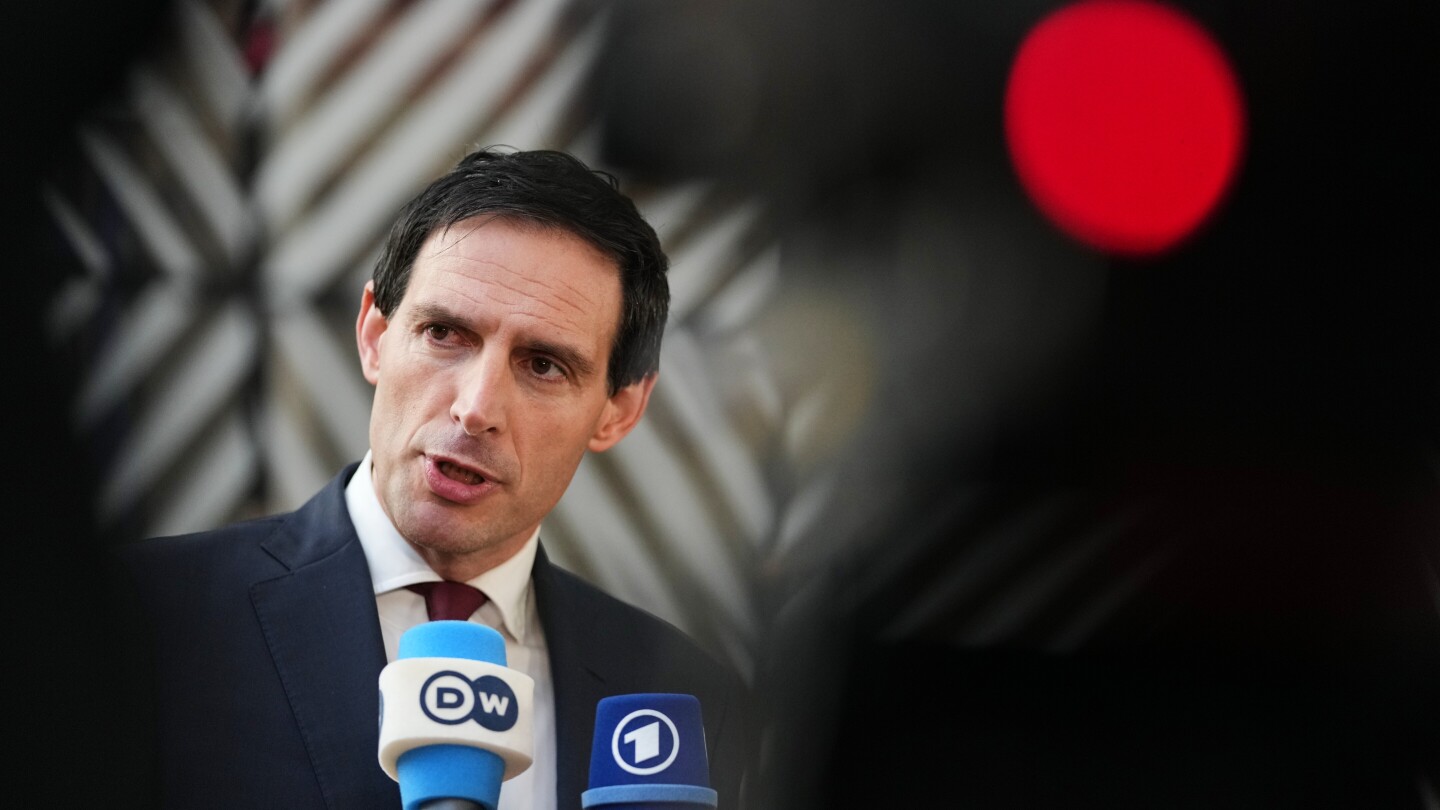
EU agrees on new emissions targets before global climate summit in Brazil
The European Union has finalized a landmark agreement to reduce carbon emissions by 90% by 2040, marking a significant step in its climate policy. However, the deal has sparked criticism for perceived weakening of earlier commitments, particularly due to provisions allowing member states to purchase international carbon credits and reassess climate targets based on economic performance. Hungary, Slovakia, and Poland opposed the agreement, with Poland securing a delay in implementing a carbon trading plan for transport and heating. Environmental groups, including Greenpeace, condemned the deal for enabling ‘carbon laundering’ by outsourcing emission reductions to less-developed countries. Despite these concerns, EU climate ministers hailed the agreement as a necessary compromise amid geopolitical and economic tensions. The European Parliament must now vote on the agreement before it becomes legally binding. EU leaders, including European Commission President Ursula von der Leyen, will present the deal at the upcoming COP30 climate conference in Brazil, aiming to position Europe as a global leader in climate action. The agreement reflects the EU’s balancing act between environmental goals, economic competitiveness, and energy independence, as Europe faces increasing climate-related challenges like wildfires, heatwaves, and floods.
-

Several critically injured after driver rams into 10 people on French island
A shocking incident unfolded on the Ile d’Oléron, off the west coast of France, when a local man in his mid-30s deliberately drove his car into pedestrians and cyclists, leaving four individuals in critical condition. The suspect, who was later arrested after being immobilized with a stun gun, targeted multiple locations on the island, including the villages of Dolus d’Oléron and Saint-Pierre-d’Oléron. Witnesses reported a series of chaotic events that culminated outside a bakery. The mayor of Dolus d’Oléron, Thibault Brechkoff, stated that the man had driven a considerable distance between villages, injuring several people, including a young girl. After abandoning his vehicle, the suspect attempted to set it on fire before fleeing the scene. Authorities discovered gas canisters in the car, raising further concerns. The public prosecutor for La Rochelle, Arnaud Laraize, revealed that the suspect is known to the police and shouted ‘Allahu Akbar’ (‘God is greatest’) during his arrest. Interior Minister Laurent Nuñez has initiated an inquiry and is en route to the scene. The incident occurred around 08:45 local time (07:45 GMT), prompting the establishment of a crisis unit to manage the aftermath.