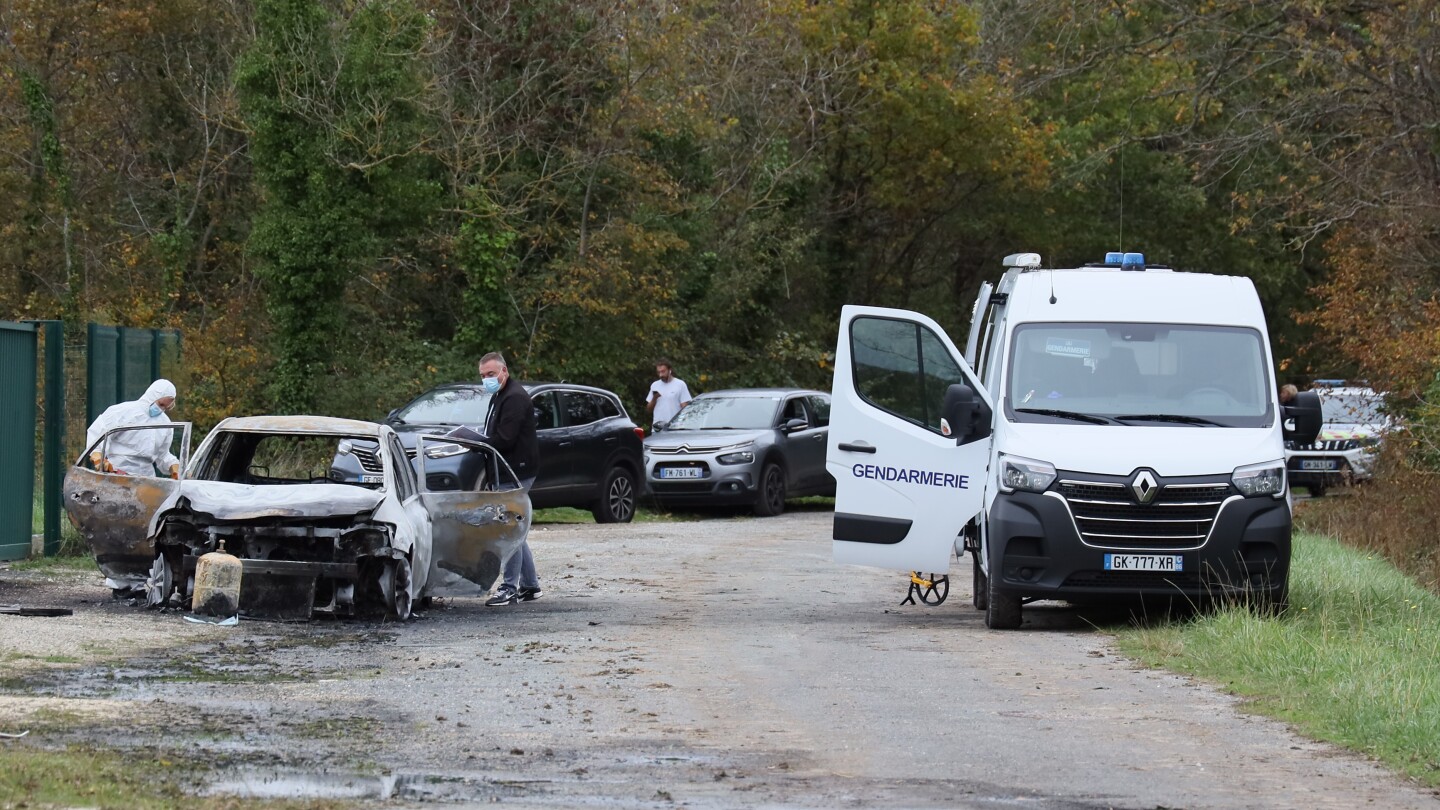
A shocking incident unfolded on the tranquil Île d’Oléron, a French island renowned for its tourist appeal, when a motorist deliberately targeted pedestrians and cyclists across two neighboring towns. The attack, which occurred on Wednesday, left nine individuals injured, two of whom are in critical condition. French Interior Minister Laurent Nuñez confirmed the details, stating that an investigation is currently underway. The suspect, a 35-year-old French national from La Cotinière, was apprehended by gendarmes following the rampage. Thibault Brechkoff, the mayor of Dolus-d’Oléron, described the collisions as intentional, with some occurring within his town. A crisis response team was swiftly activated, and the suspect was arrested. French television broadcast images of a car allegedly set ablaze prior to the arrest. Mayor Brechkoff expressed profound shock, emphasizing the full mobilization of municipal services and the deployment of two helicopters to transport the severely injured to Poitiers on the mainland. Christophe Sueur, the mayor of nearby Saint-Pierre-d’Oléron, noted that the suspect’s vehicle was heavily damaged, suggesting the driver’s awareness of his actions. The suspect, known to police for minor offenses related to theft, alcohol, and drug use, was not flagged for radicalization. The incidents, which began around 9:00 a.m. local time, occurred along roadsides between Dolus-d’Oléron and Saint-Pierre-d’Oléron, leaving the community in a state of alarm.
标签: Europe
欧洲
-

Fast-fashion giant Shein faces backlash over Paris store opening and sales of childlike sex dolls
The fast-fashion giant Shein has ignited a storm of criticism as it opened its first permanent store in Paris on Wednesday, located within the historic BHV Marais department store. The launch, set in the heart of France’s fashion capital, has drawn fierce opposition from environmental groups, Paris City Hall, and the French ready-to-wear industry. The controversy deepened after French authorities discovered sex dolls with childlike features listed on Shein’s website, prompting a referral to prosecutors and a government warning that the platform could face a ban in France if such content resurfaces. Shein responded by banning all sex-doll products, temporarily removing its adult products category for review, and launching an internal investigation to address the oversight. Despite these measures, the brand’s arrival has been met with protests, an online petition garnering over 120,000 signatures, and condemnation from child-protection and environmental organizations. Thibaut Ledunois of the French federation of women’s ready-to-wear described the event as a ‘black day for our industry,’ criticizing Shein’s global business practices. Meanwhile, the Société des Grands Magasins (SGM), owner of BHV Marais, acknowledged the controversy but praised Shein’s swift response, expressing optimism that the partnership would revitalize the struggling department store. Founded in China in 2012 and now headquartered in Singapore, Shein has faced persistent allegations of forced labor in its supply chains, particularly in China’s Xinjiang region. SGM’s COO, Karl-Stéphane Cottendin, defended Shein, claiming the brand has made significant improvements to comply with French and European regulations. However, the fast-fashion industry’s environmental and social costs remain a pressing concern, with France advancing legislative measures to curb its influence, including advertising bans, taxes on imported parcels, and stricter waste management rules.
-
Girl, 3, dies after being pulled from pool in Greece
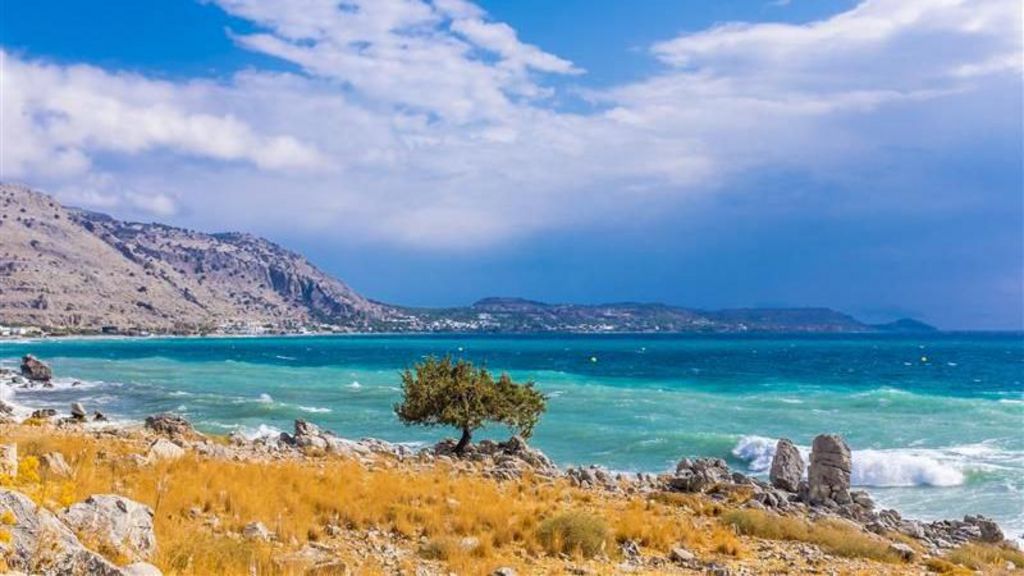
A heartbreaking incident unfolded at a hotel in Lardos, Rhodes, where a three-year-old girl from Lancashire tragically lost her life after being found unconscious in a swimming pool. The incident occurred on October 14, when the young girl was reportedly submerged in the pool for approximately 10 minutes before a hotel guest noticed her and initiated CPR. She was immediately rushed to a hospital on the island and later transferred to Crete for further medical attention. Despite being moved to a hospital in the UK, she succumbed to her injuries 12 days later, passing away on Sunday. The UK Foreign Office has confirmed that they are providing support to the grieving family and are in contact with local authorities in Greece. Greek police have been approached for comments, while Lancashire Police stated that the matter is under the jurisdiction of Greek authorities. This tragic event has raised concerns about pool safety and the need for heightened vigilance in such environments.
-
Drone sightings force fresh flight cancellations at Belgium’s main airport
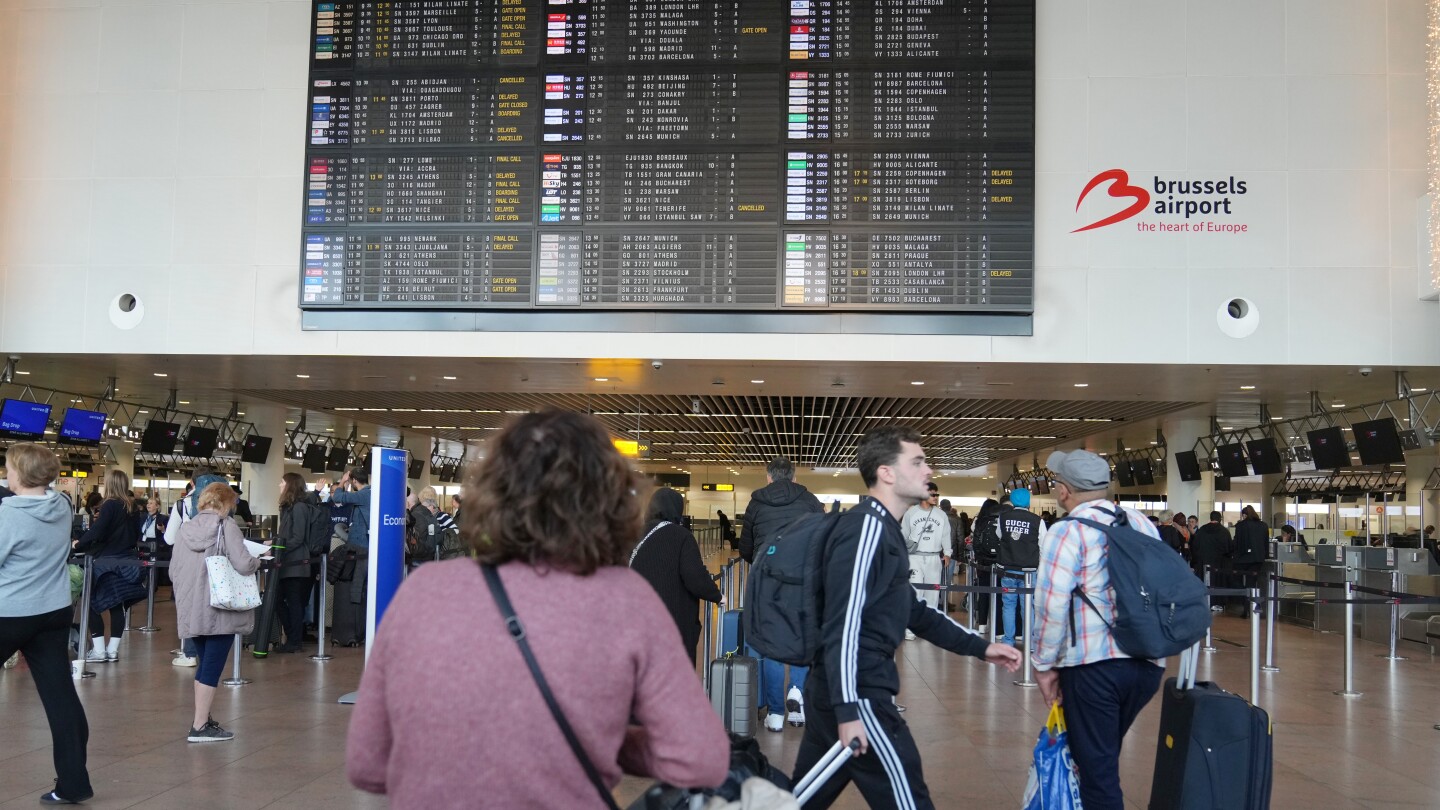
Brussels Airport, Belgium’s primary international hub, faced significant disruptions on Wednesday as dozens of flights were canceled following drone sightings that forced a temporary closure. This unprecedented incident prompted Prime Minister Bart De Wever to call an urgent meeting with senior ministers to address escalating safety concerns. The shutdown, which occurred on Tuesday evening, led to the cancellation of 54 flights and the diversion of 24 others, leaving approximately 400-500 passengers stranded overnight. The airport provided beds, water, and snacks to accommodate affected travelers, emphasizing that passenger and staff safety remains its top priority. This event marks the first time Brussels Airport has been closed due to drone activity, coming just days after unidentified drones were spotted near a military base storing U.S. nuclear weapons. Interior Minister Bernard Quintin highlighted the gravity of the situation, stating that repeated drone incidents pose a direct threat to national security and require a coordinated response. Defense Minister Theo Francken suggested that the drone operations were sophisticated and likely part of a spying operation aimed at destabilization. This incident adds to a growing trend of drone-related disruptions across Europe, including a recent shutdown at Berlin’s Brandenburg Airport. Belgium, home to NATO and EU headquarters, faces heightened security challenges, particularly amid discussions about using frozen Russian assets to support Ukraine, a move that De Wever warned could provoke Russian retaliation.
-
Germany cracks down on Muslim groups viewed as threats to its constitutional order
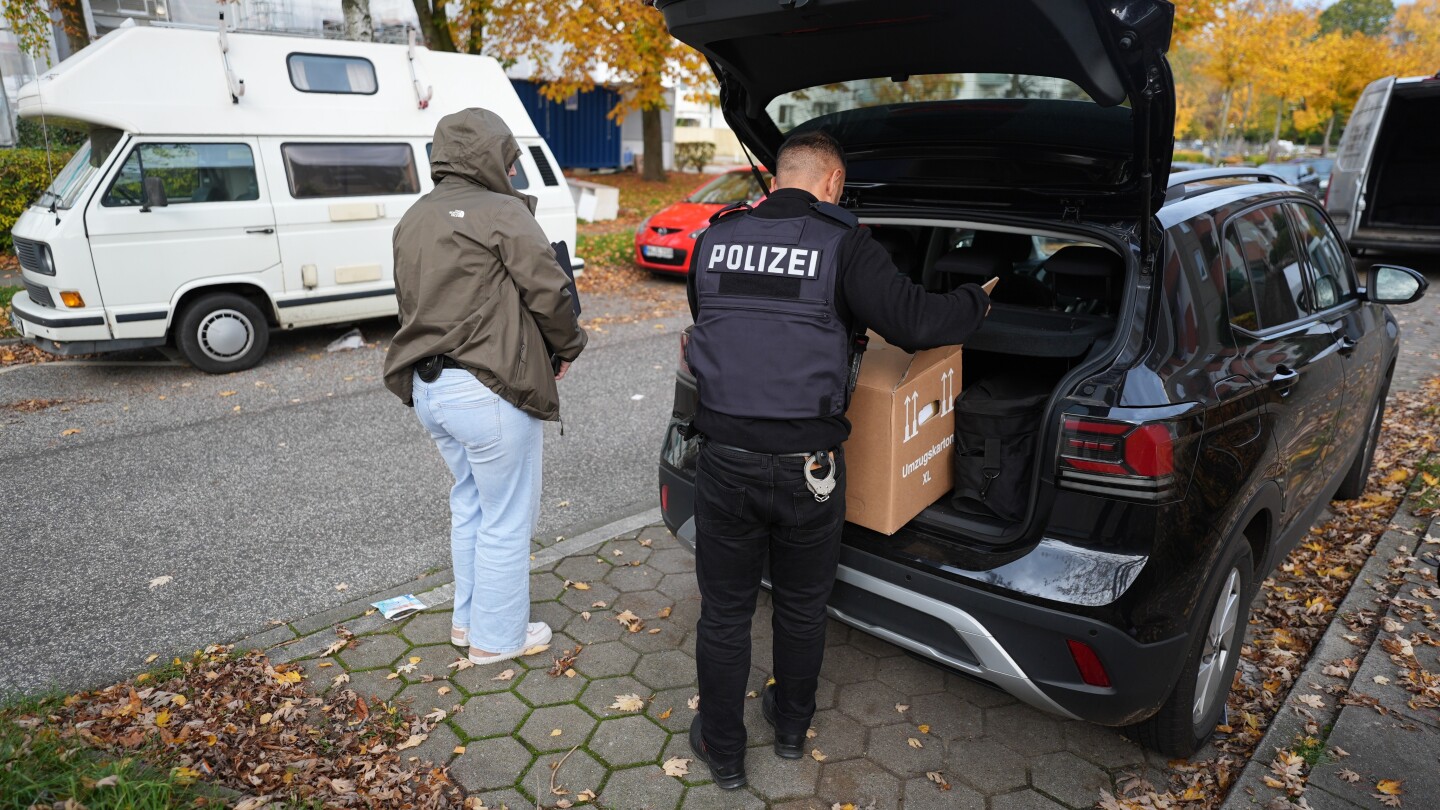
The German government has taken decisive action against Muslim Interaktiv, a group accused of promoting ideologies that violate fundamental human rights and democratic principles. On Wednesday, the Interior Ministry announced the ban, citing the organization’s promotion of antisemitism, discrimination against women, and hostility toward sexual minorities as threats to the nation’s constitutional order. Interior Minister Alexander Dobrindt emphasized that the group’s advocacy for Islamic law over German law, particularly in areas affecting women, posed a significant danger to societal cohesion.
-
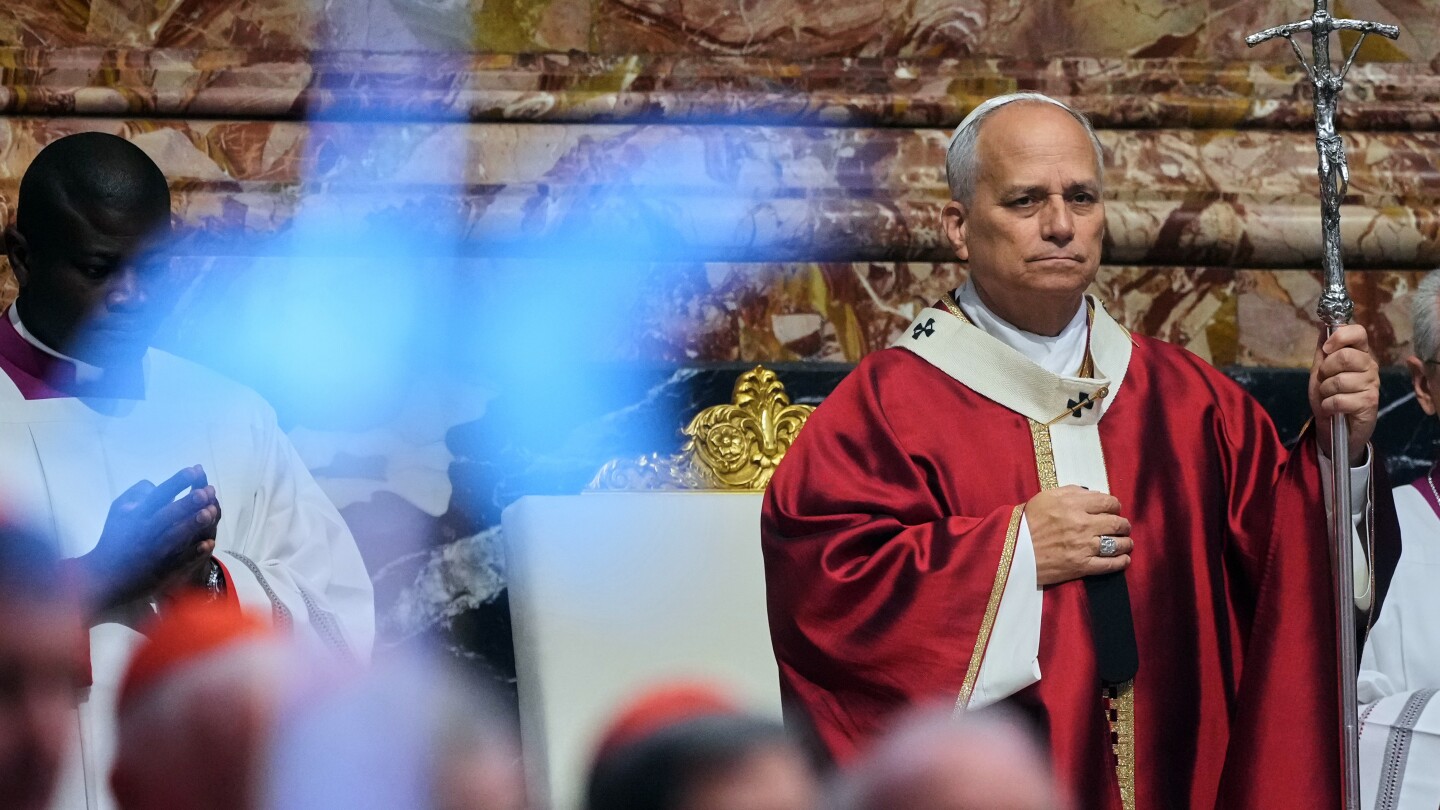
Pope Leo calls for ‘deep reflection’ about treatment of detained migrants in the United States
In a press conference held outside the papal retreat at Castel Gandolfo, Pope Leo XIV addressed pressing global issues, emphasizing the need for “deep reflection” on the treatment of migrants detained in the United States. The Chicago-born pontiff highlighted the plight of individuals who have lived peacefully for years but are now profoundly affected by current policies. He stressed that spiritual rights of detainees must be upheld, urging authorities to grant pastoral workers access to these individuals, many of whom have been separated from their families. Leo referenced scripture, posing the critical question: “How did you receive the foreigner?” as a call to action for compassionate treatment of migrants. On the topic of U.S. military strikes against suspected drug traffickers off Venezuela’s coast, the Pope expressed concern over escalating tensions, advocating for dialogue over conflict. Regarding the fragile ceasefire in the Middle East, Leo acknowledged the complexity of the situation, particularly in addressing Israeli settler attacks on Palestinians in the West Bank. He emphasized the need for justice and collaboration to ensure the rights of all peoples. The Pope’s upcoming engagements include a meeting with Palestinian President Mahmoud Abbas and his first papal visit to Turkey and Lebanon later this month.
-
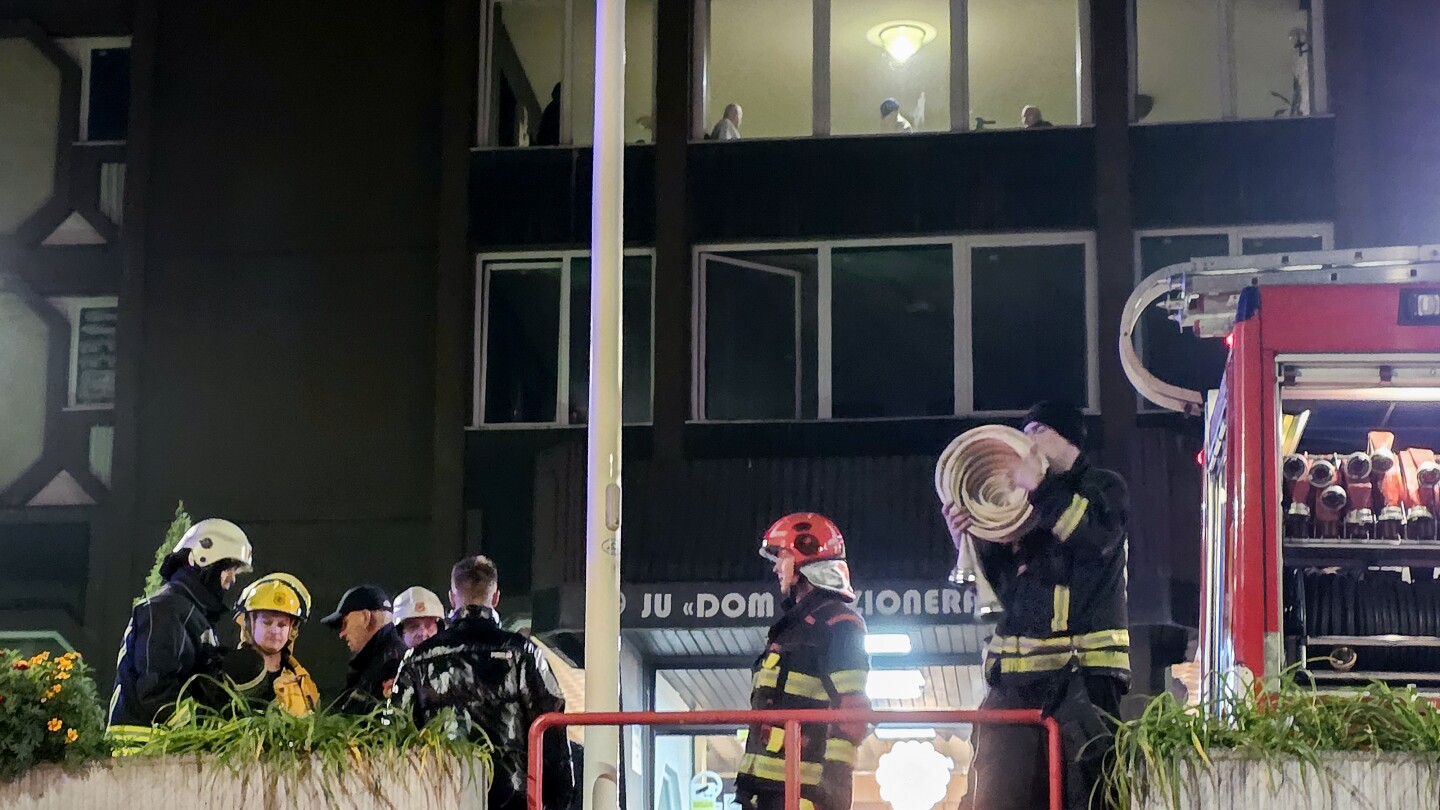
Bosnia official puts death toll in retirement home fire at 11, with over 30 injured
A devastating fire erupted on Tuesday evening at a retirement facility in Tuzla, Bosnia-Herzegovina, resulting in the deaths of at least 11 individuals and leaving over 30 injured, according to Bosnian officials. The blaze, which originated on the building’s seventh floor (eighth floor in U.S. terminology), quickly spread, trapping elderly residents who were unable to evacuate due to mobility issues or illness. The cause of the fire remains under investigation. Among the injured were firefighters and rescue workers who responded to the emergency. Tuzla’s mayor, Zijad Lugavic, confirmed that authorities convened an emergency meeting on Wednesday to evaluate the situation and coordinate relief efforts. Ruza Kajic, a resident on the third floor, recounted hearing “popping sounds” and witnessing flames descending from the upper floors as she prepared for bed. The incident has cast a somber shadow over the community, highlighting the vulnerabilities of elderly care facilities in emergency situations.
-

‘My skin was peeling’ – the African women tricked into making Russian drones
Adau, a 23-year-old from South Sudan, thought she was embarking on a life-changing opportunity when she signed up for the Alabuga Start programme in Russia. Promised professional training in logistics, catering, and hospitality, she was instead thrust into the harsh reality of working in a drone factory in the Alabuga Special Economic Zone in Tatarstan. Adau’s story is not unique; the programme, which targets young women from Africa, Latin America, and Southeast Asia, has been accused of deceptive recruitment practices and exploiting workers in dangerous conditions.
-
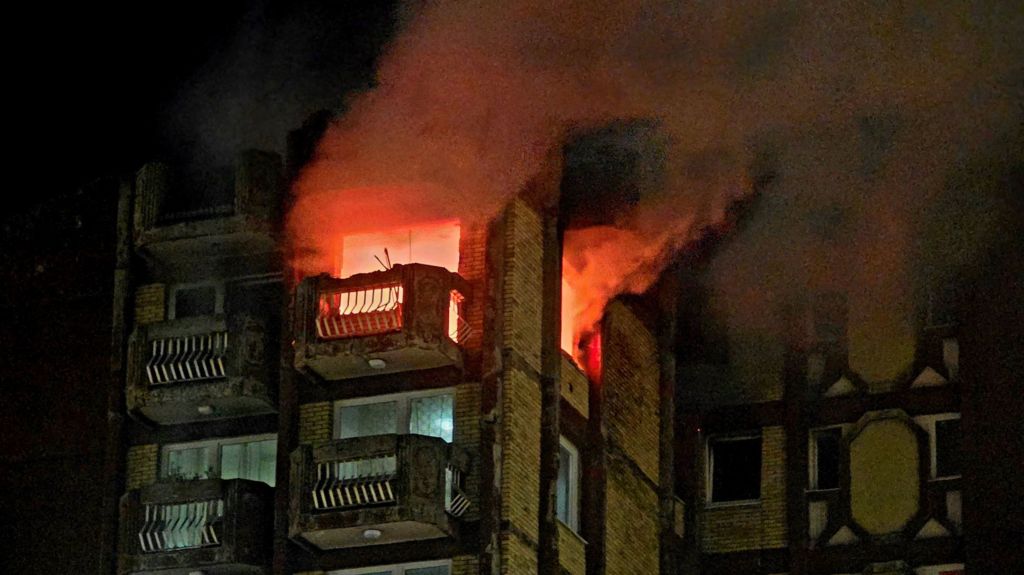
At least 10 killed in Bosnia nursing home fire
A devastating fire erupted at a nursing home in Tuzla, northeastern Bosnia-Herzegovina, on Tuesday night, resulting in the deaths of 10 residents and injuring 20 others, according to local police. The blaze began at approximately 20:45 local time (19:45 GMT) on the seventh floor of the retirement facility. Emergency responders, including firefighters, police officers, medical personnel, and staff, rushed to the scene, with around 20 individuals transported to a nearby medical center for treatment. Among the injured were several patients suffering from carbon monoxide poisoning, three of whom required intensive care. The cause of the fire remains undetermined, prompting Prime Minister Nermin Nikšić to describe the incident as “a disaster of enormous proportions.” Authorities have pledged a thorough investigation once conditions permit. Željko Komšić, Chairman of Bosnia-Herzegovina’s tripartite presidency, extended condolences to the families of the victims and those injured. Eyewitness accounts, including that of resident Ruza Kajic, who lived on the third floor, described chaotic scenes as flames engulfed the upper floors, where many bed-ridden individuals resided. Footage from the scene captured the intensity of the blaze, with flames visible from the building’s windows. The tragedy has cast a somber shadow over the community, raising questions about safety protocols in such facilities.
-
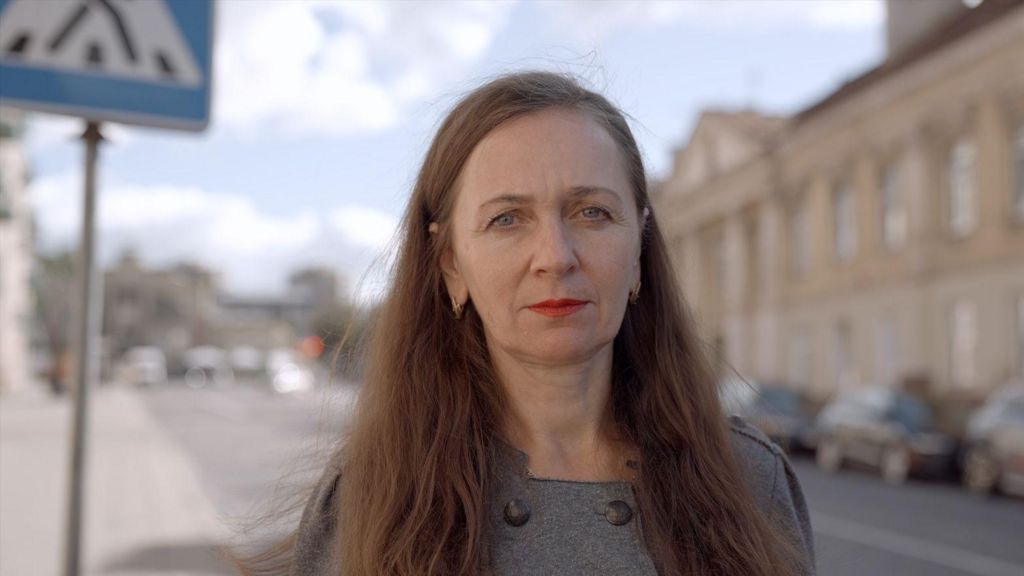
Freed in Trump deal: Prisoners in exile tell of brutality behind bars in Belarus
In September 2022, Larysa Shchyrakova and 51 other political prisoners were released from Belarusian jails as part of a deal between Belarus’s authoritarian leader Alexander Lukashenko and former US President Donald Trump. The agreement aimed to ease sanctions, but for many, freedom came at a heavy cost. Shchyrakova, imprisoned for three years on charges of “extremism” and “discrediting” Belarus, missed her mother’s funeral and now cannot visit her grave. Stripped of her home, possessions, and documents, she faces homelessness in Lithuania, where she was forcibly relocated. Her story mirrors that of thousands detained after Lukashenko’s brutal crackdown on 2020 protests. Among them is Mikalai Dziadok, who endured five years of harsh treatment, including solitary confinement and psychological torture. Dziadok believes the regime’s goal was to traumatize prisoners to deter future political activism. Another prisoner, Mikola Statkevich, refused to leave Belarus and has since disappeared, presumed re-imprisoned. Despite their release, the prisoners’ lives remain shattered. Shchyrakova, now supported by the Belarusian expat community, has reunited with her son but faces an uncertain future. The deal, which lifted sanctions on Belarusian airline Belavia, has not led to broader political reforms. According to human rights group Viasna, over 1,220 political prisoners remain incarcerated in Belarus, often on vague charges like “insulting the president” or “extremism.” The release, while a temporary reprieve, underscores the ongoing oppression in Lukashenko’s Belarus.