标签: Europe

欧洲

  • Ukrainian teen saboteurs recruited on Telegram to attack their own country

    Ukrainian teen saboteurs recruited on Telegram to attack their own country

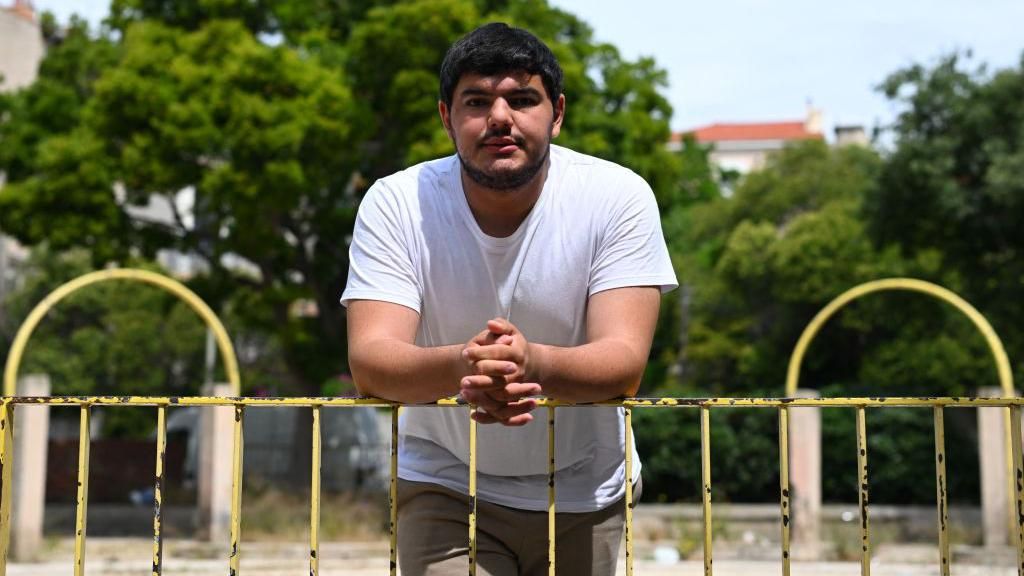
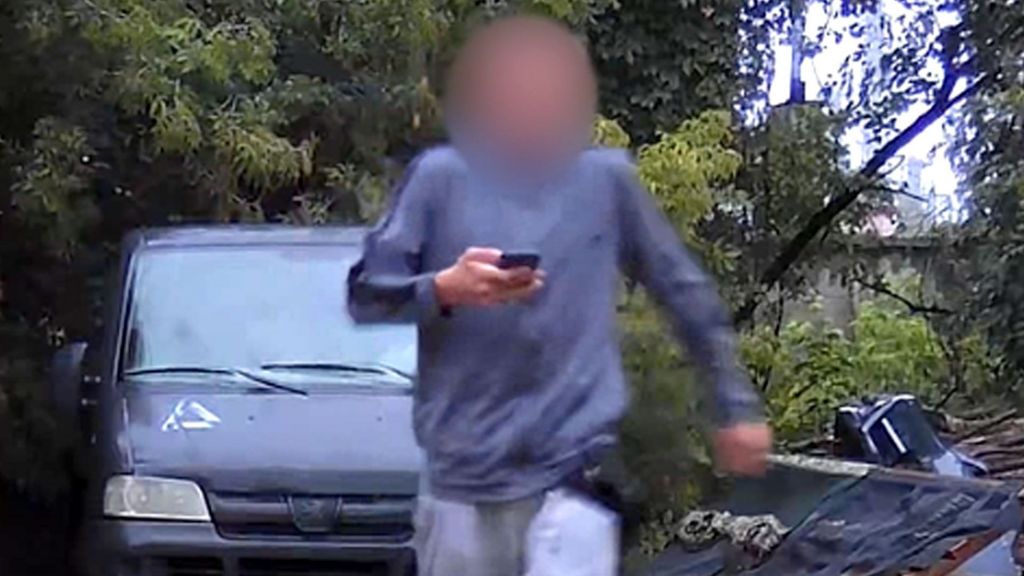
    In a chilling revelation, a Ukrainian teenager, now 18, has confessed to attempting to plant a bomb in a military conscription van under the direction of Russian handlers. The young man, identified only as Vlad to protect his identity, was promised $2,000 for the act of sabotage. However, Ukraine’s Security Service (SBU) had been monitoring him, ultimately thwarting the attack. Vlad is now awaiting trial on terrorism charges, which could result in a 12-year prison sentence.

    Vlad’s case is part of a broader pattern of Russian recruitment of Ukrainian minors for sabotage and attacks against their own country. According to the SBU, over 800 Ukrainians, including 240 minors, have been recruited by Russia in the past two years. Some of these recruits are as young as 11, with reports of attempts to recruit children as young as nine.

    The recruitment primarily occurs on platforms like Telegram, TikTok, and even video game platforms. The handlers exploit financial desperation, offering payments for increasingly dangerous tasks. Vlad, for instance, was initially reluctant but was persuaded to undertake a series of assignments, culminating in the bomb plot. He was paid a fraction of the promised cryptocurrency, highlighting the manipulative nature of these recruitments.

    Ukrainian officials have publicly named suspected Russian intelligence agents involved in these operations. While the BBC has not independently verified the Russian state’s direct involvement, several European governments have reported evidence of Russian agents recruiting young men for acts of vandalism, arson, and surveillance.

    The SBU has been proactive in countering these threats, conducting awareness campaigns in schools and removing some of the recruitment channels on Telegram. However, many of these channels remain active, with some even growing in subscribers. Telegram has stated that calls to violence are explicitly forbidden and removed when discovered, but the persistence of these channels suggests a significant challenge.

    Vlad’s story serves as a stark warning to others tempted by such offers. ‘It’s not worth it,’ he says. ‘They will either cheat you, and then you will end up in prison just like me, or you can take a bomb in your hands and it will simply blow you up.’
  • Albanian PM accuses Mahmood of ‘ethnic stereotyping’

    Albanian PM accuses Mahmood of ‘ethnic stereotyping’

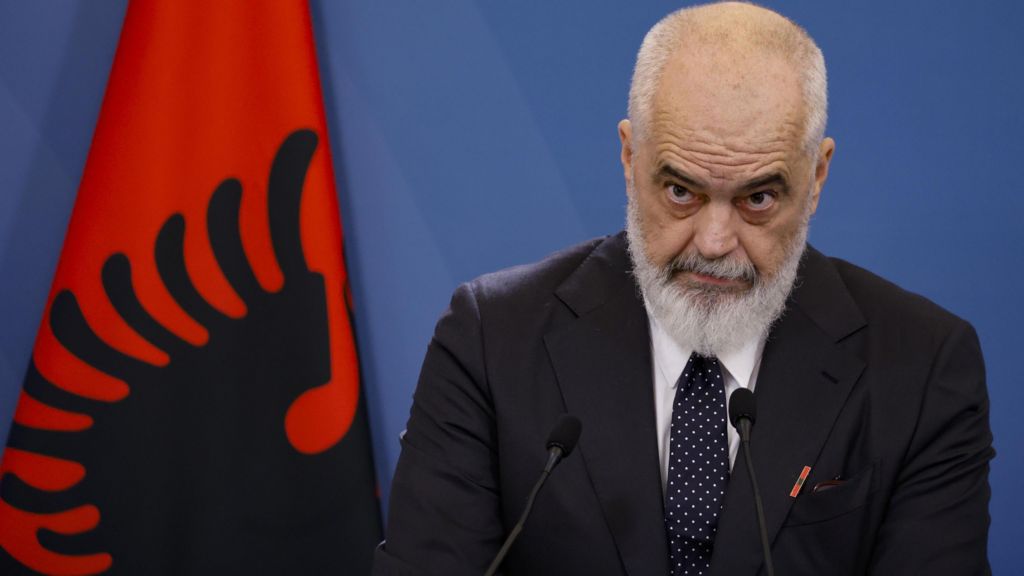
    Albanian Prime Minister Edi Rama has strongly criticized UK Home Secretary Shabana Mahmood for what he termed ‘ethnic stereotyping’ in her recent speech addressing abuses in the UK’s asylum system. During her announcement of major reforms on Monday, Mahmood highlighted that around 700 Albanian families were living in taxpayer-funded accommodations despite having failed their asylum claims. Rama dismissed this figure as a ‘statistical drop in the ocean of post-Brexit Britain’s challenges’ and emphasized the success of the UK-Albania returns agreement, which has led to the deportation of over 13,000 individuals since 2022. He described the partnership as one of ‘Europe’s most successful on illegal migration.’

    Mahmood’s proposed reforms aim to overhaul the UK’s ‘out of control and unfair’ asylum system. Key changes include making refugee status temporary, extending the wait for permanent settlement from five to 20 years, and allowing the removal of families with children who have no right to remain. The reforms also introduce new legal routes to the UK with an annual cap on numbers. In her speech, Mahmood stressed the need to remove individuals with failed asylum claims, regardless of their background.

    Rama took to social media to express his dismay, questioning how a Labour Home Secretary could echo far-right populist rhetoric by singling out Albanian families. He argued that Albanians are net contributors to the British economy and that the number receiving benefits is relatively low compared to other communities. Rama condemned the focus on Albanians as ‘a troubling and indecent exercise in demagoguery’ and called for policies free from ethnic stereotyping.

    This is not the first time Rama has clashed with British politicians over their portrayal of Albanian nationals. Earlier this year, he rejected UK Labour leader Sir Keir Starmer’s proposal to establish ‘return hubs’ in Albania for failed asylum seekers from other countries. Rama has also challenged Reform UK leader Nigel Farage to debate his claims about Albanian criminality in the UK, dismissing such assertions as ‘bonkers’ and rooted in ‘post-truth Brexit playbook’ politics.

  • How serious is the Russian spy ship move?

    How serious is the Russian spy ship move?

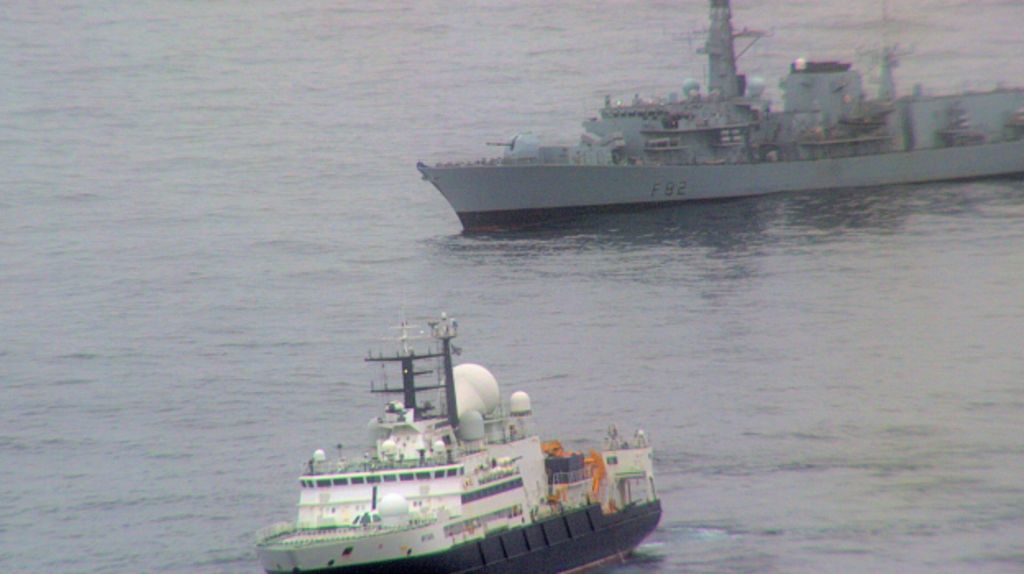
    The UK Ministry of Defence has unveiled new images of the Royal Navy monitoring the Russian vessel Yantar, which has sparked significant concerns among British defence officials. While Russia describes the Yantar as an oceanic research vessel, the UK and other nations view it as a spy ship. The vessel is suspected of covertly mapping Britain’s undersea cables, which facilitate over 90% of the nation’s data transfer, including billions of dollars in financial transactions. Recent escalations have revealed that Yantar’s crew targeted Royal Air Force pilots with lasers, an act deemed “deeply dangerous” by UK Defence Secretary John Healey. Such actions are illegal in the UK and can result in imprisonment. Healey issued a stern warning to Russia and its leader Vladimir Putin, stating, “We see you. We know what you’re doing. And if the Yantar travels south this week, we are ready.” This implies a potential military response if the vessel breaches Britain’s 12-mile maritime boundary. The Yantar’s activities are part of a broader Kremlin strategy to map critical undersea infrastructure, including cables and pipelines connecting the UK to the global network. These actions align with Russia’s pattern of testing NATO’s defenses, as seen in recent drone incursions and unauthorized flights into NATO airspace. Retired Royal Navy Commander Tom Sharpe highlighted the strategic importance of undersea cables, noting their role in transferring up to $7 trillion daily in financial transactions between the UK and the US. NATO has identified these cables as critical infrastructure, vulnerable to sabotage or hybrid warfare. The Yantar, operated by Russia’s secretive Main Directorate for Deep Sea Research (GUGI), is equipped with advanced technology, including remotely-piloted submarines capable of mapping or damaging undersea cables. While the Royal Navy is developing countermeasures, critics argue that significant damage to Britain’s coastal security may already have occurred. Amidst these tensions, Russia’s Embassy in London denies undermining UK security and condemns Healey’s statements as provocative. The situation unfolds against the backdrop of the ongoing conflict in Ukraine, which Putin attributes to Western actions.

  • Italy to extradite Nord Stream blast suspect to Germany

    Italy to extradite Nord Stream blast suspect to Germany

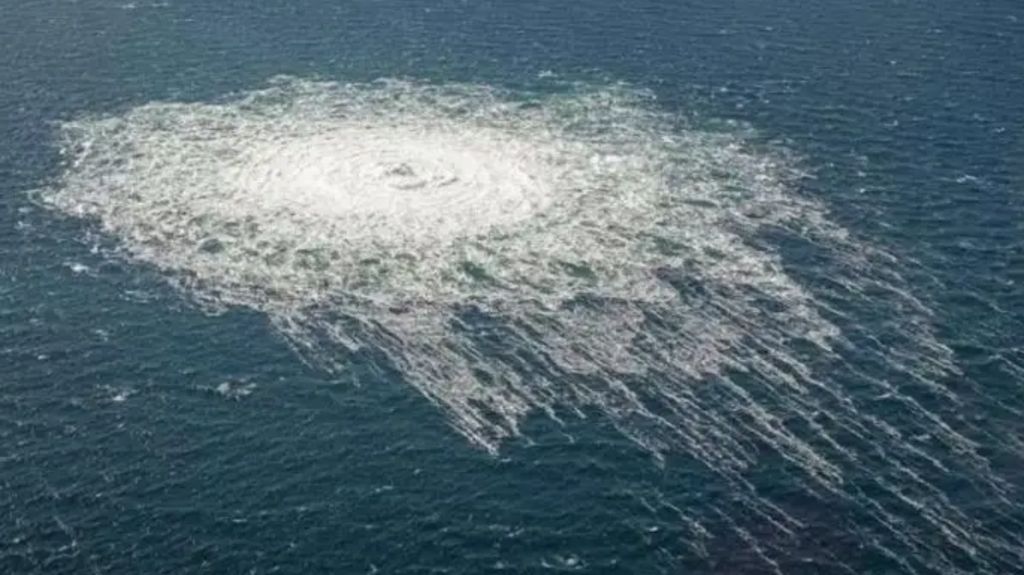
    In a significant development, Italy’s highest appeals court has ruled that Serhiy Kuznetsov, a former Ukrainian military officer suspected of involvement in the 2022 Nord Stream pipeline sabotage, should be extradited to Germany. Kuznetsov faces charges of anti-constitutional sabotage for allegedly coordinating and leading a group that planted explosives on the pipelines beneath the Baltic Sea. Despite the lack of disclosed evidence, the case has strained relations between Ukraine and Germany, the latter being Ukraine’s largest military aid provider in Europe. Kuznetsov’s lawyer, Nicola Canestrini, argued that his client feels like a ‘scapegoat’ and expressed disappointment over the Ukrainian government’s silence on the matter. Kuznetsov was arrested in northern Italy in August 2023 and is set to be transferred to Germany under police escort. Meanwhile, another Ukrainian suspect, Volodymyr Zhuravlyov, was detained in Poland but was not extradited after a court deemed his actions as self-defense against Russia’s invasion. The case continues to spark debate, with many Ukrainians viewing the pipeline’s destruction as a heroic act against Russia, while Germany pursues prosecution, complicating its alliance with Ukraine.

  • Italian court approves extradition to Germany of Ukrainian suspect in Nord Stream pipeline blast

    Italian court approves extradition to Germany of Ukrainian suspect in Nord Stream pipeline blast

    Italy’s highest court has greenlit the extradition of a Ukrainian national to Germany, where he faces allegations of orchestrating the 2022 explosions that severely damaged the Nord Stream pipelines. The Cassation Court dismissed a final appeal by 49-year-old Serhii Kuznietsov, paving the way for his transfer to German authorities within days. Kuznietsov, detained in August 2023 while vacationing near Rimini, is accused of detonating multiple underwater bombs in the Baltic Sea, targeting the Nord Stream 1 and 2 pipelines. His defense lawyer, Nicola Canestrini, maintains his client’s innocence, expressing confidence in an acquittal. The incident, which occurred in September 2022, disrupted the Nord Stream 1 pipeline—a critical conduit for Russian natural gas to Germany—and damaged the inactive Nord Stream 2 pipeline. Germany had suspended certification of Nord Stream 2 following Russia’s invasion of Ukraine earlier that year. Kuznietsov denies involvement, claiming he was serving in the Ukrainian military at the time. Meanwhile, Poland has blocked the extradition of another suspect linked to the case.

  • Trial opens into North Macedonia nightclub fire that killed 63

    Trial opens into North Macedonia nightclub fire that killed 63

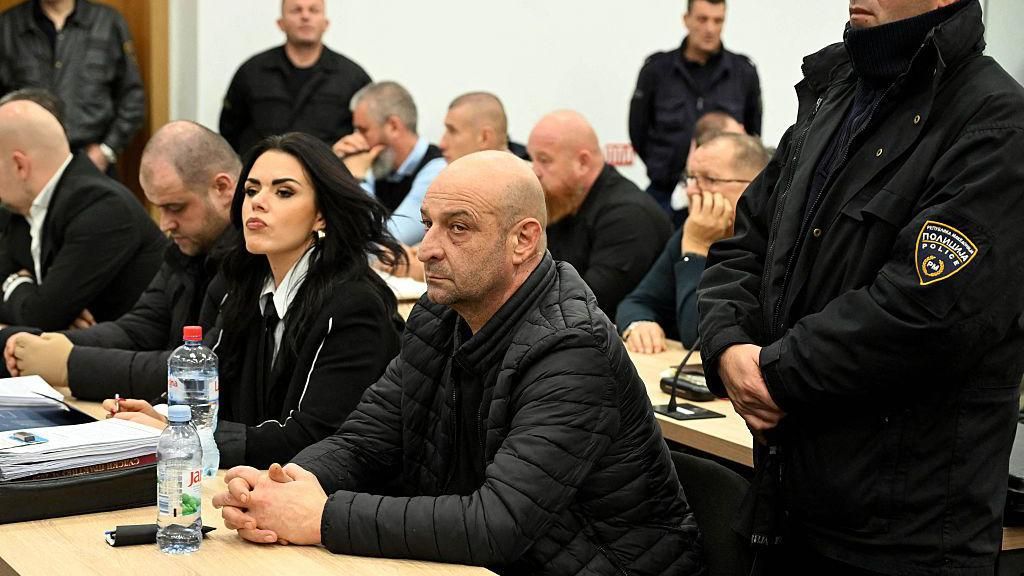
    A landmark trial has commenced in North Macedonia, involving 35 individuals and three institutions, following a catastrophic fire at Club Pulse in Kocani that claimed 63 lives, predominantly young people, in March. The tragedy, which unfolded during a concert by a popular hip-hop duo, was ignited by pyrotechnic sparks that set the club’s flammable ceiling ablaze. The courtroom, packed with defendants and grieving relatives, heard Judge Diana Gruevska-Ilievska vow to conduct the proceedings transparently and with discipline. Among the accused are three former mayors of Kocani, the nightclub’s owner, and public licensing officials, all charged with endangering public safety by permitting the operation of an unsafe venue. Prosecutors highlighted years of systemic failures, including unlawful licensing, neglected inspections, and unchecked overcrowding, which transformed the club into a death trap. The trial, which could span months or even years, saw defense lawyers attempt to delay proceedings, a move swiftly rejected by the judge. The fire, exacerbated by blocked exits, left 59 dead on the scene and injured around 200, with four later succumbing to their injuries. The incident sparked widespread outrage, leading to protests in Skopje and Kocani, where victims’ families demanded accountability. A poignant ‘March of the Angels’ protest, organized under the social media campaign ‘Who’s Next?’, preceded the trial. Prosecutor Borche Janev emphasized that the disaster stemmed from a series of institutional failures and a pervasive lack of responsibility, urging society to seek truth and healing.

  • ‘I won’t be silenced’ says French anti-drugs activist after murders of two brothers

    ‘I won’t be silenced’ says French anti-drugs activist after murders of two brothers

    Amine Kessaci, a prominent French anti-drugs campaigner, has vowed to continue his fight against drug-related violence after the tragic murder of his younger brother, Mehdi Kessaci, last week. This marks the second time Amine has lost a sibling to drug criminals, following the death of his elder brother, Brahim, in 2020. Mehdi, 20, was shot dead in central Marseille in what authorities believe was a targeted attack aimed at intimidating Amine, who has been a vocal critic of the city’s drug gangs. In an emotional op-ed published in *Le Monde*, Amine declared, ‘Yesterday I lost my brother. Today I speak out,’ emphasizing his refusal to be silenced by fear. The French government has described Mehdi’s murder as a turning point in the nation’s escalating drug wars. Interior Minister Laurent Nuñez labeled the killing as a ‘crime of intimidation,’ signaling a new level of violence in the ongoing conflict. Amine, who founded the association Conscience to expose the impact of drug gangs on working-class communities, has faced direct threats to his life, prompting police to advise him to leave Marseille. Despite the dangers, he attended Mehdi’s funeral wearing a bulletproof vest and under heavy police protection. The murder has reignited national debate on France’s drug crisis, with experts warning that the problem is reaching unmanageable proportions. According to a recent study, the drug trade in France generates €7 billion annually, surpassing 70% of the justice ministry’s budget. President Emmanuel Macron has called for a crackdown on drug consumers, accusing the ‘city-centre bourgeoisie’ of funding traffickers. In response to the crisis, France has implemented new anti-drug laws, including the establishment of a specialized prosecutor’s office for organized crime. While progress has been made, with homicides in Marseille dropping from 49 in 2023 to 24 in 2024, officials acknowledge that the war against drugs is far from over.

  • Kosovo heading for an early vote after lawmakers fail to elect government

    Kosovo heading for an early vote after lawmakers fail to elect government

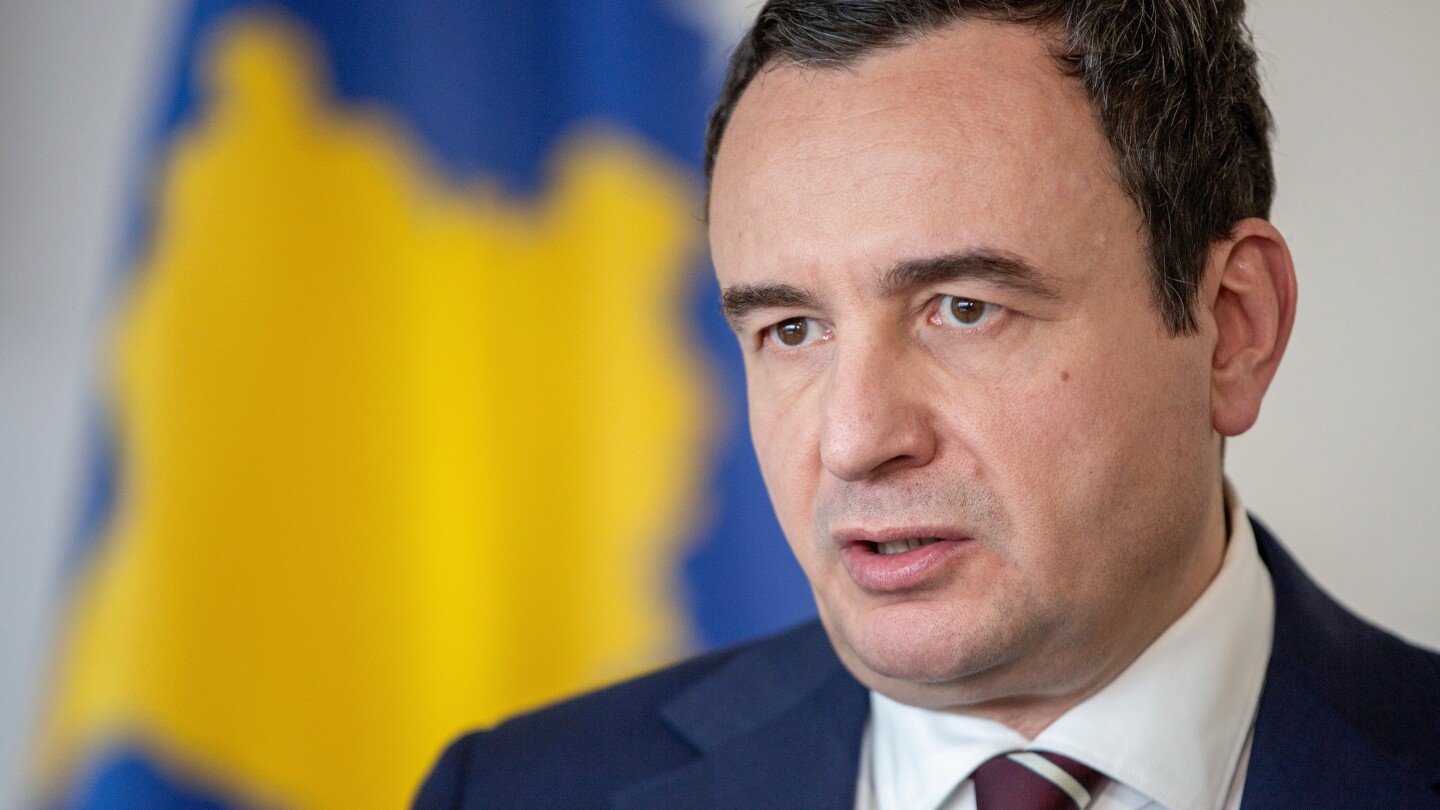
    In a significant political setback, Kosovo’s lawmakers were unable to elect a new government on Wednesday, triggering the likelihood of early elections amid an ongoing political crisis in the Balkan nation. Prime Minister-designate Glauk Konjufca, representing the ruling Self-Determination Movement party, secured 56 votes in the 120-member assembly, falling short of the majority required for confirmation. This outcome deals a blow to the party of acting Prime Minister Albin Kurti, which emerged as the largest faction in February’s election but failed to establish a coalition to secure parliamentary control. President Vlosa Osmani is now mandated to dissolve parliament and call for fresh elections within 10 days. This marks the first instance since Kosovo’s 2008 declaration of independence from Serbia that the country has been unable to form a government. The political impasse has also delayed the approval of next year’s budget, raising concerns about the economic stability of the nation, which is already grappling with financial challenges. Additionally, unresolved tensions with Serbia, which refuses to recognize Kosovo’s independence, continue to hinder Kosovo’s aspirations for European Union membership. Konjufca, seen as a potential compromise candidate, has warned against the risks of repeated elections, emphasizing the need for political stability. The crisis underscores broader issues of governance and diplomacy in the region, with implications for Kosovo’s domestic and international standing.

  • Ukraine asks Vatican to formalize mediation role for return of citizens taken by Russia

    Ukraine asks Vatican to formalize mediation role for return of citizens taken by Russia

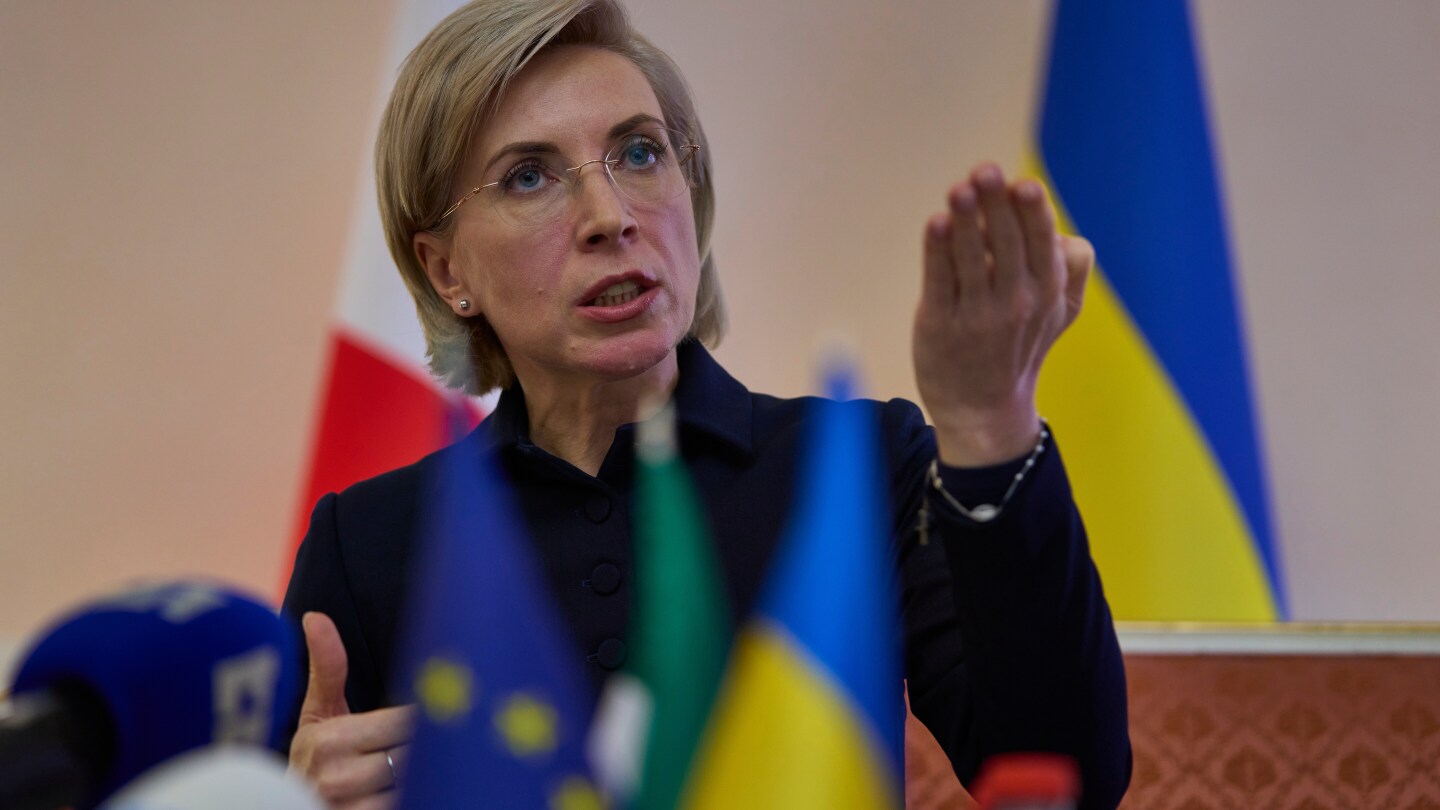
    In a significant diplomatic move, Ukraine has formally requested the Vatican to institutionalize its role in mediating the return of Ukrainian children and civilians taken by Russia during the ongoing conflict. President Volodymyr Zelenskyy conveyed this appeal in a letter to Pope Leo XIV, ahead of a scheduled meeting between the pontiff and a delegation of repatriated Ukrainians. The letter seeks to formalize the informal mediation efforts initiated by Pope Francis, which involved Italian Cardinal Matteo Zuppi as a papal envoy for humanitarian matters. Iryna Vereshchuk, deputy head of Zelenskyy’s office, emphasized the necessity of this formalization to enhance the process’s effectiveness. She highlighted that the Vatican’s role as a neutral intermediary could facilitate structured communications between Ukraine and Russia, ensuring accountability in the return of civilians. Despite the Vatican’s informal involvement, the success of these efforts remains unclear. Vereshchuk accompanied a delegation of Ukrainian families who had been displaced or detained in Russian-controlled territories, underscoring the urgency of resolving this humanitarian crisis. Ukraine continues to document thousands of cases of children unlawfully taken to Russia, a practice condemned as a war crime by the International Criminal Court, which issued an arrest warrant for Russian President Vladimir Putin in 2023. According to Ukraine’s Bring Kids Back platform, over 19,000 children have been officially recorded as deported or forcibly transferred, with 1,247 successfully returned through diplomatic channels as of March 2024.

  • Europe could get Cypriot natural gas by 2027, president says

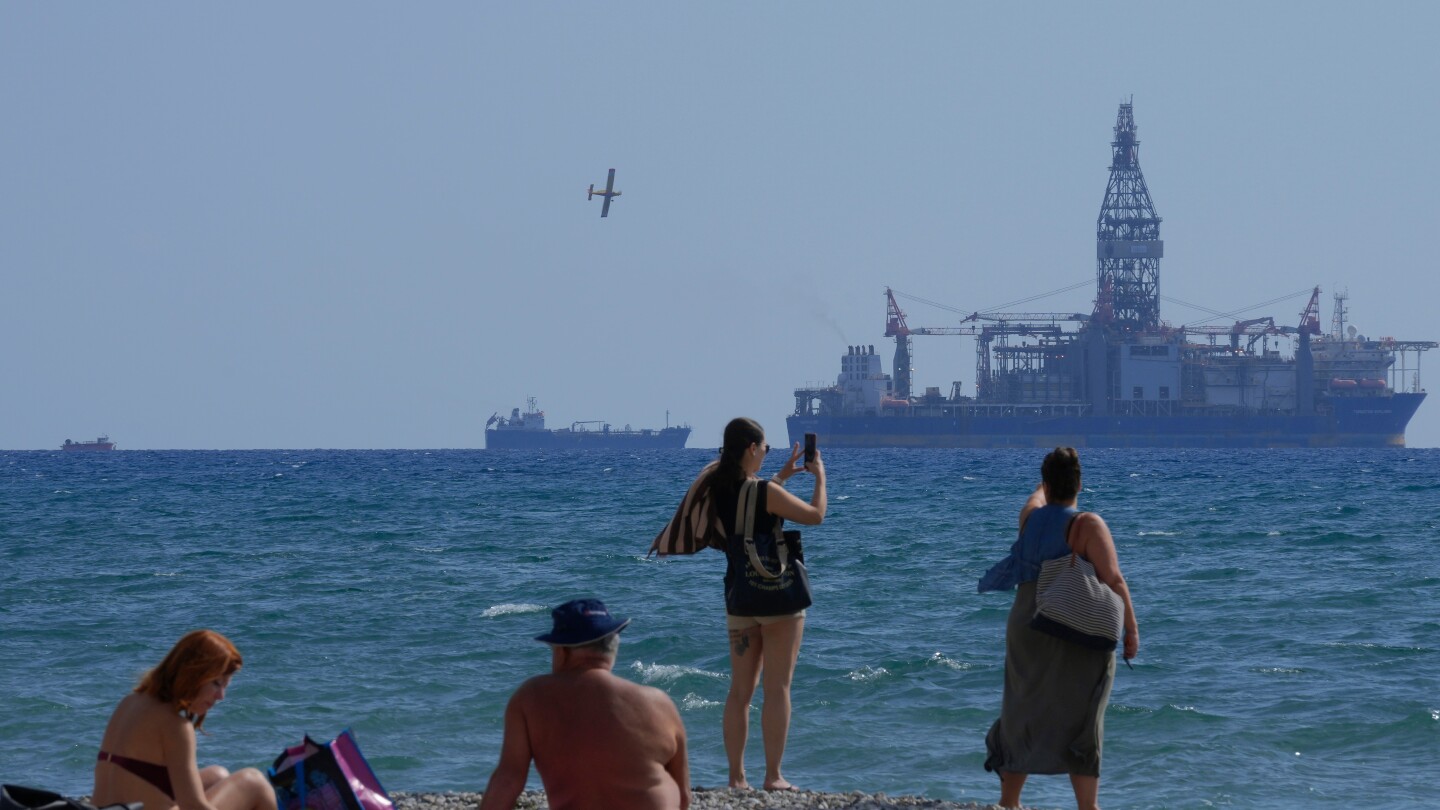
    Europe could get Cypriot natural gas by 2027, president says

    Cyprus is poised to play a pivotal role in Europe’s energy security, with plans to export natural gas from its offshore reserves to European markets as early as 2027. President Nikos Christodoulides announced this ambitious timeline during an energy conference, highlighting the Cronos deposit as the first source of exportable gas. Operated by a consortium of Italian energy giant Eni and French company TotalEnergies, the Cronos project is expected to make its final investment decision in 2024. The gas will be transported to Egypt’s Damietta port for liquefaction before being shipped to Europe. Christodoulides emphasized Cyprus’s strategic importance as an alternative energy corridor in the Eastern Mediterranean, aligning its interests with powerful states to bolster regional energy security. Cypriot Energy Minister George Papanastasiou described the 2027 target as “optimistic but achievable,” citing the proximity of existing infrastructure connecting Cronos to Egypt’s Zor deposit, located just 80 kilometers away. Additionally, plans are underway to develop the Aphrodite deposit, where a floating processing plant will convert hydrocarbons into dry gas for direct consumption in Egypt or export to Europe. This project involves a partnership between Chevron, Shell, and Israel’s NewMed Energy. Christodoulides also revealed plans to visit Lebanon next week to discuss energy cooperation, as unresolved maritime border disputes have hindered exploration in adjacent waters. Meanwhile, ExxonMobil and QatarEnergy are exploring two blocks off Cyprus’s southern coast, where significant discoveries like the Glaucus and Pegasus deposits have been made, further solidifying Cyprus’s position as a key player in the global energy landscape.