标签: Europe

欧洲

  • Search for British man who fell from cruise ship off Tenerife coast

    Search for British man who fell from cruise ship off Tenerife coast

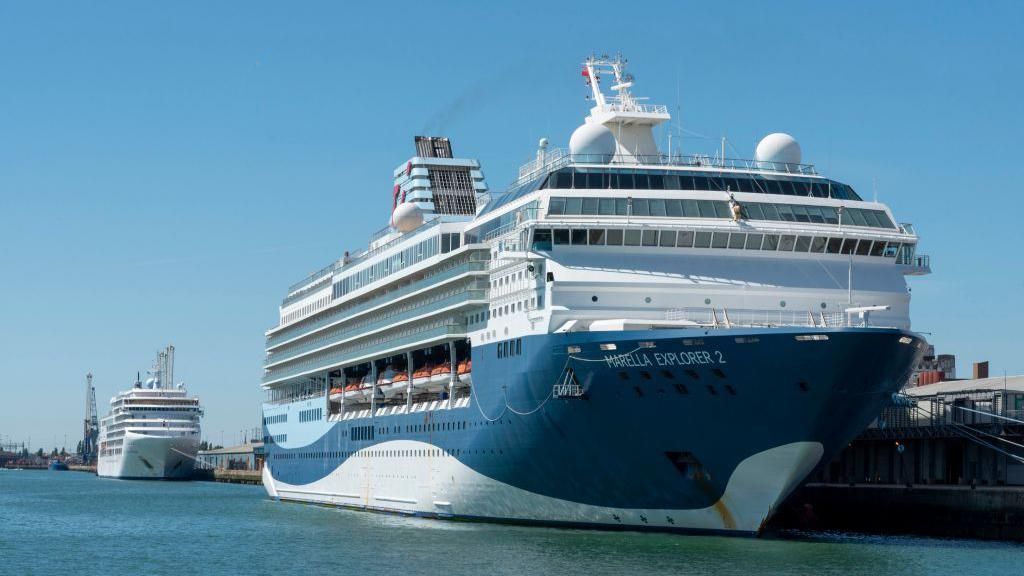
    A multinational maritime search operation is currently underway off the northwestern coast of Tenerife following the distressing incident involving a British national who fell from a cruise vessel. The 76-year-old passenger was reportedly observed entering the water while the Marella Explorer 2, operated by TUI Group, was transiting toward La Gomera island on Thursday morning.

    The Spanish Coast Guard initiated coordinated search and rescue protocols at 09:48 local time (08:48 GMT), mobilizing maritime assets to scour the waters where the incident occurred. The Malta-registered cruise ship, which specializes in adult-only voyages, immediately participated in initial search efforts before proceeding to its scheduled docking in Santa Cruz de Tenerife during Friday’s early hours.

    Marella Cruises, TUI’s cruise division, confirmed the company is providing comprehensive support to the passenger’s family while maintaining close collaboration with Spanish authorities. The vessel was completing an inter-island journey from Madeira, Portugal to Spain’s Canary Islands archipelago when the overboard incident transpired.

    According to TUI’s specifications, the Marella Explorer 2 represents modern cruise hospitality with capacity for 1,814 passengers distributed across 907 cabins and 14 decks. The Foreign Office has been contacted regarding the incident involving the British citizen, though official statements remain pending as search operations continue.

  • France to intercept small boats after pressure from UK

    France to intercept small boats after pressure from UK

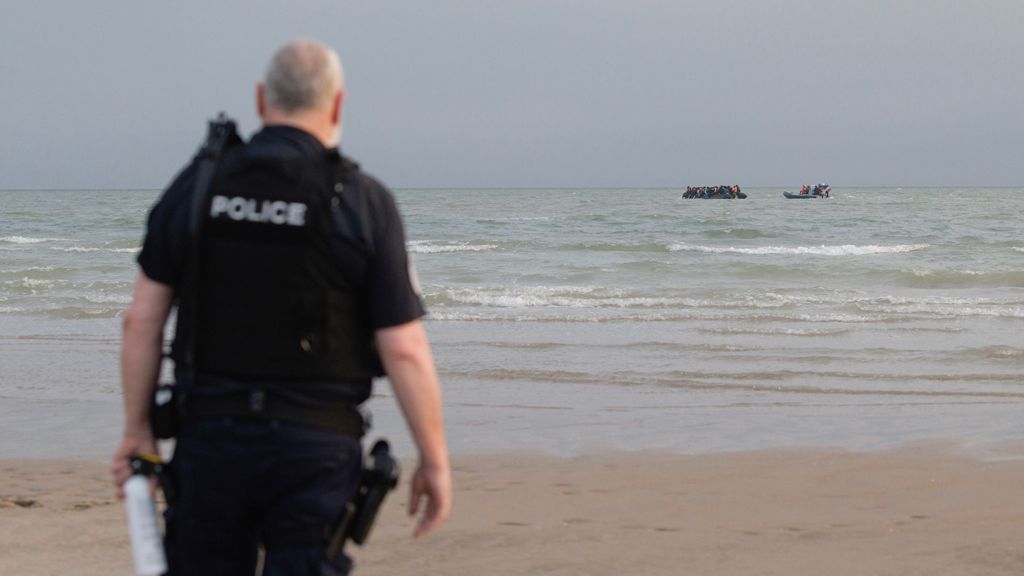
    In a significant policy reversal, French authorities have consented to commence maritime interceptions of migrant vessels in the English Channel after sustained diplomatic pressure from the United Kingdom. This strategic shift follows a personal appeal from Prime Minister Sir Keir Starmer to President Emmanuel Macron, emphasizing the current absence of effective deterrence mechanisms in the crucial waterway.

    According to confirmed reports from French maritime police, security forces will now engage in preventive operations targeting empty migrant boats before they embark passengers from northern French coastlines. This approach marks a departure from previous restraint, where French police historically avoided intercepting overloaded vessels due to safety concerns for both officers and migrants.

    A spokesperson for the French maritime police clarified that while interception tactics will be implemented, they explicitly exclude controversial methods such as propeller-entangling nets. The primary stated objective remains the preservation of human life amidst increasingly dangerous crossing attempts.

    This development revives elements of a previously abandoned strategy championed by former Interior Minister Bruno Retailleau, which included more aggressive interception methods observed during summer operations. The BBC documented one such instance in July near Boulogne, where French officers waded into shallow waters to disable migrant vessels.

    Meteorological challenges currently delay operational implementation, with strong winds temporarily preventing interception activities. Meanwhile, people-smuggling networks are expected to adapt their tactics to evade enhanced surveillance measures, continuing the cat-and-mouse dynamic that has characterized cross-Channel migration patterns.

    The UK government acknowledged the collaboration, stating: “We continue to work closely with our French partners on the shared challenge of illegal migration, ensuring officers in France review their maritime tactics for intervention in shallow waters.” This bilateral agreement represents the latest chapter in ongoing efforts to manage migration flows through one of Europe’s most contentious transit routes.

  • ‘Callous’ beheading of stag prompts police investigation

    ‘Callous’ beheading of stag prompts police investigation

    Authorities in Dublin’s Fingal County have launched a criminal investigation following the brutal beheading of a cherished eight-year-old stag at Newbridge Demesne public park. The headless carcass of the Irish Red Deer was discovered by park staff on Thursday morning during routine feeding of the protected herd.

    According to official statements from Fingal County Council, intruders illegally entered the Donabate park overnight Wednesday and deliberately removed the stag’s head, presumably as a hunting trophy. The council has characterized the act as ‘callous’ and is collaborating with both gardaí (Irish police) and the National Parks and Wildlife Service in their investigation of this wildlife crime.

    The slain stag, known for his impressive antlers and gentle demeanor, was one of only two stags in the herd and had become a beloved attraction for park visitors. Ivan Smith, foreman at Newbridge House and Traditional Farm, emotionally described the animal as ‘a lovely stag with a beautiful pair of antlers’ that was ‘a big favourite with the public.’

    Fingal Mayor Tom O’Leary expressed profound shock at the incident, recalling personal visits with his granddaughters to see the ‘wonderful animal.’ He emphasized that deer killing without proper licensing is illegal under Irish law and urged anyone with information to contact authorities immediately. The investigation continues as officials work to identify and prosecute those responsible for this violation of protected wildlife.

  • Paris’ Louvre museum to increase ticket price for visitors from outside the European Union

    Paris’ Louvre museum to increase ticket price for visitors from outside the European Union

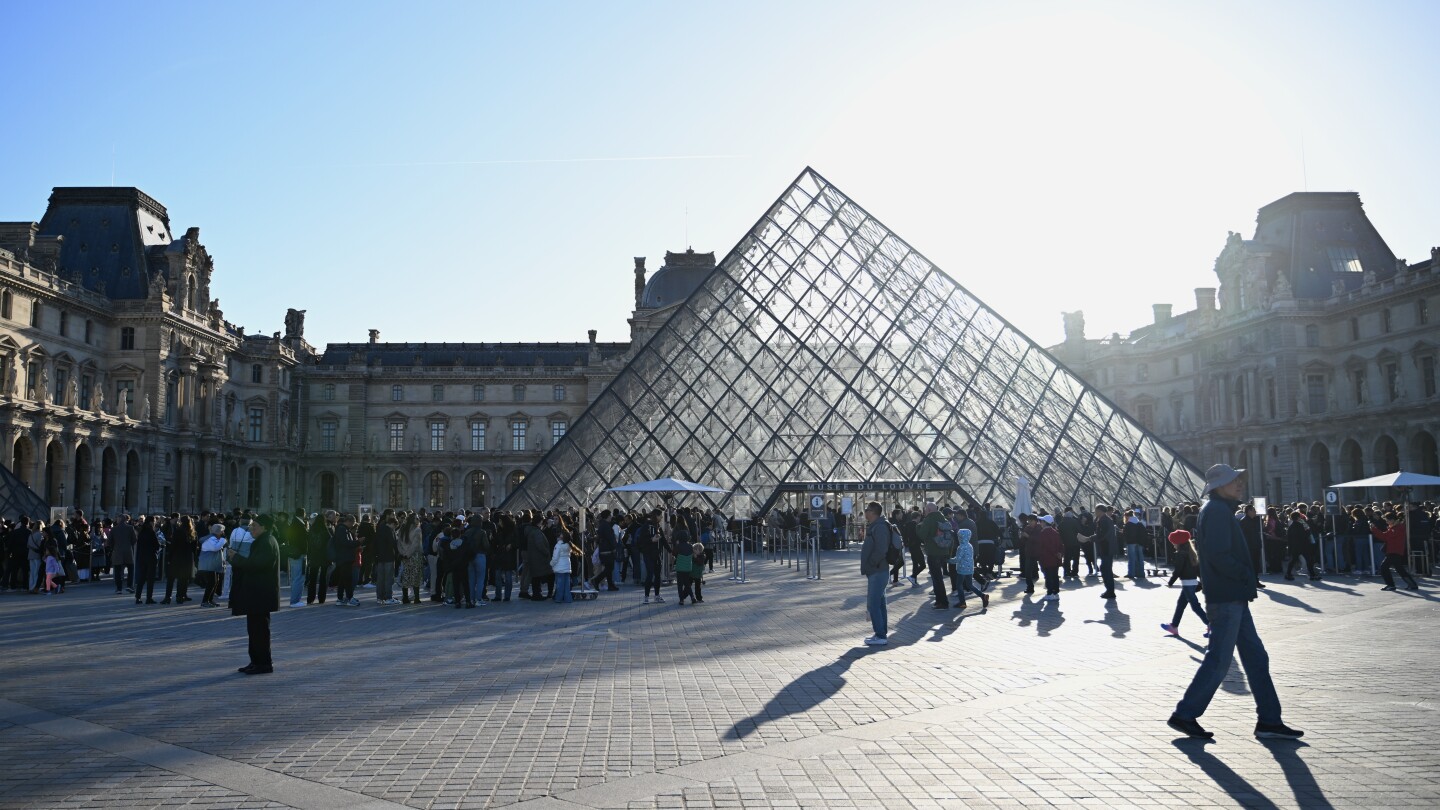
    The Louvre Museum in Paris has officially sanctioned a substantial ticket price adjustment for international visitors, elevating admission fees from €22 to €32 ($25 to $37) exclusively for non-European Union nationals effective January 14. This strategic financial decision emerged from the museum’s governing board during Thursday’s session, forming a critical component of President Emmanuel Macron’s comprehensive “Louvre New Renaissance” revitalization initiative.

    The pricing restructuring directly responds to security vulnerabilities exposed during October’s high-profile crown jewels heist, where thieves successfully absconded with €88 million ($102 million) in valuables through astonishingly breached defenses. Museum Director Laurence des Cars confirmed the technical obsolescence of existing infrastructure, prompting immediate implementation of over twenty emergency security enhancements.

    European Economic Area participants—including Iceland, Liechtenstein, and Norway—retain current pricing structures under the exemption clause. Statistical data reveals the measure’s significant reach, with 77% of Louvre’s 8.7 million annual visitors originating internationally, predominantly from the United States (13%), China (6%), and Britain (5%).

    The ambitious renovation blueprint, projected to consume €800 million ($933 million) through 2031, envisions infrastructure modernization, visitor flow optimization, and dedicated exhibition space for masterpieces including the Mona Lisa. Concurrently, judicial developments unfolded Tuesday as Paris prosecutors announced four additional arrests—two men and two women—in connection with the October robbery, with detainees remaining under interrogation pending magistrate review.

  • Anti-corruption units raid home and offices of Zelenskyy’s chief of staff

    Anti-corruption units raid home and offices of Zelenskyy’s chief of staff

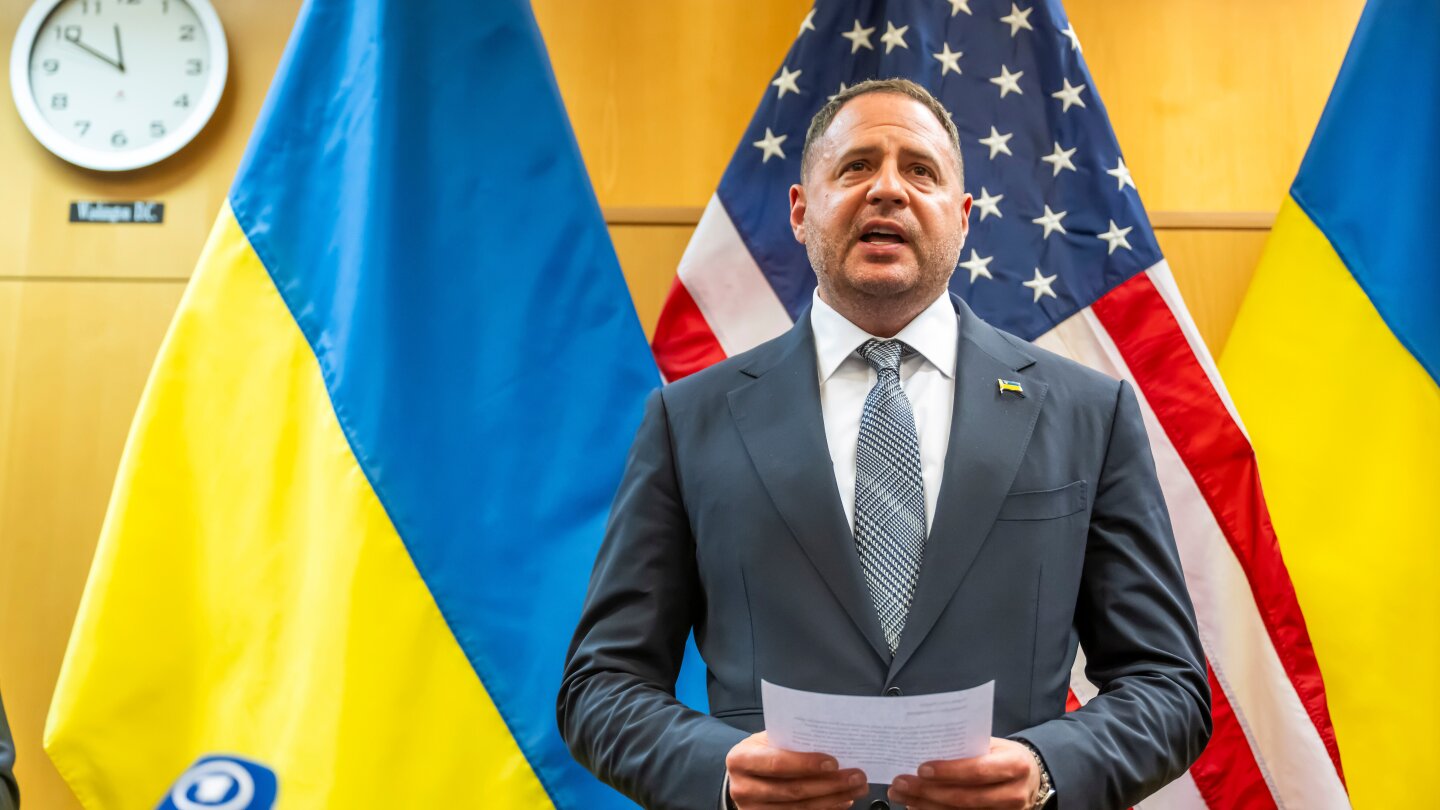
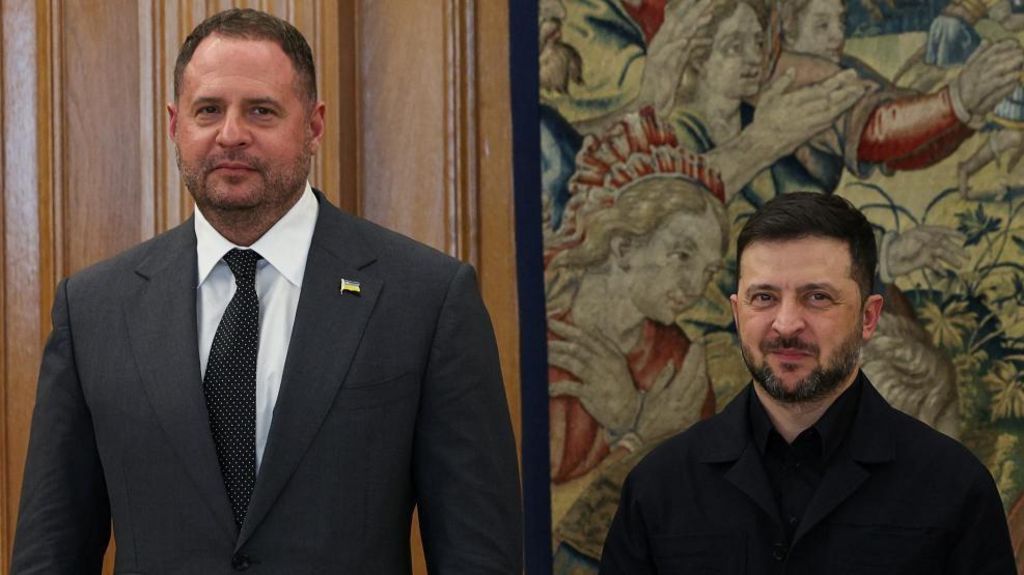
    In a significant development within Ukraine’s political landscape, anti-corruption authorities have executed coordinated raids targeting the residence and official workplace of Presidential Chief of Staff Andrii Yermak. This operation represents a substantial escalation in Ukraine’s ongoing campaign against systemic corruption, particularly striking given Yermak’s position as one of President Volodymyr Zelenskyy’s most influential advisors and a central figure in diplomatic negotiations with the United States.

    The National Anti-Corruption Bureau of Ukraine (NABU), in collaboration with the Specialized Anti-Corruption Prosecutor’s Office (SAPO), confirmed conducting searches as part of a comprehensive investigation into corruption allegations within the nation’s energy sector. The probe centers on a massive financial scandal involving approximately $100 million and implicates several high-ranking Ukrainian officials.

    Yermak publicly acknowledged the investigations through a statement on Telegram, emphasizing his full cooperation with authorities. He noted that investigative teams encountered no obstructions during their searches and confirmed that his legal representatives were present throughout the proceedings. This transparency statement appears designed to demonstrate compliance with anti-corruption efforts despite the sensitive timing.

    The raids create considerable complications for the Zelenskyy administration as it simultaneously manages military operations against Russian invasion forces and delicate diplomatic negotiations regarding potential peace settlements. Western nations, particularly the United States, have consistently emphasized anti-corruption reforms as prerequisite conditions for continued financial and military assistance to Ukraine.

    This development occurs amid critical discussions with international partners regarding Ukraine’s defense funding and long-term security guarantees. The administration must now navigate these domestic investigations while maintaining confidence among its international allies that governance reforms remain on track despite the ongoing conflict.

  • Ukraine anti-corruption agents search home of Zelensky’s top adviser

    Ukraine anti-corruption agents search home of Zelensky’s top adviser

    Ukrainian anti-corruption authorities have executed authorized searches at the residence of Presidential Chief of Staff Andriy Yermak, a central figure in President Volodymyr Zelensky’s administration. The National Anti-Corruption Bureau of Ukraine (NABU) confirmed conducting investigative operations at Yermak’s apartment, with the Specialized Anti-Corruption Prosecutor’s Office (SAPO) jointly overseeing procedural activities.

    Yermak acknowledged the investigations via social media, stating authorities had obtained full access to his property with his legal representatives present. He emphasized his complete cooperation with the proceedings, though specific allegations remain undisclosed. The development emerges amid growing corruption controversies involving multiple officials within Zelensky’s inner circle, though neither the president nor his chief of staff face formal accusations.

    Having served as Zelensky’s principal aide for over five years, Yermak has been instrumental in coordinating Ukraine’s military and diplomatic strategies following Russia’s full-scale invasion. His role as Kyiv’s lead negotiator in peace discussions with international partners, particularly the United States, has positioned him as a pivotal figure in Ukraine’s wartime leadership. However, his influence has increasingly drawn criticism from political opponents and reform advocates demanding accountability and governmental restructuring.

    The investigation signifies deepening anti-corruption efforts within Ukraine’s institutions as the country continues its pursuit of European Union membership. Western allies have consistently emphasized anti-corruption reforms as prerequisite for continued financial and military support. This probe occurs against a backdrop of heightened geopolitical tensions and ongoing military operations, raising questions about potential impacts on Ukraine’s governance stability and diplomatic negotiations.

  • Hungary’s Viktor Orbán to meet Russia’s Vladimir Putin in Moscow for energy talks

    Hungary’s Viktor Orbán to meet Russia’s Vladimir Putin in Moscow for energy talks

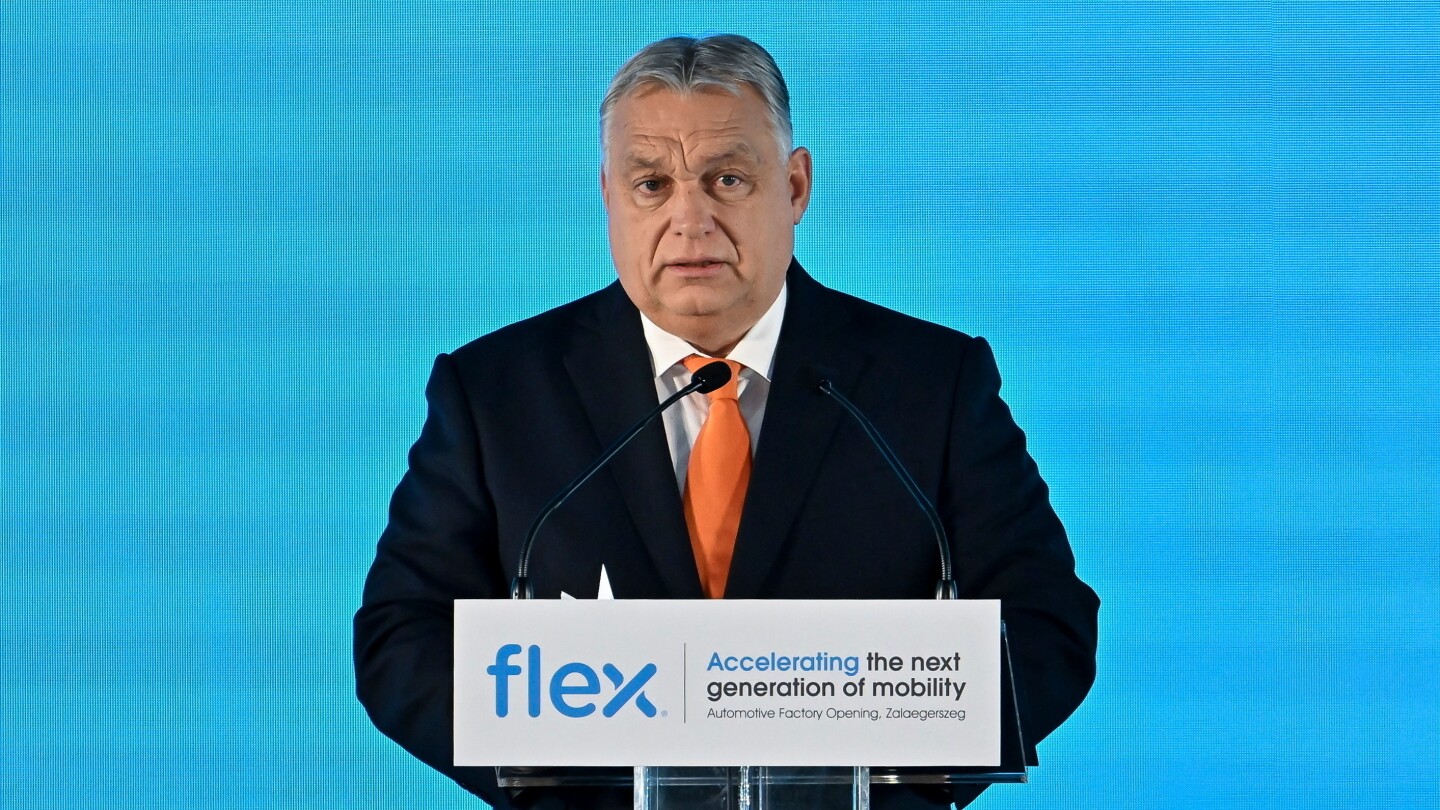
    In a diplomatic move that underscores deepening divisions within the European Union, Hungarian Prime Minister Viktor Orbán embarked on a high-stakes visit to Moscow for energy negotiations with Russian President Vladimir Putin. This meeting represents one of the few instances of a European leader engaging directly with the Kremlin amid ongoing hostilities in Ukraine.

    Orbán, widely regarded as Putin’s most sympathetic counterpart among EU leadership, emphasized the critical nature of these discussions for Hungary’s energy infrastructure. Speaking to state media prior to his departure from Budapest, the Prime Minister articulated his mission to secure continued access to affordable Russian oil and gas resources—commodities that have become increasingly constrained under international sanctions.

    Hungary maintains a distinctive position within the European bloc as one of the few nations continuing substantial imports of Russian fossil fuels. The Hungarian government has consistently resisted collective EU initiatives aimed at reducing dependency on Russian energy, positioning itself at odds with broader European security and policy objectives.

    This Moscow visit follows Orbán’s recent diplomatic success in Washington, where he secured a significant exemption from U.S. sanctions targeting Russian energy giants Lukoil and Rosneft during meetings with former President Donald Trump. Orbán characterized this achievement as vital for safeguarding Hungary’s energy security framework.

    The Prime Minister defended his energy diplomacy, stating: “With the sanctions exemption now secured, our priority remains obtaining the actual resources. I am traveling to Moscow to guarantee Hungary’s energy supply at economically viable pricing for both the immediate winter season and the subsequent year.”

    Orbán has repeatedly asserted that Russian energy imports constitute an indispensable component of Hungary’s economic stability, warning that transitioning to alternative sources would trigger immediate economic disruption. While other European nations have progressively reduced Russian energy imports, Hungary has not only maintained but expanded its procurement, simultaneously opposing EU plans for complete elimination of Russian fossil fuels by 2027.

  • Pope Leo XIV receives enthusiastic welcome from Turkey’s Catholics as he opens key day in first trip

    Pope Leo XIV receives enthusiastic welcome from Turkey’s Catholics as he opens key day in first trip

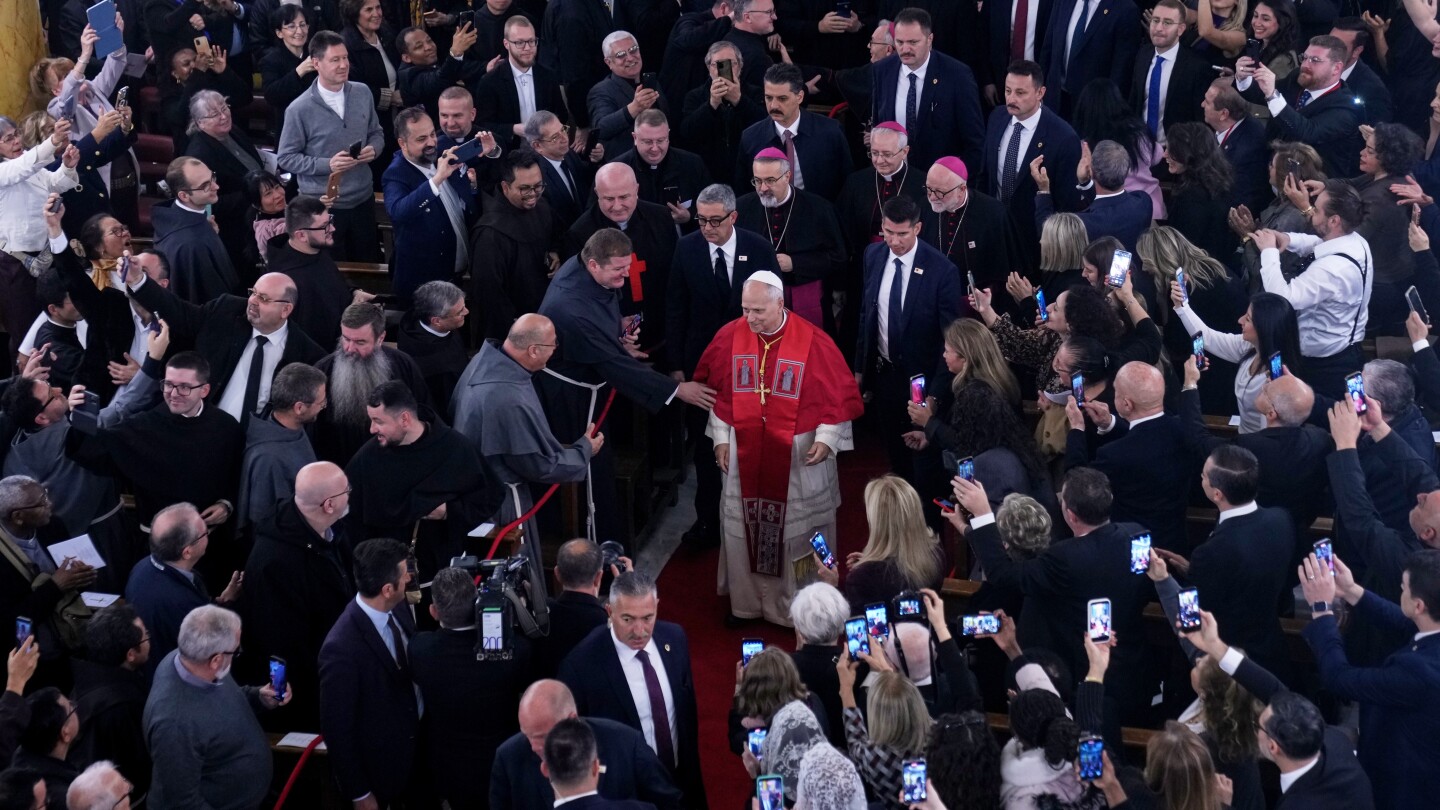
    ISTANBUL, Turkey — Pope Leo XIV commenced his inaugural papal visit to Turkey with profound spiritual significance, engaging directly with the nation’s Catholic minority during Friday’s morning proceedings. The pontiff received enthusiastic welcomes at Istanbul’s Cathedral of the Holy Spirit, where congregants chanted “Papa Leo” and “Viva il Papa” in a display of reverence for the newly elected spiritual leader.

    The core objective of Leo’s pilgrimage centers on the commemoration of the Nicaean Creed’s 1,700th anniversary—a foundational document of Christian faith formulated during the 325 AD Council of Nicaea. This theological milestone represents one of Christianity’s most enduring unifying documents, accepted across Catholic, Orthodox, and major Protestant traditions despite historical doctrinal divisions.

    The commemorative ceremonies will occur in Iznik (modern-day Nicaea), approximately 93 miles southeast of Istanbul, where Pope Leo will jointly preside with Ecumenical Patriarch Bartholomew, the spiritual authority for global Orthodox Christians. This collaborative leadership underscores the ongoing ecumenical efforts toward Christian unity that have characterized interfaith dialogue for centuries.

    The pontiff’s arrival on Thursday included diplomatic discussions with Turkish President Recep Tayyip Erdogan, during which Leo emphasized peace-building initiatives and Turkey’s potential role as a regional stabilizing force. This visit marks the pope’s first international journey since assuming the papacy, signaling the Vatican’s continued commitment to interfaith dialogue and historical reconciliation.

  • How Russian drones targeting civilians are turning one Ukrainian city into a ‘human safari’

    How Russian drones targeting civilians are turning one Ukrainian city into a ‘human safari’

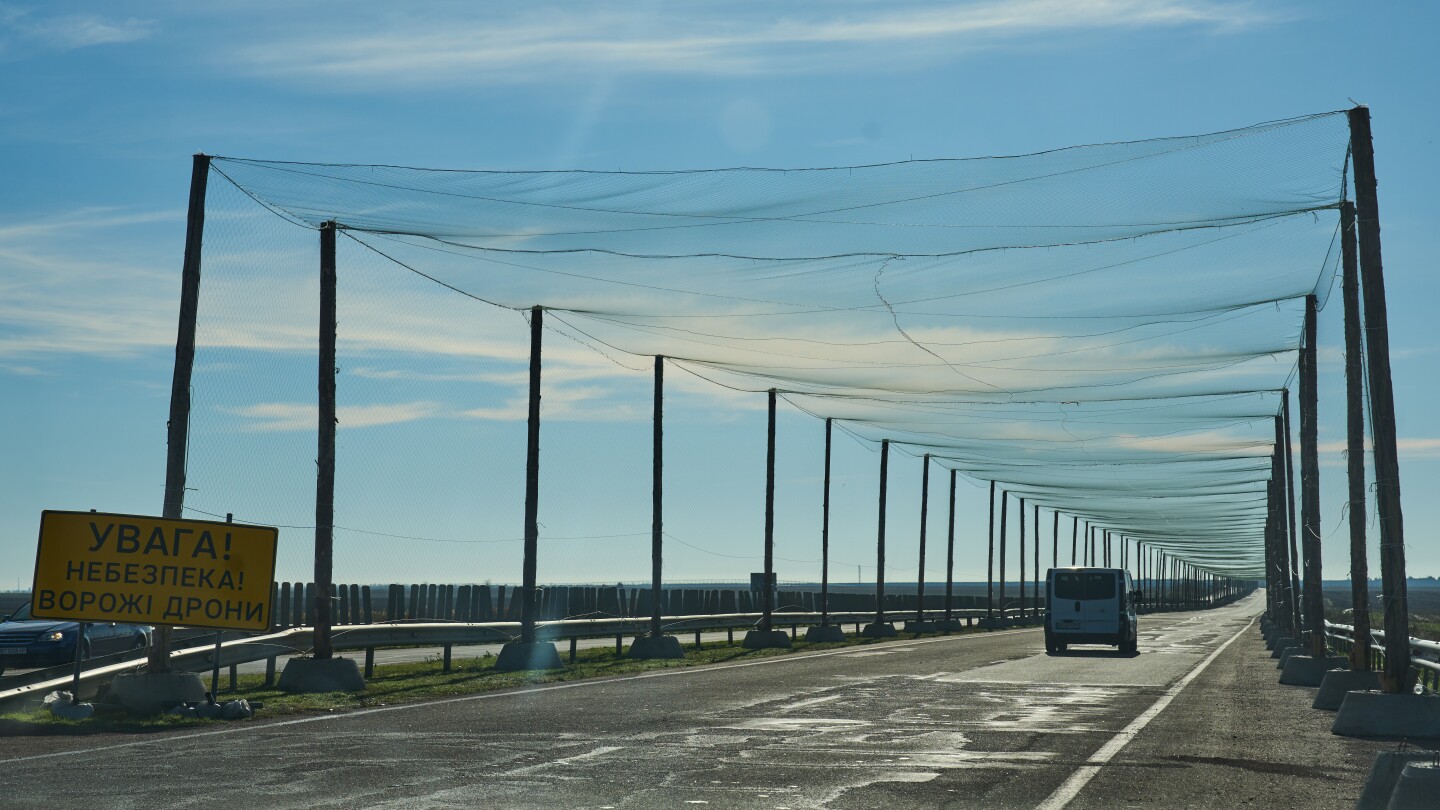
    In the liberated territories surrounding Kherson, southern Ukraine, civilians continue to endure what military officials and locals describe as a systematic ‘human safari’ – relentless drone attacks transforming their communities into testing grounds for Russian warfare tactics. Despite Ukrainian forces reclaiming the city from occupation in November 2022, the region remains trapped in a harrowing cycle of violence where first-person view (FPV) drones hunt civilians with terrifying precision.

    Residents like Olena Horlova from Komyshany village, merely 4 kilometers from the Dnipro River, navigate daily life under constant threat. Her survival strategies include driving without headlights after dark and keeping her daughters indoors indefinitely. The psychological warfare extends beyond immediate danger, with Russian Telegram channels routinely sharing attack footage accompanied by mocking captions and threats.

    The United Nations Independent International Commission of Inquiry on Ukraine has documented these attacks as deliberate campaigns violating fundamental human rights. Their October report concluded these operations constitute crimes against humanity through murder and forcible transfer, noting Russian forces specifically target vehicles including marked ambulances and civilian cars.

    Military intercepts obtained by The Associated Press reveal drones systematically scanning roadways before diving onto targets. Commander Dmytro Liashok of the 310th Separate Marine Electronic Warfare Battalion reports confronting approximately 300 daily drone incursions, with October alone seeing 9,000 drones over Kherson. His electronic warfare specialists neutralize over 90% of threats, yet the remainder causes devastating humanitarian impact.

    Local hospitals bear witness to the human cost. Dr. Yevhen Haran, deputy medical chief at Kherson’s main trauma facility, describes treating blast injuries ranging from amputations to fatal wounds daily. His hospital handled 85 inpatients and 105 outpatients last month alone – all victims of shelling and drone strikes. Haran himself survived an FPV attack while traveling with his wife in August, sustaining a concussion that still affects his speech and balance.

    The UN human rights office confirms short-range drones have become the leading cause of civilian casualties near frontlines, with over 200 killed and 2,000 wounded across three southern regions since July 2024. Nearly 3,000 homes have been damaged or destroyed, creating a humanitarian crisis that continues despite international awareness.

    As Angelina Jolie noted during her November visit, the ever-present drone threat creates ‘a heavy presence’ that civilians endure indefinitely. For survivors like 70-year-old Nataliia Naumova, recovering from a Shahed drone attack that injured her leg, existence has reduced to mere survival rather than living. Yet through the trauma, residents maintain determination – as Horlova summarizes: ‘We held out until liberation – we’ll hold out until peace as well.’
  • Louvre hikes ticket prices for most non-EU tourists by 45%

    Louvre hikes ticket prices for most non-EU tourists by 45%

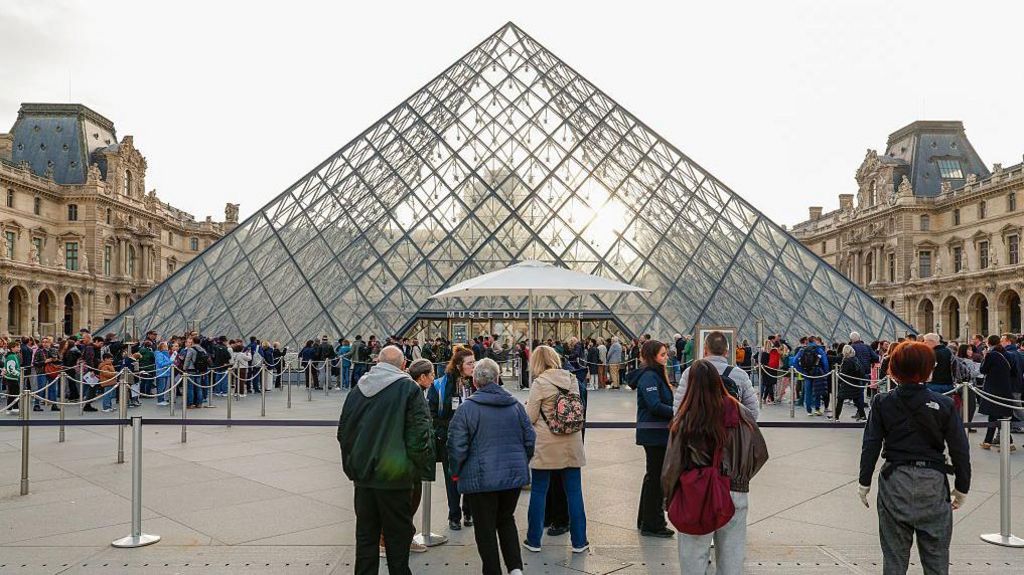
    The Louvre Museum in Paris has announced a substantial 45% price increase for visitors from outside the European Economic Area, effective January 14th. The decision, ratified by the museum’s board on Thursday, will see tourists from nations including the United States, United Kingdom, and China paying €32 ($37; £28) for admission—an increase of €10 from current rates.

    This strategic move comes in response to mounting criticism of the institution’s security protocols and aging infrastructure following a spectacular October heist where thieves stole jewelry valued at $102 million (£76m) in a meticulously executed operation. An official audit conducted after the incident revealed significant deficiencies in the museum’s protective systems.

    The revenue generated from this pricing restructuring is projected to yield millions annually, earmarked for comprehensive security enhancements and facility modernization. These improvements include addressing structural concerns that recently forced the closure of the Greek ceramics gallery, alongside planned renovations to visitor amenities including restrooms and dining facilities.

    As the world’s most visited museum with approximately 9 million attendees in 2024—predominantly international tourists—the Louvre has faced persistent challenges with overcrowding. Notably, American visitors constitute over 10% of attendance, with Chinese tourists accounting for approximately 6%.

    In a parallel development, President Emmanuel Macron confirmed plans to relocate Leonardo da Vinci’s Mona Lisa to a dedicated exhibition space to alleviate congestion in the Salle des États, where approximately 30,000 daily visitors compete for brief viewing opportunities of the iconic masterpiece.

    The pricing strategy aligns with earlier suggestions from Macron and museum administration regarding differential fees for non-EU residents, though implemented earlier than the initially proposed 2026 timeline.