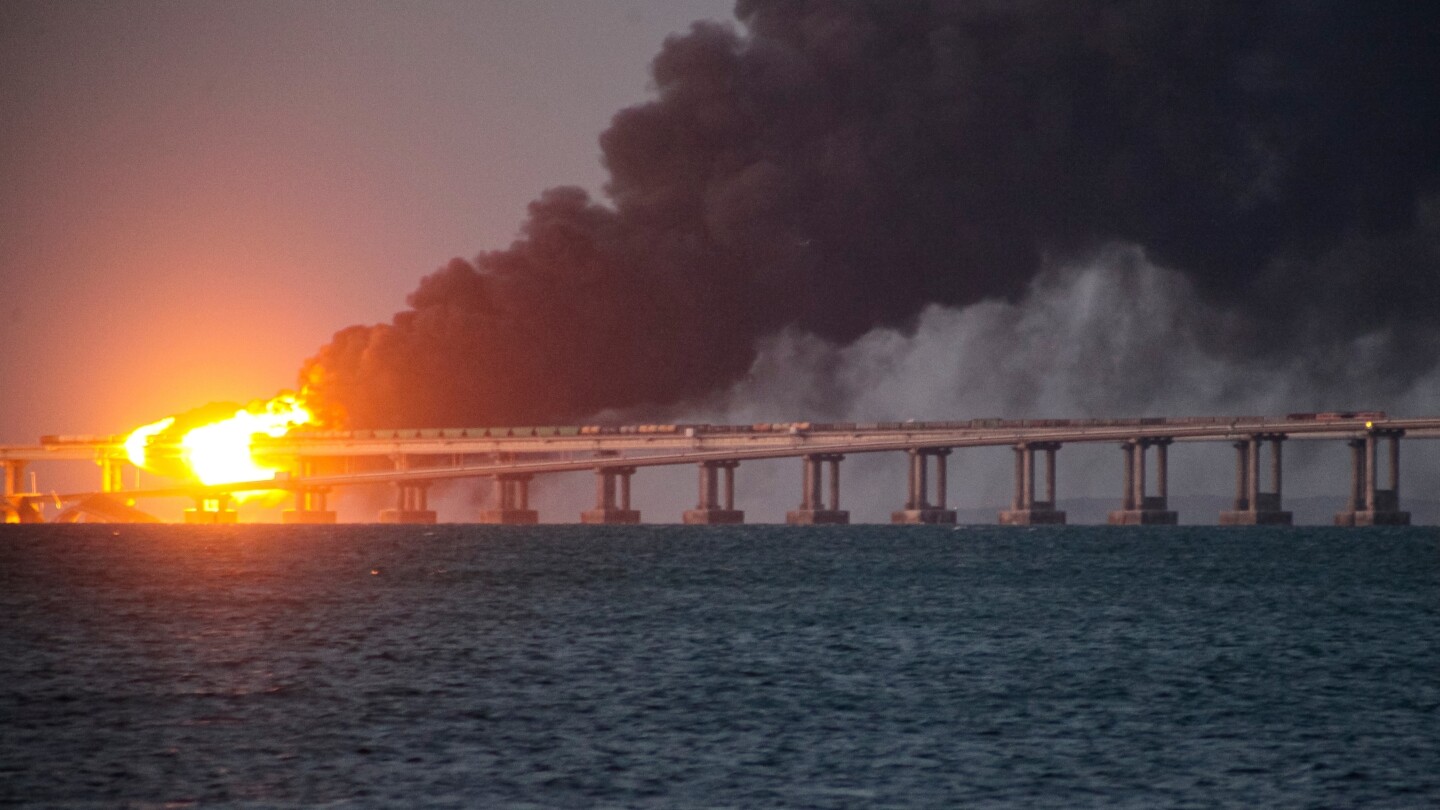
A Russian court has handed down life sentences to eight individuals convicted of terrorism charges related to the October 2022 attack on the Kerch Strait Bridge, a critical supply route connecting Russia to the annexed Crimean Peninsula. The attack, which involved a truck bomb, destroyed two sections of the bridge, killed five people, and required extensive repairs. Moscow condemned the act as terrorism and retaliated with strikes on Ukraine’s civilian infrastructure. The Ukrainian Security Service (SBU) claimed responsibility for the attack, which targeted a symbol of Russia’s control over Crimea. The defendants, including Russian, Ukrainian, and Armenian citizens, were charged with carrying out a terrorist attack and illegal arms trafficking. Five others, including Ukrainians and Georgians, were charged in absentia. The accused denied the charges, claiming ignorance of the explosives in the truck. Oleg Antipov, a logistics entrepreneur whose company handled the shipment, voluntarily approached Russian authorities after the blast but was later arrested. In a courtroom statement, Antipov maintained his innocence, citing polygraph tests and lack of incriminating evidence. The Kerch Strait Bridge, completed in 2018, is a strategic and symbolic asset for Russia, facilitating military and civilian supplies to Crimea. Ukraine has targeted the bridge twice, underscoring its significance in the ongoing conflict. The attack has further strained relations between Russia and Ukraine, with Moscow using the incident to justify its military actions.
标签: Europe
欧洲
-
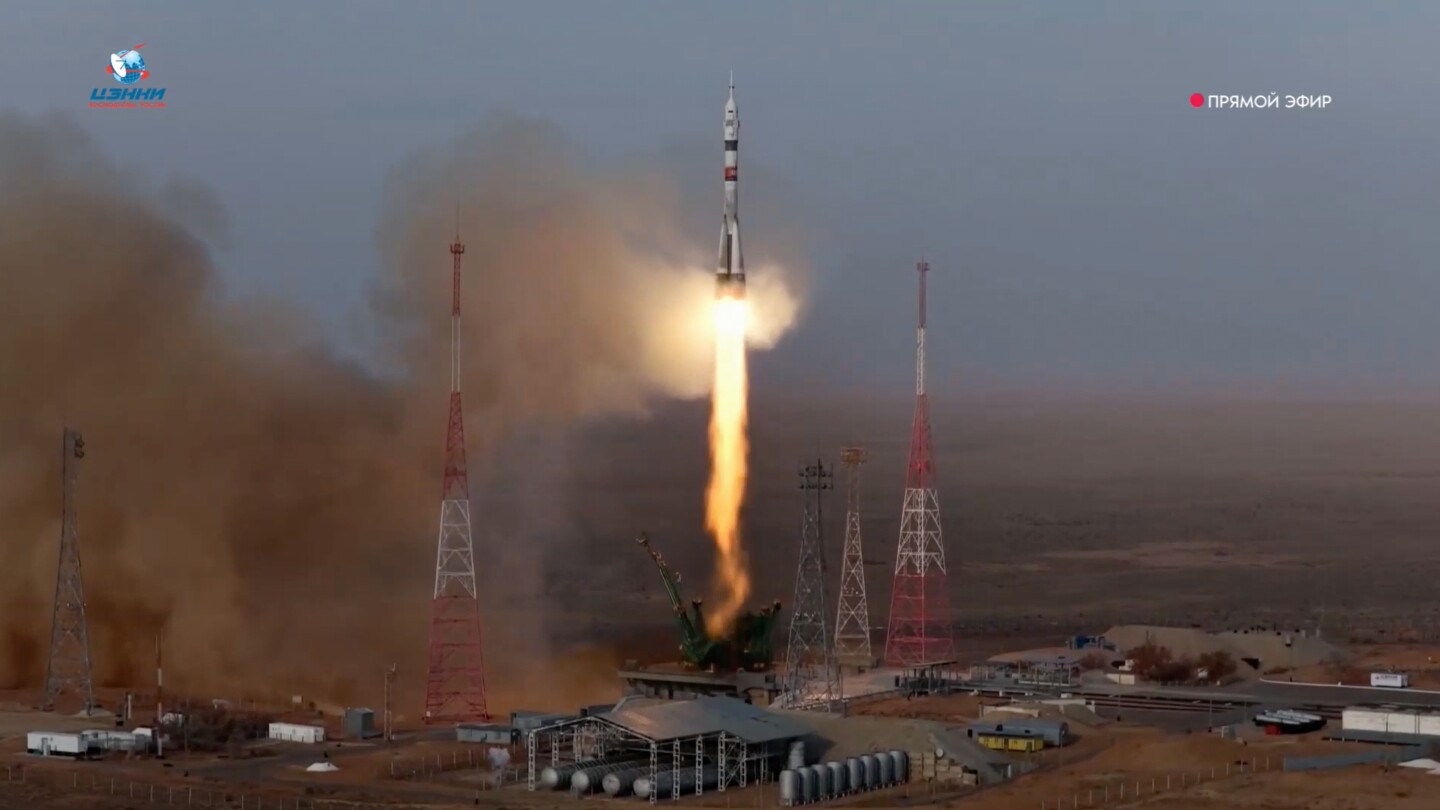
US-Russian crew of 3 blasts off to the International Space Station in a Russian Soyuz spacecraft
In a significant milestone for international space collaboration, a U.S.-Russian crew of three successfully launched to the International Space Station (ISS) on Thursday. The Soyuz MS-28 spacecraft, propelled by a Soyuz booster rocket, took off precisely as planned from the Baikonur Cosmodrome in Kazakhstan, a facility leased by Russia. Onboard were NASA astronaut Chris Williams, alongside Russian cosmonauts Sergei Mikaev and Sergei Kud-Sverchkov. The crew is expected to dock at the ISS approximately three hours after liftoff, marking the beginning of an eight-month mission aboard the orbiting laboratory. This mission holds particular significance as it marks the inaugural spaceflight for Williams, a physicist, and Mikaev, a military pilot, while Kud-Sverchkov embarks on his second journey into space. Upon arrival, the trio will join an international team already stationed at the ISS, including NASA astronauts Mike Fincke, Zena Cardman, and Jonny Kim, Japan Aerospace Exploration Agency’s Kimiya Yui, and Russian cosmonauts Sergei Ryzhikov, Alexei Zubritsky, and Oleg Platonov. During their stay, Williams will spearhead scientific research and technology demonstrations aimed at advancing human space exploration and improving life on Earth, according to NASA. This mission underscores the enduring partnership between the U.S. and Russia in space exploration, despite geopolitical tensions on the ground.
-
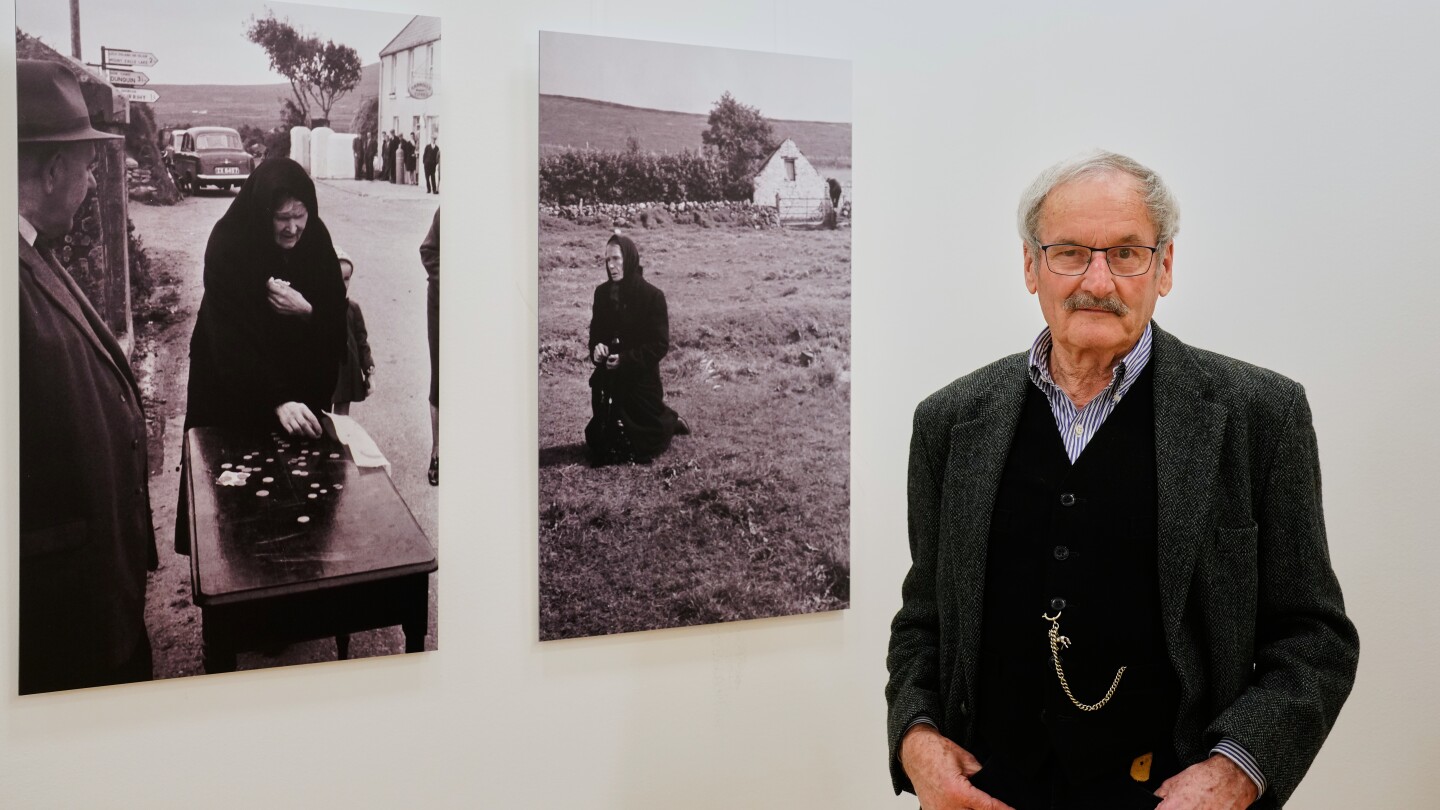
Former AP photographer’s vintage images of Ireland capture a world before it disappeared
A collection of rare black-and-white photographs from 1963, capturing Ireland on the cusp of modernity, has been unveiled at the Irish embassy in Berlin. The images, taken by German photographer Diether Endlicher, offer a poignant glimpse into a vanishing way of life. Endlicher, now 85, was honored last weekend for his work, which documents the daily lives of Irish people before the advent of modern conveniences. The photos depict boatmen, fishermen, herders, and women transporting milk by donkey cart, alongside dramatic landscapes and ruined abbeys. These images, long forgotten in Endlicher’s attic, were recently rediscovered and digitized, sparking renewed interest in their historical significance. Irish Ambassador Maeve Collins praised the photos for their “beautiful detail” and their vivid portrayal of life on Ireland’s west coast in the early 1960s. Endlicher, who later became a renowned photojournalist for The Associated Press, captured these scenes during a road trip in a tiny Fiat 500. His journey took him to the Aran Islands, where he documented a world untouched by electricity and modernity. The exhibition not only celebrates Endlicher’s artistry but also serves as a testament to Ireland’s cultural and social transformation.
-
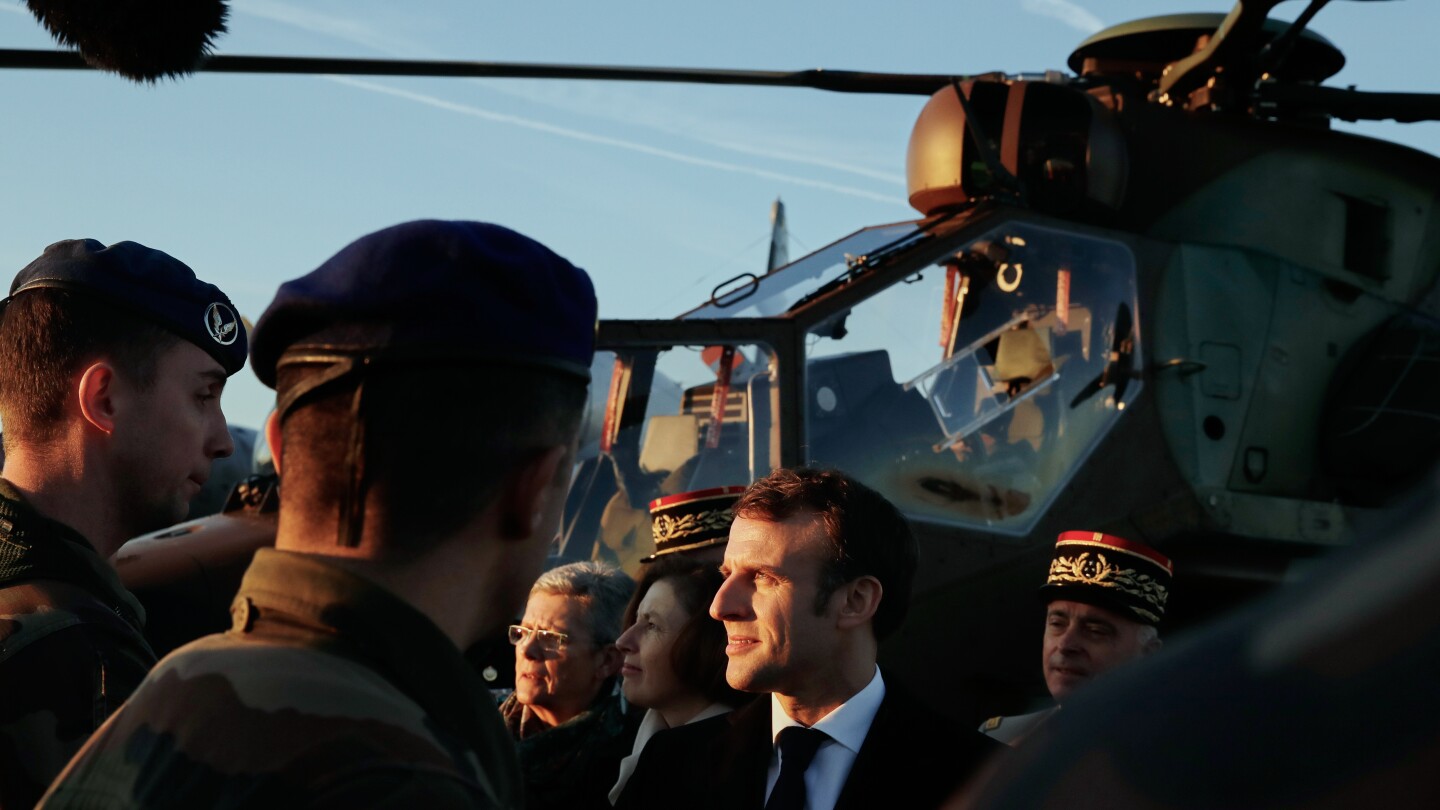
Macron to unveil French voluntary military service
In response to escalating concerns over Russia’s growing influence and military aggression in Europe, French President Emmanuel Macron is set to announce a new national military service initiative on Thursday. The plan, which emphasizes voluntary participation, aims to strengthen France’s defense capabilities without reinstating conscription, which was abolished in 1996. Macron’s visit to the Varces military base in the French Alps will underscore the urgency of preparing the nation for emerging threats.
-
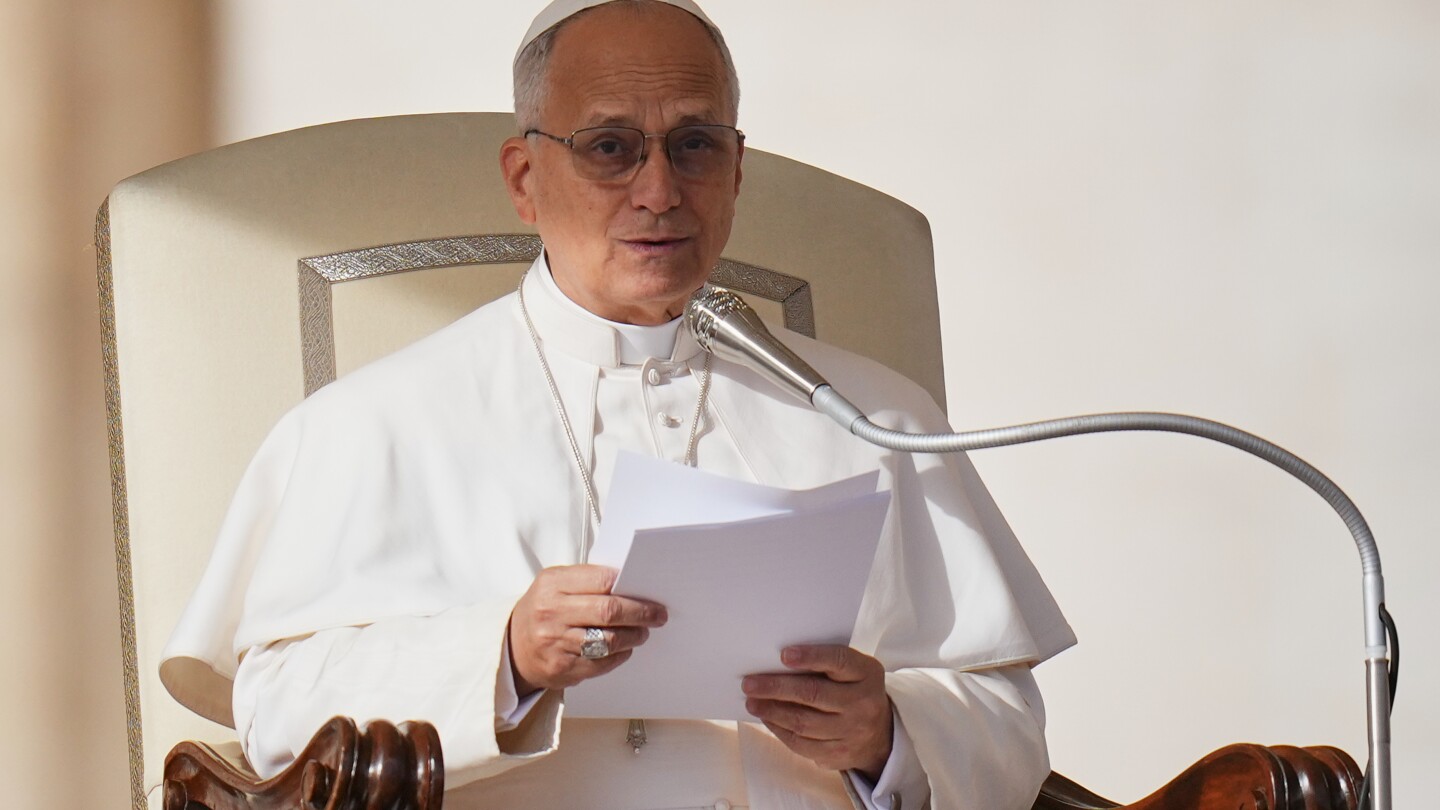
What to know about Pope Leo XIV’s trip to Turkey and Lebanon, the first of his pontificate
Pope Leo XIV, the first American pontiff in history, embarks on his inaugural foreign journey to Turkey and Lebanon from November 27 to December 2. This visit underscores the Vatican’s commitment to fostering interfaith dialogue and strengthening ties with Orthodox Christians and Muslims, two of the Catholic Church’s key priorities. The trip also provides a global platform for the Pope to advocate for peace in the Middle East, a region marred by prolonged conflict. Notably, Pope Leo will deliver his messages in English and French, diverging from the Vatican’s traditional use of Italian, to ensure broader global understanding. Security measures are heightened following recent tensions, including an Israeli airstrike in Beirut targeting Hezbollah just days before the Pope’s arrival. The journey fulfills the unfulfilled plans of his predecessor, Pope Francis, whose health had prevented him from visiting these nations. Turkey, a frequent papal destination, holds historical significance as the home of the Ecumenical Patriarch of the Orthodox Church. Lebanon, known for its religious tolerance, remains a bastion for Christians in the region despite years of turmoil. Pope Leo’s itinerary includes commemorating the 1,700th anniversary of the Council of Nicaea in Turkey, praying at the site of the 325 AD gathering, and signing a joint declaration with Ecumenical Patriarch Bartholomew to symbolize Christian unity. In Lebanon, the Pope will preside over interfaith meetings, visit the site of the devastating 2020 Beirut port blast, and engage with young Lebanese, offering encouragement amidst the country’s ongoing challenges. The trip highlights the Vatican’s unwavering support for Palestinians and its dedication to promoting peace and dialogue in a fractured region.
-
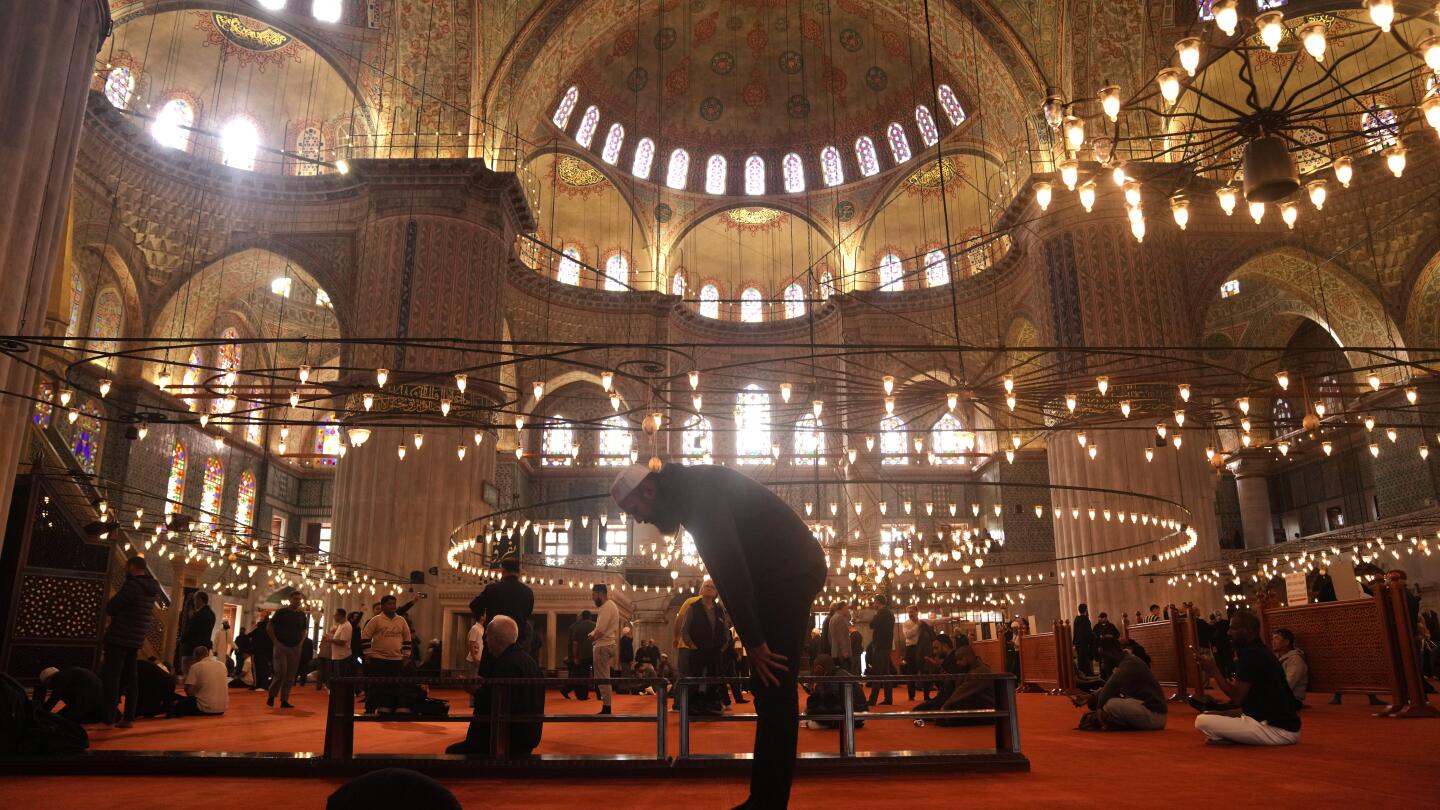
Pope Leo XIV opens first foreign trip with visit to Turkey that highlights religious, political ties
Pope Leo XIV embarks on his inaugural foreign journey to Turkey, fulfilling the late Pope Francis’ vision to commemorate a significant Orthodox milestone and promote peace in a region grappling with the Ukraine war and Middle East tensions. The pontiff’s itinerary begins in Ankara, where he will meet President Recep Tayyip Erdogan and address the diplomatic corps, followed by a three-day ecumenical and interfaith engagement in Istanbul before proceeding to Lebanon. Turkey, a predominantly Sunni Muslim nation of over 85 million, has positioned itself as a pivotal mediator in peace negotiations for Ukraine and Gaza, hosting talks between Russia and Ukraine and proposing a stabilization force in Gaza. Pope Leo’s visit coincides with these efforts, and his arrival speech is expected to acknowledge Turkey’s role. Despite Turkey’s growing military influence as NATO’s second-largest army, domestic challenges such as a cost-of-living crisis have overshadowed international politics for many citizens. While the visit has garnered limited attention among Turks outside the Christian community, some view it as a potential U.S.-driven initiative, possibly linked to reopening the Greek Orthodox seminary in Turkey. The primary purpose of Leo’s trip is to mark the 1,700th anniversary of the Council of Nicaea, Christianity’s first ecumenical council. He will pray with Ecumenical Patriarch Bartholomew at the historic site in Iznik and sign a joint declaration symbolizing Christian unity. The visit also aims to strengthen Catholic-Muslim relations, with Leo scheduled to visit Istanbul’s Blue Mosque and lead an interfaith meeting. Imam Asgın Tunca emphasized the visit’s potential to foster mutual understanding and dispel misconceptions about Islam. While Turkey has made strides in religious freedoms under Erdogan’s government, challenges persist for Christian groups, including the Catholic Church, which lacks formal legal recognition. Rev. Paolo Pugliese highlighted the Church’s international profile and the pope’s support as crucial assets. A delicate moment awaits Leo during his visit to the Armenian Apostolic Cathedral in Istanbul, given the historical tensions over the Armenian genocide. Unlike Pope Francis, who labeled the event as genocide in 2015, Leo is expected to tread cautiously to avoid diplomatic fallout. The Vatican also faces scrutiny over its relations with Armenia amid its outreach to Azerbaijan.
-
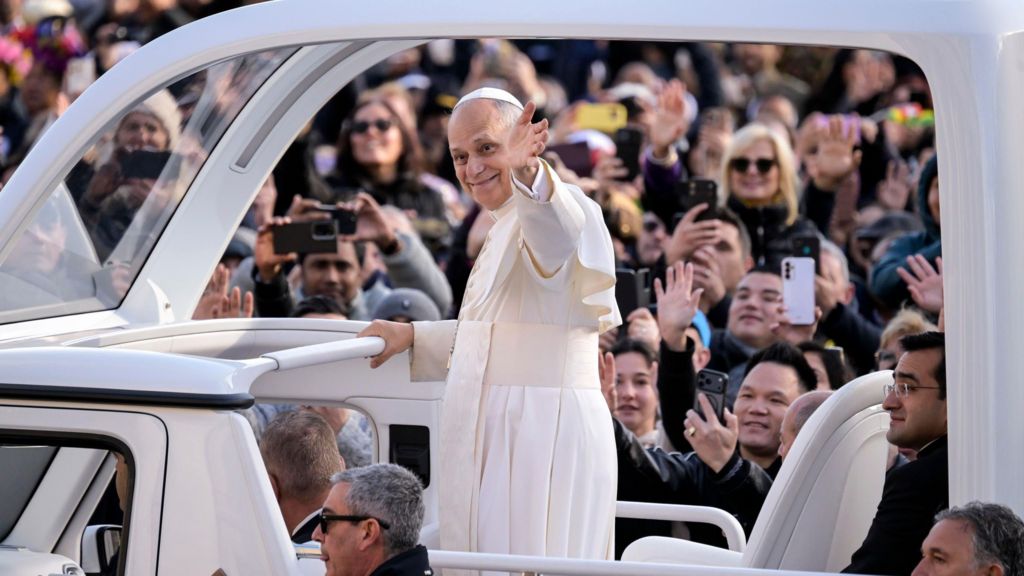
Pope Leo XIV to visit Turkey and Lebanon in first foreign trip of his papacy
Pope Leo XIV has commenced his inaugural international journey as pontiff, marking a significant milestone in his papacy. Over the next six days, he will visit Turkey and Lebanon, two nations with deep historical and religious significance. The trip, originally planned by his predecessor, the late Pope Francis, carries the overarching theme of ‘building bridges,’ a mission Pope Leo has embraced since his election in May. His measured and cautious approach in the first six months of his papacy will now face the test of diplomacy as he navigates complex geopolitical landscapes. The journey begins in Turkey, where Pope Leo will join leaders of various Christian traditions in Iznik, the ancient city of Nicaea, to commemorate the 1,700th anniversary of the First Council of Nicaea. This historic gathering in 325 AD affirmed the belief in Jesus as the Son of God, laying the foundation for the Nicene Creed. The visit will also include a stop at Istanbul’s Blue Mosque, continuing the interfaith dialogue initiated by his predecessors, Pope Francis and Pope Benedict XVI. From Turkey, Pope Leo will travel to Lebanon, a nation still reeling from recent Israeli airstrikes on its capital, Beirut. Despite the turmoil, the Vatican has confirmed that the visit will proceed as planned. In Lebanon, the Pope will meet with faith leaders and engage with the youth, offering support to the country’s Christian community, which constitutes approximately one-third of the population. The trip will culminate with a Mass at the Beirut waterfront, the site of the devastating 2020 port explosion, where he will pray for the victims and their families. Throughout his papacy, Pope Leo has struck a delicate balance between progressive ideals and traditionalist values, earning support from diverse factions within the Catholic Church. His diplomatic finesse will be put to the test as he addresses regional conflicts and fosters unity. Notably, the Pope will deliver public addresses in English during his time in Turkey and incorporate French in Lebanon, reflecting his multilingual fluency and commitment to global outreach. The trip concludes with a customary press conference on the return flight to Rome, where Pope Leo will share his reflections on this historic journey.
-
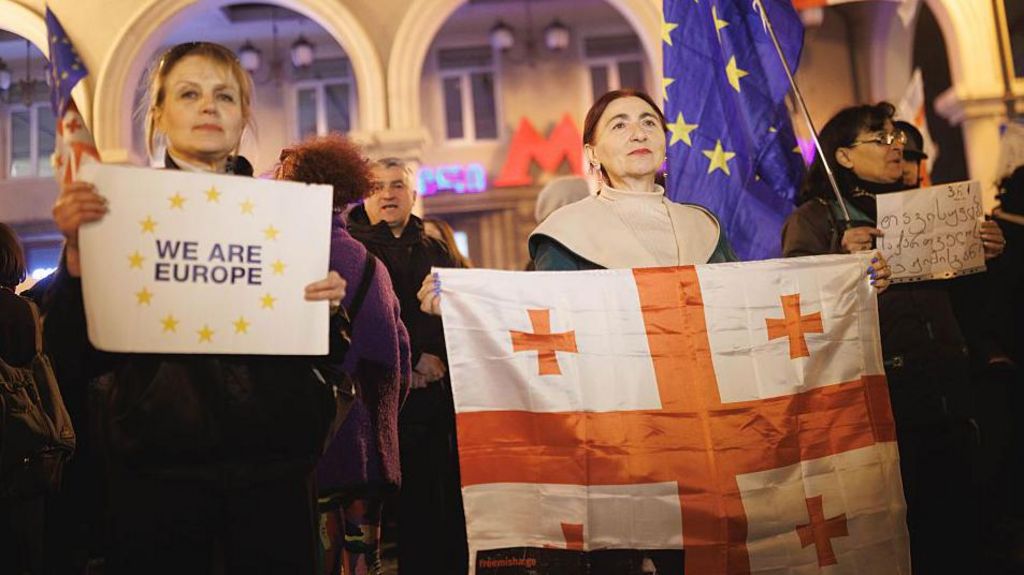
Georgia’s pro-EU protesters defiant year after accession process was halted
For over a year, Georgia has been gripped by nightly protests as citizens rally against the government’s perceived shift away from European integration and democratic values. The demonstrations, which began in November 2024 after Prime Minister Irakli Kobakhidze announced a four-year pause in EU accession efforts, have evolved into a protracted battle between protesters and authorities. Despite violent police crackdowns, heavy fines, and new laws imposing severe penalties for blocking roads, the movement persists, driven by a deep-seated fear of returning to Russia’s sphere of influence. Protesters like Giorgi Arabuli, who lived through the tumultuous 1990s, see the struggle as a fight for Georgia’s future. The government, led by the Georgian Dream party, has faced accusations of authoritarianism, with critics pointing to legislation mirroring Russian laws, the imprisonment of opposition figures, and restrictive measures targeting civil society and media. The EU’s recent assessment of Georgia as a candidate ‘in name only’ has further fueled discontent. Amidst this turmoil, Georgia’s democratic decline has intensified, with sweeping education reforms and increasing hostility toward Western critics. The protests, though smaller, continue to symbolize a resilient hope for a European future.
-
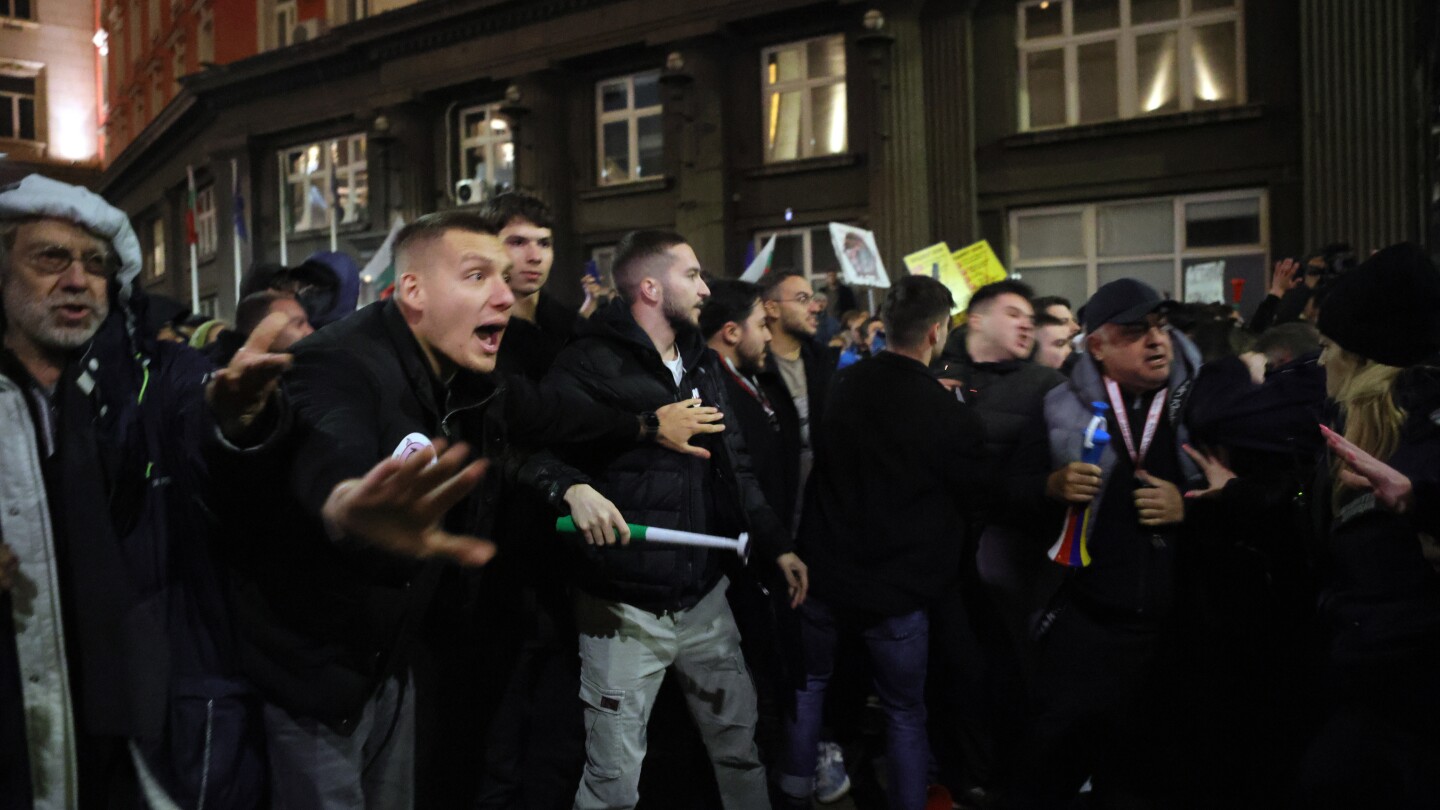
Thousands rally to protest Bulgaria’s 2026 budget
In a significant display of public dissent, thousands of citizens flooded the streets of Sofia, Bulgaria’s capital, on Wednesday to protest against substantial tax increases outlined in the draft budget for the upcoming year. The demonstration, orchestrated by the opposition coalition We Continue the Change – Democratic Bulgaria, attracted an estimated 20,000 participants. This protest coincides with Bulgaria’s impending entry into the eurozone at the start of next year, highlighting the nation’s economic crossroads. The proposed budget, which includes a hike in social security contributions and a doubling of the dividend tax, has sparked widespread concern over its potential adverse effects on individuals and businesses alike. Protesters formed a human chain around the parliament building and attempted to obstruct lawmakers’ vehicles, leading to police intervention to maintain order. Authorities reported that demonstrators hurled bottles and firecrackers at officers, resulting in injuries to three police personnel. Despite mounting opposition from various social groups and economists’ warnings about the budget’s significant risks, the draft is expected to pass, given the coalition government’s strong parliamentary majority. The budget, which allocates a record 46% of GDP to government spending, will be financed through increased taxes on businesses and workers, coupled with a sharp rise in public debt.
-
Russia’s frozen assets at center of negotiations over Ukraine peace deal
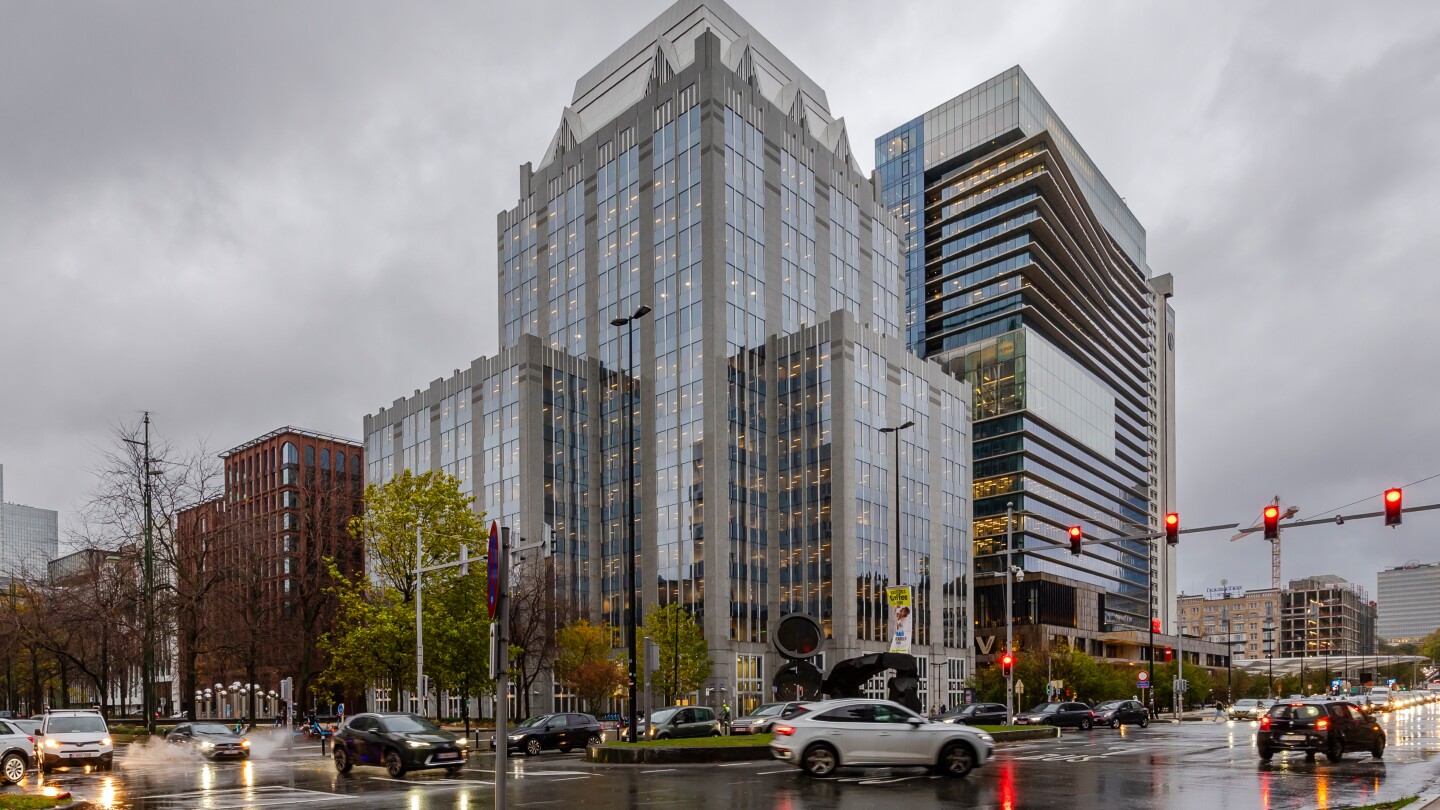
The European Union (EU) faces a critical juncture in its financial support for Ukraine, with the bloc’s most viable funding mechanism hinging on the seizure of billions of dollars in frozen Russian assets. This approach has gained urgency as U.S. President Donald Trump’s 28-point peace plan proposed a $100 billion investment scheme for Ukraine’s reconstruction, financed by Russian assets matched by an equal contribution from the EU. The plan, which surprised European leaders, has sparked intense debate over the fate of Russia’s frozen fortune and its role in maintaining pressure on Moscow while bolstering Ukraine’s defense. European Commission President Ursula von der Leyen emphasized that European taxpayers alone cannot bear the financial burden, as the EU has already provided nearly $197 billion in aid since Russia’s invasion of Ukraine. The bloc is now exploring options to utilize $225 billion in Russian assets frozen at Euroclear, a Brussels-based financial institution, to cover Ukraine’s estimated $153 billion budget and military needs for 2026 and 2027. However, Trump’s proposal has raised concerns in Europe, with analysts viewing it as an attempt to secure a quick deal that benefits the U.S. at the EU’s expense. Despite initial skepticism, some European policymakers suggest that accepting the U.S. proposal might be necessary for a broader peace agreement. Meanwhile, Belgium’s reluctance to approve the use of Russian assets as collateral due to fears of Russian retaliation has added complexity to the issue. With the clock ticking, EU leaders are set to convene in Brussels on December 18 to finalize their stance on seizing Russian assets, a move that could send a strong message to Moscow and secure Ukraine’s financial future.