标签: Europe

欧洲

  • Pope Leo XIV to pray at Armenian cathedral in Istanbul during Turkish-Armenian reconciliation

    Pope Leo XIV to pray at Armenian cathedral in Istanbul during Turkish-Armenian reconciliation

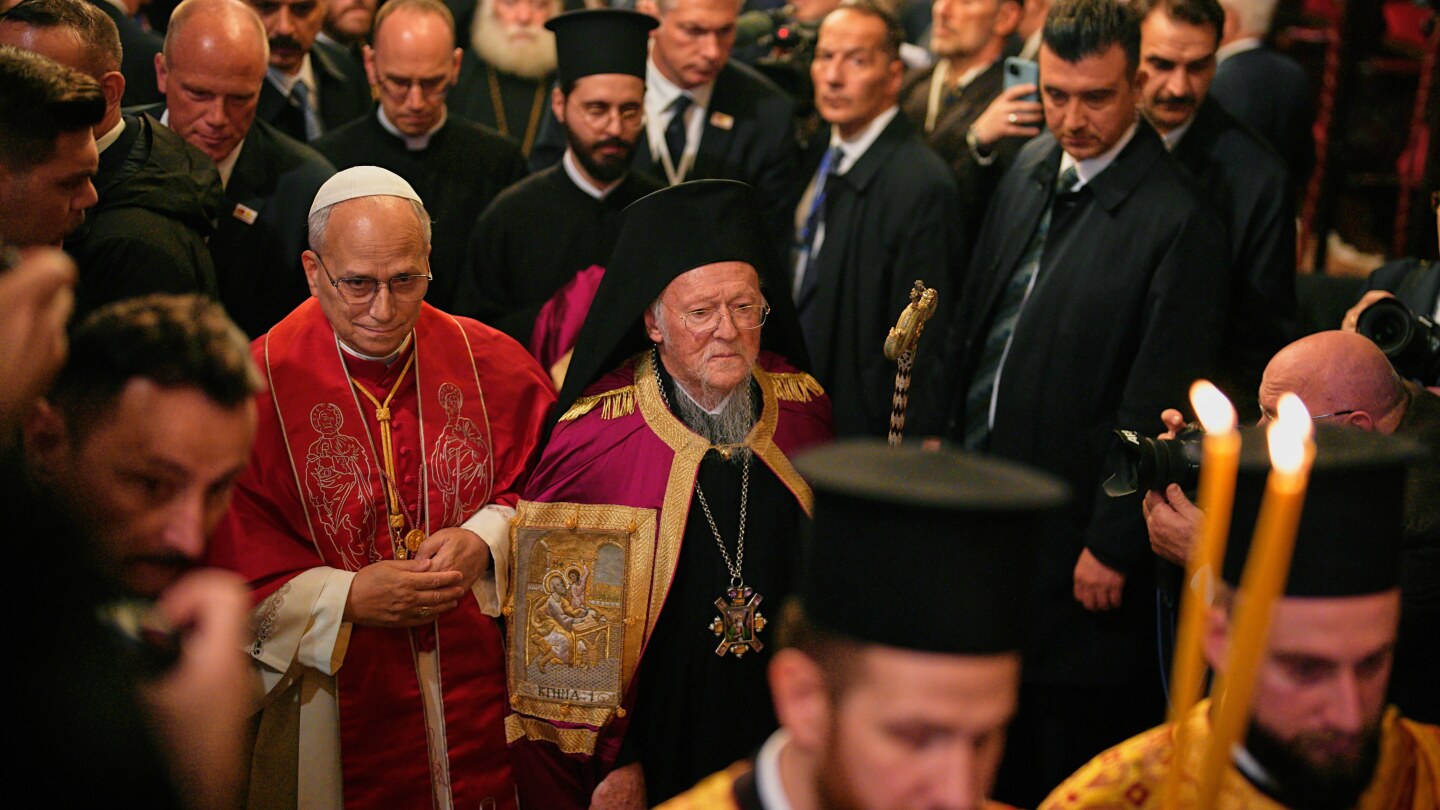
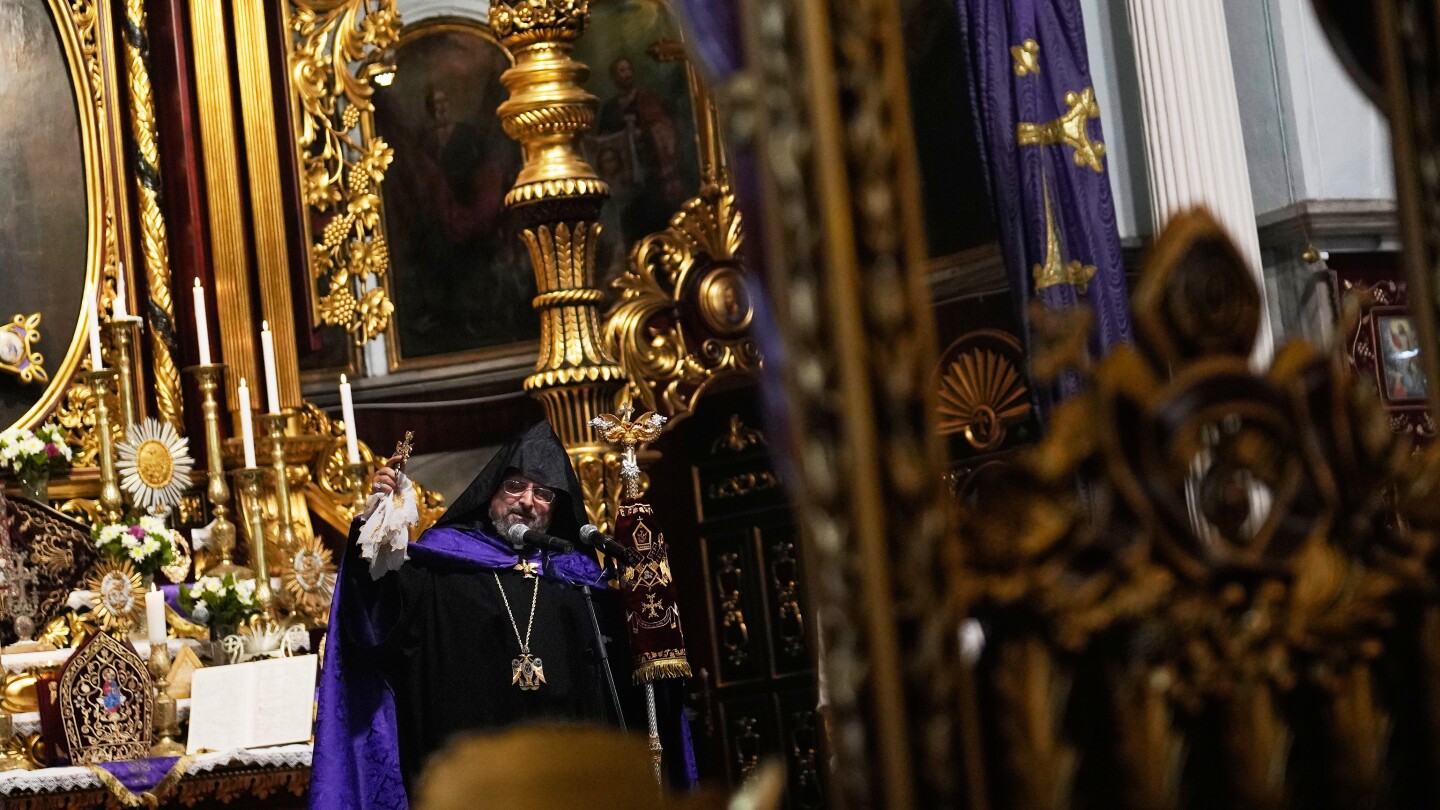
    In a significant ecumenical gesture, Pope Leo XIV is scheduled to pray at the Armenian Apostolic Cathedral in Istanbul on Sunday, demonstrating Vatican support for Christian minorities in Turkey and potentially advancing normalization efforts between Turkey and Armenia. The visit occurs against the backdrop of historical tensions stemming from the early 20th-century mass killings of Armenians in Ottoman Turkey—recognized as genocide by most historians but persistently denied by Turkish authorities, who attribute the deaths to civil unrest.

    The pontiff’s itinerary follows the footsteps of predecessors Paul VI, John Paul II, and Benedict XVI, all of whom visited the same cathedral during their respective trips to Istanbul. Approximately 500 Armenian worshippers are expected to attend the service, which will feature traditional prayers, speeches from both Pope Leo and Patriarch Sahak II, and the unveiling of a commemorative marble stone.

    Observers note that while Pope Francis previously ignited diplomatic friction by explicitly using the term ‘genocide’ during his 2015 Armenia visit, Pope Leo is anticipated to avoid such controversial language. This diplomatic caution aligns with ongoing bilateral efforts to reconcile Turkey and Armenia, which have maintained closed borders and absent formal diplomatic relations since the 1990s.

    Richard Giragosian, director of the Regional Studies Center in Yerevan, emphasized the symbolic and political weight of the visit: ‘More than just the symbolic importance of bringing the Vatican closer to the Armenian Church… (the visit) is also, in some ways, promoting Armenia-Turkish normalization.’

    The context is further complicated by regional geopolitics, including Turkey’s support for Azerbaijan in the Nagorno-Karabakh conflict and recent Vatican-Azerbaijan cooperation agreements that have concerned Armenian communities. Despite these tensions, the Vatican is reportedly engaged in behind-the-scenes diplomacy to secure the release of Armenian detainees in Azerbaijan.

    Armenian communities have expressed mixed reactions to the visit, with some viewing it as an honorable recognition of their heritage and others questioning its practical impact on Turkey’s stance regarding historical atrocities. The event underscores the delicate balance between religious symbolism, historical acknowledgment, and contemporary diplomatic maneuvering in a region marked by enduring divisions.

  • Rubio and Witkoff are meeting with Ukraine’s negotiators in Florida as Trump pushes to broker a deal

    Rubio and Witkoff are meeting with Ukraine’s negotiators in Florida as Trump pushes to broker a deal

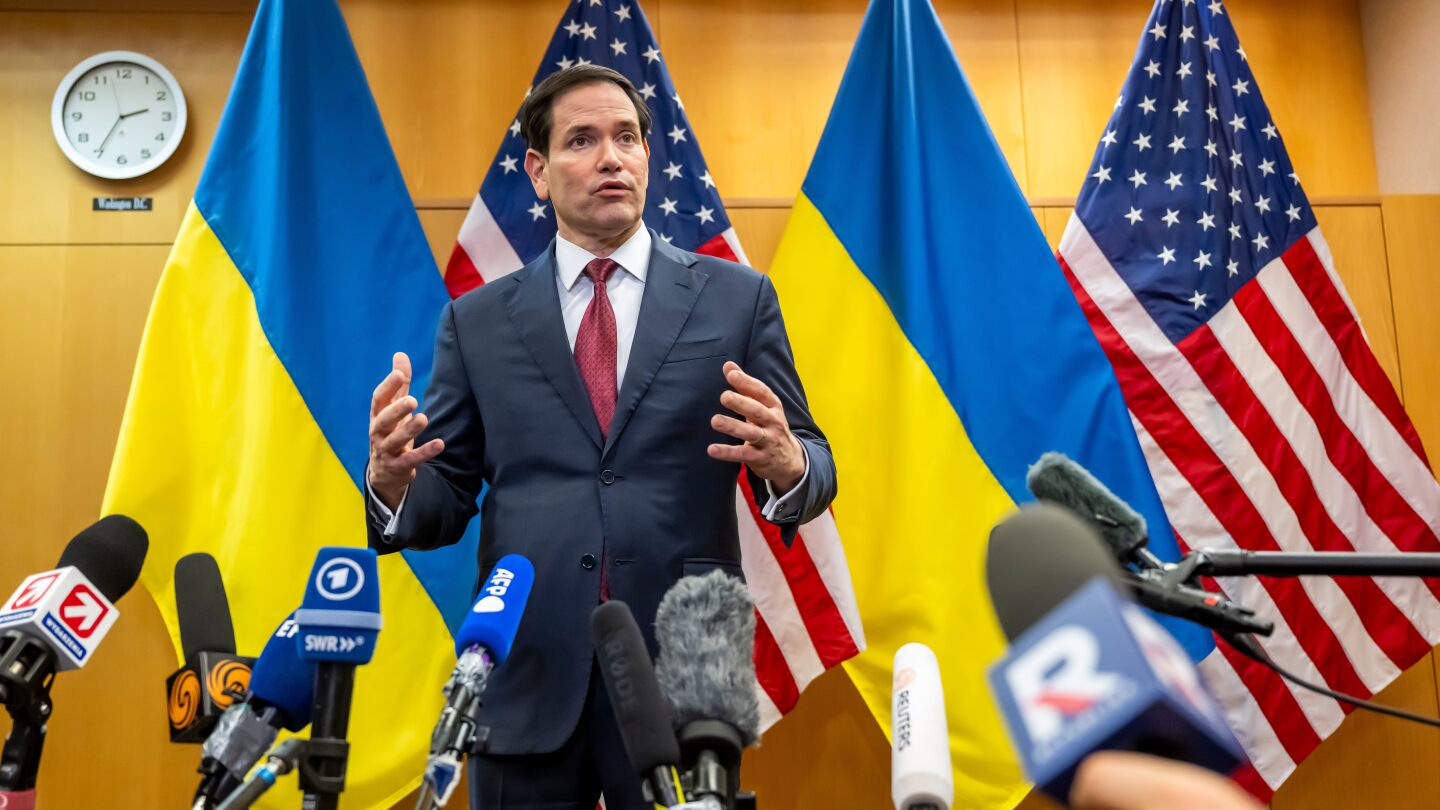
    WEST PALM BEACH, Fla. — High-level diplomatic efforts to resolve the Ukraine-Russia conflict entered a critical phase this weekend as top Trump administration officials convened with Ukrainian negotiators in Florida. The meetings, aimed at finalizing a peace framework, precede scheduled negotiations in Moscow with Russian President Vladimir Putin.

    Secretary of State Marco Rubio, Special Envoy Steve Witkoff, and Jared Kushner—President Donald Trump’s son-in-law—met with a reconstituted Ukrainian delegation following the sudden resignation of Ukraine’s chief negotiator. The discussions focused on refining a proposed 28-point peace plan that has undergone significant revisions since its initial formulation.

    The diplomatic push coincides with renewed military aggression, as Russian drone and missile strikes killed at least three people in Kyiv on Saturday, highlighting the urgent need for diplomatic progress.

    Ukraine’s negotiating team now includes Armed Forces commander Andrii Hnatov, Foreign Minister Andrii Sybiha, and Security Council head Rustem Umerov. This restructuring follows President Volodymyr Zelenskyy’s dismissal of powerful chief of staff Andrii Yermak, whose home was recently searched by anti-corruption investigators. The move comes amid a $100 million energy sector embezzlement scandal that has increased domestic pressure on Zelenskyy’s administration.

    The peace framework under discussion has evolved substantially from its original version, which faced criticism for disproportionately favoring Russian interests. Initial provisions requiring Ukraine to cede the Donbas region, accept military capacity limitations, and forfeit NATO membership prospects have been subject to renegotiation. President Trump has characterized the document as a “concept” requiring refinement rather than a finalized agreement.

    Both Witkoff and Kushner bring their real estate negotiation backgrounds to the diplomatic process, having previously facilitated a ceasefire in Gaza through a 20-point proposal. Their planned Moscow visit this week represents the next phase in these intensified peace efforts.

  • Pope wraps up Turkey visit and heads to Beirut to try to give Lebanese hope after years of crises

    Pope wraps up Turkey visit and heads to Beirut to try to give Lebanese hope after years of crises

    ISTANBUL — Pope Leo XIV departed Turkey on Sunday, concluding the initial phase of his inaugural foreign papal journey before proceeding to Lebanon. His visit aims to deliver a potent message of hope to the nation’s beleaguered citizens and reinforce the vital Christian presence within the Middle East.

    The Pontiff’s schedule in Istanbul featured two significant ecumenical engagements: a solemn prayer service at the Armenian Apostolic Cathedral and participation in a divine liturgy alongside Ecumenical Patriarch Bartholomew, the spiritual head of global Orthodox Christianity. This invitation, extended to commemorate a major Christian anniversary, formed the foundational purpose for Leo’s regional tour.

    Arriving in Lebanon during a period of profound instability, the Pope seeks to honor a commitment originally made by his predecessor, Francis, whose declining health prevented his own long-desired pilgrimage. Francis frequently echoed St. John Paul II’s 1989 declaration that Lebanon represents more than a nation—it is a symbolic ‘message’ of fraternity and coexistence. This ethos is institutionalized through a unique power-sharing governance structure, mandating a Maronite Christian president, a Sunni Muslim prime minister, and a Shiite parliament speaker.

    As a Muslim-majority country with a substantial Christian minority constituting approximately one-third of its population, Lebanon has perpetually held strategic importance for the Vatican, serving as a critical stronghold for regional Christianity. However, decades of persistent conflict have precipitated a concerning diminishment of ancient Christian communities tracing their origins to the Apostolic era.

    Local religious leaders, including Bishop George, Archbishop of the Melkite Greek Catholic Archeparchy of Beirut, emphasized the visit’s critical timing. ‘The Holy Father is coming at a very difficult moment for Lebanon and for our region,’ he stated, noting widespread public anxiety over the future and lingering fears of a resurgent full-scale war with Israel. ‘In this difficult moment, the pope’s visit is a sign of hope. It shows that Lebanon is not forgotten.’

    The nation’s precarious state stems from a cascading series of catastrophes. A devastating economic collapse in 2019 obliterated the national currency and banking sector, erasing life savings and triggering critical shortages of electricity, fuel, and medicine. This was compounded in August 2020 by the cataclysmic Beirut port explosion, where improperly stored ammonium nitrate detonated, killing 218 individuals, injuring thousands, and inflicting billions in damages.

    A central, highly symbolic moment of Pope Leo’s itinerary is scheduled for December 2nd: a period of silent prayer at the epicenter of the 2020 blast site, followed by a personal meeting with affected victims and their families. Public fury persists over the tragedy, widely attributed to governmental negligence, and is exacerbated by the repeated stalling of a formal investigation. Five years onward, no official has been held accountable, fostering deep disillusionment among citizens who hope the Pontiff will forcefully advocate for truth and justice.

    Further complexity arises from the ongoing regional conflict. The war in Gaza, initiated after the October 2023 Hamas-led attack, drew in the Lebanese militant group Hezbollah into a escalating conflict with Israel that erupted into full-fledged war in September 2024. This conflict resulted in over 4,000 fatalities and widespread destruction. Although a U.S.-brokered ceasefire nominally halted hostilities two months later, near-daily Israeli airstrikes continue, fueling fears of a renewed total war.

    Ahead of the papal arrival, Hezbollah issued a statement urging the Pope to publicly denounce the ‘injustice and aggression’ it claims Lebanon endures—a clear reference to Israeli military actions. The group also called on its supporters to gather respectfully along the route of the papal motorcade. Hezbollah maintains political alliances with several Christian parties, such as the Free Patriotic Movement and Marada Movement, though it faces opposition from the Lebanese Forces, the largest Christian parliamentary bloc, which criticizes the group for entangling the nation in war.

    The papal visit also resonates powerfully in neighboring Syria. After a 14-year civil war that forced hundreds of thousands of Christians to flee, the ousting of autocrat Bashar Assad by Islamist insurgents in December has led to sporadic sectarian violence and attacks on religious minorities, including a June suicide bombing at a Damascus church. A delegation of 300 Syrian Christians, led by a Greek Melkite Catholic priest, traveled to Lebanon seeking audience with Pope Leo. For individuals like 24-year-old delegate Dima Awwad, his presence offers a beacon of hope amid ‘fear of an unknown future’ and a reaffirmation of the Eastern Christian community’s desire to remain in their historic homeland.
  • Drinking is a way of life in Ireland. Can a warning label change that?

    Drinking is a way of life in Ireland. Can a warning label change that?

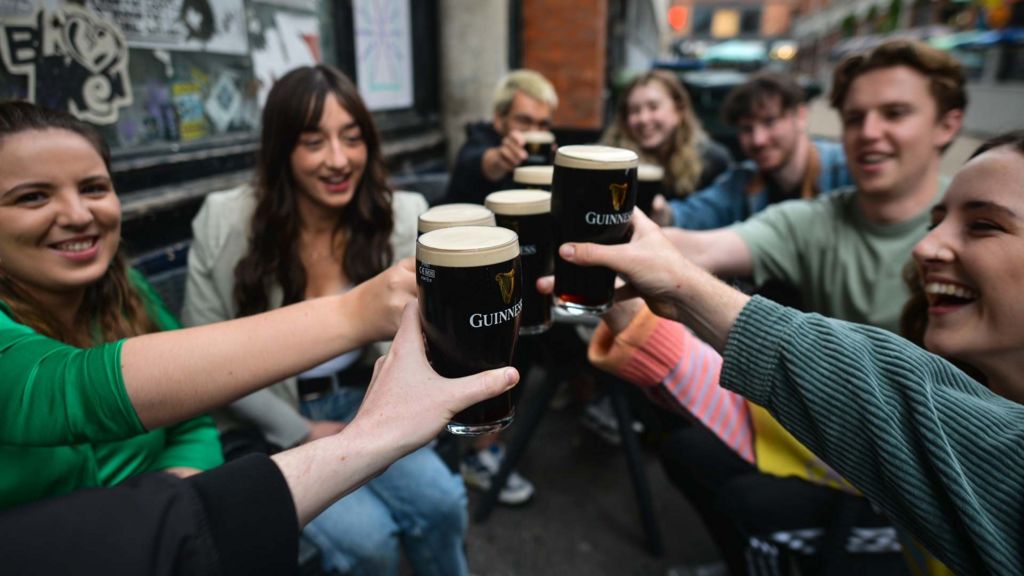
    Ireland’s profound cultural entanglement with alcohol faces unprecedented regulatory challenges as the nation implements some of the world’s strongest alcohol warning labels. These labels, now appearing on bottles and cans nationwide, explicitly state that alcohol consumption causes liver disease and is linked to fatal cancers. The measures represent the latest development in Ireland’s complex relationship with drinking, where pub culture remains deeply embedded in social traditions.

    The legislation, initially signed into law in 2023, mandates physical barriers between alcohol and general products in supermarkets alongside graphic health warnings. However, in a controversial move criticized by public health advocates, the Irish government has postponed compulsory implementation until 2028, citing global trade uncertainties. Critics suggest industry lobbying influenced the delay, though Drinks Ireland, the industry representative body, maintains they sought “breathing space” and prefers EU-wide standardization.

    Despite decreasing overall consumption—down approximately one-third over 25 years according to The Drinks Industry Group of Ireland—concerning trends persist among youth. Public health organization Alcohol Action Ireland reports binge drinking rates among 15-24-year-olds have increased significantly, with two-thirds regularly engaging in hazardous consumption patterns. The average drinking initiation age has risen to 17, yet young Irish drinkers still rank among Europe’s heaviest consumers once they start.

    Interviews with Dublin residents reveal mixed reactions to the warnings. Jack, a 29-year-old advertising professional who regularly consumes six or more pints on heavy nights, acknowledges the labels but questions their efficacy: “I know my limits. As long as you know what your limits are, I think it’s fine health-wise.” Others like 23-year-old Amanda express skepticism: “You look at it and you’re like, ‘Oh, I just drank that. Should I drink another one?’”.

    Structural factors complicate Ireland’s drinking culture. Sean, 21, notes the lack of social alternatives: “There’s not much to do in Dublin after a certain time… you have to get a pint.” This pub-centric social landscape contrasts with emerging sober curious movements. Individuals like 27-year-old Sam, completely alcohol-free for three years, and Helen, who rarely drinks, represent growing demographic shifts despite facing social stigma for their choices.

    The delayed warning label implementation reflects broader tensions between public health objectives, cultural traditions, and economic considerations in a nation where alcohol brands like Guinness and Jameson remain iconic exports. With calorie and alcohol content labeling also postponed until 2028, Ireland’s journey toward alcohol harm reduction continues to navigate complex social and political currents.

  • Ukraine hits tankers in Black Sea in escalation against Russia

    Ukraine hits tankers in Black Sea in escalation against Russia

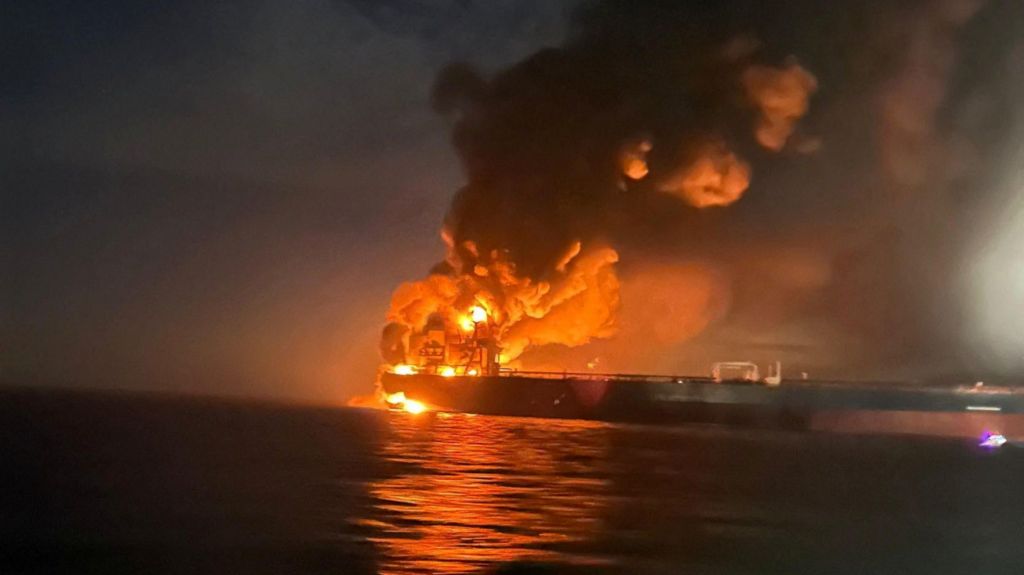
    In a significant escalation of its maritime campaign, Ukrainian security forces have successfully targeted two Russian-affiliated oil tankers traversing the Black Sea using advanced naval drones. Verified footage reveals the precise moment Ukrainian Sea Baby drones—specially engineered unmanned surface vessels—slammed into the vessels before detonating in massive fireballs that engulfed the ships in black smoke.

    The targeted vessels, identified by Turkish authorities as the Kairos and Virat (both registered under Gambian flags), were struck in separate operations. The Kairos was hit southwest of the Black Sea while the Virat was attacked further east near the Turkish coast. Reports indicate the Virat sustained additional drone strikes on Saturday following the initial Friday attacks. Remarkably, no casualties were reported from either incident.

    These sophisticated strikes represent a strategic shift in Ukraine’s efforts to cripple Russia’s war-funding capabilities. The targeted tankers belong to Moscow’s so-called ‘shadow fleet’—an armada of aging, often poorly documented vessels deployed to circumvent Western sanctions imposed after Russia’s 2022 invasion. According to London Stock Exchange data, both vessels were already subject to international sanctions.

    The attacks have triggered immediate regional consequences. The Caspian Pipeline Consortium—a major oil transportation group co-owned by Russia, Kazakhstan, and several Western energy giants including Exxon Mobil and Chevron—announced suspension of loading operations at Russia’s Novorossiysk port following unrelated drone attacks that damaged critical infrastructure.

    Turkish coast guard units responded to assist the stricken vessels, releasing footage showing firefighting efforts aboard the burning Kairos. Meanwhile, diplomatic developments unfolded as Ukrainian President Zelensky confirmed a security delegation led by Rustem Umerov was en route to the United States for continued peace negotiations, following the resignation of previous lead negotiator Andriy Yermak after corruption probes.

  • Israeli president concerned over proposed renaming of park

    Israeli president concerned over proposed renaming of park

    A controversial proposal to rename Herzog Park in south Dublin has ignited diplomatic tensions between Ireland and Israel, drawing strong reactions from both governments and Jewish communities. The park, located in Rathgar, was originally named in 1995 to honor Chaim Herzog, the Belfast-born sixth president of Israel who spent his formative years in Dublin.

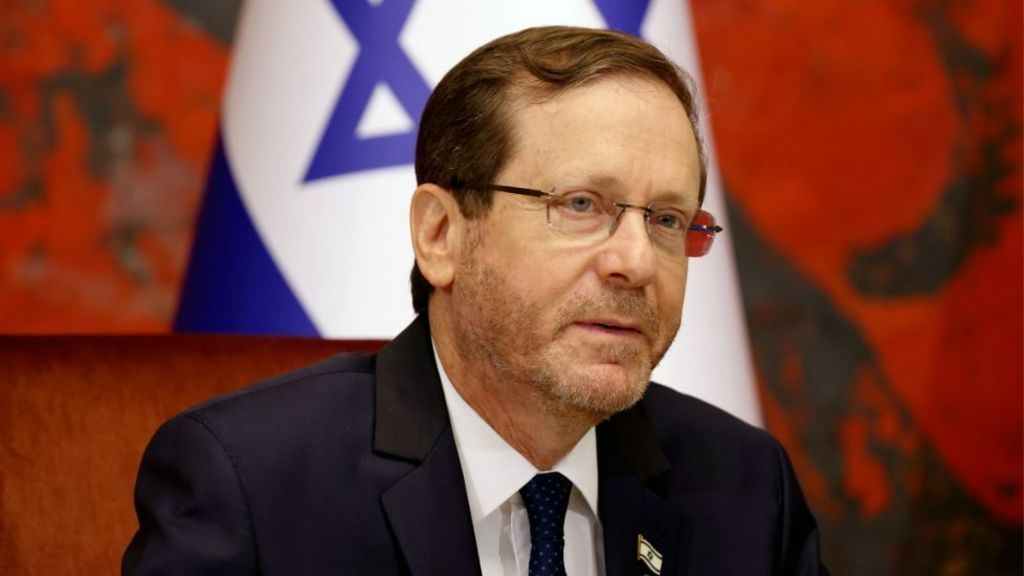
    The Office of Israeli President Isaac Herzog, son of the late leader, issued a formal statement expressing profound concern over the potential name removal, characterizing it as a ‘shameful and disgraceful move’ that would damage the historical connection between Irish and Jewish peoples. The statement emphasized Chaim Herzog’s dual legacy as both an Israeli leader and a hero who fought against Nazi occupation in Europe, dedicating his life to values of freedom, tolerance, and peace.

    Irish political leaders have joined the opposition against the renaming proposal. Tánaiste (Deputy Prime Minister) Simon Harris declared his complete opposition, stating ‘It is wrong. We are an inclusive republic,’ while Foreign Affairs Minister Helen McEntee urged councilors to reject the motion, distinguishing between criticism of current Israeli policies and honoring historical figures.

    The Jewish Representative Council of Ireland described the move as ‘deeply concerning,’ with Chair Maurice Cohen warning that removing the Herzog name would be widely perceived as an attempt to erase Irish Jewish history. The proposal originated from Labour Party councilor Fiona Connelly in December 2024, who questioned whether proper naming procedures were followed initially.

    This controversy occurs against the backdrop of deteriorating Ireland-Israel relations, including Israel’s decision to close its Dublin embassy last year following Ireland’s support for South Africa’s ICJ case against Israel and its recognition of Palestinian statehood alongside Norway and Spain. The current military situation in Gaza, which began after Hamas’s October 2023 attack, has further complicated diplomatic relations between the two nations.

  • Playwright Sir Tom Stoppard dies at 88

    Playwright Sir Tom Stoppard dies at 88

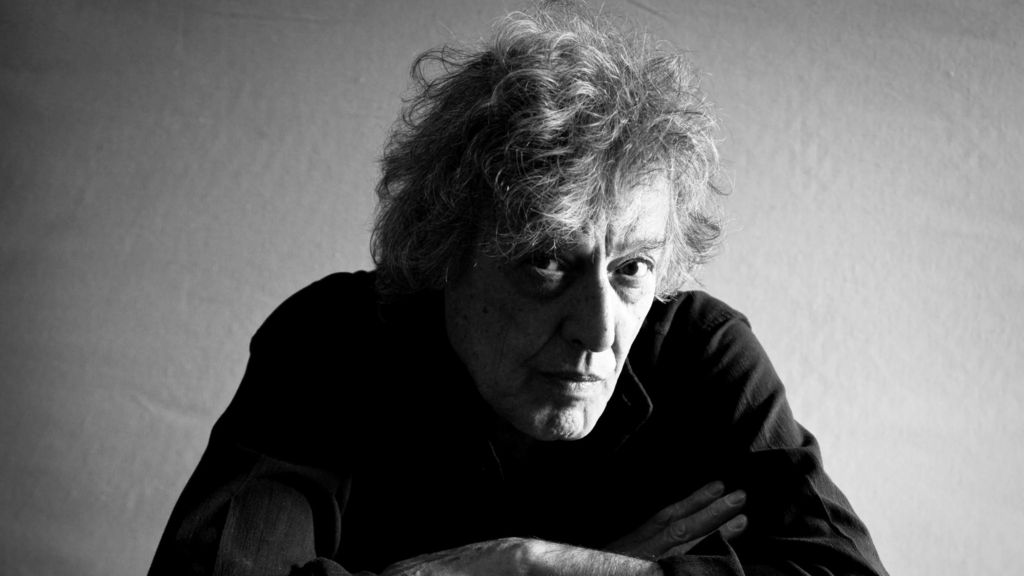
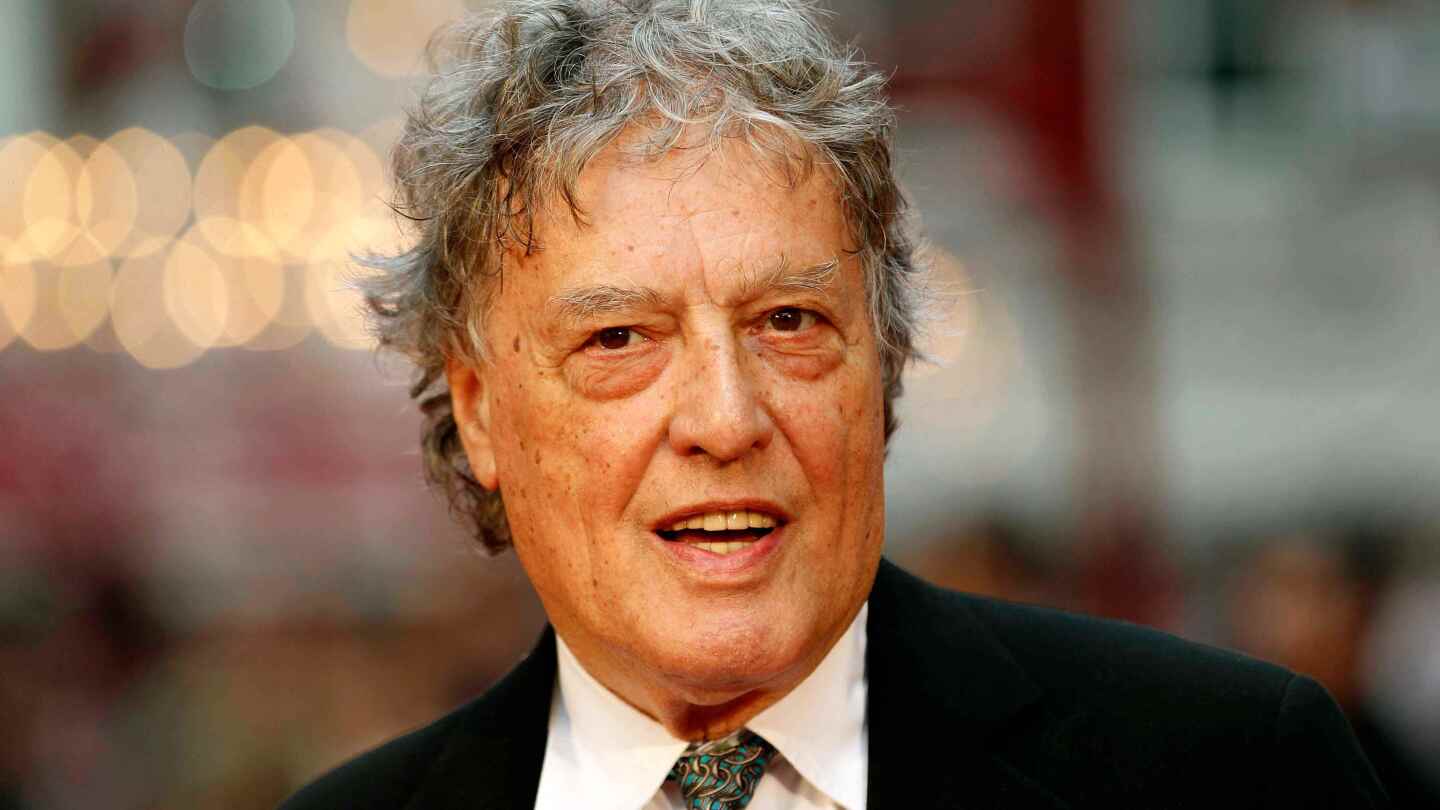
    The world of theatre and literature mourns the passing of Sir Tom Stoppard, the celebrated British playwright, who died peacefully at his Dorset residence surrounded by family at the age of 88. His representatives at United Agents confirmed the news, celebrating a life that profoundly shaped contemporary drama across seven decades.

    Sir Tom’s extraordinary career earned him global recognition, most notably an Academy Award and Golden Globe for his ingenious screenplay of ‘Shakespeare in Love.’ His theatrical masterpieces, including ‘The Real Thing’ and the groundbreaking ‘Rosencrantz and Guildenstern Are Dead,’ established him as one of Britain’s most intellectually vibrant and linguistically gifted dramatists.

    Beyond his theatrical achievements, Stoppard demonstrated remarkable versatility by writing for film, television, and radio. His adaptations included a critically acclaimed version of Tolstoy’s ‘Anna Karenina’ (2012), while his semi-autobiographical play ‘Leopoldstadt’ – exploring Jewish identity in early 20th century Vienna – recently garnered both Olivier and Tony awards.

    Born Tomas Straussler in Czechoslovakia, Stoppard’s life contained profound personal tragedy. He fled the Nazi occupation as a child, later discovering that all four of his Jewish grandparents perished in concentration camps. This heritage informed much of his later work, particularly ‘Leopoldstadt,’ which examined the very identity he had escaped confronting until adulthood.

    Before his dramatic career blossomed, Stoppard worked as a journalist in Bristol during the 1950s, though he humorously recounted his inadequacies in the profession. His true calling emerged with the 1966 premiere of ‘Rosencrantz and Guildenstern Are Dead’ at the Edinburgh Fringe Festival, which subsequently transferred to the National Theatre and Broadway, winning four Tony Awards in 1968.

    Honored with a knighthood by Queen Elizabeth II in 1997 for his services to literature, Stoppard leaves behind an unparalleled legacy. Tributes have poured in from across the arts world, with Rolling Stones frontman Sir Mick Jagger describing him as his ‘favourite playwright’ whose ‘majestic body of intellectual and amusing work’ would endure.

  • British playwright Tom Stoppard, who won Academy Award for ‘Shakespeare In Love,’ has died at 88

    British playwright Tom Stoppard, who won Academy Award for ‘Shakespeare In Love,’ has died at 88

    The global theatrical community is in mourning following the peaceful passing of Sir Tom Stoppard, the internationally acclaimed playwright and intellectual luminary, at his Dorset residence in southern England. He was 88 years old. His literary representatives at United Agents confirmed the sad news on Saturday, noting he was surrounded by family at the time of his death.

    Born Tomás Sträussler in 1937 to a Jewish family in Czechoslovakia (now Czech Republic), Stoppard’s life journey was as dramatic as his plays. Forced to flee the Nazi invasion in 1939, his family eventually settled in England where he reinvented himself, later describing how he ‘put on Englishness like a coat.’ Despite never attending university, he began his career as a journalist before revolutionizing contemporary theater.

    Stoppard’s extraordinary six-decade career produced some of the most intellectually ambitious and linguistically brilliant works in modern drama. His breakthrough came with 1966’s ‘Rosencrantz and Guildenstern Are Dead,’ which reimagined Shakespeare’s ‘Hamlet’ through the perspective of two minor characters. This established his signature style—a masterful blend of philosophical inquiry, linguistic playfulness, and profound humanism.

    His remarkable output earned him an unprecedented five Tony Awards for Best Play, recognizing ‘Rosencrantz and Guildenstern Are Dead’ (1968), ‘Travesties’ (1976), ‘The Real Thing’ (1984), ‘The Coast of Utopia’ (2007), and his final masterpiece ‘Leopoldstadt’ (2023). Beyond theater, his screenwriting achievements included an Academy Award for ‘Shakespeare in Love’ (1998) and collaborations with directors ranging from Steven Spielberg (‘Empire of the Sun’) to Terry Gilliam (‘Brazil’).

    While celebrated for his intellectual wit and verbal dexterity, Stoppard’s work increasingly revealed deeper emotional currents. His late-career masterpiece ‘Leopoldstadt’ (2020) represented a profound personal exploration of his Jewish heritage and family’s tragic history during the Holocaust—a subject he confronted only later in life after discovering that his extended family perished in concentration camps.

    Beyond his artistic achievements, Stoppard was a dedicated advocate for free speech, working with organizations including PEN and Index on Censorship. He was knighted by Queen Elizabeth II in 1997 for services to literature. The theatrical world will honor his memory with London’s West End theaters dimming their lights for two minutes on Tuesday evening. He is survived by four children, including actor Ed Stoppard, and several grandchildren.

  • Opposition leader detained in Azerbaijan’s continuing crackdown on dissent

    Opposition leader detained in Azerbaijan’s continuing crackdown on dissent

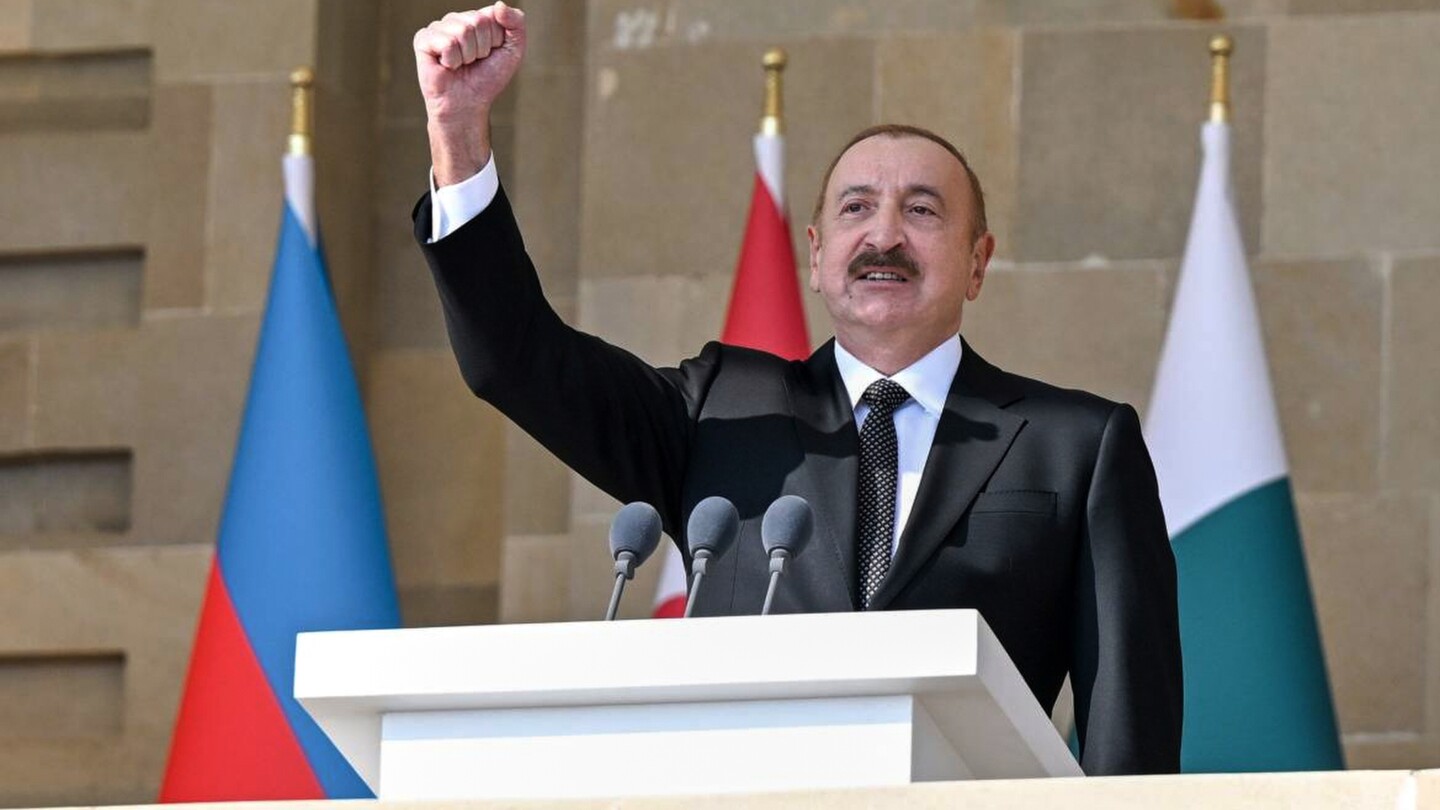
    Azerbaijan’s government has intensified its suppression of political dissent with the detention of prominent opposition figure Ali Karimli, chairman of the Popular Front Party, on Saturday. The move represents a significant escalation in President Ilham Aliyev’s ongoing campaign against opposition voices.

    According to Karimli’s adviser Fuad Gahramanli, security forces conducted searches at the opposition leader’s residence while simultaneously cutting off his communication channels. The operation extended to Mammad Ibrahim, another senior party official, who faced similar detention and property searches.

    While authorities remain officially silent regarding the detentions, government-aligned media outlets have linked the actions to an ongoing criminal investigation targeting Ramiz Mehdiyev, former head of the presidential administration. Mehdiyev, currently under house arrest, faces serious allegations including attempted seizure of state power, high treason, and financial crimes—though official confirmation of these charges remains pending.

    Human rights organizations document a concerning pattern of escalating repression in Azerbaijan, where authorities systematically target journalists, activists, and independent political figures. The Aliyev dynasty, which has maintained power since 2003 when Ilham succeeded his father Heydar, has consistently suppressed political opposition through various means.

    International observers have repeatedly questioned the legitimacy of Azerbaijan’s electoral processes since the nation gained independence from the Soviet Union in the early 1990s. The oil-rich Caspian nation of approximately 10 million people continues to face criticism for its record on democratic principles and human rights protections.

  • Pope Leo visits Istanbul’s Blue Mosque

    Pope Leo visits Istanbul’s Blue Mosque

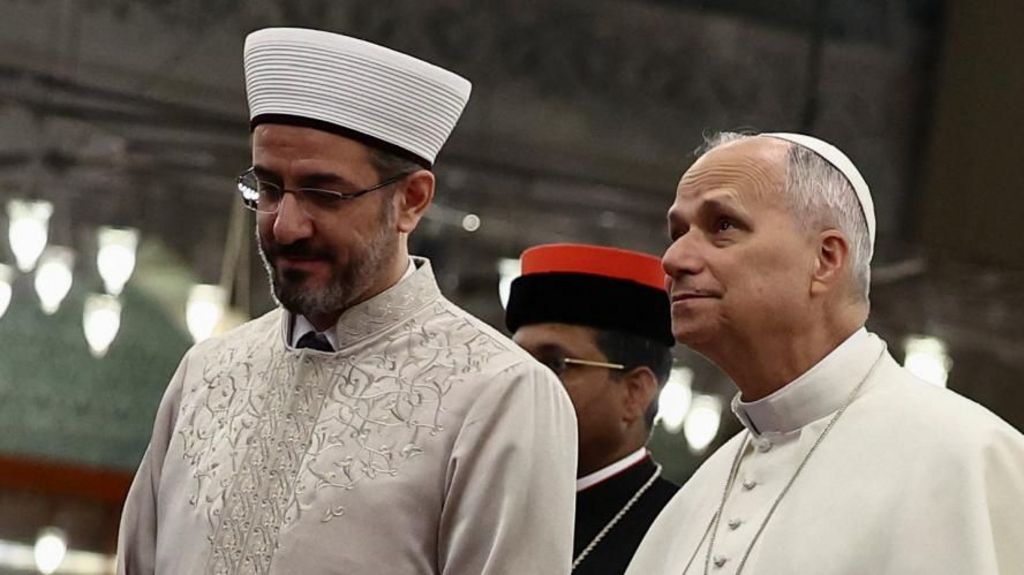
    In a significant demonstration of interfaith dialogue, Pope Leo XIV visited Istanbul’s iconic Sultan Ahmed Mosque, commonly known as the Blue Mosque, marking his first visit to a Muslim place of worship since assuming the papacy in May. The Pontiff demonstrated profound reverence by bowing upon entering the magnificent structure, though notably refrained from praying within the mosque—a departure from the practices of his two immediate predecessors.

    The Vatican characterized the visit as undertaken ‘in a spirit of reflection and listening, with deep respect for the place and for the faith of those who gather there in prayer.’ The carefully orchestrated tour was conducted alongside local Muslim leaders, emphasizing mutual respect and understanding.

    This symbolic gesture forms a central component of the Pope’s four-day diplomatic journey to Turkey, with subsequent travels planned to Lebanon. The visit continues the interfaith bridge-building legacy planned by his predecessor, Pope Francis, which Pope Leo XIV has embraced wholeheartedly since his election.

    Following the mosque visit, the Pope received a formal welcome at St. George’s Cathedral from Patriarch Bartholomew, spiritual leader of the Eastern Orthodox Church, further highlighting the trip’s ecumenical dimensions.

    The Blue Mosque, officially named after Ottoman Sultan Ahmed I who commissioned its construction between 1603-1617, stands as an architectural marvel adorned with thousands of brilliant blue and turquoise ceramic tiles. The monument attracts millions of annual visitors and has served as a historic venue for papal interfaith engagement, having hosted Pope Francis in 2014 and Pope Benedict XVI in 2006.

    The tradition of papal mosque visits began with Pope John Paul II’s groundbreaking 2001 visit to Damascus’ Umayyad Mosque. Pope Leo’s continuation of this tradition occurs against a backdrop of his warning against global conflict escalation, with him emphasizing that ‘the future of humanity is at stake.’

    In Lebanon, where approximately one-third of the population identifies as Christian, the Pontiff is scheduled to engage with diverse faith leaders and youth representatives. The journey will culminate in a solemn Mass at the Beirut waterfront, site of the devastating 2020 port explosion that claimed over 200 lives and injured 7,000 others, serving as both memorial and prayer for healing and reconciliation.