标签: Europe

欧洲

  • Pope Leo finds his voice on first foreign trip

    Pope Leo finds his voice on first foreign trip

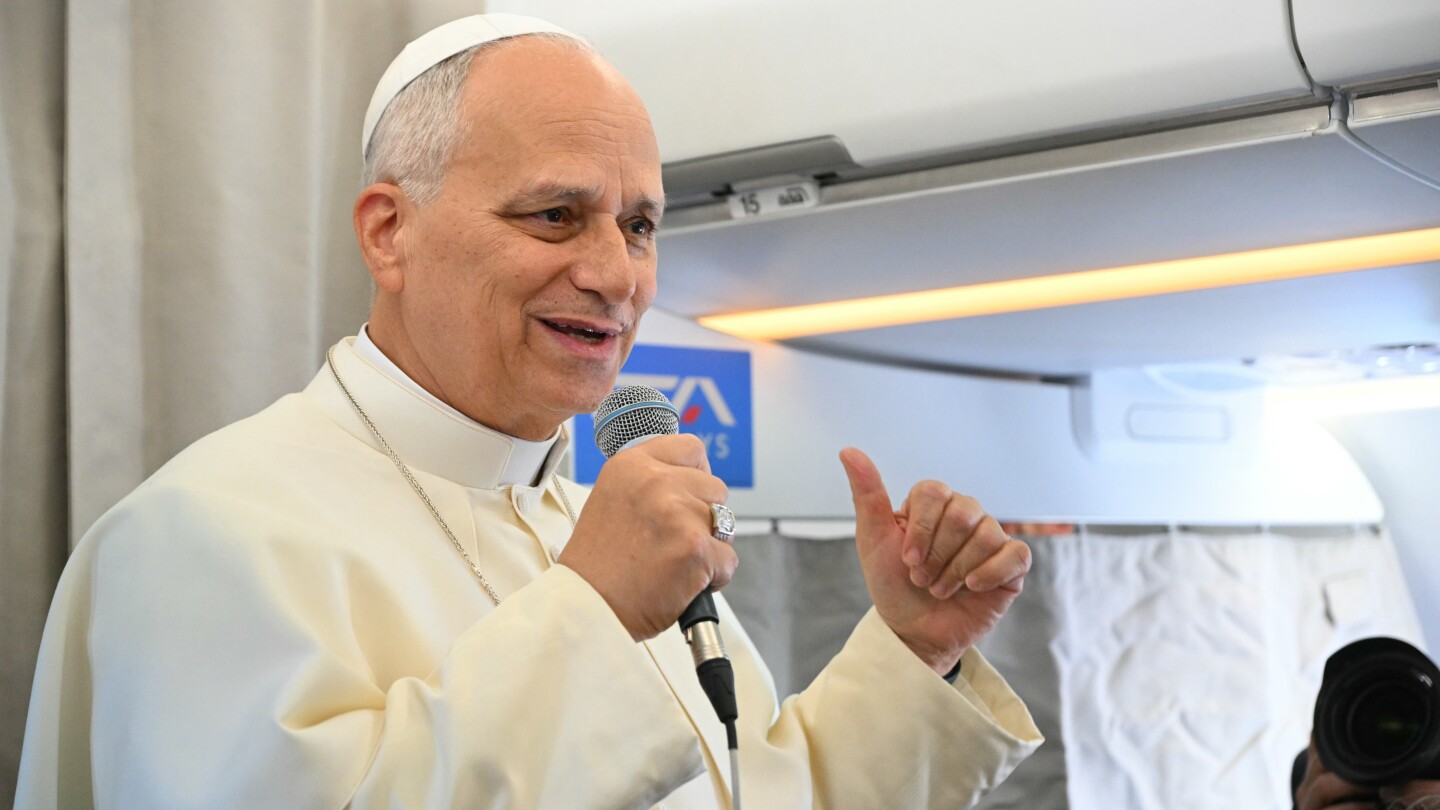
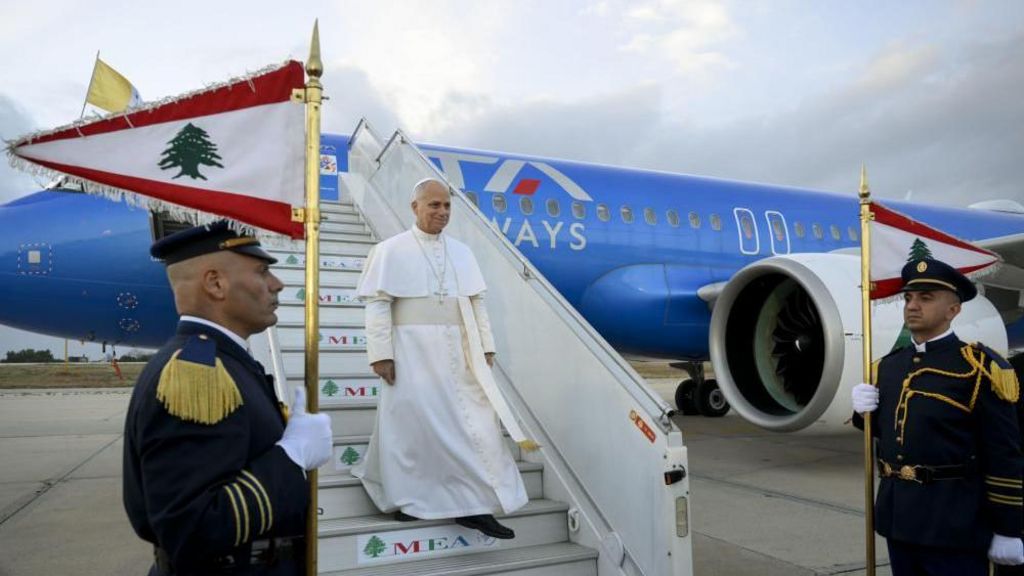
    Pope Leo XIV has commenced his inaugural international journey with a strategically significant visit to Beirut, arriving precisely one week following Israeli airstrikes that targeted the Lebanese capital. This carefully orchestrated diplomatic mission underscores the Pontiff’s deliberate approach to global leadership during his initial six months in office.

    The Pontiff’s itinerary commenced with a three-day engagement in Turkey, where observers noted his characteristically measured diplomatic style. Unlike his predecessor Pope Francis—known for passionate, extemporaneous remarks that occasionally required clarification from aides—Leo XIV demonstrates methodical precision in both speech and action. His interactions with journalists reflect thoughtful consideration, with each statement appearing deliberately crafted.

    During his Turkish leg, the Pope delivered substantive addresses on global conflicts. Alongside President Recep Tayyip Erdogan, he criticized powerful nations for leveraging economic and military dominance, warning that such actions jeopardize humanity’s future. At a historic commemoration in Iznik marking 1,700 years since a pivotal Christian council, he unequivocally condemned weaponizing religion to justify violence or fundamentalism.

    The Pontiff’s emotional depth surfaced during a profoundly moving moment at Istanbul’s Cathedral of the Holy Spirit. As he stood before Turkey’s diminutive Christian minority—who welcomed him with exceptional warmth—visible emotion overcame him, reminiscent of his overwhelmed reaction upon first appearing on St. Peter’s Basilica balcony last May.

    In Lebanon, a nation grappling with severe governance challenges, Pope Leo immediately addressed political leaders, urging dedication to public service. His visit carries profound symbolism for Lebanon’s Christian community, which comprises approximately one-third of the population. Patriarch Bechara al-Rahi, leader of the Maronite Catholic Church, expressed profound gratitude, noting the Pontiff’s choice to prioritize a nation ‘still at war’ provides hope to citizens feeling abandoned.

    Remarkably, even Hezbollah—the Shia Muslim political-military organization designated as terrorist by several Western nations—extended formal greetings through an open letter expressing ‘deep appreciation’ for the papal visit. Their supporters prominently displayed flags alongside Vatican and Lebanese banners during the Pope’s motorcade procession.

    Despite these bridge-building efforts, limitations persist. The Russian Orthodox Church declined participation in ecumenical events in Turkey, while some critics expressed disappointment that the Pope didn’t more forcefully address Turkey’s suppression of opposition voices. In Lebanon, residents from conflict-ravaged southern villages voiced frustration over not being included in the papal itinerary.

    As a South Side Chicago native unexpectedly elevated to one of the world’s most influential moral platforms, Pope Leo continues evolving into his dual role as spiritual leader and head of state. While lacking his predecessor’s disruptive urgency, he has demonstrably begun forging his distinctive voice in international diplomacy during this inaugural overseas mission.
  • Dignitas founder dies by assisted suicide aged 92, group says

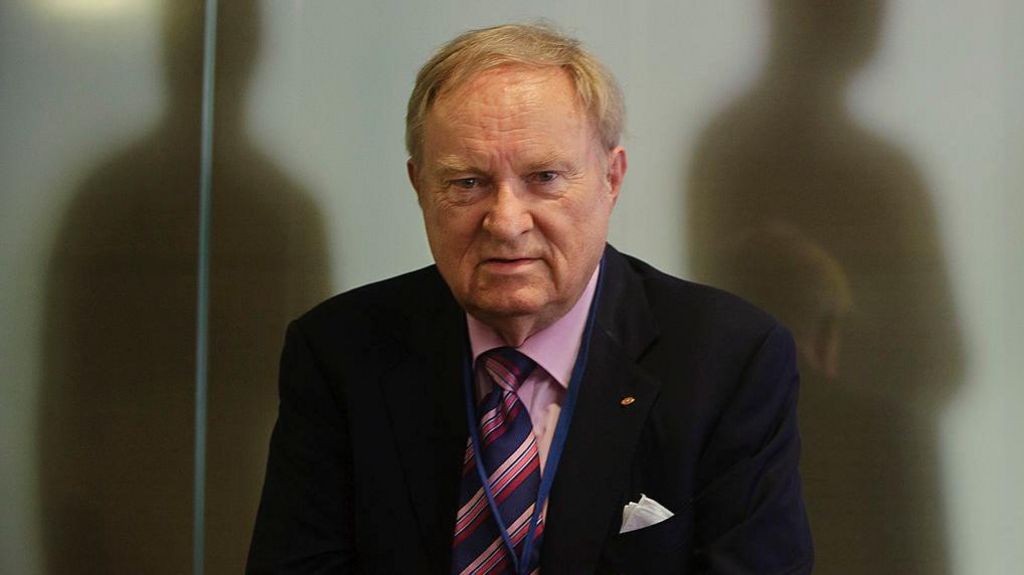
    Dignitas founder dies by assisted suicide aged 92, group says

    Ludwig Minelli, the pioneering founder of Switzerland’s renowned right-to-die organization Dignitas, has passed away through assisted suicide just days before his 93rd birthday. The organization confirmed his Saturday death while celebrating his lifelong advocacy for “freedom of choice, self-determination, and human rights.”

    Minelli established Dignitas in 1998, creating what would become one of the world’s most prominent assisted dying organizations. Under his leadership, the organization has facilitated end-of-life choices for thousands of individuals, many traveling to Switzerland from countries where assisted dying remains prohibited.

    The legal landscape surrounding assisted dying has evolved significantly during Minelli’s advocacy career. Several nations including Australia, Canada and New Zealand have implemented legislation permitting various forms of assisted dying, while the UK House of Lords continues to debate proposed legislation.

    Minelli’s journey to becoming a right-to-die advocate began with a career in journalism, serving as a correspondent for German news magazine Der Spiegel before studying law and developing his human rights focus. His work faced numerous legal challenges, though he successfully defended his organization through multiple appeals to the Swiss supreme court.

    In a 2010 BBC interview, Minelli articulated his philosophy: “I am persuaded that we must struggle to implement the last human right in our societies—the right to make a decision on one’s own end, and the possibility to have this end without risk and without pain.”

    Dignitas emphasized that Minelli’s legacy includes influencing significant legal precedents, notably a 2011 European Court of Human Rights ruling affirming an individual’s right to determine the manner and timing of their death. The organization pledged to continue operating according to Minelli’s vision as “a professional and combative international organization for self-determination and freedom of choice.”

    While euthanasia remains illegal in Switzerland, assisted dying—where medical practitioners provide lethal drugs that individuals self-administer—has been legal for decades. Critics of assisted dying legislation maintain concerns about potential coercion of vulnerable individuals, though safeguards remain central to ongoing debates worldwide.

  • Long-lost Rubens painting depicting crucifixion sells for $2.7M

    Long-lost Rubens painting depicting crucifixion sells for $2.7M

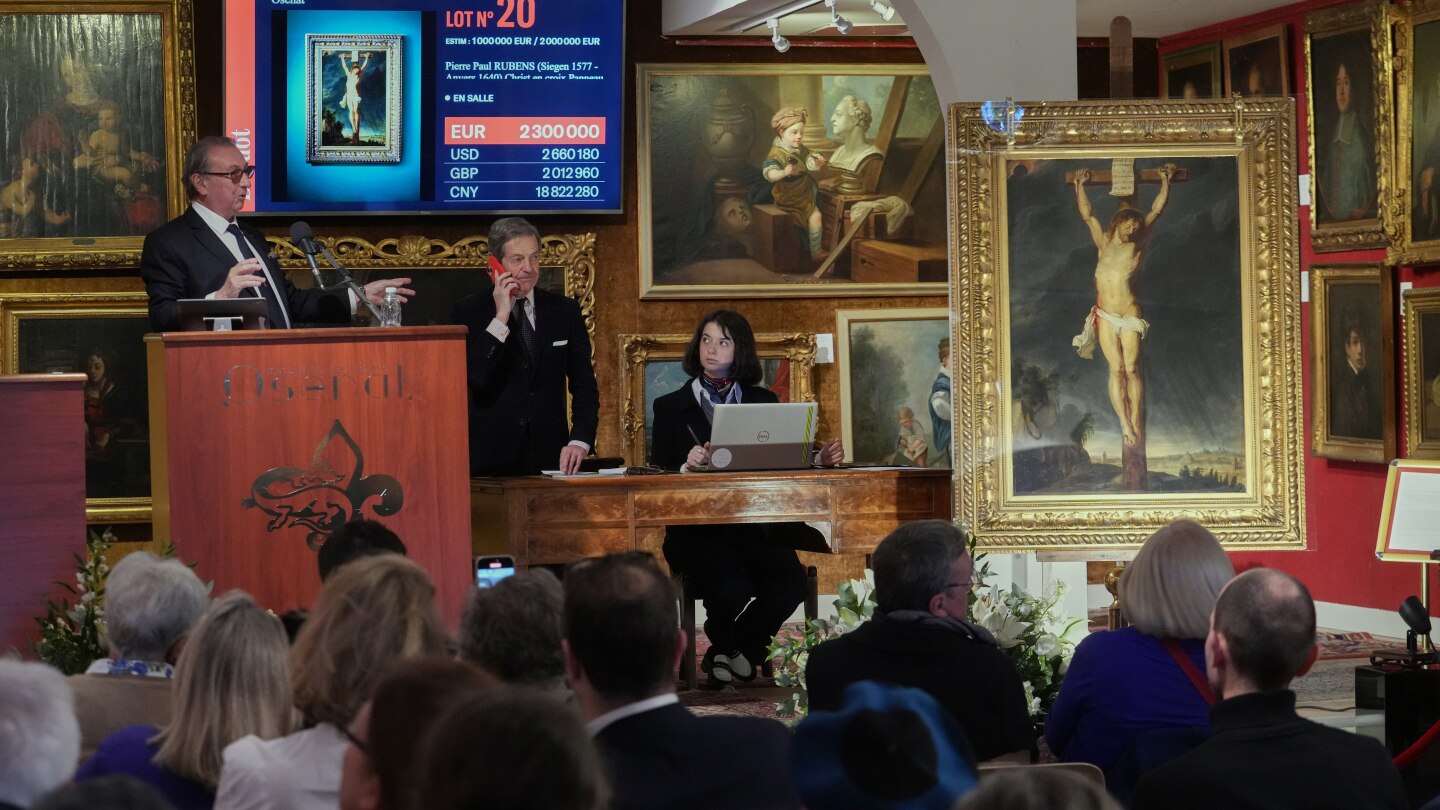
    A previously unknown masterpiece by Baroque legend Peter Paul Rubens, discovered after being concealed for over 400 years, achieved a remarkable €2.3 million ($2.7 million) sale at a Versailles auction this Sunday. The artwork, portraying the crucifixion of Jesus Christ, was unexpectedly located within a private Parisian townhouse.

    Initially dismissed as a workshop production and valued below €10,000, the painting’s fortunes changed dramatically when auctioneer Jean-Pierre Osenat pursued authentication. His persistence led to formal recognition by the Rubenianum, the official Rubens advisory committee in Antwerp.

    Art historian Nils Büttner highlighted the work’s exceptional nature, noting that while Rubens frequently depicted crucifixions, this particular representation uniquely shows “the crucified Christ as a dead body on the cross.” Büttner emphasized its singular status as “the one and only painting showing blood and water coming out of the side wound of Christ” in Rubens’ entire oeuvre.

    The auction house Osenat confirmed the painting’s authenticity through rigorous scientific examination. Microscopic analysis revealed complex pigment layers including white, black, red, plus distinctive blue and green pigments characteristic of Rubens’ skin tone techniques.

    Art specialist Eric Turquin revealed to a captivated audience that the work had virtually vanished from historical records in the early 17th century. Its provenance traces back to 19th-century French classical painter William Bouguereau, remaining within his familial lineage until its recent rediscovery.

  • Pope Leo XIV doubles down on insistence for 2-state solution to resolve Israeli-Palestinian conflict

    Pope Leo XIV doubles down on insistence for 2-state solution to resolve Israeli-Palestinian conflict

    Aboard the Papal Plane — During his inaugural airborne press conference en route to Beirut, Pope Leo XIV emphatically reinforced the Vatican’s diplomatic stance regarding the Israeli-Palestinian conflict, declaring a two-state solution as the singular viable path toward achieving lasting justice for both nations. The pontiff’s remarks came during the concluding segment of his first international journey as head of the Catholic Church.

    While responding to limited questions from Turkish journalists during the brief flight from Istanbul, Pope Leo revealed details of his private discussions with Turkish President Recep Tayyip Erdogan in Ankara. Their dialogue encompassed both the Gaza and Ukraine conflicts, with the Pope acknowledging Turkey’s “significant role” in facilitating preliminary negotiations between Russia and Ukraine. “Although resolution remains elusive,” he noted, “recent developments include fresh, substantive peace proposals.”

    Regarding the Middle East, the American-born Pope reiterated the Holy See’s consistent position supporting Palestinian statehood in East Jerusalem, the West Bank, and Gaza—a framework internationally regarded as the fundamental compromise for regional stability. The Vatican originally extended recognition to Palestine in 2015, but the current Israel-Hamas war has revitalized global momentum for this approach, evidenced by additional countries formalizing recognition during the latest UN General Assembly.

    “We acknowledge Israel’s present opposition to this solution,” Pope Leo stated, “yet we perceive it as the exclusive mechanism capable of resolving the enduring conflict. As friends to both parties, the Holy See strives to serve as a mediating voice that fosters mutual understanding and equitable justice.”

    The Pope’s commentary contrasted sharply with Israeli Prime Minister Benjamin Netanyahu’s persistent rejection of Palestinian statehood, which his administration believes would effectively reward Hamas and potentially establish an expanded threat along Israel’s borders. Netanyahu recently emphasized that no external pressure would alter Israel’s position.

    Notably absent from the Pope’s travel summary was any reference to his visit to Istanbul’s Blue Mosque, his most visible interaction with Turkey’s Muslim community. Instead, he focused on the primary purpose of his Turkish visit: commemorating the 1,700th anniversary of the Council of Nicaea. This historic gathering of bishops in AD 325 produced the Nicaean Creed, which remains a unifying theological foundation for Catholic, Orthodox, and Protestant denominations worldwide.

    Looking toward future ecumenical collaboration, Pope Leo proposed an unprecedented joint commemoration in Jerusalem for 2033—marking the 2,000th anniversary of Christ’s crucifixion and resurrection. This initiative, welcomed by Orthodox patriarchs, aims to demonstrate renewed Christian unity after centuries of division.

  • Thousands protest far-right surge in Croatia following incidents

    Thousands protest far-right surge in Croatia following incidents

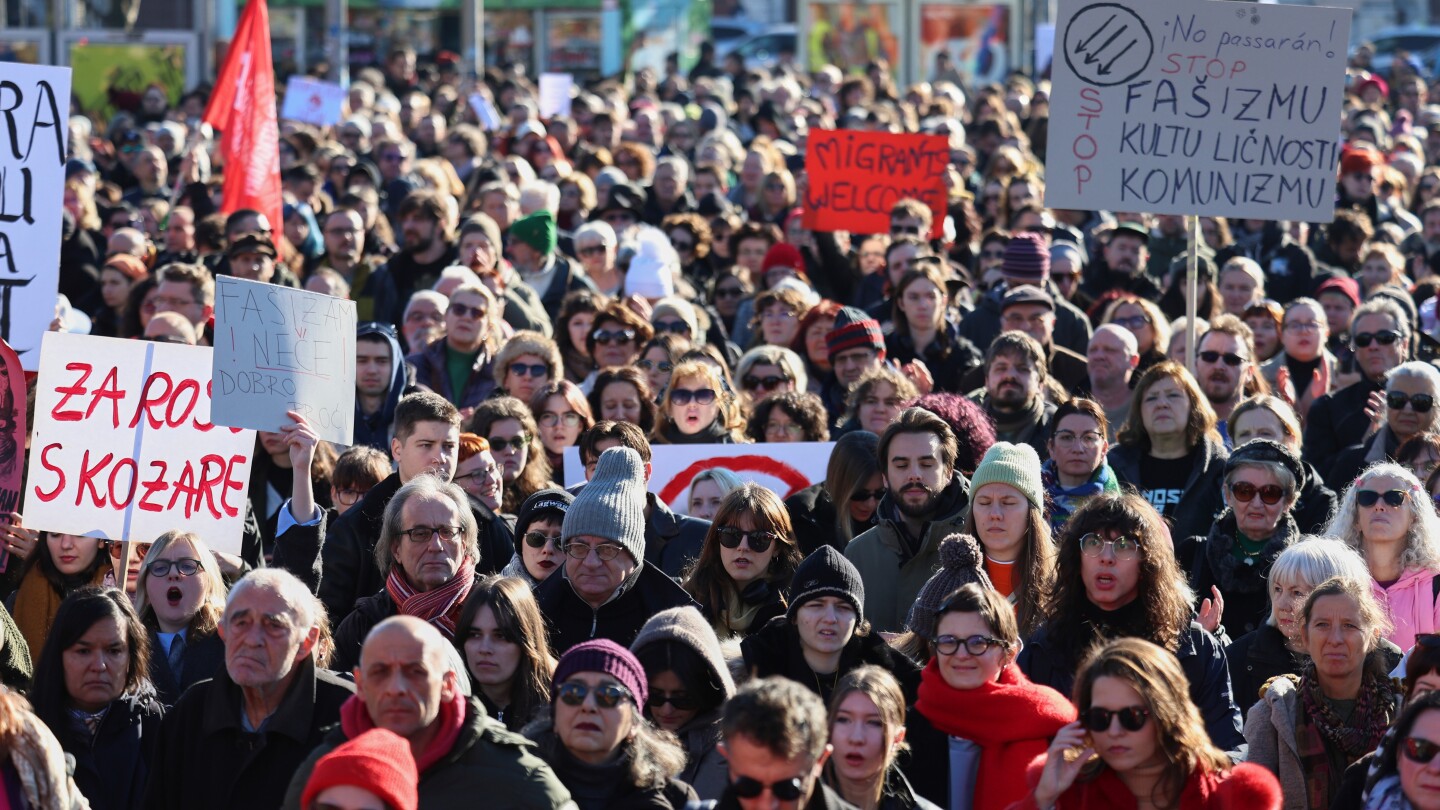
    Thousands of Croatians took to the streets across multiple cities on Sunday in a powerful display of opposition against escalating far-right activities that have heightened ethnic and political tensions within the European Union nation. Organized under the banner “United against fascism,” the demonstrations saw participants in Zagreb, Rijeka, Zadar, and other urban centers chanting “we are all antifascists!” while condemning right-wing groups’ attempts to spread fear and suppress dissent.

    The protests emerged in response to a series of extremist incidents, including November’s targeting of ethnic Serb cultural events in Zagreb and Split, where groups of young men dressed in black chanted pro-fascist slogans and nationalist rhetoric. Participants demanded authorities take decisive action against hard-right groups that frequently employ symbols from Croatia’s World War II pro-Nazi puppet state, the Ustasha regime, which operated concentration camps responsible for executing tens of thousands of ethnic Serbs, Jews, Roma, and antifascist Croats.

    Journalist Maja Sever addressed the Zagreb rally, warning that recent developments represent “very dangerous” trends and praising demonstrators for their commitment to defending democratic values. Meanwhile, counter-gatherings organized by right-wing supporters resulted in minor scuffles with police, leading to at least one detention according to local media reports.

    This surge in far-right activity traces its political roots to last year’s parliamentary election, when Prime Minister Andrej Plenkovic’s conservative party formed a coalition with a far-right faction, excluding an ethnic Serb party from government for the first time in years. The trend reached a cultural climax with a mass concert in July featuring controversial right-wing singer Marko Perkovic (known as Thompson), whose use of the Ustasha-era slogan “For the homeland — Ready!” in his music has long been a source of national division.

    Prime Minister Plenkovic has rejected accusations that his administration turns a blind eye to neo-fascist hate speech, instead blaming leftist opponents for exaggerating the problem and deepening societal divisions. The current tensions evoke painful memories of Croatia’s 1991-95 war with ethnic Serbs, which claimed over 10,000 lives following the breakup of Yugoslavia. Despite joining NATO in 2009 and the EU in 2013, Croatia continues to grapple with the legacy of its wartime past and the resurgence of extremist ideologies.

  • Taoiseach calls for Herzog Park renaming plan to be withdrawn

    Taoiseach calls for Herzog Park renaming plan to be withdrawn

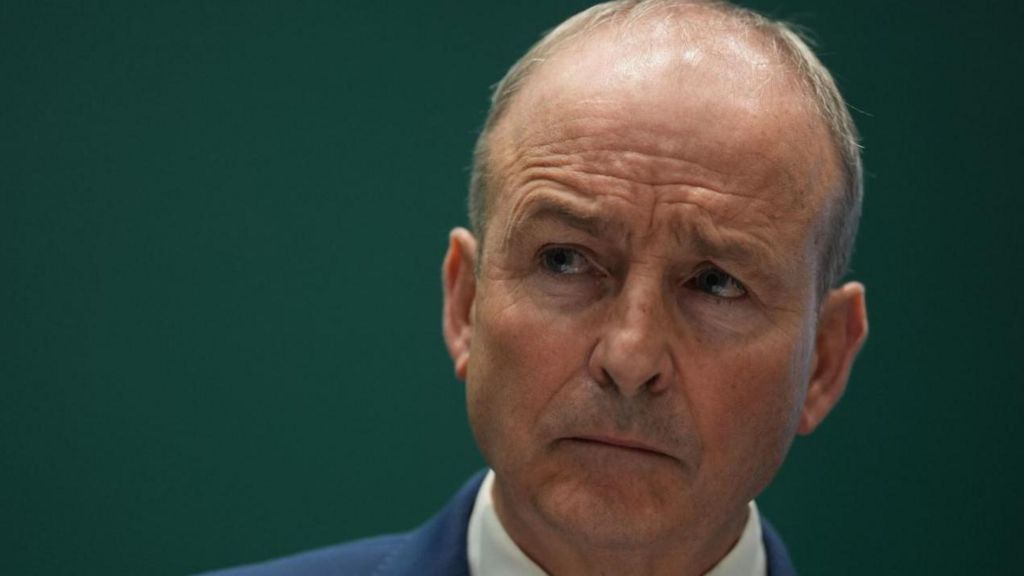
    Irish Taoiseach Micheál Martin has issued a forceful condemnation of Dublin City Council’s proposal to remove the Herzog name from a public park, calling the motion “overtly divisive and wrong” and demanding its immediate withdrawal. The controversial proposal has drawn international concern from Israel’s presidential office and sparked a unified response from Ireland’s highest government officials.

    The park in question, located in Dublin’s Rathgar area, was named in 1995 to honor Chaim Herzog, the Belfast-born sixth president of Israel who spent his formative years in Dublin. The current Israeli President Isaac Herzog, son of the late statesman, has expressed serious concern about the potential renaming, characterizing such action as “shameful and disgraceful” in an official statement released on social media platform X.

    Prime Minister Martin emphasized that the proposal represents a denial of Ireland’s complex history and would unequivocally be perceived as anti-Semitic. “Our Irish Jewish community’s contribution to our country’s evolution in its many forms should always be cherished and generously acknowledged,” Martin stated, referencing the Jewish community’s participation in both the Irish War of Independence and the establishment of the emerging Irish State.

    The political backlash has been swift and comprehensive. Tánaiste (Deputy Prime Minister) Simon Harris declared his complete opposition, asserting that “We are an inclusive republic” and that the proposal violates this fundamental principle. Foreign Affairs Minister Helen McEntee and Justice Minister Jim O’Callaghan similarly condemned the motion, with O’Callaghan noting that renaming the park because of current Middle East conflicts “unfairly suggests Irish Jews are responsible for the appalling actions of the current Israeli Government.”

    The Jewish Representative Council of Ireland has described the move as “deeply concerning,” with Chair Maurice Cohen urging councillors to reject what he characterized as “an attempt to erase our Irish Jewish history.”

    The controversy emerges against a backdrop of deteriorating relations between Ireland and Israel, including last year’s closure of Israel’s Dublin embassy following accusations of “extreme anti-Israel policies” by the Irish government. This historical context includes the 2014 removal of a blue plaque marking Herzog’s Belfast birthplace after repeated vandalism and security concerns.

    Council members Fiona Connelly (Labour Party) and Conor Reddy (People Before Profit) initially raised questions about the naming procedures in late 2024 and early 2025, respectively. The council’s Commemorations and Naming Committee had previously recommended the name removal in July with only one objection.

    The park’s namesake, Chaim Herzog, was born in Belfast in 1918 and eventually emigrated to Israel, where he served as ambassador to the United Nations and president from 1983 to 1993. His father, Rabbi Isaac HaLevi Herzog, served as the first chief rabbi of the Irish Free State, establishing a deep historical connection between the Herzog family and Irish society.

  • French farm has €90,000 worth of snails stolen

    French farm has €90,000 worth of snails stolen

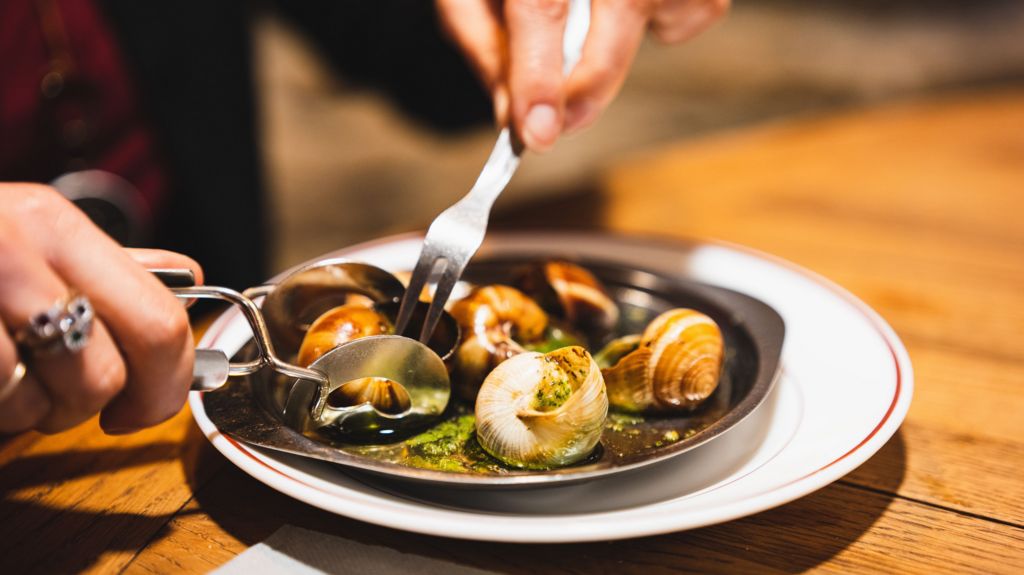
    In a bizarre culinary crime that has disrupted France’s gourmet food industry, thieves have executed a precision theft at L’Escargot Des Grands Crus snail farm in Bouzy, near Reims. The agricultural burglary resulted in the loss of the entire inventory of fresh and frozen snails valued at approximately €90,000 (£79,000; $104,000), dealing a significant blow to the farm’s holiday operations.

    The sophisticated operation occurred during the overnight hours preceding Monday, with perpetrators methodically cutting through perimeter fencing before breaching multiple farm structures. According to Franceinfo reports, the comprehensive nature of the theft suggests careful planning and knowledge of the farm’s layout and valuable inventory.

    Jean-Mathieu Dauvergne, the farm’s managing director, revealed the devastating scope of the loss to investigators. “The criminals systematically cleared our storage facilities, taking both finished products from our retail space and raw materials from the production laboratory,” he stated. “This represented our complete holiday inventory—precisely calculated to meet seasonal demand without surplus.”

    The timing proves particularly damaging as French snail producers traditionally experience substantial sales increases during December, with consumers seeking the delicacy for Christmas and New Year celebrations. The farm supplies prestigious establishments including the Michelin-starred Les Crayères restaurant in Reims, alongside specialty food retailers and private clients.

    In an official statement released Thursday, the farm management expressed their shock and frustration: “This incident represents both a professional and emotional blow to our entire team. We are working tirelessly to rebuild our inventory and fulfill our commitments to valued customers during this critical period.”

    Local law enforcement agencies have launched a comprehensive investigation into the unusual agricultural theft. Meanwhile, the farm faces the challenging task of rapidly restocking their specialty products to meet holiday demand for the traditional French delicacy typically prepared with garlic butter or wine sauce.

  • The Polish ‘magicians of glass’ who create Christmas baubles for clients worldwide

    The Polish ‘magicians of glass’ who create Christmas baubles for clients worldwide

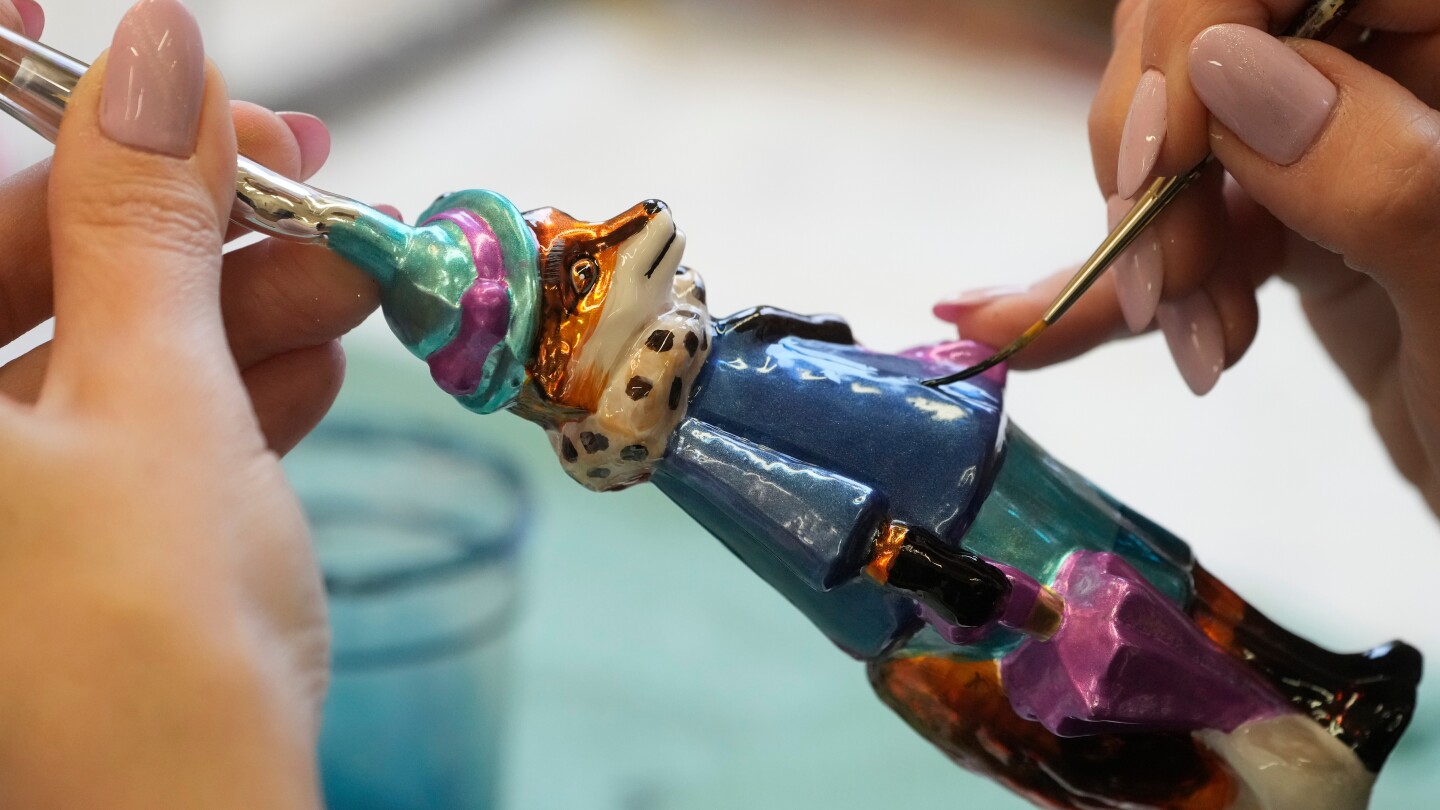
    In the southern Polish city of Częstochowa, a family-owned workshop transforms imaginative fantasies into tangible Christmas magic. GlitterLab, operating for over eight decades, specializes in creating extraordinary glass ornaments that defy conventional design limitations. Their client portfolio includes prestigious names like Swarovski, Galeries Lafayette, and Harrods, earning them the moniker “the magicians of glass.

    The company’s unique selling proposition lies in its manual production process, a closely guarded trade secret that ensures each piece remains utterly unique. Unlike mass-produced decorations, GlitterLab’s artisans begin with client drawings, transforming them into soft clay sculptures before selecting specialized combinations of materials including resin, wood, crystals, and metal.

    Third-generation owner Barbara Mostowska emphasizes the value of their European craftsmanship: “In an age when you can buy anything anywhere for next to nothing, something made from scratch here with honest work and thoughtfulness is truly valued by customers.” This artisanal approach commands premium prices, with exclusive designs like Harrods’ “Yellow Floral Bauble” retailing for £125 (approximately $168).

    The company draws inspiration from Częstochowa’s heritage as a pilgrimage site, considering themselves heirs to local artisan traditions. “The techniques we’re using can’t simply be learned,” the owners note. “They need to run in your DNA.”

    Seasoned designer Mariola Koła, with 42 years of experience, finds greatest satisfaction when clients approve designs without corrections. The ornaments frequently evoke childhood nostalgia, with descriptions promising “a time machine to a happy childhood.”

    Customer service representative Magdalena Kucharska observes the joyful nature of their business: “How can people get upset when we’re talking about Christmas baubles? We produce a product that brings happiness.” Mostowska envisions these creations as “jewelry for the home” that customers display year-round, transcending their seasonal purpose to become enduring art objects.

  • Covet an Italian masterpiece, but shy of the millions? How about a digital copy at supercar prices

    Covet an Italian masterpiece, but shy of the millions? How about a digital copy at supercar prices

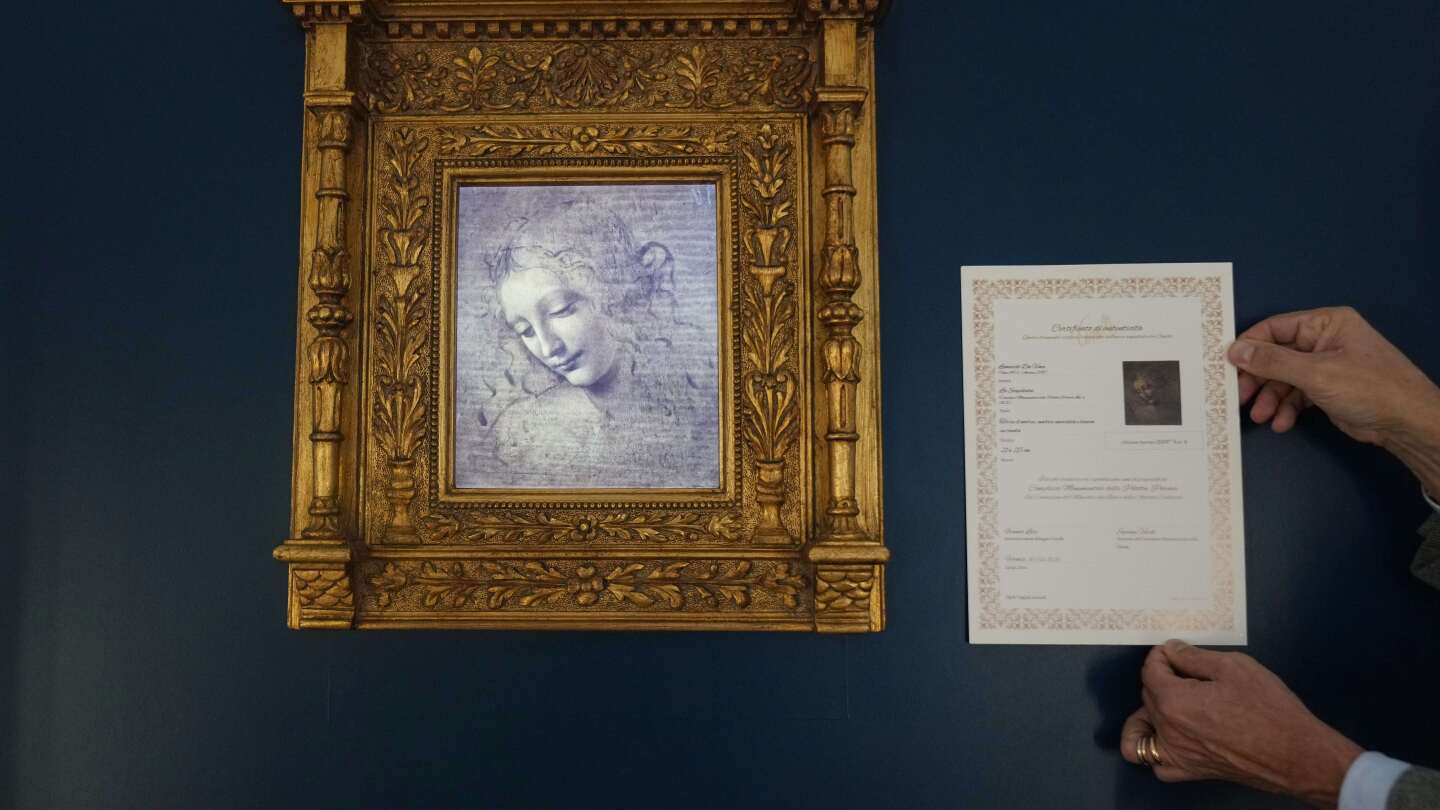
    In an innovative fusion of art preservation and digital technology, Italian cultural organization Save the Artistic Heritage has launched a groundbreaking initiative offering certified digital reproductions of Renaissance masterpieces. Partnering with technical firm Cinello, the project enables affluent collectors to acquire precisely scaled digital replicas of iconic artworks, complete with authentication certificates signed by participating museums.

    The initiative addresses the financial challenges facing cultural institutions by implementing a revenue-sharing model that returns 50% of profits to source museums. Prices for these limited-edition digital artworks range from €30,000 to €300,000 (approximately $35,000-$347,000), with each masterpiece restricted to just nine certified copies—a number referencing traditional sculpture reproduction standards.

    Current offerings include Leonardo da Vinci’s ‘Lady with Disheveled Hair’ from the Pilotta Museum in Parma, priced at €250,000, alongside approximately 250 other Italian artworks from prestigious institutions including Milan’s Pinacoteca Ambrosiana and Naples’ Capodimonte Museum.

    The technology delivers exceptional visual fidelity through backlit screens matched to original dimensions in replica frames. While lacking physical texture, the reproductions reveal meticulous brushstroke details with remarkable luminosity. Milan’s Brera Art Gallery director Angelo Crespi notes the copies generate significant interest while remaining clearly identifiable as digital representations upon close inspection.

    This venture continues Italy’s historical leadership in art reproduction technologies, extending from the Alinari Archive’s photographic collections to the Vatican Museums’ high-resolution documentation of the Sistine Chapel. The model has already generated €300,000 for partner institutions over two years, providing crucial funding alternatives for museums like Brera, which receives only 10% of its €14 million budget from government sources.

    With patents secured across Europe, the United States, and China, organizers plan international expansion including a forthcoming U.S. nonprofit branch. Future ambitions include ‘Impossible Exhibitions’ featuring rarely loaned masterpieces, potentially bringing museum-quality experiences to remote global locations through digital dissemination.

  • Swiss voters consider whether women, like all male citizens, must do national service

    Swiss voters consider whether women, like all male citizens, must do national service

    GENEVA — Swiss citizens have decisively rejected a landmark referendum that would have established gender-neutral mandatory national service, maintaining the country’s current system that primarily applies conscription requirements to men. The proposed “citizen service initiative” sought to transform Switzerland’s approach to civic duty by expanding compulsory service to include women and broadening the definition of national security to encompass environmental protection, food security, and elderly care.

    The initiative’s proponents argued that universal service would strengthen social cohesion and enhance Switzerland’s resilience against emerging threats including natural disasters, cyberattacks, energy shortages, and potential spillover from Russia’s war in Ukraine. Campaign organizers emphasized that “everybody takes responsibility to work for a stronger Switzerland that’s able to stand up to crises” amid growing individualism and societal fragmentation.

    However, the Swiss government and parliament mounted strong opposition, citing prohibitive costs and potential economic disruption. Official estimates projected the measure would nearly double both participant numbers (from approximately 35,000 to 70,000 annually) and associated costs (from 1 billion to 2 billion Swiss francs, equivalent to $1.25-2.5 billion).

    The government also raised gender equality concerns, noting that mandatory service would “place an extra burden on many women, who already shoulder a large part of the unpaid work of raising and caring for children and relatives.” Rather than advancing equality, authorities argued the measure would disproportionately affect women given existing workplace and societal disparities.

    Under Switzerland’s current system, young men must complete military service or join civil protection teams, with conscientious objectors permitted alternative service options. Women may volunteer for service but face no compulsory requirements. The defeated initiative would have also granted parliament authority to extend service obligations to foreign residents.

    The referendum outcome provides significant insight into European attitudes toward mandatory national duty at a time of heightened security concerns across the continent.