标签: Europe

欧洲

  • Portugal braced for mass disruption in first general strike for 12 years

    Portugal braced for mass disruption in first general strike for 12 years

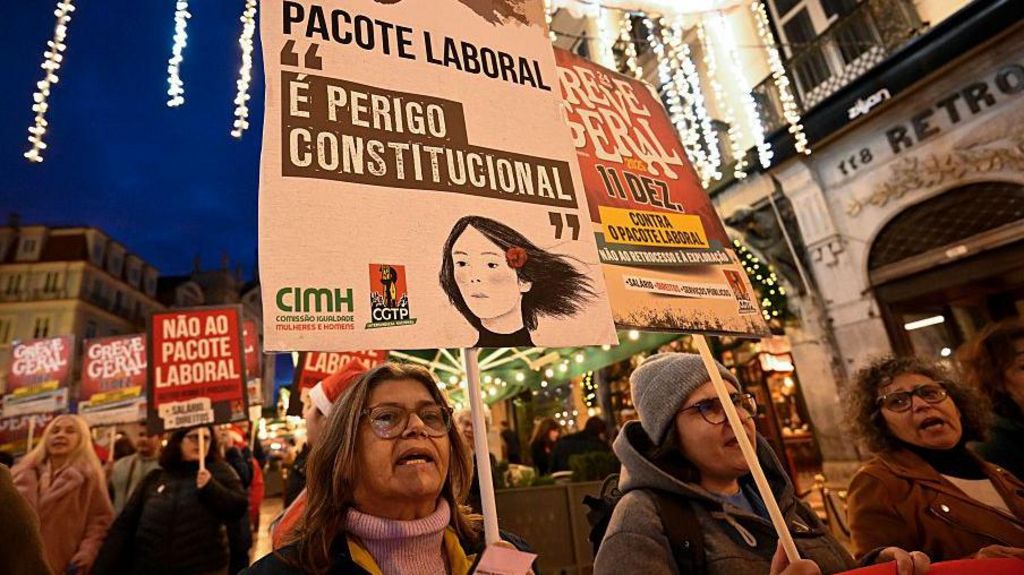
    Portugal experienced widespread disruption across its transportation networks, healthcare facilities, educational institutions, and public services on Thursday as the nation’s two primary labor federations launched a coordinated general strike. This unprecedented joint action between the traditionally more militant CGTP and the typically moderate UGT represents the first such collaboration since the eurozone debt crisis of 2013.

    The strike protests the center-right government’s proposed labor reforms that would significantly alter worker protections. Among the most contentious measures are provisions allowing employers to repeatedly renew temporary contracts indefinitely, eliminating bans on immediately rehiring dismissed workers through outsourcing arrangements, and removing requirements to reinstate unfairly terminated employees.

    Prime Minister Luís Montenegro’s administration argues these changes are necessary to address labor market “rigidities” and ultimately boost both corporate profitability and worker wages. “I will not give up on having a country with the ambition to be at the forefront, to be at the vanguard of Europe,” Montenegro stated ahead of the strike.

    However, the government appears to have underestimated the strength of opposition, with even a Social Democrat MP serving on the UGT executive voting in favor of the strike. Despite last-minute modifications to the proposals, the concessions failed to appease union leaders.

    The reforms particularly impact Portuguese workers in their twenties, creating divided opinions among younger citizens. While some support the modernization efforts, others express concern about already precarious employment conditions.

    The political landscape complicates the situation, with Montenegro’s minority government seeking support from both the free-market Liberal Initiative and the hard-right Chega party—a move that has drawn criticism given his pre-election pledge to avoid deals with Chega.

    The controversy has spilled into January’s presidential campaign, with several candidates arguing the reforms violate Portugal’s 1976 constitution. Under Portugal’s semi-presidential system, the president could potentially delay or block the legislation through constitutional challenges.

    Unlike typical public sector strikes, this action garnered support across industries, including near-unanimous backing from nearly 1,000 employees at Volkswagen’s Autoeuropa plant, Portugal’s largest factory.

  • The Swiss city that lets you pay for most things with bitcoin

    The Swiss city that lets you pay for most things with bitcoin

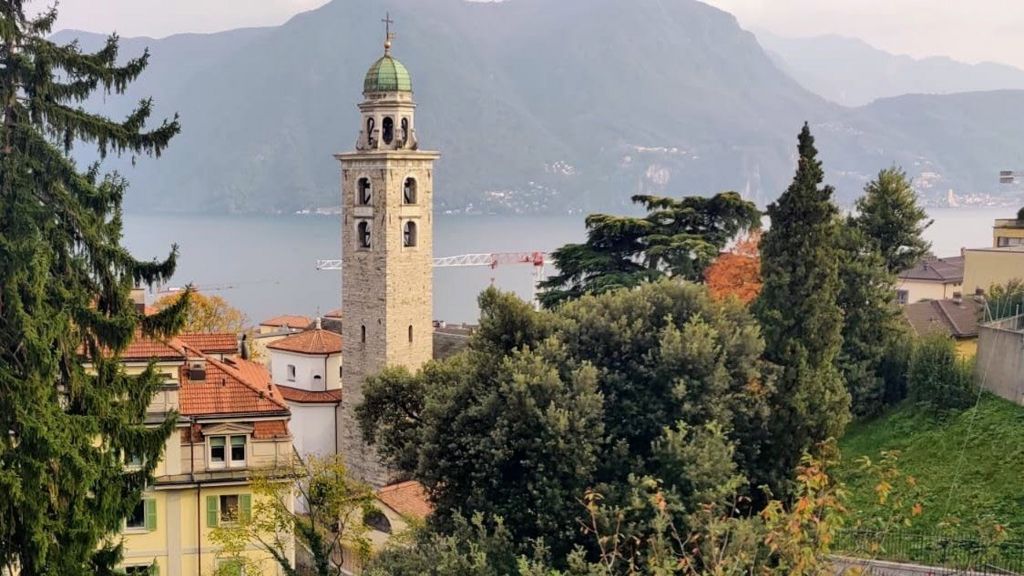
    Nestled amidst mountain-fringed lakes, the Swiss city of Lugano has transformed into a living laboratory for cryptocurrency adoption. At a local McDonald’s, customers now casually order coffee using bitcoin—a scene that would be extraordinary elsewhere but has become routine in this innovative financial ecosystem.

    The municipal government has spearheaded this digital transformation by distributing free cryptocurrency payment terminals to retail establishments. Approximately 350 shops and restaurants currently accept bitcoin alongside Swiss francs, with even municipal services like preschool childcare now payable in digital currency. The payment process involves simple contactless transactions from mobile bitcoin wallets, with one coffee purchase amounting to approximately 0.00008629 bitcoin ($8.80).

    French visitor Nicolas exemplifies the bitcoin evangelists drawn to Lugano. ‘The remarkable aspect of bitcoin payments is the profound sense of financial liberation,’ he explains. ‘You eliminate dependency on traditional banking systems with their intermediaries and associated costs.’ Nicolas utilizes bitcoin prepaid cards available in Switzerland—physical cards loaded with Swiss francs that convert to bitcoin in digital wallets.

    Luxury retailers along Lugano’s upscale shopping districts have embraced this financial innovation. Cherubino Fry, proprietor of Vintage Nassa luxury bags and watches, cites practical advantages: ‘Transaction fees for bitcoin typically remain below 1%, significantly lower than the 1.7-3.4% charged by credit card companies.’ Though current bitcoin transactions remain sporadic, Fry anticipates substantial growth: ‘Bitcoin adoption will resemble a growing tree—within five to ten years, this tree will become enormous.’

    The city’s ambitious Plan B initiative (B representing bitcoin), launched in 2022 through partnership with cryptocurrency platform Tether, aims to establish Lugano as Europe’s premier bitcoin hub. Director Mir Liponi conducted an eleven-day personal experiment using exclusively bitcoin after encountering traditional banking issues. ‘I successfully managed daily necessities including grocery deliveries and medical services,’ she reports, though noting limitations with public transportation, fuel, dental services, and energy bills.

    Liponi envisions future ‘circular economies where individuals earn, retain, spend, and pay for services entirely in bitcoin.’ This vision contrasts sharply with El Salvador’s troubled bitcoin adoption, where citizens reportedly converted government-distributed bitcoin to dollars and abandoned the cryptocurrency.

    Despite enthusiasm, significant skepticism persists. University of Lugano student Lucia expresses concerns about cryptocurrency associations with ‘criminal activities, dark web transactions, and speculative risks.’ This skepticism turned destructive when vandals demolished a Satoshi Nakamoto statue along Lugano’s lakefront in August—an unusual act of protest in this typically reserved community.

    Professor Sergio Rossi of the University of Fribourg highlights economic risks: ‘Bitcoin’s extreme volatility presents substantial merchant risks. Immediate conversion to stable fiat currencies becomes essential.’ He further warns about platform risks: ‘If digital wallet providers fail, cryptocurrencies disappear permanently—unlike Swiss bank deposits guaranteed up to 100,000 francs.’

    Mayor Michele Foletti dismisses concerns about attracting criminal elements: ‘Both fiat currency and bitcoin can facilitate legal or illegal activities. Criminal organizations actually prefer physical cash for money laundering due to greater anonymity.’ The mayor highlights tangible benefits: 110 cryptocurrency companies have either relocated or launched operations in Lugano, signaling successful economic diversification through digital currency innovation.

  • Police release CCTV footage of ‘callous’  attack on house

    Police release CCTV footage of ‘callous’ attack on house

    The Irish police force, An Garda Síochána, has released chilling CCTV evidence related to a devastating arson attack on a family residence in County Offaly. The deliberate fire, which engulfed a home in Castleview Park, Edenderry, last Saturday, resulted in the tragic deaths of 60-year-old Mary Holt and her four-year-old grandnephew, Tadhg Farrell.

    Investigators have officially classified the incident as a murder investigation, condemning it as a ‘reckless, callous and murderous attack on a family home.’ The victims’ remains were discovered in the front room of the property, identified as the point where the blaze was intentionally ignited. While post-mortem examinations have been concluded, the specific results remain confidential for operational purposes.

    A third victim, Tadhg’s grandmother, survived the attack but continues to receive extensive hospital treatment for severe burn injuries. The young boy was reportedly visiting his grandmother’s home at the time of the assault.

    Chief Superintendent Anthony Lonergan expressed the profound loss felt by the community, stating, ‘Tadhg should be with his family today. His grandaunt Mary should be working in a local nursing home where she worked for over 40 years helping her community.’ He assured the public that Gardaí are ‘determined to identify all those responsible for the deaths of Tadhg and Mary and bring them before the courts,’ while also making a direct appeal for any information regarding the ‘violent fatal incident.’

    The shocking event has profoundly impacted the small town of Edenderry. A community vigil was held on Wednesday evening, organized by the local Derry Rovers AFC club. Attendees walked the club’s running track four consecutive times—a solemn tribute for each year of young Tadhg’s life. The club stated that the murders had ‘shook the town of Edenderry to its core.’ Authorities emphasize that their investigation remains active and that they are keeping an open mind regarding the potential motives behind the attack.

  • Taoiseach deems drones ‘not a threat’ to Zelensky aircraft

    Taoiseach deems drones ‘not a threat’ to Zelensky aircraft

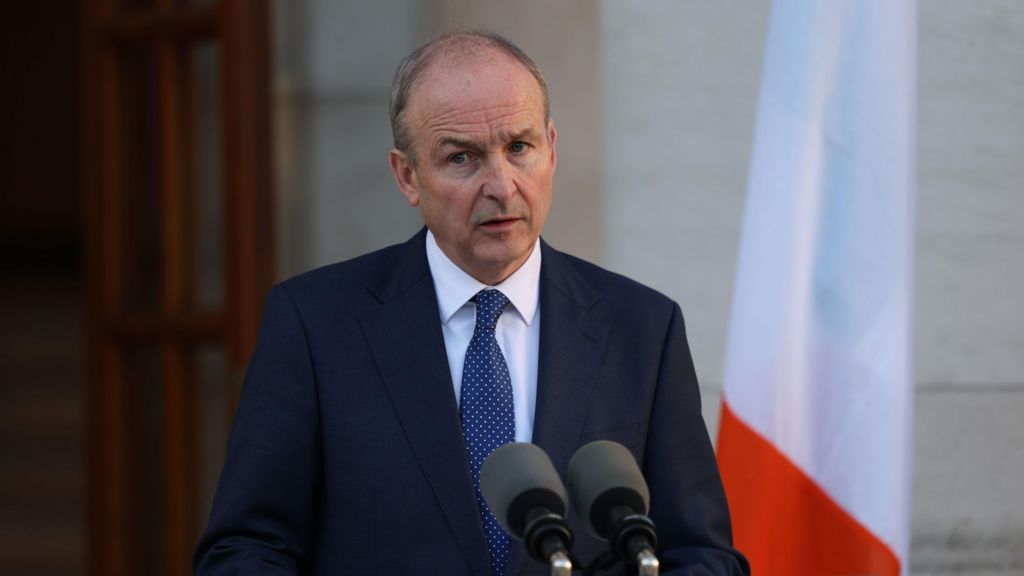
    Irish Taoiseach Micheál Martin has addressed security concerns surrounding Ukrainian President Volodymyr Zelensky’s recent diplomatic visit to Dublin, confirming the detection of unidentified drones near naval assets but emphasizing they posed no threat to the Ukrainian leader’s aircraft. The incident occurred during President Zelensky’s single-day official visit with First Lady Olena Zelenska last week.

    According to Martin’s statement before the Dáil, crew members aboard the Irish naval vessel LÉ William Butler Yeats observed multiple unidentified drones operating near Howth over the Irish Sea during the day of the visit. The Taoiseach clarified that these sightings occurred ‘quite some time’ after President Zelensky’s plane had already landed safely at Dublin Airport, eliminating any direct aviation security risk.

    Martin characterized the drone activity as ‘highly concerning’ and indicative of ‘an ongoing Russian-inspired hybrid campaign targeting European and Ukrainian interests.’ He noted similar incidents have occurred across other European states, suggesting a coordinated pattern of psychological operations rather than immediate physical threats.

    The Irish leader detailed that an immediate operational response was initiated by the naval commander upon detection, with subsequent coordination between police and military authorities. Despite the unsettling nature of the incident, Martin affirmed that overall security operations during President Zelensky’s Irish visit remained ‘effective’ and uncompromised.

    The disclosure highlights growing concerns about non-conventional security threats during high-profile diplomatic events, particularly involving nations directly engaged in geopolitical conflicts. Irish authorities continue to investigate the origin and purpose of the drone incursions while maintaining heightened security awareness.

  • Italian cooking awarded Unesco cultural heritage status

    Italian cooking awarded Unesco cultural heritage status

    In a historic declaration during its annual assembly in New Delhi, UNESCO has formally inscribed Italian culinary traditions onto its prestigious List of Intangible Cultural Heritage. The designation extends beyond specific dishes to encompass the comprehensive ecosystem of Italy’s food culture—including its transmission methods, social practices, and communal significance.

    Italian Prime Minister Giorgia Meloni, who championed this recognition since her election, celebrated the decision as validation of Italy’s gastronomic philosophy. ‘For Italians, cuisine transcends mere sustenance or recipes—it embodies our culture, traditions, labor, and prosperity,’ she affirmed.

    The UNESCO evaluation committee characterized Italian foodways as ‘a vital connective tissue strengthening familial and community bonds, manifested through home cooking, educational environments, and diverse social celebrations.’ This designation places Italian culinary culture alongside other globally recognized food traditions including Japan’s Washoku, France’s Gastronomic Meal, and Malaysia’s Breakfast Culture.

    Celebrated chef Michelangelo Mammoliti of Piedmont’s three-Michelin-starred La Rei Natura expressed profound national and professional pride in the announcement. ‘Regional cuisine profoundly influences Italy’s cultural identity and traditions,’ noted Mammoliti, whose establishment recently earned top honors in the 2026 Michelin Guide.

    Industry leaders anticipate significant economic benefits from the UNESCO designation. Luigi Scordamaglia, CEO of Filiera Italia, described the recognition as a triumph for the entire ‘Made in Italy’ production chain. He emphasized the health-promoting aspects of the Mediterranean diet, noting that ‘Italian cuisine exemplifies dietary balance and variety.’

    The assembly simultaneously recognized several other cultural traditions, including Egypt’s street food staple Koshary (a spicy combination of lentils, rice, and pasta), Iceland’s swimming pool culture, Cuban Son music and dance, and Albania’s lahuta instrument craftsmanship.

    With Italy already welcoming 80 million international visitors annually, tourism authorities expect this cultural endorsement to further enhance the country’s appeal as a premier gastronomic destination.

  • Sarkozy releases prison diaries about his 20 days behind bars

    Sarkozy releases prison diaries about his 20 days behind bars

    In a remarkably candid memoir penned just weeks after his release, former French President Nicolas Sarkozy offers unprecedented insights into his 20-day incarceration at Paris’s La Santé prison. “A Prisoner’s Diary,” spanning 216 pages, documents Sarkozy’s experience as inmate number 320535 while serving a five-year sentence for campaign finance conspiracy involving alleged Libyan funding during his 2007 presidential bid.

    The memoir vividly describes Sarkozy’s 12-square-meter isolation cell, which he compares to a “bottom-of-the-range hotel” despite its reinforced door with guard eye-hole. The former head of state details his decision to forgo daily yard walks—which he deemed “more like a cage than a place of promenade”—opting instead for exercise on a running machine in what became his “veritable oasis.”

    Beyond the physical descriptions, Sarkozy reveals touching moments: being kept awake by a fellow inmate singing Lion King songs, receiving overwhelming support through postcards covering his walls, and experiencing unexpected kindness from prison staff who consistently addressed him as “Président.”

    The book transforms into political commentary as Sarkozy vehemently denies the charges, claiming victimhood in a “politically-motivated cabal” within France’s justice system. He draws striking parallels between his case and the historic Dreyfus affair, noting both involved “fake documents” and similar humiliations—including his dismissal from the Legion of Honor.

    This dismissal becomes the platform for Sarkozy’s critique of current President Emmanuel Macron, whom he accuses of insincerity for not personally explaining the decision. More significantly, Sarkozy expresses unprecedented warmth toward former rival Marine Le Pen, praising her “brave and unambiguous” support following his conviction. He notably renounces future participation in any “Republican Front” against her National Rally party, arguing that excluding RN voters from the political mainstream constitutes a strategic error for the right.

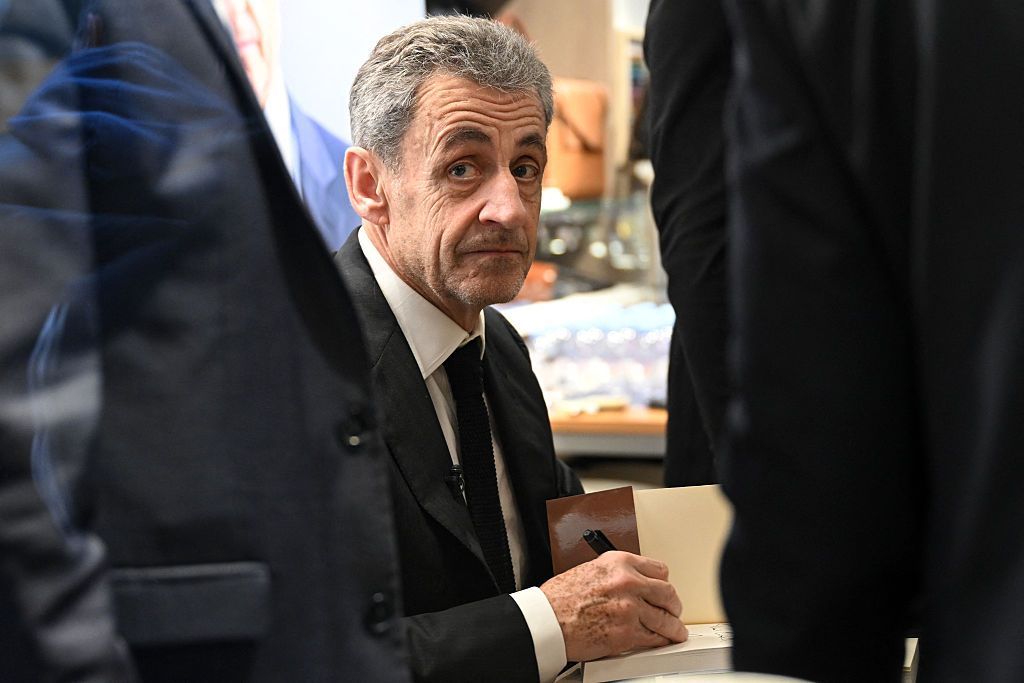
    The memoir, launched with substantial media attention at a Paris book signing, represents both personal catharsis and political repositioning, potentially reshaping alliances within French conservative politics as Sarkozy maintains considerable influence despite his legal troubles.

  • Ukraine at critical moment, European leaders say after Trump call

    Ukraine at critical moment, European leaders say after Trump call

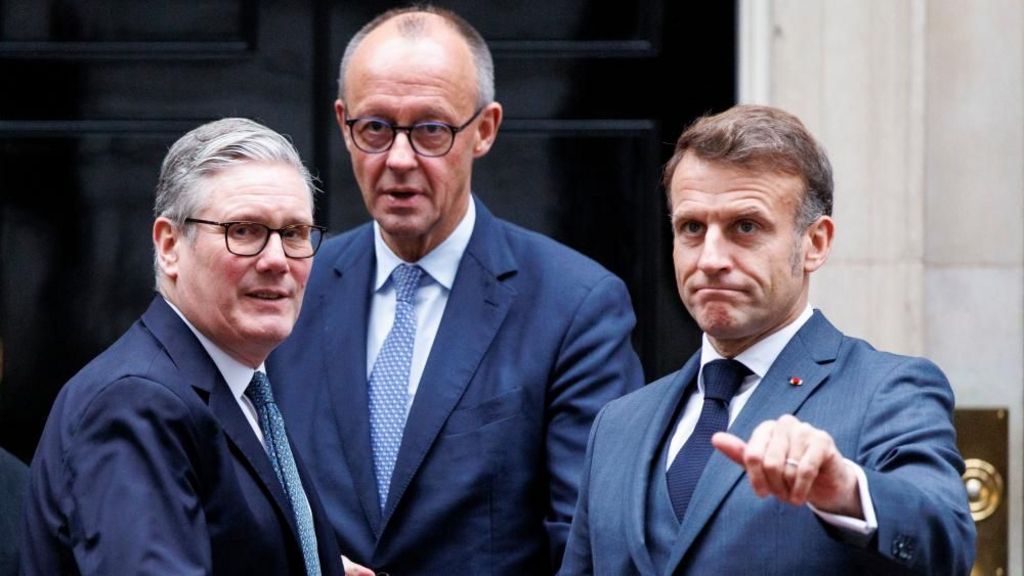
    Top European leaders have committed to intensifying diplomatic efforts following a pivotal 45-minute phone conversation with U.S. President Donald Trump regarding a proposed peace plan for the Russia-Ukraine conflict. The discussion, initiated by American officials on Wednesday, brought together UK Prime Minister Keir Starmer, French President Emmanuel Macron, and German Chancellor Friedrich Merz, who collectively characterized this juncture as critical for Ukraine’s future and Euro-Atlantic security.

    The dialogue occurred amidst heightened tensions following Trump’s recent comments criticizing European allies as ‘weak’ and suggesting potential reductions in U.S. support for Ukraine. In a Politico interview published Tuesday, the American president further claimed Ukraine was ‘using war’ to avoid elections—a statement that prompted President Volodymyr Zelensky to publicly declare his readiness for electoral processes.

    According to sources familiar with the negotiations, progress is gradually being made toward a potential agreement, though significant complexities remain. The most contentious issue centers on territorial concessions, particularly whether Kyiv could reasonably be expected to surrender land currently occupied by Russian forces. This aligns with the longstanding British position that decisions about Ukraine must ultimately be made by Ukraine itself.

    European governments are reportedly conveying this perspective to Washington while simultaneously acknowledging Trump’s commitment to ending the conflict. Behind the scenes, National Security Advisers from across Europe, including the UK’s Jonathan Powell, are maintaining regular contact with Ukrainian officials, with summaries of these discussions being shared with American counterparts.

    The diplomatic push comes as Russian forces continue their gradual advance in southeastern Ukraine despite sustaining heavy casualties. Kremlin spokesman Dmitry Peskov noted that Trump’s statements regarding Ukraine’s need to concede territory and NATO membership restrictions ‘align with our understanding,’ highlighting the geopolitical divisions complicating negotiations.

    Zelensky, currently engaged in a European diplomatic tour, faces mounting pressure from the U.S. administration to accept a peace deal that would involve territorial compromises. The Ukrainian leader has consistently rejected such concessions, instead advocating for an immediate ceasefire and robust security guarantees against future Russian aggression. His government is simultaneously working to prevent European allies from supporting an agreement that might leave Ukraine vulnerable to subsequent attacks.

    Meanwhile, Putin has reiterated demands for complete Ukrainian withdrawal from the Donbas region, dismissing any potential compromises. As diplomatic efforts intensify, all parties acknowledge the delicate balance between achieving peace and preserving Ukrainian sovereignty in any potential settlement.

  • Iceland becomes fifth country to boycott Eurovision

    Iceland becomes fifth country to boycott Eurovision

    Iceland has become the fifth European nation to formally withdraw from the 2026 Eurovision Song Contest, joining Spain, Ireland, Slovenia, and the Netherlands in protest of Israel’s confirmed participation. The Icelandic National Broadcasting Service (RÚV) announced its decision following a board meeting on Wednesday, just hours before the official deadline for countries to confirm their involvement in what was intended to be a celebratory 70th anniversary edition of the competition.

    The broadcaster stated that the participation of Israeli national broadcaster KAN has ‘created disunity among both members of the European Broadcasting Union (EBU) and the general public.’ While acknowledging that new measures approved at last week’s EBU summit address some concerns about voting integrity, RÚV expressed doubts about whether these adjustments would be ‘fully satisfactory.’

    The decision comes amid ongoing tensions surrounding Israel’s presence at Eurovision due to the war in Gaza and concerns about voting processes, including allegations that Israel’s government attempted to influence public voting during the 2025 contest. RÚV revealed it had repeatedly raised concerns that various Icelandic stakeholders, including artist associations and the general public, opposed participation.

    Public opinion in Iceland and reactions to the EBU summit indicate that the country’s participation would ‘neither be a source of joy nor peace,’ according to the broadcaster’s statement. RÚV had previously requested the EBU exclude KAN from the contest based on precedents, calling it ‘a complex matter which has already damaged the contest’s reputation.’

    Meanwhile, KAN chief executive Golan Yochpaz criticized the boycott efforts, characterizing them as ‘a cultural boycott’ that could set a dangerous precedent. ‘A boycott may begin today with Israel, but no one knows where it will end or who else it may harm,’ he stated during a meeting last week.

    The 2026 contest is scheduled to take place in Vienna next May following Austrian singer JJ’s victory in the 2025 competition. Israel has participated in Eurovision since 1973, winning four times including most recently in 2018, and placing second in the 2025 contest.

  • EU enlargement chief says Ukraine’s membership ‘inevitable’ despite Hungary’s objections

    EU enlargement chief says Ukraine’s membership ‘inevitable’ despite Hungary’s objections

    KYIV, Ukraine — European Union Enlargement Commissioner Marta Kos expressed unwavering confidence during a visit to war-torn Ukraine that the nation’s accession to the bloc remains unstoppable, despite objections from Hungarian Prime Minister Viktor Orbán.

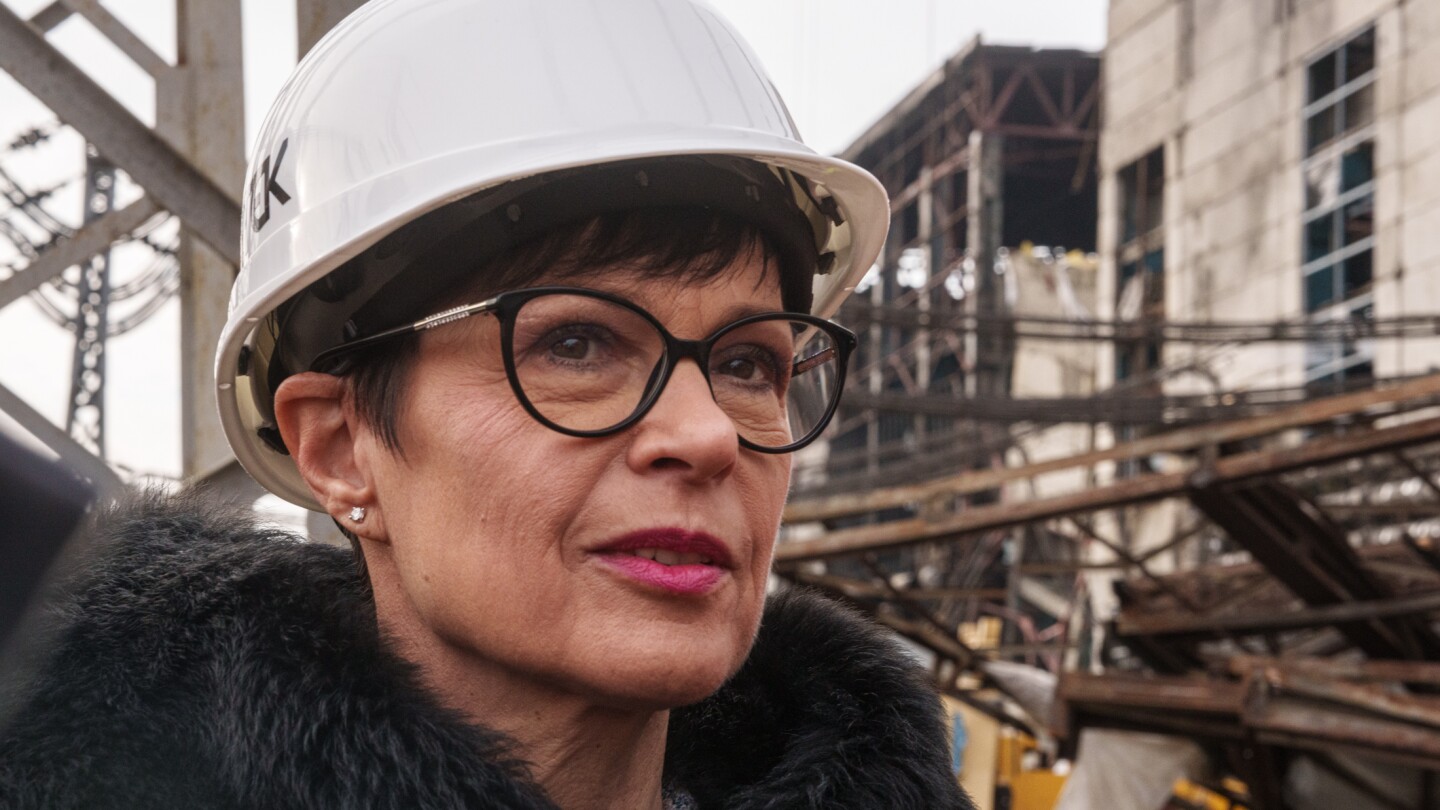
    Speaking at a severely damaged thermal power plant in western Ukraine, the Slovenian diplomat dismissed concerns about Hungary potentially derailing Ukraine’s EU membership path. “I’m not worried,” Kos told reporters amidst the wreckage of critical energy infrastructure targeted by Russia’s systematic campaign. “I would be concerned only if there were legitimate substantive reservations.”

    Kos characterized Ukraine’s eventual EU integration as “inevitable” and described it as a “political anchor of security guarantees,” emphasizing that “There has never been a war on the territory of the European Union.” Her remarks came as she convened an informal meeting of European affairs ministers to prepare for the next phase of accession negotiations.

    While Ukraine aspires to join the bloc by 2030, Prime Minister Orbán has opposed initiating membership talks during ongoing hostilities. Kos directly addressed these objections, stating, “We do not require Orbán’s approval to implement the reforms essential for Ukraine’s EU membership.”

    The Commissioner suggested the accession process could accelerate based on reform implementation, noting, “The pace of this journey depends entirely on Ukraine’s progress with necessary transformations.”

    Her visit included an inspection of a devastated power facility operated by private utility DTEK, where heavy machinery stood blackened, control panels melted, and structural damage revealed gaping openings to the sky. Turbine operator Andrii, who requested partial anonymity for security reasons, recounted the chaos of recent attacks: “The initial sensation is an overwhelming adrenaline surge. Thick smoke, deafening noise, and intense pressure create disorientation amid escaping steam and high-temperature feedwater.”

    Kos praised the extraordinary resilience of Ukrainian energy workers and citizens, declaring, “No nation worldwide demonstrates greater fortitude than Ukrainians. Putin anticipated a week-long conquest, yet nearly four years later, you stand as victors.”

  • McDonald’s pulls AI Christmas ad after backlash

    McDonald’s pulls AI Christmas ad after backlash

    McDonald’s Netherlands has retracted a controversial Christmas advertisement created entirely with artificial intelligence technology following significant online criticism. The 45-second commercial, which premiered on the fast food chain’s YouTube channel on December 6th, utilized generative AI clips to portray holiday mishaps under the ironic slogan ‘the most terrible time of the year.’

    The advertisement immediately drew sharp criticism across social media platforms, with viewers describing the visual aesthetics as ‘creepy’ and condemning the apparent poor editing quality. Particular attention was drawn to the uncanny appearance of AI-generated characters and the visibly stitched-together nature of multiple short clips, a technical limitation inherent in current AI video generation systems.

    Beyond aesthetic concerns, the advertisement sparked serious discussions about AI’s potential impact on creative industries. Numerous commenters expressed alarm about job displacement, with one Instagram user noting the absence of traditional production roles: ‘No actors, no camera team… welcome to the future of filmmaking.’

    Despite the backlash, production company The Sweetshop defended their creative process. Chief Executive Melanie Bridge revealed the project required seven weeks of intensive work, involving thousands of generated takes that were meticulously edited through traditional high-craft production methods. ‘This wasn’t an AI trick,’ Bridge asserted in statements to Futurism. ‘It was a film.’

    McDonald’s Netherlands acknowledged the situation as ‘an important learning’ in their exploration of AI’s effective application in advertising. The company explained the advertisement’s intended purpose was to reflect stressful holiday moments while suggesting McDonald’s as a comforting solution.

    This incident occurs amidst growing adoption of AI-generated content by major brands seeking to reduce production timelines. While Coca-Cola has reportedly achieved 61% positive sentiment with its AI Christmas campaigns, other luxury brands including Valentino have faced similar criticism for AI implementations deemed ‘cheap’ and ‘lazy’ by critics.

    The controversy highlights ongoing tensions between technological innovation and creative quality standards in digital advertising, particularly during high-stakes seasonal marketing campaigns.