标签: Europe

欧洲

  • US military action in Venezuela is seen as both a blessing and a curse for Russia’s Putin

    US military action in Venezuela is seen as both a blessing and a curse for Russia’s Putin

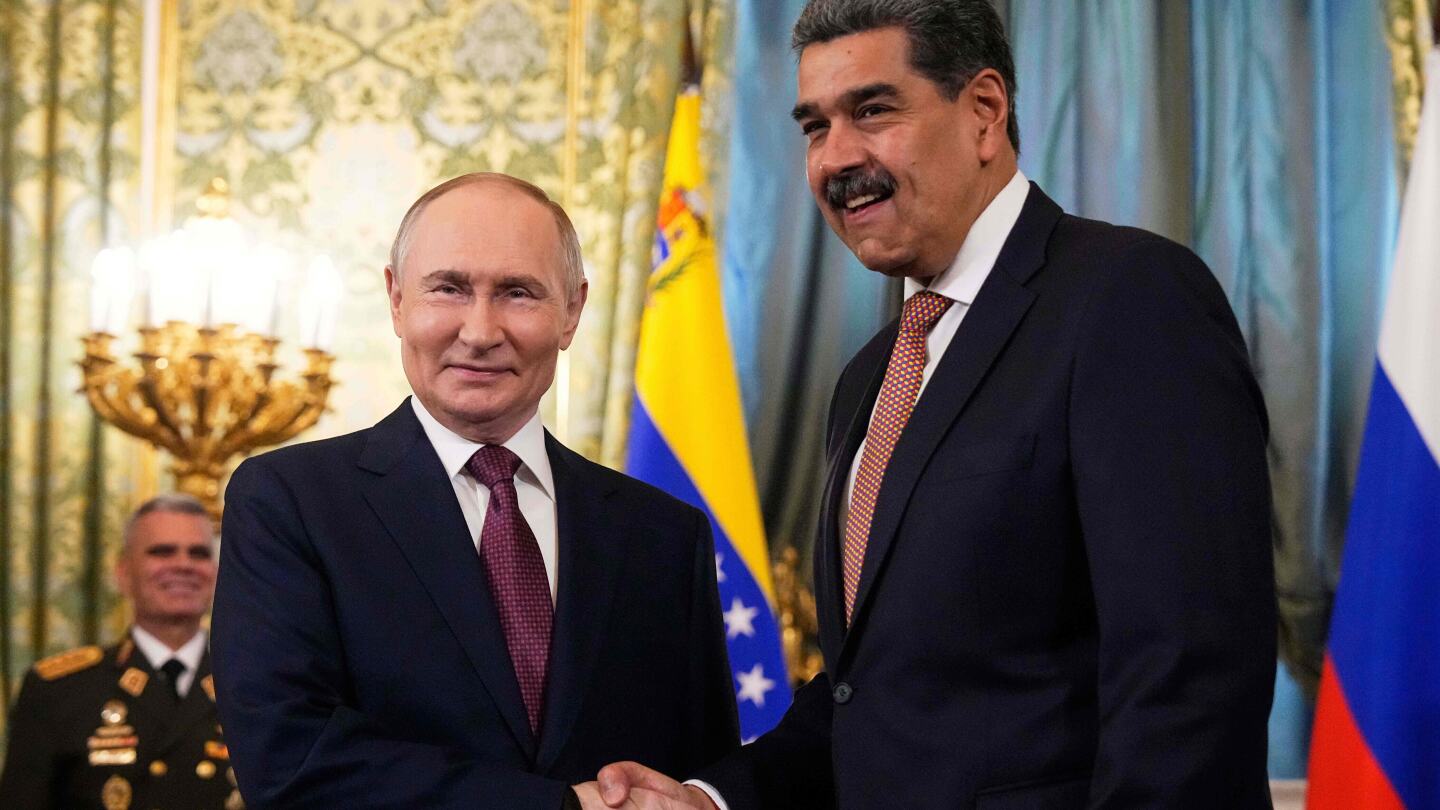
    The recent U.S. military operation that captured Venezuelan leader Nicolas Maduro presents Russian President Vladimir Putin with both strategic challenges and potential propaganda advantages, according to geopolitical analysts. This development comes nearly four years after Moscow’s failed attempt to capture Kyiv during its invasion of Ukraine.

    The removal of Maduro represents another significant setback for Kremlin foreign policy, following the 2024 downfall of Syria’s Bashar Assad and last year’s U.S.-Israeli attacks on Iran. Russia now faces the potential loss of a crucial strategic foothold in the Western Hemisphere, along with billions in investments within Venezuela’s oil industry.

    However, President Donald Trump’s aggressive actions have simultaneously created diplomatic friction with Western allies, providing Moscow with fresh ammunition to justify its ongoing war in Ukraine. The situation further complicates as Trump’s expressed interest in acquiring Greenland from NATO ally Denmark threatens to destabilize the alliance during critical peace negotiations regarding Ukraine.

    Russian leadership has maintained official silence, with Putin himself refraining from public comment. His diplomats have denounced the Venezuela operation as “blatant aggression,” while former President Dmitry Medvedev offered a mixed assessment—criticizing Washington for violating international law while acknowledging Trump’s consistent defense of U.S. national interests.

    The geopolitical implications extend beyond immediate reactions. Since Russia’s 2014 annexation of Crimea, Putin has consistently framed Ukraine as within Russia’s legitimate sphere of influence. The U.S. action in Venezuela potentially validates Moscow’s longstanding argument that major powers maintain special rights in their respective regional domains.

    Historical context reveals that Russia previously explored potential deals offering reduced involvement in Latin America in exchange for U.S. acceptance of Russian dominance in Europe. Fiona Hill, former National Security Council official, testified that Russian officials repeatedly hinted at such an arrangement involving Venezuela and Ukraine during Trump’s first term, though no formal agreement emerged.

    Current developments suggest possible tacit understandings. Russia recently evacuated diplomats’ families from Venezuela before Maduro’s capture, while military experts note that establishing permanent Russian bases in the Western Hemisphere would face overwhelming logistical challenges despite periodic shows of force.

    The U.S. operation has been widely perceived as a return to “might-makes-right” diplomacy, inadvertently strengthening Moscow’s narrative that its actions in Ukraine mirror legitimate U.S. protection of national interests. This perception makes it increasingly difficult for Western nations to condemn Russian aggression in Ukraine while supporting similar U.S. interventions elsewhere.

    Hardline Russian commentators now argue that the Venezuela situation creates renewed urgency for accelerating Moscow’s offensive in Ukraine, viewing full control of Ukraine as Russia’s “pass to the Great Powers club.” Meanwhile, the U.S. continues applying pressure through recent seizures of sanctioned oil tankers linked to Venezuela, including one flagged to Russia.
  • Big freeze causes travel chaos across western Europe

    Big freeze causes travel chaos across western Europe

    A severe Arctic weather system has plunged Western Europe into a deep freeze, unleashing heavy snowfall and widespread ice that triggered massive transport disruptions and tragic consequences. The relentless cold snap forced the cancellation of hundreds of flights, paralyzed rail services, and led to at least six weather-related fatalities across the continent.

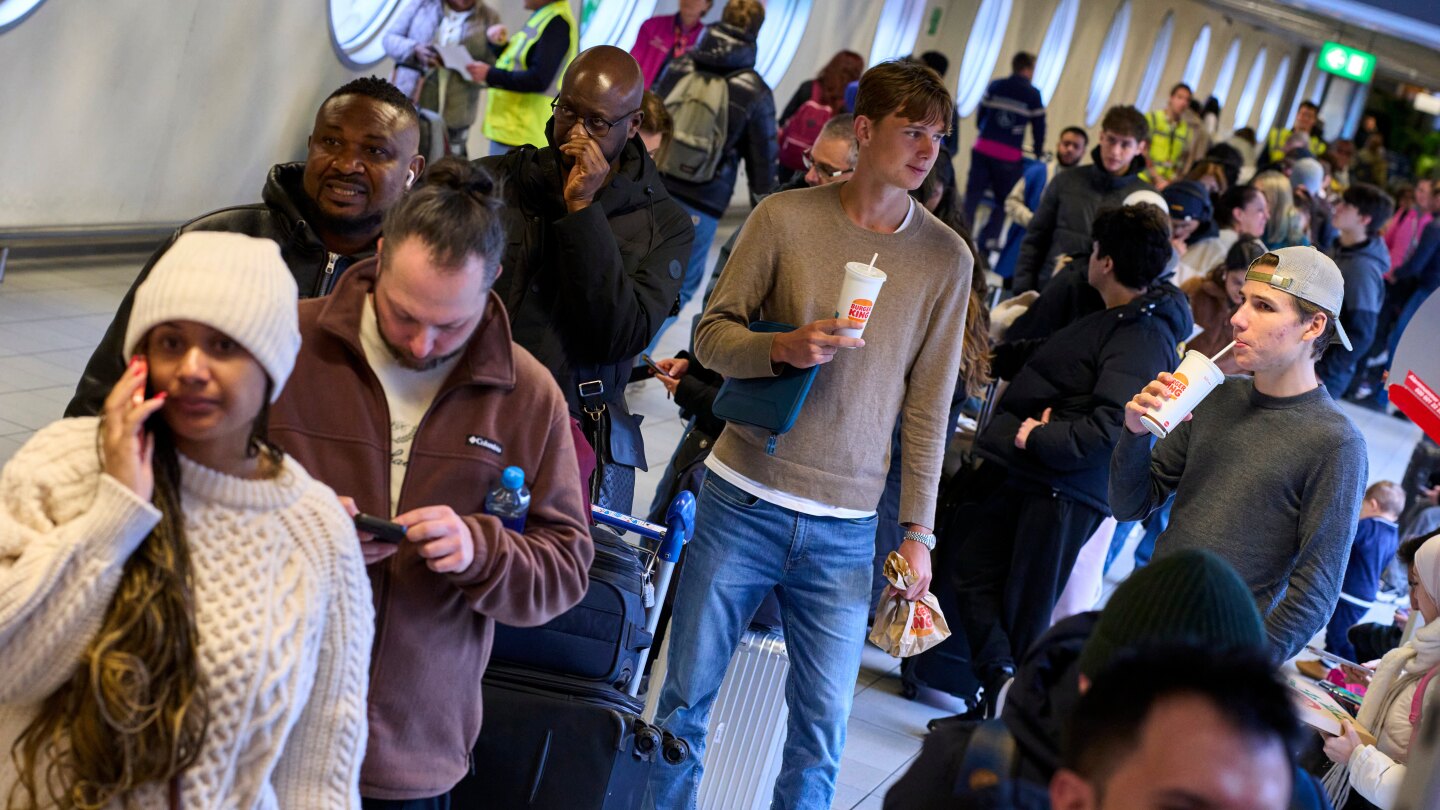
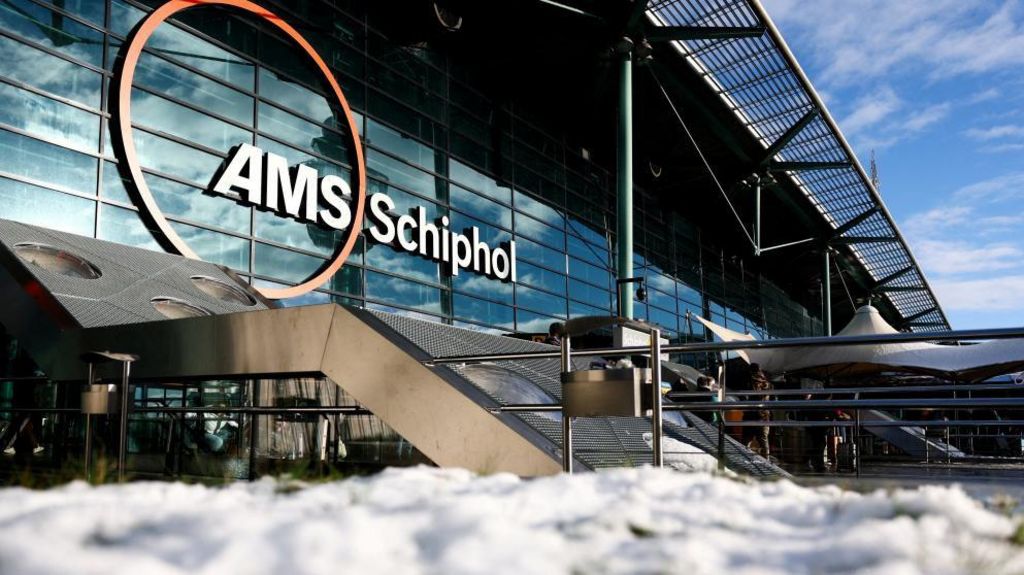
    Aviation hubs faced unprecedented challenges. Amsterdam’s Schiphol Airport, a critical regional nexus, cancelled over 700 flights on Wednesday amid a critical shortage of de-icing fluid. KLM, the Dutch flagship carrier, described an ‘exceptional situation’ with more than 1,000 stranded passengers requiring overnight accommodation. Emergency provisions including hundreds of temporary beds and sustenance were deployed throughout terminal facilities.

    France’s civil aviation authority mandated a drastic 40% reduction in flight schedules at Paris’s primary international airport. Charles de Gaulle Airport saw over 100 cancellations, with dozens more at Orly, Heathrow, and Brussels. Eurostar rail connections between London and Paris suffered significant delays and cancellations, compounding the continental transit crisis.

    The human impact turned grave with authorities confirming five fatalities in France due to perilous driving conditions, alongside one death in Sarajevo, Bosnia, where 40cm of snowfall accumulated. Nearly half of mainland France remained on high alert for heavy snow and black ice, with commercial truck traffic prohibited in multiple regions.

    Amid the adversity, contrasting human experiences emerged. While drivers like Carle Bruno sought refuge at service stations, stating ‘It’s better to be here than stuck on the road,’ the homeless population faced extreme danger. Boubacar Camara, a 19-year-old Guinean sleeping in a Parisian tent, articulated a desperate struggle for survival: ‘You just have to stay strong [and] make sure you don’t die.’

    Paradoxically, the historic snowfall transformed Paris into an impromptu winter playground. Residents and tourists embraced the rare phenomenon, skiing down Montmartre slopes and the Champs de Mars gardens beneath the Eiffel Tower. ‘It’s exceptional, it’s incredible… It’s magnificent and we’re enjoying it,’ remarked Pierre, a local resident, capturing the dual reality of crisis and momentary wonder.

    Transport officials warn of continuing knock-on effects, with further delays and cancellations anticipated across the region in coming days as Europe battles this exceptional winter ordeal.

  • Irish PM calls for ‘common sense’ on Greenland

    Irish PM calls for ‘common sense’ on Greenland

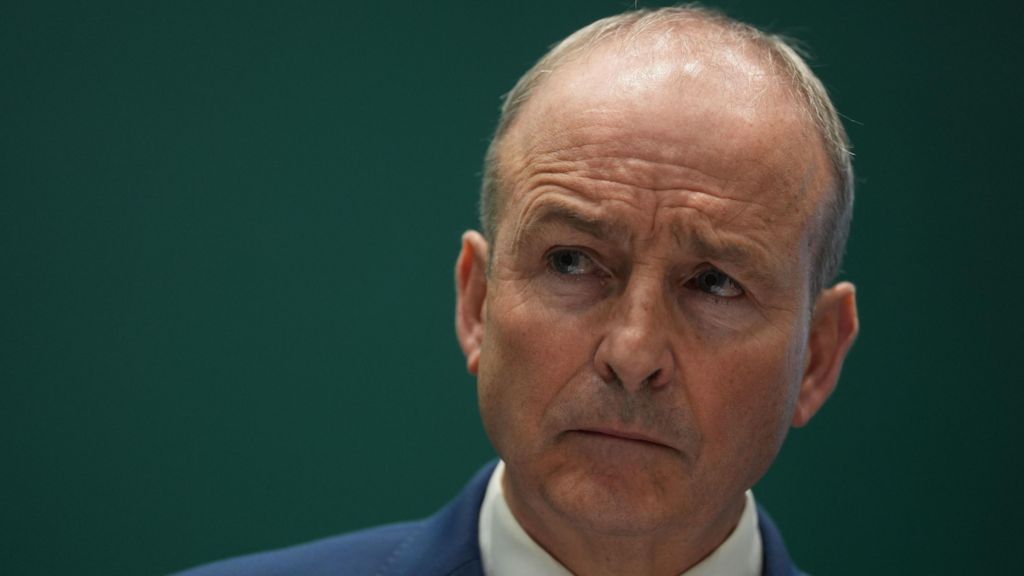
    Irish Taoiseach Micheál Martin has called for diplomatic rationality amid escalating tensions over US ambitions regarding Greenland. Speaking from Shanghai during an official four-day visit to China, Martin emphasized that “common sense needs to prevail” when addressing the controversial proposition.

    The White House recently declared that military options remain available to achieve President Donald Trump’s objective of acquiring the semi-autonomous territory, prompting immediate backlash from European allies. This statement followed Trump’s weekend remarks that the US “needed” Greenland for security purposes, which Danish Prime Minister Mette Frederiksen warned could jeopardize NATO’s foundation.

    Martin clarified Greenland’s political status, noting it remains “part of Denmark” with the European Union standing “rock solid behind Denmark in that regard.” He acknowledged the existing US military presence in Greenland through the Thule Air Base but stressed that sovereignty matters exclusively concern the Kingdom of Denmark and Greenland’s population.

    In a significant show of solidarity, six European nations—the UK, France, Germany, Italy, Poland, and Spain—joined Denmark in issuing a joint statement affirming that “Greenland belongs to its people” and only Denmark and Greenland can determine their bilateral relations. The leaders emphasized achieving Arctic security through NATO collaboration while upholding UN Charter principles of sovereignty and territorial integrity.

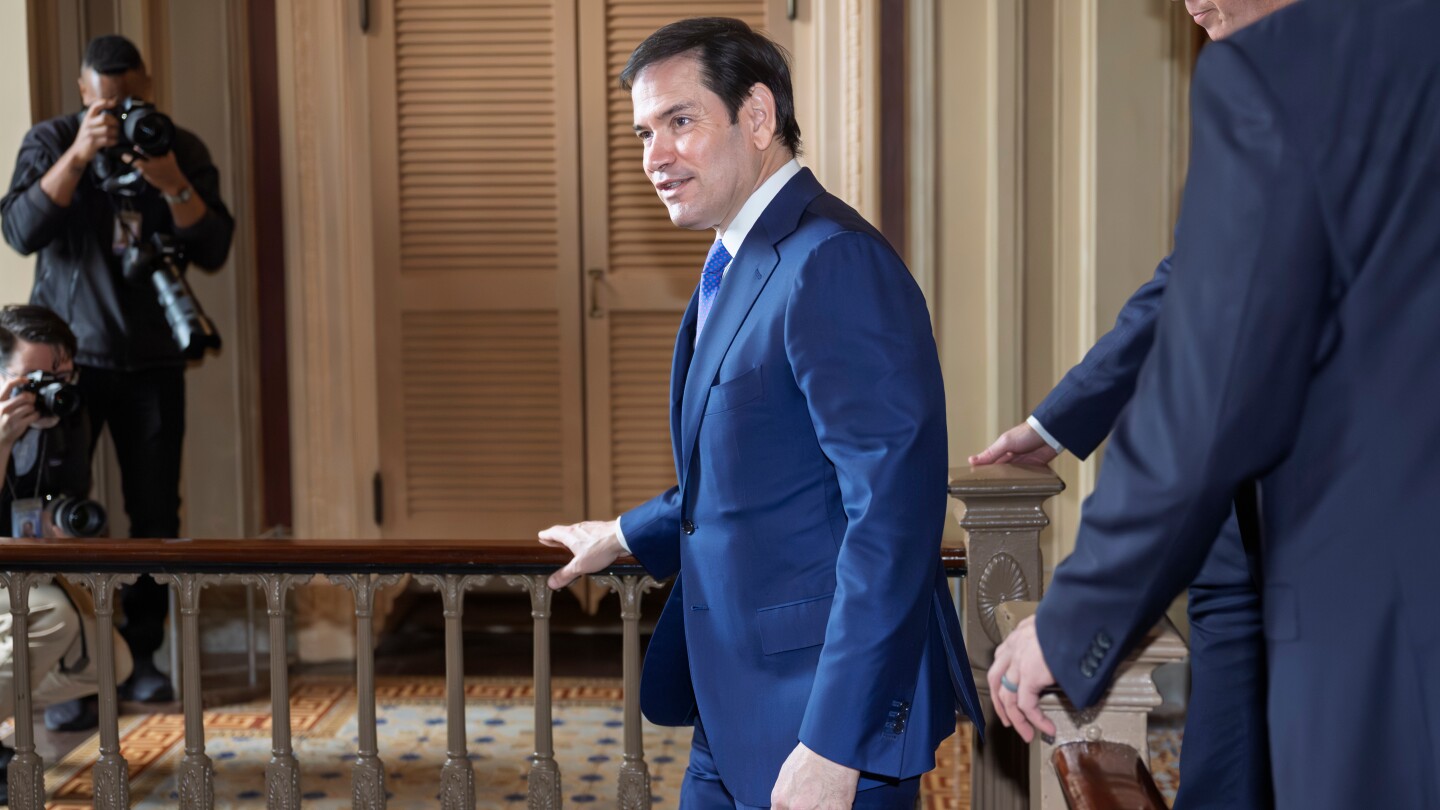
    Meanwhile, US Secretary of State Marco Rubio reportedly informed lawmakers the administration isn’t planning invasion but rather considering purchase options, though Martin dismissed such prospects as unrealistic.

    Beyond the Greenland controversy, Martin used his China visit to advocate for strengthened multilateralism, warning that “the world is in a very difficult situation right now” due to eroded UN authority. He called for comprehensive UN reforms to enhance its representativeness and authority in global governance.

  • Snow and ice ground flights, choke highways in parts of Europe

    Snow and ice ground flights, choke highways in parts of Europe

    A severe winter storm system has unleashed widespread disruption across Northern Europe, creating transport chaos from Amsterdam to Berlin. At Schiphol Airport, one of Europe’s busiest aviation hubs, more than 1,000 stranded passengers were provided emergency accommodation as authorities scrambled to clear snow-clogged runways and de-ice aircraft following the cancellation of at least 800 flights.

    The Netherlands’ transport infrastructure faced critical challenges during Wednesday’s morning rush hour, with rail operator NS urging passengers to postpone travel amid significantly reduced service. Road networks fared no better, with traffic jams extending over 700 kilometers (435 miles) as trucks skidded across icy highways and snow plows struggled to maintain clear passage.

    Paris experienced similar disruptions as snow blanketed iconic landmarks including the Eiffel Tower and Louvre Museum. French authorities implemented emergency measures including work-from-home advisories and vehicle restrictions after Meteo France issued alerts for snow and black ice. Parisian airports canceled approximately 140 flights collectively, while SNCF railways reported widespread delays and cancellations due to track conditions.

    Even typically winter-resilient Nordic nations reported significant disruptions. Gothenburg, Sweden suspended all tram services due to hazardous snow accumulation, while Helsinki, Finland experienced bus cancellations attributed to diesel vehicles failing to start in subzero temperatures and challenging road conditions.

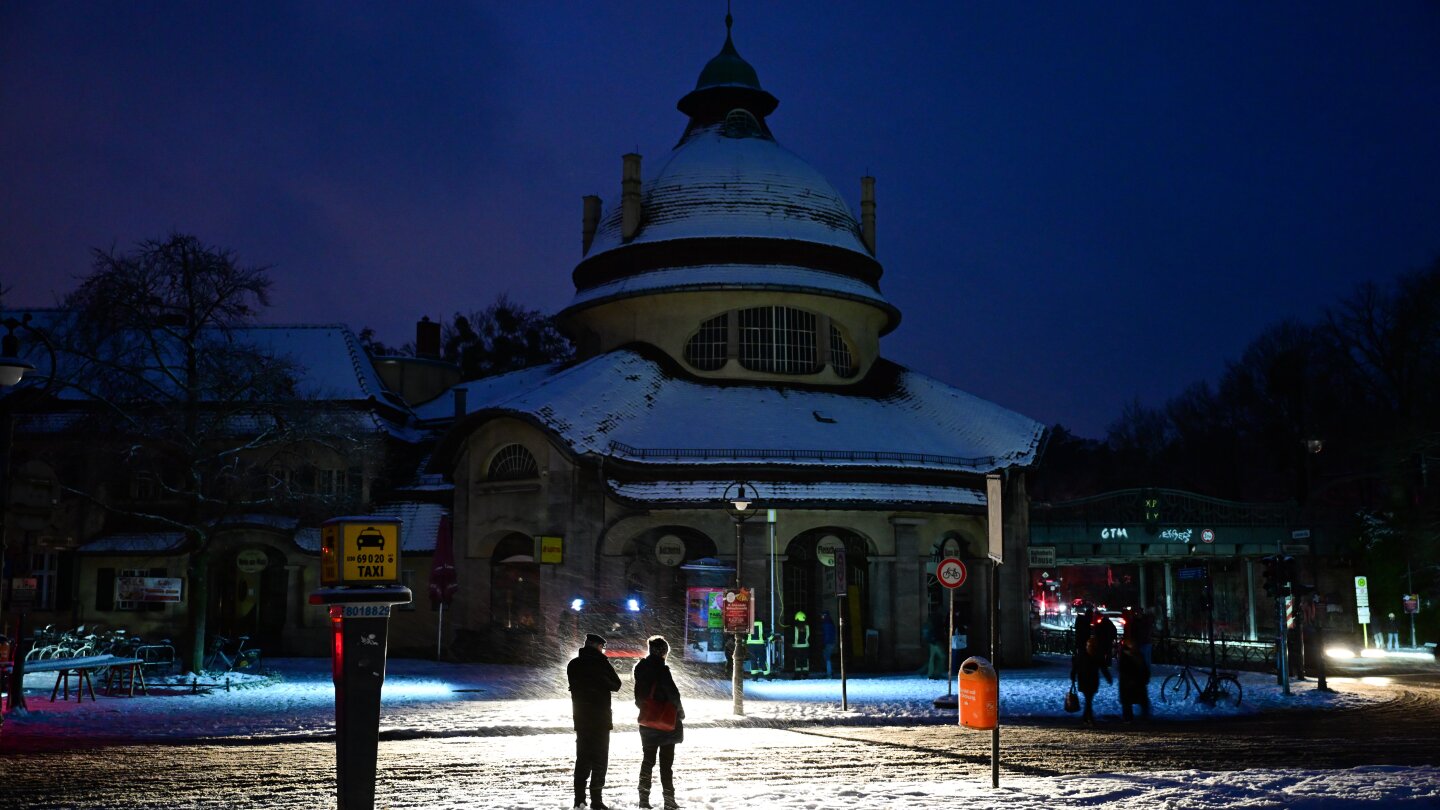
    In a positive development for Berlin residents, power restoration commenced for thousands of households left without electricity for four days following a suspected far-left attack on high-voltage lines, providing relief during the prolonged freeze.

    Travelers like Sonja Wurmlingel, attempting to return to Argentina, faced repeated disappointments with canceled flights and uncertain alternative arrangements, highlighting the human impact of the transport crisis. KLM Airlines reported decreasing airport queues as proactive cancellation notices prevented additional passengers from arriving at already overwhelmed terminals.

  • Pope signals reform-minded priorities as his pontificate gears up

    Pope signals reform-minded priorities as his pontificate gears up

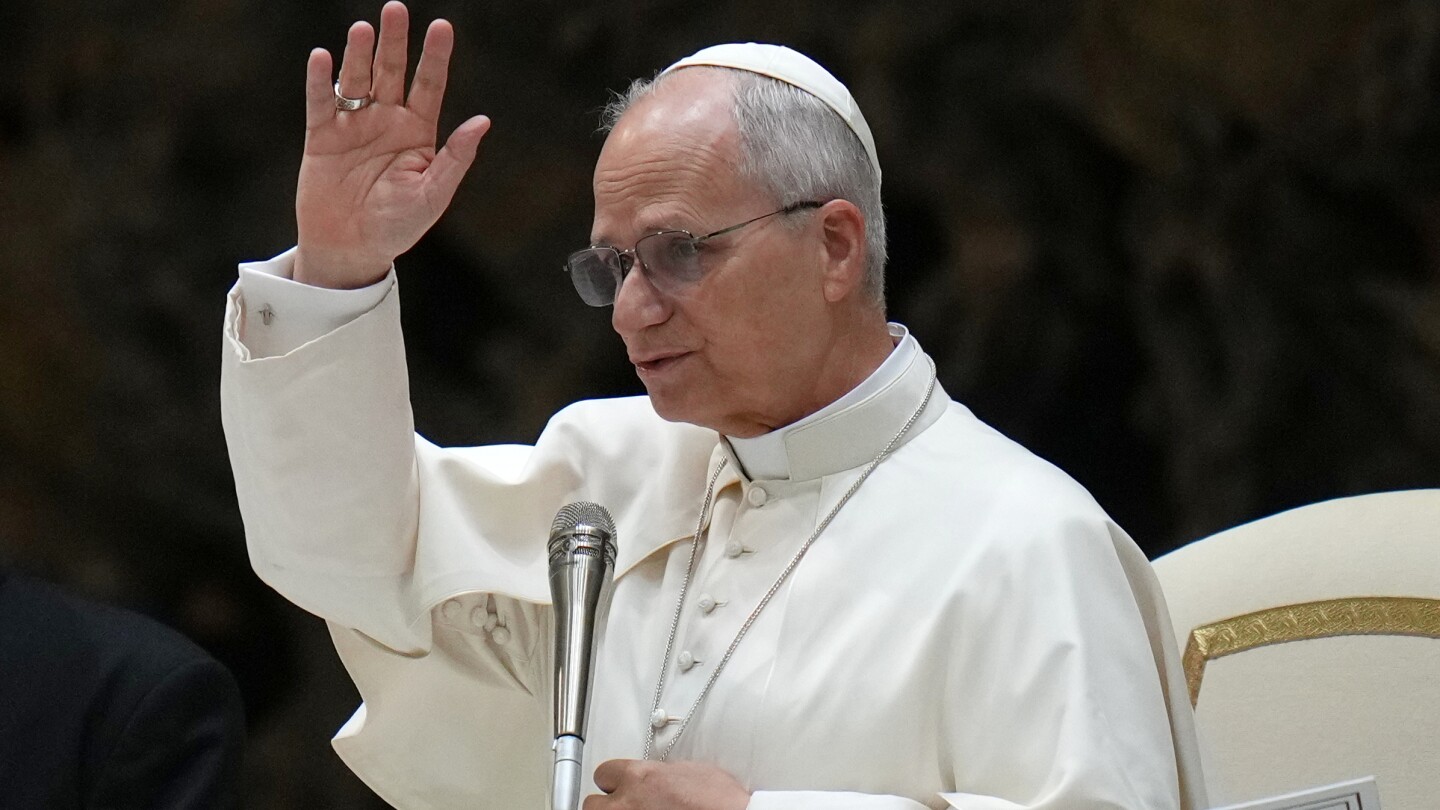
    In a significant transition marking the post-Holy Year era, Pope Leo XIV has convened the College of Cardinals in Rome, signaling a reform-oriented agenda for his evolving pontificate. The gathering, which commenced Wednesday immediately following the closure of the 2025 Jubilee celebrations, represents a strategic shift in Vatican governance approaches.

    The pontiff declared his intention to dedicate upcoming catechism lessons to reexamining core documents from the Second Vatican Council (1962-1965), describing these teachings as the enduring “guiding star” for contemporary Catholicism. This initiative addresses the passing of the generation that originally shaped Vatican II’s transformative reforms, which revolutionized Catholic liturgy through vernacular Mass, enhanced lay participation, and redefined interfaith relations.

    Leo’s two-day consistory marks a notable departure from his predecessor’s governing style. While Pope Francis relied primarily on a select group of nine cardinals for counsel, the new assembly engages the broader College—a move responding to previous criticisms about centralized decision-making within the 1.4-billion-member global church.

    The agenda features critical examination of Francis’s key documents, including his foundational pontifical mission statement and the 2022 Curia reform constitution. Discussions will also address synodal processes for greater lay responsiveness and liturgical practices—particularly tensions surrounding the traditional Latin Mass that Francis had restricted to prevent denominational fractures.

    With 245 cardinals worldwide (approximately half under the conclave-voting age of 80), the assembly demonstrates Leo’s reconciliatory approach. This was further evidenced by his scheduled audience with Cardinal Joseph Zen, the 93-year-old conservative critic of Francis’s China policies who had long sought papal audience.

    The consistory’s stated purpose emphasizes “common discernment” to support the pontiff’s governance responsibilities, suggesting a more collaborative leadership model for the Catholic Church’s future direction.

  • Power restored to thousands of Berlin households after attack on lines causes several-day outage

    Power restored to thousands of Berlin households after attack on lines causes several-day outage

    BERLIN — German authorities are gradually restoring electricity to the capital after a devastating four-day blackout that left tens of thousands without power during freezing temperatures. The crisis began Saturday morning when a fire damaged high-voltage cables on a bridge spanning the Teltow Canal in southwest Berlin.

    The outage affected approximately 100,000 people across 45,000 households and 2,200 businesses, marking the longest continuous power failure in Berlin since World War II. While many connections were progressively restored throughout the week, the affluent Zehlendorf district remained particularly impacted with 25,500 households and 1,200 businesses still without power as of Tuesday.

    Investigators have identified a far-left group’s manifesto titled ‘Turning off the juice to the rulers’ claiming responsibility. The group stated they had ‘successfully sabotaged’ a gas-fired power plant in Berlin’s Lichterfelde district, emphasizing their action targeted the fossil-fuel industry rather than intentionally causing widespread blackouts.

    Germany’s domestic intelligence agency revealed that self-described ‘Volcano Groups’ have been conducting infrastructure attacks in Berlin and Brandenburg since 2011. A previous 2024 assault on a pylon supplying power to Tesla’s factory near Berlin temporarily suspended production.

    The case has now been elevated to Germany’s federal prosecutor’s office, which is investigating charges of anticonstitutional sabotage, membership in a terrorist organization, and arson. The complexity of repairs required several days of intensive work by Berlin’s power network operators to fully restore service across the affected areas.

  • Families shocked Swiss ski bar was not inspected for years before deadly fire

    Families shocked Swiss ski bar was not inspected for years before deadly fire

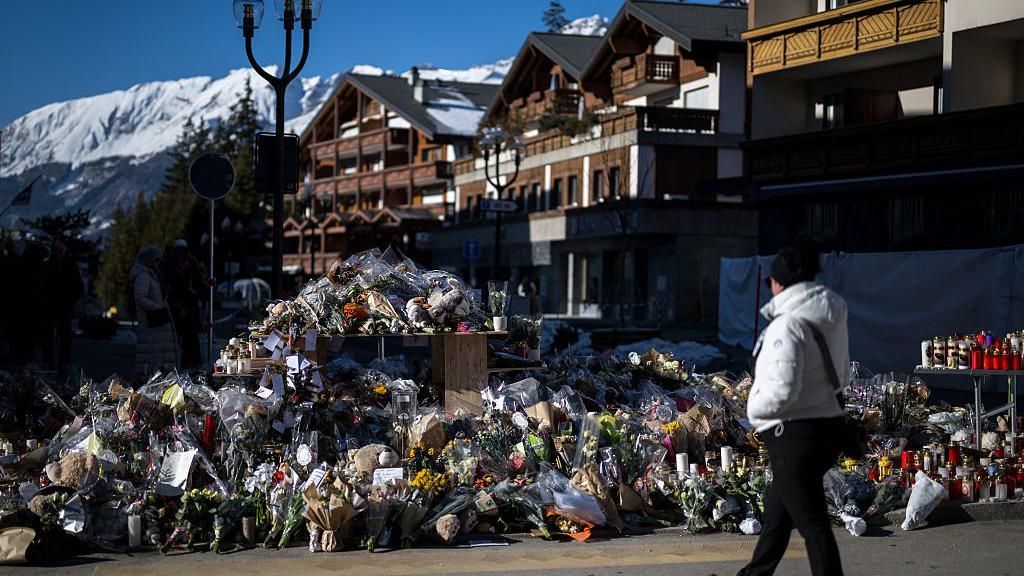
    A devastating New Year’s Eve fire at Le Constellation bar in the Swiss resort town of Crans-Montana has revealed shocking regulatory failures, with local officials admitting the establishment hadn’t undergone mandatory safety inspections for five years. The tragedy claimed 40 lives and left 116 injured, many with severe burns requiring specialized treatment across European medical facilities.

    Prosecutors investigating the incident determined the blaze originated when champagne bottles adorned with sparklers ignited sound-insulating foam ceiling materials. The bar’s managers, French nationals Jacques and Jessica Moretti, now face criminal investigation for suspected manslaughter by negligence, bodily harm by negligence, and arson by negligence. In their first public statement since the disaster, the couple expressed being ‘devastated’ and promised ‘full co-operation’ with ongoing investigations.

    Legal representatives for victims’ families have demanded greater accountability, with attorney Romain Jordan noting the ‘staggering number of breaches and shortcomings in inspections raises the question of whether the municipality should be investigated with even greater urgency.’ The victims included eight children under age 16, one of whom, Ricardo Minghetti, was laid to rest during funeral services this week.

    Mayor Nicolas Feraud acknowledged the inspection failure without providing explanation, stating ‘We regret that – we owe it to the families and we will accept the responsibility.’ In response to the tragedy, local authorities have implemented an immediate ban on sparklers in all entertainment venues. The case highlights challenges in Switzerland’s decentralized regulatory system where federal safety standards are implemented at municipal levels across 2,131 communes.

  • Rubio plans to meet with Danish officials next week to talk about US interest in Greenland

    Rubio plans to meet with Danish officials next week to talk about US interest in Greenland

    Diplomatic relations between the United States and Denmark have entered a precarious phase as Secretary of State Marco Rubio prepares to meet with Danish officials following the Trump administration’s renewed interest in acquiring Greenland. The strategic Arctic territory, currently a self-governing Danish territory, has become the focal point of escalating geopolitical tensions.

    The administration’s position, reportedly discussed in classified briefings with select lawmakers, emphasizes Greenland’s critical importance to U.S. national security amid growing Russian and Chinese influence in the Arctic region. While previous meeting requests between Danish and Greenlandic officials with Secretary Rubio were unsuccessful, the upcoming dialogue signals a potential de-escalation of rhetoric.

    European leaders have responded with unusual unity, with France, Germany, Italy, Poland, Spain, and the United Kingdom joining Danish Prime Minister Mette Frederiksen in affirming Greenland’s right to self-determination. The collective statement emphasized that the mineral-rich island ‘belongs to its people,’ while Frederiksen warned that any U.S. takeover could effectively mean ‘the end of NATO.’

    Defense analysts note the extraordinary nature of such a coordinated Nordic response. Maria Martisiute of the European Policy Centre observed, ‘The Nordics do not lightly make statements like this. But it is Trump whose very bombastic language bordering on direct threats and intimidation is threatening the fact to another ally.’

    The administration appears divided on approach, with White House press secretary Karoline Leavitt acknowledging military options while emphasizing diplomatic preference. Republican senators expressed mixed reactions, with some seeing strategic value but distancing themselves from military action suggestions. Alaska Senator Lisa Murkowski characterized the rhetoric as ‘very, very unsettling,’ while bipartisan NATO advocates emphasized the importance of honoring treaty obligations to Denmark.

    Military experts question the strategic necessity of annexation, noting existing U.S. military access through agreements with Denmark. Thomas Crosbie of the Royal Danish Defense College stated, ‘The United States will gain no advantage if its flag is flying in Nuuk versus the Greenlandic flag. They already enjoy all of the advantages they want as a trusted ally.’

    The situation remains fluid with the upcoming diplomatic meetings potentially determining whether this escalates into a full-scale NATO crisis or finds resolution through diplomatic channels.

  • Rare Iron Age war trumpet and boar standard found

    Rare Iron Age war trumpet and boar standard found

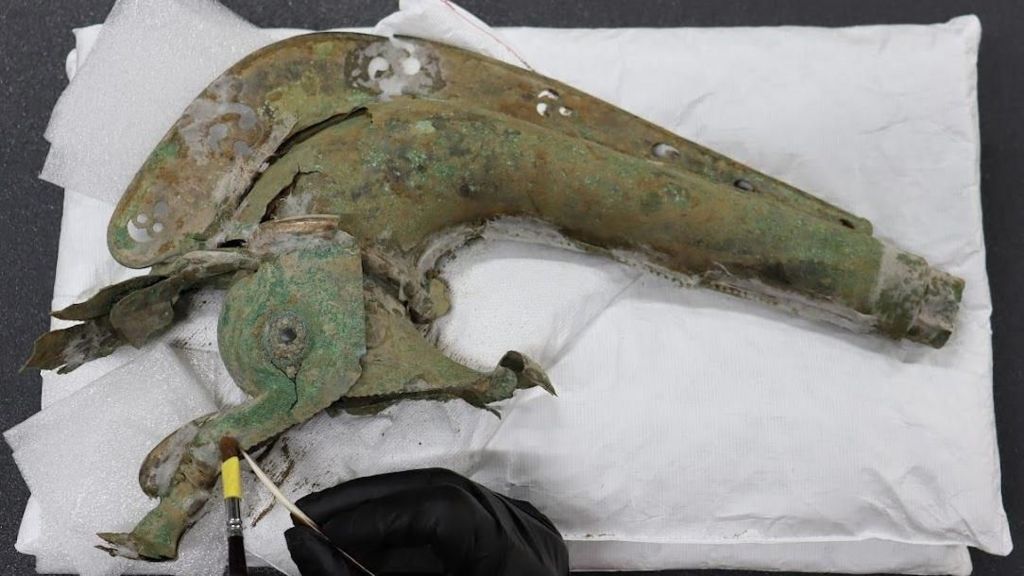
    Archaeologists have unearthed what they describe as a “once-in-a-lifetime discovery” in a Norfolk field near Thetford—an extraordinary Iron Age hoard containing two of Britain’s rarest archaeological artifacts found together for the first time. The excavation team from Pre-Construct Archaeology made the groundbreaking discovery during routine work on a construction site last year, uncovering Europe’s most complete carnyx (a ceremonial war trumpet) and Britain’s first-ever boar’s head flag standard.

    The carnyx represents an unprecedented find with its pipe, mouthpiece, and bell all remarkably intact after approximately 2,000 years underground. Crafted from extremely thin sheets of metal that have become exceptionally brittle over centuries, the instrument has been preserved with what conservator Jonathan Carr describes as “a wonderful little eye, which is a remarkable survivor.” This specimen joins only two other carnyces previously discovered in Britain.

    Equally significant is the boar’s head standard, created from sheet bronze and serving as a military rallying point during battle. The boar held profound symbolic meaning for Iron Age warriors, representing ferocity and strength in combat. Dr. Fraser Hunter, Iron Age and Roman curator at National Museums Scotland, emphasized that “the full research and conservation of these incredibly fragile remains will reshape our view of sound and music in the Iron Age.

    The hoard, dating between 50 BC and AD 50, additionally contained five shield bosses and an iron object of unknown origin. Its connection to the Iceni tribe—the Celtic community famously led by Queen Boudica in her rebellion against Roman occupation—adds historical significance to the discovery. Carnyces were particularly feared by Roman forces, who frequently depicted them as war trophies in their art.

    Following meticulous excavation, the artifacts were carefully lifted from the earth in a soil block and underwent advanced scanning to determine their precise positioning before conservation began. The discovery has been reported to the coroner for a treasure inquest, with Historic England coordinating research efforts alongside Norfolk Museums Service and the National Museum of Scotland. The find will be featured on BBC Two’s Digging for Britain, offering the public an unprecedented glimpse into Iron Age warfare and ceremonial practices.

  • Saint-Tropez bids adieu to Brigitte Bardot with a funeral and public homage

    Saint-Tropez bids adieu to Brigitte Bardot with a funeral and public homage

    SAINT-TROPEZ, France — The French Riviera resort town of Saint-Tropez hosted a poignant dual tribute on Wednesday to honor Brigitte Bardot, the iconic actress turned animal rights activist who passed away December 28 at age 91. The ceremony blended private family mourning with public admiration for the woman who called this Mediterranean haven home for over fifty years.

    Bardot’s funeral procession moved through the narrow streets of Saint-Tropez as residents and admirers applauded the final journey of the woman who once captivated global cinema. The coffin of the legendary screen siren, whose image defined 1960s sensuality and French postwar liberation, was carried to the Notre-Dame-de-l’Assomption Catholic Church where a private service commenced with Maria Callas’ rendition of ‘Ave Maria.’

    In attendance were Bardot’s husband Bernard d’Ormale, who revealed in a Paris Match interview that cancer had claimed her life following two operations, along with her son, grandchildren, and invited representatives from the Brigitte Bardot Foundation for animal protection. ‘She remained conscious and concerned about animal welfare until her final moments,’ d’Ormale attested.

    Max Guazzini, foundation secretary general, expressed the collective grief: ‘Sadness is overwhelming, and pain too.’ In a moving eulogy, he envisioned Bardot’s arrival in ‘a great, white immensity’ followed by ‘thousands of animals she saved… forming a procession behind her.’

    Hundreds gathered at public viewing areas with large screens installed at the port and town squares to witness the farewell. Bardot will be interred in the strictest privacy at the marine cemetery overlooking the Mediterranean, joining her parents and first husband Roger Vadim—the director who launched her international career with the groundbreaking film ‘And God Created Woman.’

    Though she retired from filmmaking at 39 in 1973 after starring in over two dozen films, Bardot remained a visible and often controversial public figure through her militant animal rights activism and associations with far-right politics. The town hall acknowledged her enduring legacy, stating: ‘Brigitte Bardot will forever be associated with Saint-Tropez, of which she was the most dazzling ambassador.’