标签: Europe

欧洲

  • Volcano guides at Mount Etna are protesting over new safety rules

    Volcano guides at Mount Etna are protesting over new safety rules

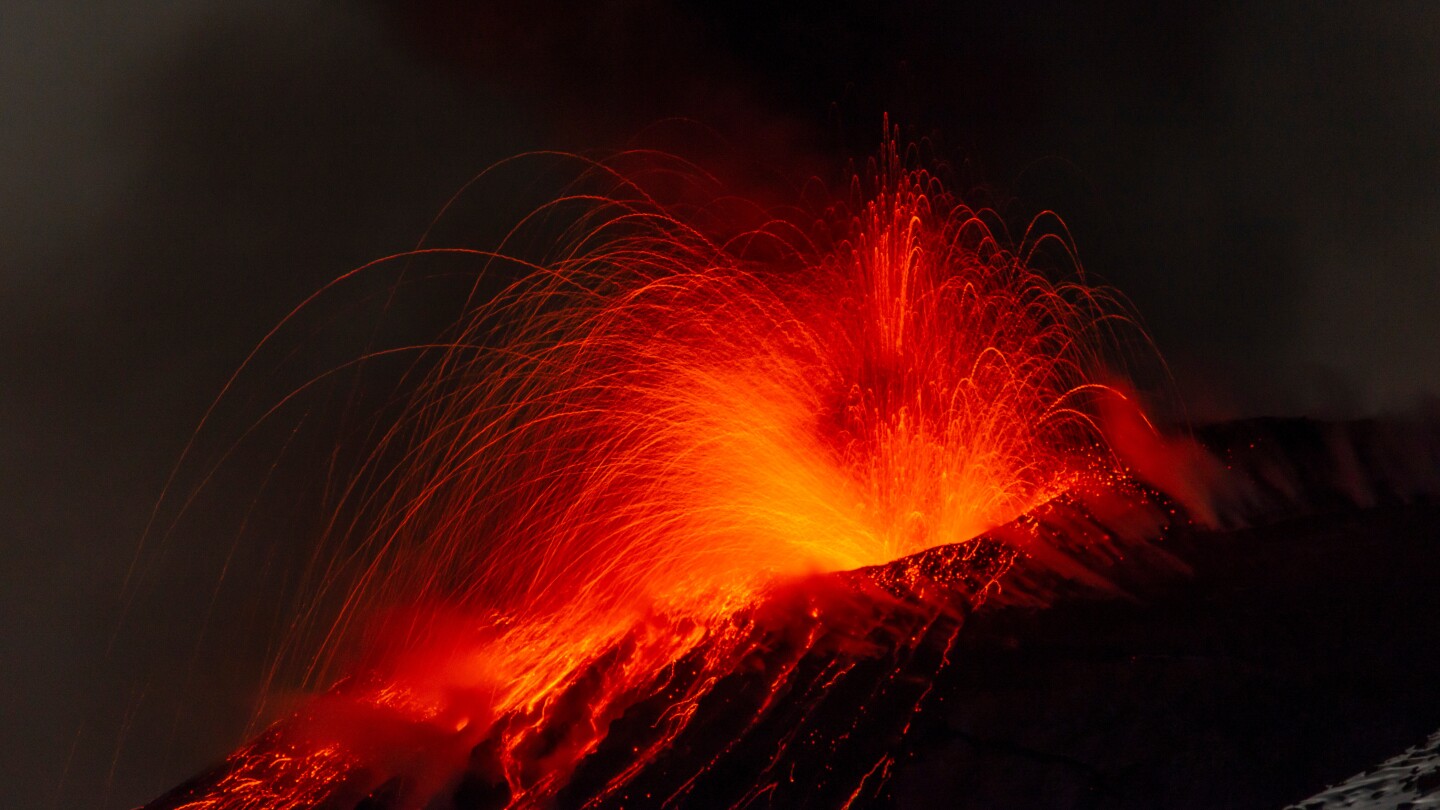
    SICILY, Italy — Mount Etna’s volcanic guides have initiated their first strike in decades following stringent new safety measures imposed by Catania authorities after recent eruptions. The conflict has created turmoil for tourists seeking to witness Europe’s most active volcano’s spectacular lava displays.

    The dispute centers on regulations that prohibit excursions after dusk and mandate a 200-meter (660-foot) minimum distance from lava flows. Authorities have intensified enforcement of pre-existing group size limitations, restricting parties to no more than 10 individuals using drone surveillance.

    Professional guides assembled Wednesday at the volcano’s lava flow gate, denouncing the restrictions as excessive and professionally damaging. Their regional board issued a statement asserting these measures ‘effectively nullify the role of guides, stripping them of their skills, function, and professional responsibility.’

    Volcanologists confirm the current eruption phase, which commenced on Christmas Eve, presents minimal danger to surrounding communities. The advancing lava front reached 1,360 meters (4,460 feet) elevation before stabilizing and entering a cooling phase after traversing approximately 3.4 kilometers (2 miles).

    Dario Teri, a 43-year-old member of Sicily’s alpine and volcano guides association, explained: ‘This is a lava flow that is descending very slowly on an area that is now also flat or semi-flat.’

    The strike action has left visitors like Claudia Mancini, a 32-year-old tourist from Palermo, disappointed after her planned excursion was canceled. ‘Unfortunately, we got the bad news of the cancelling of all activity,’ Mancini stated, expressing sympathy for the guides’ predicament.

    Measuring 3,350 meters (10,990 feet) tall and 35 kilometers (21.7 miles) wide, Mount Etna consistently draws adventure seekers and casual observers alike. While the current eruption continues according to Italy’s National Institute of Geophysics and Volcanology, the lava fronts are cooling without further advancement.

    Guides anticipate continuing their strike in coming days while seeking compromise solutions that balance tourist safety with professional viability.

  • Russian attacks leave two regions with widespread blackouts, Ukraine says

    Russian attacks leave two regions with widespread blackouts, Ukraine says

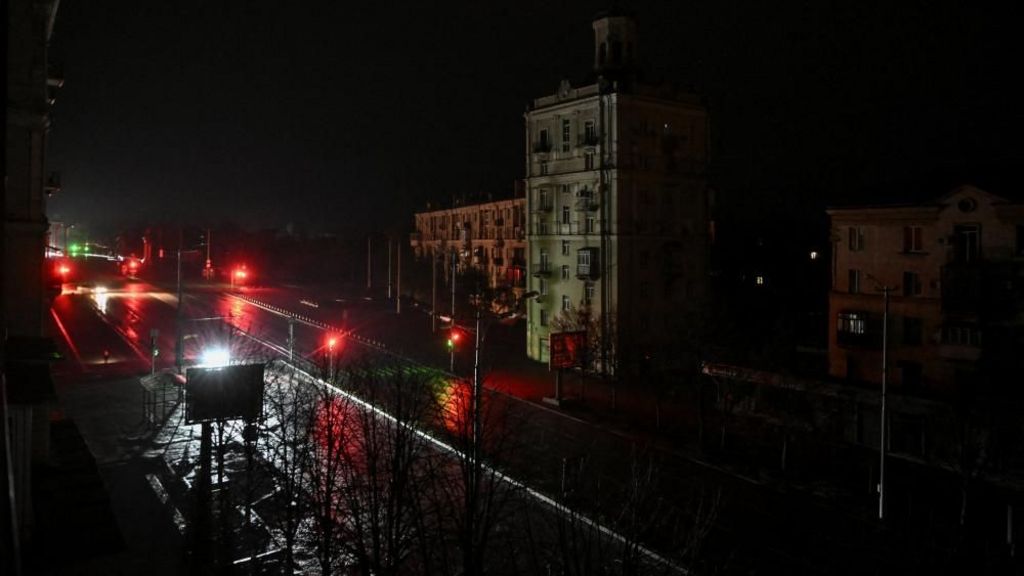
    Ukrainian energy infrastructure faced devastating attacks from Russian forces on Wednesday, leaving the southeastern regions of Dnipropetrovsk and Zaporizhzhia in near-total darkness. The assault has triggered widespread power outages, water supply disruptions, and internet failures during one of the harshest winter periods.

    According to Ukraine’s energy ministry, critical infrastructure facilities are now operating on emergency backup power. Prime Minister Yulia Svyrydenko confirmed that energy workers are battling extremely challenging conditions to maintain basic services. ‘Ukraine’s energy system is under enemy attacks every day,’ she stated on Telegram, emphasizing the additional strain from deteriorating weather conditions.

    Temperatures have plunged across affected regions, compounding the humanitarian crisis. State energy company Ukrenergo announced that restoration efforts would commence immediately once security conditions permit, with priority given to critical infrastructure. Dnipro city hospitals have been completely transitioned to generator power, while water drainage systems rely on alternative energy sources.

    The educational sector has also been impacted, with school holidays extended until January 9 due to the power crisis. Regional officials including Zaporizhzhia administration head Ivan Fedorov reported that utility workers are making maximum efforts to restore services despite the complete blackout.

    DTEK, Ukraine’s largest private energy provider serving 5.6 million citizens, operates in permanent crisis mode according to CEO Maxim Timchenko. In recent BBC comments, he revealed that attack intensity has reached unprecedented levels: ‘We just don’t have time to recover.’ The company has faced repeated assaults using drones, cruise missiles, and ballistic missiles as the fourth anniversary of Russia’s full-scale invasion approaches.

    The energy crisis unfolds alongside diplomatic developments, with Ukrainian President Volodymyr Zelensky expressing concerns about inadequate security guarantees from European allies. Recent talks in Paris resulted in the UK and France signing a declaration of intent regarding potential troop deployments if a peace agreement with Russia materializes—a move Moscow has warned would make foreign forces ‘legitimate targets.’

  • Crowds line Saint-Tropez streets for Bardot funeral

    Crowds line Saint-Tropez streets for Bardot funeral

    The picturesque French Riviera town of Saint-Tropez witnessed an emotional farewell to cinematic legend Brigitte Bardot on Wednesday, as crowds lined the streets to honor the actress who revolutionized 1950s French cinema. Despite Bardot’s explicit instructions for a modest ceremony, admirers gathered in significant numbers to applaud her flower-draped coffin during its procession through the transformed fishing village.

    The funeral service at a local church attracted notable figures including far-right politician Marine Le Pen and Equality Minister Aurore Bergé, both sharing Bardot’s passion for animal rights advocacy. The actress was laid to rest at a hillside cemetery overlooking the Mediterranean, joining her parents and first husband Roger Vadim, with her only son Nicolas-Jacques Charrier among the pallbearers.

    Bardot’s passing at age 91 on December 28th marked the end of an era for French cinema. Known affectionately as ‘BB’ in her homeland, she appeared in nearly 50 films including the groundbreaking ‘And God Created Woman’ before abruptly retiring from acting in 1973 to dedicate her life to animal welfare through her foundation.

    While President Emmanuel Macron eulogized her as ‘a legend of the century,’ Bardot’s later years were marked by controversy surrounding homophobic remarks and multiple convictions for inciting racial hatred, which complicated her legacy and alienated her from mainstream political circles. The ceremony balanced celebration of her artistic achievements with acknowledgment of her complex public persona.

  • Trump’s Greenland idea isn’t new. The US has pursued it at least 3 times before

    Trump’s Greenland idea isn’t new. The US has pursued it at least 3 times before

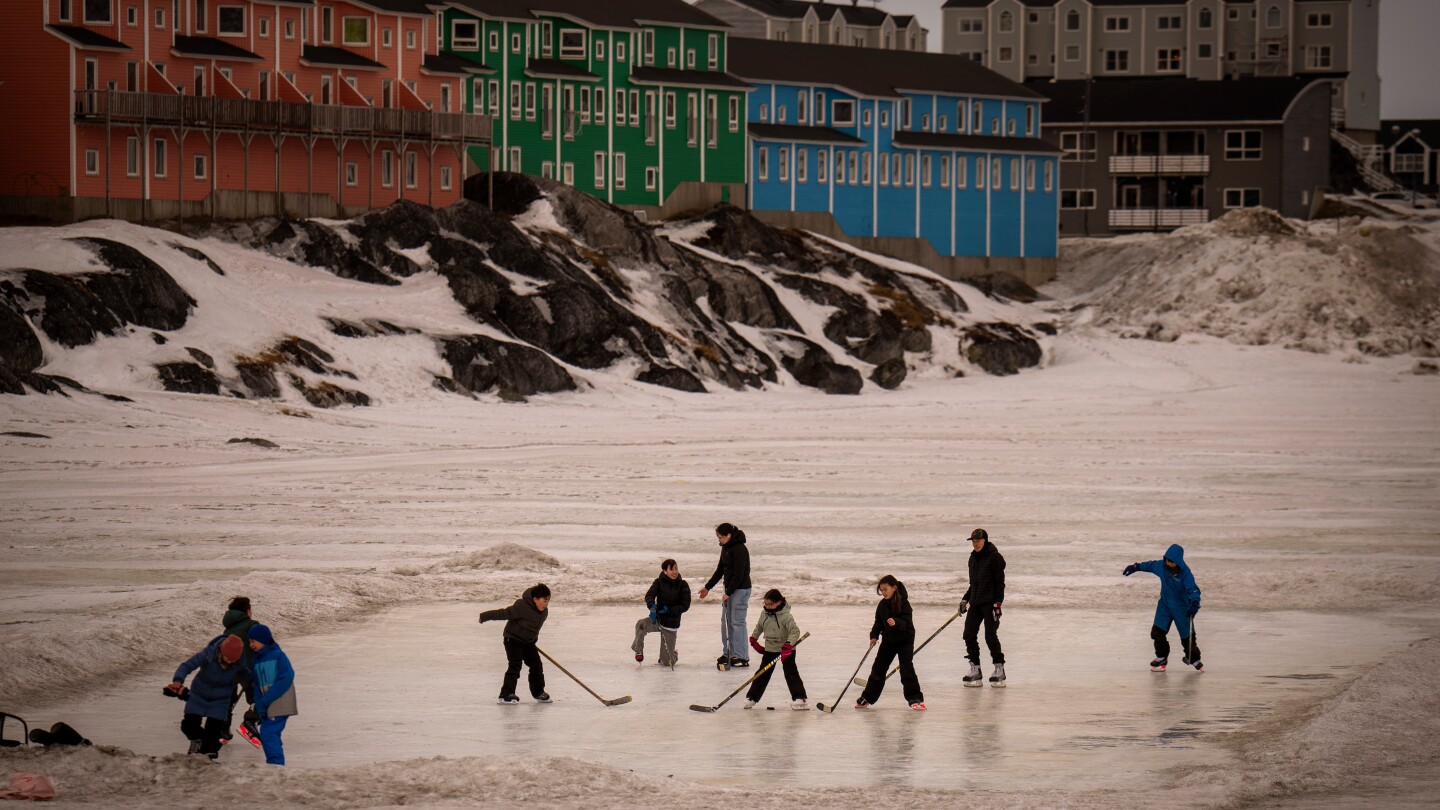
    The recent resurgence of American interest in acquiring Greenland represents a continuation of longstanding geopolitical strategy rather than a novel political notion. Historical archives reveal that multiple U.S. administrations have pursued Arctic territorial expansion, with Greenland consistently emerging as a prized strategic asset throughout different eras of American foreign policy.

    This territorial ambition first surfaced during the Reconstruction era following the Civil War. Secretary of State William Seward, architect of the Alaska Purchase from Russia in 1867, initiated internal discussions regarding Greenland’s acquisition. His diplomatic correspondence highlighted the territory’s substantial natural resources, particularly coal deposits, and its strategic Arctic positioning. However, congressional reluctance to pursue additional northern territories prevented these deliberations from evolving into formal negotiations.

    In 1910, the William Howard Taft administration engineered an elaborate territorial exchange proposal involving Greenland. American diplomats conceptualized a complex land-swap arrangement that would transfer Danish sovereignty of Greenland to the United States in return for strategic concessions in other regions. The Danish government promptly rejected this unconventional proposal, causing its immediate collapse.

    The most substantial effort materialized in 1946 amid escalating Cold War tensions. President Harry Truman’s administration formally offered Denmark $100 million in gold bullion (equivalent to approximately $1.4 billion today) for outright ownership of Greenland. This proposition followed the successful wartime collaboration wherein American engineers constructed critical airfield infrastructure that served as essential refueling hubs for transatlantic military operations. Although Denmark again declined the substantial offer, the negotiation secured continued U.S. military access rights.

    This military presence endures today at Pituffik Space Base (formerly Thule Air Base), the Defense Department’s northernmost installation, serving both strategic surveillance and aerospace defense functions. The persistent pattern of acquisition attempts demonstrates how successive American administrations have valued Greenland’s geographic position and resources within broader national security frameworks.

  • EU pushes forward long-discussed free trade deal with South America

    EU pushes forward long-discussed free trade deal with South America

    BRUSSELS — The European Union has reignited high-stakes negotiations with South America’s Mercosur trading bloc, attempting to finalize one of the world’s largest free trade agreements despite fierce internal opposition. This development comes just one week after the United States’ controversial operation in Venezuela targeting President Nicolás Maduro, creating a stark contrast in diplomatic approaches to the region.

    EU agriculture ministers convened in Brussels Wednesday to address balancing economic opportunities against protecting European farmers. The proposed pact with Brazil, Argentina, Paraguay, Uruguay, and Bolivia would create a trading zone covering 780 million people and representing a quarter of global GDP. EU Trade Negotiator Maroš Šefčovič characterized the agreement as “landmark” legislation that could boost EU agrifood exports by up to 50%.

    “In this turbulent world, our trading partners value the EU for one thing above all: credibility,” Šefčovič stated. “We must safeguard this priceless currency by remaining a trusted and reliable trading partner.”

    The negotiations face significant hurdles, particularly from France where agricultural protests derailed the deal in December. French Agriculture Minister Annie Genevard reiterated her nation’s opposition, citing threats to beef, chicken, sugar, ethanol, and honey producers. “As long as the combat is not over, nothing is lost,” Genevard declared, referencing ongoing negotiations.

    Italy has emerged as the decisive swing vote, with Prime Minister Giorgia Meloni’s support potentially overcoming objections from France and Poland. While Meloni welcomed proposed farmer subsidies, she has not committed to backing the trade deal itself.

    The agreement would progressively eliminate tariffs on nearly all goods traded between the blocs, offering what proponents describe as a strategic alternative to Chinese export controls and American tariff policies. New safeguards include “semiautomatic triggering thresholds” that would activate if Mercosur imports significantly undercut EU products.

    Despite political tensions within Mercosur—particularly between Argentina’s far-right President Javier Milei and Brazil’s center-left leader Luiz Inácio Lula da Silva—South American leaders continue pursuing the European alliance for its agricultural benefits. The deal represents a fundamentally different approach to regional engagement compared to the Trump administration’s Venezuela intervention, highlighting competing visions of economic diplomacy in South America.

  • Millions celebrate Orthodox Christmas on Jan. 7, following ancient traditions

    Millions celebrate Orthodox Christmas on Jan. 7, following ancient traditions

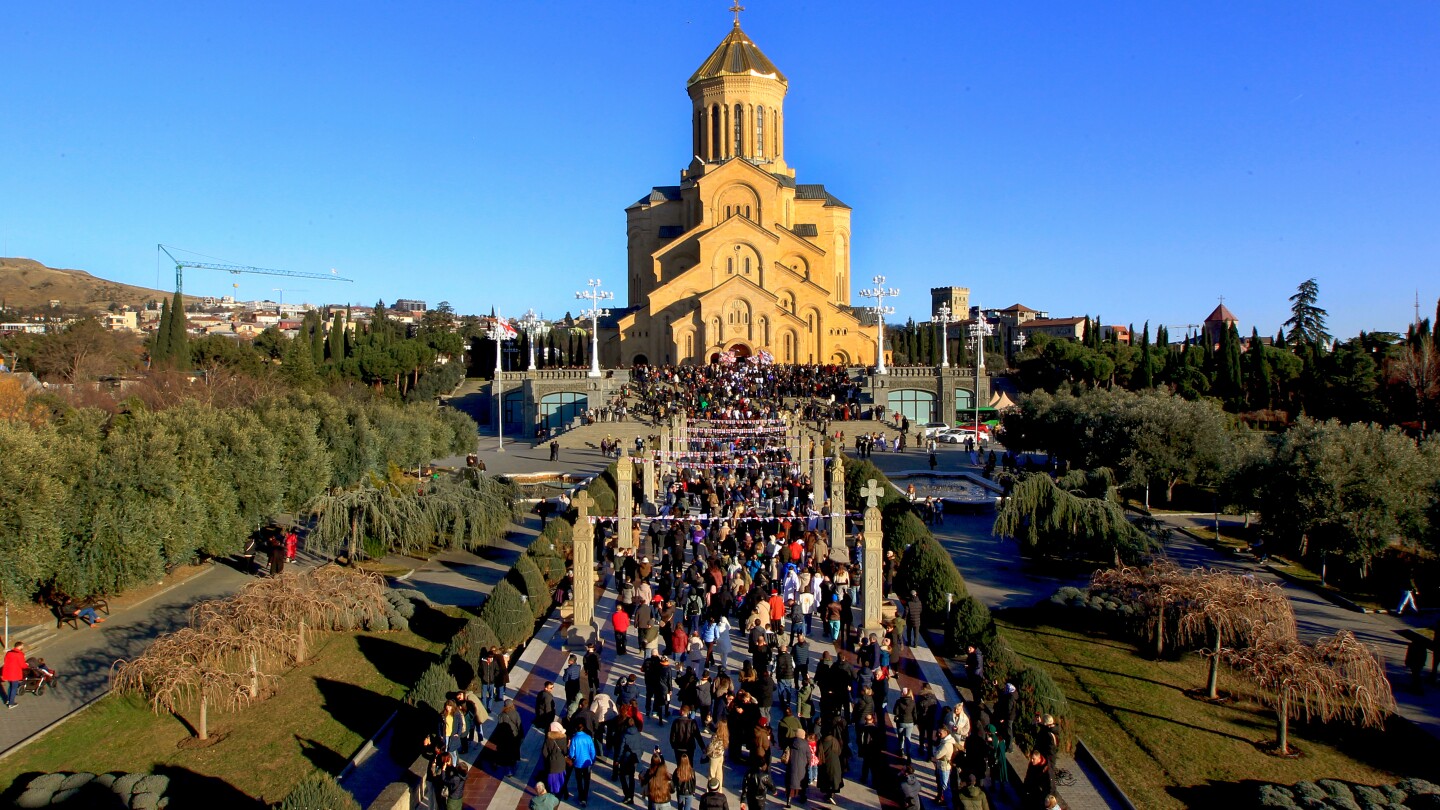
    Across the globe, millions of Orthodox Christians commemorated Christmas on January 7th, creating a distinctive celebration pattern that occurs nearly two weeks after Western Christian observances. This temporal divergence stems from deep historical roots in calendar systems that continue to shape religious practices worldwide.

    The chronological discrepancy originates from the adherence of certain Eastern Orthodox churches—including Russian, Serbian, Georgian, and some Ukrainian traditions—to the ancient Julian calendar. This system runs thirteen days behind the Gregorian calendar adopted by Catholic, Protestant, and most secular societies. Meanwhile, the Ethiopian Orthodox Church and various Oriental Orthodox communities, while distinct from Eastern Orthodoxy, similarly celebrated on January 7th, sharing many liturgical traditions despite their separate ecclesiastical histories.

    This complex calendrical landscape emerged from sixteenth-century reforms when Pope Gregory XIII introduced a revised system to correct astronomical inaccuracies in the Julian calendar. While Western Christian denominations and secular governments gradually adopted the Gregorian system, Eastern Orthodox communities maintained divergent approaches. In 1923, an inter-Orthodox gathering proposed a revised Julian calendar that aligned with the Gregorian system, which was embraced by Greek, Romanian, Bulgarian, and other traditions but rejected by the Russian Orthodox Church—the largest Eastern Orthodox communion—and several allied traditions.

    North American observances reflect this global diversity, with Greek and Antiochian Orthodox churches celebrating on December 25th, while Serbian and Russian traditions maintain January 7th observances. Liturgical celebrations typically feature elaborate nighttime services preceding Christmas Day, with distinctive customs like the Serbian practice of burning oak branches accompanied by proclamation of Christ’s birth.

    The Armenian Orthodox tradition represents a unique case, observing Christmas on January 6th, further illustrating the rich tapestry of Christian liturgical practice that continues to evolve, particularly in regions like Ukraine where some communities have recently transitioned to December celebrations.

  • Berlin power outage highlights German vulnerability to sabotage

    Berlin power outage highlights German vulnerability to sabotage

    Berlin emerges from its most severe post-war blackout as power gradually returns to the final households following a five-day electricity disruption. The unprecedented outage, triggered by a suspected arson attack on critical power infrastructure, paralyzed southwest Berlin during freezing temperatures, affecting approximately 100,000 residents across tens of thousands of properties including schools, hospitals, and care facilities.

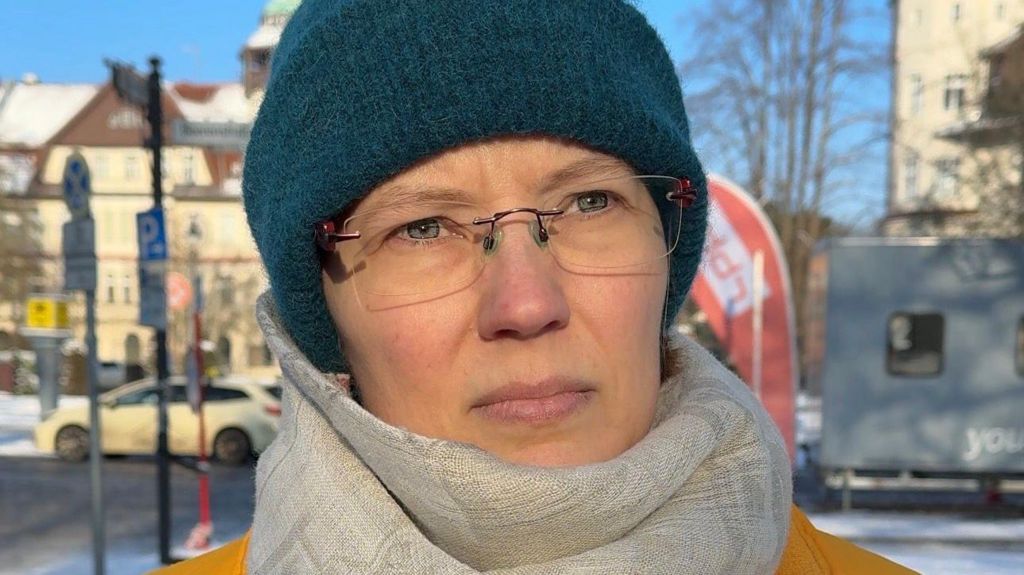
    The crisis has unveiled stark realities about urban resilience as citizens resorted to emergency measures. Families like Lena’s depended on battery-powered radios for information updates while cooking on camping stoves and preventing water pipes from freezing. Elderly residents including 79-year-old Reinhold adopted extreme cold-weather adaptations, sleeping in woolen hats and multiple layers despite sub-zero conditions.

    Authorities attribute the disruption to a deliberate attack on cables near the Lichterfelde gas-fired power plant early Saturday. The far-left militant Vulkangruppe (Volcano Group) claimed responsibility through a statement criticizing the fossil fuel industry, though expressing limited sympathy for affluent neighborhoods while apologizing to less wealthy residents. Subsequent contradictory statements appeared on Indymedia, with purported founders distancing themselves from recent actions.

    German federal prosecutors are investigating the incident as terrorism, considering charges including sabotage, arson, and disruption of public services. Fire service spokesman Adrian Wentzel confirmed restoration efforts proceeded on a ‘step-by-step basis’ with resources drawn from across Germany.

    This incident represents the latest in a series of infrastructure attacks attributed to left-wing extremists active since 2011. The scale and duration exceeded September’s similar outage, reigniting debates about Germany’s vulnerability to sabotage. The crisis has accelerated parliamentary consideration of the ‘Kritis’ bill, presented in November, which establishes minimum protection standards for critical infrastructure after years of development.

  • Trump threats against Greenland pose new, potentially unprecedented challenge to NATO

    Trump threats against Greenland pose new, potentially unprecedented challenge to NATO

    BRUSSELS — The North Atlantic Treaty Organization (NATO) faces an unprecedented internal crisis as former U.S. President Donald Trump’s renewed interest in acquiring Greenland threatens to destabilize the alliance’s core principles. This development presents a peculiar challenge for an organization traditionally focused on external threats, now potentially confronting an armed confrontation involving its most powerful member.

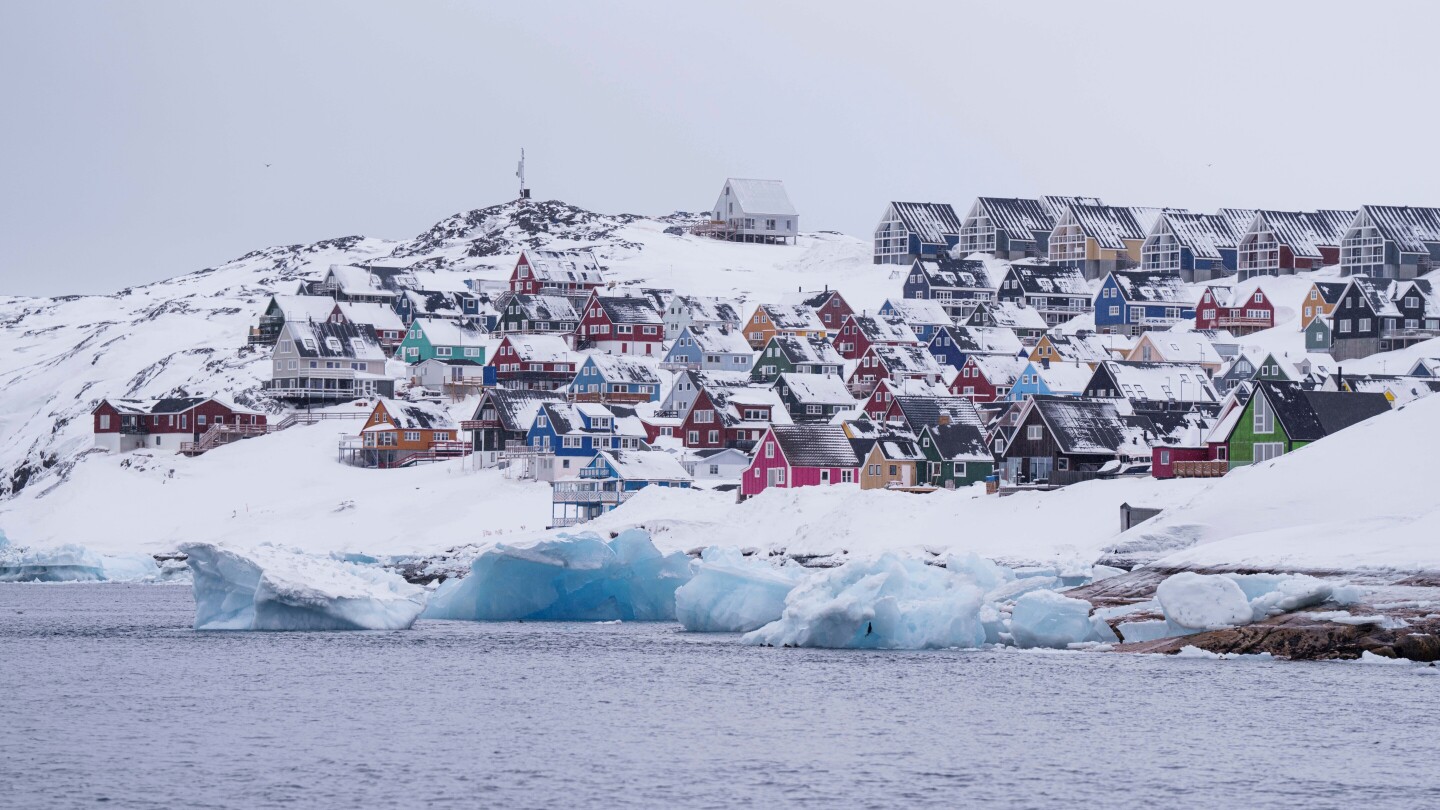
    The White House has confirmed the administration is evaluating various ‘options’ regarding Greenland, including potential military action to secure control over the mineral-rich Arctic territory. This semi-autonomous region under Danish sovereignty holds significant strategic importance, particularly for North American defense operations since World War II.

    NATO’s fundamental security guarantee—Article 5 of its founding treaty—which mandates collective defense against external aggression, contains no provisions for conflicts between member states. This structural vulnerability becomes critically relevant as the United States contemplates actions against territory belonging to NATO ally Denmark.

    European leaders including those from Britain, France, Germany, Italy, Poland, and Spain have issued a joint statement affirming that ‘It is for Denmark and Greenland, and them only, to decide on matters concerning Denmark and Greenland.’ Canada has similarly expressed support for Danish sovereignty.

    Defense analysts characterize the situation as a ‘low-probability, high-consequence event’ that challenges NATO’s political cohesion. Maria Martisiute of the European Policy Center warned that when a leading member undermines another, it damages ‘NATO’s cohesion and credibility, and it serves only our adversaries such as Russia and China.’

    The timing proves particularly problematic as NATO attempts to maintain unity in supporting Ukraine against Russian aggression. This internal distraction emerges despite recent achievements, including NATO members’ agreement to increase defense spending following Trump’s demands—a development that Secretary-General Mark Rutte recently credited to Trump’s influence.

    Danish Prime Minister Mette Frederiksen has warned that any U.S. attempt to seize Greenland could signify the end of NATO, drawing parallels to Trump’s earlier authorization of a raid targeting Venezuelan leader Nicolás Maduro. NATO officials remain cautiously neutral, with one anonymous representative stating the alliance ‘does not speculate on hypotheticals’ while acknowledging the Arctic’s importance for collective security.

    This peculiar geopolitical scenario tests NATO’s resilience at a moment when Russian aggression requires unwavering alliance unity, potentially creating openings for adversaries to exploit internal divisions.

  • Zelensky says he does not have clear security pledge from allies

    Zelensky says he does not have clear security pledge from allies

    As the Ukraine conflict approaches its fourth anniversary, President Volodymyr Zelensky has publicly questioned the reliability of European security assurances against potential future Russian aggression. Speaking to journalists on Wednesday, Zelensky revealed he continues to seek unambiguous commitments from international partners without receiving satisfactory responses.

    This declaration follows Tuesday’s significant development in Paris where the United Kingdom and France signed a declaration of intent regarding potential troop deployments to Ukraine should a peace agreement with Russia materialize. The Paris talks, involving approximately 30 nations comprising the ‘Coalition of the Willing,’ marked a diplomatic milestone though notably lacked full security guarantee commitments.

    UK Prime Minister Sir Keir Starmer characterized the joint statement as ‘a vital part of our commitment to stand with Ukraine for the long-term,’ outlining plans to establish military hubs across Ukraine to deter future invasions. French President Emmanuel Macron further suggested the potential deployment of thousands of troops under appropriate circumstances.

    While allies proposed that the United States would lead ceasefire monitoring efforts, critical issues regarding territorial concessions to Russia remain unresolved. Moscow maintains control over approximately 20% of Ukrainian territory, including 75% of the Donetsk region and nearly all of neighboring Luhansk, collectively known as the industrial Donbas region.

    The diplomatic landscape has grown increasingly complex with the involvement of former President Donald Trump’s peace envoys, Steve Witkoff and Jared Kushner, who participated in the Paris discussions. Witkoff reported that security protocols were ‘largely finished,’ though Zelensky’s subsequent comments reflected diminished optimism regarding legally binding guarantees supported by parliamentary approvals, including the US Congress.

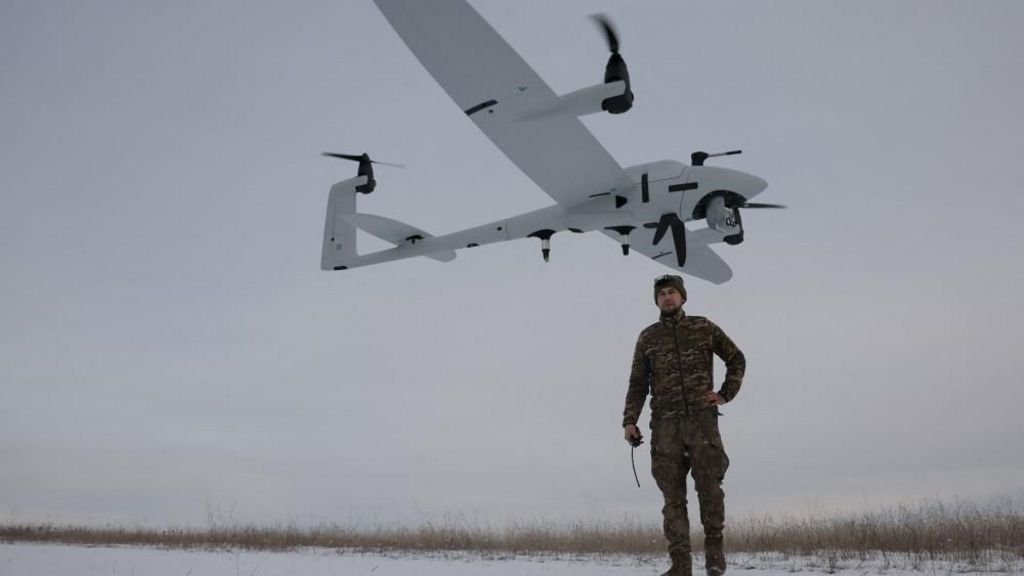
    Despite Zelensky’s previous assertion that a peace deal was ‘90% ready,’ the fundamental contradictions persist: Putin demands complete Ukrainian withdrawal from Donbas while Zelensky remains unwilling to cede territory, proposing mutual troop withdrawals to agreed positions instead. Meanwhile, Russia continues daily strikes against Ukrainian cities and critical infrastructure while making gradual territorial advances, met by Ukrainian drone counterattacks with limited effectiveness.

  • First person charged under new crossing law

    First person charged under new crossing law

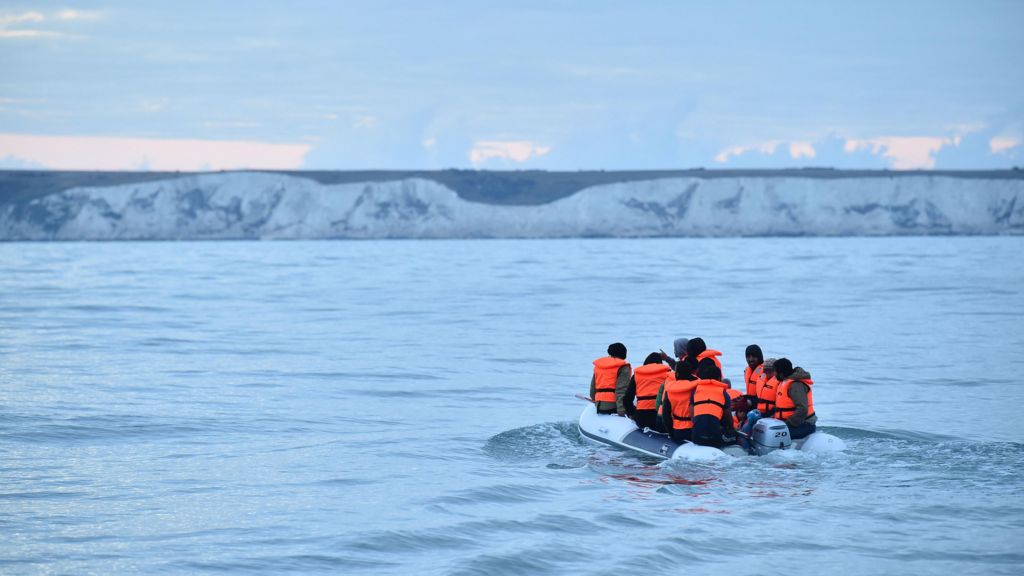
    In a landmark legal case, an 18-year-old Afghan national has become the first individual charged under the UK’s newly enacted Border Security, Asylum and Immigration Act for allegedly endangering lives during an unauthorized sea crossing. Aman Naseri appeared at Margate Magistrates’ Court on Wednesday, where he pleaded not guilty to piloting an overloaded vessel carrying 46 migrants across the English Channel on January 5th—the very day the controversial new legislation took effect.

    The prosecution, led by Julie Farbrace, asserted that Naseri’s actions as the alleged boat operator placed all passengers in grave danger. The defendant, who required a Dari interpreter throughout proceedings, has been remanded into custody pending his next appearance at Canterbury Crown Court scheduled for Friday.

    This unprecedented charge represents a key enforcement mechanism within the government’s strategy to deter dangerous Channel crossings. According to Home Office specifications, the offense criminalizes behavior that jeopardizes migrant safety during maritime journeys to the UK from France, Belgium, and the Netherlands. The legislation specifically targets those responsible for overcrowding unseaworthy vessels, employing physical aggression or intimidation tactics, or interfering with rescue operations.

    Penalties under the new law are severe, with convicted individuals facing imprisonment of up to six years for endangering human life at sea. The Home Office previously cited incidents of ‘floating crime scenes’ involving crush injuries and drownings as justification for the legislative measure, which received royal assent in December and took effect January 5th.

    The case against Naseri signals the government’s intensified approach to managing migration routes, though legal experts anticipate challenges in prosecuting individuals who may themselves be asylum seekers claiming coercion.