标签: Europe

欧洲

  • Le Pen’s political fate rests on appeal trial opening in France

    Le Pen’s political fate rests on appeal trial opening in France

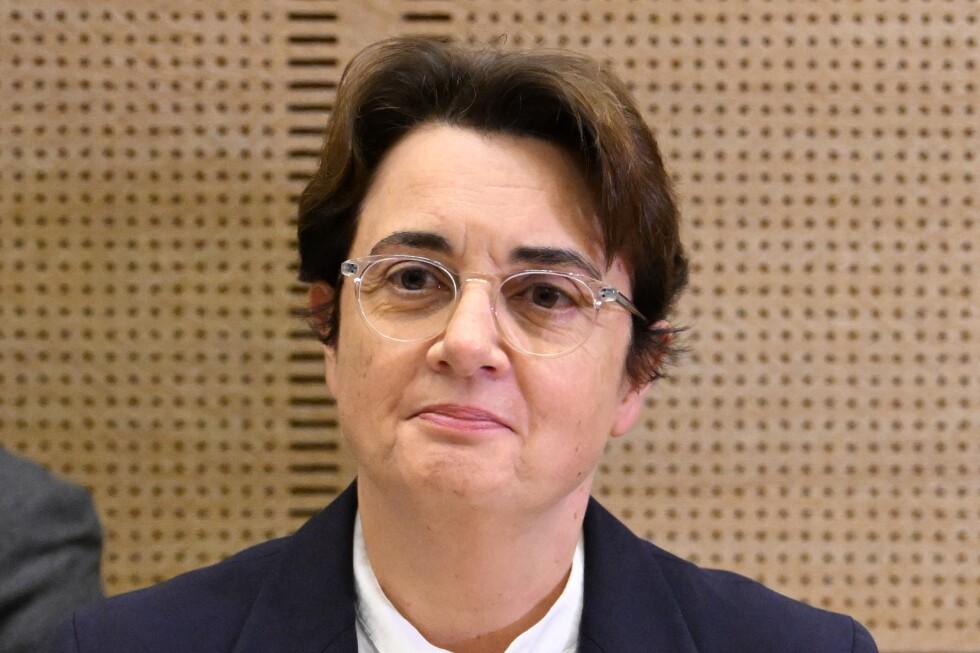
    French far-right leader Marine Le Pen commenced a high-stakes legal battle on Tuesday as her appeal against a five-year ban from public office began in Paris. The 57-year-old politician, who has contested the French presidency on three previous occasions, faces potential exclusion from the 2027 presidential election if the appellate court upholds last year’s conviction for EU funds embezzlement.

    The case centers on allegations that Le Pen and more than 20 other National Rally (RN) party officials employed parliamentary assistants who primarily worked on party matters rather than European Parliament duties, despite being compensated by EU funds. Trial judge Bénédicte de Perthuis previously characterized Le Pen as the central figure in a system that misappropriated €2.9 million in European funds.

    Le Pen maintains her complete innocence, asserting she committed ‘not the slightest irregularity.’ Her political ally, RN president Jordan Bardella, characterized the potential ban as ‘deeply worrying for democracy,’ arguing that preventing a twice-qualified second-round presidential candidate from running would undermine democratic principles. Bardella confirmed he would not seek the presidency himself but would instead pursue the prime ministerial position.

    The appellate proceedings, scheduled to continue through February 12th, will not deliver a verdict before summer 2026, creating a tense timeline ahead of the anticipated April 2027 presidential election. Legal experts outline four potential outcomes: complete acquittal, maintained conviction without immediate effect allowing her candidacy, reduced ban duration permitting 2027 registration, or upheld original judgment effectively blocking her presidential ambitions.

    Le Pen previously received a four-year prison sentence (two years suspended, two with electronic monitoring), a €100,000 fine, and the immediate public office ban. Should her appeal fail, she could face an extended prison term. Eleven RN colleagues join her appeal, while twelve others—including her sister Yann Le Pen—have accepted their sentences.

    The final determination rests with the Paris Court of Appeal, though further recourse to France’s highest judicial authority, the Court of Cassation, remains possible regardless of outcome. The timing and substance of these judicial decisions will significantly impact France’s political landscape as the 2027 election approaches.

  • The Latest: Iran eases some communications restrictions as activists say death toll spikes to 2,000

    The Latest: Iran eases some communications restrictions as activists say death toll spikes to 2,000

    In a limited concession during ongoing civil unrest, Iranian authorities restored international calling capabilities via mobile phones on Tuesday while maintaining severe internet restrictions and text messaging blackouts. This partial communications restoration occurs amidst a violent government crackdown on nationwide protests that activists report has resulted in approximately 2,000 fatalities, according to the U.S.-based Human Rights Activists News Agency.

    The telecommunications adjustment allows Iranians to place outgoing international calls, though incoming calls from abroad remain blocked. Witnesses in Tehran, speaking anonymously due to security concerns, confirmed that SMS services remain disabled and internet access is restricted to government-approved domestic websites, completely isolating Iran from global digital connectivity since Thursday.

    International response has escalated significantly, with multiple Western nations implementing diplomatic and economic measures. France summoned Iran’s ambassador to denounce what Foreign Minister Jean-Noel Barrot termed “intolerable, unbearable, and inhumane” repression. The United Kingdom announced comprehensive sanctions targeting Iran’s finance, energy, and transport sectors, with Foreign Secretary Yvette Cooper condemning the “desperate regime’s” violence against a “genuine grassroots movement.”

    European Commission President Ursula von der Leyen declared forthcoming EU sanctions against Iranian officials responsible for the crackdown, stating “The rising number of casualties in Iran is horrifying” and affirming support for citizens “bravely marching for their liberty.” Simultaneously, the Netherlands and Finland summoned Iranian ambassadors to protest the violence and communications blackout.

    United Nations Human Rights Chief Volker Türk issued a stark warning, demanding an immediate end to violence against peaceful demonstrators and expressing particular concern about judicial officials discussing potential death penalties for protesters through expedited proceedings.

    Iranian officials responded defiantly, with Foreign Minister Abbas Araghchi threatening reciprocal measures against European restrictions and alleging Western hypocrisy regarding Israel’s actions in Gaza. State television reported the arrest of “Israel-linked terrorist groups” in southeastern Zahedan, though Israel’s military declined to comment.

    The international dimension expanded as U.S. President Donald Trump announced canceled meetings with Iranian officials while telling protesters “help is on the way” without providing specifics. German Chancellor Friedrich Merz speculated about the Iranian government’s imminent collapse, stating regimes maintaining power solely through force are “effectively at the end.”

  • French far-right leader Le Pen faces appeal trial that could decide her 2027 presidential run

    French far-right leader Le Pen faces appeal trial that could decide her 2027 presidential run

    PARIS — France’s prominent far-right figure Marine Le Pen appeared before an appeals court on Tuesday in a pivotal legal battle that could ultimately determine her eligibility for the 2027 presidential election. The 57-year-old political leader is challenging her March conviction for misappropriating European Parliament funds, a verdict that currently carries a five-year prohibition from elected office, two years of electronic monitoring house arrest, an additional suspended sentence, and a €100,000 ($116,800) penalty.

    Addressing journalists on Monday, Le Pen expressed optimism about demonstrating her innocence to the judicial panel, noting that ‘It’s a new court with new judges. The case will be reset, to some extent.’ This appeal represents a crucial juncture for Le Pen, who had emerged as the probable frontrunner to succeed President Emmanuel Macron until last year’s conviction sent tremors through France’s political landscape—a decision she vehemently condemned as ‘a democratic scandal.’

    The legal proceedings, expected to span five weeks and involve Le Pen alongside eleven co-defendants, center on allegations that between 2004 and 2016, European parliamentary funds designated for assistants were improperly diverted to support domestic political activities of her party, then known as the National Front. Judicial authorities maintained that Le Pen orchestrated a systematic scheme to channel EU resources, including allocations for her security detail and chief of staff, though the court acknowledged no personal enrichment occurred.

    This case originated from a 2015 alert raised by Martin Schulz, then-president of the European Parliament, to French authorities. The outcome carries profound implications for Le Pen’s political trajectory following her extensive efforts to mainstream far-right politics in France. Since assuming leadership from her father Jean-Marie Le Pen in 2011, she has systematically worked to distance the party from its historical associations with racism and antisemitism—rebranding it as the National Rally, expelling her father, and moderating both policy positions and public rhetoric.

    These strategic shifts have yielded significant political dividends, with the National Rally now constituting the largest singular bloc in France’s National Assembly and establishing an extensive network of local representatives nationwide. Should the appeal fail and Le Pen face electoral disqualification, leadership would likely transfer to 30-year-old Jordan Bardella, whose popularity has surged particularly among younger demographics despite internal party questions regarding his leadership capabilities.

    The appeals court’s three-judge panel is anticipated to deliver its ruling before summer, with potential outcomes ranging from full acquittal to reinforced conviction that might include up to a decade imprisonment and €1 million fine. Bardella characterized the potential conviction as ‘deeply worrying for French democracy’ during his New Year address, reflecting the high-stakes nature of this judicial proceeding for France’s political future.

  • ‘We were tricked’: How one woman lures foreign men to fight on Russia’s front line

    ‘We were tricked’: How one woman lures foreign men to fight on Russia’s front line

    A comprehensive BBC Eye investigation has uncovered a sophisticated recruitment operation masterminded by Polina Alexandrovna Azarnykh, a 40-year-old former teacher from Russia’s Voronezh region, who uses Telegram to lure vulnerable men from developing nations into Russia’s military campaign in Ukraine under false pretenses.

    Operating through a Telegram channel with 21,000 subscribers, Azarnykh has issued approximately 490 invitation documents to men primarily from Syria, Egypt, Yemen, Morocco, Iraq, Ivory Coast, and Nigeria over the past year. Her recruitment strategy targets economically disadvantaged individuals, promising lucrative contracts with monthly salaries equivalent to $2,500, sign-up bonuses of $5,000, and expedited Russian citizenship.

    The investigation reveals a disturbing pattern of deception. Multiple recruits and their families report being misled about combat avoidance, contract duration, and actual deployment conditions. Omar (pseudonym), a 26-year-old Syrian construction worker, detailed how Azarnykh promised non-combat roles in exchange for $3,000 payments from sign-up bonuses, only to receive minimal training before being deployed to frontlines with inadequate preparation.

    Twelve families have reported young men recruited by Azarnykh as either deceased or missing. The BBC has documented cases including Mohammed, an Egyptian student struggling with tuition fees who was killed shortly after deployment, and numerous Syrians who discovered their contracts could be automatically extended under a 2022 Russian decree until the conflict concludes.

    Habib (pseudonym), another Syrian recruit who collaborated with Azarnykh, confirmed she received approximately $300 per recruit from military authorities. He described the devastating psychological impact on foreign fighters unprepared for combat: ‘The Arabs who are coming are dying immediately. Some people lost their minds – it’s hard to see dead bodies.’

    The recruitment scheme reflects Russia’s broader strategy to address substantial military losses. NATO estimates indicate over one million Russian casualties since the 2022 invasion, with 25,000 fatalities in December 2025 alone. Research suggests at least 20,000 foreigners may have enlisted, including from Cuba, Nepal, and North Korea.

    Despite mounting evidence, Azarnykh has denied all allegations, threatening defamation proceedings against the BBC. The Russian Ministry of Foreign Affairs and Ministry of Defense have not responded to requests for comment.

  • US accuses Russia of ‘dangerous and inexplicable escalation’ of war in Ukraine as Trump seeks peace

    US accuses Russia of ‘dangerous and inexplicable escalation’ of war in Ukraine as Trump seeks peace

    In a dramatic emergency session of the United Nations Security Council, the United States delivered a stern condemnation of Russia’s military escalation in Ukraine, characterizing recent actions as a “dangerous and inexplicable” provocation. The emergency meeting, convened at Ukraine’s request, followed Russia’s extensive overnight bombardment last Thursday that deployed hundreds of drones and dozens of missiles, including the advanced nuclear-capable Oreshnik hypersonic ballistic missile launched near Ukraine’s border with NATO member Poland.

    U.S. Deputy Ambassador Tammy Bruce articulated grave concerns regarding Russia’s intensifying attacks on Ukrainian energy infrastructure and civilian targets, noting the “staggering number of casualties” resulting from the conflict. The timing of this military escalation appears particularly significant, occurring as the Trump administration attempts to advance peace negotiations and simultaneously implements hard-hitting sanctions designed to economically pressure Moscow.

    The diplomatic confrontation unfolded amid deteriorating relations between Washington and Moscow, exacerbated by Russia’s condemnation of recent U.S. seizure of an oil tanker in the North Atlantic. European leaders joined American officials in denouncing Russia’s missile deployment as “escalatory and unacceptable,” with Ambassador Bruce emphasizing that “Russia’s action risks expanding and intensifying the war” at a moment when diplomatic opportunities should be pursued.

    Russian Ambassador Vassily Nebenzia presented Moscow’s uncompromising position, asserting that military operations would continue until Ukrainian President Volodymyr Zelenskyy agrees to “realistic conditions for negotiations.” Nebenzia warned that with each passing day, negotiation terms would become increasingly unfavorable for Ukraine, promising that attacks on Russian civilians would “elicit a stiff response.”

    Ukrainian Ambassador Andriy Melnyk countered that Russia’s apparent strength constitutes an illusion, noting Moscow’s economic vulnerabilities with slowing growth and declining oil revenues. The exchange highlighted the profound diplomatic impasse as both nations appear entrenched in their positions, with Ukraine maintaining its defense capabilities through allied support while Russia continues its military campaign with increasingly advanced weaponry.

  • Prosecution expected in relation to Denis Donaldson death

    Prosecution expected in relation to Denis Donaldson death

    Irish authorities have announced the commencement of criminal proceedings against an individual connected to the 2006 assassination of Denis Donaldson, a high-profile Sinn Féin official later exposed as a British intelligence operative. The development marks a significant breakthrough in the eighteen-year investigation into one of Northern Ireland’s most politically charged murders.

    Justice Minister Jim O’Callaghan confirmed the prosecution during a meeting with Donaldson’s daughter Jane Kearney and her family on Monday. Following the discussion, O’Callaghan issued an official statement indicating that Gardaí investigators had received directives to pursue charges against a suspect, with judicial processes already underway.

    The case represents a complex chapter in Anglo-Irish relations. Donaldson, once a pivotal figure in Sinn Féin’s political ascendancy, served as the party’s key administrator at Stormont following the Good Friday Agreement. His credibility collapsed in 2005 when he publicly admitted to functioning as a double agent for both British police and MI5 intelligence services over two decades of infiltration within republican political circles.

    Approximately one year after his confession, Donaldson was discovered fatally shot at an isolated cottage in Glenties, County Donegal. The Real IRA paramilitary group subsequently claimed responsibility for the execution-style killing, though no convictions have been obtained until now.

    The victim’s family has consistently demanded a comprehensive public inquiry into the circumstances surrounding Donaldson’s death and the security implications of his prolonged espionage activities. Minister O’Callaghan acknowledged these requests but emphasized that active judicial proceedings currently preclude the establishment of an investigative commission. He reaffirmed the Gardaí’s unwavering commitment to achieving justice through the court system.

  • Cyprus president’s top aide quits after online video alleging government corruption

    Cyprus president’s top aide quits after online video alleging government corruption

    NICOSIA, Cyprus — The director of the Cypriot presidential office, Charalambos Charalambous, has resigned from his position following the emergence of a controversial online video alleging corruption within President Nikos Christodoulides’ inner circle. The video, which surfaced on social media platforms, purportedly shows Charalambous—who is also the president’s brother-in-law—alongside a former energy minister and a prominent construction executive discussing their ability to secure foreign investments through their presidential connections.

    President Christodoulides accepted the resignation in what he characterized as an act of “self-confidence and trust” that the allegations would ultimately prove unfounded. In an official statement, the president praised Charalambous’ work ethic and integrity, describing his departure as “a loss of a valuable aide” during efforts to upgrade the country’s standing.

    The video contains multiple serious allegations, including claims that Christodoulides exceeded campaign finance limits during his 2023 presidential bid by accepting off-the-books cash donations. Most notably, it suggests the Cypriot government would intervene to block EU sanctions against Russian oligarchs in exchange for corporate payments.

    Cypriot authorities have denounced the video as a sophisticated disinformation campaign bearing “all the hallmarks” of previous Russian operations. According to an initial analysis by the Cyprus Security Services, the 8½-minute video exhibits characteristics consistent with organized Russian disinformation campaigns known as ‘Doppelganger’—a tactic previously employed against other EU nations, the United States, and Israel.

    The timing of the video’s release has raised suspicions among Cypriot officials, coming just one week after Cyprus assumed the rotating presidency of the European Union. President Christodoulides revealed that the EU had previously warned Cyprus about potential “hybrid” attacks during its presidency term. He confirmed that EU member states and other international partners are assisting in the investigation.

    Despite these explanations, opposition parties have launched scathing criticisms against the administration, arguing the video has revived concerns about systemic government corruption that have plagued Cyprus in the past. The scandal has created political turbulence for Christodoulides’ government as it begins its EU leadership role.

  • UK to bring into force law to tackle Grok AI deepfakes this week

    UK to bring into force law to tackle Grok AI deepfakes this week

    The United Kingdom is implementing sweeping legal measures to combat the creation and distribution of non-consensual intimate imagery generated by artificial intelligence. This decisive action comes amid mounting international concerns regarding Elon Musk’s Grok AI chatbot, which has been implicated in producing sexually explicit deepfakes without subjects’ consent.

    Technology Secretary Liz Kendall announced in Parliament that the government will criminalize both the creation of such imagery and the provision of tools specifically designed for this purpose. Addressing the Commons, Kendall characterized these AI-generated depictions of women and children in states of undress as “weapons of abuse” rather than “harmless images.”

    The regulatory landscape is rapidly evolving as communications regulator Ofcom launched a formal investigation into X (formerly Twitter) regarding “deeply concerning reports” about Grok’s image manipulation capabilities. The investigation will assess whether X failed to promptly remove illegal content and implement adequate protective measures for UK users. Potential penalties for violations include fines of up to 10% of global revenue or £18 million, whichever is greater, with possible site blocking in the UK for non-compliance.

    Kendall emphasized the urgency of the situation, demanding Ofcom establish a clear timeline for resolution rather than allowing the investigation to extend for “months and months.”

    The legal framework builds upon existing legislation, including provisions in the Data (Use and Access) Act passed in June 2025 that had not been enforced until now. Additionally, Kendall announced plans to designate non-consensual intimate imagery as a “priority offence” under the Online Safety Act and to criminalize nudification apps through the forthcoming Crime and Policing Bill.

    “The content which has circulated on X is vile. It’s not just an affront to decent society, it is illegal,” Kendall stated. “Let me be crystal clear – under the Online Safety Act, sharing intimate images of people without their consent, or threatening to share them, including pictures of people in their underwear, is a criminal offence for individuals and for platforms.”

    The technology secretary emphasized dual accountability, noting that responsibilities extend beyond individual behavior to include platform accountability. She called on technology companies to immediately implement safety measures recommended by Ofcom to protect women and girls online.

    Elon Musk responded to the developments by accusing the UK government of seeking “any excuse for censorship,” a claim Kendall directly refuted: “This is not, as some would claim, about restricting freedom of speech. It is about tackling violence against women and girls.”

    The investigation follows confirmed reports of widespread image manipulation on X, with one woman reporting over 100 sexualized images created without her consent. Ofcom’s examination will include assessment of age verification systems designed to prevent children from accessing pornographic content.

    This UK action coincides with international measures, as both Malaysia and Indonesia temporarily blocked access to Grok’s image creation feature over the weekend. An Ofcom spokesperson confirmed the investigation represents a “matter of the highest priority” though no specific timeline was provided.

  • Milan prison hosts concert with instruments made by inmates from migrant smugglers’ boats

    Milan prison hosts concert with instruments made by inmates from migrant smugglers’ boats

    In an extraordinary fusion of music and social transformation, reclaimed wood from migrant boats has been crafted into professional orchestral instruments for a groundbreaking performance at Italy’s largest correctional facility. The Opera prison in Milan hosted a remarkable concert on Saturday featuring the Cherubini Youth Orchestra under the baton of world-renowned conductor Riccardo Muti.

    The instruments—violins, violas, and cellos—retain visible traces of their poignant origins through faded blue, green, and yellow paint from vessels that once carried migrants across the treacherous Mediterranean route. These boats, seized after reaching Italian shores, contained haunting remnants of passengers’ belongings and symbolized the perilous journey that has claimed tens of thousands of lives since 2014 according to UN estimates.

    This initiative forms part of the ‘Metamorphosis’ project, which embodies multiple layers of transformation: decaying wood becomes exquisite musical instruments, incarcerated individuals develop skilled craftsmanship, and the overarching philosophy emphasizes rehabilitation through creative redemption. The performance featured works by Italian masters Antonio Vivaldi and Giuseppe Verdi, with a particularly moving rendition of ‘Va’ Pensiero’ (The Chorus of the Hebrew Slaves) from Verdi’s ‘Nabucco’ performed in collaboration with singers from Milan’s San Vittore prison.

    Maestro Muti expressed profound emotional impact following the performance, noting that witnessing inmates finding serenity and harmony through music enriched him both as a musician and as a human being. The Opera facility houses over 1,400 inmates, including 101 mafia members under strict isolation protocols, making this musical initiative particularly significant for rehabilitation efforts.

  • Alonso leaves role as Real Madrid manager

    Alonso leaves role as Real Madrid manager

    In a dramatic managerial shakeup, Real Madrid CF has terminated its partnership with head coach Xabi Alonso merely eight months into his tenure. The club confirmed his departure was reached by “mutual consent” and swiftly announced the appointment of former Liverpool and Real Madrid defender Alvaro Arbeloa as his successor. The 42-year-old Arbeloa, a World Cup and double European Championship winner with Spain, is promoted from his role as coach of Real Madrid’s B team, marking his first senior managerial position.

    The decision follows a period of intense scrutiny and disappointing results for the Spanish giants. The catalyst was a 4-3 defeat to arch-rivals Barcelona in the Spanish Super Cup final this past Sunday, a loss that left club president Florentino Perez with little choice. This setback compounded existing pressures: Real currently trails Barcelona by four points in La Liga and occupies a precarious seventh-place standing in their Champions League group after suffering heavy defeats to Liverpool, Manchester City, and city rivals Atletico Madrid earlier in the season.

    Alonso, a club legend from his playing days, departs with a record of 24 wins, 4 draws, and 6 losses from his 34 games in charge. Despite this, a series of poor performances led to visible fan discontent, with the team being booed off the pitch following a shocking 2-0 home loss to Celta Vigo in December. Reports also suggested a deteriorating relationship between Alonso and star forward Vinicius Junior, allegedly stemming from a substitution incident during El Clasico, though Alonso publicly insisted the matter was resolved.

    In the wake of the announcement, the club released a statement expressing gratitude: “Xabi Alonso will always have the affection and admiration of all Madrid fans because he is a Real Madrid legend and has always represented the values of our club. Real Madrid will always be his home.” Arbeloa takes immediate control and will lead the team in their Copa del Rey round of 16 tie against Albacete on Wednesday. This move underscores the immense and unforgiving pressure at the helm of one of football’s most demanding institutions, where sustained success is the only acceptable outcome.