标签: Europe

欧洲

  • France makes first interception targeting small boat crossings to UK

    France makes first interception targeting small boat crossings to UK

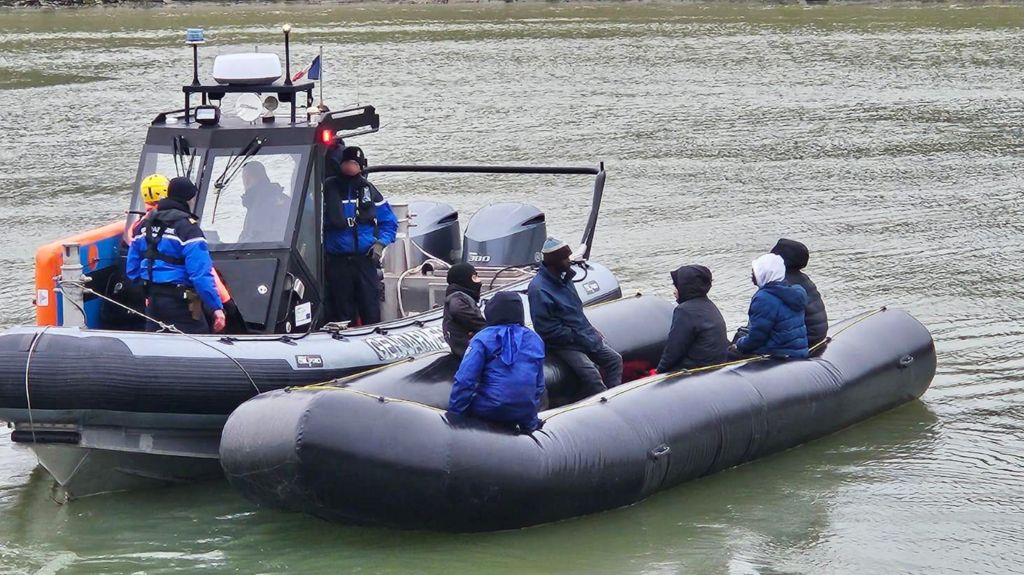
    French authorities have executed their inaugural maritime interception under a revamped strategy targeting human smuggling operations across the English Channel. On Saturday, law enforcement officers boarded an inflatable vessel termed a ‘taxi-boat’ along the Aa canal in Gravelines, situated along the Channel coast near Calais.

    This tactical shift emerged from a July 2025 UK-France summit between President Emmanuel Macron and Prime Minister Keir Starmer, responding to sustained British pressure for enhanced border security measures. Previously, French interventions were limited to preventing boat launches from beaches due to safety concerns regarding open-water operations.

    Criminal networks had adapted to previous enforcement methods by deploying these taxi-boats from distant locations to coastal pickup points where migrants enter the water to board. French documentation revealed this method achieved an alarming 81% success rate in 2025, contributing to 41,472 migrant arrivals in Britain last year—a increase from 36,566 in 2024 though below 2022’s peak of 45,774.

    The breakthrough in operational protocol addresses earlier safety and legal concerns that delayed implementation. Under the current engagement framework, gendarmerie exclusively intercept vessels before migrant boarding occurs, avoiding potentially dangerous situations with fully loaded craft. Saturday’s operation followed this protocol after police identified the inflatable craft moving toward the sea as likely preparing for migrant pickup.

    Visual evidence obtained by media outlets shows French police alongside the intercepted inflatable with several apparent smugglers aboard before the craft was towed to dock. French authorities have not yet provided official commentary on the operation.
  • Full messages shared between Trump and European leaders over Greenland

    Full messages shared between Trump and European leaders over Greenland

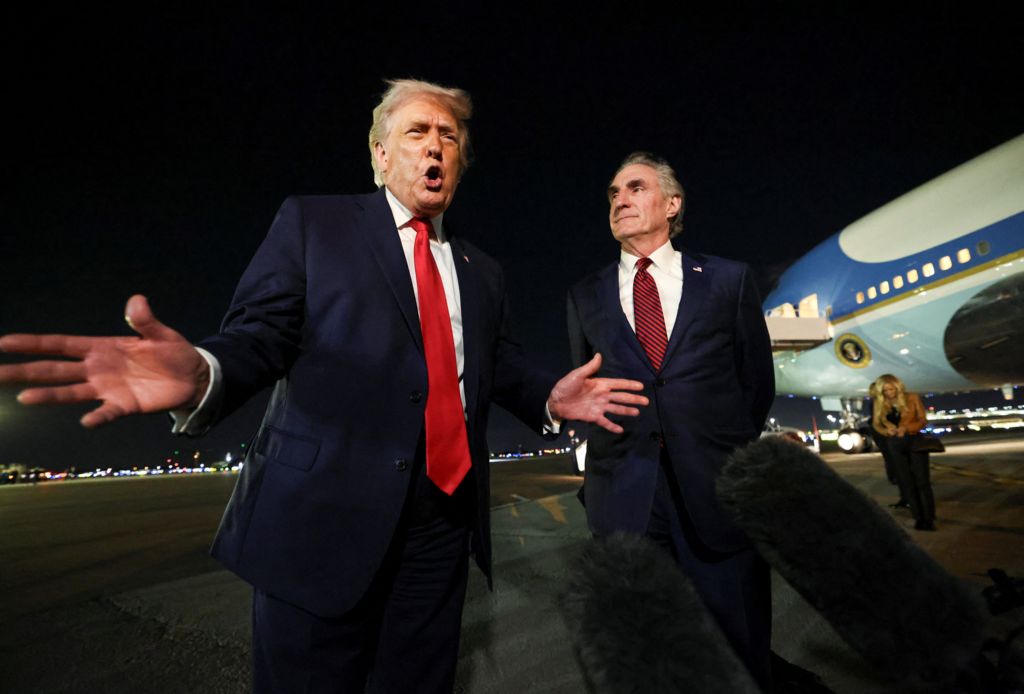
    A series of unprecedented text exchanges between former US President Donald Trump and European leaders regarding American claims to Greenland have been publicly released, revealing extraordinary diplomatic conversations. The messages, obtained through freedom of information requests and shared on Trump’s Truth Social platform, expose the former president’s persistent pursuit of acquiring the autonomous Danish territory.

    The communications began with Norwegian Prime Minister Jonas Støre and Finnish Prime Minister Alexander Stubb expressing concern about escalating tensions regarding Greenland, Gaza, Ukraine, and trade tariffs. They proposed de-escalation through diplomatic calls, emphasizing the need for Western unity.

    Trump’s response revealed a significant shift in his diplomatic approach, explicitly linking his failed Nobel Peace Prize nomination to his changed perspective on international cooperation. The former president stated he no longer felt ‘obliged to think purely of Peace’ after Norway’s decision regarding the prize, instead prioritizing what he deemed ‘good and proper for the United States of America.’

    In subsequent messages, French President Emmanuel Macron expressed confusion about Trump’s Greenland ambitions while suggesting collaborative efforts on Syria and Iran. Macron proposed organizing a special G7 meeting in Paris with additional participants including Ukrainian, Danish, Syrian, and Russian representatives.

    NATO Secretary General Mark Rutte later praised Trump’s accomplishments in Syria and committed to using his Davos platform to highlight the former president’s work in conflict zones. Rutte specifically mentioned his dedication to ‘finding a way forward on Greenland,’ indicating the territory had become a subject of high-level diplomatic discussions.

    The leaked correspondence reveals how personal grievances influenced Trump’s foreign policy decisions and demonstrates his unconventional approach to international relations through direct messaging rather than traditional diplomatic channels.

  • Russia batters Ukraine’s power grid again as officials try to keep up momentum of US-led peace talks

    Russia batters Ukraine’s power grid again as officials try to keep up momentum of US-led peace talks

    Ukrainian authorities reported Tuesday that Russia launched one of its most extensive aerial bombardments to date, targeting critical energy infrastructure across the country with over 300 drones and missiles overnight. The assault represents Moscow’s continued escalation of its campaign to disrupt essential services during Ukraine’s harshest winter period.

    President Volodymyr Zelenskyy confirmed the massive attack, which specifically targeted Ukraine’s power grid system. Kyiv Mayor Vitali Klitschko detailed the immediate consequences, noting that heating systems failed in more than 5,600 apartment buildings throughout the capital. This setback comes just weeks after 80% of these buildings had their heating restored following a previous major Russian barrage on January 9th that left thousands without power for extended periods.

    The timing appears strategically significant as Ukraine experiences exceptionally frigid conditions, with temperatures in Kyiv plummeting to -20°C (-4°F). Military analysts suggest Russia’s intensified attacks on energy infrastructure represent a calculated effort to demoralize civilian populations and strain Ukraine’s defensive capabilities nearly four years after the full-scale invasion began in February 2022.

    Concurrently, Ukrainian diplomatic efforts continue with a negotiating team arriving in the United States on Saturday. According to Zelenskyy, their primary mission involves conveying how Russia’s relentless aerial campaign undermines diplomatic progress. The delegation seeks to finalize documents related to postwar security guarantees and economic recovery, with potential signing opportunities at the World Economic Forum in Davos, Switzerland this week.

    Ukraine’s air force command reported successful defensive operations, intercepting 27 missiles and 315 drones through shooting or jamming techniques. However, five missiles and 24 drones penetrated defenses, striking 11 locations nationwide. The constant attacks have severely tested Ukraine’s air defense capabilities, with Zelenskyy acknowledging recent ammunition shortages before new shipments arrived.

    In response to the escalating threat, Ukraine is implementing revised defensive strategies under newly appointed Deputy Air Force Commander Pavlo Yelizarov. While specifics remain confidential, Zelenskyy indicated that ‘this system will be transformed’ to better counter Russia’s evolving aerial tactics. Ukraine continues to depend heavily on sophisticated Western-made air defense systems, particularly those supplied by the United States, to counter Russian missile and drone operations.

  • Spain train crash recovery continues as investigators probe ‘gap’ in rail

    Spain train crash recovery continues as investigators probe ‘gap’ in rail

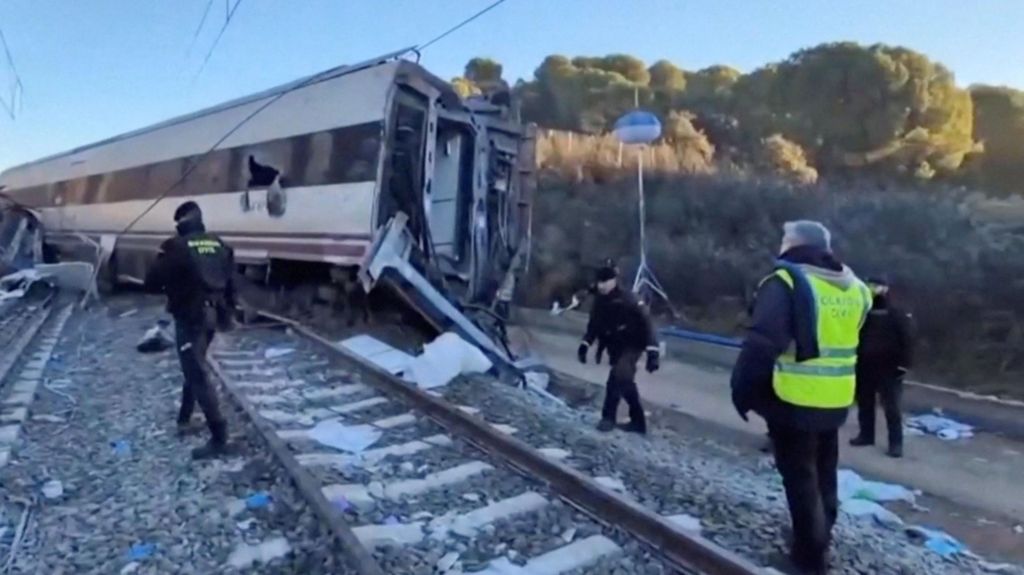
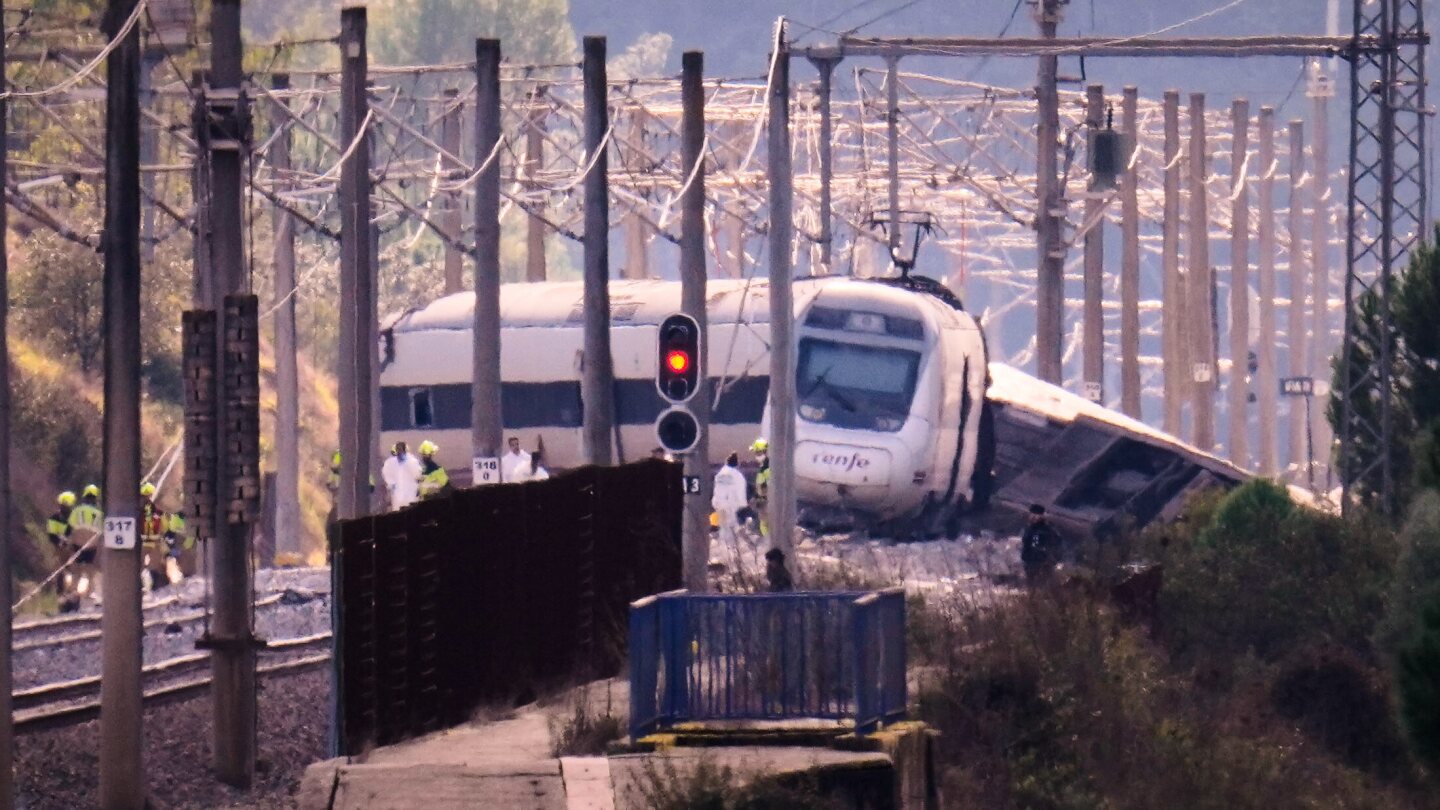
    Southern Spain is reeling from its most devastating rail disaster in over a decade following a catastrophic collision between two trains near Adamuz on Sunday evening. The death toll currently stands at 41, with authorities cautioning that this number may rise as recovery teams continue their grim search through the mangled wreckage using heavy machinery.

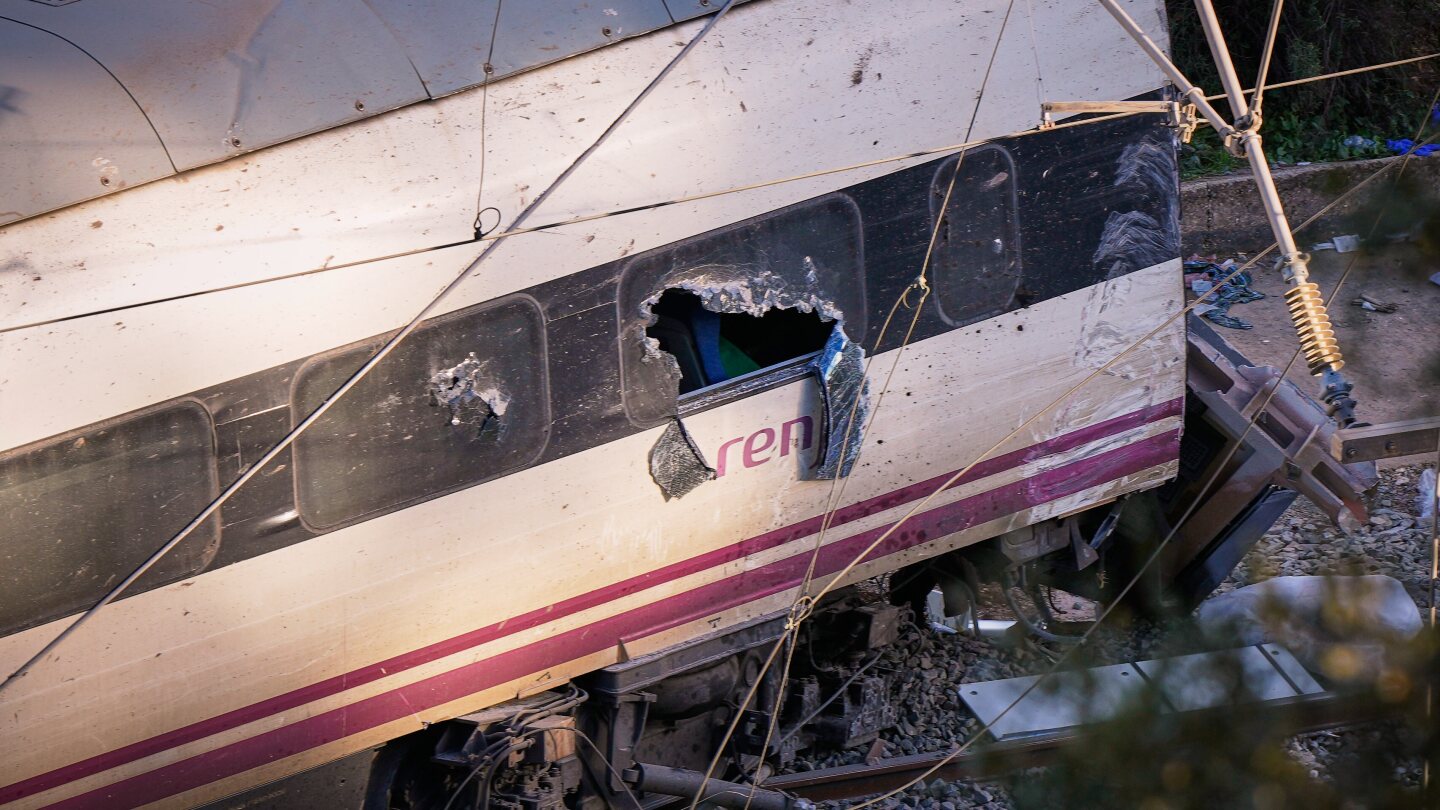
    The tragedy unfolded when carriages on a Madrid-bound train derailed on a straight section of track near Córdoba, crossing into the path of an oncoming service traveling in the opposite direction. The violent impact, described by one survivor as feeling like an ‘earthquake,’ resulted in 122 injuries with 41 victims, including children, remaining hospitalized—12 of whom are in intensive care.

    Spanish media outlets report investigators are concentrating on a potentially faulty 30-centimeter rail weld as the probable cause. Technical experts cited in El Mundo newspaper indicated a ‘bad’ or ‘deteriorated’ weld was ‘more than likely’ responsible for the derailment. However, El País noted investigators haven’t determined whether the rail defect caused the accident or resulted from it.

    Transport Minister Óscar Puente characterized the incident as ‘extremely strange’ and estimated the investigation could take at least a month to complete. Rail operator Renfe’s president has apparently eliminated human error as a factor, noting that onboard systems automatically correct driver mistakes.

    The national response has been swift and solemn. Prime Minister Pedro Sánchez canceled his scheduled appearance at the World Economic Forum in Davos, pledging to ‘get to the bottom’ of the tragedy. King Felipe and Queen Letizia are scheduled to visit the crash site, and the government has declared three days of national mourning.

    All high-speed services between Madrid and southern destinations including Málaga, Córdoba, Sevilla, and Huelva remain suspended until Friday as the investigation continues and the nation grieves its worst rail accident since 2013.

  • Bessent says US-Europe relations have ‘never been closer’ despite Greenland crisis

    Bessent says US-Europe relations have ‘never been closer’ despite Greenland crisis

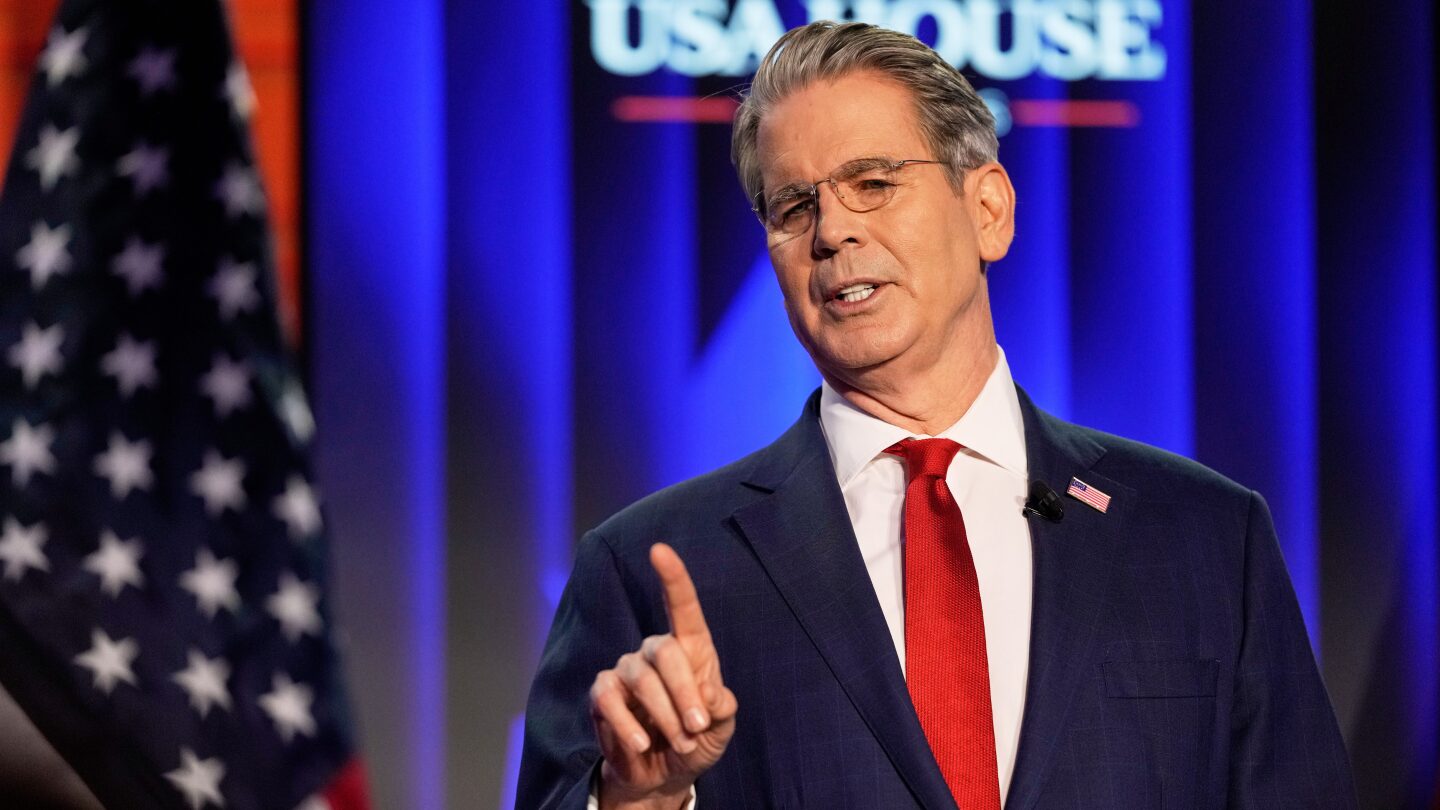
    DAVOS, Switzerland — U.S. Treasury Secretary Scott Bessent called for measured diplomacy on Tuesday amid escalating transatlantic tensions following the Trump administration’s controversial tariff threats targeting European nations. Speaking at the World Economic Forum annual meeting, Bessent characterized U.S.-European relations as exceptionally strong despite recent friction.

    The diplomatic strain emerged after President Trump announced a 10% import tax scheduled for February implementation on goods from eight European countries. These nations had expressed solidarity with Denmark following Trump’s renewed assertions that the United States should acquire Greenland, a semi-autonomous Danish territory. The American administration has justified its position citing national security concerns regarding potential Chinese and Russian influence in the Arctic region.

    European leaders have responded with outrage and intensified diplomatic consultations. The situation has prompted discussions of potential countermeasures, including retaliatory tariffs and the unprecedented deployment of the European Union’s Anti-Coercion Instrument. This mechanism, informally known as the ‘trade bazooka,’ enables the EU to sanction foreign entities attempting to exert undue pressure on member states.

    The EU currently possesses three primary economic instruments to address the situation: imposition of new tariffs on American goods, suspension of portions of the U.S.-EU trade agreement, and activation of the comprehensive Anti-Coercion Instrument that targets specific individuals or institutions engaged in coercive practices.

  • Spain begins 3 days of mourning for deadly train wreck while searchers look for more bodies

    Spain begins 3 days of mourning for deadly train wreck while searchers look for more bodies

    Spain has commenced three days of national mourning following a catastrophic train collision in the southern region of Andalusia that has claimed at least 40 lives. Emergency crews continue their painstaking search through the wreckage near Adamuz, where two passenger trains collided under circumstances authorities describe as “truly strange.

    The tragedy unfolded Sunday evening at 7:45 p.m. when the rear section of an Iryo-operated train carrying 289 passengers from Málaga to Madrid derailed on a straight section of track. The dislodged cars then slammed into an oncoming Renfe train traveling from Madrid to Huelva with nearly 200 passengers aboard. The impact was most severe for the Madrid-Huelva train, whose first two carriages were thrown down a 4-meter (13-foot) slope upon collision.

    Interior Minister Fernando Grande-Marlaska confirmed that three additional bodies have been located within the wreckage but remain unrecovered, suggesting the death toll may rise further. Regional president Juanma Moreno characterized the scene as “a twisted mass of metal,” noting that some victims were found hundreds of meters from the impact site.

    Transport Minister Óscar Puente revealed investigators have discovered a broken section of track but remain uncertain whether this damage caused or resulted from the derailment. Both trains were reportedly traveling well below the 250 kph (155 mph) speed limit, with Renfe president Álvaro Fernández stating that “human error could be ruled out.” The Iryo train involved was relatively new, manufactured in 2022 and having passed its latest safety inspection on January 15.

    The collision has profoundly shaken a nation that prides itself on operating Europe’s most extensive high-speed rail network. Prime Minister Pedro Sánchez visited the accident site Monday and declared official mourning, with flags lowered to half-staff on all public buildings and naval vessels. King Felipe and Queen Letizia are scheduled to visit the area Tuesday.

    Meanwhile, transportation disruptions continue throughout Andalusia, Spain’s most populous region, with train services between Madrid and Andalusian cities canceled indefinitely. Spanish airline Iberia has added extra flights to Sevilla and Málaga to accommodate stranded travelers, while bus companies have reinforced their services in affected areas. The Civil Guard is collecting DNA samples from families seeking to identify missing relatives among the deceased.

  • Marine Le Pen faces crucial Paris appeals trial over misuse of EU funds

    Marine Le Pen faces crucial Paris appeals trial over misuse of EU funds

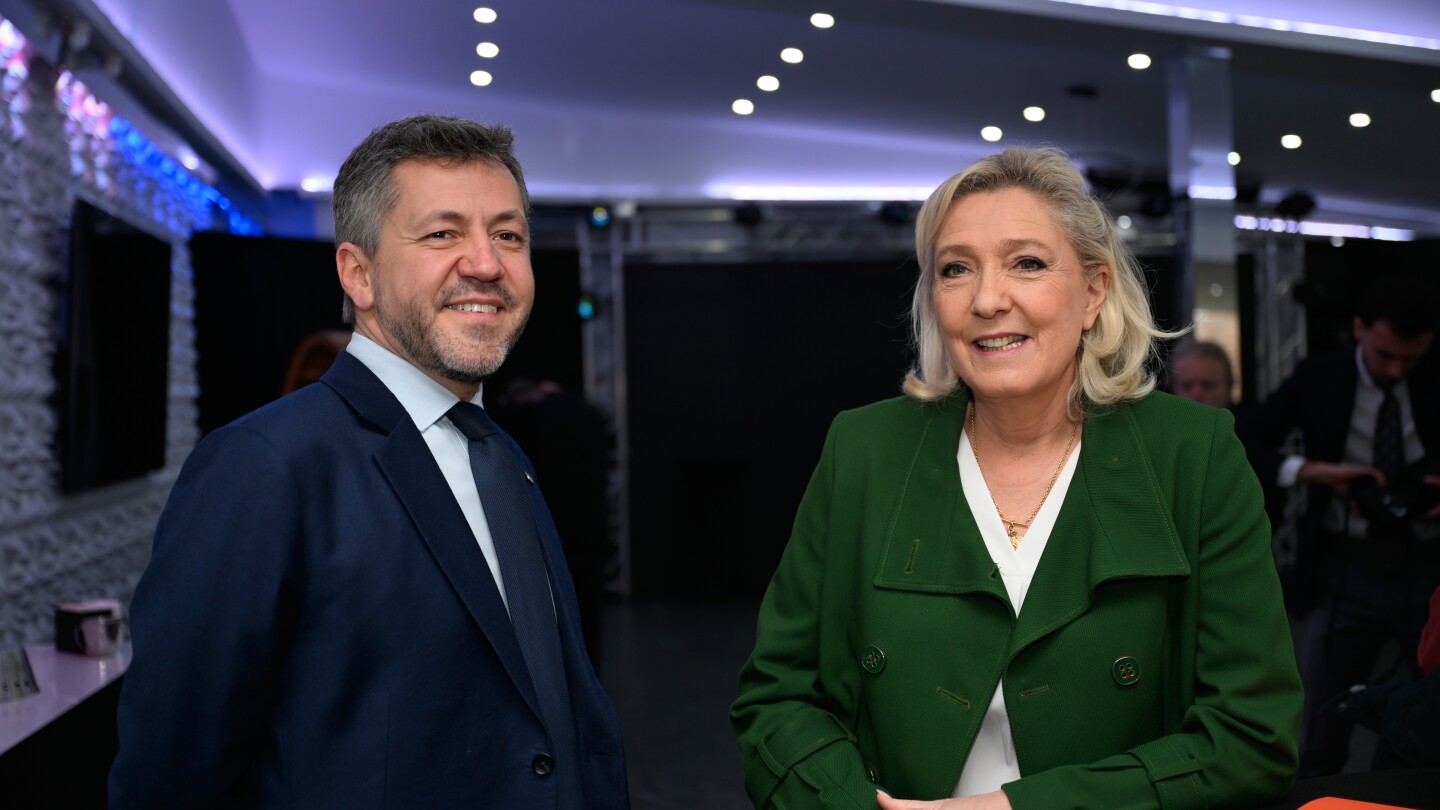
    PARIS — The political trajectory of France’s far-right movement faces a critical juncture as National Rally leader Marine Le Pen appears before an appeals court this week, challenging a conviction that could permanently alter the country’s political landscape. The two-day judicial proceeding, commencing Tuesday, represents Le Pen’s final opportunity to overturn a March ruling that found her guilty of systematically misappropriating European Parliament funds between 2004 and 2016.

    The initial verdict delivered severe penalties including a five-year prohibition from elected office, two years of electronic monitoring house arrest, and an additional two-year suspended sentence. This appeal process reexamines the complex financial case alleging that Le Pen and her party orchestrated a ‘fraudulent system’ to divert €2.9 million in EU parliamentary funds intended for legitimate aides to instead finance party operations.

    Court documents reveal that European funds were channeled to various party functionaries including Le Pen’s personal bodyguard, her executive assistant, a graphic designer, and even her sister Yann who organized party events while receiving EU compensation. The case originated from a 2015 alert raised by then-European Parliament President Martin Schulz regarding potential financial irregularities.

    Le Pen’s defense strategy has evolved throughout the proceedings. During the initial trial, she maintained that all aide assignments were legitimate and adapted to lawmakers’ diverse responsibilities. However, her current appeal suggests the party may have committed unintentional administrative errors rather than deliberate fraud, claiming European officials never provided adequate guidance regarding hiring regulations.

    The judicial outcome carries profound implications for France’s 2027 presidential election. Current polling indicates Le Pen would likely emerge as a frontrunner if eligible to run, building upon her second-place finishes against Emmanuel Macron in both 2017 and 2022. Having spent fifteen years rehabilitating the far-right’s image and distancing it from historical associations with racism and antisemitism, Le Pen has transformed the National Rally into France’s largest single parliamentary bloc following 2024 legislative elections.

    Should the appeal fail, leadership would likely transfer to Le Pen’s designated successor, 30-year-old protégé Jordan Bardella. While Bardella has gained significant popularity among younger voters, questions remain regarding his relative inexperience, scripted public performances, and perceived limitations on economic and international policy expertise.

    The appeals court must weigh multiple considerations including ‘the seriousness of the acts committed’ and ‘the harm caused to citizens’ trust in public life’ noted in the original verdict. A final decision is expected by summer, with possible outcomes ranging from complete exoneration to modified sentencing that might still permit political participation.

    Le Pen and party officials have increasingly characterized the judicial process as politically motivated, comparing it to what they describe as ‘witch hunt’ tactics allegedly employed against former U.S. President Donald Trump. However, French judicial authorities maintain their complete independence, with magistrates enjoying protected status against political interference.

  • Deadly wreck is the first blight on Spain’s leading high-speed rail service

    Deadly wreck is the first blight on Spain’s leading high-speed rail service

    BARCELONA, Spain — A devastating train collision in southern Spain has abruptly ended the nation’s celebrated era of rail safety, casting a shadow over what had been considered a crown jewel of Spanish infrastructure. The Sunday night tragedy claimed at least 40 lives and left dozens injured, marking the first fatal accident in the history of Spain’s high-speed rail network.

    This catastrophe strikes at the heart of Spain’s modern identity. For 34 years, since the inauguration of its first Alta Velocidad Española (AVE) train—meaning ‘bird’ in Spanish—the nation has poured substantial tax revenues and European Union development funds into constructing Europe’s most extensive high-speed network. This ambitious project enabled Spain to not only catch up with but surpass pioneering nations like Japan and France in high-speed rail technology.

    The development of AVE coincided with Spain’s post-Franco renaissance, symbolizing the country’s emergence from economic stagnation and cultural isolation. The system’s expansion has been remarkable: Spain now operates 3,900 kilometers (2,400 miles) of dedicated high-speed tracks, second only to China globally according to the International Union of Railways.

    This infrastructure transformation revolutionized domestic travel. The Madrid-Barcelona route exemplifies this progress, with journey times slashed from approximately seven hours to just 2.5 hours since the 2008 high-speed line opening. Plans announced in November aim to further reduce this to under two hours by increasing speeds to 350 kph (218 mph), matching China’s fastest trains.

    Beyond convenience, the network has served as a national unifier, connecting coastal population centers separated by sparsely populated regions. However, critics note that the relentless expansion to provincial capitals may have come at the expense of maintaining local commuter lines, which suffer significantly more delays.

    The investigation into Sunday’s collision between an Iryo train and a Renfe-operated train remains ongoing. Officials have confirmed both trains were traveling below speed limits, with initial reports ruling out human error. The accident marks a sobering moment for Spain’s recently liberalized rail market, which only opened to private operators in 2022. Iryo (Italian-owned) and Ouigo (French-owned) now compete with state-run Renfe, representing the three current high-speed operators in Spain.

  • In pictures: Valentino’s life and work – and the stars who shared his journey

    In pictures: Valentino’s life and work – and the stars who shared his journey

    The fashion world continues to reflect on the monumental legacy of Valentino Garavani, the Italian couturier who passed away recently, leaving behind an indelible mark on haute couture. Founding his eponymous fashion house in 1960, Valentino’s designs became synonymous with elegance and glamour, gracing international red carpets and award ceremonies for over six decades.

    This retrospective showcases the designer’s profound influence through his relationships with iconic figures. The late Diana, Princess of Wales, exemplified Valentino’s regal aesthetic in a sophisticated velvet and lace creation in 1992. Throughout the 1990s supermodel era, Valentino frequently collaborated with fashion luminaries including Naomi Campbell, Claudia Schiffer, Linda Evangelista, and Helena Christensen, defining the decade’s glamour standards.

    The designer’s Hollywood connections produced memorable red carpet moments, with Sharon Stone, Halle Berry, and Cate Blanchett wearing Valentino creations to major events including the Golden Globes and Academy Awards. Berry’s bronze gown at the 2002 Golden Globes and Blanchett’s silk-taffeta dress at the 2005 Oscars demonstrated Valentino’s mastery of both color and structure.

    Valentino maintained particularly close personal relationships with several stars, referring to Anne Hathaway as “like my daughter” and considering Gwyneth Paltrow a cherished friend. Following his passing, Paltrow expressed being “so lucky to know and love Valentino,” while Jennifer Lopez frequently selected his designs for her most prominent public appearances.

    Even after his 2008 retirement, the Valentino brand continues to captivate the fashion world under creative director Pierpaolo Piccioli. Recent appearances by Pedro Pascal at the 2023 Met Gala demonstrate the label’s ongoing relevance and ability to capture public attention, proving that Valentino’s vision continues to inspire contemporary fashion.

  • Family of Belfast man seek answers over Dublin death

    Family of Belfast man seek answers over Dublin death

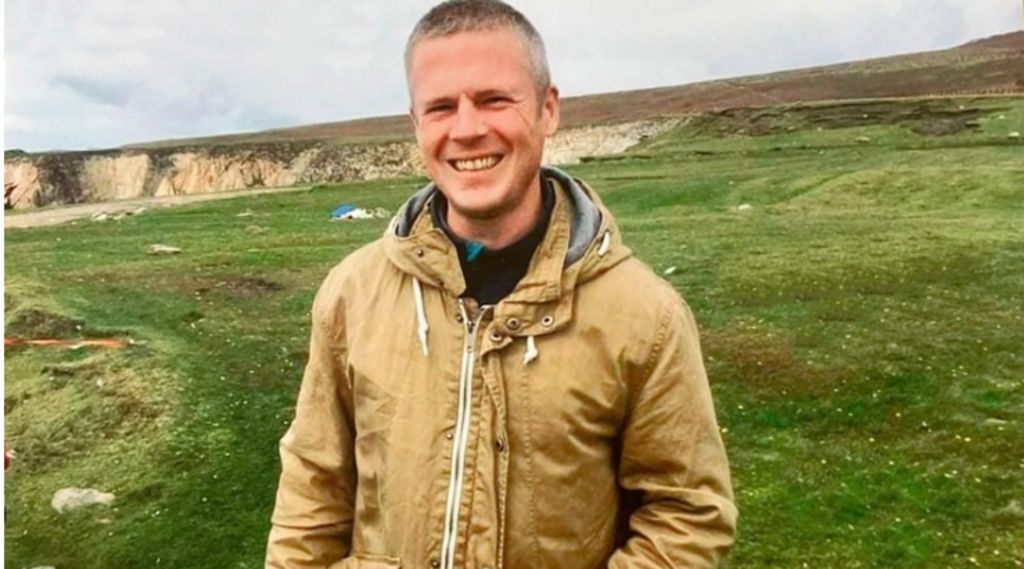
    A Northern Irish family is seeking accountability after their loved one’s identified body remained unclaimed in a Dublin morgue for over a year despite carrying multiple forms of identification. James O’Neill, a 43-year-old father of two from Belfast, was discovered deceased in Phoenix Park, Dublin, in November 2023. Yet, it wasn’t until December 2024—more than 13 months later—that his family was officially notified of his death.

    The O’Neill family met with investigators from Fiosrú, the Republic of Ireland’s police ombudsman office, as they launched a formal investigation into the Gardaí’s handling of the case. Paul O’Neill, the deceased’s father, expressed profound frustration that despite his son carrying “nine separate identification items” at the time of discovery, authorities failed to identify him promptly or make any public appeal for information.

    “The last couple of years have been devastating, bewildering, confusing,” stated Mr. O’Neill. “Sleepless nights, questions unanswered, and again the constant question: Why could this have been allowed to happen?”

    Family solicitor Pádraig Ó Muirigh described the case as “very tragic but also very preventable,” citing “serious shortcomings” in the police investigation. The family has enlisted former Northern Ireland state pathologist Jack Crane to conduct an independent review of the case. An inquest scheduled for last week was adjourned pending further investigation.

    Both the Gardaí and Fiosrú have declined to comment citing the ongoing investigation. The O’Neill family emphasizes that their pursuit of answers aims to prevent similar institutional failures from affecting other families in the future.