标签: Europe

欧洲

  • Danish veterans of US wars feel betrayed by Trump’s threats against Greenland

    Danish veterans of US wars feel betrayed by Trump’s threats against Greenland

    COPENHAGEN, Denmark — The profound bond forged between American and Danish soldiers on the battlefields of Afghanistan now stands in stark contrast to the diplomatic crisis unfolding over U.S. threats to acquire Greenland. Danish veterans who fought alongside U.S. troops express deep feelings of betrayal as the Trump administration escalates its campaign to seize the strategic Arctic territory.

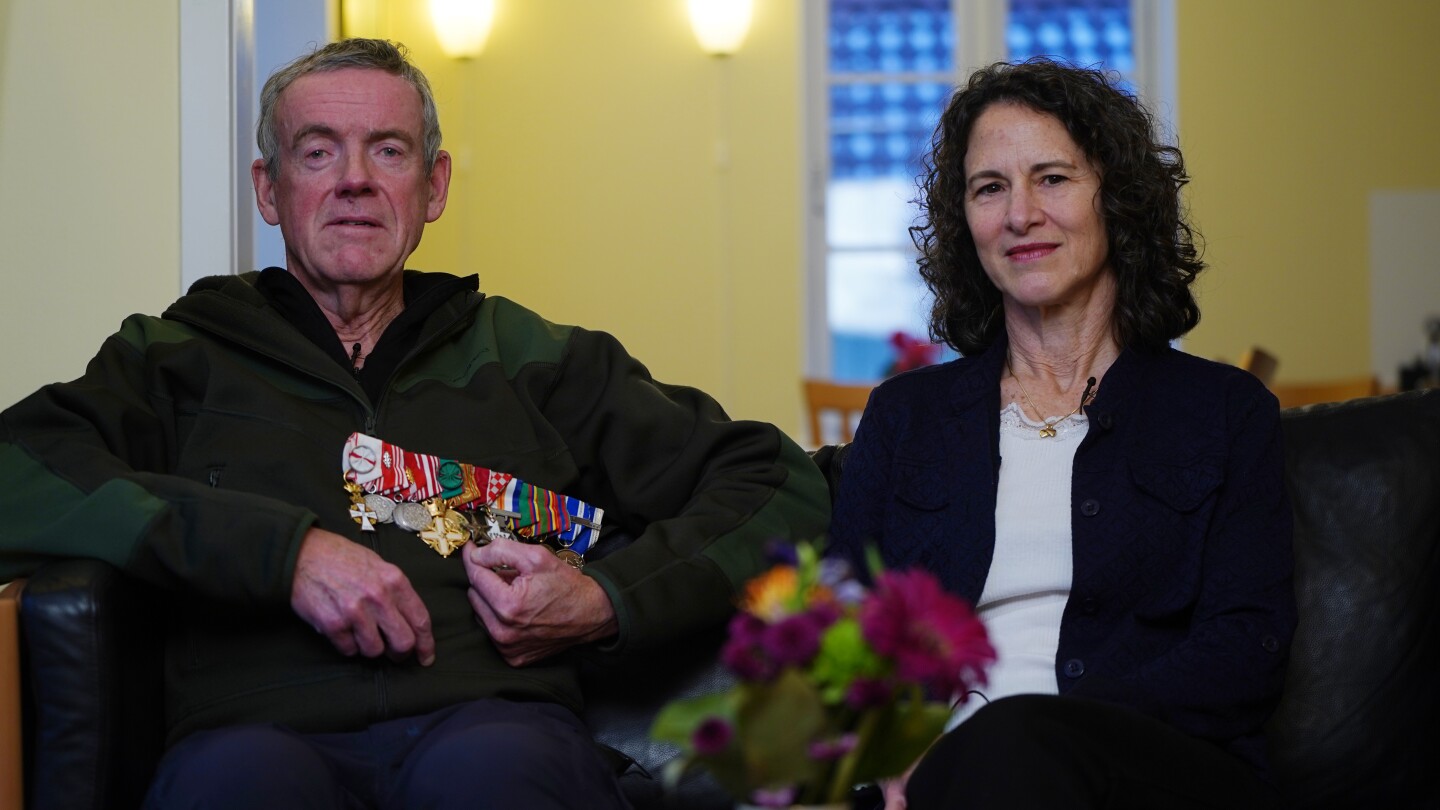
    Martin Tamm Andersen, a 46-year-old former platoon commander, vividly recalls the moment in 2010 when his armored vehicle struck an improvised explosive device in Helmand Province. Amid the chaos and dust, American Marines immediately halted their firefight with Taliban forces to secure the area and evacuate the wounded Danish soldiers. “When America needed us after 9/11 we were there,” Andersen stated in an interview at the Danish War Museum, where his destroyed vehicle is now displayed.

    The current diplomatic tension stems from President Trump’s repeated assertions that the United States must take control of mineral-rich Greenland, even suggesting military force as a viable option. This stance has generated widespread shock across Europe, particularly among Danish military personnel who sacrificed greatly in joint operations with American forces.

    Denmark, a NATO member since 1949, suffered the highest per capita casualties among coalition forces in Afghanistan, with 44 soldiers killed. An additional eight died during operations in Iraq. Søren Knudsen, a 65-year-old veteran who served two tours in Afghanistan, described the situation as “surreal” and “like a bad joke.” The deputy president of the Danish Veterans Association has personally packed away his U.S. Bronze Star medal and American flag—gifts from his service alongside U.S. troops—until the alliance is restored.

    Both veterans emphasized that Denmark remains committed to regional security through existing agreements, including the 1951 defense pact that already grants the U.S. military access to Greenland’s Pituffik Space Base. They assert that their wartime experiences created unbreakable bonds with American comrades, whom they believe do not share the administration’s confrontational approach toward Denmark.

    The potential seizure of Greenland would represent, in Knudsen’s words, “the final moments of the NATO alliance” and the end of his “admiration and love of what has been the American experiment for 250 years.”
  • Barcelona commuter rail crash disrupts service days after deadly Spanish train collision

    Barcelona commuter rail crash disrupts service days after deadly Spanish train collision

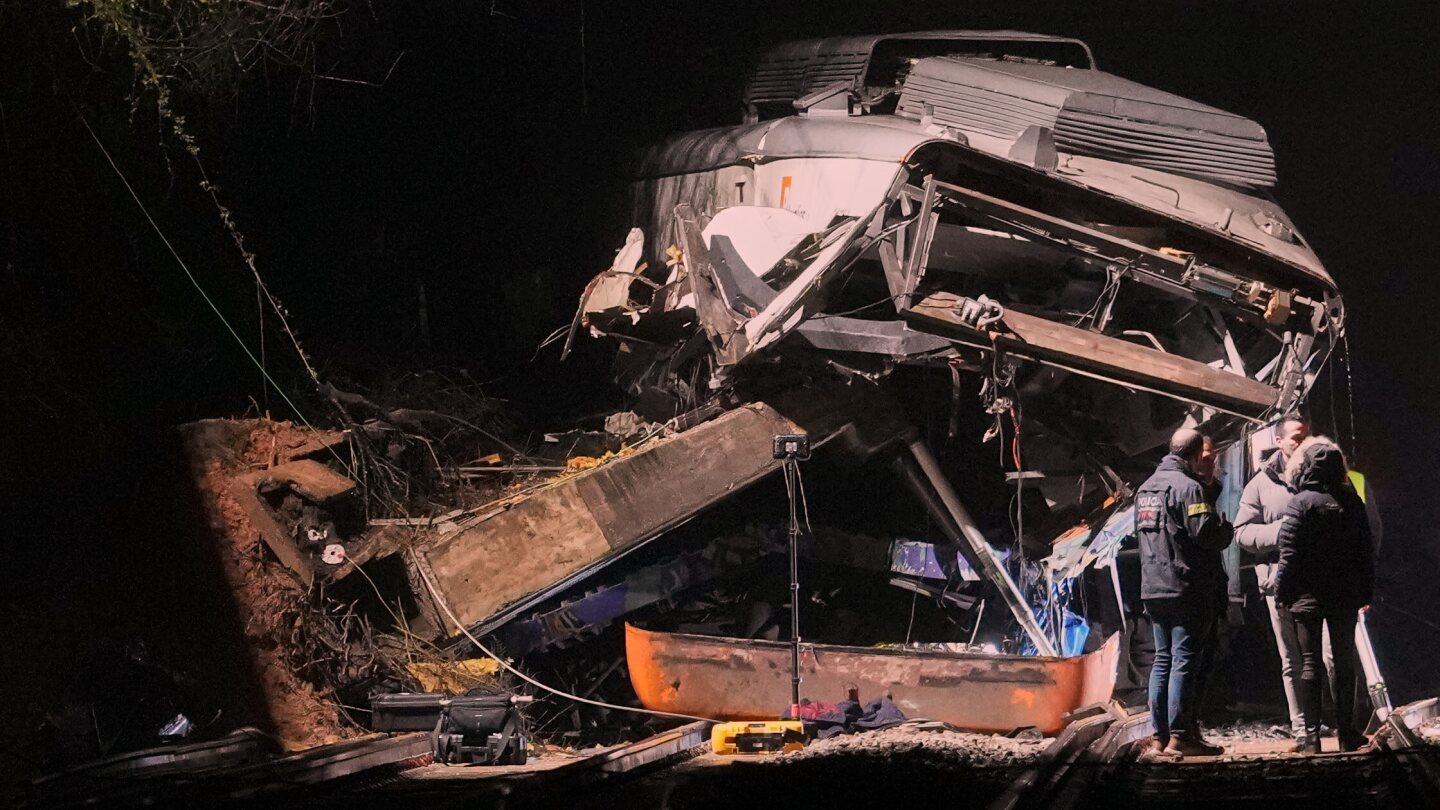
    Spain’s transportation infrastructure faces unprecedented scrutiny following two separate rail incidents that have resulted in significant casualties and nationwide disruption. In the latest development, Catalonia’s commuter rail services experienced a complete suspension on Wednesday after a Barcelona-area train collided with a collapsed retaining wall on Tuesday evening.

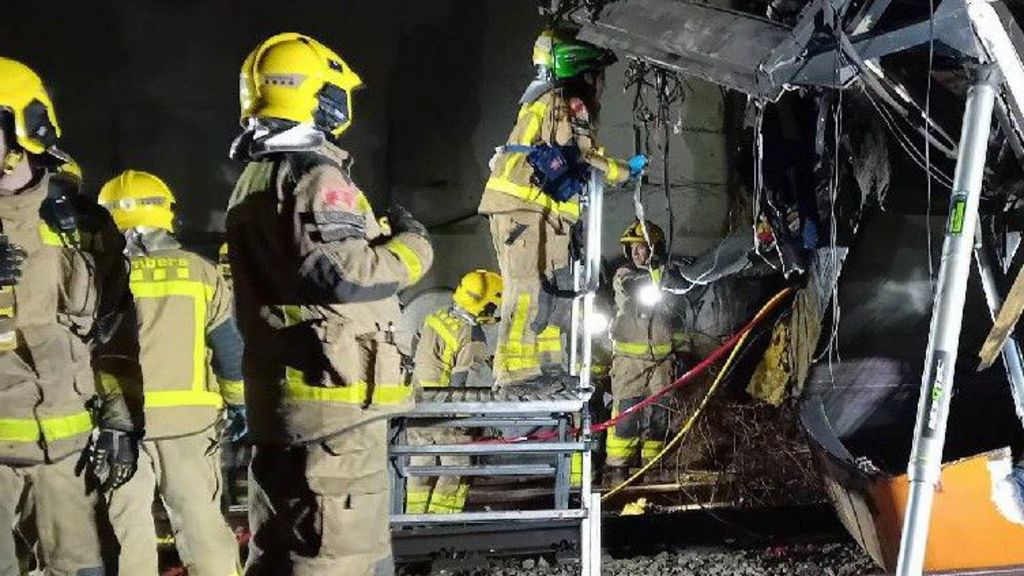
    The northeastern incident near Gelida, approximately 37 kilometers from Barcelona, resulted in one confirmed fatality and 37 injuries according to emergency services. Five victims sustained serious injuries while six others received treatment for less severe conditions. Regional firefighters confirmed that the majority of casualties occurred in the train’s foremost carriage, with all passengers successfully evacuated from the wreckage.

    This tragedy occurs simultaneously with ongoing recovery operations from Sunday’s devastating high-speed rail accident in southern Spain, approximately 800 kilometers from the Barcelona incident. That collision has claimed at least 42 lives, with emergency crews continuing search operations for potential additional victims. The Spanish government has declared three days of national mourning in response to the dual tragedies.

    Prime Minister Pedro Sánchez addressed the recent accident via social media, expressing “all my affection and solidarity with the victims and their families” in the wake of the Barcelona-area crash.

    Initial investigations by Spain’s railway operator ADIF suggest that heavy rainfall across northeastern Spain likely caused the structural failure of the containment wall that ultimately fell onto the tracks. While Spain’s high-speed rail network has historically maintained an excellent safety record, these incidents have raised questions about the reliability of commuter rail infrastructure and the impact of extreme weather events on transportation systems.

  • Trump is on his way to Davos, where his quest to own Greenland could overshadow his other goals

    Trump is on his way to Davos, where his quest to own Greenland could overshadow his other goals

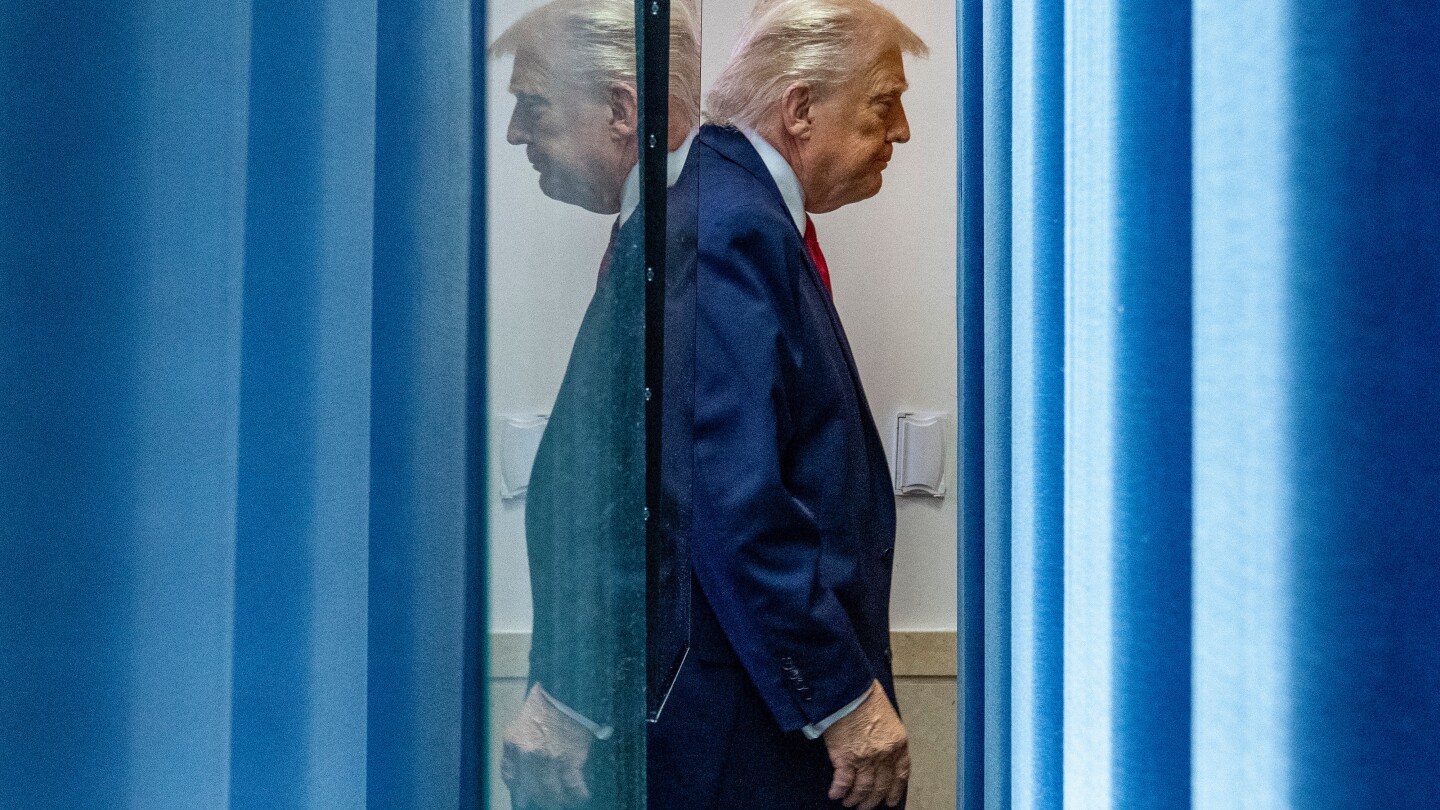
    President Donald Trump’s arrival at the World Economic Forum in Davos, Switzerland, has been overshadowed by escalating tensions with European allies over his unprecedented territorial ambitions. The American leader’s push to acquire Greenland from Denmark through coercive tariff threats has fundamentally altered the diplomatic atmosphere at this gathering of global elites.

    Trump departed for the Swiss Alps just hours after imposing a 10% tariff on Denmark and seven other NATO allies, with plans to escalate these punitive measures to 25% by June unless negotiations regarding Greenland’s transfer commence. This aggressive economic stance directly contradicts the administration’s stated objective of addressing domestic affordability concerns during the forum.

    European leaders responded with remarkable unity against what they perceive as economic blackmail. French President Emmanuel Macron, without directly naming Trump, denounced the acceptance of “the law of the strongest” in international relations. European Commission President Ursula von der Leyen delivered a more pointed warning, emphasizing that the EU’s response would be “unflinching, united and proportional” should the tariffs proceed.

    The controversy has already reverberated through financial markets, with Wall Street experiencing significant declines as investors weighed the potential collapse of the US-EU trade framework established just months earlier. The S&P 500 recorded its largest single-day drop since October, falling 2.1% amid the uncertainty.

    Complicating matters further, Trump’s travel to Davos encountered operational difficulties when Air Force One experienced electrical problems shortly after departure, forcing the aircraft to return and delaying the president’s arrival in Switzerland.

    The administration’s planned focus on housing affordability and economic issues appears increasingly disconnected from both the forum’s elite setting and the brewing diplomatic crisis. Economic analysts warn that undermining investor confidence through trade wars could ultimately increase interest rates, contradicting Trump’s stated goal of making homeownership more accessible.

    Additionally, Trump plans to promote his controversial “Board of Peace” initiative during the forum, though the proposal has garnered limited international support, with several key European allies declining participation in the alternative to United Nations diplomacy.

  • Why is Emmanuel Macron wearing sunglasses indoors at Davos?

    Why is Emmanuel Macron wearing sunglasses indoors at Davos?

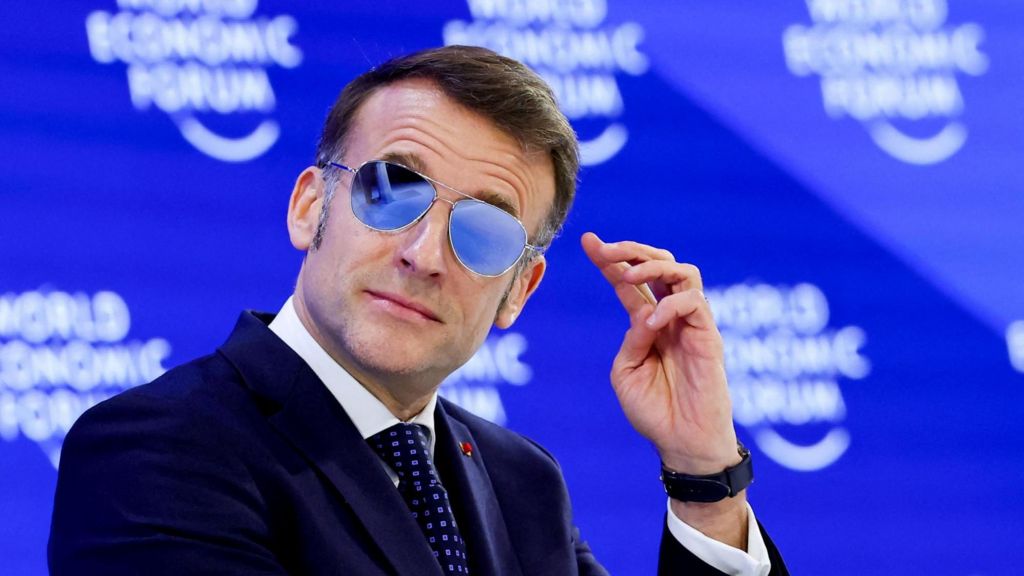
    French President Emmanuel Macron’s distinctive blue reflective aviator sunglasses during his World Economic Forum address in Davos generated significant attention, overshadowing his diplomatic critique of former US President Donald Trump’s trade policies. The unusual indoor eyewear choice, coupled with his recent public appearance with a visibly red eye, prompted speculation about an underlying medical condition.

    Medical experts and French media reports suggest President Macron likely experienced a subconjunctival hemorrhage—a ruptured blood vessel in the eye characterized by its harmless, painless nature and spontaneous resolution within approximately two weeks. The condition typically results from minor trauma, vigorous coughing or sneezing, or may indicate underlying health factors such as hypertension or diabetes.

    During a recent military engagement in southern France, Macron acknowledged the visible condition with humor, referring to it as “l’oeil du tigre” (the eye of the tiger)—a cultural reference to the theme song from Rocky III—while assuring officials the condition was “totally benign” and “completely insignificant.”

    Medical commentator Dr. Jimmy Mohamed explained to RTL broadcasting that Macron’s sunglasses choice served primarily aesthetic purposes: “As a public figure, he opted for this style to manage public perception. The glasses protect his image rather than his vision, preventing continuous photography of the affected eye.”

    The fashion statement ignited social media reactions ranging from comparisons to Tom Cruise’s Top Gun persona to criticisms of showmanship, with some French commentators using the slang term “kéké” (show-off). Meanwhile, Macron’s substantive address warned against rising authoritarian tendencies and violations of international law, specifically referencing Trump’s threatened tariffs against eight European nations opposing his Greenland acquisition proposal and 200% duties on French wine imports following France’s refusal to join his Gaza peace initiative.

  • Global markets on alert as Europe to suspend approval of US trade deal

    Global markets on alert as Europe to suspend approval of US trade deal

    The European Parliament is poised to formally suspend ratification of a major US-EU trade agreement originally negotiated in July, marking a significant deterioration in transatlantic relations. This decision, scheduled for announcement in Strasbourg on Wednesday, comes in direct response to President Donald Trump’s renewed efforts to acquire Greenland and his accompanying threats of punitive tariffs.

    The escalating tensions have triggered substantial financial market volatility across continents. European markets registered a second consecutive day of declines, while US indices experienced sharp drops—the Dow Jones fell 1.7%, the S&P 500 declined over 2%, and the Nasdaq closed approximately 2.4% lower. Asian markets showed mixed performance, though safe-haven assets surged with gold exceeding $4,800 per ounce for the first time.

    Key European legislators have condemned Washington’s approach. Manfred Weber, an influential German MEP, stated approval was ‘not possible at this stage,’ while Trade Committee Chair Bernd Lange declared there was ‘no alternative’ to suspension given threats against EU territorial integrity. Lange emphasized that using tariffs as coercive instruments undermines the stability of EU-US trade relations.

    The suspended agreement, initially hailed as a breakthrough, would have reduced US levies on most European goods to 15% from previously threatened 30% rates. In return, Europe committed to investment pledges and regulatory changes benefiting US exports. However, the pact requires parliamentary approval to take effect.

    With a temporary truce on EU retaliatory measures set to expire February 6th, the bloc must now decide whether to implement previously prepared tariffs targeting $109 billion in American goods. French President Emmanuel Macron has advocated considering retaliatory options, including the EU’s ‘trade bazooka’ anti-coercion instrument, calling Washington’s tariff accumulation ‘fundamentally unacceptable.’

    US officials delivered contrasting messages at Davos. Treasury Secretary Scott Bessent urged European leaders to refrain from retaliation and ‘have an open mind,’ while Trade Representative Jamieson Greer warned that the US would respond to any retaliatory measures. The dispute occurs within a broader context of technological and metals tariff disagreements that have strained the world’s largest trade partnership, which exchanged over €1.6 trillion in goods and services in 2024.

    As middle powers like Canada advocate for coordinated responses to great power rivalry, the legal foundation of Trump’s tariff regime remains uncertain pending a Supreme Court decision on their constitutionality.

  • Trump puts next steps on Gaza ceasefire plan at risk by antagonizing Europe over Greenland

    Trump puts next steps on Gaza ceasefire plan at risk by antagonizing Europe over Greenland

    WASHINGTON — President Donald Trump’s ambitious plan to establish a ‘Board of Peace’ for resolving the Israel-Hamas conflict initially gained momentum with UN Security Council endorsement, positioning him as a self-proclaimed ‘president of peace’ entering 2026. However, the initiative now faces significant challenges following controversial military and diplomatic actions during January’s opening weeks.

    The administration’s simultaneous moves to threaten force against NATO ally Denmark over Greenland sovereignty and order the capture of Venezuelan President Nicolás Maduro have created diplomatic fractures. These actions have particularly alarmed European partners, with fewer than 10 of over 60 invitations to join the Board of Peace being accepted—mostly by leaders considered anti-democratic authoritarians.

    Key European nations including Britain, France and Germany have expressed reservations or declined participation entirely. French Foreign Minister Jean-Noel Barrot explicitly rejected the proposed organization, stating France would not support any body designed to replace the United Nations. The inclusion of invitations to Russian President Vladimir Putin, Chinese President Xi Jinping and Belarusian President Alexander Lukashenko has further heightened concerns among Western allies.

    The situation escalated when Trump threatened tariffs against European allies supporting Denmark, followed by provocative social media posts about seizing Greenland. In one notable exchange, Trump accused Norway’s government of blocking the Nobel committee from awarding him the Peace Prize, signaling a shift away from diplomatic priorities.

    According to defense expert Matthew Schmidt of the University of New Haven, these apparently separate issues are fundamentally interconnected in their impact on U.S. foreign policy credibility. The administration is now reportedly considering a scaled-back launch at Davos to avoid diplomatic embarrassment, potentially signing the charter while delaying membership announcements until later in January.

    The compounding controversies have created unprecedented challenges for NATO cohesion and threatened to undermine both the Gaza ceasefire process and potential negotiations regarding Ukraine, demonstrating how unilateral actions can jeopardize multilateral peace initiatives.

  • Driver killed and several injured after train derails near Barcelona, local media report

    Driver killed and several injured after train derails near Barcelona, local media report

    Emergency responders in Catalonia are dealing with the aftermath of a fatal train derailment that occurred during severe weather conditions on Tuesday evening. A Rodalies commuter train veered off the tracks and collided with a collapsed retaining wall between the towns of Gelida and Sant Sadurní, approximately 35 kilometers west of Barcelona.

    The incident resulted in the tragic death of the train driver and left at least 14 passengers injured. Emergency medical services deployed eleven ambulances to the scene, where they conducted triage and assessed the severity of injuries. Those requiring hospitalization were evacuated to multiple medical facilities including Moisès Broggi, Bellvitge, and Vila Franca hospitals.

    Catalonia’s fire service mobilized 35 specialized crews to the accident site, where they successfully rescued one passenger who had been trapped inside the wreckage. Following extensive search operations, authorities confirmed that no remaining passengers were trapped inside the derailed cars, though crews continued area sweeps to ensure no additional victims were present.

    The derailment occurred as northeastern Spain experienced intense storm activity that has placed many coastal regions on high alert. The severe weather system has generated multiple-meter-high waves along the Menorcan coastline and produced snowstorms in the Pyrenees mountain region.

    This tragic incident follows another major rail accident that occurred just two days prior in Adamuz, Andalusia, where a collision between high-speed trains resulted in one of Spain’s worst rail disasters in over a decade.

  • Aurora lights up Alaska skies with stunning green and red display

    Aurora lights up Alaska skies with stunning green and red display

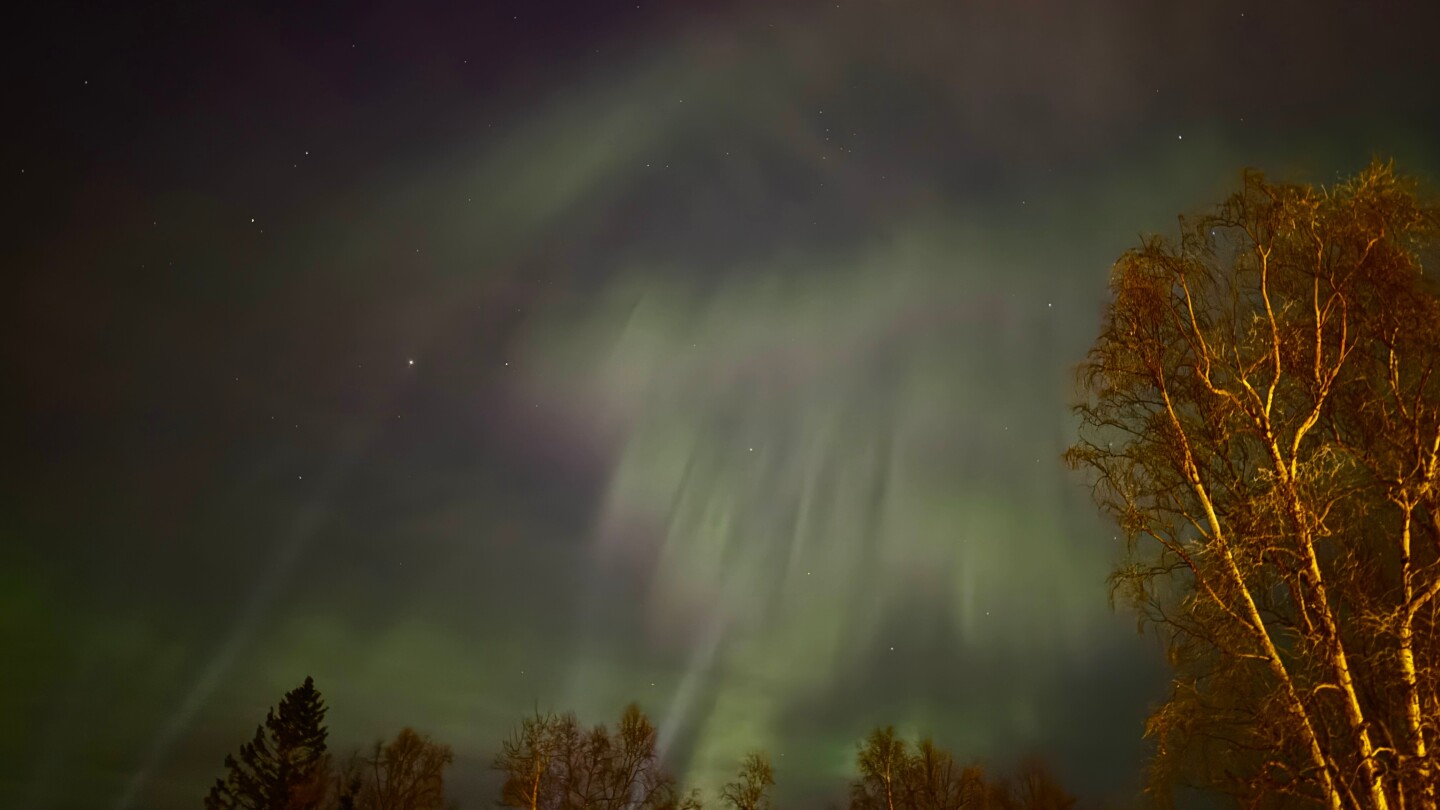
    A dramatic celestial phenomenon illuminated skies across multiple continents this week as an intense geomagnetic storm triggered spectacular auroral displays. Early morning observers in Anchorage, Alaska, were treated to a breathtaking natural light show featuring vibrant bands of emerald green and crimson red dancing across the night sky.

    The astronomical event extended far beyond Alaska’s boundaries, with the aurora borealis visible from unprecedented locations including the urban skyline of San Francisco, the Great Lakes region near Chicago, throughout Canada, and across numerous European nations. Social media platforms became digital galleries as enthusiasts shared captivating photographs of the shimmering atmospheric phenomenon.

    According to experts at the National Oceanic and Atmospheric Administration’s Space Weather Prediction Center, these intense visual displays resulted from a significant disturbance in Earth’s magnetic field coupled with powerful solar radiation storms. This event continues a pattern of heightened solar activity that previously produced remarkable auroral sightings in November, when the phenomenon reached as far south as Texas in the United States and created dazzling displays across European nations including Hungary and the United Kingdom.

    The widespread visibility of this typically polar phenomenon demonstrates the exceptional strength of current solar cycles, providing rare opportunities for populations at lower latitudes to witness one of nature’s most magnificent atmospheric performances.

  • Shock and confusion as Spain struggles for answers after deadly train crash

    Shock and confusion as Spain struggles for answers after deadly train crash

    Spain confronts its most severe railway catastrophe in over a decade following a devastating collision between two high-speed trains near Adamuz in southern Andalusia. The incident, occurring on a straight segment of track this past Sunday, resulted in a confirmed death toll of 42 individuals, sending shockwaves across the nation and prompting urgent safety reassessments of Europe’s admired rail infrastructure.

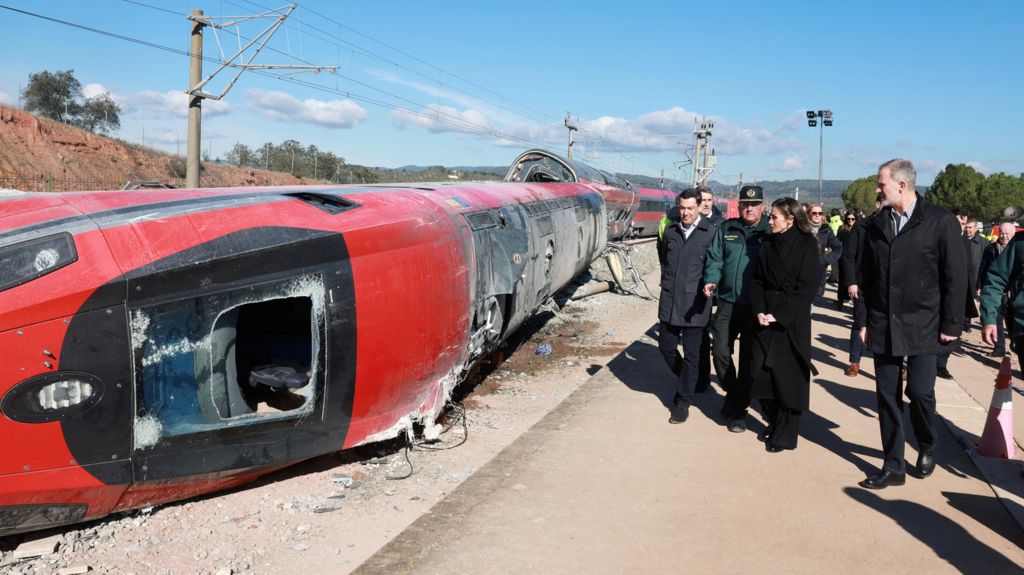
    King Felipe VI and Queen Letizia personally visited the grim crash site on Tuesday, underscoring the tragedy’s profound national impact. As recovery teams extracted the final victims from the tangled wreckage, the nation observed three official days of mourning declared by Prime Minister Pedro Sánchez, who pledged absolute transparency in the investigation.

    The CIAF rail investigatory commission has launched a comprehensive probe into the derailment of an Italian-manufactured Iryo train traveling from Málaga, which subsequently collided with an oncoming service. Government officials have characterized the accident as ‘extremely strange,’ with early indications ruling out both excessive speed and sabotage as probable causes according to Interior Minister Fernando Grande-Marlaska.

    Investigative attention has focused on multiple potential factors, including the structural integrity of the specific train involved—particularly carriage number six, which initiated the derailment—and the condition of the tracks themselves. The discovery of broken track sections at the accident site has fueled speculation, though authorities caution this damage may have resulted from the collision’s impact rather than causing it.

    Emerging evidence suggests underlying infrastructure concerns may have preceded the tragedy. Rail infrastructure administrator Adif had documented eight technical issues on social media within the past year along the vicinity of the accident route, predominantly related to signaling systems. Furthermore, the train drivers’ union Semaf had issued explicit warnings in August 2025 regarding deteriorating conditions on certain AVE lines that were creating ‘a lack of comfort and reliability,’ advocating for reduced speed limits to ensure passenger and worker safety.

    Social media users have subsequently surfaced historical posts documenting concerning vibrations and uncomfortable movements during AVE journeys, with one December video showing intense cabin shaking that prompted fears for personal safety.

    In response to growing concerns, Adif has preemptively implemented reduced speed limits of 160km/h along a 150-kilometer stretch between Madrid and Barcelona—approximately half the previous maximum—as a precautionary measure. The government simultaneously emphasizes its substantial investment in network modernization, noting the accident site had recently undergone a €49 million renovation as part of a broader €700 million upgrade program for the Madrid-Andalusia corridor.

    The investigation’s findings carry significant implications for the future operational standards and public confidence in Spain’s high-speed rail system, once hailed as a symbol of national modernization and technological prowess upon its 1992 inauguration with EU support.

  • EU plans phase out of high risk telecom suppliers, in proposals seen as targeting China

    EU plans phase out of high risk telecom suppliers, in proposals seen as targeting China

    The European Union has unveiled stringent cybersecurity legislation requiring the systematic removal of telecommunications equipment from suppliers deemed ‘high-risk’ within critical infrastructure networks. This decisive move, announced by the European Commission on Tuesday, specifically targets technology originating from certain non-EU countries without explicitly naming China or its leading tech corporations.

    The proposed regulations mandate that EU member states eliminate such equipment from high-speed telecom networks within a three-year timeframe. While previous cybersecurity guidelines for 5G networks remained voluntary, resulting in inconsistent implementation across the bloc, these new measures establish legally binding requirements for all 27 member nations.

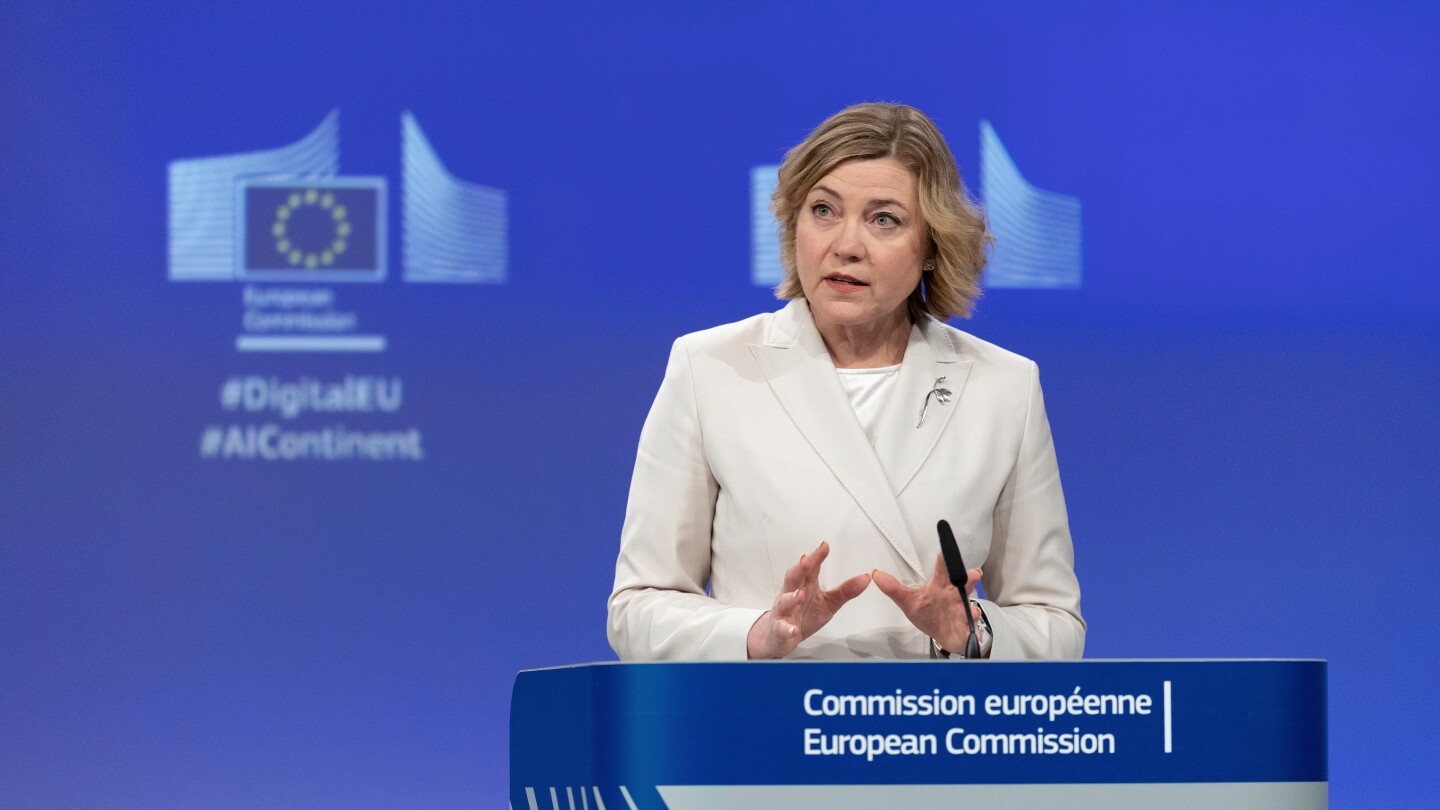
    European Commission Vice President Henna Virkkunen emphasized the proposal’s objective to ‘protect EU citizens and businesses by securing the ICT supply chains that support critical sectors of our economy and society.’ The legislation extends beyond telecommunications to encompass security scanners at border checkpoints, water supply systems, and medical devices.

    The development follows the EU’s 2023 assessment that justified restrictions against Chinese technology giants Huawei and ZTE based on security concerns. Huawei responded to the proposal by asserting its status as a ‘legally operating company in Europe’ and reserving the right to protect its legitimate interests. The company criticized the approach as violating fundamental EU legal principles of fairness and non-discrimination, as well as World Trade Organization obligations.

    The legislation now requires approval from the European Parliament in Strasbourg, marking a significant shift in the EU’s strategy to safeguard its digital infrastructure against perceived geopolitical risks and technological dependencies.