标签: Europe

欧洲

  • In their words: Trump’s threats over Greenland draw warnings and profanities at global forum

    In their words: Trump’s threats over Greenland draw warnings and profanities at global forum

    DAVOS, Switzerland — The World Economic Forum became an arena of diplomatic confrontation on Tuesday as international leaders delivered stark warnings against U.S. President Donald Trump’s pursuit of Greenland and escalating trade measures. The annual gathering of global elites witnessed unusually blunt language and grave concerns about the erosion of international norms.

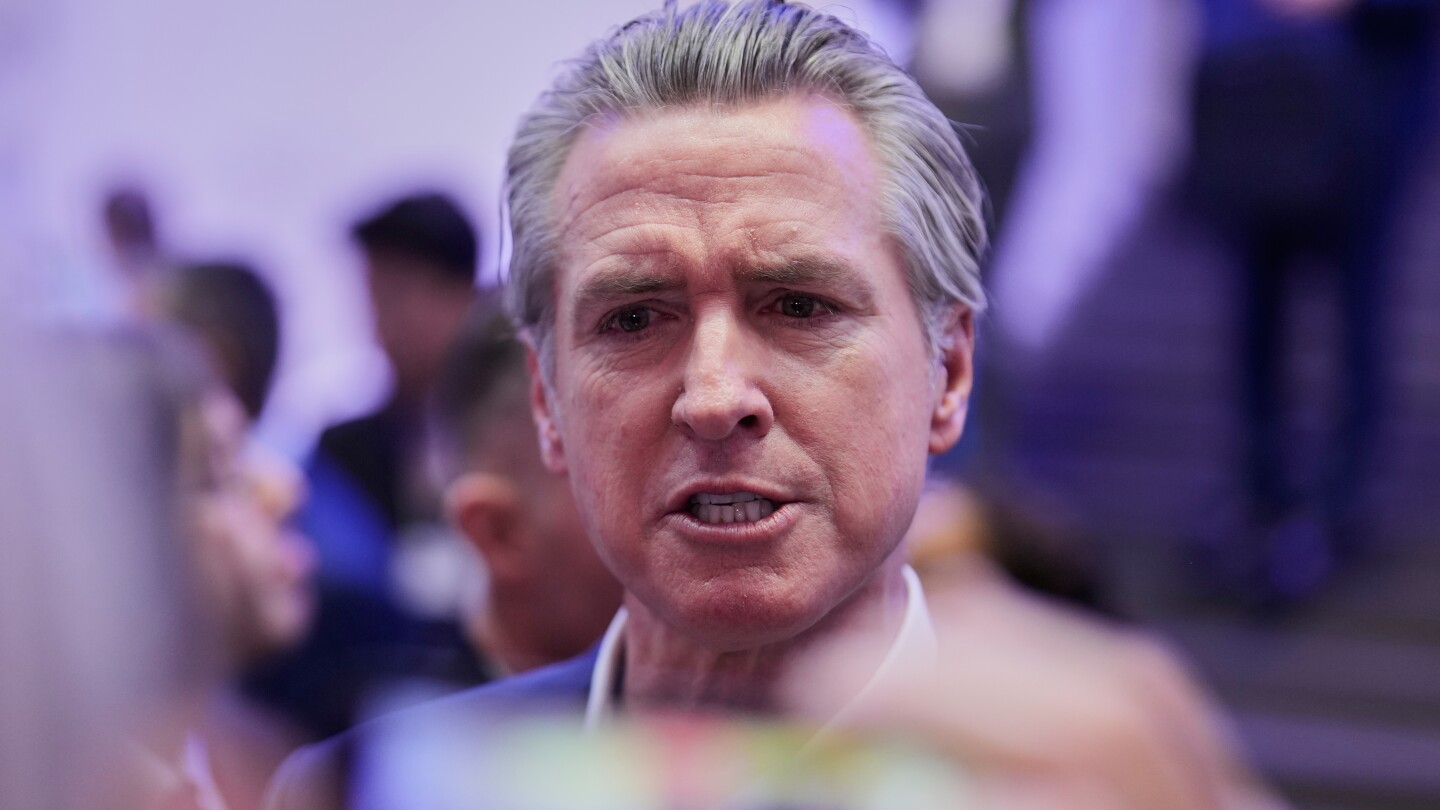
    California Governor Gavin Newsom, a prominent Democratic figure, unleashed a profanity-laden critique of global leadership, accusing world diplomats of excessive compliance with Trump’s policies. “I can’t take this complicity. People rolling over,” Newsom declared. “I hope people understand how pathetic they look on the world stage. At least from an American perspective, it’s embarrassing.” The governor employed visceral metaphors, comparing diplomacy with Trump to interacting with a Tyrannosaurus Rex: “You mate with him or he devours you.”

    European Commission President Ursula von der Leyen addressed the trade tensions with measured diplomacy but firm resolution. She characterized the proposed additional tariffs as “a mistake, especially between long-standing allies” and emphasized that “in politics, as in business, a deal is a deal.” Von der Leyen warned against a diplomatic “downward spiral” that would ultimately benefit adversaries of Western nations, while signaling Europe’s readiness to pursue greater independence in response to persistent international pressure.

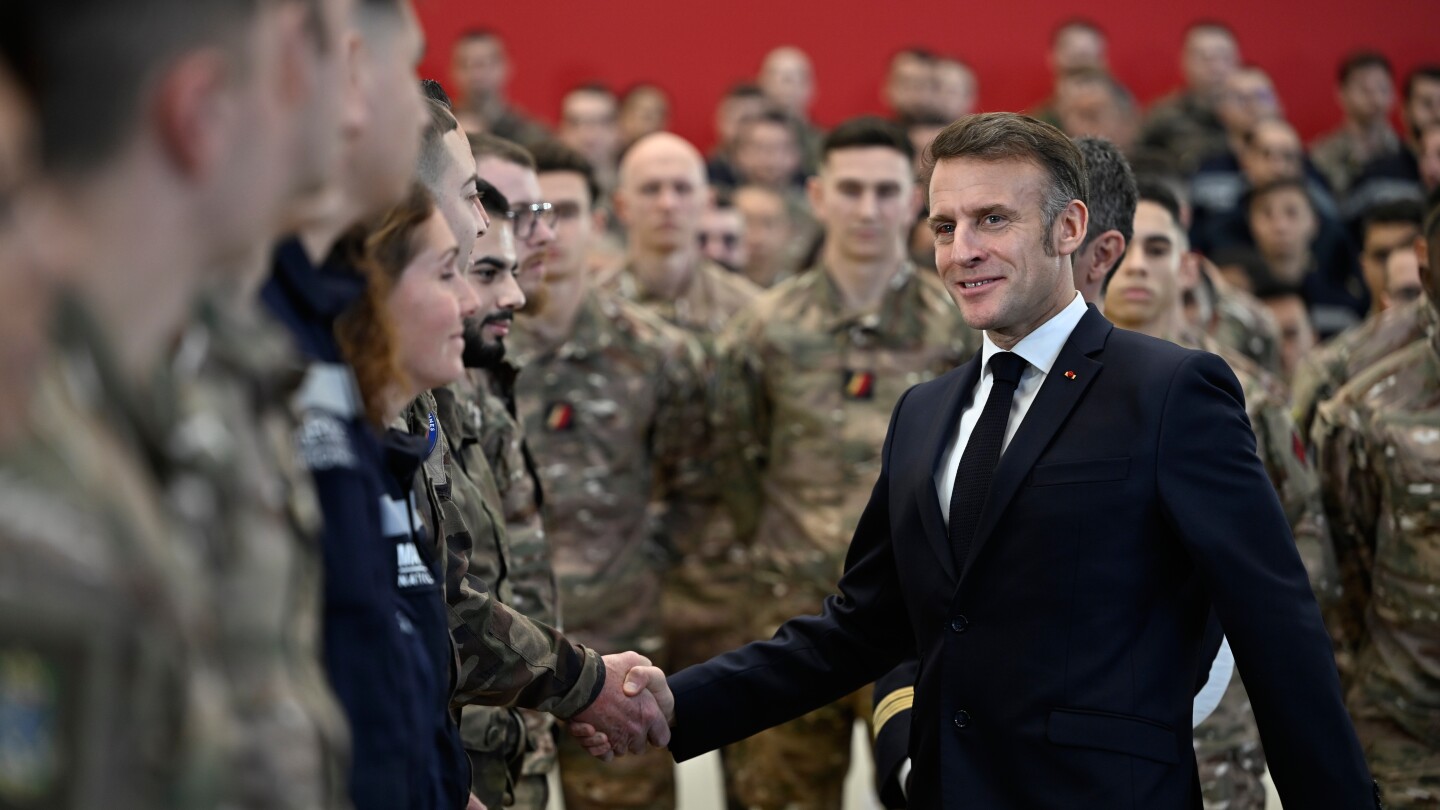
    French President Emmanuel Macron, appearing with aviator sunglasses due to an eye infection, delivered a sophisticated critique of what he termed a “new colonial approach” in international relations. The president cautioned against a emerging global framework where “international law is trampled underfoot and where the only law that seems to matter is that of the strongest.” Macron specifically condemned American trade practices that “undermine our export interests, demand maximum concessions, and openly aim to weaken and subordinate Europe,” particularly when combined with “an endless accumulation of new tariffs that are fundamentally unacceptable.”

    The collective responses from European leadership and American state governance revealed deepening transatlantic tensions and growing resistance to Trump’s unconventional diplomatic methods. The Davos discussions highlighted a critical juncture in international relations, with traditional alliances being tested and global power dynamics undergoing significant transformation.
  • Turkey’s pro-Kurdish party warns Syria violence threatens peace efforts

    Turkey’s pro-Kurdish party warns Syria violence threatens peace efforts

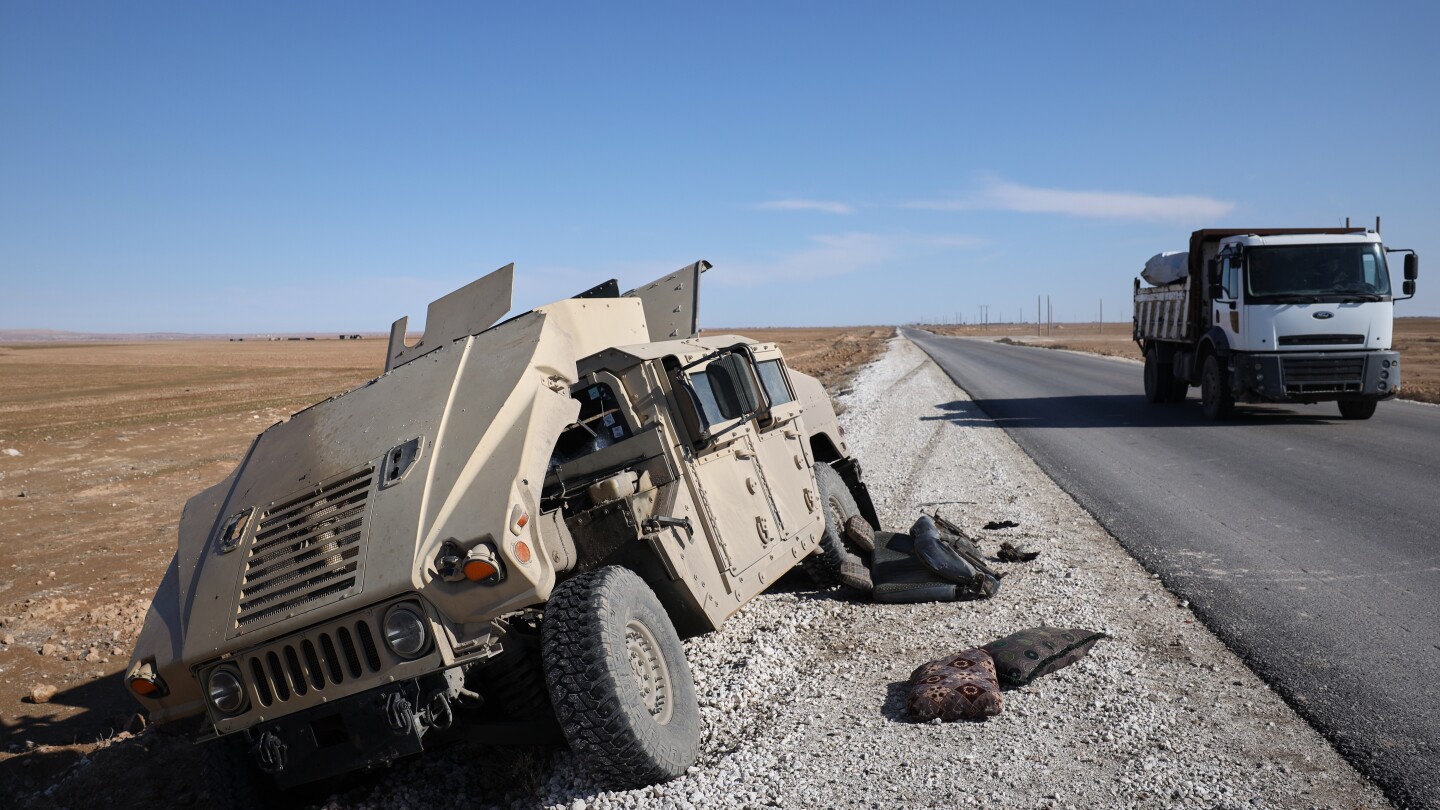
    ANKARA, Turkey — Turkey’s fragile peace initiative with Kurdish militants faces imminent jeopardy following renewed violence in northeastern Syria, according to warnings from the pro-Kurdish Peoples’ Equality and Democracy Party (DEM). The cautionary statement emerged as a recently brokered ceasefire between Syrian authorities and Kurdish-led forces unraveled merely days after its signing.

    DEM Party co-chair Tulay Hatimogullari raised pointed questions about reconciliation prospects during a gathering in the border town of Nusaybin, situated opposite Syria’s predominantly Kurdish Qamishli. “How can we genuinely discuss internal peace and stability,” she challenged, “while Kurds face massacres in Syria and the sentiments of Turkish Kurds remain disregarded?”

    The disputed agreement, finalized Sunday under Turkish mediation, mandated the Syrian Democratic Forces (SDF) relinquish control over most northeastern territories and dismantle military infrastructure. The framework provided for case-by-case integration of SDF fighters into Syrian national security forces. Despite these provisions, combat resumed Monday, prompting Kurdish forces to mobilize resistance efforts.

    Concurrent with political warnings, dozens of DEM supporters demonstrated in Nusaybin, condemning what they characterized as Syrian atrocities against Kurds and criticizing President Recep Tayyip Erdogan’s backing of Damascus. Tensions escalated when protesters removed a Turkish flag from a military observation post, triggering police intervention and official denouncements from presidential aides who labeled the act a deliberate provocation.

    Turkish authorities had initially celebrated the Syrian agreement as a historic breakthrough following intense combat. Parliamentarian Feti Yıldız, engaged in drafting peace proposals with the Kurdistan Workers’ Party (PKK), suggested the accord might positively influence Turkey’s domestic reconciliation process.

    The geopolitical complexity stems from Turkey’s perception of the SDF as intrinsically linked to the PKK, which has waged a four-decade insurgency within Turkish borders. In a significant development last May, the PKK announced disarmament and dissolution following directives from imprisoned leader Abdullah Ocalan. The group conducted symbolic disarmament ceremonies in northern Iraq and withdrew remaining fighters from Turkey.

    However, the SDF has resisted pressure to emulate the PKK’s actions, maintaining that Ocalan’s instructions applied exclusively to Turkey-based militants. President Erdogan issued stern warnings in a Monday address, cautioning against delays or obstructions in implementing the Syrian agreement. “Procrastination and resistance through fabricated excuses will benefit no one,” he declared. “Terrorism’s era in our region has concluded. The ceasefire and integration requirements must be fulfilled without delay.”

    Historical context looms large over current developments, with previous peace initiatives between Turkey and the PKK collapsing—most notably in 2015—generating widespread skepticism regarding the sustainability of present efforts.

  • Russia’s top diplomat says NATO faces a deep crisis over Greenland

    Russia’s top diplomat says NATO faces a deep crisis over Greenland

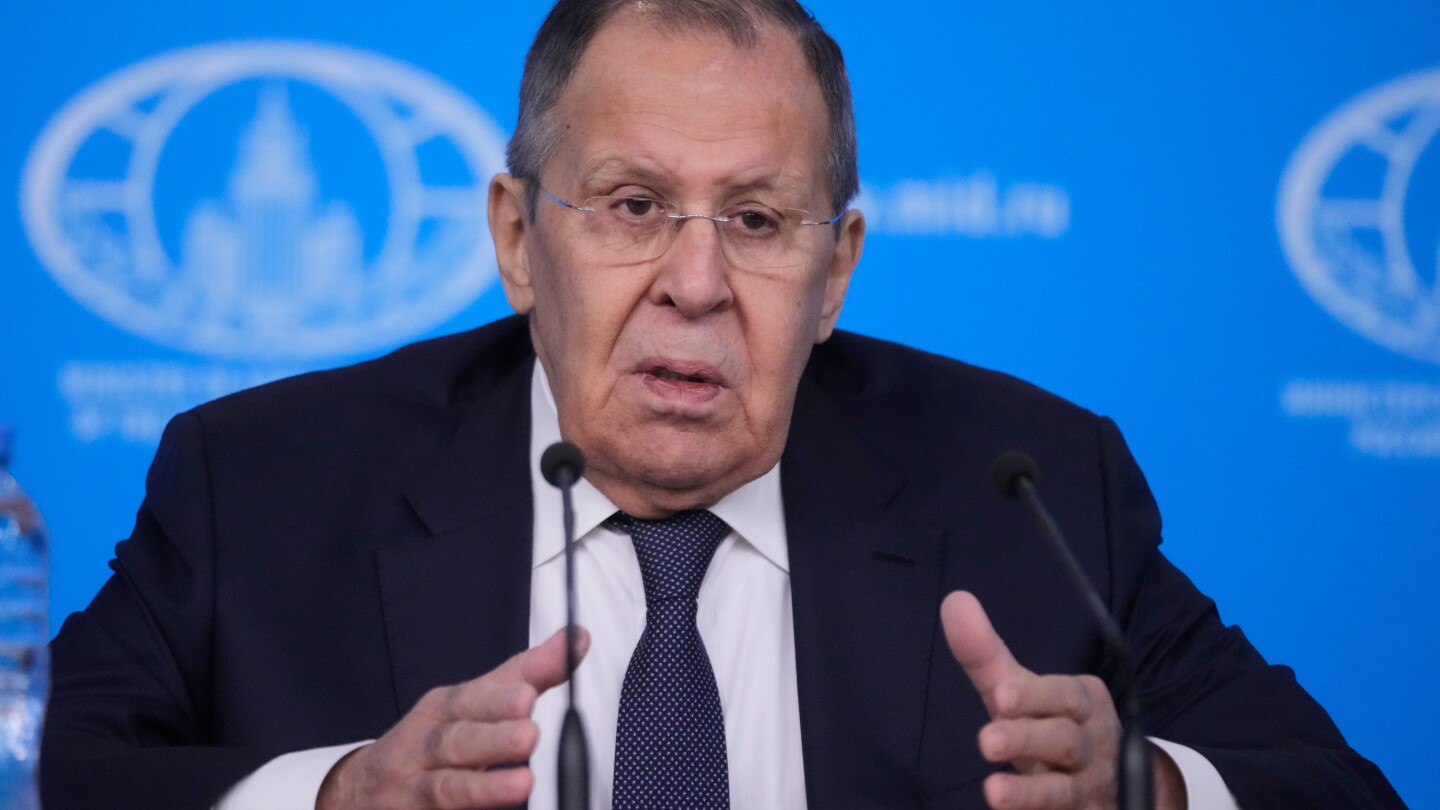
    Russian Foreign Minister Sergey Lavrov declared Tuesday that former U.S. President Donald Trump’s attempt to acquire Greenland signals a “deep crisis” within NATO that threatens the alliance’s fundamental cohesion. Speaking at his annual foreign policy briefing in Moscow, Lavrov characterized the episode as evidence of deteriorating unity among Western nations.

    Lavrov expressed astonishment at the geopolitical implications, noting that “it was hard to imagine before that such a thing could happen” within the military alliance. He suggested the move could theoretically create scenarios where “one NATO member is going to attack another NATO member,” fundamentally undermining the bloc’s security foundations.

    The Russian diplomat framed Trump’s actions as upending the Western-established “rule-based global order” that Moscow has consistently criticized. “Now it’s not the Collective West writing the rules but just one its representative,” Lavrov stated sardonically, adding that “the Euro-Atlantic concept of ensuring security and cooperation has discredited itself.”

    Regarding Greenland’s status, Lavrov described Denmark’s control as “a vestige of the colonial past,” asserting that “Greenland isn’t a natural part of Denmark.” However, he firmly denied Trump’s suggestions that Russia or China pose threats to the Arctic territory, stating “We have no relation to that.”

    Lavrov offered measured support for Trump’s proposed ‘Board of Peace,’ noting the Kremlin is studying the invitation. He praised this initiative as reflecting “the U.S. understanding that even with the foreign policy philosophy it has it considers necessary to rally a group of nations that would cooperate with them.”

    The Foreign Minister particularly commended Trump’s approach to Ukraine negotiations, describing the U.S. as the only Western country that has “expressed understanding of the need to take Russian interests into account.” He criticized European allies for attempting to modify proposals that initially included protections for Russian speakers and the Moscow-affiliated Ukrainian Orthodox Church.

    Lavrov warned that Moscow “won’t allow the luxury of once again letting the Kyiv regime to take a break and rearm,” while expressing pessimism about agreements with European leaders who “drove themselves too deeply into hating Russia.”

    The diplomat also addressed broader tensions, condemning the U.S. capture of Venezuelan leader Nicolás Maduro as “crude military intervention” and criticizing Washington’s rejection of extending New START nuclear arms limits. Despite these tensions, Lavrov expressed openness to continued dialogue with the U.S. based on “mutual respect for national interests,” recalling productive discussions with Secretary of State Marco Rubio in Riyadh.

  • Cow astonishes scientists with rare use of tools

    Cow astonishes scientists with rare use of tools

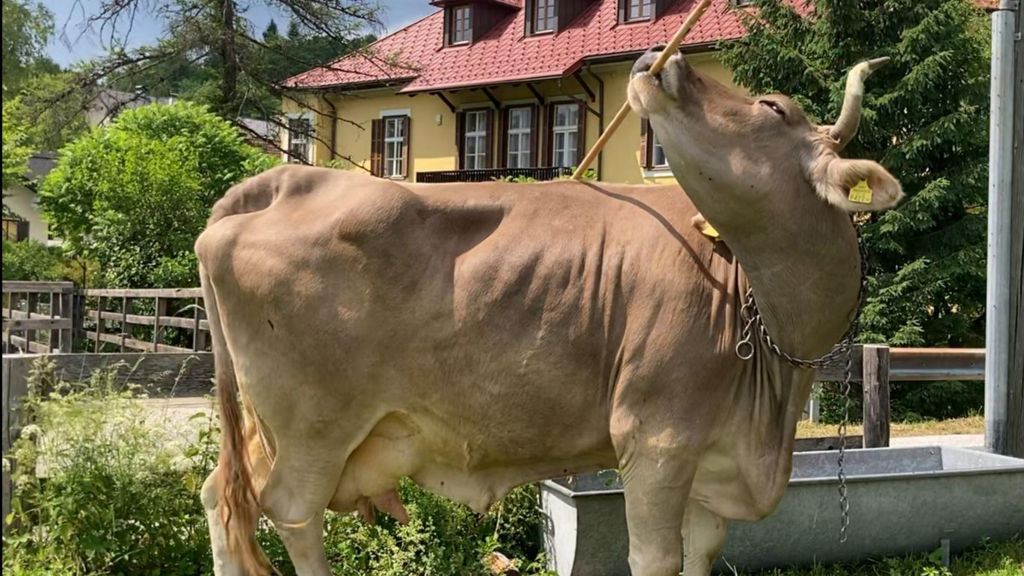
    In an extraordinary challenge to conventional understanding of bovine cognition, an Austrian cow named Veronika has demonstrated sophisticated tool-using capabilities previously undocumented in cattle. This remarkable discovery, documented by researchers from the University of Veterinary Medicine Vienna, emerged from the mountainous Austrian countryside where Veronika perfected her scratching techniques over several years.

    The Swiss brown cow exhibited exceptional discrimination in her tool selection, utilizing both ends of implements for different purposes. When addressing tougher areas like her back, Veronika consistently chose the bristled end of brooms for effective scratching. For more sensitive regions such as her underbelly, she deliberately selected the smooth handle end, demonstrating contextual awareness and adaptive problem-solving skills.

    Dr. Antonio Osuna-Mascaró, lead researcher on the study published in Current Biology, expressed profound surprise at the findings: ‘We encountered two unexpected dimensions—first that cattle could utilize tools at all, and second that an individual cow would employ tools with multipurpose functionality. Until this documentation, such sophisticated tool use had only been consistently observed in chimpanzees.’

    This discovery gains additional significance when considering the evolutionary context. While chimpanzees—humanity’s closest genetic relatives—demonstrate varied tool use including stick manipulation for insect gathering and stone usage for nut cracking, cattle have coexisted with humans for approximately 10,000 years without previously documented tool application.

    Veronika’s owner, organic farmer Witgar Wiegele, sees broader implications beyond scientific interest. He emphasizes that her unexpected cognitive abilities should inspire greater appreciation for nature’s complexity: ‘Preserving nature ultimately means protecting ourselves. Biological diversity represents the fundamental key to planetary survival.’

    The research team suggests that given appropriate environmental conditions and opportunities, other cattle might develop comparable skills, potentially revolutionizing how we perceive and interact with these domesticated animals.

  • ‘The miracle’: 6-year-old girl is the sole survivor of a family that perished in Spanish train wreck

    ‘The miracle’: 6-year-old girl is the sole survivor of a family that perished in Spanish train wreck

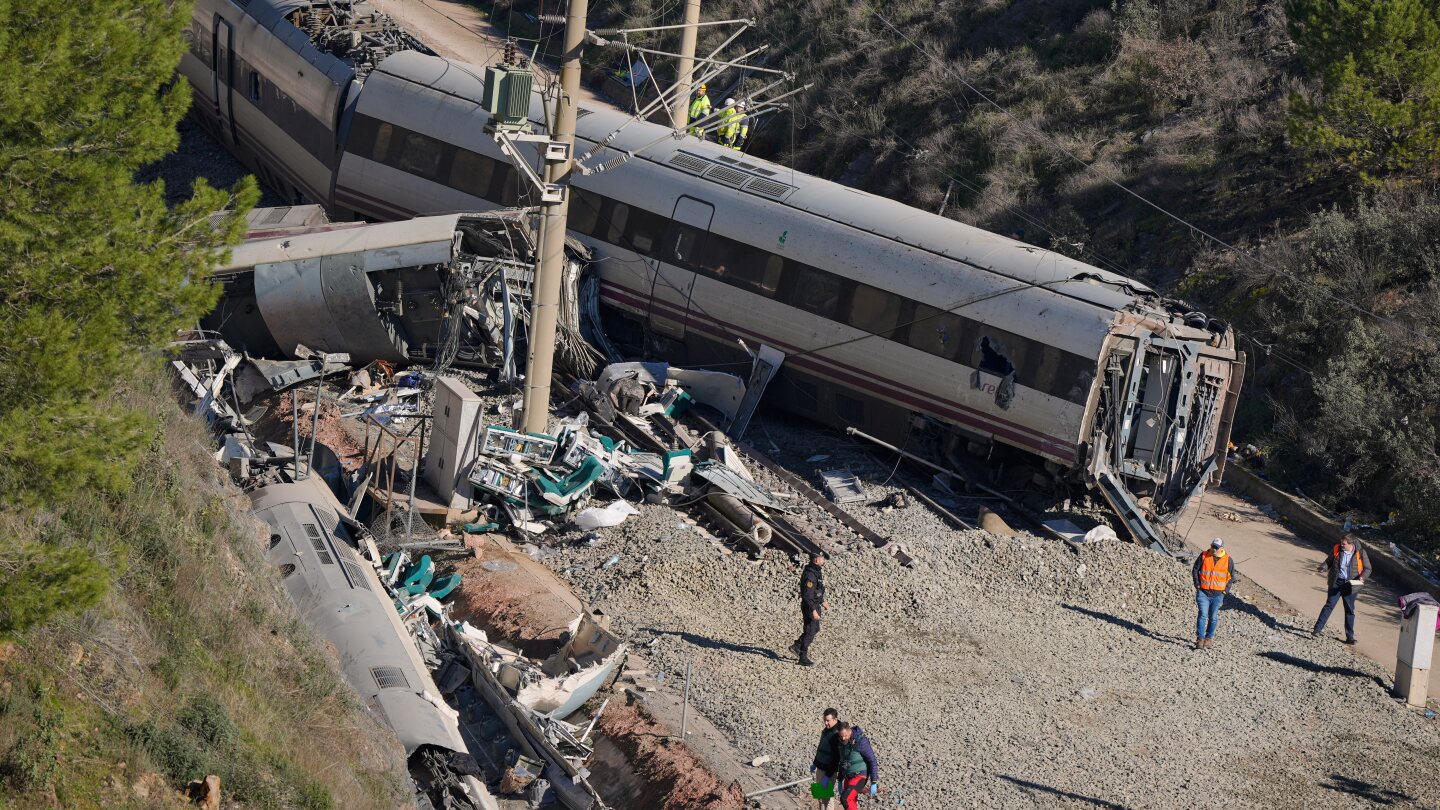
    BARCELONA, Spain — A catastrophic train collision in southern Spain has claimed at least 41 lives while producing a remarkable story of survival amid overwhelming tragedy. The incident, which occurred near Adamuz on Monday, January 19, 2026, resulted in one of Spain’s deadliest rail accidents in recent history.

    Eyewitness accounts describe terrifying moments as carriages derailed and tumbled down a steep embankment, their structural integrity compromised by the violent impact. Amid the twisted wreckage and heartbreaking scenes of casualties, rescue workers discovered a miraculous survivor—a six-year-old girl who emerged virtually unharmed from the devastation.

    According to La Vanguardia newspaper, Civil Guard officers located the child walking barefoot along the tracks after she apparently escaped through a shattered window. Medical personnel confirmed her remarkably good condition, requiring only three stitches for a minor head injury despite the severity of the crash.

    The young survivor’s family experienced unimaginable loss, with both parents, her brother, and a cousin among those killed in the front carriages that absorbed the worst of the impact. The Zamorano Álvarez family, residents of Punta Umbria village located near the ill-fated rail line, were returning home when the tragedy struck.

    Punta Umbria Mayor José Carlos Hernández expressed both profound grief and measured relief regarding the girl’s survival. “There are many people who are very sad for the victims of this terrible accident,” he stated during a press conference Tuesday, “but there were also many who survived, like the miracle of the girl who is safe.”

    The municipality has declared three days of official mourning as investigation continues into the cause of the derailment. Meanwhile, the orphaned child has been placed in the care of her grandparents at a hotel in Córdoba, the nearest major city to the crash site. Mayor Hernández emphasized the family’s commitment, noting “She has a tremendous family who will do what it takes for her to have a happy life.”

  • In their words: What France’s Macron and head of NATO wrote to Trump

    In their words: What France’s Macron and head of NATO wrote to Trump

    In an unprecedented diplomatic disclosure, U.S. President Donald Trump publicly shared private text messages from French President Emmanuel Macron and NATO Secretary General Mark Rutte on Tuesday. The messages reveal behind-the-scenes coordination efforts regarding Syria policy and ongoing discussions about Greenland’s status.

    President Macron’s message demonstrated strong alignment with Trump on Syrian affairs while expressing confusion about U.S. interest in Greenland. The French leader proposed concrete diplomatic initiatives, including organizing a special G7 meeting in Paris following the Davos summit. Macron suggested inviting Ukrainian, Danish, Syrian, and Russian representatives for marginal discussions and offered to host a private dinner with Trump before his return to the United States.

    NATO chief Mark Rutte’s communication struck a notably congratulatory tone, praising Trump’s accomplishments in Syria as “incredible” and committing to highlight these achievements during his media appearances at Davos. Rutte specifically mentioned Trump’s work in Gaza and Ukraine alongside the Syrian developments. The NATO leader also referenced continued discussions about Greenland, indicating his dedication to “finding a way forward” on the matter while expressing anticipation for their upcoming meeting.

    The publication of these private diplomatic exchanges provides rare insight into the personal dynamics between world leaders and their behind-the-scenes negotiation styles. The messages reveal both cooperation and tension points within international alliances, particularly regarding European concerns about U.S. interests in Arctic territories.

  • Russian strikes again leave half of Kyiv with no heating in winter cold snap

    Russian strikes again leave half of Kyiv with no heating in winter cold snap

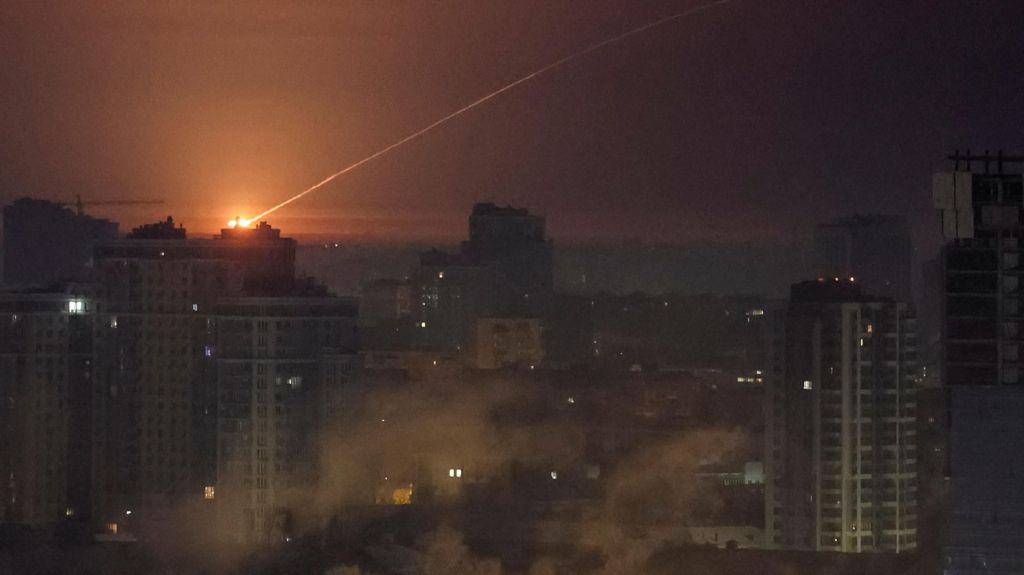
    A massive Russian aerial offensive has plunged Kyiv into a deep freeze, severing heating and power to half the city’s residential buildings as temperatures plummet to -10°C. The assault, employing drones, ballistic missiles, and cruise missiles, targeted multiple Ukrainian cities including the capital, Dnipro, and Odesa, triggering prolonged air raid alerts throughout the night and into Tuesday.

    Ukrainian President Volodymyr Zelensky confirmed a ‘significant number’ of incoming projectiles were intercepted but revealed the financial toll of the defense reached approximately €80 million (£69 million) in air defense missiles alone. The human cost was equally stark, with at least four fatalities and 33 injuries reported across the country.

    The attack has catastrophic implications for civilian infrastructure. Kyiv Mayor Vitalii Klitschko reported over 5,600 residential buildings, each containing dozens of apartments, were left without heating and water. This setback nullifies weeks of relentless repair work following the large-scale January 9th attack, which had previously crippled the city’s utilities. ‘I have no electricity and no water,’ recounted Oleksandr Palii, a 29-year-old veteran, describing a night of relentless explosions.

    The crisis has forced extreme adaptations. With radiators bursting from frozen water and fires sparked by improvised gas heaters, residents are resorting to communal generators, portable stoves, and innovative food storage methods. Social media depicts scenes of resilience with citizens barbecuing in snowy yards, yet many describe this as the most brutal winter since the full-scale invasion began in 2022.

    Amid the turmoil, President Zelensky canceled his scheduled appearance at the World Economic Forum in Davos, stating he would only attend if documents on U.S. security guarantees and a prosperity plan were ready for signing. His absence underscores the severity of the situation on the ground.

    Shelter from the onslaught was found underground, as over 10,000 people, including nearly 800 children, sought refuge in Kyiv’s metro stations—the only reliable sanctuary in many high-rise areas lacking adequate shelters.

    While acknowledging the receipt of defensive missiles that ‘helped significantly,’ Zelensky emphasized a critical and ongoing need for enhanced air defense systems. He pointed to Russia’s undiminished capacity to produce and deploy a growing number of ballistic missiles, a threat for which U.S. support is pivotal. ‘A great deal in the security of Ukrainians depends on the unity of Europe and America,’ he stated, hinting at concerns that transatlantic tensions could jeopardize timely deliveries of essential military aid. Foreign Minister Andrii Sybiha echoed the sentiment, asserting that Ukrainian resilience ‘cannot be an excuse for this war to continue.’

  • Read what France’s Macron and the head of NATO are saying to Trump behind the scenes

    Read what France’s Macron and the head of NATO are saying to Trump behind the scenes

    In a remarkable breach of diplomatic protocol, former U.S. President Donald Trump has publicly disclosed private text messages from French President Emmanuel Macron and NATO Secretary General Mark Rutte, revealing a stark contrast between their public criticism and private deference regarding his controversial interest in acquiring Greenland.

    The authenticated message from Macron, opened with the familiar address “My friend,” demonstrated a notably conciliatory tone compared to France’s public stance against Trump’s proposition to wrest Greenland from NATO ally Denmark. The French leader strategically framed his communication by first emphasizing alignment on significant geopolitical matters, stating “We are totally in line on Syria. We can do great things on Iran” before cautiously addressing the Greenland issue with the measured query: “I do not understand what you are doing on Greenland,” immediately followed by the constructive suggestion “Let us try to build great things.”

    This unprecedented public exposure of typically confidential diplomatic correspondence offers rare insight into the dual-track nature of international relations, where leaders frequently maintain divergent public and private personas. Trump’s disclosure tradition, established during his presidency, continues to challenge established diplomatic norms and transparency boundaries.

    The messages further revealed Macron’s unexpected proposal to host representatives from both Ukraine and Russia during Paris meetings, a initiative not previously disclosed publicly. This suggestion carried particular diplomatic sensitivity given France’s ongoing military support for Ukraine against Russian aggression, with Macron noting Russian representatives could be accommodated “in the margins” to mitigate potential awkwardness.

    An anonymous official from Macron’s administration asserted that the disclosed message demonstrates consistency between the French president’s public and private positions, emphasizing that France considers respect for national sovereignty “non-negotiable” regarding the Greenland matter. Meanwhile, Rutte’s published message expressed commitment to “finding a way forward on Greenland” despite his public refusal to comment on the sensitive territorial issue.

    This extraordinary glimpse into behind-the-scenes diplomacy highlights the complex interplay between public posturing and private negotiation that characterizes modern international relations, particularly during the Trump administration’s unconventional approach to foreign policy.

  • Israel will aid Greece in countering military drone swarms

    Israel will aid Greece in countering military drone swarms

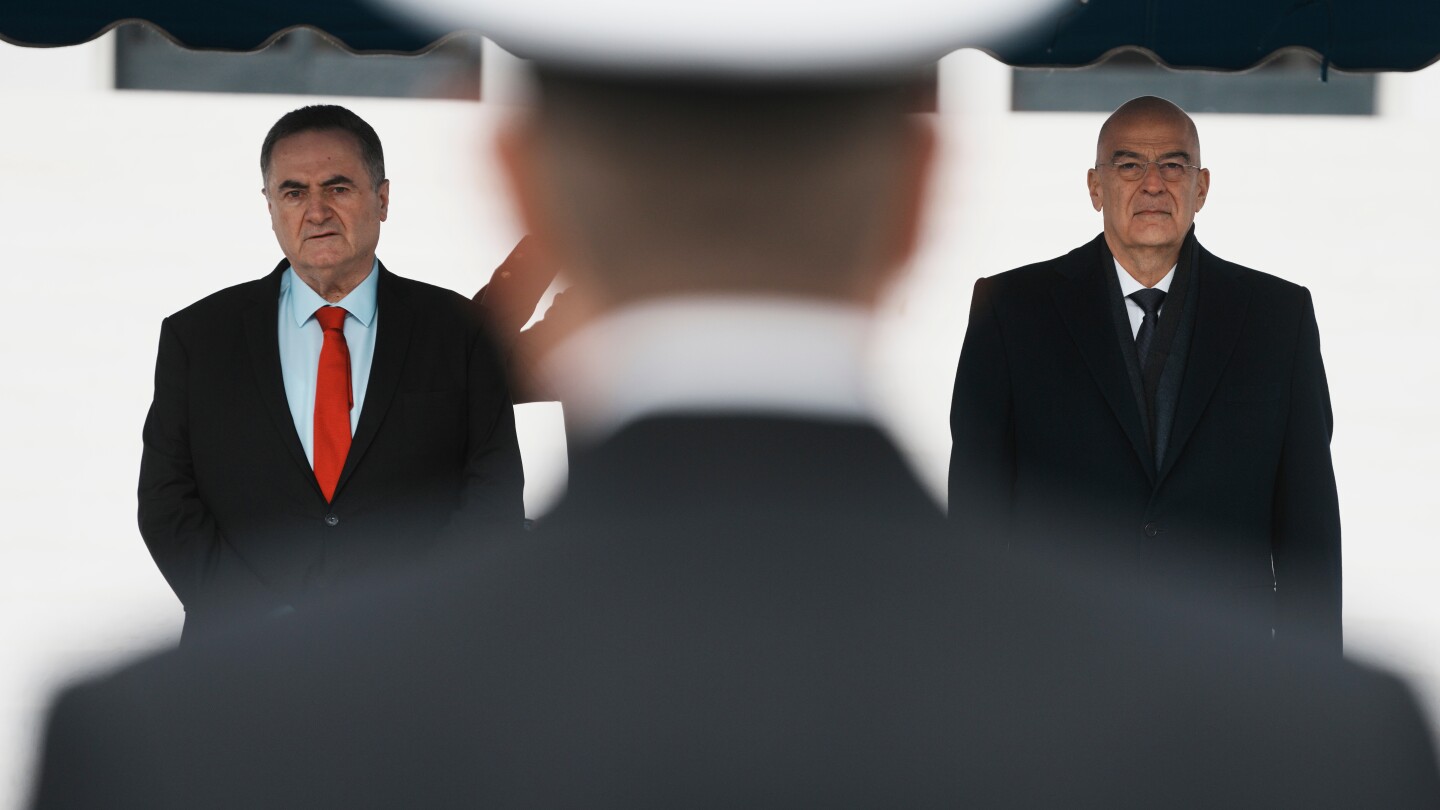
    In a significant move to bolster regional security, Israel has committed to assisting Greece in developing advanced counter-drone technology to address the emerging threat of coordinated unmanned aerial and underwater vehicle swarms. This defense collaboration was announced following high-level talks in Athens between Greek Defense Minister Nikos Dendias and Israeli counterpart Israel Katz on Tuesday.

    The strategic partnership builds upon the trilateral defense agreement established in December between Greece, Israel, and Cyprus, which already includes Israeli assistance in developing Greece’s air defense capabilities. Minister Dendias emphasized the critical nature of this cooperation, stating that both nations would ‘exchange views and expertise to counter unmanned platforms—specifically swarms of unmanned aerial vehicles and groups of unmanned underwater vehicles.’

    Israeli Defense Minister Katz characterized the growing alliance as ‘an anchor of stability in the Mediterranean,’ highlighting its strategic importance beyond bilateral relations. The collaboration addresses a paradigm shift in modern warfare where drone swarms—typically employing numerous low-cost, coordinated craft—are increasingly deployed for reconnaissance, defensive operations, and overwhelming enemy systems.

    The defense partnership unfolds against the backdrop of Greece’s ongoing maritime disputes with NATO ally Turkey concerning boundaries and offshore resources. Despite being NATO members, both nations remain locked in a long-standing confrontation that has prompted Greece to maintain one of Europe’s highest military expenditures relative to its economic size.

    The December agreement established a comprehensive framework for joint military exercises, specialized operations training, and regular strategic consultations among the three Eastern Mediterranean nations. This trilateral cooperation emerged from discussions between national leaders focused on enhancing maritime security and advancing mutual energy initiatives in the region.

  • Waterfall in Ukraine completely freezes

    Waterfall in Ukraine completely freezes

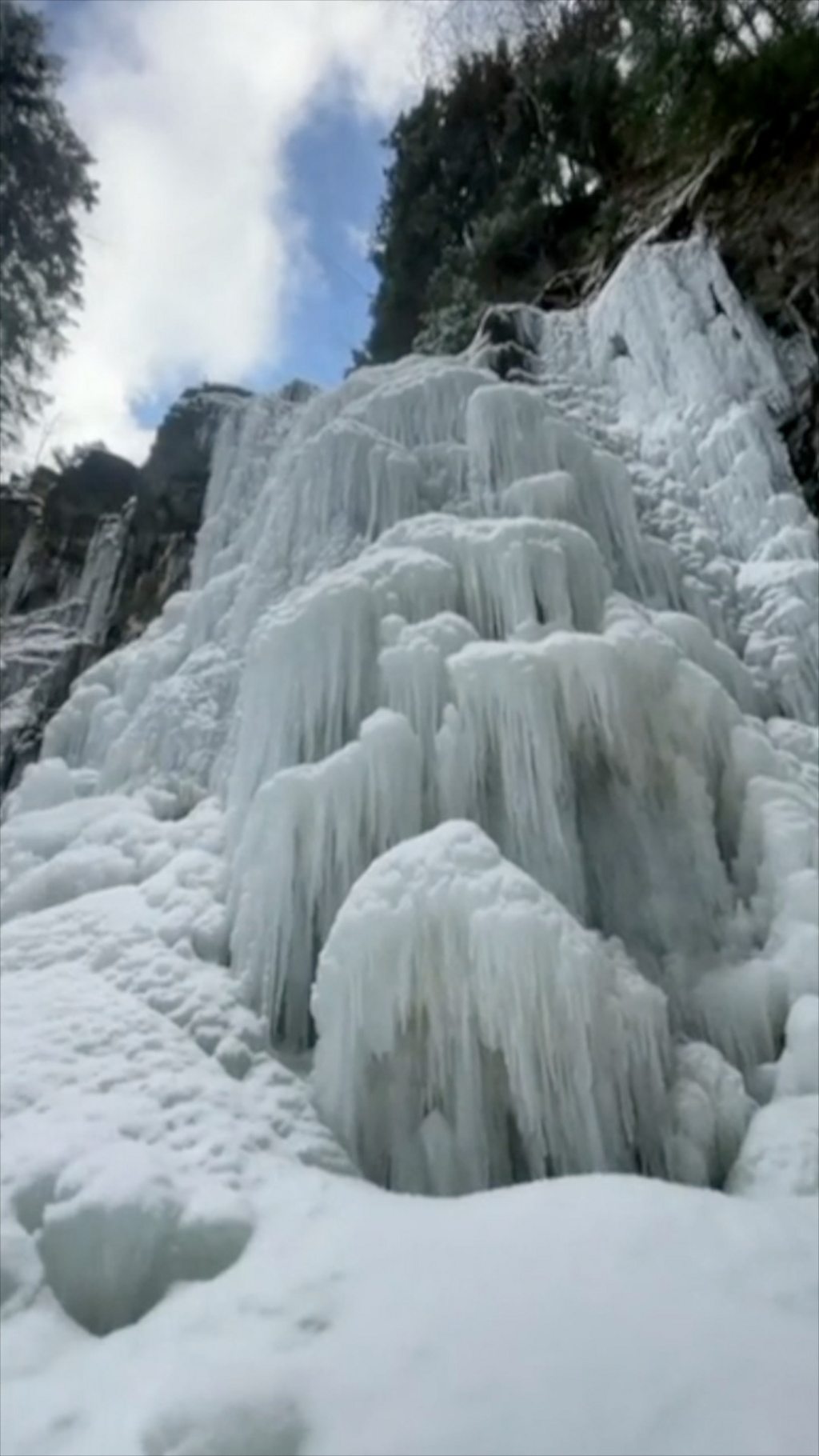
    An extraordinary natural phenomenon has emerged in Ukraine as one of the country’s waterfalls has completely solidified into a magnificent ice formation. The spectacular transformation occurred during a severe cold snap that has gripped the nation, with temperatures plummeting to approximately -20° Celsius (-4° Fahrenheit).

    The freezing conditions, characteristic of Arctic air masses sweeping across Eastern Europe, have created ideal circumstances for this rare winter spectacle. The waterfall’s continuous flow has gradually crystallized, layer by layer, forming intricate ice structures that capture and refract light in mesmerizing patterns. This temporary geological marvel demonstrates nature’s ability to create breathtaking art under extreme weather conditions.

    Local meteorologists report that the current cold front represents some of the most severe winter weather experienced in the region this season. The subzero temperatures have persisted for several consecutive days, allowing for the complete transformation of the waterfall into a frozen monument. While the specific location hasn’t been disclosed, similar phenomena have been documented previously in the Carpathian Mountains and other elevated regions of Ukraine during particularly harsh winters.

    The frozen waterfall has attracted attention from photographers and nature enthusiasts, though authorities caution against approaching too closely due to potential instability of the ice formations. Such natural ice sculptures typically remain intact until temperatures rise significantly above freezing, which meteorological forecasts suggest may not occur for at least another week.