标签: Europe

欧洲

  • EU Commission indicates it’s ready to implement Mercosur trade deal despite parliament vote to delay

    EU Commission indicates it’s ready to implement Mercosur trade deal despite parliament vote to delay

    FRANKFURT, Germany — The European Union has declared its readiness to provisionally implement a comprehensive free trade agreement with South America’s Mercosur bloc, despite recent parliamentary obstacles. European Commission President Ursula von der Leyen announced Friday that the EU would move forward once at least one Mercosur nation completes ratification.

    Speaking at the conclusion of the Brussels summit where multiple national leaders addressed the matter, von der Leyen emphasized the collective interest in expediting the agreement’s benefits. “We maintain a clear interest in ensuring this agreement’s advantages take effect at the earliest opportunity,” she stated during a press briefing. “In essence, our preparedness matches theirs.”

    The Commission President clarified that no formal implementation decision has been finalized. Supporting this position, Antonio Costa, head of the EU Council, confirmed the executive commission’s jurisdictional authority to proceed with interim application.

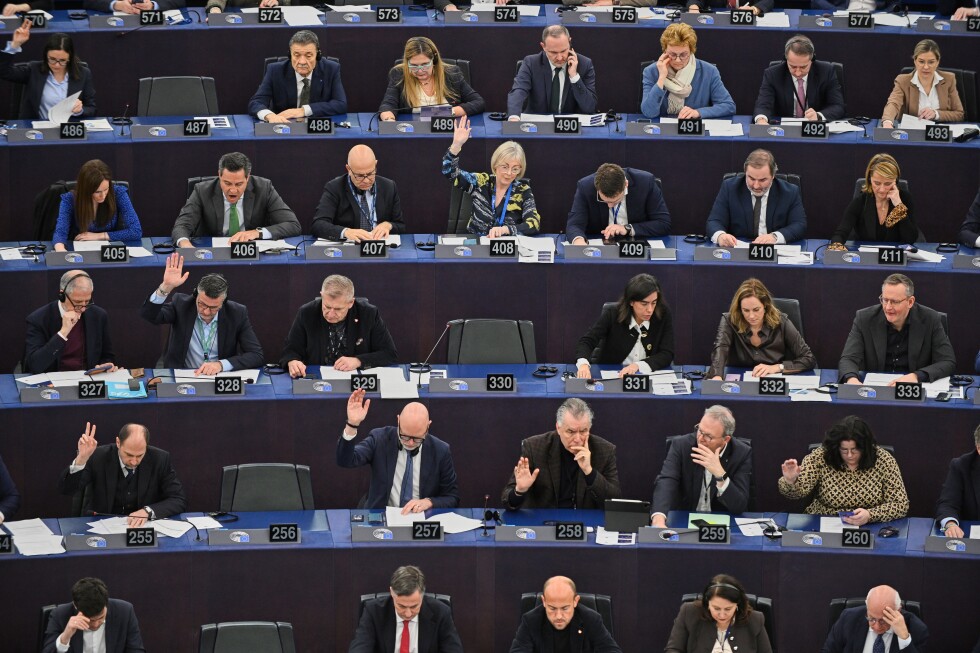
    This development occurs despite the European Parliament’s narrow Wednesday vote to refer the trade pact to the European Court of Justice for legal examination, effectively stalling ratification until judicial review completion—a process potentially requiring months.

    The Mercosur-EU agreement represents a cornerstone of Brussels’ strategy to diversify trade partnerships beyond historical U.S. dependencies, particularly following strained relations during Donald Trump’s presidency. The accord, championed by South American agricultural producers and European industrial sectors, proposes the progressive elimination of over 90% tariffs on commodities ranging from Argentine beef to German automobiles.

    France, the EU’s primary agricultural producer, continues advocating for enhanced farmer protections and has sought to postpone the pact. Conversely, German Chancellor Friedrich Merz characterized the parliamentary delay as “regrettable” while urging provisional implementation.

    Ratification appears virtually assured within South America, where the agreement enjoys substantial support. The Mercosur bloc comprises Argentina, Brazil, Paraguay, and Uruguay, with Bolivia excluded from the current agreement but potential future inclusion possible. Venezuela remains suspended from the bloc and is not party to the agreement.
  • Icebreakers, the key tech to unlock Greenland, are only made by either US allies or adversaries

    Icebreakers, the key tech to unlock Greenland, are only made by either US allies or adversaries

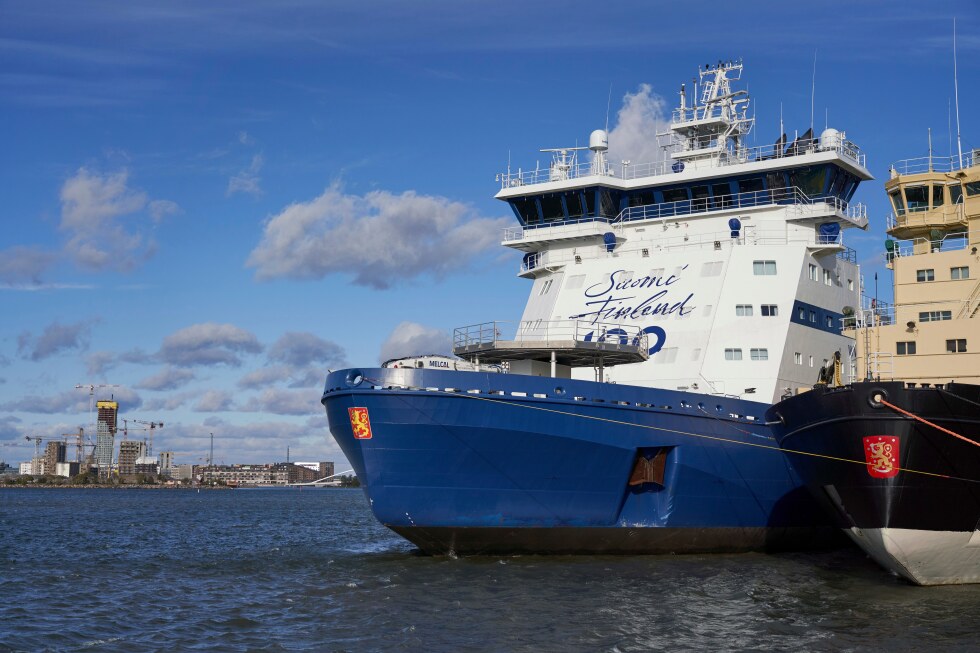
    The United States’ strategic ambitions in Greenland and the broader Arctic region face a formidable natural barrier: immense ice formations that choke harbors, entomb mineral resources, and transform shorelines into navigational minefields year-round. This challenging environment necessitates specialized icebreaking vessels with reinforced hulls and powerful engines capable of cleaving through frozen seas.

    Despite former President Donald Trump’s expressed interest in securing Greenland for both security and economic reasons—including countering Russian and Chinese influence and accessing rare earth minerals—the U.S. possesses only three functional icebreakers, with one nearly inoperable. This deficiency creates a significant operational gap, leaving the nation unable to reliably access Arctic territories for extended periods.

    Icebreaker construction requires highly specialized expertise predominantly found in northern nations with Arctic experience. Finland has designed approximately 60% of the world’s fleet of over 240 icebreakers and built the same percentage, while Russia maintains the largest fleet with about 100 vessels, including nuclear-powered ships. Canada ranks second and plans to double its fleet to approximately 50 icebreakers.

    The U.S. has entered agreements through the Ice PACT with Finland and Canada to obtain 11 new icebreakers. Four will be constructed in Finnish shipyards, while seven will be built in U.S. facilities under Canadian ownership and utilizing Finnish designs. This international cooperation highlights America’s current dependence on allied nations for Arctic capabilities.

    European Commission President Ursula von der Leyen emphasized this technological interdependence at the World Economic Forum, noting that Finland’s sale of icebreakers to the U.S. demonstrates European Arctic readiness. She stressed that Arctic security ultimately requires multinational cooperation, a sentiment echoed by Danish leadership which conditionally supports increased U.S. involvement provided territorial integrity is respected.

    Even with adequate icebreaking capability, establishing mining operations or defensive installations like the proposed $175 billion Golden Dome missile defense network would entail enormous costs and technical challenges in Greenland’s extreme environment, with investments potentially requiring decades to yield returns.

  • Dozens of sanctioned Russian tankers navigate Channel despite UK vow of ‘assertive’ action’

    Dozens of sanctioned Russian tankers navigate Channel despite UK vow of ‘assertive’ action’

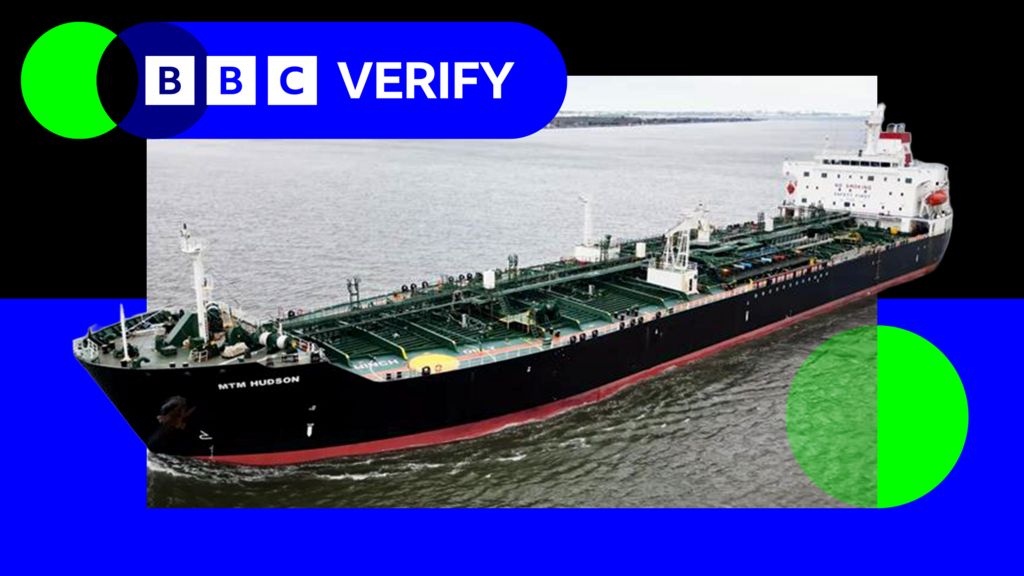
    Despite the UK government’s pledge to take assertive action against Russian oil sanctions evasion, dozens of sanctioned tankers from Russia’s shadow fleet have continued to transit the English Channel throughout January. BBC Verify tracking data reveals that 42 sanctioned vessels passed through these strategic waters even after British defense officials received legal authorization to detain such ships under the Sanctions and Money Act 2018.

    The shadow fleet—comprising hundreds of aging tankers with obscured ownership—has become Russia’s primary mechanism for circumventing oil embargoes imposed since its full-scale invasion of Ukraine. Among the vessels that transited the Channel was the Sofos, sanctioned by the UK Foreign Office in May 2025. This tanker executed a complex route: loading oil in Russia mid-November, traveling to Turkey, then proceeding to Venezuela where it disabled its tracking system. Satellite imagery confirmed its presence at Venezuela’s Jose oil terminal in late December before reappearing near Russian waters.

    Another notable vessel, the Nasledie (formerly Blint), underwent identity transformation in November 2025 by changing its name and switching from a false Comoros registration to Russian registry. This 20-year-old tanker, carrying approximately 100,000 tonnes of Urals crude, entered the Channel just days after BBC reported on the UK’s new legal authority to intercept shadow vessels.

    While the UK has assisted allied forces in seizing tankers near Iceland and in the Mediterranean, British troops have yet to independently detain any shadow fleet vessels. This inaction persists despite BBC Verify identifying six tankers operating under false flags in Channel waters—a condition that legally classifies them as stateless vessels subject to seizure under international maritime law.

    Political figures have expressed frustration with this enforcement gap. Dame Emily Thornberry, chair of Parliament’s Foreign Affairs Select Committee, stated she was ‘very disappointed’ by the lack of interceptions. Liberal Democrat MP Mike Martin, a former British Army officer, questioned the reluctance to act independently given Royal Marines’ capability for such operations.

    Russia has responded to increased Western pressure with both diplomatic warnings and military escorts. The warship General Skobelev accompanied a sanctioned tanker through the Channel on January 20, while Russian foreign ministry spokeswoman Maria Zakharova declared any vessel detention would be viewed as ‘harming Russian interests’ and violating international law.

    The economic stakes remain substantial. According to the Center for Strategic and International Studies, shadow fleet tankers transport between $87-$100 billion worth of oil annually. Recent analysis indicates 68% of all Russian crude oil was carried on sanctioned tankers in December 2025, providing critical economic support for Russia’s military operations in Ukraine.

    Despite Ministry of Defense assertions that disrupting the shadow fleet remains a government priority, enforcement challenges persist. Tankers continue employing sophisticated evasion tactics including identity changes, tracking signal manipulation, and false location broadcasts—strategies that complicate monitoring efforts and enable continued sanctions circumvention.

  • Ukraine is battling to keep the lights on, this nuclear plant is vital in the fight

    Ukraine is battling to keep the lights on, this nuclear plant is vital in the fight

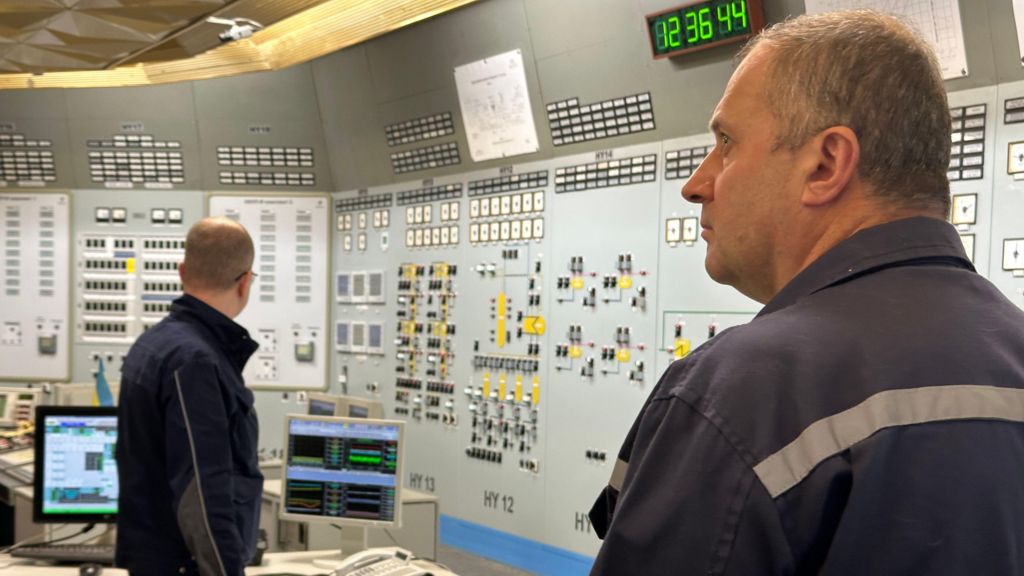
    Deep within the control room of Ukraine’s Khmelnytsky nuclear facility, a team of technicians maintains vigilant watch over a wall of monitoring systems. This western Ukrainian plant has emerged as a crucial bastion for national energy security amid relentless Russian assaults on critical infrastructure.

    With conventional power stations severely damaged by targeted airstrikes, nuclear energy now supplies approximately 60% of Ukraine’s electricity through three operational plants. Pavlo Kovtonyuk, director of Ukraine’s National Nuclear Energy Company Energoatom, confirms these installations face constant threat of attack. “Russia systematically targets substations connecting nuclear plants to the grid in acts of nuclear terrorism,” Kovtonyuk states, emphasizing that disrupting these connections jeopardizes safe reactor operation.

    The situation grows increasingly precarious at the Zaporizhzhia Nuclear Power Plant, Europe’s largest nuclear facility currently under Russian military control since March 2022. While in dormant mode, its reactors require continuous cooling and maintenance to prevent catastrophic failure. Ukrainian officials report concerning negligence in maintenance protocols and dangerously depleted cooling reservoirs under Russian management.

    Personal accounts from displaced plant workers reveal the human cost of the occupation. Technician Dariia Zhurba and engineer husband Ihor described their terrifying escape from Zaporizhzhia after weeks working under Russian control. “They scrutinized everything—our phones, social media, even ‘likes’—and interrogated us about military relatives,” Dariia recounted from their new modular home near Khmelnytskyi.

    International Atomic Energy Agency teams periodically inspect the occupied facility during temporary ceasefires, supervising critical repairs to damaged power lines and cooling systems. However, Ukrainian authorities warn that Zaporizhzhia’s American-designed fuel systems remain incompatible with Russian technical expertise, creating additional safety complications.

    The potential consequences transcend national borders. Energoatom director Kovtonyuk warns that any incident causing core meltdown could surpass the Chernobyl disaster in contamination scope, though potentially developing more gradually without explosive characteristics.

    As diplomatic discussions continue regarding the plant’s future operational status, evidence suggests Russia is already constructing power lines toward occupied territories, potentially redirecting Zaporizhzhia’s output should reactors restart under Moscow’s control—a scenario Ukrainian leaders vow to prevent given the facility’s vital role in national energy infrastructure and global safety concerns.

  • Russia, Ukraine and US to hold trilateral talks in Abu Dhabi

    Russia, Ukraine and US to hold trilateral talks in Abu Dhabi

    In a significant diplomatic development, Russian, Ukrainian, and United States negotiators are scheduled to hold trilateral talks in the United Arab Emirates on Friday. This meeting marks the first formal engagement attended by all three nations since Russia initiated its full-scale invasion of Ukraine nearly four years ago.

    The Kremlin confirmed Russian participation following preliminary discussions between President Vladimir Putin and US envoys in Moscow. Kremlin aide Yuri Ushakov characterized these initial talks as “substantive, constructive and very frank,” while reiterating Moscow’s position that territorial resolution remains prerequisite to any lasting peace agreement. “Until this is achieved,” Ushakov stated, “Russia will continue to consistently pursue the objectives of the special military operation.”

    The Russian delegation to the Abu Dhabi talks will be led by General Igor Kostyukov, director of Russia’s GRU military intelligence agency, with investment envoy Kirill Dmitriev conducting separate economic discussions with US representatives.

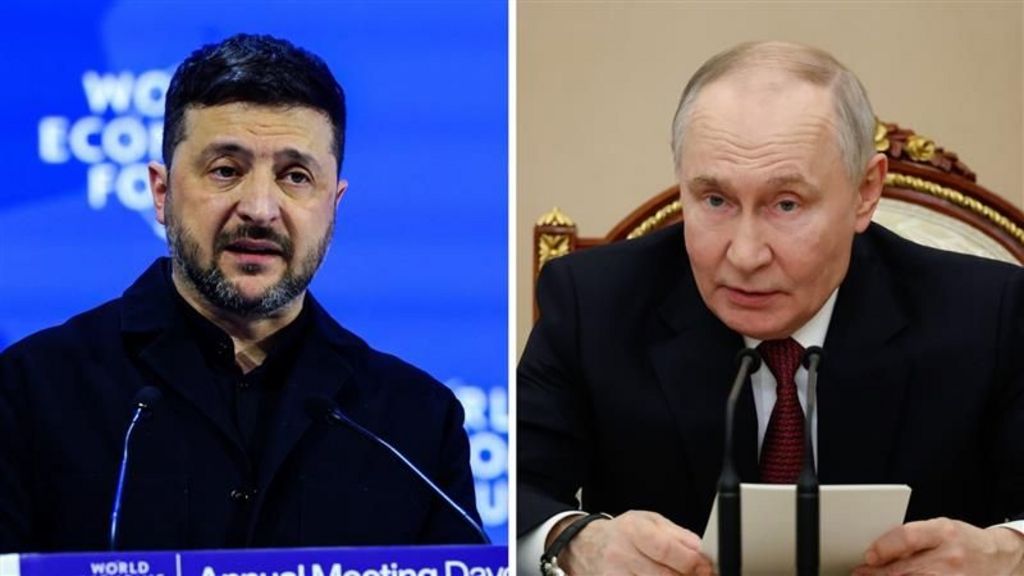
    Ukrainian President Volodymyr Zelensky, speaking at the World Economic Forum in Davos, emphasized that territorial control remains the central obstacle to peace. “It’s all about the land. This is the issue which is not solved yet,” Zelensky told reporters, adding that “the Russians have to be ready for compromises, not only Ukraine.” Specific disputes include Russia’s demand for Ukraine to relinquish the remaining 25% of Donetsk region still under Kyiv’s control.

    Zelensky has assembled a high-level negotiating team including National Security and Defense Council head Rustem Umerov, presidential office chief Kyrylo Budanov, and lead negotiator David Arakhamia, who will be joined in the UAE by Chief of the General Staff Andrii Hnatov.

    The Ukrainian president revealed that a US-proposed 20-point peace plan is approximately 90% complete, featuring provisions for a demilitarized free economic zone in Donbas in exchange for security guarantees for Kyiv. Zelensky confirmed reaching preliminary agreement with former President Donald Trump regarding future US security guarantees, though any final agreement would require ratification by both the US Congress and Ukrainian parliament.

    Despite these diplomatic efforts, the conflict continues to impact civilian infrastructure, with Zelensky initially considering canceling his Davos trip to address aftermath of Russian strikes on Kyiv’s power systems that have left portions of the capital without heating, water, or electricity during extreme winter conditions.

  • Putin meets Trump’s envoys as Kremlin says Ukraine settlement hinges on territory

    Putin meets Trump’s envoys as Kremlin says Ukraine settlement hinges on territory

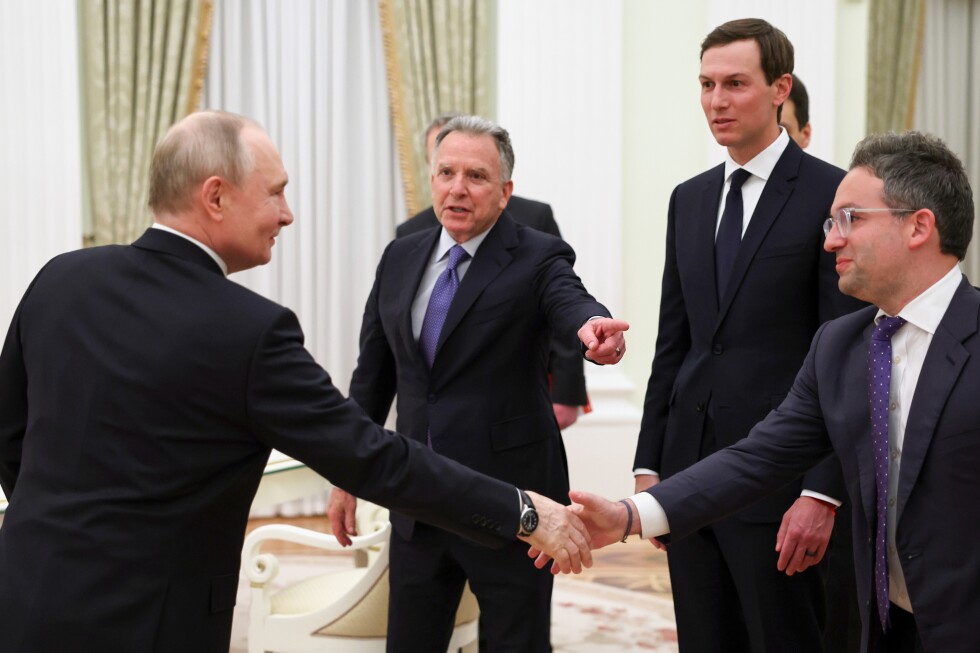
    In a significant diplomatic development, Russian President Vladimir Putin engaged in marathon overnight discussions with special envoys representing former U.S. President Donald Trump, focusing on potential pathways to resolve the ongoing conflict in Ukraine. The Kremlin negotiations, extending past 3 a.m. Moscow time on Friday, produced a critical breakthrough with the announcement of upcoming trilateral talks involving Russian, Ukrainian, and American officials in the United Arab Emirates.

    Kremlin foreign affairs adviser Yuri Ushakov, who participated in the extensive talks characterized as “frank, constructive, and fruitful,” emphasized that territorial disputes remain central to any lasting peace agreement. “It was reaffirmed that reaching a long-term settlement can’t be expected without solving the territorial issue,” Ushakov stated, referencing Moscow’s demand for Ukrainian troop withdrawal from eastern regions that Russia has illegally annexed.

    The diplomatic momentum built simultaneously at the World Economic Forum in Davos, where Ukrainian President Volodymyr Zelenskyy held a closed-door meeting with Trump lasting approximately one hour. Zelenskyy described the discussions as “productive and meaningful,” while Trump later noted that both Russian and Ukrainian leaders appear willing to make concessions to end the conflict, though acknowledging that territorial boundaries remain a persistent sticking point.

    Zelenskyy used his platform in Davos to deliver sharp criticism of European allies, accusing them of fragmented responses and inadequate support. Drawing parallels to the film ‘Groundhog Day,’ he expressed frustration that his warnings about European defense preparedness have gone unheeded over the past year. The Ukrainian leader specifically highlighted Europe’s slow decision-making processes, insufficient defense spending, and failure to effectively counter Russia’s sanctions-evading “shadow fleet” of oil tankers.

    The emerging peace process faces complex challenges amid ongoing military realities. Russia currently controls approximately 20% of Ukrainian territory gained since hostilities began in 2014 and expanded through the 2022 full-scale invasion. Ukraine faces significant shortages in both military resources and personnel, with defense officials reporting approximately 200,000 troop desertions and widespread draft-dodging affecting nearly 2 million citizens.

    The UAE-mediated talks represent the most substantial diplomatic movement in months, with a Russian delegation led by military intelligence chief Admiral Igor Kostyukov scheduled to participate. Separate economic discussions between Putin’s envoy Kirill Dmitriev and Trump representative Steve Witkoff are also planned, indicating a multifaceted approach to conflict resolution.

  • In Scotland, fishing trawlers scrape the seabed despite protection promises

    In Scotland, fishing trawlers scrape the seabed despite protection promises

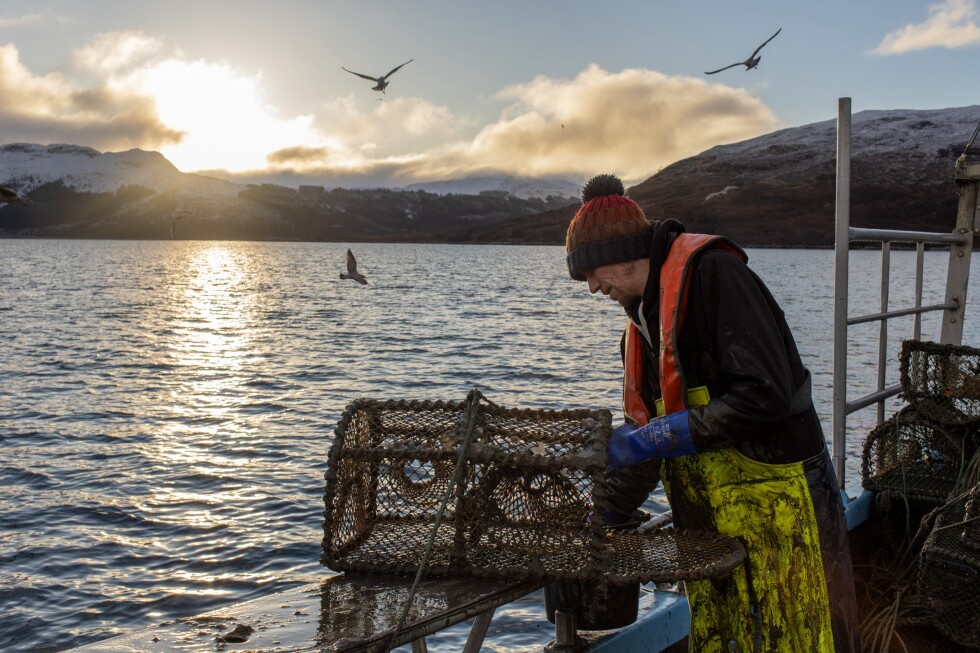
    OFF THE COAST OF KYLEAKIN, Scotland — Beneath the surface of Scotland’s protected waters, a silent ecological crisis unfolds as industrial fishing methods continue to operate with minimal restrictions. Veteran fisherman Bally Philp, with over thirty years of experience, witnesses this degradation firsthand from his creel boat in Loch Alsh—one of the few remaining sanctuaries along Scotland’s coastline.

    Despite 37% of Scottish waters carrying marine protected area (MPA) designations, environmental organizations reveal that less than 5% have implemented management measures to enforce these protections. Consequently, destructive practices including bottom trawling and scallop dredging—methods that rake and devastate seabed ecosystems—are permitted across approximately 95% of Scotland’s coastal waters, including within designated conservation zones.

    The ecological cost of these practices is staggering. Bottom trawling vessels consume nearly triple the fuel of conventional fishing methods while crushing marine habitats and releasing stored carbon from disturbed seabed sediments. The method results in substantial bycatch discard with minimal survival rates for unintended marine life.

    Philp’s personal journey mirrors the industry’s transformation. Having worked on trawlers in the late 1980s, he witnessed the devastating practice of discarding dead bycatch—”a heartbreaking stream of dead fish flowing off the back of the boat.” This experience prompted his shift to sustainable creel fishing, which minimizes habitat damage and allows most unintended catch to survive release.

    The problem extends beyond Scotland. A 2024 report by the Marine Conservation Society and Oceana documented 4.4 million hours of bottom trawling within protected marine sites across seven European nations between 2015-2023. The repeal of Scotland’s historic 3-mile coastal trawling ban in 1984 precipitated catastrophic declines, with areas like the Clyde experiencing commercial fishery collapse.

    The economic implications are equally significant. A 2023 analysis projected that banning bottom trawling in UK offshore protected areas could yield net benefits reaching £3.5 billion ($4.7 billion) over two decades through enhanced carbon storage, pollution removal, and ecosystem services.

    Marine biologist Caitlin Turner explains the cascading ecological effects: “Degraded habitats provide fewer spawning grounds for juvenile fish, ultimately reducing abundance throughout the food chain—affecting larger predators that depend on these prey species.”

    The Scottish government has delayed crucial fisheries management consultations until at least mid-2026, citing parliamentary elections and contractor delays. While officials note that 13% of inshore protected areas currently restrict certain destructive practices, conservationists advocate for reinstating coastal protections covering至少 30% of Scotland’s inshore seas—aligning with international 2030 conservation targets.

    For Philp, who represents the third generation of fishers in his family, the timeline for action feels desperately slow. He has discouraged his own sons from continuing the family tradition, stating: “We’re at the arse end of something that was once really good. Unless we can turn that around, why would anyone want their kids to do this?”

  • Failed Afghan asylum seekers need to go back home, Sweden’s migration minister urges

    Failed Afghan asylum seekers need to go back home, Sweden’s migration minister urges

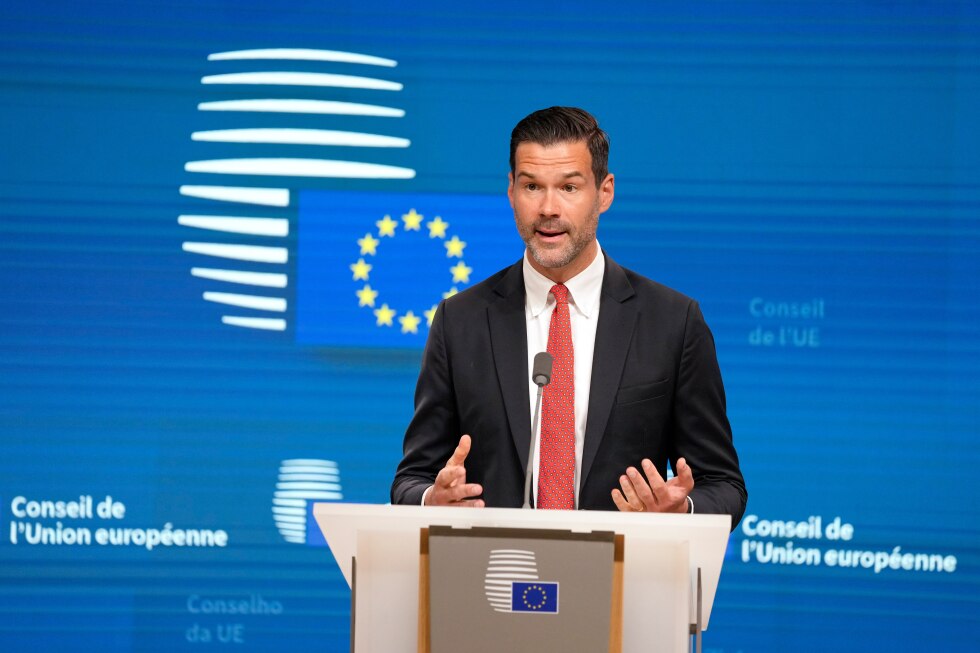
    NICOSIA, Cyprus — Sweden’s Migration Minister Johan Forssell has called for urgent European Union action to address the growing challenge of deporting Afghan nationals whose asylum claims have been rejected or who have committed crimes within EU territories. Speaking during an informal gathering of EU Justice and Home Affairs ministers in Cyprus, Forssell highlighted a critical administrative impasse: the inability to remove individuals lacking proper identification or travel documentation.

    The minister articulated a pressing concern that without functional documentation procedures, EU nations face ‘more or less impossible’ deportation scenarios. Forssell emphasized that while the EU maintains no interest in formal political engagements that might legitimize Afghanistan’s Taliban leadership, technical-level agreements remain both feasible and necessary.

    This position stems from Sweden’s direct experience with criminal cases involving Afghan nationals who cannot be expelled due to documentation gaps. ‘If you come to Europe and commit crimes, you have chosen yourself not to be part of our society,’ Forssell stated, underscoring the government’s commitment to ensuring expulsion of such individuals.

    The documentation crisis arises because most Afghan embassies in Europe operate without recognition from Taliban authorities, leaving migrants in legal limbo. Forssell revealed that the European Commission has initiated preliminary contacts with Kabul, describing these efforts as a ‘very positive first step.’ He also noted emerging consensus among multiple EU states facing parallel challenges.

    With over half of Afghan asylum seekers expected to receive rejections, Forssell warned that public support for legitimate asylum processes could erode without efficient return mechanisms. He proposed practical solutions including charter flights consolidating deportees from multiple countries.

    European Commissioner for Internal Affairs and Migration Magnus Brunner confirmed that member states are engaging with Afghanistan’s ‘effective authorities’ on technical levels to facilitate repatriations.

    The Swedish minister contextualized these efforts within his nation’s broader migration policy shift. Sweden’s historically generous asylum approach has transformed significantly in recent years, with public concern over migration-related problems contributing to the current government’s formation—a coalition that includes the hard-right, anti-immigration Sweden Democrats. Forssell reported that asylum applications have now reached their lowest level since 1985, aligning with current policy objectives.

  • France seizes suspected Russian ‘shadow fleet’ oil tanker in the Mediterranean

    France seizes suspected Russian ‘shadow fleet’ oil tanker in the Mediterranean

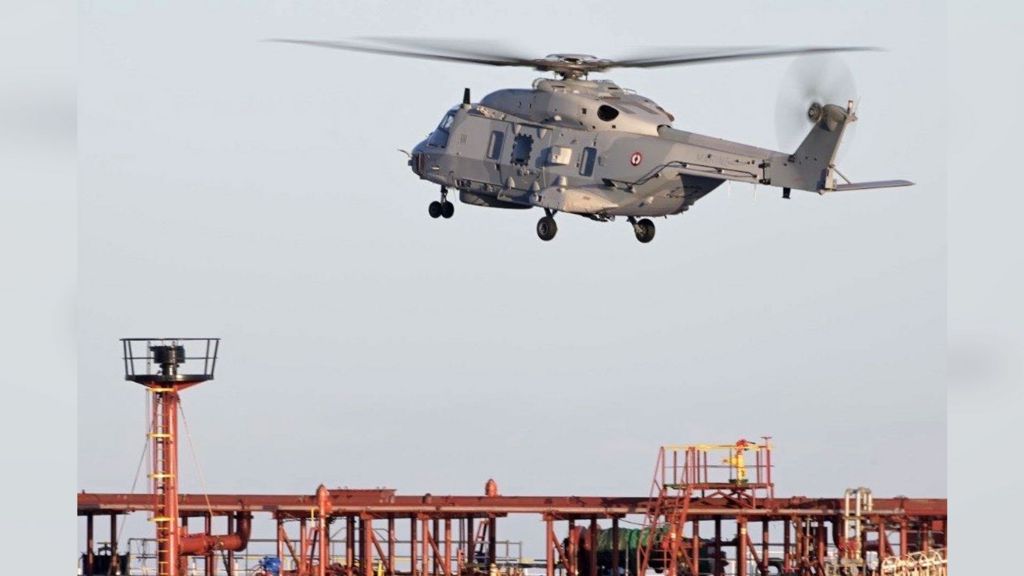
    In a significant multinational operation, French naval forces have intercepted and seized the oil tanker ‘Grinch’ in the Mediterranean Sea, alleging the vessel constitutes part of Russia’s clandestine ‘shadow fleet’ designed to circumvent Western sanctions. The operation, conducted with British military support between the coasts of Spain and Morocco, represents the latest escalation in Western efforts to disrupt Russia’s oil revenue streams financing its war in Ukraine.

    French President Emmanuel Macron announced the seizure via social media platform X, stating the vessel was ‘subject to international sanctions and suspected of flying a false flag.’ Maritime authorities confirmed subsequent inspections validated suspicions regarding the vessel’s fraudulent registration credentials. The Grinch had been sailing under the flag of Comoros, a known practice among sanction-evading vessels seeking to obscure their true ownership and operations.

    According to French officials, the tanker originated from Murmansk, Russia’s crucial Arctic port, before being intercepted. The UK Ministry of Defence acknowledged providing ‘tracking and monitoring’ assistance through HMS Dagger, which surveilled the vessel transiting the Strait of Gibraltar. British Defence Secretary John Healey emphasized the collaborative effort aims to ‘choke off the funds that fuel Putin’s illegal invasion of Ukraine.’

    Russia’s Paris embassy reported receiving no formal notification regarding the seizure, potentially setting the stage for diplomatic tensions. This incident follows similar recent actions, including a late 2023 French seizure of another sanctioned tanker and a January 2024 joint UK-US operation against a Russian-flagged vessel in the Atlantic.

    Ukrainian President Volodymyr Zelensky enthusiastically endorsed the interception, calling for even more aggressive measures including confiscation and sale of illicit oil cargoes. Speaking from Davos, Zelensky challenged European nations to move beyond discussion and demonstrate concrete action against Russian sanction evasion.

    The emergence of shadow fleets has become a pervasive challenge in global maritime security, with financial intelligence firm S&P Global estimating approximately 20% of worldwide oil tankers now participate in smuggling operations for sanctioned nations including Russia, Iran, and Venezuela.

  • German nurse jailed for murders could be linked to 100 more deaths

    German nurse jailed for murders could be linked to 100 more deaths

    German authorities have revealed that a convicted nurse serving life imprisonment for murdering 10 patients is now under investigation for potentially over 100 additional deaths. Chief Public Prosecutor Katja Schlenkermann-Pitts from Aachen confirmed to the BBC that investigators are examining “a correspondingly high number of suspicious cases” that could be linked to the former palliative care specialist.

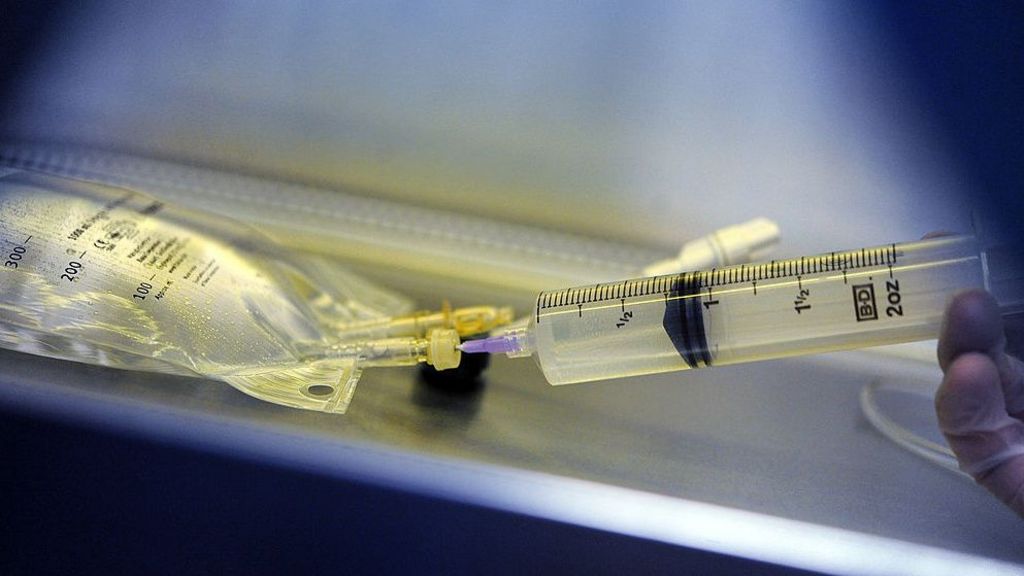
    The unnamed defendant, previously employed at Rhein-Maas hospital in Würselen, received a life sentence in November last year after being found guilty of 10 counts of murder and 27 counts of attempted murder. The regional court determined that during night shifts, he deliberately administered lethal doses of sedatives and painkillers to critically ill patients without medical justification.

    Prosecutors established that the nurse repeatedly administered medications while fully aware of their potentially fatal consequences. Judicial authorities concluded his actions were motivated by personal discomfort and a desire to maintain control during nighttime operations, despite his trial testimony claiming he only intended to help patients sleep.

    The initial conviction covered crimes committed between December 2023 and May 2024. However, the newly suspected cases predominantly relate to earlier periods, prompting a massive expansion of the investigation. Authorities have ordered approximately 60 exhumations, with 27 already completed and 30 more pending forensic examination.

    Prosecutor Schlenkermann-Pitts emphasized that many cases remain preliminary and dependent on autopsy results, noting that some suspicions “may still be dropped” following thorough investigation. Concurrently, Cologne prosecutors are examining deaths at hospitals where the nurse worked prior to his transfer to Würselen, located 65 kilometers away.

    Two exhumations have already occurred in Cologne involving a 94-year-old woman who died in 2018 and a 78-year-old patient from 2015. Officials from both jurisdictions confirm preparations for potential new charges are underway, though any additional proceedings are unlikely to commence before 2027.

    This case bears striking parallels to that of Niels Högel, another German nurse sentenced to life imprisonment in 2019 for murdering 85 patients, making him the most prolific killer in Germany’s modern history.