The past week witnessed several notable developments across the global landscape, with prominent figures making headlines for various reasons. Former U.S. President Donald Trump reiterated his expressed dissatisfaction regarding not receiving last year’s Nobel Peace Prize, marking another instance of his public commentary on international recognition. Meanwhile, Brooklyn Peltz Beckham, member of the prominent Beckham family, officially acknowledged circulating speculation about familial discord, confirming tensions within the high-profile household. In entertainment news, celebrated culinary expert Dame Prue Leith disclosed her decision to depart from the popular baking competition series, marking the end of an era for the beloved television program. These developments occurred alongside numerous other global events that captured international attention throughout the seven-day period, demonstrating the diverse nature of current affairs. News organizations continue to provide comprehensive coverage and analysis of these stories, with interactive quizzes and archival materials allowing readers to engage with and test their knowledge of contemporary events.
标签: Europe
欧洲
-
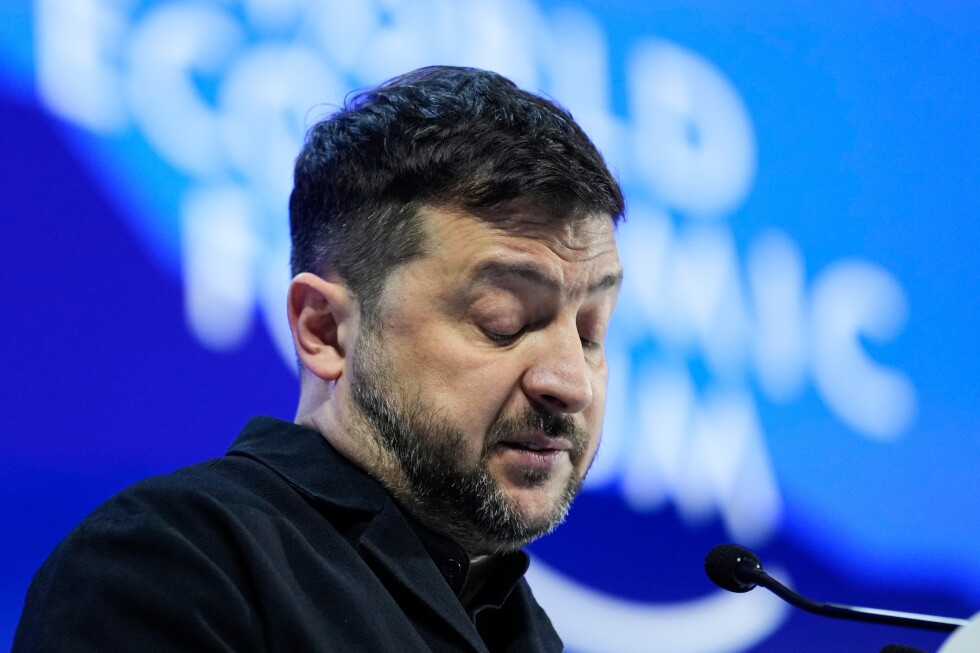
Ukraine’s Zelenskyy says his repeated warnings to Europe feel like ‘Groundhog Day’
Ukrainian President Volodymyr Zelenskyy delivered a scathing critique of European allies during his address at the World Economic Forum in Davos, Switzerland, condemning what he characterized as a fragmented and inadequate continental response to Russia’s ongoing aggression. Speaking before global leaders on Thursday, Zelenskyy articulated profound frustrations with Europe’s delayed decision-making processes and insufficient military support, contrasting it with more decisive American actions in other international conflicts.
The president employed a poignant cultural reference, comparing Ukraine’s prolonged struggle to the repetitive cycle depicted in the film ‘Groundhog Day.’ He noted with disappointment that identical appeals made during his previous Davos address remained unaddressed, emphasizing how Ukrainian citizens continue reliving the same traumatic realities daily amid relentless warfare.
Zelenskyy’s criticism extended beyond rhetorical concerns to specific policy shortcomings: inadequate defense spending, failure to halt Russia’s sanctions-evading ‘shadow fleet’ of oil tankers, and hesitation regarding utilizing frozen Russian assets for Ukraine’s benefit. He questioned Europe’s geopolitical identity, suggesting the continent functions more as a cultural concept than a unified political force capable of confronting existential threats.
The address followed Zelenskyy’s closed-door meeting with U.S. President Donald Trump, described by both leaders as productive. Discussions reportedly covered enhanced military assistance, including additional Patriot air defense systems crucial for protecting Ukraine’s energy infrastructure from systematic Russian attacks that have left civilians without essential services.
Despite European financial and humanitarian support, Zelenskyy highlighted concerning internal divisions within the 27-nation EU bloc and ongoing challenges including troop shortages—with approximately 200,000 desertions reported—and persistent weaponry deficits despite increased domestic arms production.
With U.S.-mediated peace negotiations gaining momentum, including anticipated trilateral talks in the United Arab Emirates, Zelenskyy emphasized that any settlement must require compromises from all parties, not just Ukraine. The delicate diplomatic balancing act continues as Ukraine strives to maintain international attention amid multiple global crises while confronting daily military challenges along the 1,000-kilometer front line.
-
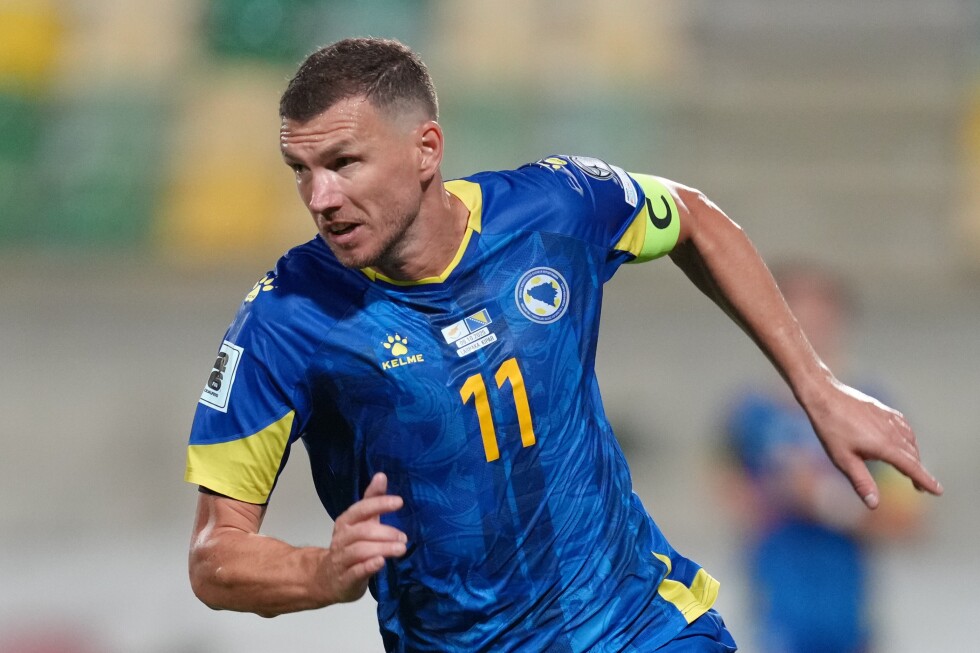
Džeko returns to Germany for Schalke as he hopes to lead Bosnia to the World Cup
In a strategic move that bridges past glory with future ambitions, German second-division club Schalke has secured the signature of legendary Bosnian striker Edin Džeko from Italy’s Fiorentina. The 39-year-old veteran, who will turn 40 in March, returns to the Bundesliga where he first achieved international acclaim.
Schalke’s sporting director, Youri Mulder, emphasized the multifaceted value of this acquisition: “We’re acquiring not just a proven goal-scorer but a natural leader whose experience at the highest competitive levels will substantially elevate our squad’s capabilities. His presence as both a target man and finisher provides crucial offensive dimensions.”
The transfer carries significant international implications beyond domestic competition. Džeko, Bosnia’s all-time leading scorer with 72 goals across 146 appearances, aims to leverage consistent playing time to maintain peak condition for Bosnia’s World Cup qualifying campaign. The national team faces a critical playoff pathway in March, initially confronting Wales with a potential subsequent clash against either Italy or Northern Ireland.
Currently leading the 2. Bundesliga by a four-point margin over Elversberg and Darmstadt, Schalke has built their success primarily on defensive solidity rather than offensive output—an area Džeko’s arrival directly addresses. The veteran striker will wear the iconic No. 10 jersey through the remainder of the season’s 16 fixtures.
Džeko expressed enthusiasm about rejoining German football, noting: “I’ve monitored Schalke’s remarkable resurgence following challenging periods. Their developmental trajectory this season demonstrates compelling potential.” The decorated forward brings championship experience from Wolfsburg’s historic 2009-10 Bundesliga triumph, multiple Premier League titles with Manchester City, and recent Serie A successes with Inter Milan.
-
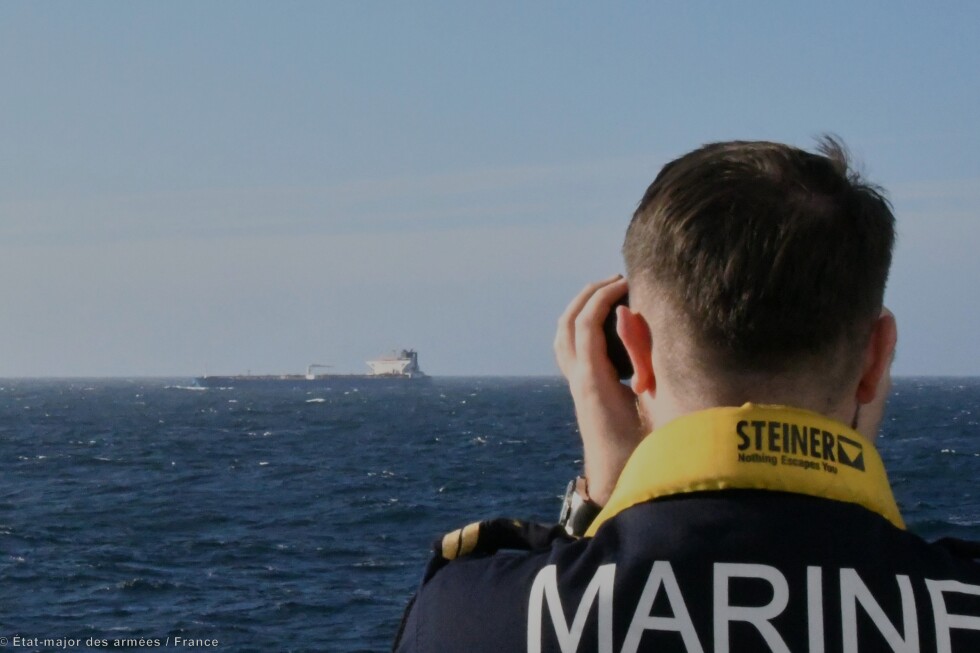
France’s navy intercepts an oil tanker in the Mediterranean sailing from Russia
In a coordinated international effort, French naval forces intercepted the oil tanker Grinch in the western Mediterranean Sea on Thursday, acting on intelligence provided by United Kingdom authorities. The vessel, suspected of operating under a false Comoros Islands flag while transporting Russian oil, was escorted to anchorage near Almeria, Spain for comprehensive inspection.
The operation represents the latest escalation in Western efforts to dismantle Russia’s sanction-evasion network known as the ‘shadow fleet’ – estimated to comprise over 400 aging vessels owned by opaque entities registered in non-sanctioning countries. French President Emmanuel Macron publicly endorsed the mission, stating the interception demonstrates France’s determination to ‘uphold international law and ensure effective enforcement of sanctions’ against Russian oil revenues funding the Ukraine conflict.
According to French military officials speaking anonymously, the Grinch had departed from Murmansk in northwestern Russia and was crewed by Indian nationals. This marks the second such interception in recent months, following September’s boarding of the Pushpa/Boracay tanker off the French Atlantic coast – an action Russian President Vladimir Putin previously condemned as ‘piracy’ intended to distract from domestic French issues.
The captured tanker’s captain faces trial in February 2024 for alleged non-cooperation with authorities, as France and allied nations intensify pressure on flag-registry countries to facilitate easier boarding of suspected sanction-busting vessels.
-
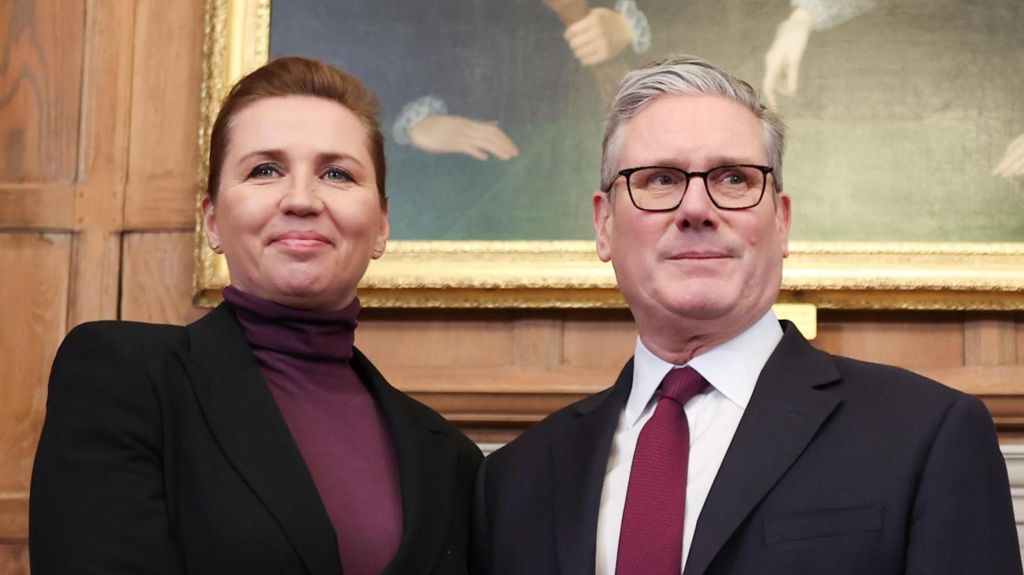
Danish PM thanks Starmer for support over Greenland
In a significant diplomatic development, Danish Prime Minister Mette Frederiksen has expressed gratitude to UK Prime Minister Sir Keir Starmer for his unwavering support during recent tensions over former US President Donald Trump’s threats to annex Greenland. The leaders met at Chequers, the British prime minister’s country estate, where they celebrated the successful resolution of what Frederiksen described as “a difficult time” for European solidarity.
The crisis emerged when Trump renewed calls for the United States to take control of Greenland, a Danish autonomous territory rich in strategic resources and geopolitical significance. This prompted immediate concern across NATO allies and triggered fears of potential trade wars. However, following intensive diplomatic efforts, including discussions between Trump and NATO Secretary General Mark Rutte at the World Economic Forum in Davos, the former president abandoned his threat to impose 10% import tariffs on eight countries, including the UK.
Prime Minister Starmer welcomed the de-escalation, noting that “the threat of tariffs against the United Kingdom was lifted” and emphasizing the importance of Arctic security for global stability. “Now we can start the hard yards of finding a way forward on security in the Arctic, which may seem remote but actually matters to all of us in terms of safety and security,” Starmer stated during his Hertfordshire visit.
The resolution emerged from what Downing Street characterized as “serious behind-the-scenes diplomacy,” with the UK maintaining constant communication with the US administration and coordinating closely with NATO leadership. The agreement includes developing a new framework for NATO’s role in enhancing Arctic security, though specific details remain limited.
Foreign Secretary Yvette Cooper clarified that the agreement focuses on establishing an “Arctic sentry” initiative rather than addressing Greenland’s mineral resources. She emphasized that the climbdown resulted from the UK’s “determined diplomacy” and “very coordinated approach across allies,” despite Trump’s attempts to pressure the UK through criticism of the Chagos Islands agreement with Mauritius.
The diplomatic victory highlights the effectiveness of what Frederiksen praised as the “British way” of diplomacy—pragmatic, fact-based, and principled. The Danish leader even referenced The Beatles, noting that sometimes nations need to “get by with a little help from our friends” in challenging situations.
-
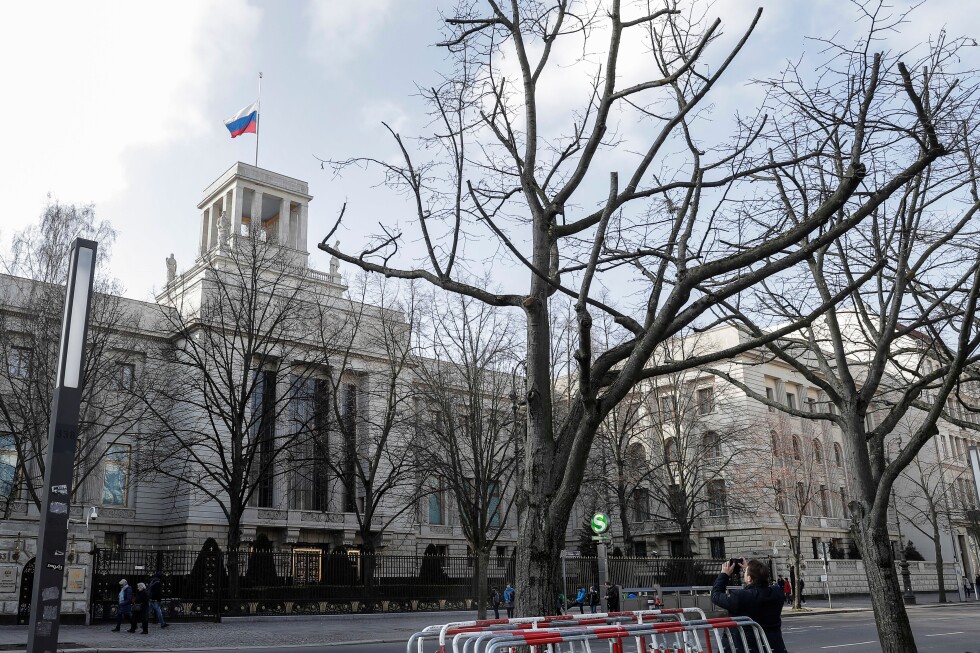
Germany expels a Russian diplomat after a suspect is arrested in an espionage case
BERLIN — In a significant diplomatic escalation, Germany has declared a Russian diplomat persona non grata following the arrest of a dual national suspected of conducting espionage operations for Russian intelligence. The German Foreign Ministry announced the expulsion on Thursday, stating unequivocally that espionage activities, particularly those masquerading under diplomatic cover, will not be tolerated on German soil.
The case centers on a German-Ukrainian woman apprehended in Berlin on Wednesday by federal prosecutors. Investigation documents reveal she maintained regular contact since late 2023 with an operative from Russia’s embassy who was identified as an intelligence officer. According to prosecutors, the suspect provided sensitive information related to military support for Ukraine, including details about defense industry facilities, experimental drone testing programs, and planned deliveries of unmanned aerial vehicles to Ukrainian forces.
Furthermore, the suspect allegedly facilitated her Russian contact’s infiltration of political events in Berlin using false identities, enabling intelligence gathering operations. The investigation has expanded to include two former German military employees, one recently retired officer, suspected of leaking classified information to the primary suspect. The Defense Ministry confirmed its active cooperation with the ongoing probe into these security breaches.
The Russian ambassador was formally summoned to receive notification of the diplomat’s expulsion, underscoring Germany’s firm response to what it characterizes as unacceptable intelligence operations exploiting diplomatic channels.
-
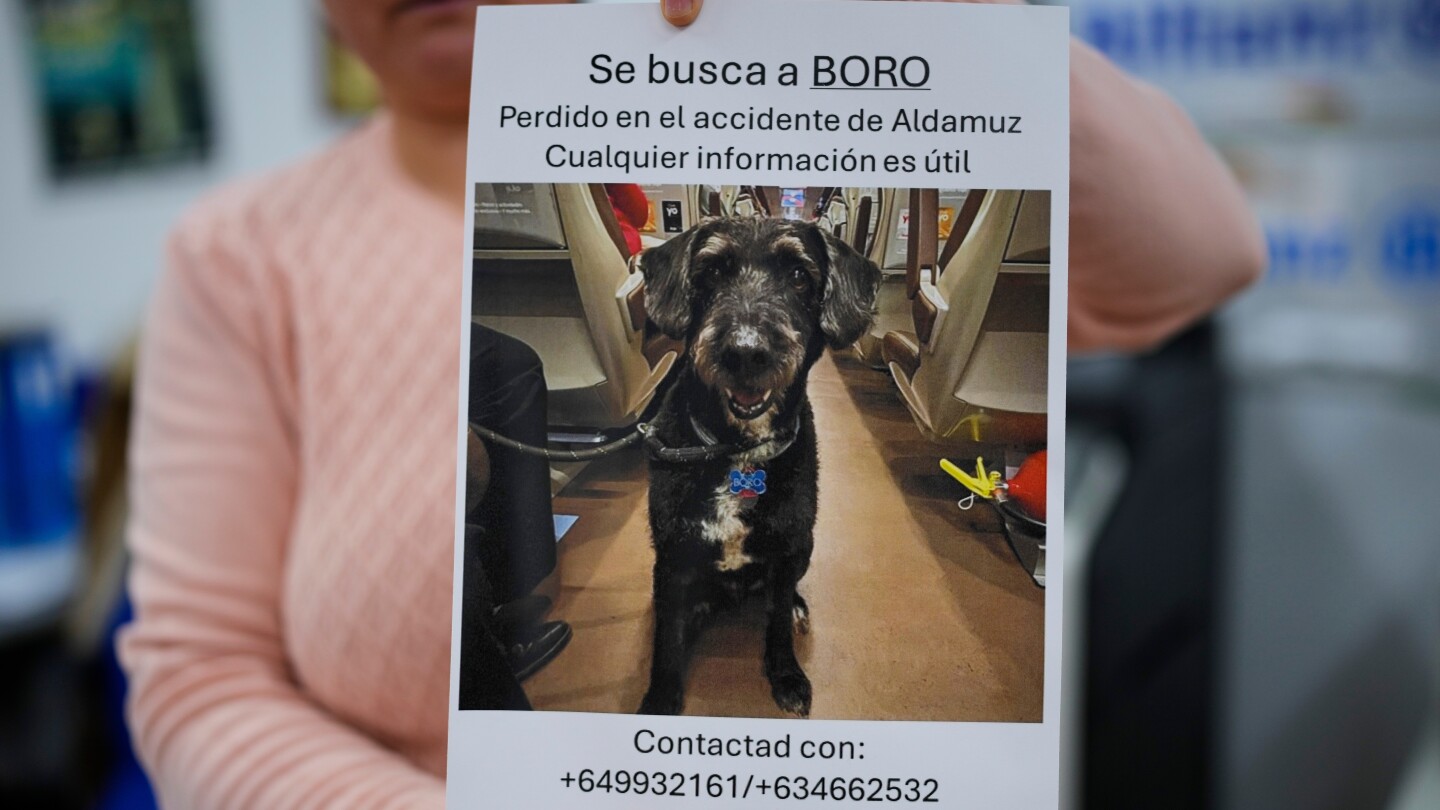
After fatal rail accident, a missing dog that captivated Spain is found
In a heartening development amid national tragedy, Spanish forest firefighters successfully located and returned Boro, a dog who went missing following Sunday’s catastrophic train collision in southern Spain. The black-and-white pet’s disappearance had captured national attention after his owner, Ana García, made an emotional public appeal while visibly injured from the accident that claimed 43 lives.
The breakthrough came Thursday morning when emergency personnel announced the successful rescue operation via social media platform X. “At this time of the morning, we share some good news: Boro, the missing dog, has been found,” officials announced, triggering nationwide celebration.
Boro’s story emerged as an unexpected symbol of resilience for a nation grappling with consecutive rail disasters. For days, Spanish citizens had mobilized through digital channels, amplifying García’s plea and circulating photographs of the medium-sized dog with distinctive white eyebrows. The collective effort saw viral sharing of contact information and interview footage showing García’s desperate search for her companion.
Social media erupted with relief as users shared images of the reunited owner and pet. One commentator described the moment as “A picture of hope in Adamuz. Boro is returning home to his family.”
The 26-year-old García and her pregnant sister had been traveling with Boro via high-speed train from their hometown of Malaga to Madrid when their carriage derailed under circumstances still under investigation. The catastrophic collision resulted in dozens of fatalities and over 150 injuries, with rescue teams extracting the sisters from the wreckage. It was during this chaotic evacuation that Boro reportedly escaped in panic.
In her initial tearful statement to reporters, García had pleaded: “Please, if you can help, look for the animals. We were coming back from a family weekend with the little dog, who’s family, too.”
Family representatives confirmed the successful reunion via text message to The Associated Press, noting that while Boro was safely recovered, García’s sister remains hospitalized receiving medical treatment.
-
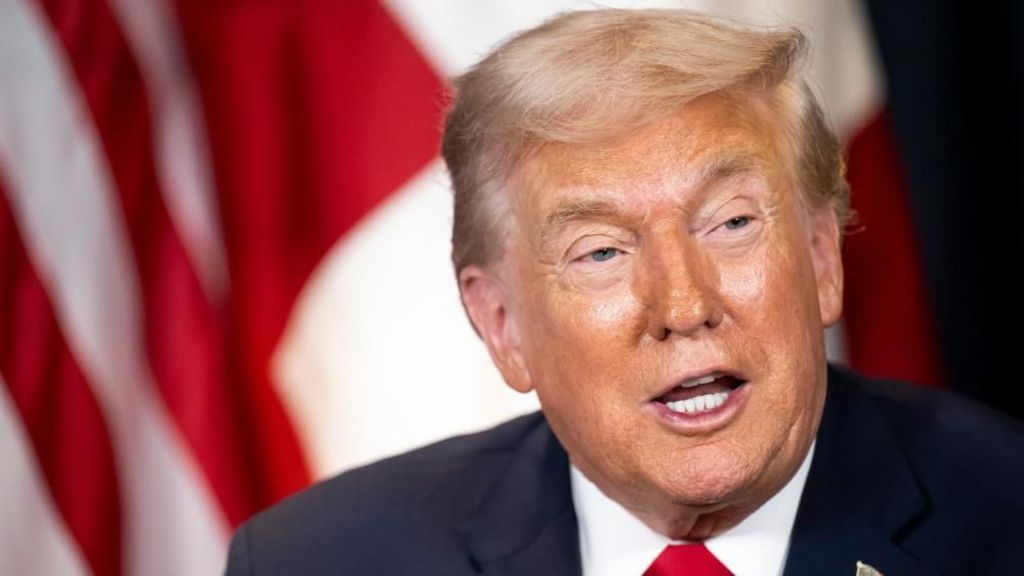
What we know about Trump’s ‘framework of future deal’ over Greenland
In a surprising diplomatic development, former U.S. President Donald Trump has declared the establishment of a “framework of a future deal” concerning Greenland during the World Economic Forum in Davos, Switzerland. The announcement came through his Truth Social platform on Wednesday, following discussions with NATO Secretary General Mark Rutte.
This declaration follows weeks of heightened tensions after Trump threatened economic sanctions against eight close U.S. allies who opposed his controversial plans to acquire the semi-autonomous Danish territory. While Trump characterized the meeting with Rutte as “very productive,” the NATO leader clarified that Danish sovereignty over Greenland was not discussed during their conversation.
Both Danish and Greenlandic authorities have responded with firm statements reaffirming that sovereignty remains non-negotiable. Danish Prime Minister Mette Frederiksen emphasized that while Denmark remains open to discussions on “security, investments, economy,” the nation’s sovereignty is not subject to negotiation. This position was echoed by Aaja Chenmitz, one of Greenland’s two representatives in the Danish parliament, who asserted that “Nothing about us without us” regarding any negotiations affecting Greenland.
The diplomatic standoff appears to center on reports suggesting the potential transfer of sovereignty over specific areas of Greenland for U.S. military bases, similar to Britain’s sovereign base areas in Cyprus. U.K. Foreign Secretary Yvette Cooper expressed hope for trilateral discussions involving Denmark, Greenland, and the United States while emphasizing that Greenland’s sovereignty must be protected.
Strategic concerns driving U.S. interest include countering perceived threats from Chinese and Russian activities in the Arctic region and securing access to Greenland’s vast reserves of rare earth minerals, crucial for modern technologies. NATO allies have proposed alternative security arrangements, including an “Arctic Sentry” initiative modeled after the Baltic Sea surveillance mission, to address U.S. security concerns without compromising sovereignty.
The existing 1951 defense agreement between the U.S. and Denmark already permits unlimited U.S. military personnel in Greenland, with over 100 permanently stationed at the Pituffik base. Potential negotiations may focus on modernizing this agreement rather than transferring sovereignty, despite Trump’s previous insistence that “Countries have to have ownership and you defend ownership, you don’t defend leases.”
This development represents the latest chapter in Trump’s longstanding interest in acquiring Greenland, continuing a tradition of U.S. presidential interest in the strategically vital Arctic territory that dates back decades.
-
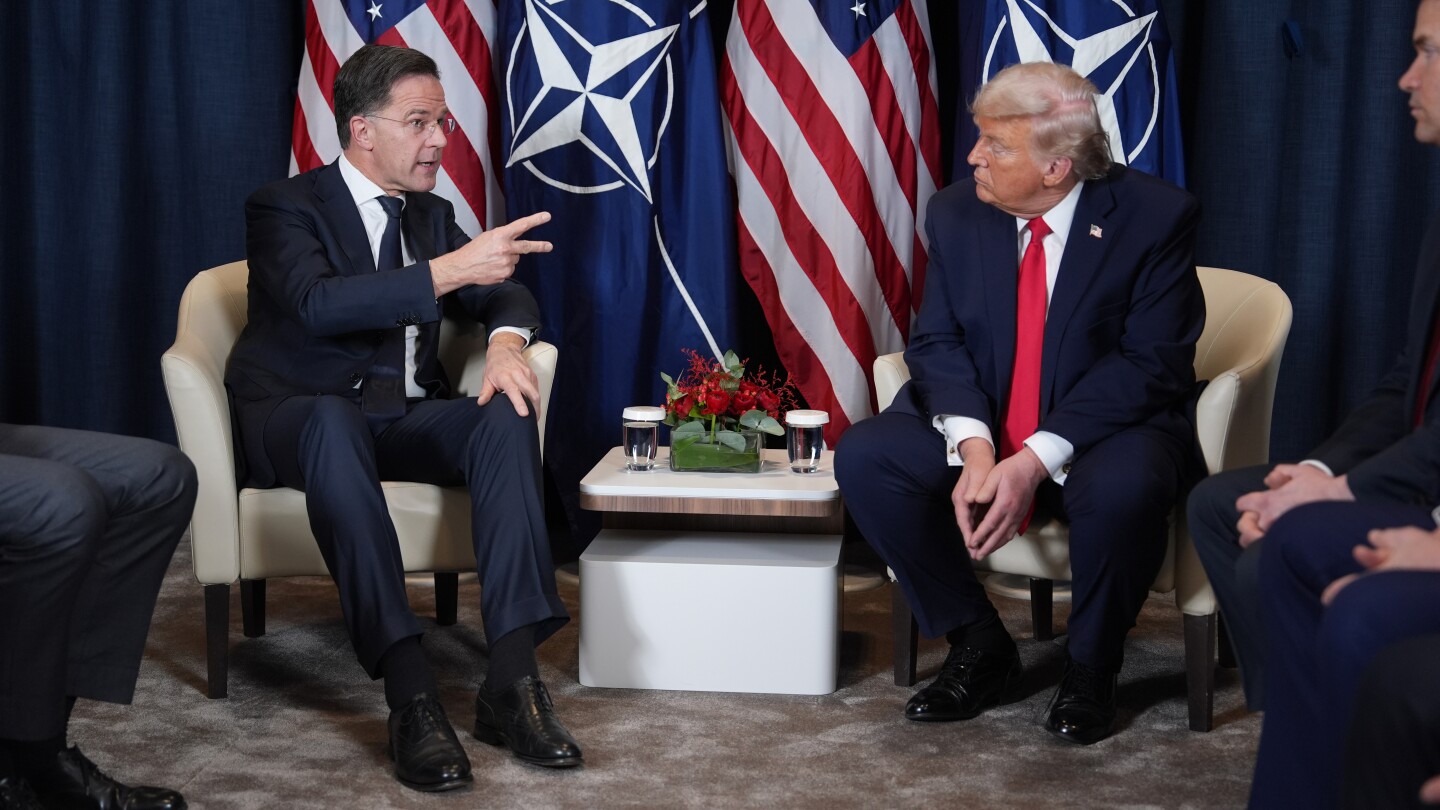
NATO chief Mark Rutte’s shows he’s the ‘Trump Whisperer’ after Greenland diplomacy with Trump
THE HAGUE, Netherlands — A potentially explosive geopolitical standoff between the United States and European allies over Greenland’s sovereignty was unexpectedly defused through the diplomatic intervention of NATO Secretary-General Mark Rutte, reinforcing his reputation as Washington’s most effective European interlocutor.
The crisis emerged when President Donald Trump publicly asserted America’s claim to ‘complete ownership’ of Greenland, threatening punitive tariffs against eight European nations to pressure Denmark over control of the strategically vital Arctic territory. Even after Trump retracted threats of military action during his Davos address, the diplomatic impasse persisted.
Rutte’s behind-the-scenes diplomacy proved decisive. Through a combination of personal charm and strategic flattery—including effusive text messages addressing Trump as ‘daddy’ and ‘Mr. President, dear Donald’—the Dutch politician engineered a dramatic reversal. Trump subsequently announced a new ‘framework for future Arctic security agreements’ developed in consultation with Rutte at the World Economic Forum.
Atlantic Council strategist Matthew Kroenig observed: ‘Secretary-General Rutte has emerged as Europe’s most effective diplomat and Trump whisperer. He possesses a unique ability to maintain constructive U.S. engagement with NATO through his distinctive communication style.’
Rutte’s approach reflects political skills honed during nearly thirteen years as Netherlands’ longest-serving prime minister, where he earned the nickname ‘Teflon Mark’ for surviving numerous scandals through pragmatic coalition-building and perceived indestructible cheerfulness. His resilience was demonstrated when he resigned over a childcare allowance scandal in 2021 only to win subsequent elections with increased support.
The NATO leadership appointment itself demonstrated Rutte’s exceptional diplomatic capabilities, having secured backing from traditionally skeptical leaders including Hungary’s Viktor Orbán and Turkey’s Recep Tayyip Erdoğan. His consensus-building skills are considered particularly valuable as NATO navigates Trump’s criticisms while coordinating support for Ukraine against Russian aggression.
Finnish President Alexander Stubb, another leader noted for Trump rapport, publicly endorsed Rutte’s crisis-resolution abilities during the Greenland tensions, telling Davos attendees the solution lay with the Dutch leader—prompting knowing laughter from audience members and panelists alike.
-
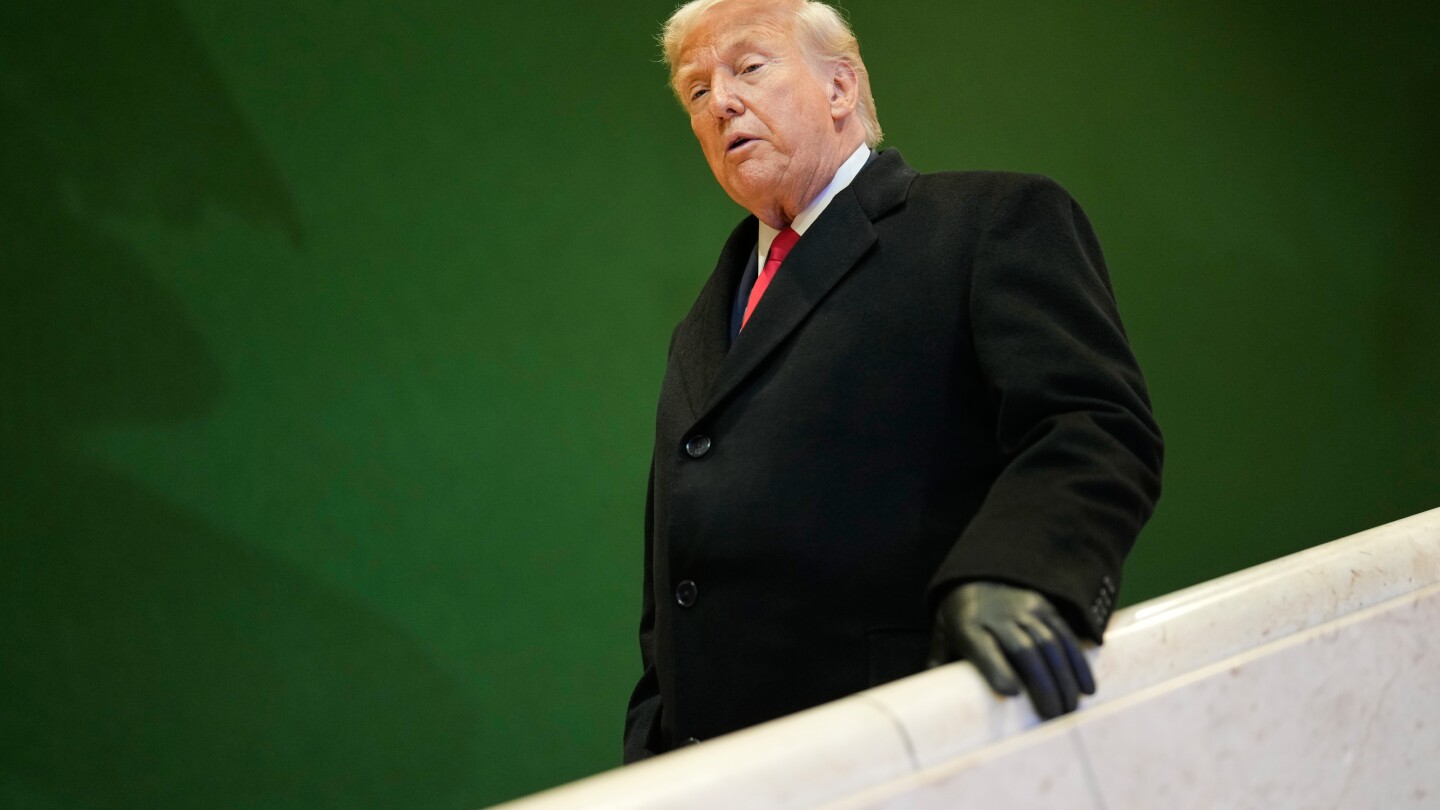
EU leaders gather to chart a new course for transatlantic ties after Trump threats over Greenland
BRUSSELS — European Union leadership is assembling for an urgent summit on Thursday to redefine transatlantic diplomacy following two weeks of diplomatic turbulence triggered by U.S. President Donald Trump’s volatile statements regarding Greenland. Although Trump recently retracted his threats to forcibly acquire the Danish autonomous territory and impose tariffs on eight European nations, the episode has exposed profound concerns about American reliability.
The situation underscores deepening transatlantic tensions. European Commission President Ursula von der Leyen openly questioned Trump’s trustworthiness this week, particularly regarding his apparent readiness to abandon a July EU-U.S. trade agreement designed to prevent further tariffs. ‘In politics as in business – a deal is a deal. When friends shake hands, it must mean something,’ von der Leyen told EU lawmakers, emphasizing the importance of diplomatic consistency.
Danish Prime Minister Mette Frederiksen remains firm that her country’s sovereignty is not negotiable, despite Trump’s sudden reversal. The hastily arranged ‘framework’ agreement that prompted Trump’s change of position remains shrouded in secrecy, fueling ongoing skepticism among European officials.
Beyond Greenland, EU leaders are formulating a unified response to Trump’s proposed ‘Board of Peace,’ an initiative originally conceived to oversee Gaza ceasefire efforts but since expanded into a more ambitious international platform. Several European nations, including Norway, Slovenia, and Sweden, have declined participation. Trump responded characteristically, threatening French President Emmanuel Macron with ‘200% tariffs on his wines and champagnes’ should France refuse to join.
While Hungary has accepted the invitation and Germany has offered a noncommittal response, European Council President António Costa acknowledged that the Trump administration presents fundamental challenges to European security, principles, and prosperity. ‘All these three dimensions are being tested in the current moment of transatlantic relations,’ Costa stated ahead of the summit.
EU leaders have reaffirmed their commitment to international law, territorial integrity, and national sovereignty—principles they uphold in supporting Ukraine against Russian aggression and which Trump threatened regarding Greenland. The European Parliament has temporarily suspended ratification of the EU-US trade agreement in response to Trump’s tariff threats.
The Greenland episode has galvanized European leaders to reconsider their relationship with their traditionally strongest ally. Polish Prime Minister Donald Tusk, a prominent advocate for strong transatlantic ties, warned that ‘appeasement is always a sign of weakness. Europe cannot afford to be weak — neither against its enemies, nor allies.’
Von der Leyen revealed that the European Commission is developing plans for substantial economic investments in Greenland to strengthen its economy and infrastructure, alongside crafting a new European security strategy. She emphasized that the EU stands ‘fully prepared to act, if necessary, with unity, urgency and determination’ should tariffs be imposed, characterizing the current juncture as a critical ‘crossroads’ for European foreign policy.