标签: Europe

欧洲

  • Freezing and in the dark, Kyiv residents are stranded in tower blocks as Russia targets power system

    Freezing and in the dark, Kyiv residents are stranded in tower blocks as Russia targets power system

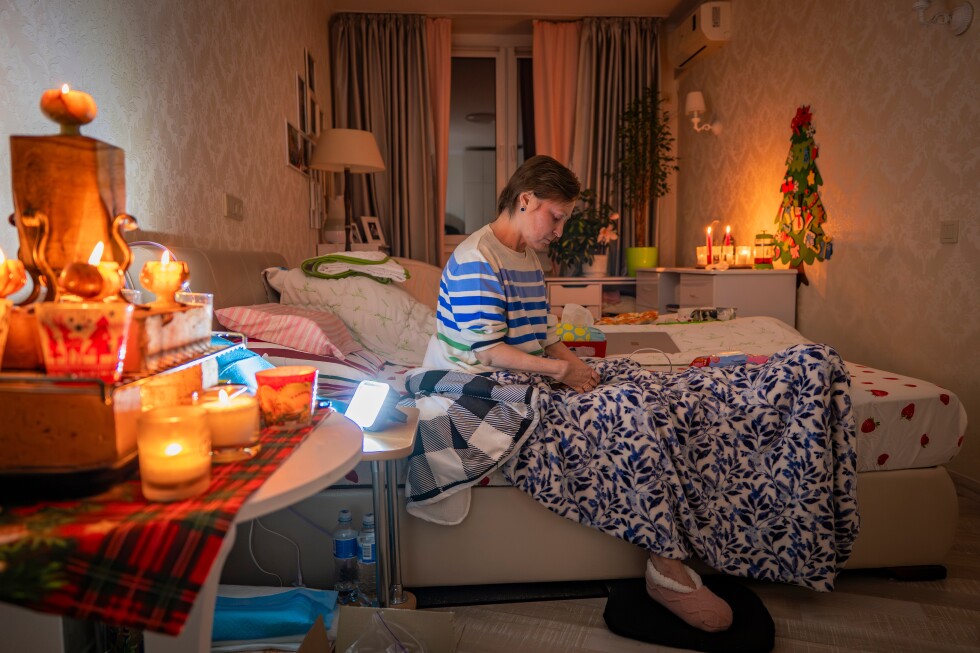
    In the frozen heart of Ukraine’s capital, a profound humanitarian crisis unfolds within the concrete walls of Soviet-era high-rises. Olena Janchuk, a 53-year-old former kindergarten teacher afflicted with severe rheumatoid arthritis, remains imprisoned on the 19th floor of her Kyiv apartment block—650 steps from the ground. This constitutes her fourth winter of war, a season defined by perpetual cold and darkness resulting from Russia’s systematic bombardment of Ukraine’s energy infrastructure.

    With daily blackouts lasting up to seventeen hours, elevators have transformed into inaccessible luxuries. January temperatures plunging to -10°C (14°F) leave permanent frost patterns creeping across interior windows. Residents like Janchuk employ desperate ingenuity for survival: makeshift fireplaces constructed from candles beneath heat-absorbing bricks, USB-powered lamps illuminating darkened rooms, and meticulous rationing of precious power bank reserves for electric blankets during the coldest nights.

    Kyiv’s three million residents now organize their existence around electricity schedules, planning cooking, charging, and washing routines within narrow windows of availability. The urban landscape has adapted—diesel generators rumble along commercial streets, shoppers navigate aisles by phone flashlight, and bars glow with candlelight. Mobile applications deliver critical notifications about narrowing electricity windows, while Telegram chats facilitate neighborly check-ins and blackout updates.

    The architecture itself has become an instrument of isolation. Staircases present insurmountable barriers for elderly residents, people with disabilities, and wounded veterans, effectively trapping them within their homes. While affluent neighborhoods pool resources for building generators, most residential blocks housing pensioners and vulnerable populations cannot afford such solutions. Disability advocates urgently petition city officials for generator funding, arguing that staircases have created an invisible social barrier.

    The scale of destruction is catastrophic. Energy sector damage exceeds $20 billion according to World Bank, European Commission, and UN estimates. Shift supervisor Yuriy (name withheld for security) surveys the wreckage of a repeatedly struck coal-fired power plant—charred machinery, collapsed roofs, and control panels melted into uselessness. Repairs proceed by torchlight behind giant sandbag barriers, with photographs of deceased colleagues hanging near entrances.

    Despite Kyiv’s implementation of austere power-saving measures—dimming streetlights and investing in decentralized generation—restoration feels distant for those enduring winter in darkness. As 72-year-old Lyudmila Bachurina summarizes while managing household chores during brief power intervals: ‘I’m tired, really tired. When you can’t go outside, when you don’t see the sun… it wears you down. But we will endure anything until the war ends.’ Across the snow-covered city, the nighttime horizon continues to flash with explosions as Russia persists in its campaign against Ukraine’s energy resilience.

  • Combining exercise with volunteering works out for members of a UK alternative to gyms

    Combining exercise with volunteering works out for members of a UK alternative to gyms

    LONDON — While shoveling compost and clearing weeds on a chilly, damp evening might seem unappealing to many, participants of GoodGym’s innovative program approach these tasks with enthusiasm and energy. This organization has transformed conventional fitness routines by merging physical exercise with meaningful community service, creating a unique social fitness movement across Britain.

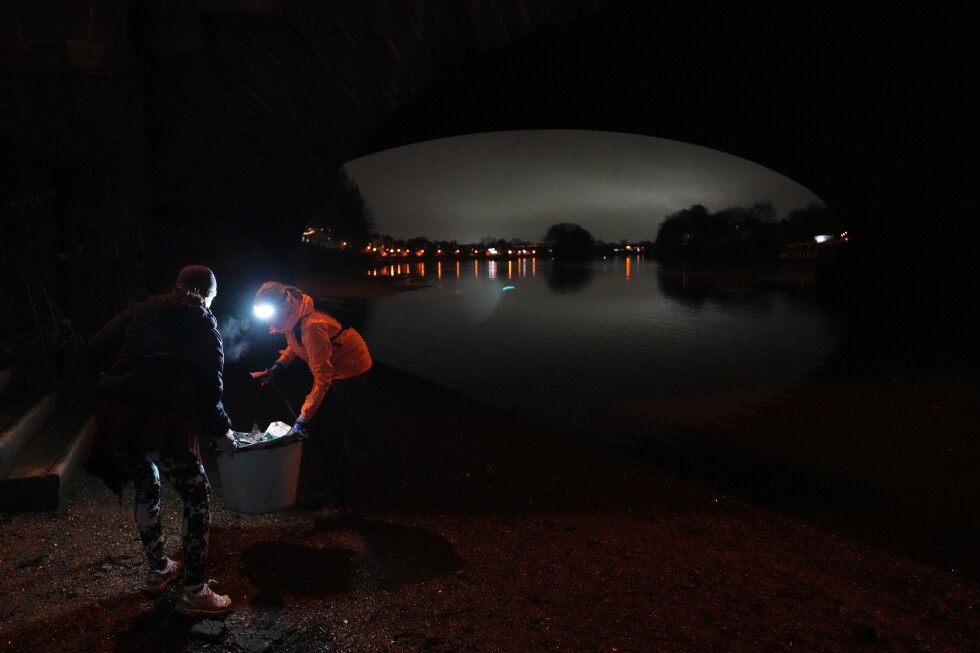
    On a recent evening in London, volunteers clad in running gear equipped with headlamps transformed a derelict parking lot rooftop into a vibrant community garden. These participants had jogged approximately one mile to reach the site, incorporating digging, squatting, and lifting into their weekly workout regimen. GoodGym’s mission centers on enabling UK residents to improve their physical fitness while contributing to their communities, eliminating the need for expensive gym memberships or equipment.

    Founded in 2007 by Ivo Gormley, the organization originated from a simple act of delivering newspapers to elderly residents through running. Dissatisfied with traditional gym environments, Gormley envisioned exercise that served practical purposes. What began with removing outdated posters in East London has expanded significantly, with GoodGym now boasting over 26,600 members across 67 locations in England and Wales, with plans to expand into Northern Ireland and Scotland.

    The COVID-19 pandemic prompted a strategic shift, with volunteers focusing on assisting isolated seniors through prescription deliveries and food distribution. Current activities range from clearing discarded Christmas trees and collecting plastic waste along the River Thames to planting fruit trees and assembling beds for homeless individuals.

    Research conducted by the London School of Economics suggests the combined approach yields enhanced mental health benefits. A two-year study led by Assistant Professor Christian Krekel examined 3,600 current and prospective members, documenting improvements across six dimensions of mental wellbeing. Participants reported reduced loneliness, increased life satisfaction, and stronger feelings of social connection compared to those engaged solely in either volunteering or physical exercise.

    The organization maintains accessibility as a core principle, with voluntary monthly donations and no attendance requirements. Regular participants emphasize the dual benefits of physical activity and social contribution, with many noting the particular advantage for women seeking safe evening exercise options during London’s dark winter months.

  • King Charles III believes ‘harmony’ can help save the planet. His documentary explains how

    King Charles III believes ‘harmony’ can help save the planet. His documentary explains how

    LONDON — King Charles III is leveraging royal influence and modern media to advance his lifelong environmental advocacy through a new Amazon Prime documentary, “Finding Harmony: A King’s Vision.” The film, available from February 6th with narration by Kate Winslet, expands upon the monarch’s philosophical framework first detailed in his 2010 book “Harmony: A New Way of Looking at Our World.

    The documentary presents Charles’ comprehensive worldview that connects climate action, sustainable agriculture, urban planning, and interfaith dialogue as interrelated solutions to global challenges. It directly addresses critics who have dismissed his eclectic interests as dilettantism, positioning them instead as components of a coherent philosophy centered on restoring balance between humanity and nature.

    Scientific authorities including Cambridge climate expert Emily Shuckburgh and environmentalist Tony Juniper appear alongside the king to validate his concepts. Juniper emphasizes that human societies remain governed by natural systems despite technological advancements, arguing that reconnecting with these systems is essential for addressing environmental crises.

    “All of that is reversible, all of that fixable,” Juniper stated. “But it’s going to require more of us to understand that we are not outside nature, we are in it.”

    The film’s release marks a strategic effort to refocus attention on the king’s core passions after two years dominated by health concerns and family tensions. Royal historian Ed Owens notes this represents “a very deliberate attempt to rebrand monarchy after a couple of very difficult years” involving Charles’ cancer treatment and ongoing friction with Prince Harry.

    The documentary highlights practical applications of Charles’ philosophy through initiatives like Dumfries House in Scotland, a 2,000-acre estate functioning as a laboratory for sustainable living. The facility offers training programs blending traditional crafts with environmental principles, exemplified by students like former university administrator Jennie Regan, who is retraining as a stonemason to create lasting, sustainable artwork.

    Shuckburgh emphasizes the film’s timely message of hope: “Having something that provides that sense of hope and optimism is really, really important” during challenging times. The project reinforces Charles’ five-decade environmental advocacy, dating to his first speech on conservation in 1970 at age 21.

  • Tragic chapter on the trains sends rail superpower Spain into crisis

    Tragic chapter on the trains sends rail superpower Spain into crisis

    Spain’s renowned high-speed rail system, once celebrated as a global benchmark for efficiency and safety, now faces an unprecedented crisis following a series of devastating accidents that have claimed 46 lives and shaken public confidence. The nation observed three days of mourning this week as investigators continue probing the catastrophic collision between two high-speed trains in Andalusia, which represents the deadliest rail disaster in Spain’s modern history.

    For three decades, Spain’s AVE network stood as a transport marvel—second only to China in total coverage with 3,900 kilometers of dedicated high-speed tracks. The system earned international acclaim, notably from former U.S. President Barack Obama who in 2009 praised the Madrid-Seville line as so successful that it outperformed air and road travel combined. Spanish engineering expertise even expanded globally, with consortiums building desert railways in Saudi Arabia.

    This impeccable reputation shattered within days. The initial tragedy occurred when the rear carriages of an Italian-operated Iryo train derailed at high speed along a straight section near Córdoba, veering into the path of an oncoming Renfe service. The investigation’s preliminary findings reveal grooves on multiple train wheels suggesting track fracture preceded the derailment. Subsequently, a trainee driver died near Barcelona when heavy rainfall collapsed a wall onto his cab, while separate incidents involved rock collisions and crane impacts causing minor injuries.

    The cascade of accidents has exposed systemic vulnerabilities. Catalonia’s train drivers initiated strike action demanding safety guarantees, paralyzing regional services. Nationwide, the Semaf union has called February strikes citing ‘constant deterioration of rail infrastructure.’ Even high-speed lines now operate under temporary speed restrictions amid safety reviews.

    Public trust has evaporated rapidly. Córdoba shopkeeper Alberto Montavez Montes, whose business faces city hall where flags fly at half-mast, expressed the prevailing sentiment: ‘It’s not psychosis, but undoubtedly you feel reluctant to board trains now.’ Local resident Olga Márquez reported her husband frequently noted concerning vibrations and noises on the very line where the collision occurred.

    The political response has intensified scrutiny on maintenance investment. Transport Minister Óscar Puente defended government spending, noting €700 million recently allocated to modernize the Madrid-Andalusia line including the accident site. ‘We’re not looking at problems of maintenance, obsolescence, or investment,’ he asserted, while acknowledging potential ‘unprecedented network issues.’

    However, European comparative data reveals Spain ranks last among 14 nations in per capita rail infrastructure investment. Engineering expert Salvador García-Ayllón warns liberalization policies that doubled annual high-speed passengers to 22 million have left Spanish rail ‘bursting at the seams.’ He analogized: ‘The challenge isn’t just buying a Ferrari—you must maintain it properly.’

    Performance metrics confirm declining reliability: Renfe’s high-speed trains averaged 19-minute delays in July 2025, while technical incidents on Madrid’s commuter network tripled since 2019. The tragedies have ignited political warfare, with opposition parties accusing the government of withholding information and declaring train travel unsafe.

    Prime Minister Pedro Sánchez acknowledged the ‘irreparable damage’ while maintaining that high-speed rail remains ‘Spain’s pride.’ Yet for citizens confronting broken confidence and unanswered safety questions, such assertions ring hollow amid the deepest crisis in Spanish rail history.

  • Danish PM in Greenland for ‘show of support’ after Trump threats

    Danish PM in Greenland for ‘show of support’ after Trump threats

    A significant diplomatic de-escalation has emerged in the Arctic following a week of heightened tensions between the United States and Denmark over Greenland. Danish Prime Minister Mette Frederiksen traveled to Nuuk, Greenland’s capital, for urgent consultations with local leader Jens-Frederik Nielsen, signaling a shift from confrontation to dialogue.

    The breakthrough came after U.S. President Donald Trump unexpectedly reversed his previous threats of military action and economic sanctions against allied nations. Through social media, Trump announced that a “framework of a future deal” had been established following discussions with NATO Secretary General Mark Rutte at the World Economic Forum in Davos.

    Despite the positive developments, specific details of the agreement remain undisclosed, creating uncertainty about the exact nature of the understanding reached between the American administration and NATO leadership. The diplomatic pivot follows weeks of escalating rhetoric that had brought bilateral relations to a precarious point.

    Prime Minister Frederiksen, who met directly with Rutte in Brussels before proceeding to Greenland, emphasized the seriousness of the situation while striking a cautiously optimistic tone. “Now there is a diplomatic, political track that we will pursue,” she stated, characterizing her visit as essential preparation for determining subsequent actions.

    Controversy emerged when Trump revealed to Fox News that the United States would gain “total access” to Greenland for missile defense components without temporal restrictions, describing the arrangement as cost-free for America. These comments contrasted sharply with earlier reports suggesting discussions about Denmark ceding sovereignty over specific land areas for military installations.

    Both Danish and Greenlandic authorities have consistently maintained that territorial sovereignty represents an absolute “red line” that cannot be compromised. Frederiksen reiterated this position ahead of an emergency European summit, clarifying that while sovereignty remains non-negotiable, Denmark remains open to security cooperation discussions.

    The existing defense architecture, established through a 1951 pact updated in 2004, already permits American military expansion and troop deployments in Greenland. Current reports indicate potential renegotiation of this agreement, though officials emphasize that mineral rights and territorial surrender have never been consideration points.

    With approximately 150 personnel stationed at the Pituffik base in northwestern Greenland, the United States maintains a strategic Arctic presence. Danish Foreign Minister Lars Lokke Rasmussen confirmed that while no detailed plan exists currently, forthcoming negotiations will prioritize security considerations above all other aspects.

  • How Macron’s Davos sunglasses spoke to the politics of friction with Trump

    How Macron’s Davos sunglasses spoke to the politics of friction with Trump

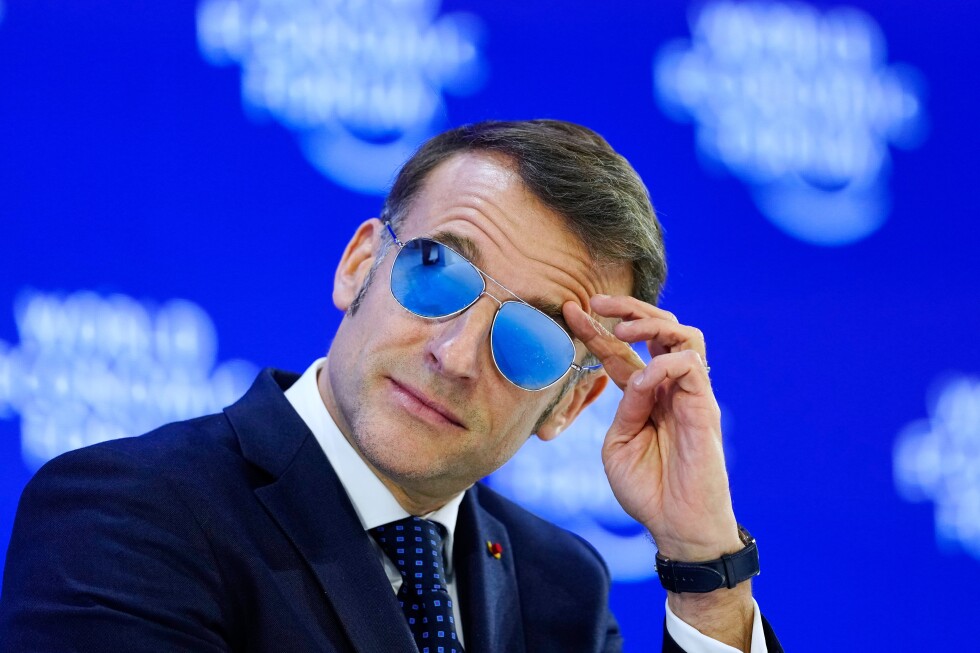
    PARIS (AP) — French President Emmanuel Macron’s distinctive blue-tinted aviator sunglasses became an unexpected centerpiece of global political discourse during the World Economic Forum in Davos, Switzerland. While ostensibly addressing a minor medical condition affecting his right eye, the eyewear transcended its practical purpose to become a multifaceted symbol of political imagecraft, commercial opportunity, and international relations.

    The French-made Henry Jullien Pacific S 01 model (retailing at €659) generated unprecedented market reactions, with shares of parent company iVision Tech SpA surging 74% on Milan’s stock exchange following Macron’s high-profile appearance. CEO Stefano Fulchir described the phenomenon as a ‘crazy week’ of overwhelming demand and media attention, including AI-generated memes parodying the President as a Top Gun fighter pilot.

    Political communication experts noted Macron’s successful navigation of sunglasses etiquette in political contexts. University of Oslo professor Cristina Archetti observed that the 48-year-old leader appeared ‘relatively young and super cool,’ with the photogenic blue lenses complementing his backdrop. The choice contrasted with conventional political imagery while avoiding the detachment typically associated with obscured eyes.

    The sunglasses emerged as a symbolic counterpoint to Donald Trump’s contentious remarks about European relations during the summit. Trump’s public query about ‘those beautiful sunglasses’ highlighted the ongoing diplomatic tensions, while Macron’s fashion statement subtly communicated French manufacturing excellence and cultural sophistication.

    Experts analyzed the deeper semiotics of the aviator style selection over alternatives like eye patches or Wayfarers. Nottingham Trent University’s Marco Bohr noted the specific connotations of ‘pilots, about being in control,’ suggesting intentional image construction. The episode demonstrates how contemporary political communication leverages visual elements alongside verbal discourse in an increasingly mediated global landscape.

  • Swiss court orders release on bail of bar owner in probe of fatal New Year’s fire

    Swiss court orders release on bail of bar owner in probe of fatal New Year’s fire

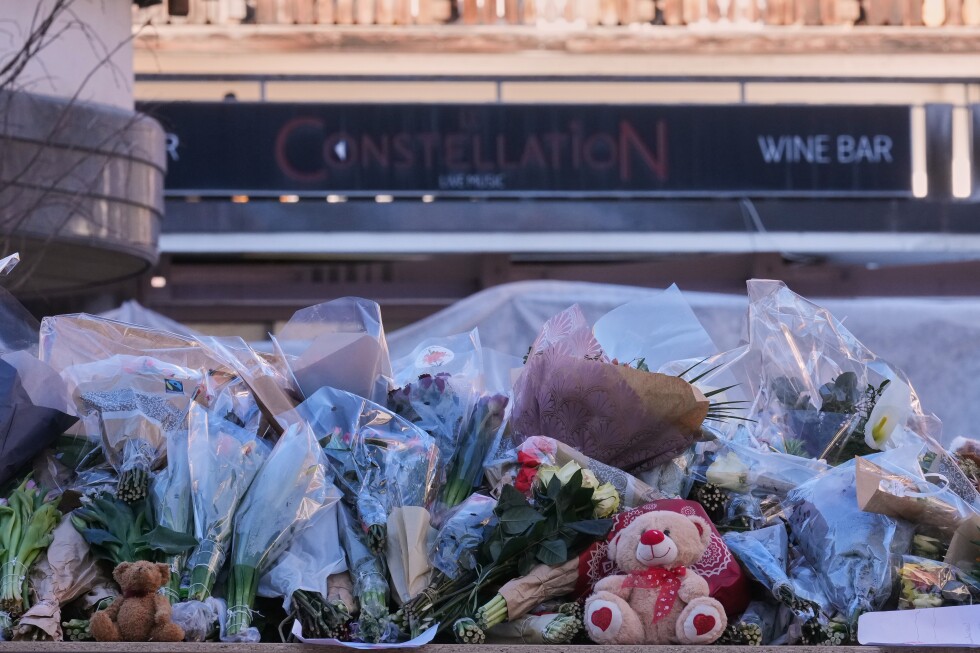
    GENEVA — A Swiss court has granted bail to Jacques Moretti, one of the proprietors of Le Constellation bar in the Alpine resort of Crans-Montana, where a devastating fire during New Year’s celebrations resulted in 40 fatalities and over 100 injuries. The Valais regional court’s decision on Friday reversed its earlier ruling from January 12th that had imposed a three-month pretrial detention.

    The court determined that alternative measures would sufficiently address flight risk concerns. Moretti must remain within Swiss borders, surrender his identity documents to prosecutors, and report daily to local authorities. The court set bail at 200,000 Swiss francs (approximately $252,000), which has been paid in full.

    Swiss prosecutors have initiated criminal proceedings against both Jacques Moretti and his wife Jessica, co-owners of the establishment. They face charges including negligent homicide, negligent bodily harm, and causing a fire through negligence.

    Preliminary investigations indicate the blaze originated from sparkling candles that ignited soundproofing material on the ceiling. Authorities are examining whether the acoustic insulation complied with safety regulations and if the candles were legally permitted for use within the venue. Local officials have confirmed that no fire safety inspections had been conducted at the bar since 2019.

    Legal representatives for the couple issued a statement affirming their clients’ continued cooperation with investigative authorities and expressing that their ‘constant thoughts remain with the victims of this tragedy.’

  • Envoys travel the globe to push a US plan for ending Russia’s war in Ukraine

    Envoys travel the globe to push a US plan for ending Russia’s war in Ukraine

    A concerted diplomatic offensive spearheaded by the United States to terminate Russia’s protracted four-year war in Ukraine has intensified significantly since late 2025 and continues to advance into 2026. This peace initiative has triggered an unprecedented flurry of high-level meetings involving national leaders, seasoned diplomats, and special envoys across multiple global capitals.

    The diplomatic chronology commenced on November 19, 2025, when Ukrainian President Volodymyr Zelenskyy undertook a strategic visit to Turkey, explicitly aiming to reinvigorate stalled negotiations. This was swiftly followed by revelations of a comprehensive 28-point peace framework jointly prepared by American and Russian officials, which immediately drew criticism for its perceived pro-Moscow orientation.

    Subsequent days witnessed U.S. Army Secretary Dan Driscoll’s briefing of Zelenskyy in Kyiv regarding Washington’s proposed settlement terms. On November 23, Secretary of State Marco Rubio conducted productive talks in Geneva with a Ukrainian delegation led by Presidential Chief of Staff Andrii Yermak, though specifics remained confidential.

    The diplomatic dance expanded geographically when Driscoll engaged Russian officials in Abu Dhabi during November 24-25, while November 30 marked Rustem Umerov’s assumption of delegation leadership following Yermak’s resignation amid energy sector corruption allegations, meeting U.S. counterparts in Florida.

    December’s diplomatic calendar featured Zelenskyy briefing French President Macron in Paris, concurrent with a American delegation’s Moscow visit. The month culminated in a five-hour Kremlin meeting between President Putin and key Trump administration figures Jared Kushner and special envoy Witkoff, described as constructive but incomplete.

    January 2026 witnessed intensified negotiations, including a Paris summit where Ukraine’s allies pledged security guarantees against future Russian aggression. Despite renewed attacks on Ukraine’s energy infrastructure, diplomatic efforts persisted through meetings in Davos and additional rounds in Abu Dhabi, marking the first trilateral discussions involving all conflict parties under U.S. administration mediation.

  • Kosovo authorities arrest over 100 people over alleged ballot manipulation in December vote

    Kosovo authorities arrest over 100 people over alleged ballot manipulation in December vote

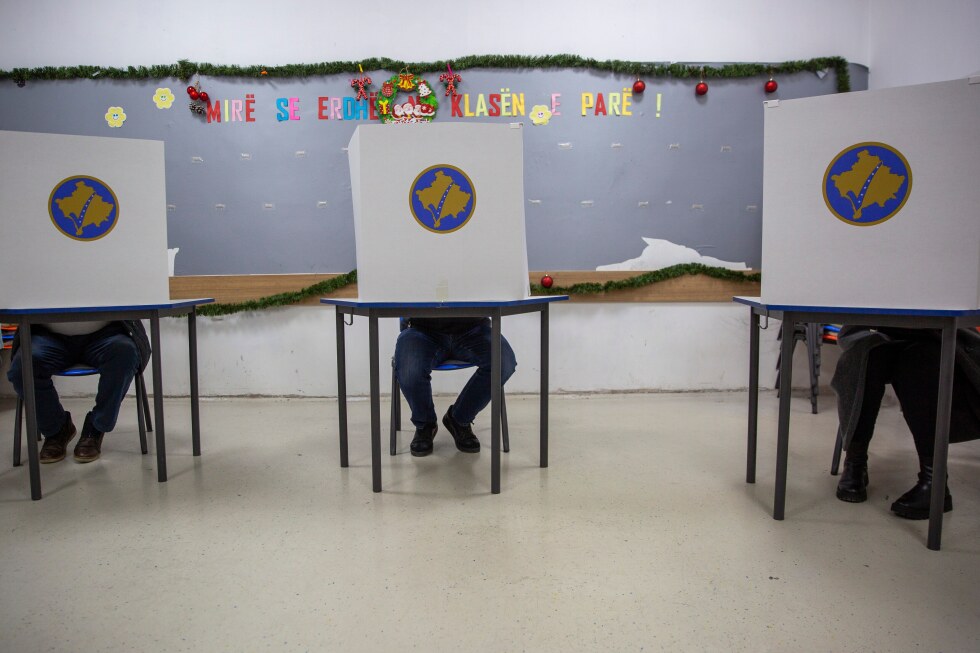
    Kosovo’s political landscape faces renewed turmoil as authorities announced the detention of 109 individuals on Friday in connection with extensive electoral fraud allegations. The scandal has prompted a nationwide recount of December’s parliamentary elections, casting doubt on the integrity of the democratic process in the Balkan nation.

    Prosecutors from the southern municipality of Prizren revealed that suspects face serious charges including election result falsification, coercion through threats, and systematic bribery. Chief Prosecutor Petrit Kryeziu disclosed that the alleged manipulation affected a staggering 68,017 ballots in Prizren alone, representing significant electoral interference.

    The Central Election Commission mandated a comprehensive recount earlier this week following evidence of widespread irregularities. Despite the scale of suspected fraud, officials indicate the overall election outcome remains unchanged, though individual candidate results within specific parties may be altered.

    Prime Minister Albin Kurti’s Vetevendosje (Self-Determination) party had secured a decisive victory with approximately 51% of votes in the December snap election. This political force had previously dominated February’s polls but failed to form a governing coalition, triggering months of political paralysis that necessitated the December revote.

    The unfolding crisis threatens to prolong Kosovo’s governmental instability, potentially delaying parliamentary formation and budget approval. With a critical presidential election deadline approaching in early March, failure to meet constitutional requirements could force yet another snap election, further destabilizing the young democracy.

    Kosovo, which gained independence from Serbia in 2008 following the 1998-99 conflict, continues to grapple with economic challenges as one of Europe’s poorest nations. The current political impasse complicates its aspirations for European Union integration alongside other Western Balkan states.

  • Spanish track was fractured before high-speed train disaster, report finds

    Spanish track was fractured before high-speed train disaster, report finds

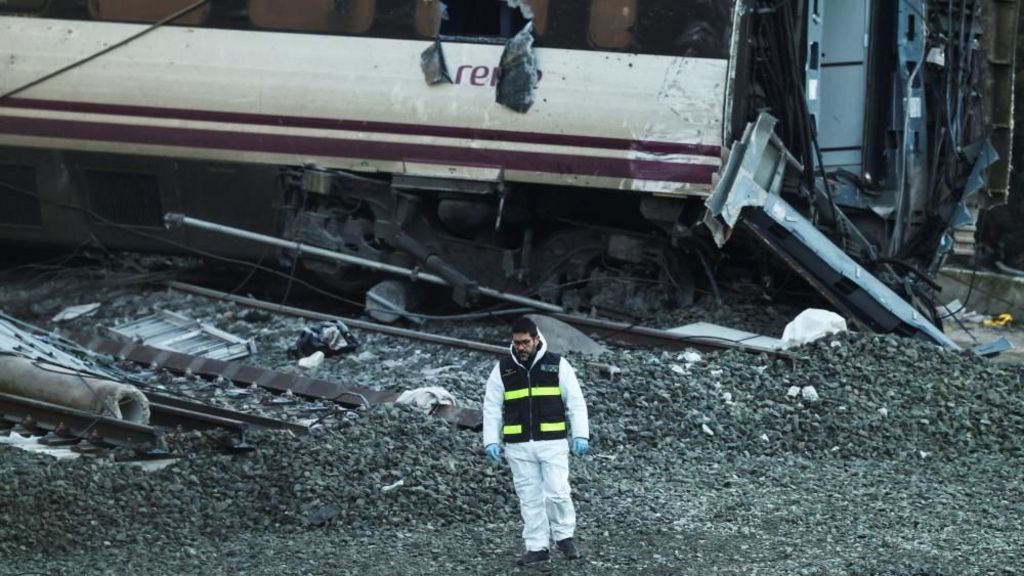
    A preliminary investigation into Spain’s deadliest rail accident in over a decade has revealed that a critical track fracture occurred prior to the passage of a high-speed train that derailed near Adamuz last Sunday, resulting in 45 fatalities. The catastrophic incident occurred at approximately 19:45 local time when an Iryo-operated train traveling from Málaga to Madrid experienced a derailment of its final three carriages, which subsequently collided with an oncoming state-run Renfe service bound for Huelva.

    The Commission for Railway Accident Investigations (CIAF) has identified a 40-centimeter gap in the track as the central focus of their inquiry. Critical evidence emerged when investigators discovered distinctive grooves on the wheels of multiple trains that had traversed the same section of track before the disaster. These markings were found not only on the Iryo train’s carriages that remained on the rails but also on three preceding trains that passed over the compromised track at 17:21, 19:01, and 19:09 on Sunday evening.

    The technical report indicates that ‘these notches in the wheels and the deformation observed in the track are compatible with the fact that the track was cracked’ before the derailment occurred. Particularly telling was the discovery of a groove on the outer edge of carriage five—the final carriage that did not derail—suggesting the rail was already tilting outward before carriage six completely lost contact with the tracks.

    Spanish Transport Minister Óscar Puente has characterized the CIAF report as a ‘working hypothesis’ requiring further detailed analysis. While acknowledging that definitive answers remain premature, Minister Puente indicated that if the track fracture proves to be the primary cause, it likely developed in the immediate hours preceding the accident and would have been undetectable by existing monitoring systems.

    This tragedy represents Spain’s most severe rail disaster since the 2013 Galicia derailment that claimed 80 lives and injured 140 passengers. The investigation continues as authorities work to determine the exact sequence of events and implement preventive measures for the future.