标签: Europe

欧洲

  • Pope urges Catholic teachers to focus less on professional outcomes, more on spiritual lives

    Pope urges Catholic teachers to focus less on professional outcomes, more on spiritual lives

    ROME (AP) — Pope Leo XIV has issued a compelling directive to Catholic educators, urging them to prioritize the spiritual and moral development of students over pre-professional outcomes. Speaking during a special Holy Year celebration in Rome, which drew thousands of teachers, students, and administrators, the Pope emphasized the need to integrate technology in ways that uphold human dignity. This message was formalized in a document signed on Monday, updating the 1965 Vatican guidelines for Catholic education established during the Second Vatican Council. The Catholic Church remains a global leader in education, operating over 225,000 primary and secondary schools and enrolling 2.5 million students in Catholic universities worldwide. Pope Leo, an Augustinian, stressed the importance of parents as primary educators and called for Catholic schools to collaborate with families rather than replace them. He also highlighted the role of teachers as moral exemplars, stating, ‘Educators are called to a responsibility that goes beyond their work contract: their witness is worth as much as their lessons.’ The Pope avoided contentious issues like teachers’ private lives or sexual orientation, focusing instead on the broader mission of Catholic education. He critiqued the ‘mercantilist approach’ that reduces education to functionality and practical utility, advocating instead for a vision rooted in dignity, justice, and the common good. Building on Pope Francis’s priorities of inclusion, ecology, and the common good, Leo added three new emphases: fostering students’ spiritual lives, using non-violent language, and promoting responsible technology use, including artificial intelligence. ‘The Catholic school is a place where faith, culture, and life cross paths,’ he wrote. ‘It’s not just an institution, but a living environment in which the Christian vision permeates every discipline and every interaction.’

  • French senators say security at the Louvre is ‘not in line’ with modern standards and demand action

    French senators say security at the Louvre is ‘not in line’ with modern standards and demand action

    A delegation of French senators conducted an inspection of the Louvre Museum on Tuesday, concluding that the institution’s security measures fall short of contemporary standards. This assessment follows a high-profile heist on October 19, where thieves stole jewels worth €88 million ($102 million) in under eight minutes. The intruders reportedly used a basket lift to scale the museum’s façade, forced open a window, breached display cases, and escaped undetected. Two suspects were subsequently arrested on Sunday and are currently under police interrogation. Senator Laurent Lafon, who chairs the Senate’s Culture Committee, emphasized the inadequacy of the Louvre’s security systems, stating, ‘We all noticed that the security equipment is not suitable for a 21st-century museum such as the Louvre. It is our flagship, it must be exemplary, and today we cannot describe the security conditions at the Louvre as exemplary.’ Lafon highlighted the need for significant improvements, particularly addressing vulnerabilities in outdoor surveillance cameras, though he refrained from divulging specific details due to confidentiality concerns. The senators have called for the expedited implementation of the ‘Louvre New Renaissance’ plan, a decade-long initiative launched earlier this year aimed at modernizing the museum’s infrastructure, reducing overcrowding, and creating a dedicated gallery for the Mona Lisa by 2031. The project, estimated to cost up to €800 million ($933 million), is currently under discussion as part of France’s 2026 budget deliberations.

  • Ukraine’s long-range strikes cut Russia’s oil refining capacity by 20%, Zelenskyy says

    Ukraine’s long-range strikes cut Russia’s oil refining capacity by 20%, Zelenskyy says

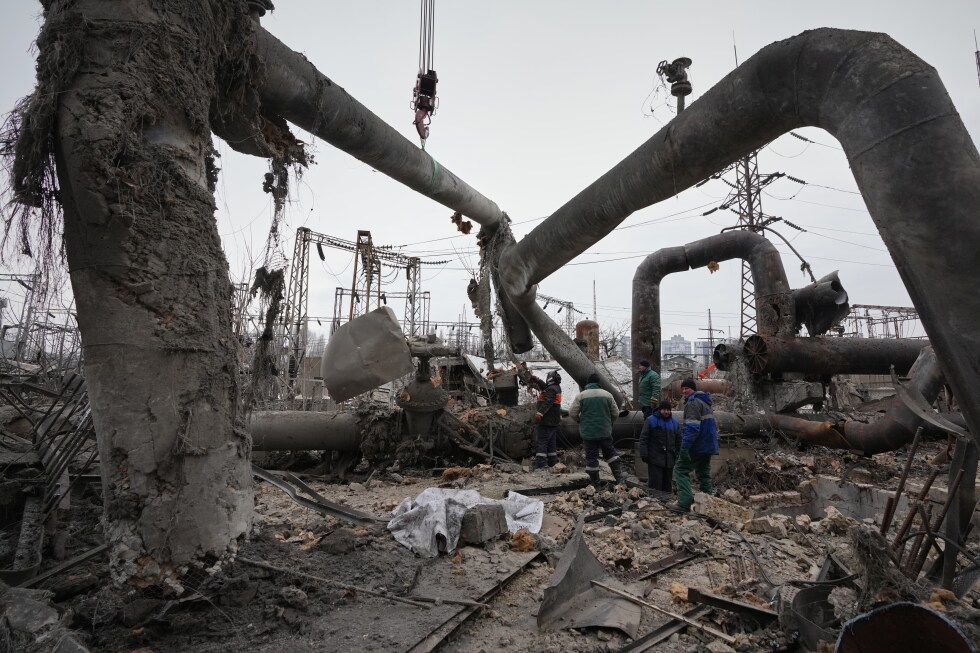
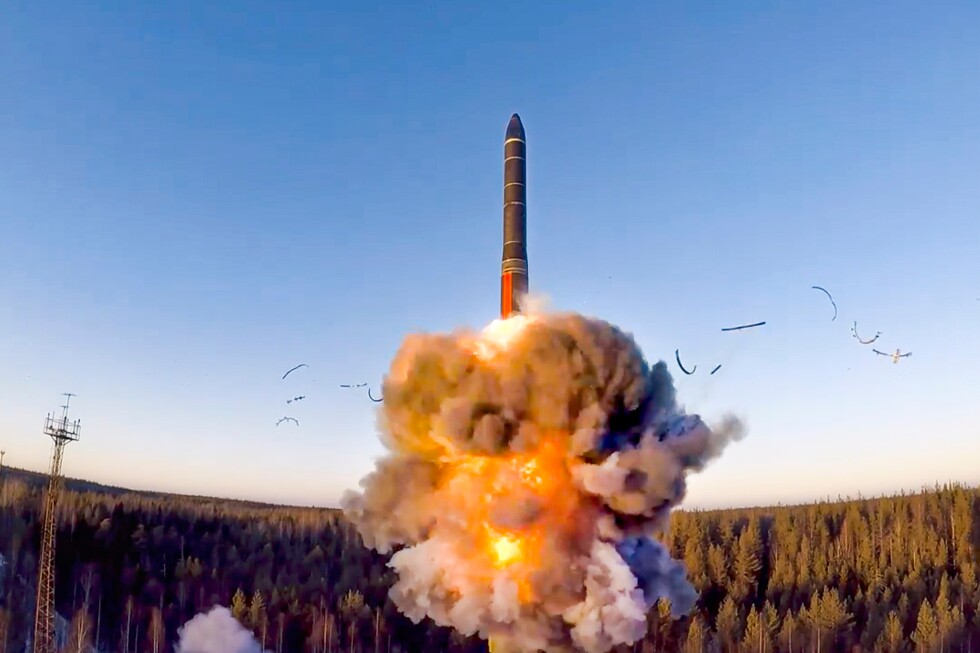
    In a significant development in the ongoing conflict, Ukrainian President Volodymyr Zelenskyy announced that Ukraine’s targeted long-range strikes on Russian oil refineries have successfully reduced Moscow’s oil refining capacity by 20%. Speaking to the media on Monday, Zelenskyy emphasized that over 90% of these deep strikes were executed using Ukrainian-made long-range weapons. He highlighted the urgent need for additional foreign financial assistance to bolster domestic production of these critical armaments. ‘We must remain relentless in our efforts,’ Zelenskyy stated, underscoring the importance of sustained pressure on Russia’s energy infrastructure. Oil exports are a cornerstone of Russia’s economy, funding its prolonged invasion of Ukraine. In tandem with Ukraine’s military actions, the U.S. and the European Union have imposed new sanctions aimed at curtailing Moscow’s oil and gas export revenues. Despite renewed peace initiatives led by the U.S., the war shows no signs of abating after nearly four years. The Kremlin’s refusal to compromise has prompted U.S. President Donald Trump to escalate measures, including sanctions against Russian oil giants Rosneft and Lukoil, set to take effect on November 21. Zelenskyy speculated that Trump might leverage these sanctions as a diplomatic tool in future negotiations with Russia. Meanwhile, Ukraine continues to fortify its defenses, with Zelenskyy revealing that the country has captured 2,200 Russian prisoners of war in the eastern region this year. Additionally, Ukraine is engaging in talks with Sweden, France, and the U.S. to enhance its combat aviation capabilities, with a request for a fleet of 250 new aircraft. As winter approaches, Ukraine has secured 70% of the $2 billion needed for gas imports to sustain heating systems amid Russia’s intensified attacks on energy infrastructure. Furthermore, Ukraine is ramping up production of interceptors to counter Russian drone assaults, aiming to produce 500-800 units daily by next month.

  • Palestinian children arrive in Ireland for medical treatment

    Palestinian children arrive in Ireland for medical treatment

    A group of seven critically ill and injured Palestinian children, accompanied by 29 family members, have been evacuated from Gaza and arrived in Dublin, Ireland, to receive essential medical treatment. This marks the third such evacuation facilitated by the Irish government since September last year, following an appeal from the World Health Organization (WHO) to address the urgent health needs of Gaza’s population. The children were identified by doctors from Children’s Health Ireland (CHI) in collaboration with the WHO. The evacuation involved a complex, multi-stage journey: the group traveled overland from Gaza to Jordan as part of a WHO medevac convoy, before being flown to Ireland on a plane provided by the Norwegian government, accompanied by an Irish medical team. Upon arrival, the children and their families are undergoing comprehensive medical assessments to determine their treatment plans. Irish Deputy Prime Minister and Foreign Affairs Minister Simon Harris described the evacuation as a response to a ‘horrific ordeal’ endured by the families. Health Minister Jennifer Carroll MacNeill praised the operation as a testament to the ‘dedication, professionalism, and humanity’ of all involved. Ireland has committed to receiving up to 30 pediatric patients from Gaza under this initiative, with each case evaluated individually based on medical capacity. The Irish Red Cross is providing accommodation and support services, including translation and psychosocial care, to ensure the families’ well-being. Since January 2023, Ireland has contributed €101 million in aid to Palestine, with €89 million allocated since October 2023, following the escalation of conflict in Gaza. The IDF’s military campaign, launched in response to the October 7, 2023, Hamas-led attack on southern Israel, has resulted in significant casualties, with over 68,000 deaths reported by the Hamas-run health ministry, figures deemed reliable by the UN.

  • Russian oil company Lukoil to sell international assets in response to Trump sanctions

    Russian oil company Lukoil to sell international assets in response to Trump sanctions

    In a significant move driven by escalating geopolitical tensions, Russian oil giant Lukoil has announced the sale of its international assets. This decision comes in response to stringent sanctions imposed by the U.S. government, aimed at compelling Russia to agree to a ceasefire in its ongoing conflict with Ukraine. The sanctions, announced by President Donald Trump on October 22, target Lukoil and Rosneft, Russia’s two largest oil companies, which collectively account for approximately half of the nation’s oil exports. Oil and gas revenues are a critical pillar of the Russian economy, making these sanctions particularly impactful.

  • Wilders, Timmermans are among the leaders of the key parties in Dutch election

    Wilders, Timmermans are among the leaders of the key parties in Dutch election

    The Netherlands is bracing for a fiercely contested parliamentary election as Geert Wilders’ populist, anti-Islam Party for Freedom (PVV) and the center-left coalition of the Labor Party and Green Left vie for dominance in the 150-seat Second Chamber. The election, scheduled for Wednesday, is expected to be a close race, with both factions polling neck-and-neck in the lead-up to the vote.

    Geert Wilders, the controversial figurehead of the PVV, has long been a polarizing force in Dutch politics. Known for his vehement criticism of Islam, Wilders led his party to a surprising victory in the last election, though he was denied the prime minister’s office due to coalition partners’ reluctance. Instead, he appointed career civil servant Dick Schoof as premier. Wilders, who has lived under constant security due to death threats, has a history of political turbulence, including his role in toppling a minority coalition in 2010 over austerity measures.

    On the opposing side, Frans Timmermans, a former Dutch foreign minister and European Commission vice president, has emerged as a key leader of the Labor-Green Left bloc. Timmermans, who gained international recognition for his emotional speech following the MH17 tragedy, has been instrumental in uniting the center-left parties. However, his campaign has faced challenges, including AI-generated fake images circulated by Wilders’ supporters, which falsely depicted him in compromising situations.

    Other notable contenders include Henri Bontenbal of the Christian Democratic Appeal (CDA), who has worked to restore the party’s credibility after a historic electoral defeat, and Dilan Yeşilgöz-Zegerius of the People’s Party for Freedom and Democracy (VVD), who has struggled to maintain her party’s standing amid coalition infighting. Rob Jetten of the centrist D66 party, the youngest candidate, has also seen a rise in support, focusing on climate issues and LGBTQ+ rights.

    The election comes at a critical juncture for the Netherlands, with issues such as migration, housing, and climate policy dominating the discourse. The outcome will not only shape the country’s political landscape but also determine the direction of its policies in the years to come.

  • Producers pay damages to settle libel suit over movie about search for King Richard III

    Producers pay damages to settle libel suit over movie about search for King Richard III

    The extraordinary tale of King Richard III’s remains being discovered beneath a Leicester parking lot, led by amateur historian Philippa Langley, has now taken a dramatic legal turn. The 2022 film ‘The Lost King,’ which chronicles Langley’s quest, has been accused of misrepresenting Richard Taylor, a former University of Leicester official, leading to a libel lawsuit. Taylor claimed the film caused him ‘enormous distress and embarrassment’ by portraying him as ‘smug, unduly dismissive, and patronizing.’ The case, which was set for trial, was settled on Monday, with the film’s producers agreeing to pay Taylor substantial damages and legal costs. The settlement includes an on-screen clarification stating that Taylor’s depiction is fictional. Taylor, now COO at Loughborough University, expressed relief after a ‘long and grueling battle,’ while co-writer and actor Steve Coogan defended the film as a true account of Langley’s story. The discovery of Richard III’s remains in 2012, after centuries of obscurity, was a historic moment, with Langley playing a pivotal role. Richard III, who died in 1485, has been a controversial figure, with some historians arguing he was unfairly vilified. His remains were reburied with royal honors in 2015.

  • Students trek across Serbia to campaign for station collapse victims ahead of anniversary

    Students trek across Serbia to campaign for station collapse victims ahead of anniversary

    A group of nine students from southwestern Serbia has embarked on a nearly two-week-long trek across the country, aiming to draw attention to a tragic railway station disaster that occurred a year ago. The students, who set out from Novi Pazar on October 16, are determined to reach Novi Sad by November 1, the anniversary of the incident. On that day, a major rally is planned to commemorate the collapse of a canopy at the city’s train station, which claimed 16 lives. The students allege that government corruption led to substandard renovations, resulting in the tragedy. Along their journey, the group has been joined by additional supporters, and their efforts have garnered widespread public support. Chemistry student Emina Spahic expressed gratitude for the encouragement they’ve received, stating, ‘People have been honking their horns and coming out of their houses to greet us, which really means a lot.’ Over the past year, students have been at the forefront of protests demanding accountability for the disaster, challenging the populist government of President Aleksandar Vucic. Despite facing detentions and threats, the students remain resolute. Their march also aims to bridge ethnic divides in Serbia, particularly between Orthodox Christian Serbs and Muslim Bosniaks, stemming from the 1990s wars. Inas Hodzic, a biochemistry student from Novi Pazar, emphasized the unifying potential of their efforts, stating, ‘We now see we are all the same and should stand united.’ Tens of thousands are expected to gather in Novi Sad on November 1 to honor the victims and demand change.

  • What to know about the Louvre heist investigation

    What to know about the Louvre heist investigation

    In a daring daylight heist at the Louvre Museum in Paris, thieves made off with eight priceless jewels, including a sapphire diadem, necklace, and earring linked to 19th-century queens Marie-Amélie and Hortense. The stolen items, estimated to be worth €88 million ($102 million), were taken on October 19, leaving investigators scrambling to piece together the audacious crime. Over 100 investigators are now combing through 150 DNA samples, surveillance footage, and other evidence to track down the culprits and recover the treasures. The case has captivated global attention for its brazen execution and cinematic details. French authorities have remained tight-lipped about the investigation, citing strict privacy laws and the principle of ‘secret d’instruction,’ which limits public disclosure of ongoing cases. Paris prosecutor Laure Beccuau confirmed that several arrests were made, including one suspect intercepted at a Paris airport while attempting to flee to Algeria. The suspects, whose identities remain undisclosed, could face charges of criminal conspiracy and organized theft, carrying hefty fines and lengthy prison sentences. French media reports suggest that the suspects may be held for up to 96 hours before formal charges are filed. The investigation has also involved international cooperation, with the stolen jewels added to Interpol’s Stolen Works of Art Database. French authorities are working with Eurojust and Europol to facilitate cross-border investigations. However, updates on the case are expected to remain scarce, as French law prohibits the public disclosure of indictments and verdicts, and trials are not televised.

  • King Charles III dedicates Britain’s first national memorial to LGBTQ+ troops

    King Charles III dedicates Britain’s first national memorial to LGBTQ+ troops

    In a historic moment of recognition and reconciliation, King Charles III unveiled Britain’s first national memorial dedicated to lesbian, gay, bisexual, and transgender (LGBTQ+) military personnel on Monday. The ceremony, held at the National Memorial Arboretum in central England, marked a significant step in acknowledging the struggles and sacrifices of LGBTQ+ troops who faced discrimination and dismissal from the armed forces for decades. The memorial, a crumpled bronze letter inscribed with poignant words from affected personnel, stands as a testament to their resilience and service. The event was attended by numerous serving troops, veterans, and dignitaries, underscoring the importance of this milestone. Between 1967 and 2000, LGBTQ+ individuals in the British military were labeled unfit to serve, stripped of their ranks, medals, and pension rights, and subjected to lifelong stigma. The ban was lifted in 2000 following a landmark ruling by the European Court of Human Rights. In 2023, former Prime Minister Rishi Sunak issued a formal apology for what he termed “an appalling failure of the British state,” and a compensation program was established, offering up to £70,000 ($93,000) to affected veterans. LGBTQ+ military charity Fighting with Pride hailed the memorial as a “powerful step forward” in honoring the contributions of these troops. Veterans like Claire Ashton, who was discharged from the Royal Artillery in 1972, shared emotional reflections on the event, describing it as a moment of long-awaited pride and healing. Brigadier Clare Phillips, a 30-year veteran of the British Army, emphasized the memorial’s significance in recognizing the courage of those who paved the way for today’s LGBTQ+ service members to serve openly and with dignity.