标签: Europe

欧洲

  • How Jeffrey Epstein used the glamour of the Nobel Peace Prize to entice his global network of elites

    How Jeffrey Epstein used the glamour of the Nobel Peace Prize to entice his global network of elites

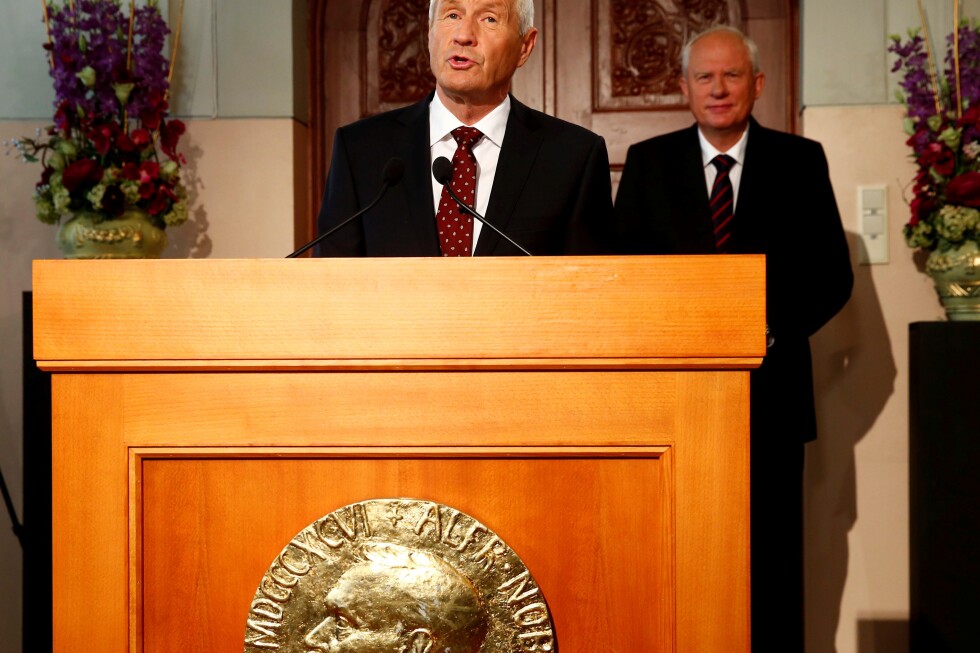
    Norwegian authorities have formally charged Thorbjørn Jagland, the former chairman of the Nobel Peace Prize committee, with aggravated corruption following revelations contained within the recently released Jeffrey Epstein documents. The 75-year-old politician, who led the Norwegian Nobel Committee from 2009 to 2015, appears hundreds of times throughout the millions of pages of evidence released by the U.S. Justice Department last month.

    Økokrim, Norway’s economic crime unit, confirmed that their investigation was directly prompted by information contained within the Epstein files. Police teams conducted simultaneous searches of Jagland’s Oslo residence along with two additional properties in the coastal town of Risør and western region of Rauland on Thursday. The investigation focuses on whether Jagland received gifts, travel accommodations, or loans in connection with his influential position.

    While the documents contain no evidence of direct Nobel Prize lobbying, they reveal Epstein consistently leveraged his relationship with Jagland to impress elite contacts. The disgraced financier hosted Jagland at his properties in New York and Paris during the 2010s, frequently mentioning these connections in communications with high-profile figures including Richard Branson, Larry Summers, Bill Gates, and former Trump strategist Steve Bannon.

    In one particularly revealing 2018 text exchange with Bannon, Epstein wrote: “Donald’s head would explode if he knew you were now buds with the guy who on Monday will decide the Nobel Peace Prize.” He followed with the cryptic message: “I told him next year it should be you when we settle China.”

    The documents show Epstein extending invitations to various powerful figures to meet Jagland, describing the Nobel chairman as offering a “unique perspective” despite privately characterizing him as “not bright” in a 2012 email to former Treasury Secretary Larry Summers.

    Jagland, through his attorneys at the Elden law firm in Norway, has denied all charges and was questioned by authorities on Thursday. The case has drawn increased scrutiny due to Jagland’s prestigious international positions, including his former role as Norwegian prime minister and head of the Council of Europe.

    The investigation has also ensnared Terje Rød-Larsen, the Norwegian diplomat who helped broker the Oslo Peace Accords, and his wife, who face similar corruption charges related to their Epstein associations. During Jagland’s tenure as Nobel committee chair, the peace prize was awarded to Barack Obama in 2009 and the European Union in 2012.
  • 5 European nations say Russian opposition leader Navalny was poisoned and blame Kremlin

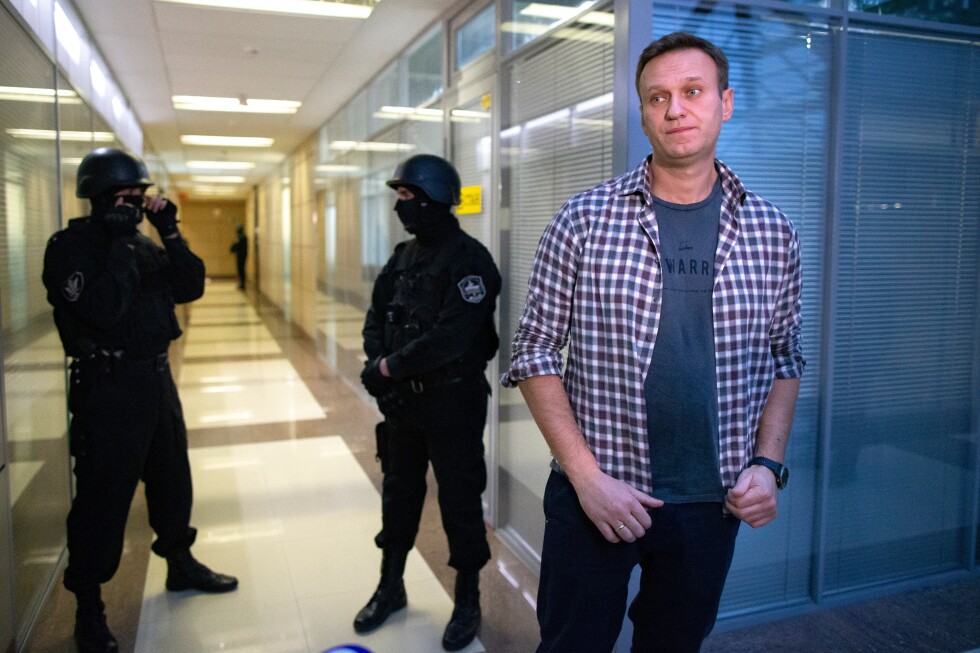
    5 European nations say Russian opposition leader Navalny was poisoned and blame Kremlin

    In a significant diplomatic escalation, five major European nations have formally accused the Russian state of poisoning opposition leader Alexei Navalny with a lethal biological toxin prior to his death in 2024. The coordinated announcement from the foreign ministries of the United Kingdom, France, Germany, Sweden, and the Netherlands revealed that laboratory analysis of biological samples from Navalny conclusively identified epibatidine—an extremely rare neurotoxin derived from South American poison dart frogs.

    The joint statement asserted that only the Russian state possessed the “combined means, motive and disregard for international law” required to execute such an attack. This finding substantiates long-standing allegations from Navalny’s widow, Yulia Navalnaya, who previously disclosed that two independent laboratories had detected poison in her husband’s system shortly before his death in an Arctic penal colony.

    In response to these verified findings, the European coalition is initiating formal proceedings against Russia through the Organization for the Prohibition of Chemical Weapons (OPCW), citing a clear violation of the Chemical Weapons Convention. The international treaty, which Russia has ratified, explicitly prohibits the development, stockpiling, and use of chemical weapons.

    Navalny, who served as Vladimir Putin’s most prominent political opponent, perished in February 2024 while serving a 19-year sentence that global human rights organizations deemed politically motivated. His legacy includes extensive anti-corruption activism and mobilization of mass protests against Kremlin policies. Russian officials have consistently denied involvement in Navalny’s poisoning and subsequent death, dismissing allegations as politically motivated fabrications.

  • Rubio speech signals US-Europe relations are bruised but still friendly

    Rubio speech signals US-Europe relations are bruised but still friendly

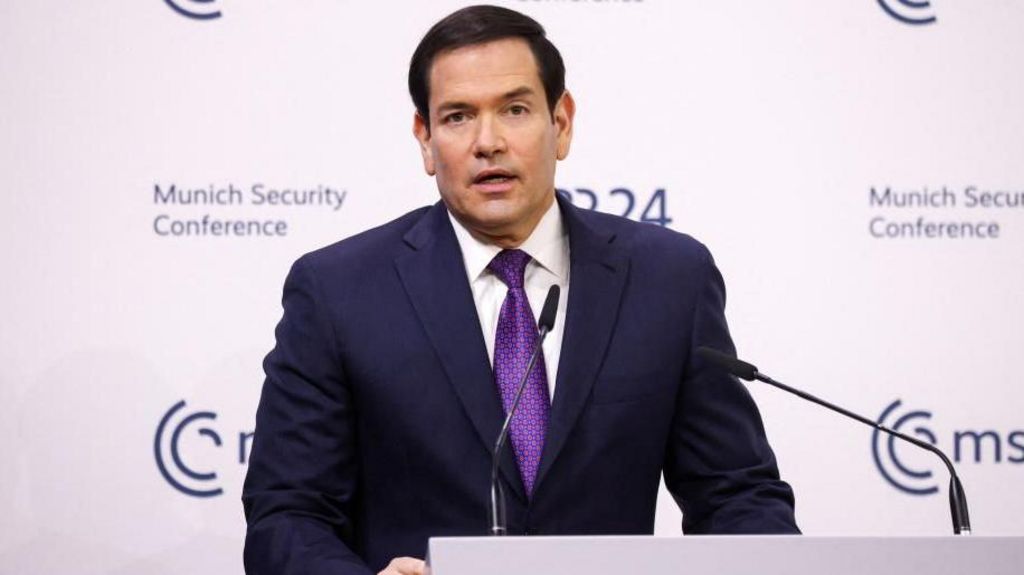
    At the prestigious Munich Security Conference, a pivotal gathering of global leaders including French President Emmanuel Macron, German Chancellor Friedrich Merz, and UK Prime Minister Sir Keir Starmer, all eyes were on U.S. Secretary of State Marco Rubio. The international community awaited clarity on whether America would continue its historic partnership with Europe following recent diplomatic strains.

    Addressing a packed auditorium filled with military officials, diplomats, and political leaders, Secretary Rubio initially delivered sharp criticisms that echoed previous administration positions. He targeted European policies on free trade, mass migration, and climate initiatives, which he characterized as ‘a climate cult’ damaging to American economic interests. Rubio further criticized the United Nations for its perceived failures in resolving conflicts in Gaza and Ukraine.

    However, the diplomatic tone shifted dramatically when Rubio articulated the core message attendees had hoped to hear: ‘Our destiny will always be intertwined with yours in Europe.’ He explicitly stated that ending the transatlantic era was ‘neither our goal nor our wish,’ emphasizing America’s enduring connection to European heritage and culture.

    The Secretary praised European cultural contributions from Shakespeare to Mozart and even humorously referenced the Rolling Stones, generating muted laughter from the audience. He spoke of collaborative goals in securing critical mineral supply chains and ‘unshackling creativity’ through partnership.

    Despite this reaffirmation, Rubio included a significant qualification: the U.S. has ‘no interest in being polite and orderly caretakers of the West’s managed decline,’ signaling expectations for European partners to assume greater responsibility in defense and global leadership.

    Reactions from European officials reflected cautious optimism. EU top diplomat Kaja Kallas noted that ‘Europeans sighed with relief’ at the reaffirmed commitment, while acknowledging persistent policy differences. Behind the scenes, some European representatives expressed frustration with the Trump administration’s approach to Russia and the ongoing conflict in Ukraine, which is approaching its fifth year of violence.

  • Europe must be ready to fight, PM tells Munich Security Conference

    Europe must be ready to fight, PM tells Munich Security Conference

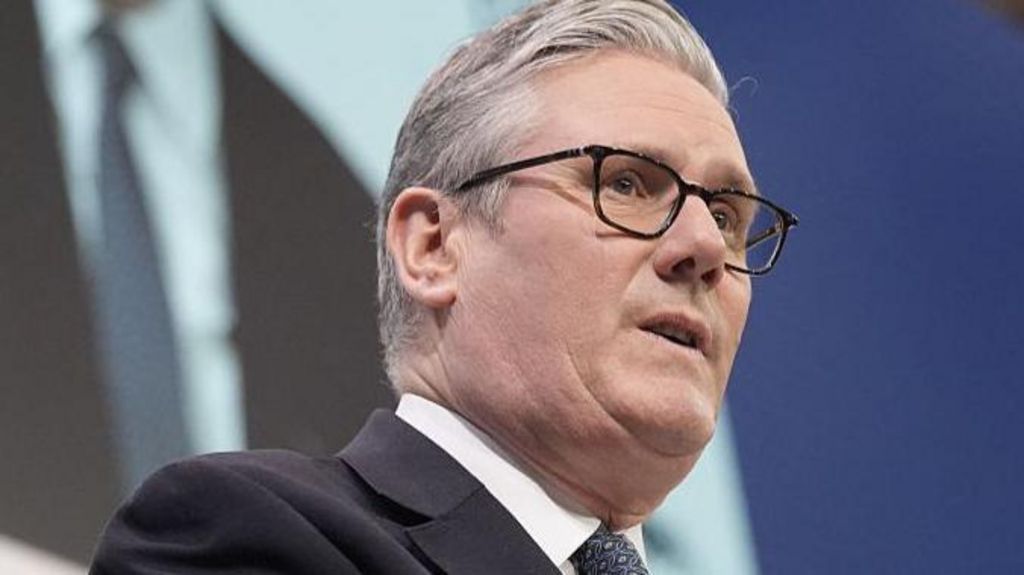
    In a landmark address at the Munich Security Conference on Saturday, British Prime Minister Sir Keir Starmer issued a stark warning that Europe must prepare for potential armed conflict to safeguard its citizens, values, and democratic way of life. The Prime Minister’s speech marked a significant shift in UK foreign policy, emphasizing both military deterrence and economic cooperation with European partners.

    Starmer announced the United Kingdom would deploy its carrier strike group to the Arctic and High North regions as part of a coordinated security initiative with US, Canadian, and NATO forces to counter Russian aggression. He emphasized that Russian rearmament would likely accelerate following any future peace settlement in Ukraine, necessitating robust European defense capabilities.

    ‘The currency of our age is hard power,’ Starmer told assembled world leaders. ‘We must build our hard power to deter aggression and be prepared to fight if necessary.’

    The Prime Minister directly addressed concerns raised by US President Donald Trump regarding European commitment to NATO’s Article 5 collective defense principle. ‘Be in no doubt,’ Starmer declared, ‘if called on, the UK would come to your aid today. Our commitment to Article 5 is as profound now as ever.’

    In a notable policy evolution, Starmer called for deeper economic integration with the European Union, acknowledging the current post-Brexit arrangement was ‘not fit for purpose.’ He proposed exploring ‘closer economic alignment’ and moving nearer to the single market in certain sectors, despite previous pledges to the contrary.

    European Commission President Ursula von der Leyen, speaking before Starmer, praised him as an ‘unflinching ally and friend’ and echoed his call for European defense self-reliance. She described how Europe had undergone ‘shock therapy’ from the United States and must assume greater responsibility for its own security.

    Starmer’s appearance followed a tumultuous domestic week that saw his leadership threatened by controversy over his appointment of Peter Mandelson, who had known connections to convicted sex offender Jeffrey Epstein. Despite calls for his resignation from Scottish Labour leader Anas Sarwar and other party members, Starmer survived with cabinet support, claiming he ended the week ‘much stronger’ than he began it.

  • Iran’s crown prince says ahead of protests that inaction against Tehran encourages bullies

    Iran’s crown prince says ahead of protests that inaction against Tehran encourages bullies

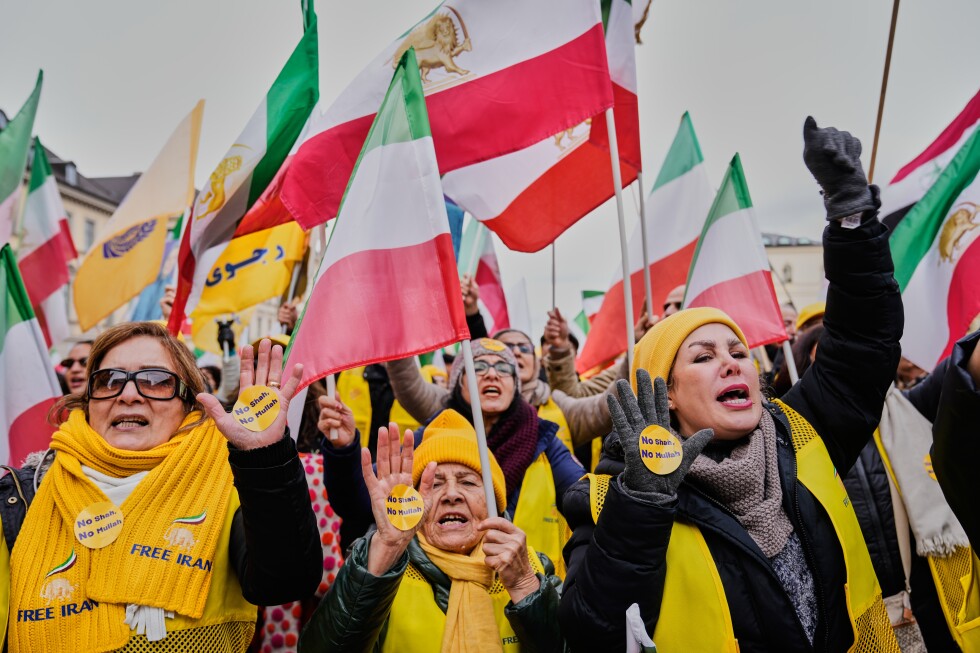
    MUNICH, Germany — Iranian exile groups intensified their campaign for regime change during the Munich Security Conference this weekend, leveraging the gathering of world leaders to amplify their demands. Reza Pahlavi, Iran’s exiled crown prince and son of the deposed shah, orchestrated coordinated demonstrations across Munich, Los Angeles, and Toronto in what he termed a “global day of action.”

    The protests coincide with heightened international pressure on Iran’s leadership, particularly following President Donald Trump’s recent suggestions that regime change “would be the best thing that could happen.” Trump’s administration has been pushing for further scaling back of Iran’s nuclear program while threatening military action.

    Friday’s opening of the security conference already featured significant protests against Iran’s government, primarily organized by the People’s Mujahedeen Organization of Iran (MEK). These demonstrations highlighted Iran’s violent suppression of nationwide protests last month, which human rights organizations report resulted in thousands of casualties.

    Pahlavi, who has lived in exile since the 1979 Iranian Revolution, used a Munich press conference to warn that more deaths would occur if “democracies stand by and watch.” He framed the situation as a critical test of international resolve: “We gather at an hour of profound peril to ask: Will the world stand with the people of Iran?”

    The crown prince argued that the Iranian government’s continued survival “sends a clear signal to every bully: kill enough people and you stay in power.” His comments referenced widely divergent death tolls from recent unrest, with human rights organizations reporting approximately 7,005 fatalities while Iranian authorities acknowledge only 3,117 deaths. The significant discrepancy reflects both the government’s historical pattern of underreporting casualties and the challenges of verification amid internet restrictions and communication blackouts.

  • Rubio expresses desire to maintain trans-Atlantic relations despite increasing rift

    Rubio expresses desire to maintain trans-Atlantic relations despite increasing rift

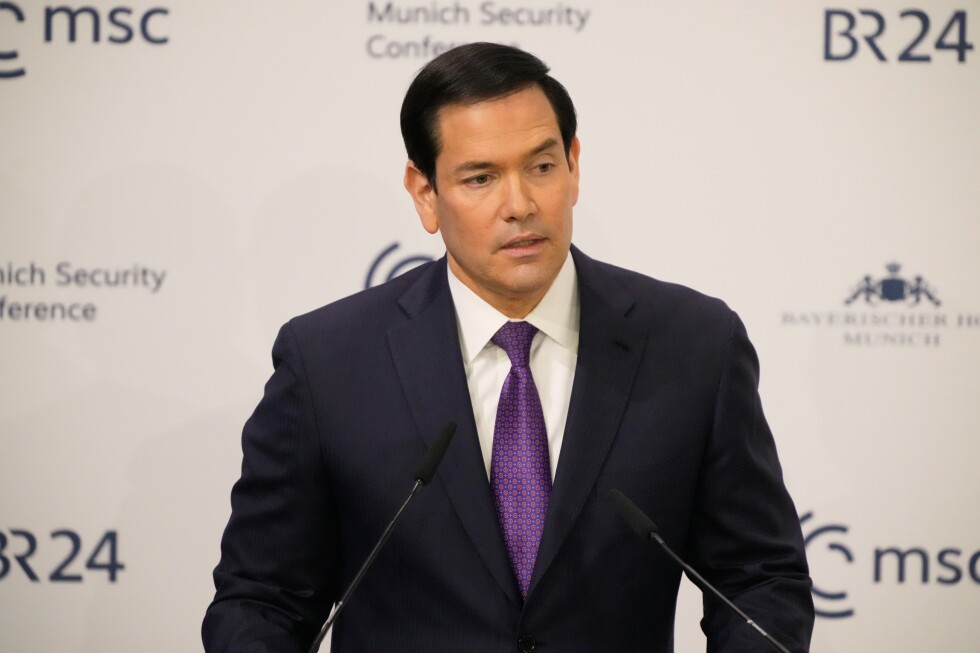
    MUNICH — U.S. Secretary of State Marco Rubio presented a conciliatory vision for American-European relations during his address at the Munich Security Conference on Saturday, signaling a strategic shift from the previous administration’s confrontational approach while maintaining core policy positions.

    Speaking exactly one year after Vice President JD Vance’s controversial critique of European values at the same forum, Rubio acknowledged the Trump administration’s direct communication style but framed it as necessary for revitalizing trans-Atlantic partnerships. His remarks came in response to German Chancellor Friedrich Merz’s opening call for repairing trans-Atlantic trust, emphasizing that neither the U.S. nor Europe can navigate global challenges alone in today’s transformed world order.

    Rubio offered a critical analysis of post-Cold War foreign policy, arguing that the ‘euphoria’ of Western victory created a ‘dangerous delusion’ that liberal democracy would inevitably prevail globally. He contended that this mindset led to unrealistic expectations about borderless citizenship and overreliance on economic ties replacing national sovereignty.

    ‘We made these mistakes together and now together we owe it to our people to face those facts and to move forward to rebuild,’ Rubio stated, outlining the administration’s commitment to ‘renewal and restoration’ while maintaining what he described as ‘direct and urgent counsel’ to European allies.

    The Secretary of State explicitly rejected narratives about the ‘end of the trans-Atlantic era,’ emphasizing America’s enduring connection to Europe despite geographical separation. ‘For us Americans, our home may be in the Western hemisphere, but we will always be a child of Europe,’ he declared, referencing shared military sacrifices from Kapyong to Kandahar as evidence of historical bonds.

    Rubio concluded by affirming the administration’s desire to ‘chart the path for a new century of prosperity’ in collaboration with ‘cherished allies and oldest friends,’ striking a markedly different tone from previous diplomatic exchanges while maintaining the administration’s core demand for ‘seriousness and reciprocity’ in trans-Atlantic relations.

  • Drone strikes kill 2 in Ukraine and Russia ahead of US-brokered peace talks in Geneva

    Drone strikes kill 2 in Ukraine and Russia ahead of US-brokered peace talks in Geneva

    As preparations intensify for a new round of U.S.-mediated negotiations, the ongoing conflict between Russia and Ukraine has witnessed a tragic escalation in cross-border drone strikes, resulting in civilian casualties on both sides.

    Ukrainian authorities reported that an elderly woman perished in the Black Sea port city of Odesa following a Russian drone attack that struck a residential building. Emergency services confirmed the fatality, highlighting the continued targeting of civilian infrastructure.

    Simultaneously, Russian officials in the Bryansk border region announced that a civilian was killed when a Ukrainian drone struck a vehicle. This incident occurred merely one day after a Ukrainian missile attack on the Russian city of Belgorod claimed two lives and injured five individuals, according to regional governor Vyacheslav Gladkov.

    Against this backdrop of intensified hostilities, diplomatic efforts are set to resume with scheduled talks in Geneva on Tuesday and Wednesday. Both Kremlin spokesperson Dmitry Peskov and Ukrainian President Zelenskyy’s communications adviser Dmytro Lytvyn have confirmed their participation in these U.S.-brokered negotiations.

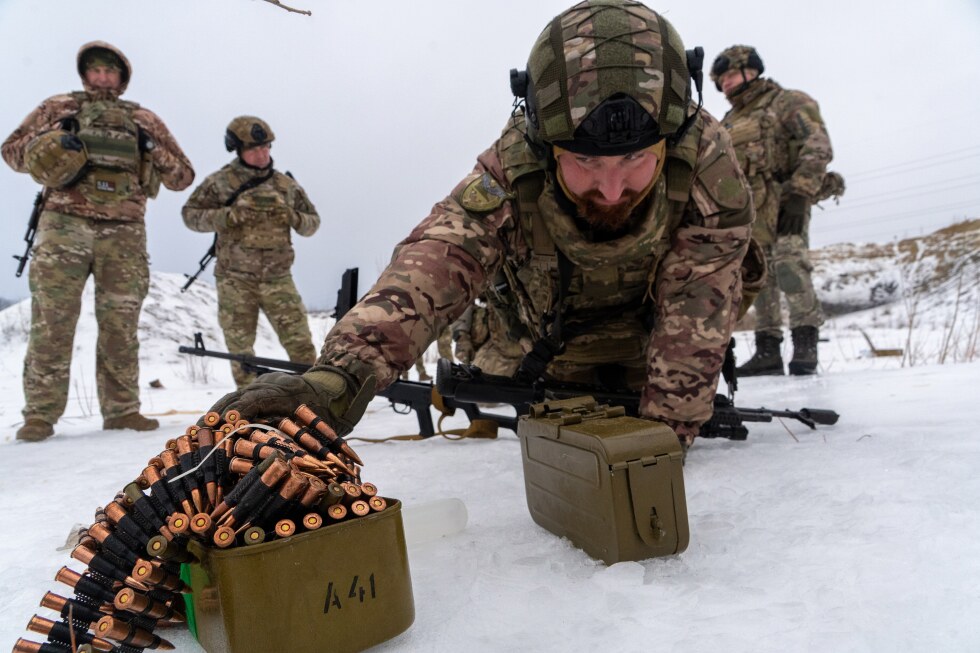
    The upcoming discussions unfold against a complex military reality characterized by persistent fighting along the 1,250-kilometer front line, continuous Russian bombardment of Ukrainian civilian areas and energy infrastructure, and regular Ukrainian drone operations targeting Russian military assets.

    These negotiations represent the latest in a series of attempted diplomatic breakthroughs, following previous unsuccessful rounds in Abu Dhabi that failed to resolve critical issues including the status of Ukraine’s occupied Donbas region. The talks gain additional significance as they precede the fourth anniversary of Russia’s full-scale invasion and occur against a reported June deadline for reaching a settlement, according to previous statements by Ukrainian leadership.

  • Queen’s letter of support left Pelicot ‘overwhelmed’

    Queen’s letter of support left Pelicot ‘overwhelmed’

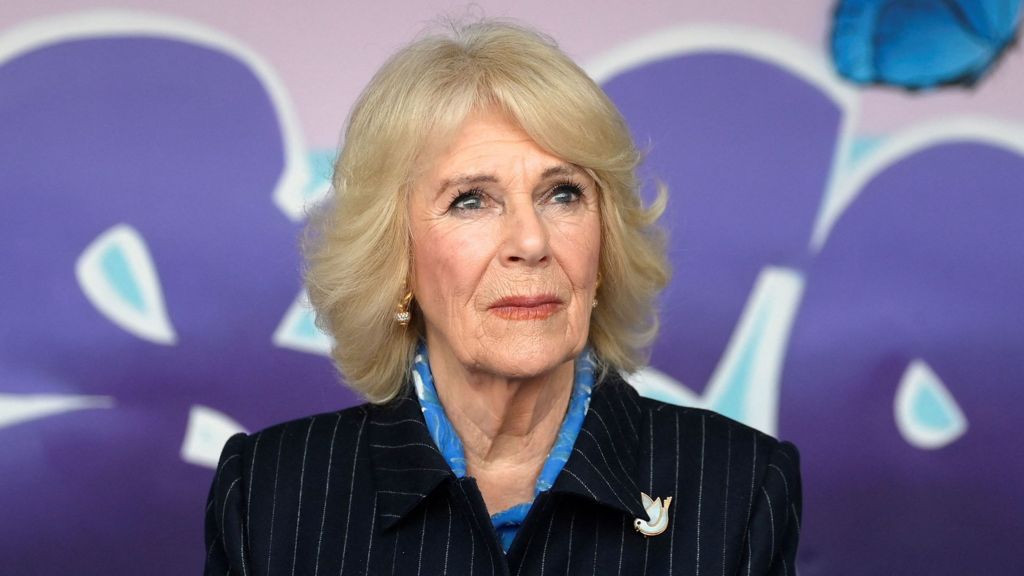
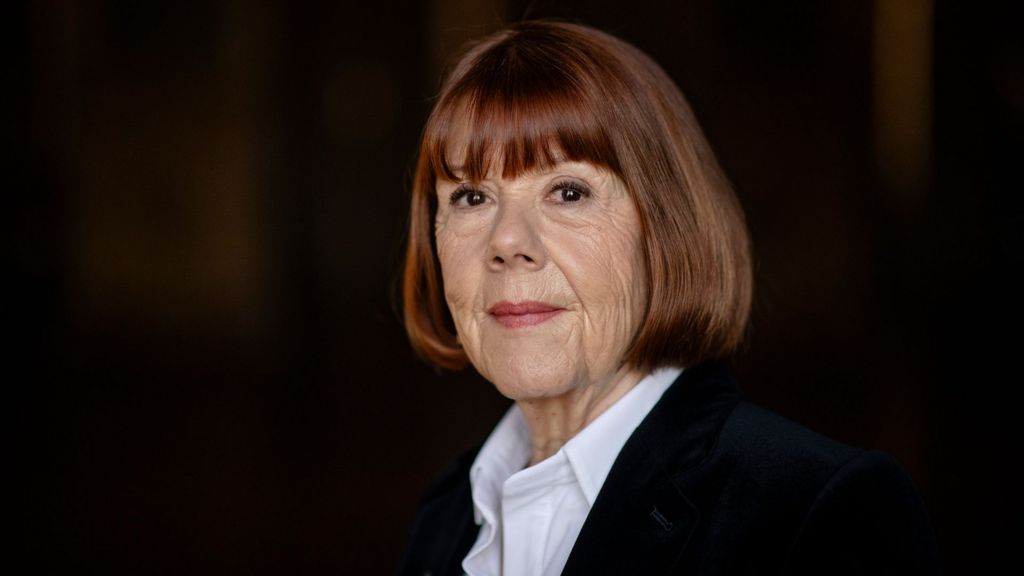
    In a powerful display of royal advocacy, Queen Camilla has personally commended French rape survivor Gisèle Pelicot for her extraordinary courage in confronting sexual violence. The 73-year-old grandmother, who endured nearly a decade of systematic abuse by her former husband, received a handwritten letter from the monarch expressing “heartfelt admiration” for her global impact in changing narratives around victim shame.

    The correspondence, revealed exclusively to BBC Newsnight with permission from both women, contains the Queen’s praise for Pelicot’s “grace and dignity” in facing “horrific crimes.” Her Majesty wrote: “I very much wanted to write to express my heartfelt admiration for the courage, grace and dignity with which you have faced the horrific crimes committed against you. You have inspired women across the globe and created a powerful legacy that will change the narrative around shame, forever.”

    Pelicot’s case gained international attention during the 2024 trial in Avignon where she waived her anonymity to make “shame swap sides” from victim to perpetrator. Throughout the 15-week proceedings, supporters gathered daily outside the courthouse holding signs thanking her for her courage. Her former husband was convicted for repeatedly drugging and raping her while inviting online acquaintances to participate in the abuse.

    The survivor described being “overwhelmed” and “very honoured” by the royal gesture, noting she “wasn’t expecting a letter from the Court of England” despite her story’s global reach. “I felt moved and very honoured that she had become aware of what had happened to me,” Pelicot told Victoria Derbyshire.

    Queen Camilla has established herself as a long-standing campaigner against domestic and sexual violence, working extensively with survivor support organizations. Her letter concluded with personal condolences: “Thank you for all that you have done. You are very much in my thoughts and prayers, and I hope that you will now be able to rest and recover from this devastating ordeal.”

    The correspondence coincides with the release of Pelicot’s memoir, “A Hymn To Life,” which documents her journey from victim to global symbol of feminist resistance.

  • Gisèle Pelicot tells BBC: I felt crushed by horror – but I don’t feel anger

    Gisèle Pelicot tells BBC: I felt crushed by horror – but I don’t feel anger

    In an extraordinary display of resilience, 73-year-old Gisèle Pelicot has broken her silence regarding France’s most extensive rape trial, revealing how her former husband systematically drugged and facilitated her assault by dozens of men over years. Speaking exclusively with BBC Newsnight ahead of her memoir publication, A Hymn To Life, Pelicot described the devastating moment she discovered the truth about Dominique Pelicot, the man she had loved for five decades.

    The revelation occurred unexpectedly at a police station in Mazan, southern France, where her husband had been summoned for secretly filming underneath women’s skirts. A police officer showed her photographic evidence of an unconscious woman surrounded by strangers—images she initially failed to recognize as herself. “I didn’t understand who they were. I’d never met them,” Pelicot recalls, describing the moment her reality shattered.

    Medical mysteries that had plagued her for years—unexplained memory loss and persistent gynecological issues—suddenly found their horrifying explanation. Police informed her that her husband had administered powerful sedatives and muscle relaxants before inviting men to assault her, meticulously documenting these crimes in thousands of images and videos.

    The psychological impact extended deeply to her three adult children, who immediately destroyed family possessions in an attempt to erase their father’s existence. Daughter Caroline faced additional trauma when intimate photos of her were discovered on her father’s laptop, though insufficient evidence prevented prosecution for these separate allegations.

    In a transformative decision, Pelicot waived her legal right to anonymity, transforming the 2024 trial into a public proceeding that captivated France. Despite facing 51 defendants and 40 lawyers, she walked daily into the Avignon courthouse with remarkable composure, supported by crowds of women and even receiving personal encouragement from Queen Camilla.

    The judicial outcome brought substantial accountability: her ex-husband received a 20-year sentence while the 50 other defendants received prison terms ranging from 5 to 15 years. Yet Pelicot’s journey continues as she rebuilds her life with new love found on Île de Ré and contemplates confronting her former husband in prison regarding unanswered questions about their daughter and a murder investigation.

    Throughout her ordeal, Pelicot maintains an astonishing absence of hatred, emphasizing instead her choice to “walk toward the good” despite unimaginable betrayal. Her story stands as both a testament to human resilience and a powerful call to victims everywhere to find strength in speaking truth.

  • Valentine’s Day at the Winter Olympics might look a little different, but it’s still special

    Valentine’s Day at the Winter Olympics might look a little different, but it’s still special

    MILAN CORTINA — Beyond the pursuit of medals and athletic glory, a different kind of warmth is defying the winter chill at the Olympic Games. The venues are serving as unexpected backdrops for romance, proposals, and celebrations of love, creating heartfelt narratives alongside the competitive drama.

    The atmosphere turned electric when Dutch speed skater Jutta Leerdam, fresh from setting an Olympic record in the 1000-meter race, shared an emotional moment with her fiancé, Jake Paul, in the stands. The couple, visibly moved to tears, exchanged handmade heart signs across the ice. In a similarly romantic gesture, downhill skiing champion Breezy Johnson was surprised with a marriage proposal from her longtime boyfriend near the finish line, surrounded by cheering members of the U.S. Ski Team.

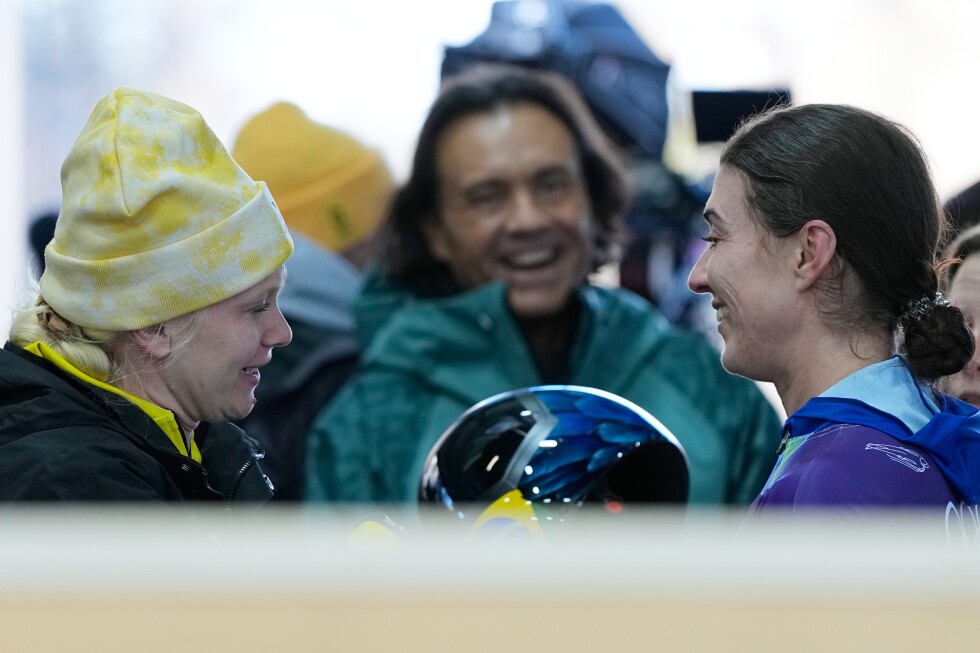
    For some athletes, Valentine’s Day coincides with the pinnacle of their sporting careers. Belgian skeleton racer Kim Meylemans and her wife, Brazil’s Nicole Rocha Silveira, spent the day preparing for the women’s skeleton finals rather than celebrating with a romantic dinner. The international couple, who represent their respective countries, told The Associated Press they had even forgone gift exchanges due to their intense focus on competition.

    Their love story blossomed during the pandemic, evolving from shared short-term rentals in 2019 to marriage in August 2023. In a remarkable coincidence, they had unknowingly purchased identical engagement rings and planned proposals for the same vacation in Brazil. The Olympic Committees accommodated their relationship by arranging shared housing in the Cortina Olympic village, where their room is divided between Belgian and Brazilian decorations.

    Their relationship carries particular significance in Italy, where same-sex marriage isn’t legally recognized. Rocha Silveira emphasized the importance of visibility, stating the Games provide a platform to “encourage and inspire people that they can be themselves.”

    The Olympic spirit of togetherness extends beyond athletes to volunteers like Lori and Curtis Brown, who are celebrating their 30+ years of marriage while working at the skating arena. Among the 18,000 volunteers in navy blue uniforms ensuring the smooth operation of the Games, the Browns hope to coordinate breaks for a shared Valentine’s dinner, calling it “the most special Valentine’s Day of our lives.”

    Canadian hockey players Laura Stacey and her wife, team captain Marie-Philip Poulin, faced Germany in quarterfinal competition on February 14th. Stacey reflected on their unique circumstance: “We’re pretty lucky. Most people don’t get to do what they love, chasing their dreams together.”

    The Games feature numerous other power couples, including U.S. alpine skiing star Mikaela Shiffrin engaged to Norway’s Aleksander Aamodt Kilde, married lugers from Latvia and the U.S., and American figure skaters Madison Chock and Evan Bates, who recently won silver medals. Curling has emerged as particularly couple-friendly, with several married pairs competing, including Norway’s Magnus Nedregotten and Kristin Skaslien, and Canada’s Jocelyn Peterman and Brett Gallant.