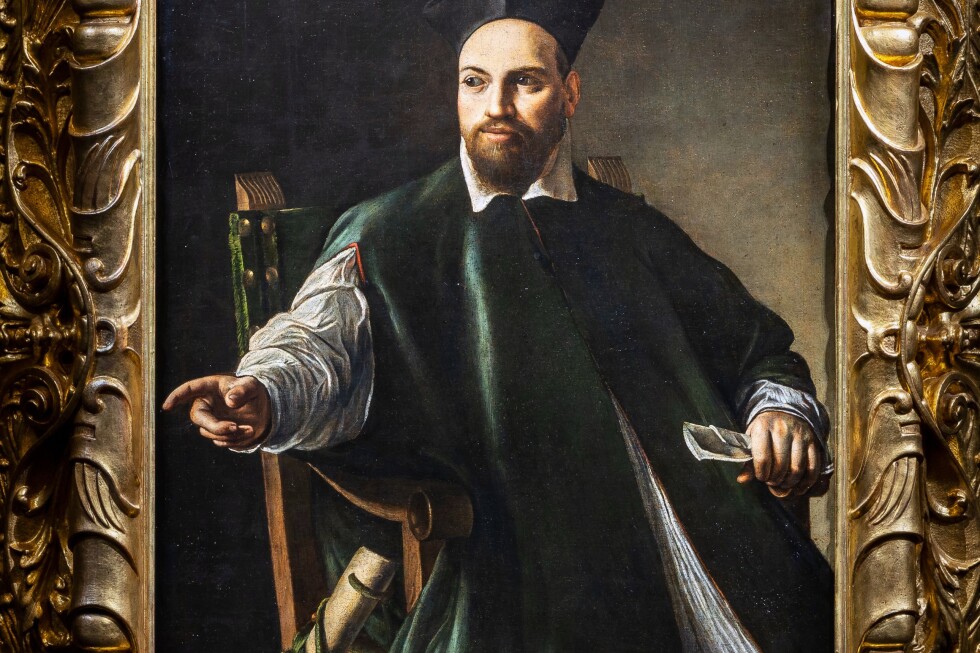
In a landmark cultural acquisition, the Italian government has successfully purchased a rare Baroque-era portrait by master painter Caravaggio for €30 million (approximately $35 million), marking one of the most significant state investments in a single artwork in the nation’s history. The Culture Ministry announced the acquisition on Tuesday following more than a year of delicate negotiations with private collectors.\n\nThe artwork, created circa 1598 and formally attributed to Caravaggio in 1963, portrays Maffeo Barberini during his nobleman years prior to his ascension as Pope Urban VIII. The portrait captures Barberini in his thirties, adorned in clerical garments of the Apostolic Chamber during a pivotal period of his political and religious career.\n\nCulture Minister Alessandro Giuli hailed the purchase as \”a work of exceptional importance,\” emphasizing its crucial role in Caravaggio’s modern rediscovery and its contribution to strengthening the presence of the artist’s works within Italian public collections. The acquisition forms part of Italy’s broader strategic initiative to enhance its national cultural heritage, following recent purchases including Antonello da Messina’s \”Ecce Homo\” masterpiece.\n\nThe painting gained scholarly recognition through art historian Roberto Longhi’s seminal 1963 article, which identified the work as a genuine Caravaggio creation. Longhi celebrated the portrait as \”one of the founding moments of modern portraiture,\\” highlighting Caravaggio’s revolutionary approach to psychological intensity and emotional depth.\n\nCaravaggio, born Michelangelo Merisi, transformed European painting at the dawn of the 17th century through his innovative chiaroscuro technique—a dramatic interplay of light and shadow that became fundamental to Baroque aesthetics. Despite being among the most extensively studied artists globally, the number of authenticated Caravaggio works remains exceptionally limited.\n\nThe newly acquired masterpiece will join the permanent collection at Rome’s Palazzo Barberini, where it will be exhibited alongside other Caravaggio masterpieces, including the renowned \”Judith Slaying Holofernes\” acquired by the state in 1971. This placement creates one of the world’s most comprehensive collections of Caravaggio’s work, making these artistic treasures accessible to both scholars and the public.
标签: Europe
欧洲
-
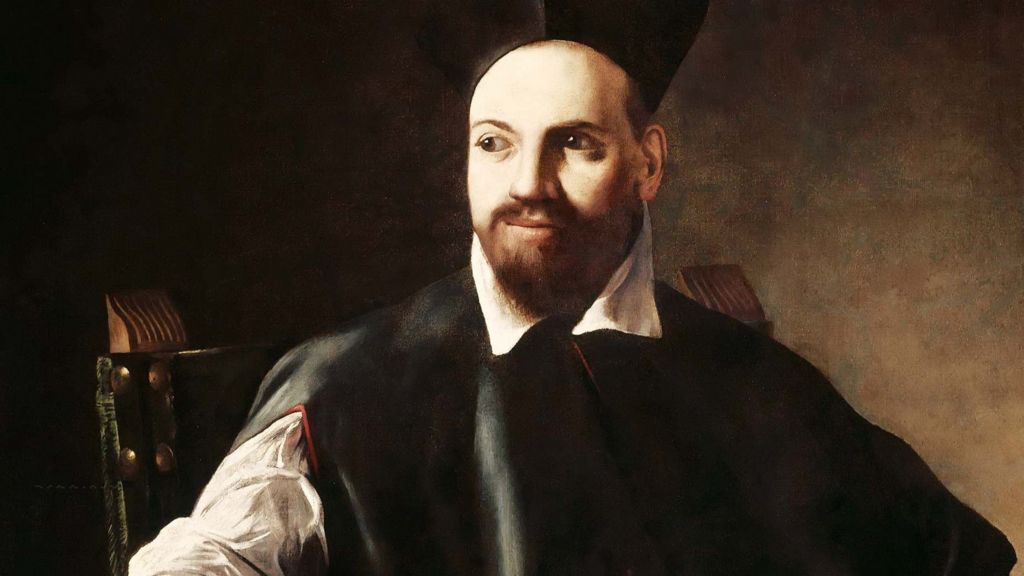
Italy buys rare Caravaggio portrait for €30m
In a significant cultural preservation move, the Italian government has acquired a rare portrait by Baroque master Caravaggio for €30 million (£25.9 million), marking one of the most substantial public art purchases in the nation’s history. The artwork, depicting Monsignor Maffeo Barberini who later ascended to papacy as Pope Urban VIII, represents an extraordinary addition to Italy’s national collection.
Culture Minister Alessandro Giuli characterized the acquisition as being of ‘exceptional importance’ within a strategic initiative to safeguard Italy’s artistic legacy from private ownership. The painting, created approximately in 1598, captures Barberini as a bearded cleric gesturing authoritatively with his right hand—a testament to Caravaggio’s mastery of psychological depth through portraiture.
Previously housed in a private Florentine collection, the artwork made its public debut in Rome during 2024. It has now been permanently transferred to the Palazzo Barberini, the historical Roman residence of the subject’s family, where it will join other works by the renowned artist. This placement ensures public and scholarly access to a piece that might otherwise have remained hidden in private hands.
Caravaggio (1571-1610), born Michelangelo Merisi, remains celebrated for his revolutionary chiaroscuro technique—the dramatic interplay of light and shadow that infused his compositions with visceral realism. Of his approximately 65 surviving works globally, only three are confirmed portraits, making this acquisition particularly significant for art historical studies.
The purchase forms part of the Ministry of Culture’s broader campaign to strengthen Italy’s cultural heritage through strategic acquisitions. Minister Giuli emphasized the ongoing commitment to ‘make art history masterpieces accessible to scholars and enthusiasts’ that would typically enter private markets, acknowledging the collaborative efforts of cultural institutions and technical experts in facilitating this achievement.
Barberini, who served as pope from 1623 until his death in 1644, was himself a notable arts patron during his papacy, adding historical resonance to the government’s acquisition of his portrait by one of art history’s most influential figures.
-

Lebanese man jailed in Germany for Hezbollah membership
A German court has delivered a significant verdict in a national security case, sentencing a 35-year-old Lebanese national to six-and-a-half years imprisonment for membership in Hezbollah’s military wing, designated as a terrorist organization by the European Union. The defendant, identified only as Fadel Z under German privacy protections, was convicted on multiple charges including complicity in attempted murder and systematic violations of EU embargo regulations.
The Celle Regional Court established that Fadel Z had been an active Hezbollah member for approximately a decade, eventually ascending to a critical position within the organization’s drone development initiative. Evidence presented demonstrated his central role in orchestrating the acquisition of sophisticated components worth approximately €1.4 million (£1.2 million) from international suppliers.
Prosecutorial documents revealed meticulous operational details: Fadel Z sourced over 2,000 combustion and electric motors alongside 600 precision propellers through a network of front companies registered under his associates’ names. These entities facilitated financial transactions and concealed the ultimate destination of the controlled technology.
The investigation uncovered a sophisticated transnational procurement network with materials originating from European, Chinese, and American manufacturers. Fadel Z coordinated logistics from multiple operational bases, initially operating from Barcelona in 2022 before relocating to Salzgitter in Lower Saxony during summer 2023. Shipments were deliberately routed through Hamburg and Spanish ports via container ships, with additional components transported through air freight channels.
Most critically, prosecutors established direct operational impact: two engines procured through Fadel Z’s network were incorporated into weaponized drones deployed against civilian targets in Israel. One such aircraft penetrated a Herzliya retirement home during Yom Kippur observances on October 11, 2024. Although the explosive payload detonated within the residential facility, approximately 200 occupants escaped physical injury through what authorities described as fortunate circumstances.
The German Federal Prosecutor’s Office emphasized in supplementary statements that Hezbollah maintains “an extensive drone program” that has systematically targeted both military and civilian infrastructure since the October 2023 Hamas attacks. The organization reportedly employs international operatives specifically for covert technological acquisition operations within European jurisdictions.
Fadel Z remains in custody with a seven-day window to appeal the verdict, marking one of Germany’s most significant counterterrorism prosecutions related to drone technology diversion to designated terrorist organizations.
-

Italy stuns the US 8-6 in World Baseball Classic, leaving the Americans needing help to advance
In a stunning reversal at the World Baseball Classic, Italy delivered a decisive blow to tournament favorites United States with an 8-6 victory Tuesday night at Houston’s Daikin Park. The Italian squad, powered by home runs from Kyle Teel, Sam Antonacci, and Jac Caglianone, built a commanding 8-0 lead before withstanding a dramatic late-game rally from the Americans.
Italian starter Michael Lorenzen proved dominant on the mound, limiting the powerful U.S. lineup to just two hits across 4 2/3 scoreless innings. The offensive breakthrough came in the third inning when Teel’s homer to left field opened scoring, followed by Antonacci’s blast to right-center that extended the lead to 3-0. Caglianone’s two-run shot in the fourth inning pushed the advantage to 5-0, with Italy capitalizing on American defensive miscues to add three additional runs in a sloppy sixth inning.
The U.S. mounted a formidable comeback attempt in the late innings. Gunnar Henderson broke the shutout with a solo homer in the sixth, but the dramatic turnaround began with Pete Crow-Armstrong’s majestic three-run homer in the seventh. Crow-Armstrong struck again in the ninth with his second homer of the night—a two-run shot that narrowed the deficit to 8-6. With Bobby Witt Jr. reaching base and representing the tying run, Italian reliever Greg Weissert secured the historic victory by striking out Aaron Judge to end the game.
The result creates significant complications for Team USA’s tournament prospects. Having completed pool play, the Americans now require an Italian victory against Mexico on Wednesday to guarantee advancement to the quarterfinals. A Mexican victory would create a three-way tie at 3-1, with run differential determining which teams advance.
In other tournament action, defending champion Japan completed a perfect group stage with a 9-0 victory over the Czech Republic behind Munetaka Murakami’s grand slam. Israel defeated the Netherlands 6-2 in eliminated-team competition, while Canada kept its advancement hopes alive with a 3-2 victory over already-qualified Puerto Rico.
-
Iran says skier deeply disappointed at missing Paralympics because of war
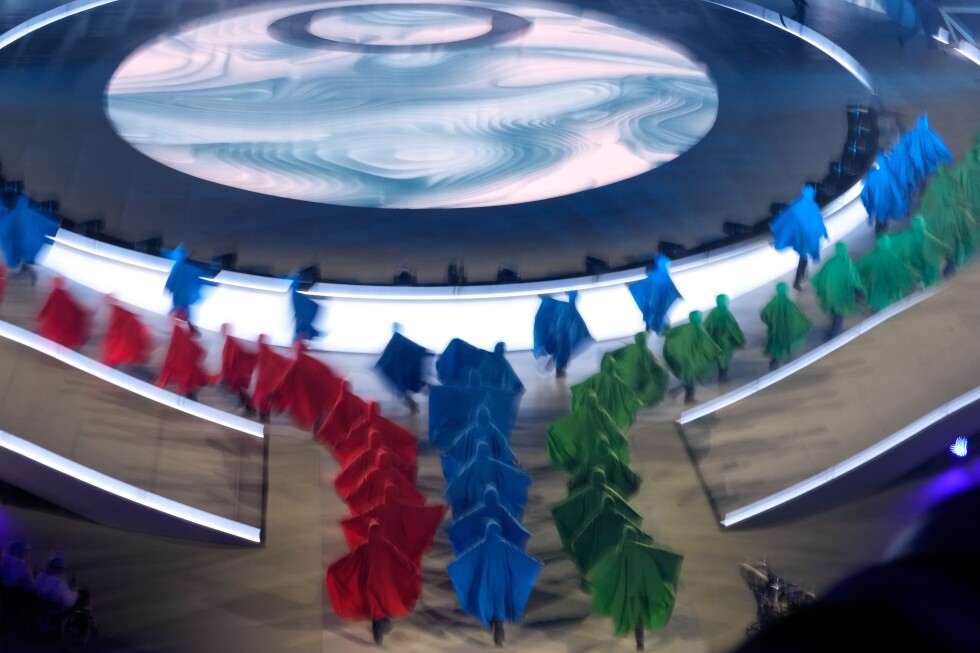
CORTINA D’AMPEZZO, Italy — Iran’s sole representative at the Milan Cortina Winter Paralympics, cross-country skier Aboulfazl Khatibi, has been compelled to withdraw from competition due to escalating military conflicts in the Middle East that prevented his safe travel to Italy. The Iranian National Paralympic Committee has characterized the situation as profoundly disappointing for the athlete who had dedicated years to preparation.
Hamid Alisamimi, Chief Executive of Iran’s NPC, expressed deep regret over Khatibi’s absence from the Games, emphasizing the emotional toll on athletes whose Olympic dreams are shattered by geopolitical circumstances beyond their control. In an official communication, Alisamimi stated that while the athlete experiences profound disappointment, he maintains that sports should serve as a unifying force between nations and a symbol of global peace.
The military operations initiated by the United States and Israel against Iran on February 28th, just days before the Paralympics’ March 6th opening ceremony, directly impacted Khatibi’s participation. This development has raised broader concerns about Iran’s continued involvement in international sporting events, including potential implications for their participation in the upcoming men’s soccer World Cup across North America.
Alisamimi further called upon the international sports community to take principled stands against human rights violations, urging sporting bodies to suspend countries that breach these fundamental values. The Iranian sports official emphasized that the world of athletics must align itself with justice, dignity, and peace in confronting global challenges.
-

Volkswagen to cut 50,000 jobs as profits drop
Europe’s automotive giant Volkswagen Group has unveiled a sweeping workforce reduction plan, announcing the elimination of 50,000 positions across its German operations by 2030. This decisive move comes as the company confronts its most severe profit downturn since 2016, with post-tax earnings plummeting by approximately 44% in 2025.
Chief Executive Oliver Blume detailed the comprehensive restructuring strategy in communications to shareholders, emphasizing that the job reductions would impact the entire corporate entity, including premium subsidiaries Audi and Porsche. The announcement follows a previously established agreement with labor unions to eliminate over 35,000 positions through socially responsible measures, targeting €15 billion in operational savings.
The Wolfsburg-based manufacturer attributes its financial challenges to a perfect storm of market pressures: aggressive competition from Chinese automakers expanding into European markets, significant U.S. import tariffs imposed during the Trump administration, and substantial transition costs associated with electric vehicle development. These factors have been compounded by declining demand in China, previously Volkswagen’s most profitable market.
Despite projecting a modest recovery with an anticipated core profit margin between 4% and 5.5% for 2026, Chief Financial Officer Arno Antlitz cautioned that current profitability levels remain insufficient for long-term sustainability. The company has committed to implementing rigorous cost-reduction measures throughout the coming year, with Blume acknowledging that Volkswagen now operates in ‘a fundamentally different environment’ requiring structural adaptation.
-

Russia and Ukraine both claim front-line progress with US-brokered talks on hold
KYIV, Ukraine — The protracted conflict between Russia and Ukraine enters its fourth year with both nations asserting contrasting battlefield narratives. Ukrainian military officials report successful counteroffensive operations reclaiming significant territory, while Moscow maintains its invasion continues to advance.
Ukrainian forces have recently liberated nearly all of the southeastern Dnipropetrovsk industrial region, expelling Russian troops from over 400 square kilometers (150 square miles), according to Maj. Gen. Oleksandr Komarenko. In an interview with RBC-Ukraine published Tuesday, Komarenko described the frontline situation as challenging yet manageable, with intense combat persisting near Pokrovsk in eastern Ukraine and Oleksandrivka in the south.
Despite these claimed successes, Russia’s relentless aerial assaults on civilian areas continue unabated. Overnight drone strikes targeted two Ukrainian cities, injuring at least 14 civilians including two children, emergency services reported Tuesday. Ukraine’s air force stated it intercepted 122 of the 137 drones launched by Russian forces during the nocturnal attacks.
The diplomatic landscape remains equally contentious. Kremlin aide Yuri Ushakov asserted that President Vladimir Putin informed former U.S. President Donald Trump of Russia’s “successful advances” in Ukraine, suggesting this momentum should encourage Kyiv toward negotiated settlement. This position contrasts sharply with Ukraine’s repeated demands for a lasting peace agreement and European accusations that Moscow feigns interest in talks while continuing military aggression.
International dimensions further complicate the conflict. U.S.-mediated negotiations between Russia and Ukraine remain suspended as Washington’s attention shifts toward the Iran conflict, diverting global focus from Ukraine’s struggle against Russia’s larger military. The Kremlin anticipates potential financial benefits from rising oil prices due to Middle East tensions, reduced Western attention on Ukraine, depletion of Western arsenals, and diminished NATO military support for Kyiv.
Meanwhile, President Volodymyr Zelenskyy seeks to leverage Ukraine’s battle-tested drone technology through potential supplies to the United States and Gulf partners, hoping to gain diplomatic advantage against Moscow while securing advanced American air defense systems to counter Russian attacks.
The Institute for the Study of War, a Washington-based think tank, suggests recent Ukrainian counterattacks may disrupt Russia’s planned 2026 offensive campaign, though independent verification of battlefield conditions remains challenging.
-

The Timberwolves are focused on a push toward the NBA playoffs. And the World Baseball Classic, too
While the Minnesota Timberwolves prepare for their crucial NBA matchup against the Los Angeles Lakers on Tuesday night, a significant portion of the organization’s attention will be diverted to an entirely different sporting event happening in Houston. The World Baseball Classic has provided an unexpected but welcome diversion for the team amidst their intense Western Conference playoff race.
The source of this cross-sport fascination stems from Dante Nori, son of Timberwolves assistant coach Micah Nori, who has emerged as a breakout performer for Team Italy in the international baseball tournament. The younger Nori’s impressive performance—including a two-home run game against Brazil—has captured the imagination of the entire Timberwolves organization, from head coach Chris Finch to co-owner and baseball legend Alex Rodriguez.
Micah Nori confirmed he will be multitasking during Tuesday’s events: “I will be watching the Timberwolves, but at 6 o’clock Pacific time, I will be focused on the Italians and the Americans in the WBC, for sure.” The assistant coach expressed appreciation for how invested the organization has become in his son’s success, noting that numerous staff members have been sending videos and pictures of themselves watching Dante’s games.
The baseball connection runs deep in the Nori family lineage. Micah’s father, Fred Nori, played college baseball at Indiana before spending several seasons in professional baseball. Micah himself played baseball at Indiana, batting a team-best .365 as a senior before transitioning to basketball scouting and coaching.
Dante Nori’s path to baseball represented a conscious choice made during middle school when he realized his height would likely cap at 5-foot-9. “It was a very easy choice,” Dante remarked. “Just keep the cleats on and play baseball.”
The Timberwolves’ unique connection to the tournament extends beyond the Nori family. Team co-owner Alex Rodriguez, the 14-time All-Star and three-time MVP, has taken a personal interest in Dante’s development, offering advice and encouragement during their interactions in Minnesota.
This intersection of baseball and basketball within the Timberwolves organization creates a distinctive sports narrative during the crucial final stretch of the NBA season, demonstrating how professional sports communities can rally around emerging talent across different athletic disciplines.
-
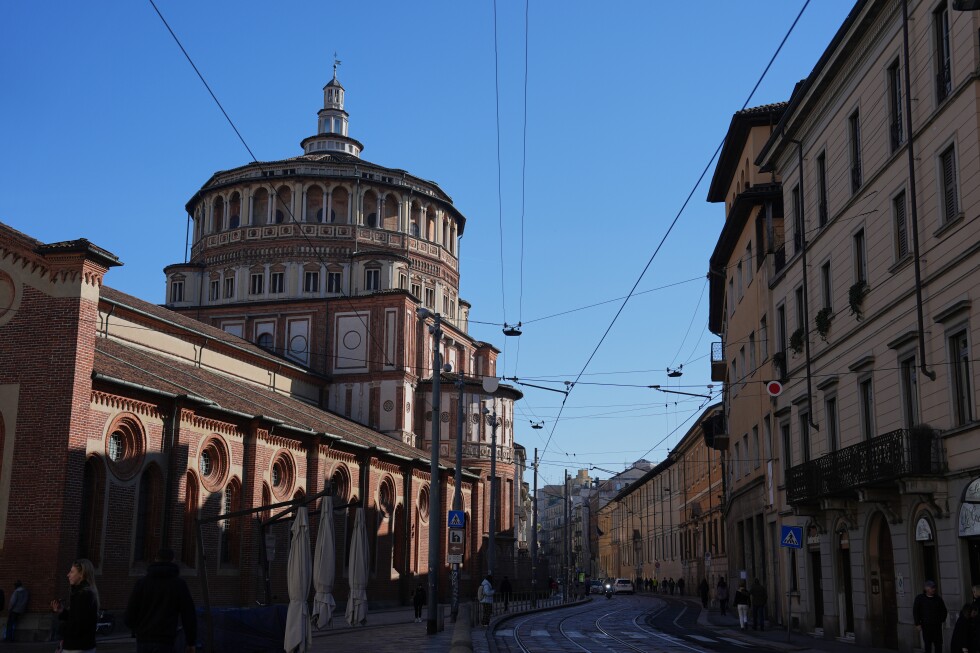
At the convent of Leonardo’s ‘Last Supper,’ Dominican friars still live, pray and welcome visitors
Within the hallowed walls of Santa Maria delle Grazie in Milan, a living Dominican community maintains its spiritual practices just steps away from one of art history’s most celebrated masterpieces. While Leonardo da Vinci’s “The Last Supper” draws countless visitors to the former refectory, twelve priests and nine novices continue their monastic traditions in the adjacent basilica and convent.
The current friars, including Reverend Paolo Venturelli, experience the famous mural from a unique perspective. Venturelli prefers to view the painting from across the room where it was originally created in the 1490s at the request of Milan’s ruler Ludovico Sforza. “From there, the painting looks as though it were painted in the middle of the refectory,” Venturelli observes. “It unleashes all kinds of human and spiritual reactions.”
Historical circumstances have created a physical separation between the friars and the artwork that was originally created for their order. Following Napoleon’s suppression of religious houses in the 18th century, the refectory passed into state control. Today known as the Cenacolo Vinciano, it is managed by Italy’s Regional Directorate of Museums of Lombardy. “We don’t go often because we have to ask permission to enter,” Venturelli explains, noting that preservation rules limit visits to just 15 minutes for everyone, including friars. “It no longer belongs to us.”
The Dominican community maintains an active religious presence despite the tourist crowds. Dressed in their iconic white robes or brown winter capes, the friars are regularly seen within the basilica. Many visitors who come specifically for Leonardo’s masterpiece also discover the spiritual significance of the adjacent church. “We came to see Leonardo’s Last Supper but we also wanted to see the church because it’s quite special,” noted Maria Teresa Bruzzi, a recent visitor from Genoa.
The friars provide multiple services to both locals and tourists, including confessions in several languages. Reverend Llewellyn Muscat, prior of the community, explains: “Confessions are very much sought after and we maintain this service for the citizens of Milan but also for all visitors.” The friars accommodate speakers of Italian, English, Maltese, French, and German.
The intellectual legacy of the Dominicans remains evident throughout the convent, where halls contain dozens of shelves filled with books. “Reading is part of our identity,” Muscat emphasizes. The friars follow a routine shaped by study, prayer, and ministry, with some teaching at local Catholic institutions or collaborating with the cultural center that organizes conferences and events.
For the Dominicans, “The Last Supper” represents more than artistic achievement—it embodies their continuing spiritual connection. “For us, it does not awaken an emotion about something that belongs to the past,” Muscat reflects. “It is like a continuation in which we eat together with Jesus and his apostles, as though his words are also spoken to us.”
The current refectory where the friars actually dine is located deep within the convent’s labyrinth-like structure, away from tourist traffic. It features several square tables rather than the long table depicted in Leonardo’s masterpiece. While appreciating their functional dining space, Muscat acknowledges the community’s historical connection to the famous painting: “Maybe one day the old refectory will belong to us again.”
-
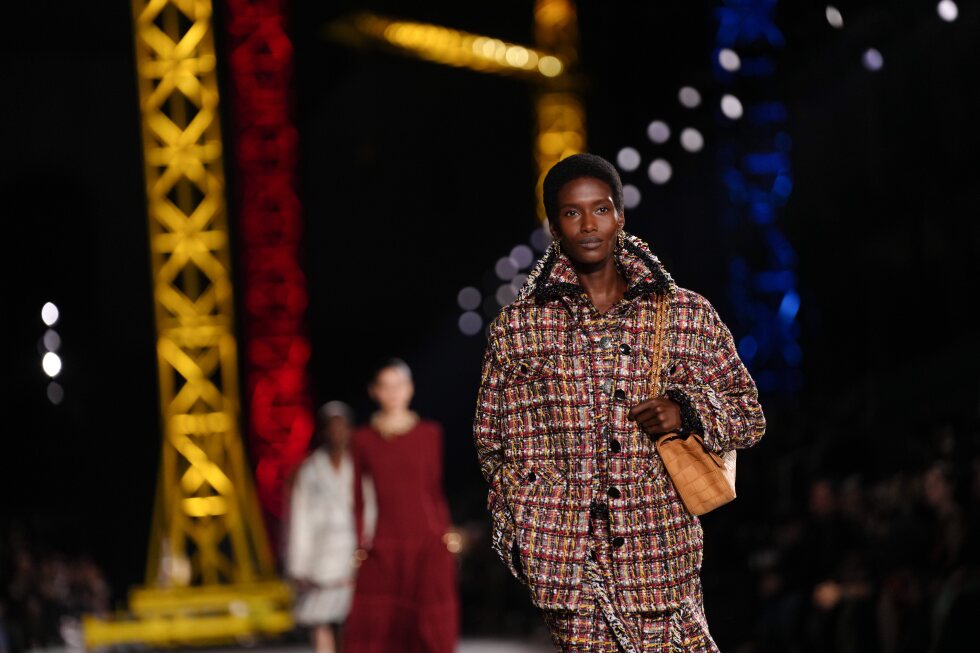
Margot Robbie, Oprah watch Blazy transform Chanel with color and craft
PARIS — Chanel’s creative director Matthieu Blazy presented his sophomore ready-to-wear collection at Paris Fashion Week on Monday, transforming the Grand Palais into a construction site with holographic floors and towering cranes. The architectural theme served as a metaphor for Blazy’s ongoing reconstruction of Chanel’s design legacy, six months into his tenure.
The collection drew inspiration from Gabrielle “Coco” Chanel’s philosophy: “We need dresses that crawl and dresses that fly.” Blazy masterfully balanced opposing forces—minimalism versus extravagance, functionality versus fantasy—demonstrating greater discipline than his October debut.
Opening looks established a foundation of austerity with black knit zip-ups, tweed blousons, and boxy overshirts distinguished only by four gold buttons. These minimalist pieces represented what Blazy called “the first brick” in his architectural approach to fashion.
The most provocative design innovation emerged in silhouette experimentation, with waistlines dramatically dropped to mid-thigh level. Retro flapper influences filtered through a contemporary lens manifested in drop-waisted twinsets, patchwork dresses with floral embroidery, and vibrant patterned knits pulsating with 1920s energy.
The collection’s finale addressed commercial considerations with dazzling sequined plaid suits, star-chart embroidered coats, and metallic mesh woven to mimic traditional tweed. Spectacular elements including fabric blossoms, trailing ribbons, layered ruffles, and insect-wing detailing transformed the runway into theatrical spectacle.
Blazy cast models spanning teenagers to women in their fifties, allowing the presentation to breathe during a nearly five-minute runway circuit. The show concluded with seven pared-back black and cream looks, signaling that while innovation continues, Chanel’s essential identity remains intact.