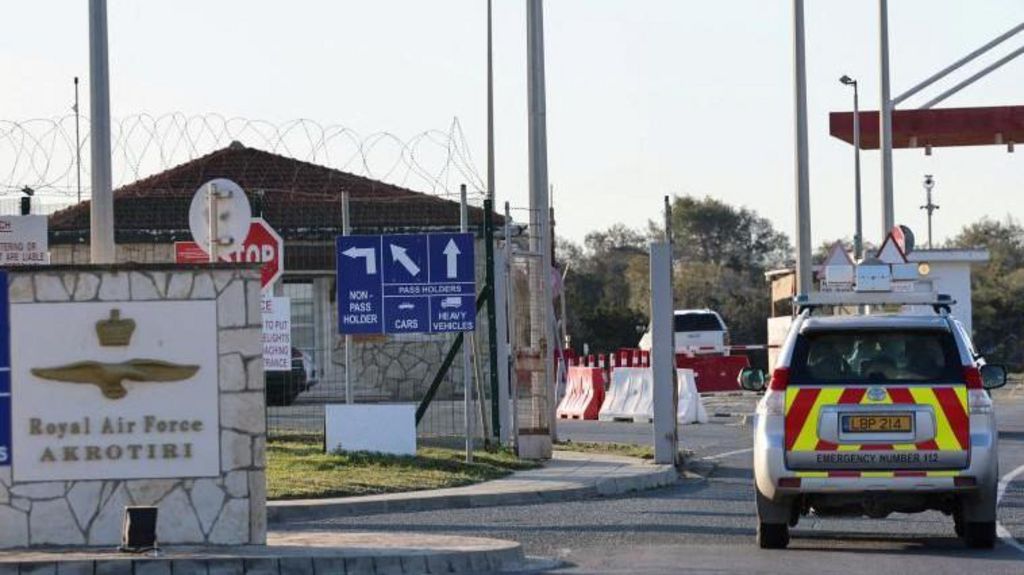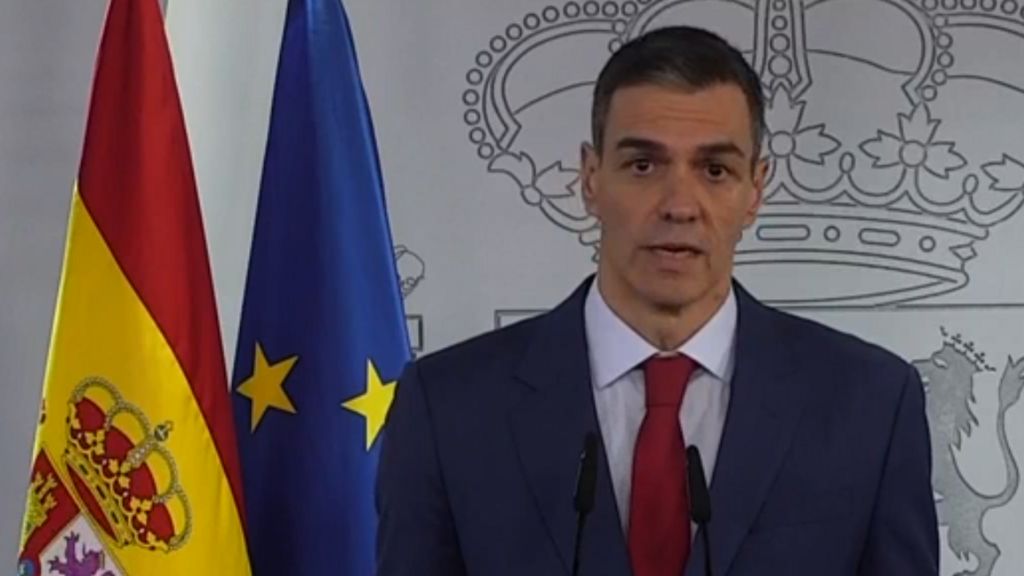
In a resolute televised address from the prime ministerial residence at La Moncloa, Spanish Prime Minister Pedro Sánchez delivered a robust rebuttal to U.S. President Donald Trump’s threat to sever all trade relations with Spain. The confrontation emerged following Madrid’s refusal to permit American military utilization of jointly operated bases at Morón and Rota for potential strikes against Iran.
Sánchez articulated Spain’s unwavering diplomatic stance during his ten-minute national broadcast, emphasizing that the government’s position could be encapsulated in four definitive words: “No to war.” The Socialist leader drew parallels between current Middle Eastern tensions and historical conflicts, including the Iraq invasion of 2003 which he characterized as having failed its objectives while exacerbating civilian hardships.
The Prime Minister asserted that one violation of international legality cannot justify another, explicitly referencing what he termed the “breakdown of international law” in contemporary warfare. This statement came shortly after his administration appealed for de-escalation and adherence to established international protocols in the Middle East.
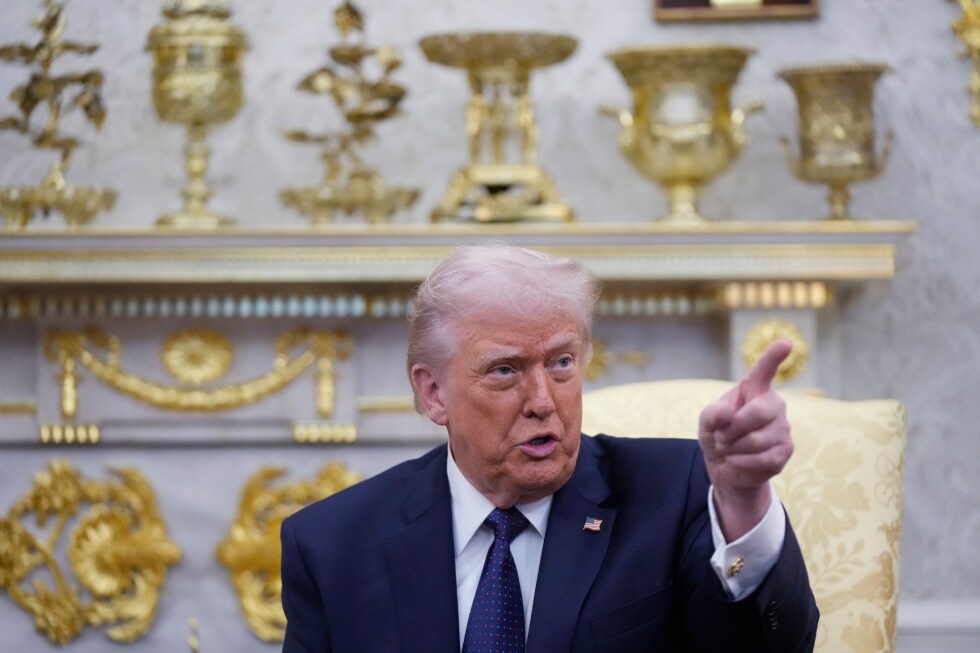
Trump’s condemnation emerged during discussions with German Chancellor Friedrich Merz, where the U.S. president labeled Spain a “terrible partner” within NATO frameworks, citing insufficient defense budget allocations relative to agreed-upon GDP percentages. The American leader threatened comprehensive trade restrictions against Spain in retaliation for base access denial.
Chancellor Merz subsequently clarified that he explicitly informed Trump that separate agreements excluding Spain were diplomatically untenable for Germany or the European collective. Meanwhile, Sánchez revealed that his government is developing economic countermeasures to shield Spanish citizens from potential conflict-induced repercussions.
The Spanish leader, known for his vocal criticism of Israel’s military operations in Gaza following 2023 Hamas attacks, positioned current geopolitical tensions within broader historical and ethical contexts. He cautioned that military escalation against Iran could precipitate severe economic consequences affecting millions globally, while condemning the use of “fog of war” rhetoric to obscure policy failures.
Sánchez concluded with a principled distinction: “The fundamental question isn’t whether we align with ayatollahs—nobody does—but whether we champion peace and international legality.”