标签: Europe

欧洲

  • An arson attack leaves Britain’s Jewish community feeling vulnerable

    An arson attack leaves Britain’s Jewish community feeling vulnerable

    LONDON — British authorities have launched a manhunt for three suspects following a devastating arson attack on Jewish charity ambulances in northwest London, an incident that has profoundly shaken the community’s sense of security and prompted nationwide security enhancements.

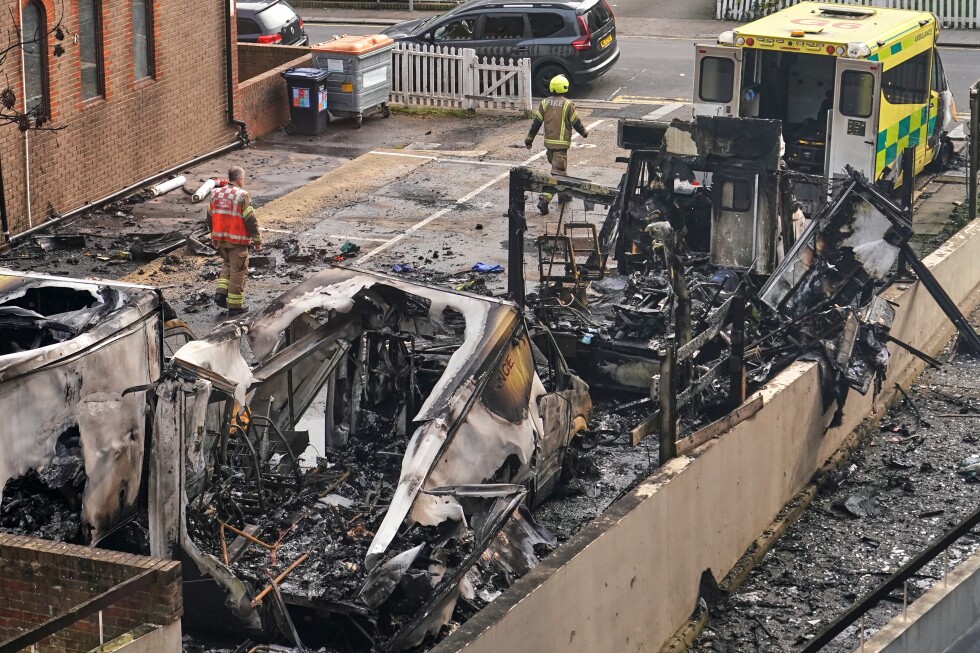
    The targeted assault occurred in Golders Green, a neighborhood with one of Britain’s most concentrated Jewish populations, where four emergency vehicles belonging to volunteer rescue organization Hatzola Northwest were completely destroyed. The intensity of the blaze triggered oxygen cylinder explosions that shattered windows in adjacent residential buildings, creating both physical damage and psychological trauma.

    Community leaders expressed profound vulnerability as counterterrorism police investigate claims of responsibility from Harakat Ashab al-Yamin al-Islamia (Islamic Movement of the Companions of the Right), a recently established group with suspected connections to Iranian proxy networks. Metropolitan Police Chief Mark Rowley confirmed the ongoing investigation while cautioning against premature attribution to the Iranian state, despite Britain’s previous accusations of Iran employing criminal proxies to target Jewish communities and opposition media outlets across Europe.

    The attack occurs against a backdrop of dramatically escalating antisemitic incidents across the United Kingdom. According to the Community Security Trust, which monitors antisemitism, reported cases have surged to 3,700 in 2025—more than double the 1,662 incidents recorded in 2022, with the steep increase following Hamas’ October 2023 attack on Israel and subsequent Gaza conflict.

    This security crisis has sparked intense debate within British society. Many Jewish community members criticize Prime Minister Keir Starmer’s Labour government for insufficiently addressing antisemitic rhetoric at pro-Palestinian demonstrations, though organizers maintain that criticism of Israeli policies constitutes legitimate political expression rather than religious bigotry.

    In response to the growing threats, London police will implement enhanced security measures for Jewish schools, synagogues, and community centers during the upcoming Passover holiday, including highly visible armed patrols. Yet community leaders like Damon Hoff, president of the affected Machzike Hadath Synagogue, emphasize that the challenges extend beyond physical protection: ‘We’re living through wars. There’s multiple fronts, and Britain is a part of it.’

    Despite the anxiety, Senior Rabbi Jonathan Wittenberg of Masorti Judaism noted the community’s determination to maintain Jewish life with resilience. However, the attacks have prompted sobering reflections among British Jews about safety both within the UK and abroad, with many questioning whether truly secure spaces exist anywhere amid rising global antisemitism.

  • Danes vote as Mette Frederiksen seeks third term as PM

    Danes vote as Mette Frederiksen seeks third term as PM

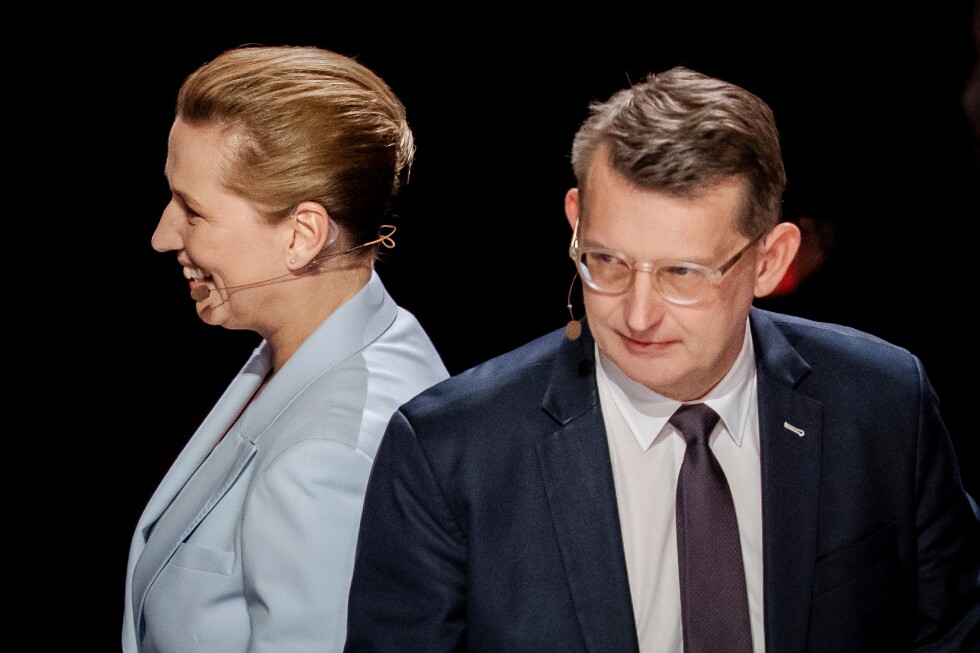
    Denmark is holding a pivotal parliamentary election that will determine whether Prime Minister Mette Frederiksen secures an unprecedented third term for her Social Democrats. The 48-year-old leader called the snap election months ahead of schedule, capitalizing on a surge of popular support following her firm handling of former US President Donald Trump’s controversial proposal to annex Greenland, Denmark’s autonomous territory.

    Despite this ‘Trump bump’ in approval ratings, Frederiksen faces formidable challenges from center-right opponents, particularly Defence Minister Troels Lund Poulsen’s Liberal Venstre party. Current polling indicates the Social Democrats maintain a substantial lead with over 20% support, significantly ahead of both the Liberals and the Green Left party.

    The election campaign has largely centered on domestic issues rather than foreign policy, where broad consensus exists across Danish politics. Economic stability, rising living costs, and environmental concerns have dominated voter discussions. Frederiksen has proposed implementing a 0.5% wealth tax targeting Denmark’s wealthiest 20,000 citizens, while mounting worries about pesticide contamination in drinking water from agricultural activities have emerged as key environmental issues.

    However, electoral mathematics suggests neither the left-leaning ‘red’ bloc nor the right-leaning ‘blue’ bloc will secure the required 90 parliamentary seats for majority control. This deadlock positions Foreign Minister Lars Løkke Rasmussen’s centrist Moderates as potential kingmakers in coalition negotiations. Additionally, four parliamentary seats representing Greenland and the Faroe Islands could prove decisive, with indications that at least one Greenlandic seat might shift from left to right alignment for the first time in decades.

    Rasmussen, who garnered significant praise for his diplomatic handling of the Greenland standoff, has expressed interest in serving as royal investigator—a crucial role in forming governing coalitions—though he has explicitly denied aspirations to reclaim the prime minister’s office he held for two previous terms.

  • At least five killed in massive wave of Russian strikes across Ukraine, officials say

    At least five killed in massive wave of Russian strikes across Ukraine, officials say

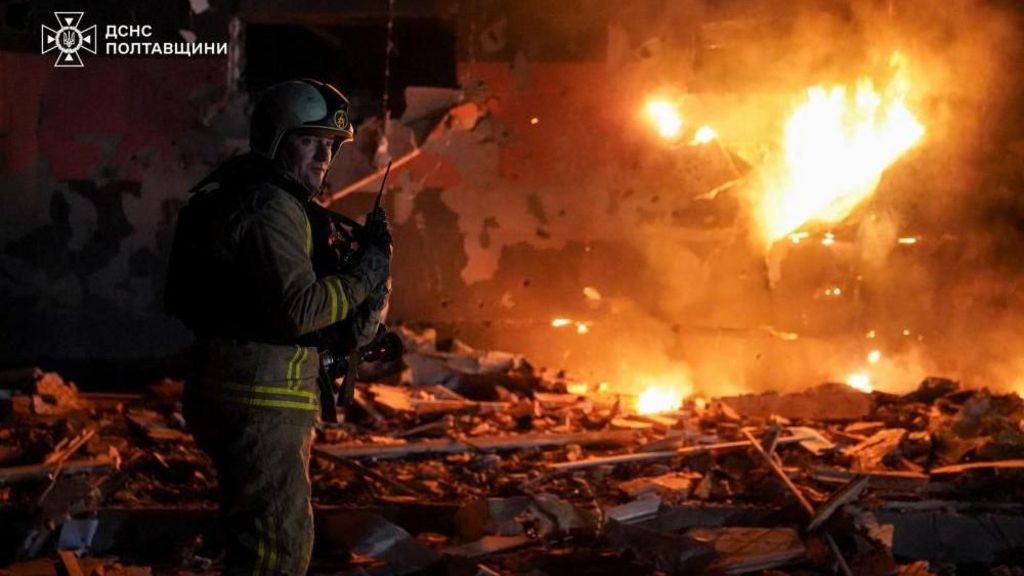
    A massive overnight aerial assault by Russian forces has left at least five civilians dead across multiple Ukrainian regions, marking one of the most severe attacks in recent weeks. The coordinated bombardment, which occurred Monday night into Tuesday, targeted energy infrastructure and residential areas in eleven different regions, with Zaporizhzhia, Poltava, and Kharkiv among the hardest hit.

    According to Ukrainian Air Force reports, the assault involved an extensive arsenal including seven ballistic missiles, 23 cruise missiles, four air-launched guided missiles, and 392 drones. Ukrainian air defense systems successfully intercepted 25 missiles and 365 drones, though the scale of the attack overwhelmed defenses in several locations.

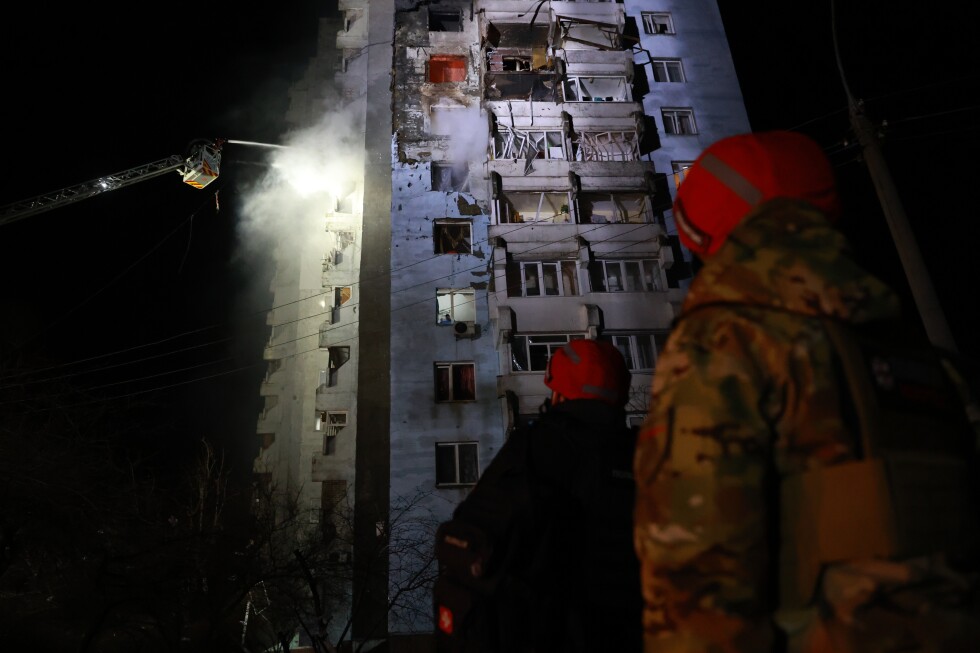
    The human toll was particularly severe in Zaporizhzhia, where a residential high-rise building sustained direct hits from six drones followed by six ballistic missiles, resulting in one fatality and nine injuries. Local resident Dymtro Zaiets described the terrifying moments after a ‘very loud explosion’ forced his family to evacuate their apartment with their three-month-old child as fire engulfed their floor.

    In the Poltava region, strikes on residential buildings and a hotel killed two people and injured twelve, while Kharkiv witnessed the death of a 61-year-old woman when a drone struck an electric train. Additional casualties were reported in Kherson, where shelling destroyed a civilian home, and in Dnipropetrovsk and Sumy regions where elderly residents were hospitalized with injuries.

    The attacks had significant regional implications, with Moldovan President Maia Sandu confirming that strikes on Odesa’s energy infrastructure disconnected the Isaccea-Vulcanesti power line, severing Moldova’s primary electricity import route from Romania. Sandu condemned the attacks as undermining regional energy security, stating unequivocally that ‘Russia alone bears responsibility.’

    The bombardment comes amid shifting dynamics in the conflict, with Russian advances in eastern Ukraine slowing significantly while Ukrainian forces report minor counteroffensives. President Zelensky had previously warned of an imminent ‘massive strike’ in his nightly address, citing intelligence reports of Russian preparations.

    This development occurs against the backdrop of growing concerns about diverted international attention, with Zelensky noting that US focus on the Middle East conflict with Iran has impacted the availability of critical air-defense systems. Ukrainian officials emphasize that Russia appears to be exploiting global tensions to intensify its assault on Ukrainian civilian infrastructure.

  • Russia fires nearly 400 drones at Ukraine with signs its spring offensive has started

    Russia fires nearly 400 drones at Ukraine with signs its spring offensive has started

    Ukrainian officials reported Tuesday that Russia has unleashed its most significant aerial assault in weeks, killing four civilians and wounding at least 27 others in targeted attacks on urban centers. The massive offensive involved nearly 400 long-range drones launched overnight, continuing into daylight hours with dozens targeting the capital Kyiv.

    The coordinated attack included 23 cruise missiles and seven ballistic missiles that struck at least 10 locations across Ukraine, according to air force authorities. This escalation comes as Moscow’s forces intensify efforts to breach Ukrainian defensive positions along the sprawling 1,250-kilometer front line, signaling what analysts identify as the commencement of Russia’s anticipated spring ground campaign.

    General Oleksandr Syrskyi, Commander-in-Chief of Ukraine’s armed forces, revealed that Russian troops have executed simultaneous breakthrough attempts in multiple strategic sectors. “Fierce fighting unfolded along the entire line of contact,” Syrskyi stated Monday via Telegram, noting 619 Russian attacks within a four-day period. The Institute for the Study of War confirmed these developments align with their assessment that Russia’s spring-summer offensive is now operational.

    Despite ongoing diplomatic efforts, including U.S.-brokered talks, the conflict shows no signs of abatement. Russia has rejected ceasefire proposals while recent Middle East tensions have diverted international attention from Ukraine’s predicament. The invading forces currently occupy approximately 20% of Ukrainian territory, including Crimea annexed in 2014.

    In response to personnel shortages, Ukraine has pioneered advanced drone technology, both for defense against Russian assaults and for striking strategic targets within Russia. Kyiv is now offering its battle-tested drone defense systems to U.S. and Gulf partners in exchange for desperately needed Patriot air defense missiles to counter relentless Russian barrages.

  • Mbappé says his left knee injury is ‘all gone’ as France ramps up for the World Cup

    Mbappé says his left knee injury is ‘all gone’ as France ramps up for the World Cup

    PARIS — French football sensation Kylian Mbappé has confidently declared his complete recovery from a persistent left knee injury that sidelined him for several weeks, delivering encouraging news for France’s World Cup preparations. The Real Madrid striker, who joined the Spanish giants in 2024 after his transfer from Paris Saint-Germain, revealed his physical and emotional journey through rehabilitation during a media engagement on Monday.

    Mbappé acknowledged experiencing significant frustration and anxiety during his recovery period, particularly when the nature of his injury remained undiagnosed. ‘I had reached a stage where I didn’t know what was wrong with me,’ the star forward confessed. ‘I wasn’t the happiest player in the world during that phase, but I’m genuinely pleased to confirm that chapter is definitively closed.’

    The injury occurred as a knee sprain late last year, disrupting what had been an exceptional season for the prolific scorer. After playing through January despite discomfort, Mbappé ultimately required three-and-a-half weeks of intensive recovery before making his cautious return to play.

    The 25-year-old emphasized his deliberate approach to rehabilitation, explaining: ‘My priority was avoiding premature return that might trigger secondary injuries. While I wasn’t specifically concerned about re-injuring the same knee, I recognized the risk of compensating weaknesses elsewhere after extended inactivity.’

    Mbappé also addressed what he termed ‘completely baseless’ speculation regarding his condition during absence. Contrary to circulating rumors about potential surgery or World Cup exclusion, the striker maintained that even he lacked clear diagnosis initially, making external assessments particularly unfounded.

    Despite his absence, Real Madrid maintained strong performance levels, currently holding second position in La Liga while preparing for upcoming Champions League quarterfinal clashes against Bayern Munich.

    With 38 goals across 35 appearances this season, Mbappé now looks toward international friendlies against Brazil and Colombia as crucial preparation for France’s World Cup campaign in North America. The tournament, hosted across the United States, Mexico, and Canada, represents another opportunity for Mbappé to add to his already remarkable international achievements—including his historic 2022 World Cup final hat-trick and becoming the second teenager after Pelé to score in a World Cup final.

  • Rescuers try to refloat a stranded humpback whale in Germany’s Baltic Sea

    Rescuers try to refloat a stranded humpback whale in Germany’s Baltic Sea

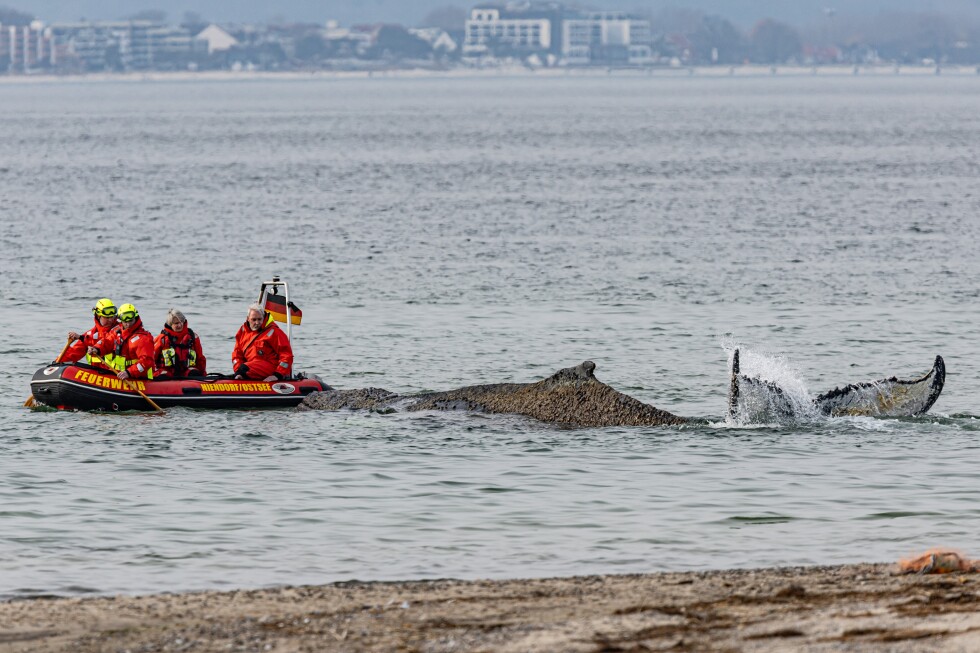
    BERLIN — A critical rescue operation is underway along Germany’s northern coastline as marine experts battle against time to save a humpback whale stranded in the shallow waters of the Baltic Sea. The 10-meter (30-foot) juvenile male whale remains trapped near Timmendorfer Strand beach despite multiple intensive rescue attempts.

    Marine conservation specialists from Sea Shepherd confirmed the whale remains alive but shows deteriorating vital signs. “The animal continues breathing, produces audible vocalizations, and periodically raises its head,” reported Carsten Mannheimer, a representative from the organization. However, Sven Biertümpfel of the same group delivered a grave assessment: “Without successful refloating, this situation becomes a death sentence for the mammal, with its condition worsening hourly.”

    Rescue teams executed a coordinated strategy involving police vessels, inflatable boats, and drone-assisted monitoring during Monday’s operations. Crews strategically repositioned the whale toward deeper waters and generated artificial waves using coast guard and fire department boats to facilitate movement. Despite these efforts, the whale persistently returned to its stranded position.

    Complicating rescue efforts, the whale’s enormous mass—estimated at several tons—makes direct physical intervention potentially lethal. Rescuers discovered and removed sections of fishing net entangled around its body, though the primary cause of stranding remains undetermined.

    Authorities have established perimeter fencing to minimize human disturbance. “Preventing additional stress to the animal is paramount,” emphasized police spokesperson Ulli Fritz Gerlach, as crowds of spectators gathered along the beach.

    Marine biologists identify this specimen as likely being the same young male humpback previously sighted in Wismar harbor in recent weeks, noting that male whales typically undertake migratory journeys unlike their female counterparts. The ongoing operation continues to evolve as rescuers explore alternative methodologies during tidal cycles.

  • Sinner surpasses Djokovic’s Masters 1000 record

    Sinner surpasses Djokovic’s Masters 1000 record

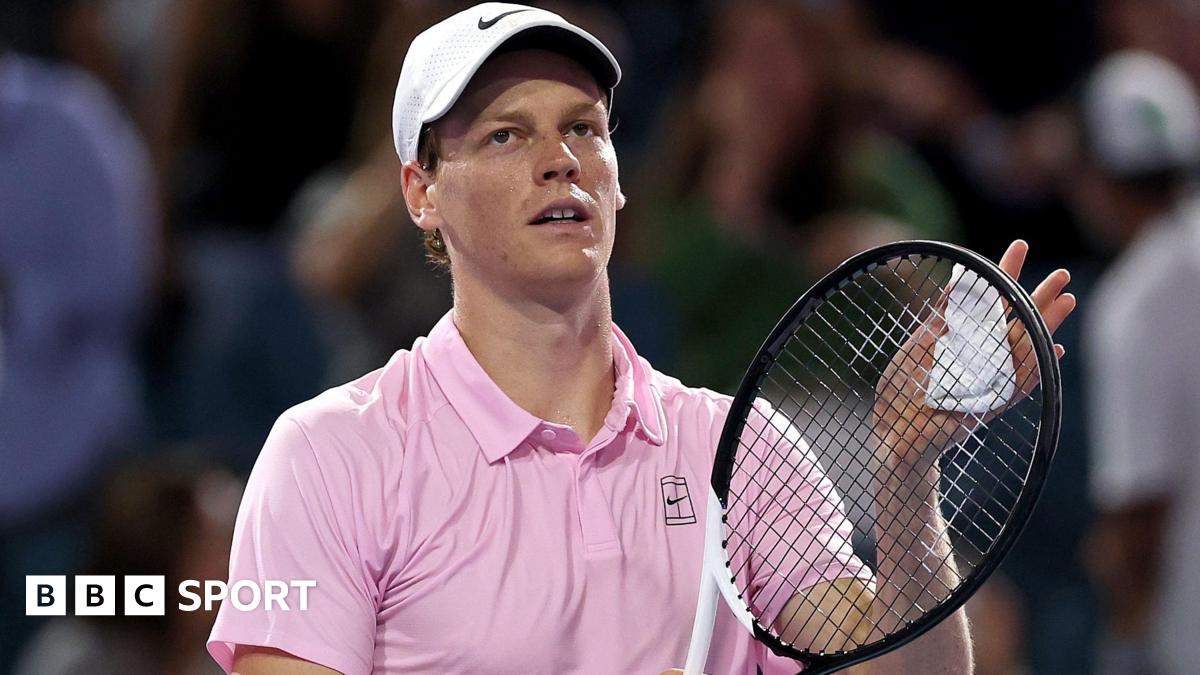
    Italian tennis sensation Jannik Sinner has etched his name into the history books by breaking Novak Djokovic’s longstanding ATP Masters 1000 record for consecutive sets won. The world number two achieved this remarkable feat during his dominant performance against France’s Corentin Moutet at the Miami Open, securing a straight-sets victory of 6-1, 6-4 in just 71 minutes on court.

    Sinner’s triumph marks his 26th consecutive set won at the prestigious ATP Masters 1000 level, surpassing the previous record of 24 sets that Djokovic had maintained for over a decade. The 24-year-old Italian had initially equaled the Serbian champion’s record during his opening match against Damir Dzumhur before making the record his own against Moutet.

    Reflecting on his achievement, Sinner maintained his characteristic humility, stating, ‘I am very happy. This sport is unpredictable, so we try to keep attention as much as we can and we’ll see what is coming in the next round.’

    The four-time Grand Slam champion has been in exceptional form, having won the previous two Masters 1000 tournaments at Indian Wells and Paris without dropping a single set. His performance against Moutet demonstrated this dominance, as he won 19 of the first 26 points and sealed the first set in just 22 minutes.

    Sinner now advances to face American Alex Michelsen in the round of 16, continuing his pursuit of the coveted ‘Sunshine Double’ – winning both Indian Wells and Miami Open consecutively. The last player to achieve this remarkable feat was Roger Federer in 2017.

    In other tournament developments, former world number one Daniil Medvedev suffered an unexpected early exit in the last-32 stage against Argentina’s Francisco Cerundolo. The match was briefly interrupted by unusual circumstances when umpire Mohamed Lahyani’s chair became entangled with the aerial ‘spider cam’ system, requiring staff intervention to prevent the chair from toppling over.

  • Denmark votes in an early election that follows a crisis over US designs on Greenland

    Denmark votes in an early election that follows a crisis over US designs on Greenland

    COPENHAGEN, Denmark — Danish citizens participated in a consequential parliamentary election on Tuesday, with incumbent Prime Minister Mette Frederiksen attempting to secure an unprecedented third consecutive term. The 48-year-old Social Democrat leader called this early election amidst declining popularity, strategically capitalizing on her firm diplomatic stance during recent tensions with the United States regarding Greenland’s sovereignty.

    More than 4.3 million eligible voters determined the composition of the Folketing, Denmark’s 179-seat parliamentary body. The election occurs against a backdrop of rising living costs, pension reforms, and proposed wealth taxation measures that have dominated political discourse. Frederiksen’s administration has faced growing public discontent over economic pressures despite her strong international positioning regarding Ukraine support and maintaining Denmark’s restrictive immigration policies.

    The political landscape features two primary center-right challengers: Defense Minister Troels Lund Poulsen from the Liberal (Venstre) party and Alex Vanopslagh of the opposition Liberal Alliance. Vanopslagh’s campaign encountered setbacks following his admission of past cocaine use during his leadership tenure. Meanwhile, the anti-immigration Danish People’s Party appears poised for a significant recovery after their poor 2022 performance.

    Denmark’s proportional representation system virtually guarantees coalition governance, traditionally divided between left-leaning ‘red bloc’ or right-aligned ‘blue bloc’ alliances. Frederiksen’s outgoing government broke decades of precedent by bridging the political divide, with Foreign Minister Lars Løkke Rasmussen’s Moderate party potentially serving as kingmaker in post-election negotiations.

    Notably, the Greenland sovereignty crisis that prompted Frederiksen’s early election call has faded from campaign prominence due to cross-party consensus on the territory’s status. While Frederiksen previously warned that U.S. acquisition attempts could jeopardize NATO’s foundation, technical discussions between Washington, Copenhagen, and Greenland have since mitigated tensions.

    The parliament comprises 175 representatives from Denmark proper, plus two each from the semiautonomous territories of Greenland and the Faroe Islands, reflecting the kingdom’s unique constitutional structure.

  • Irish priest who founded Boys Town on path to sainthood

    Irish priest who founded Boys Town on path to sainthood

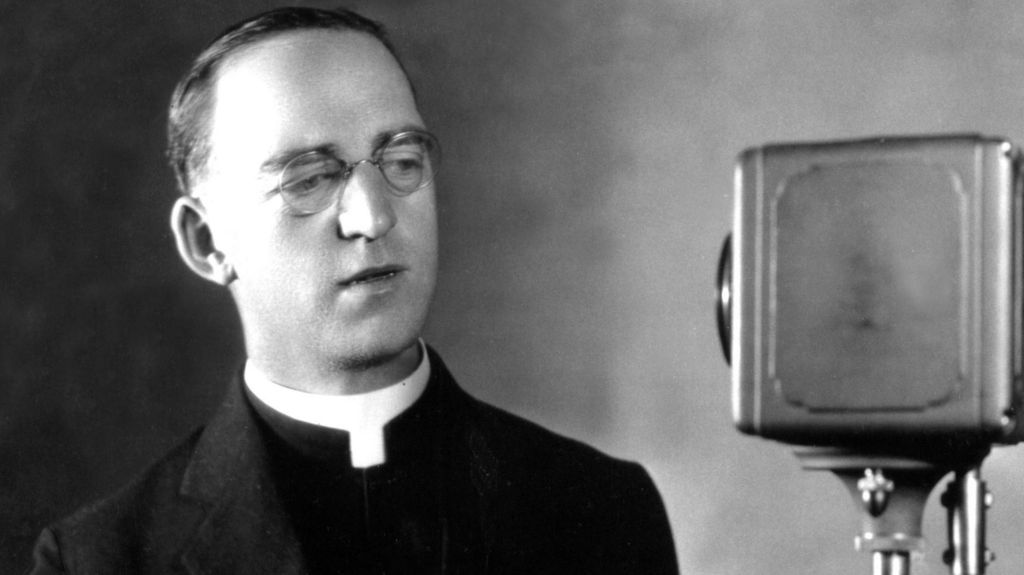
    Pope Leo XIV has conferred the title of ‘Venerable’ upon Father Edward Flanagan, the Irish-born priest whose revolutionary work with disadvantaged youth inspired the Oscar-winning film ‘Boys Town.’ This designation marks a crucial milestone in the Catholic Church’s canonization process, recognizing Fr. Flanagan’s ‘heroic virtues’ and moving him closer to potential sainthood.

    Born in 1886 in the village of Ballymoe, Ireland, Flanagan emigrated to the United States as a young man and was ordained a priest in 1912. Assigned to the Diocese of Omaha, Nebraska, he was profoundly affected by the stories of homeless men who recounted childhoods of neglect and poverty. This exposure, combined with his studies of the juvenile justice system, convinced him that early intervention was essential for at-risk youth.

    In 1917, Flanagan established his first home for boys, which rapidly expanded beyond its original capacity. By 1921, he acquired Overlook Farm, transforming it into the iconic ‘Boys Town’—a self-sufficient village complete with schools, churches, medical facilities, and its own municipal services. Defying the norms of the era, Flanagan insisted the community welcome all boys, irrespective of race, religion, or nationality.

    His pioneering philosophy, encapsulated in his famous assertion that ‘There are no bad boys. There is only bad environment, bad training, bad example, bad thinking,’ gained international acclaim. His life’s work was immortalized in the 1938 film ‘Boys Town,’ for which Spencer Tracy won an Academy Award for his portrayal of the priest.

    Even after his death in 1948, Flanagan’s legacy endures. Designated a U.S. National Historic Landmark in 1985, Boys Town evolved into a major national organization, providing healthcare, crisis intervention, and support to over 3.5 million American families in 2024 alone. The institution hailed its founder as a ‘true visionary’ whose core belief—that every child deserves love, value, and opportunity—continues to guide its mission.

    The announcement was warmly received in Flanagan’s native Ireland. Bishop Kevin Doran, who leads the diocese of his birth, praised him as a ‘model of Christian living’ whose life and virtue remain deeply relevant in addressing modern challenges of child homelessness and social exclusion.

  • Geneva’s CERN hails delicate test on transporting antimatter as a scientific success

    Geneva’s CERN hails delicate test on transporting antimatter as a scientific success

    In a landmark scientific achievement, researchers at the European Organization for Nuclear Research (CERN) have successfully completed the world’s first road transport of antiprotons—a form of antimatter that annihilates upon contact with ordinary matter. The delicate operation, conducted on Tuesday, involved moving approximately 100 antiprotons in a specially designed container during a 30-minute truck journey from CERN’s Geneva facility.

    The antiprotons were contained within a 1,000-kilogram (2,200-pound) apparatus called a ‘transportable antiproton trap,’ which maintained the particles in suspension using superconducting magnets cooled to -269°C (-452°F). This sophisticated containment system prevented the antiprotons from contacting the inner walls of the chamber, which would have resulted in immediate annihilation.

    CERN spokeswoman Sophie Tesauri confirmed the experiment’s success, noting that approximately 91 of the original 100 antiprotons survived the transportation process. The minuscule mass of the transported antimatter—equivalent to less than 100 hydrogen atoms—meant that even in a worst-case scenario, any energy release would have been undetectable without specialized equipment.

    This breakthrough represents a critical step toward CERN’s broader objective of establishing antimatter transport to research facilities across Europe. The organization ultimately aims to deliver antiprotons to Heinrich Heine University in Düsseldorf, Germany—an eight-hour drive under normal conditions. However, technical challenges remain, as the current containment system can preserve antiprotons for only about four hours, half the required duration for the intended German journey.

    The successful transport demonstrates significant progress in antimatter handling, building upon CERN’s decades of experimentation with these elusive particles. The organization’s Antiproton Decelerator facility remains the world’s sole source of low-energy antiprotons available for scientific study.