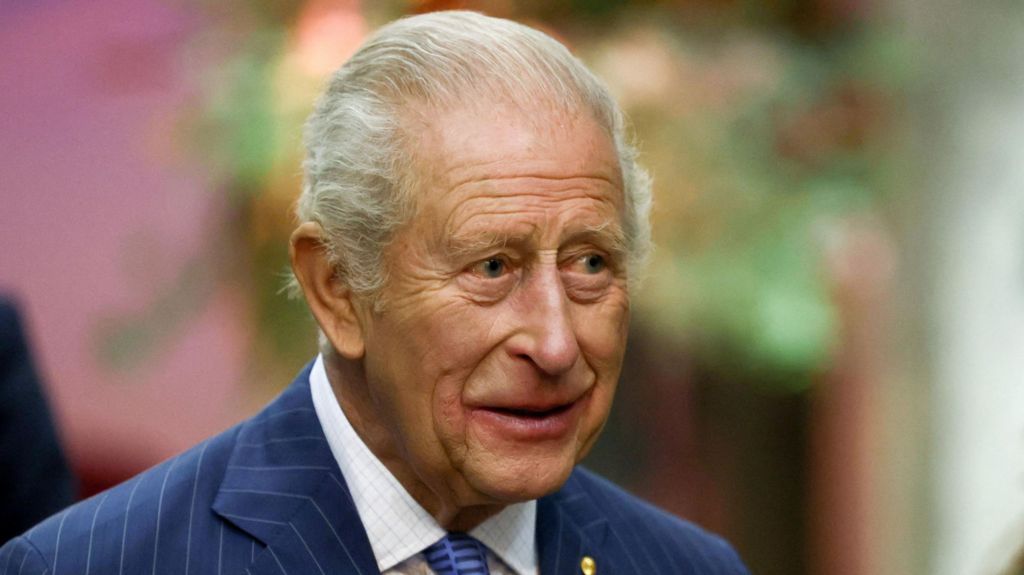
In a landmark event bridging centuries of religious history, King Charles III and Pope Leo XIV will pray together at a church service in the Vatican’s Sistine Chapel next week. This unprecedented moment marks the first time a British monarch and a pontiff have shared such a spiritual gathering since the 16th-century Reformation. The service, held under Michelangelo’s iconic ceiling, will unite clergy and choirs from both the Roman Catholic Church and the Church of England, of which King Charles is the supreme governor. The visit, scheduled for October 22 and 23, is being hailed as a powerful symbol of reconciliation between the two faiths. The King and Queen Camilla will also meet Pope Leo, the first US-born pontiff, and senior Vatican officials, further strengthening ties between the UK and the Catholic Church. The ecumenical service will focus on environmental protection, reflecting King Charles’s longstanding commitment to environmental causes. Additionally, the King will attend a service at St. Paul’s Outside the Walls, a church historically linked to the English monarchy, where he will receive an honorary spiritual title as a “royal confrater.” This visit underscores the King’s dedication to fostering interfaith dialogue and unity.
标签: Europe
欧洲
-
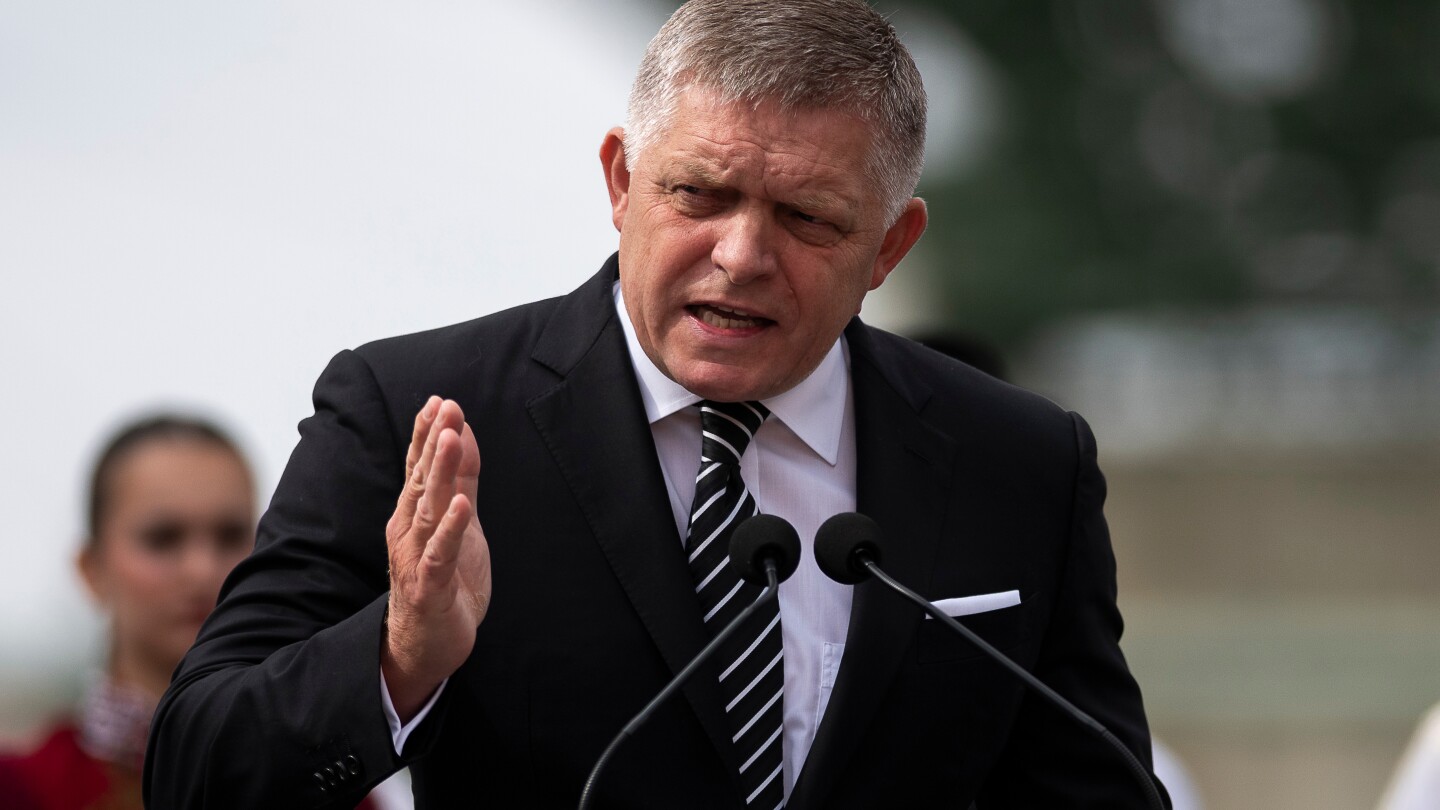
Europe’s main center-left political family expels Slovak leader’s party for breaching its values
In a decisive move, the Party of European Socialists (PES) has expelled Slovak Prime Minister Robert Fico’s Smer party from its ranks. The unanimous decision, made during a congress in Amsterdam, underscores the growing rift between Fico’s pro-Russian policies and the core values of the European center-left political family. PES Secretary-General Giacomo Filibeck emphasized that Smer’s recent political positions “severely and deeply contradict the values and principles our family stands for.” This expulsion sends a clear message: alignment with PES requires adherence to shared democratic principles. Fico, a controversial figure both domestically and internationally, has long been criticized for his pro-Russian stance. In May, he defied EU calls for a boycott by attending Moscow’s 80th anniversary celebrations of Nazi Germany’s defeat in World War II. His return to power in 2003 was marked by a pro-Russia and anti-American platform, and his government has consistently challenged EU policies on Ukraine, even delaying the latest package of sanctions against Russia.
-

Pressure mounts on UK police force to reverse decision to ban Maccabi Tel Aviv fans from Villa game
In a decision that has sparked widespread criticism, West Midlands Police in Birmingham, England, have banned Maccabi Tel Aviv fans from attending the Europa League match against Aston Villa on November 6, citing security concerns. The move has drawn condemnation from political leaders, sports organizations, and Jewish groups, who argue that it undermines the spirit of inclusivity in football. British Prime Minister Keir Starmer labeled the decision as “the wrong decision,” emphasizing that the police’s role is to ensure all fans can enjoy the game without fear of violence or intimidation. Simon Foster, the elected official overseeing the local police force, has called for an “immediate review” of the ban. Aston Villa, the Premier League club hosting the match, stated that police expressed concerns about public safety outside the stadium and their ability to manage potential protests. West Midlands Police justified the ban by citing “current intelligence and previous incidents,” including violent clashes involving Maccabi fans during a match against Ajax in Amsterdam last season. While fan bans are rare in European football, they are typically imposed due to a history of violence between rival clubs, which is not the case here. However, Maccabi fans have faced increased scrutiny in recent years, partly due to tensions linked to the Gaza conflict. The upcoming match at Villa Park will be Maccabi’s first away game in the Europa League since pro-Palestinian protests occurred during their match against PAOK in Greece on September 24. UEFA, European football’s governing body, has urged British authorities to ensure Maccabi fans can attend the match, emphasizing the importance of a safe and welcoming environment. Maccabi Tel Aviv CEO Jack Angelides expressed dismay, suggesting the ban could signal a more sinister issue of antisemitism. Emily Damari, a British Israeli dual national and Maccabi supporter, condemned the decision, calling it “outrageous” and contrary to the unifying nature of football. The controversy highlights the delicate balance between security concerns and the principles of inclusivity and fairness in sports.
-
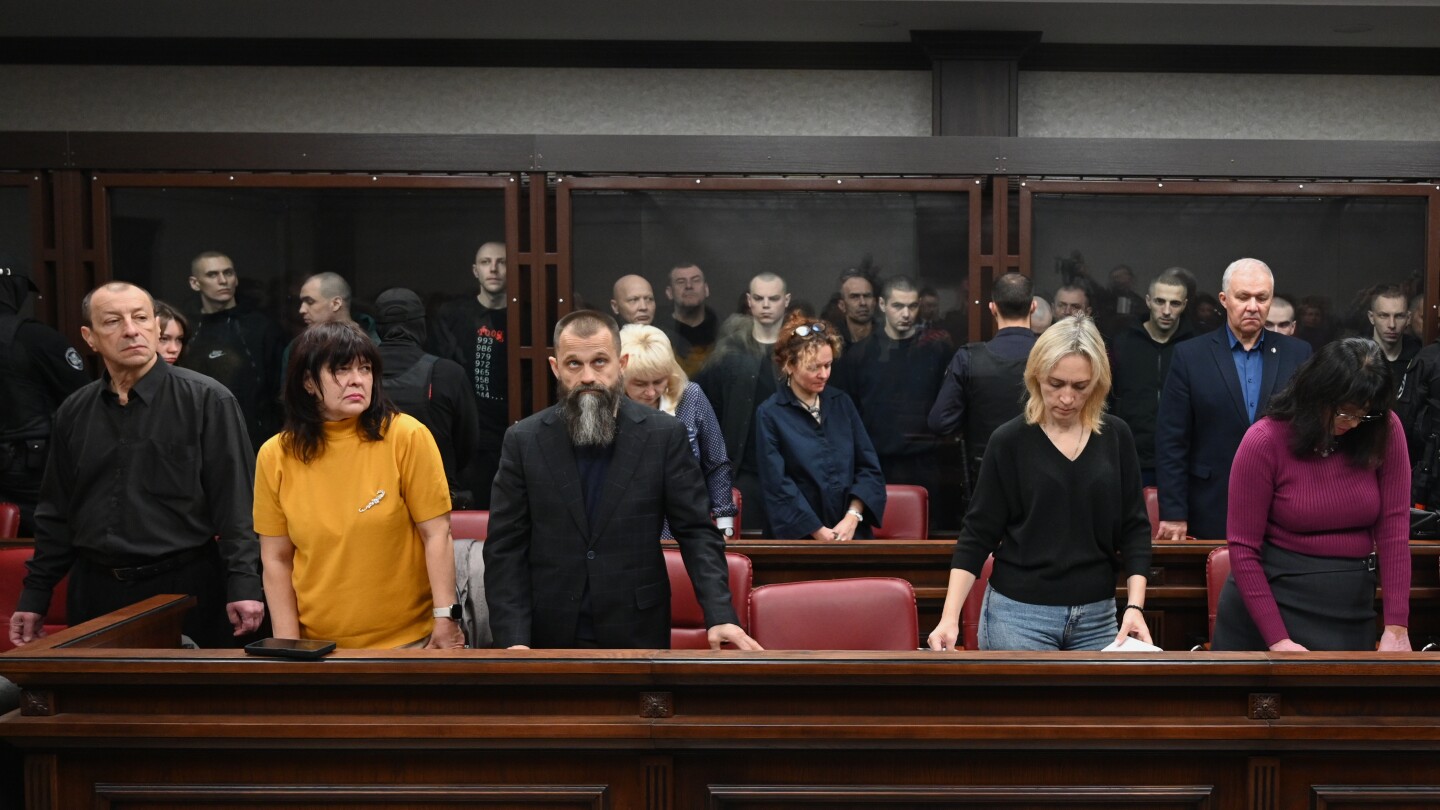
Russia convicts 15 captured Ukrainian soldiers on terrorism charges
A military court in Rostov-on-Don, southern Russia, has convicted 15 Ukrainian soldiers from the Aidar battalion on terrorism charges, sentencing them to prison terms ranging from 15 to 21 years. The trial, which concluded on Friday, has been condemned by Kyiv as a sham and a blatant violation of international law. This marks the second mass trial of Ukrainian prisoners of war since March, when 23 members of the elite Azov brigade were similarly convicted. Both the Azov and Aidar battalions have been designated as terrorist organizations by Russia, which accuses them of war crimes. These volunteer units were formed following Russia’s 2014 annexation of Crimea and played a significant role in combating Russia-backed separatists in eastern Ukraine. Ukraine’s human rights envoy, Dmytro Lubinets, denounced the trial as “shameful,” asserting that Russia is criminalizing those who defended their homeland. Memorial, a prominent Russian human rights group, has labeled the defendants as political prisoners, arguing that the trial contravenes international conventions protecting prisoners of war. The group emphasized that the Geneva Convention prohibits prosecuting POWs solely for their participation in armed conflict. The trial, held behind closed doors for the most part, initially involved 18 members of the Aidar battalion. Two nurses were returned to Ukraine in a prisoner swap, while proceedings against a driver are set to be held separately. The verdict has sparked international concern, with critics accusing Russia of using the judicial system to legitimize its actions against Ukrainian defenders.
-

Polish court considers extradition to Germany of suspect in Nord Stream pipeline attack
A Polish court deliberated on Friday whether to extradite a Ukrainian man, identified only as Volodymyr Z., who is suspected by German prosecutors of involvement in the 2022 attack on the Nord Stream gas pipelines. The case has the potential to strain diplomatic relations between Poland and Germany. The 46-year-old suspect, described as a trained diver, was arrested near Warsaw on September 30 under a German warrant. German authorities allege he was part of a group that planted explosives on the pipelines near Denmark’s Bornholm island. The Warsaw District Court’s decision, which could be appealed, remains pending. Volodymyr Z.’s lawyer, Tymoteusz Paprocki, stated that his client denies any involvement in the attack and questions the charges. He also argued that no Ukrainian should be prosecuted for actions against Russia. Poland, historically opposed to the Nord Stream pipelines, has shown reluctance to extradite the suspect. Prime Minister Donald Tusk emphasized that such a move would not align with Poland’s interests. The Nord Stream 1 and 2 pipelines were severely damaged in September 2022, escalating tensions amid Europe’s efforts to reduce reliance on Russian energy following the invasion of Ukraine. Germany’s push for Nord Stream 2 had previously faced criticism for increasing Europe’s dependence on Russian gas. Volodymyr Z., a resident of Poland, is one of two Ukrainians sought by German authorities in the case. Another suspect, arrested in Italy, saw his extradition annulled by Italy’s top court, which ordered a reassessment of the case.
-
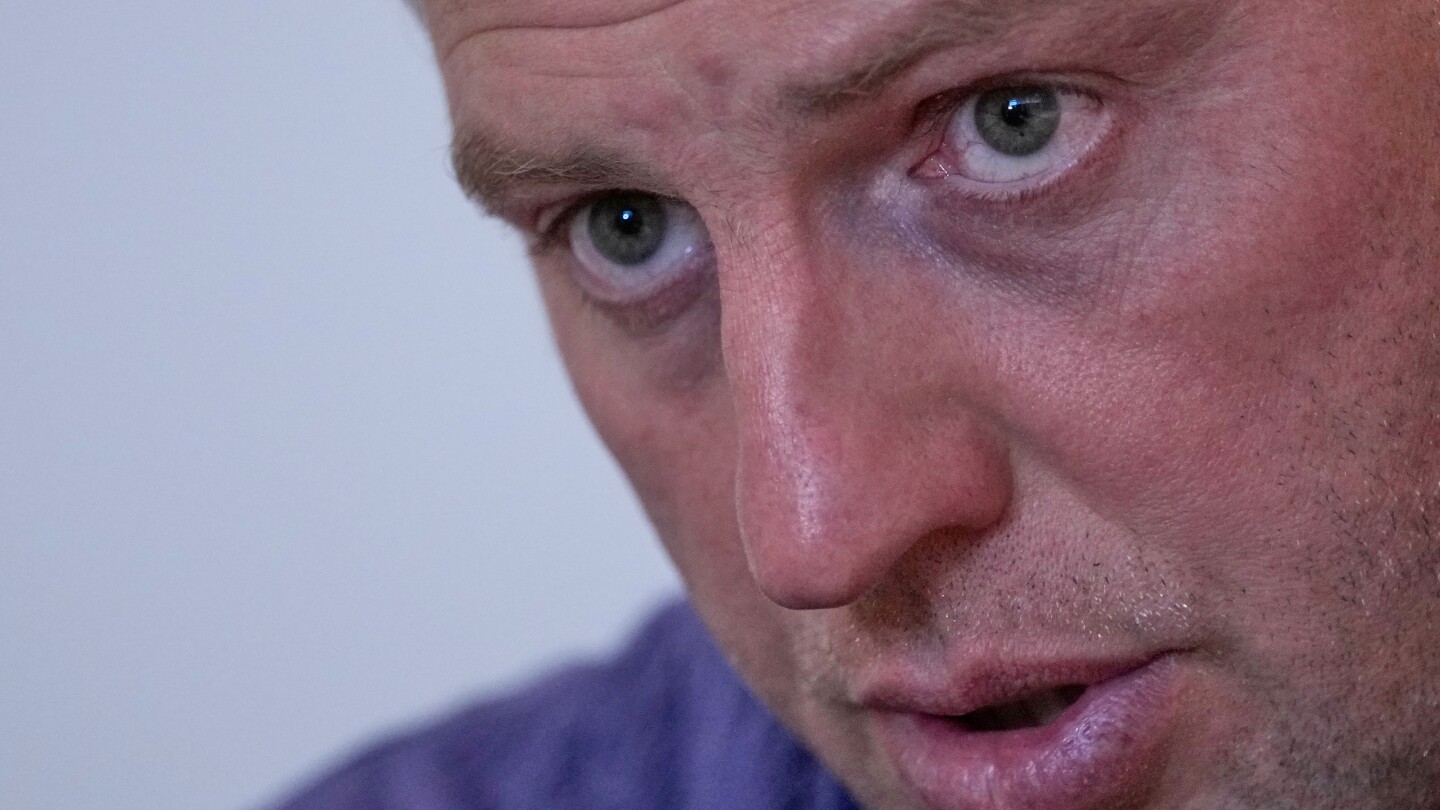
French police arrest 4 in alleged plot targeting exiled Russian activist Vladimir Osechkin
French authorities have apprehended four individuals suspected of involvement in a plot targeting Vladimir Osechkin, a prominent Russian human rights activist living in exile. Osechkin, the founder of Gulagu.net, has been a vocal critic of abuses within the Russian prison system. The arrests were made on Monday, as confirmed by France’s national anti-terror prosecution office, though details regarding the suspects’ nationalities and potential motives remain undisclosed. The investigation is being spearheaded by the General Directorate for Internal Security (DGSI), France’s counter-espionage and counterterrorism agency. Osechkin, who resides in Biarritz, a coastal town in southwestern France, has long expressed concerns about his safety, citing repeated death threats since 2022. Despite previous arrests following these threats, he believes the danger persists, often necessitating relocations to secure locations for himself and his family. Osechkin’s activism has drawn significant attention, particularly his revelations about Russia’s military recruiting prisoners to fight in Ukraine. His organization, Gulagu.net, has also facilitated the relocation of Russian fugitive paratrooper Pavel Filatiev to France, who has publicly criticized the Russian military’s leadership for incompetence and corruption. The DGSI’s ongoing investigation underscores broader concerns about Russian efforts to destabilize France through cyberattacks and other hybrid warfare tactics, part of a larger campaign targeting Ukraine’s European allies.
-
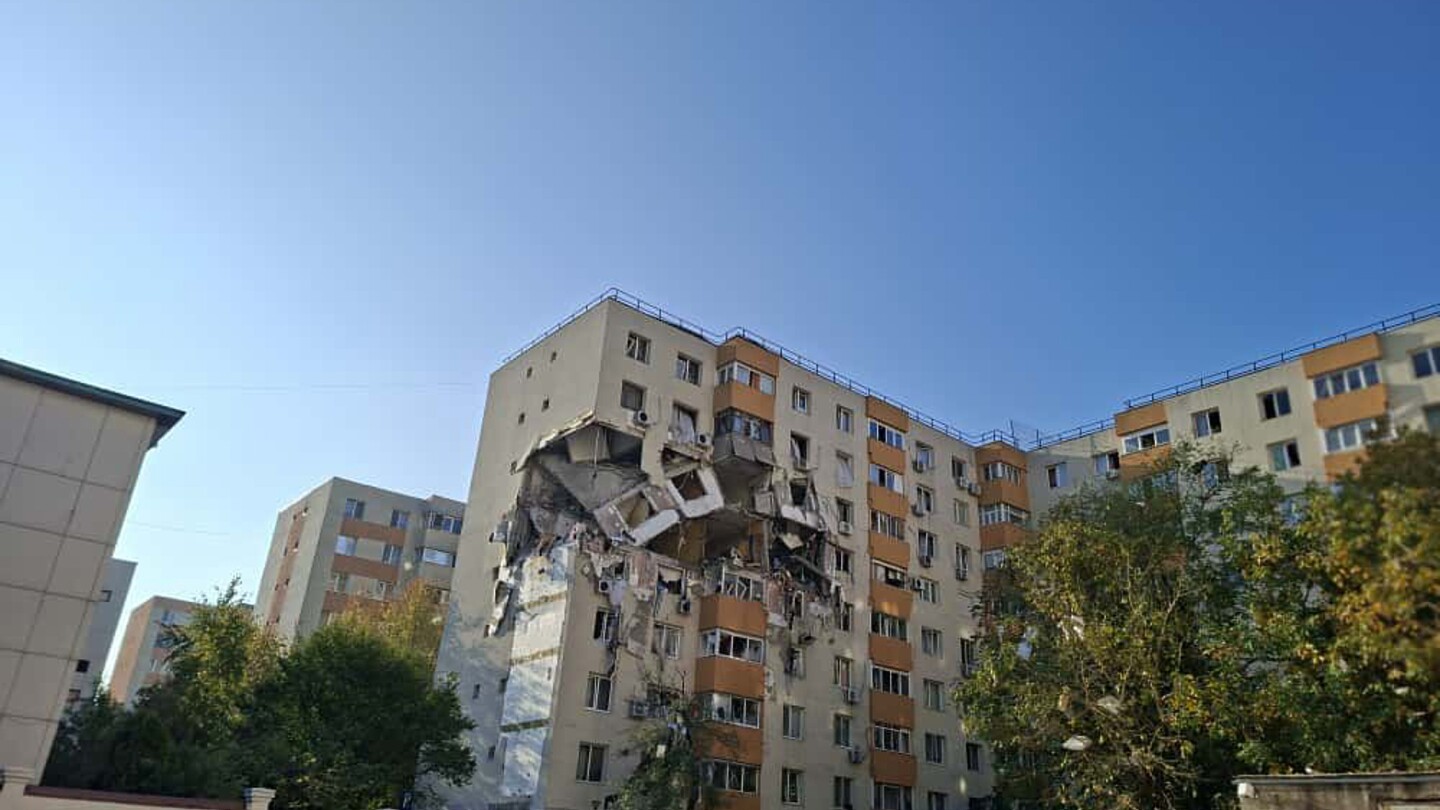
Powerful blast at apartment building in Romania’s capital kills 3 and injures at least 13
A devastating explosion shook an eight-story apartment building in Bucharest, Romania, on Friday, resulting in three fatalities and injuring at least 13 others, according to local authorities. The blast, which occurred on Calea Rahovei in Sector 5, severely damaged the fifth and sixth floors of the structure. Emergency services, including 11 fire engines and four mobile intensive care units, swiftly responded to the scene. The cause of the explosion remains under investigation, though the gas supply to the area was promptly shut off as a precautionary measure. Romania’s Ministry of Health reported that victims suffered polytrauma and burns, with one body discovered beneath a concrete slab on the sixth floor. All residents were evacuated, and search operations were conducted to ensure no one remained trapped. Nearby schools were also evacuated as a safety measure. Video footage revealed extensive damage to the building’s facade, with debris scattered across the street. Authorities noted that a neighboring apartment block was also affected by the blast, with fragments of the building’s exterior detaching and causing additional damage.
-
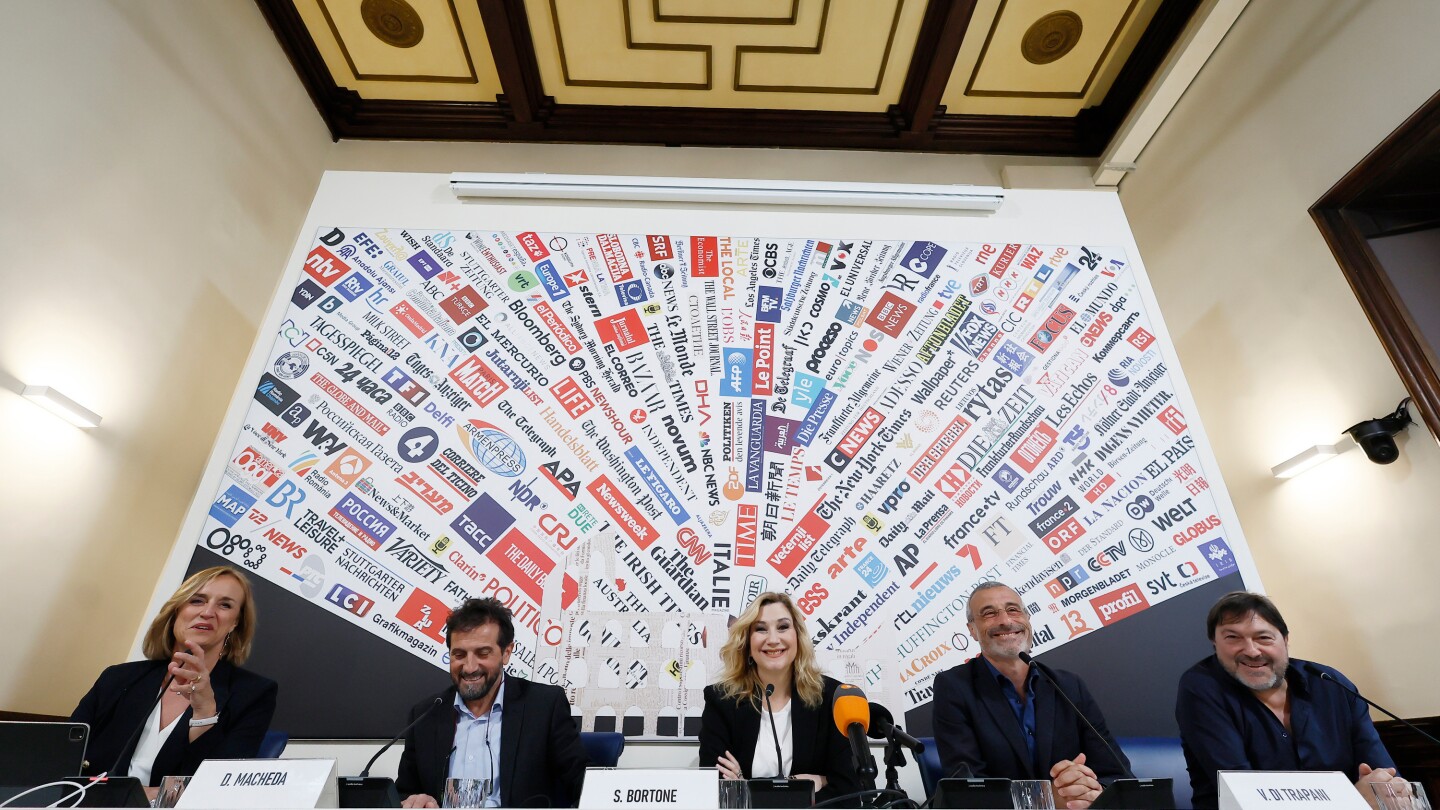
Italy’s Meloni offers solidarity with journalist after explosive device targets his car
An explosive device detonated beneath the car of Sigfrido Ranucci, a prominent Italian investigative journalist, outside his residence in Pomezia, south of Rome. The incident, which occurred overnight, destroyed Ranucci’s vehicle, damaged a second family car, and caused structural harm to a neighboring house. Authorities, including police, firefighters, and forensic teams, are currently investigating the explosion, which was reportedly powerful enough to have caused fatalities had anyone been nearby. Fortunately, no injuries were reported. The attack has drawn widespread condemnation, including from Italian Prime Minister Giorgia Meloni, who expressed solidarity with Ranucci and denounced the act as a grave intimidation attempt. Meloni emphasized the importance of safeguarding press freedom and independence, stating, ‘Freedom and independence of information are essential values of our democracies, which we will continue to defend.’ Ranucci, the lead anchor of the investigative program ‘Report’ on Italy’s state-run RAI3, is known for exposing corruption and scandals involving high-profile Italian politicians, business leaders, and public figures. Earlier this week, he was cleared of defamation charges related to one of his investigative reports. The incident underscores the risks faced by journalists in Italy and raises concerns about press freedom in the country.
-
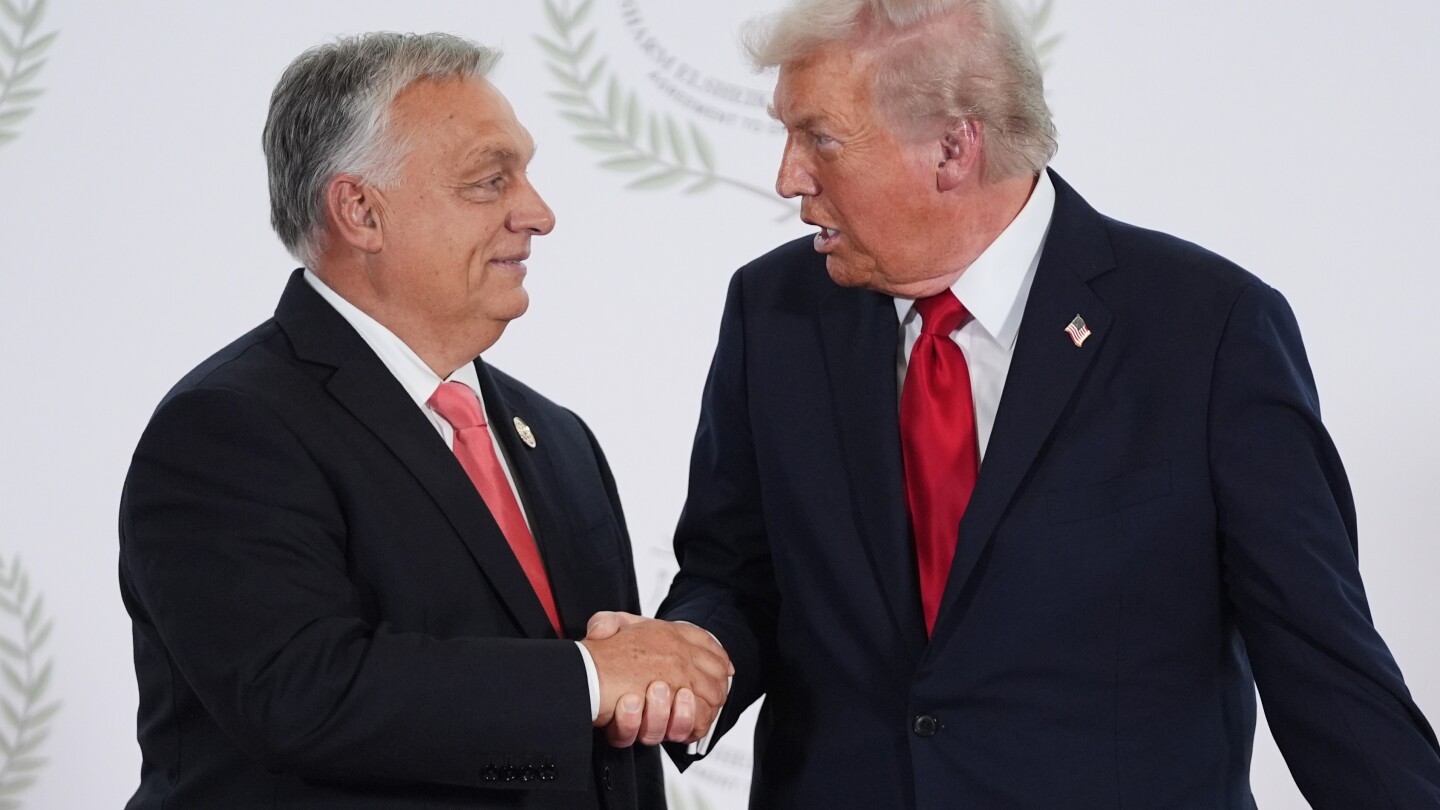
Orbán celebrates Hungary as ‘the only place in Europe’ where a Trump-Putin meeting can be held
Hungary’s Prime Minister Viktor Orbán has lauded Budapest’s selection as the host city for upcoming talks between U.S. President Donald Trump and Russian President Vladimir Putin, aimed at addressing the ongoing conflict in Ukraine. The meeting, announced by Trump on Thursday, follows his recent discussions with Ukrainian President Volodymyr Zelenskyy at the White House. While a specific date remains unconfirmed, Trump indicated the talks would occur in Budapest within approximately two weeks. Orbán, a staunch ally of both Trump and Putin, emphasized Hungary’s unique position as a pro-peace nation in Europe, attributing Budapest’s selection to his government’s consistent opposition to Western military and financial aid to Ukraine. Since Russia’s full-scale invasion in February 2022, Hungary has refused to supply weapons to Ukraine or allow their transit across its borders, while also obstructing EU sanctions against Moscow and delaying funding packages to Kyiv. Orbán’s critics argue that Hungary’s stance undermines European unity and favors Russian aggression. The Budapest meeting holds symbolic significance, as the city was the site of the 1994 Budapest Memorandum, where Ukraine relinquished its nuclear weapons in exchange for security assurances—a pact later violated by Russia. Orbán framed the upcoming talks as a diplomatic milestone for Hungary, despite their focus on Ukraine. However, Hungary’s role as host raises questions about its commitment to international law, given its status as a signatory to the International Criminal Court, which has issued an arrest warrant for Putin over alleged war crimes. Orbán previously signaled Hungary’s intent to withdraw from the ICC following a similar controversy involving Israeli Prime Minister Benjamin Netanyahu.
-

As the world discovers the Faroe Islands, there’s a push for local food
In the windswept Faroe Islands, a small farmers’ market in the capital of Torshavn stands as a testament to the challenges and aspirations of local food production. Known for their harsh climate and poor soil, the islands have long relied on imported goods, with most products bearing the stamp of Denmark, under which the Faroe Islands are self-governing. However, a growing movement is emerging to reduce this dependency and promote locally grown and produced food.
Despite the unforgiving conditions, residents are experimenting with hardy crops like kale and cabbage, while traditional staples such as potatoes and rhubarb remain prevalent. The market, part of the Matkovin project, aims to highlight local producers and their efforts to cultivate a sustainable food culture. Products range from fermented meats and fish to seaweed, all influenced by the islands’ unique environment.
Yet, the reality of food security remains a pressing concern. The COVID-19 pandemic and a recent labor strike in May 2024 exposed vulnerabilities in the supply chain, prompting discussions about self-sufficiency. While initiatives like Veltan are working to expand greenhouse farming, the majority of food is still imported, and local producers often remain invisible in the broader market.
The Michelin-starred restaurant Paz exemplifies the islands’ culinary potential, offering a tasting menu that celebrates local seafood and traditional fermentation methods. However, the journey toward food independence is far from complete. Even in Klaksvik, the islands’ second-largest community, a server at a steakhouse revealed that their lamb was sourced from New Zealand.
As the Faroe Islands navigate these challenges, the farmers’ market serves as a symbol of resilience and a growing pride in their unique food culture, shaped by remoteness and the harsh North Atlantic environment.