标签: Europe

欧洲

  • Russia using Interpol’s wanted list to target critics abroad, leak reveals

    Russia using Interpol’s wanted list to target critics abroad, leak reveals

    A comprehensive leak of thousands of internal Interpol documents has revealed Russia’s extensive exploitation of the international policing system to target political dissidents, journalists, and business figures abroad. The confidential files, provided by a whistleblower to BBC World Service and French investigative outlet Disclose, demonstrate how Moscow has weaponized Interpol’s alert mechanisms to pursue critics under the guise of criminal investigations.

    Analysis of the data reveals that Russia has generated more complaints to Interpol’s independent oversight body than any other nation over the past decade—three times the number of Turkey, the second highest complainant. The leaked documents further indicate that Russia has had more red notices and diffusions overturned than any other country, suggesting widespread abuse of the system.

    Despite implementing enhanced scrutiny measures following Russia’s full-scale invasion of Ukraine in 2022, Interpol’s internal reports from 2024-2025 indicate ongoing concerns about Moscow’s “willful misuse” of policing channels. Remarkably, approximately 90% of Russia’s requests continued to pass initial checks in 2024, while simultaneously, half of all challenged Russian requests were being overturned by the Commission for the Control of Interpol’s Files (CCF).

    The case of Russian businessman Igor Pestrikov illustrates the human impact of this systemic abuse. After fleeing Russia in June 2022 due to moral objections about supplying materials for military hardware, Pestrikov discovered he was subject to a red diffusion request. Despite Interpol’s constitutional prohibition against politically motivated interventions, Pestrikov endured nearly two years of psychological torment before the CCF ruled Russia’s case “generic and formulaic” and canceled the request.

    The leak also exposes how Russia circumvented formal Interpol channels through direct messaging to foreign law enforcement agencies. In one instance, Moscow requested information about journalist Armen Aramyan—convicted in Russia for reporting on student protests—after his relocation to Germany, bypassing standard procedures entirely.

    Concerningly, internal Interpol documents reveal that by 2025, the organization had quietly dropped some restrictive measures against Russia, despite ongoing evidence of systematic abuse. Legal experts specializing in Interpol matters argue that the organization must implement stronger consequences for nations that persistently misuse its systems, including temporary suspension from the network.

    Interpol maintains that it has strengthened safeguards against misuse in recent years and emphasizes its constitutional commitment to preventing politically motivated actions. However, the whistleblower documents reveal a significant gap between policy intentions and practical enforcement, leaving critics vulnerable to transnational persecution through internationally sanctioned policing mechanisms.

  • Paris men’s fashion week in 5 trends: rebuilt tailoring, quiet craft and clothes built to last

    Paris men’s fashion week in 5 trends: rebuilt tailoring, quiet craft and clothes built to last

    PARIS — The conclusion of Paris Men’s Fashion Week delivered a powerful sartorial directive: invest in meticulously crafted garments designed for permanence rather than fleeting trends. The final showcases emphasized sophisticated dressing and durable construction, marking a significant shift toward sustainable luxury in menswear.

    Japanese design force Sacai, under Chitose Abe’s direction, revolutionized traditional silhouettes through deconstructed reassembly. The collection introduced geometric modifications to jackets and trousers with additional panels, pockets, and quilted inserts, maintaining wearability while fundamentally reengineering proportions.

    Hermès staged an emotionally charged farewell for veteran designer Véronique Nichanian after her 37-year tenure. The presentation championed minimalist elegance through precision-tailored pieces, including a standout finale piece: a sophisticated dark coat crafted from glossy crocodile leather. Nichanian’s inclusion of designs from previous decades demonstrated fashion’s timeless potential, complemented by her parting wisdom: “Slow down.”

    Five dominant trends emerged from the week’s culminating shows:

    1. Statement Outerwear: Coats dominated as the season’s definitive piece. Junya Watanabe centered his collection on classic camel and navy coats hybridized with sportswear elements—bomber backs, leather fronts, and technical quilting—creating formalwear with contemporary ruggedness.

    2. Architectural Tailoring: Designers reengineered traditional suiting through structural innovation. Comme des Garçons Homme Plus presented radically altered black suits with reconfigured lapels and hems, later transitioning to stark white iterations. The dramatic styling underscored tailoring’s foundational role in fashion experimentation.

    3. Hidden Complexity: Kiko Kostadinov exemplified the trend of surface-level minimalism concealing intricate construction. Clean coats and jackets featured folded panels, curved collars, and sophisticated draping in muted tones, with fasteners discreetly hidden to emphasize pure form and movement.

    4. Edged Formality: Collections balanced elegance with subversive elements. Watanabe’s serious presentation featured razor-sharp denim pieces styled as contemporary uniforms. Louis Gabriel Nouchi intensified this concept with provocative body-conscious garments mixed with precise tailoring, creating wearable yet charged ensembles.

    5. Longevity Focus: Multiple designers emphasized enduring design over rapid trend cycles. White Mountaineering’s final show presented technical outerwear and precise patterning as the culmination of a 20-year creative journey rather than seasonal statements.

    The week ultimately championed a philosophy of investment dressing—garments valued for their construction quality, material integrity, and timeless relevance rather than temporary novelty.

  • US security agreement for Ukraine is ‘100% ready’ to be signed, Zelenskyy says

    US security agreement for Ukraine is ‘100% ready’ to be signed, Zelenskyy says

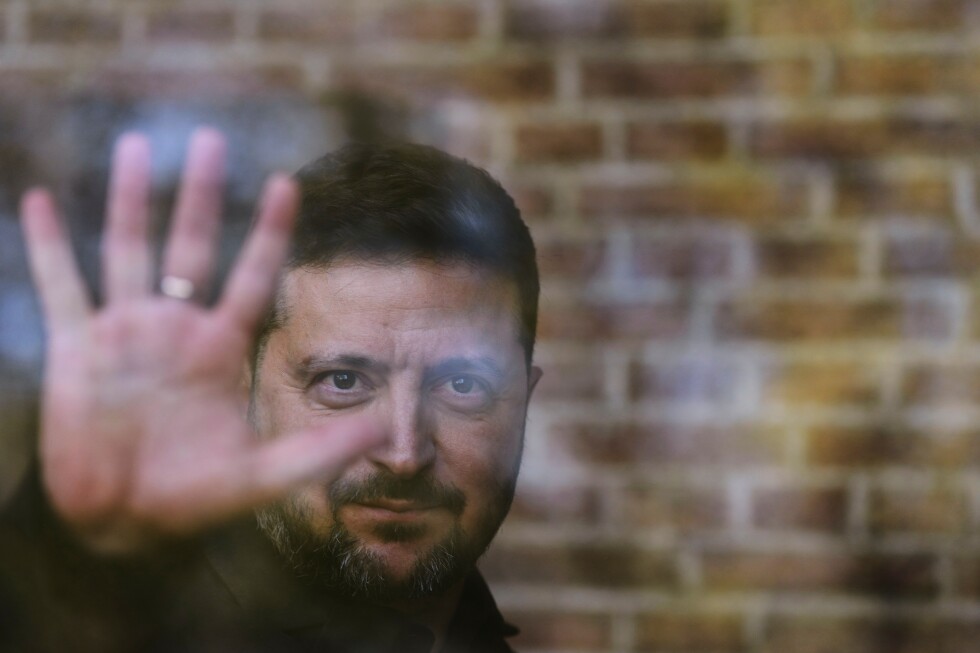
    Ukrainian President Volodymyr Zelenskyy announced Sunday that a comprehensive U.S. security guarantees agreement for Ukraine has reached completion following intensive multilateral negotiations in Abu Dhabi. The breakthrough emerged from unprecedented trilateral discussions involving high-level diplomatic and military representatives from Ukraine, the United States, and Russia—marking the first such format in an extended period.

    During his diplomatic visit to Lithuania, Zelenskyy confirmed the security document stands ‘100% ready’ and awaits finalization of signing arrangements between partner nations. The finalized agreement will subsequently undergo ratification procedures through both the U.S. Congress and Ukraine’s parliamentary system.

    Parallel to security negotiations, Zelenskyy emphasized Ukraine’s strategic objective to achieve European Union membership by 2027, characterizing this geopolitical alignment as a crucial ‘economic security guarantee’ for the nation’s future stability.

    The Abu Dhabi talks, spanning Friday through Saturday, addressed the complex landscape of Russia’s ongoing invasion now approaching its fourth year. While acknowledging persistent fundamental disagreements—particularly regarding territorial integrity and Russia’s illegal annexation of eastern regions—Zelenskyy noted the discussions concluded constructively. He reiterated Ukraine’s non-negotiable position on territorial sovereignty, stating ‘Our position regarding our territory must be respected.’

    According to U.S. officials involved in the process, negotiators will reconvene in the United Arab Emirates on February 1 for subsequent rounds. The comprehensive agenda covered military and economic considerations, including potential ceasefire arrangements preceding a formal agreement. Outstanding issues remain, particularly regarding operational oversight of the Zaporizhzhia Nuclear Power Plant—Europe’s largest nuclear facility currently under Russian occupation.

    The diplomatic momentum coincides with reported backchannel discussions between Russian President Vladimir Putin and former Trump administration officials, though the Kremlin maintains any peace agreement necessitates Ukrainian withdrawal from contested eastern territories.

  • France detains captain of suspected Russian ‘shadow fleet’ tanker seized in Mediterranean

    France detains captain of suspected Russian ‘shadow fleet’ tanker seized in Mediterranean

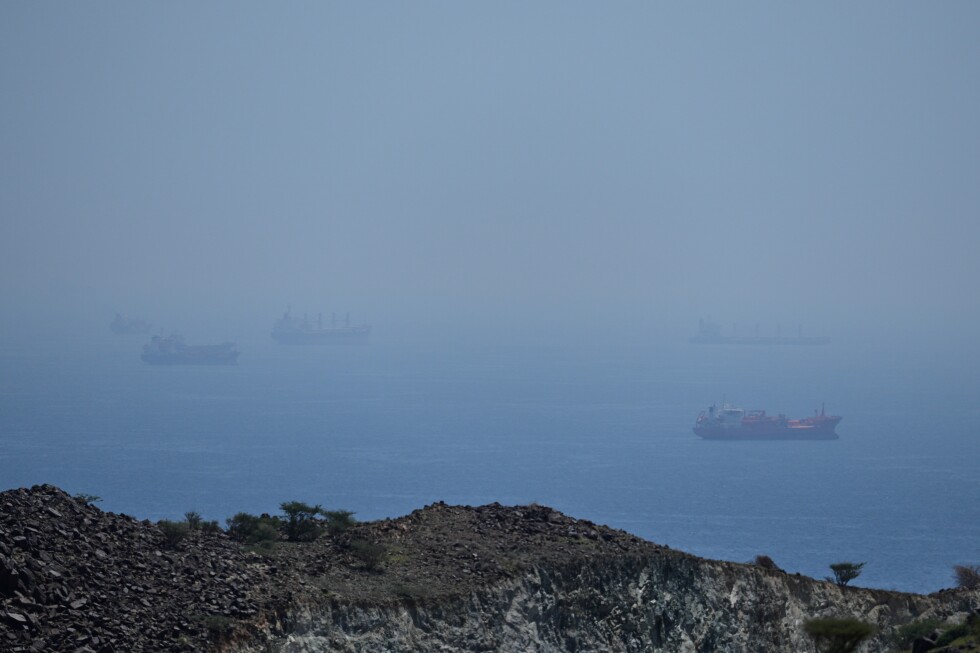
    French judicial authorities have taken into custody the Indian captain of an oil tanker intercepted by naval forces in the Mediterranean Sea amid allegations of violating international sanctions against Russia. The vessel ‘Grinch,’ which originated from Murmansk in northwestern Russia, has been identified as a potential member of Russia’s sanctioned ‘shadow fleet’ operating to circumvent economic restrictions related to the Ukraine conflict.

    According to statements from the Marseille prosecutor’s office obtained by French media outlets, the captain was transferred to judicial authorities after the tanker was diverted to anchorage in the Gulf of Fos-sur-Mer. The entire Indian-nationality crew remains confined aboard the vessel while investigators conduct a preliminary inquiry into maritime regulation violations, including failure to properly display national flags.

    The interception operation, documented through military-released footage, involved French naval personnel boarding the ship via helicopter earlier this week. This action represents the latest in a series of enforcement measures targeting Russia’s estimated 400-vessel shadow fleet, which predominantly consists of aging tankers owned by opaque entities registered in non-sanctioning countries.

    This incident echoes a similar September interception off France’s Atlantic coast, which Russian President Vladimir Putin condemned as ‘piracy.’ The captain from that previous seizure faces trial in February regarding allegations of non-cooperation with authorities. France and allied nations have intensified maritime surveillance and enforcement operations to disrupt Russia’s oil transportation networks amid ongoing geopolitical tensions.

  • Captain of suspected Russian shadow tanker in French custody

    Captain of suspected Russian shadow tanker in French custody

    In a significant maritime enforcement operation, French naval forces intercepted the oil tanker ‘Grinch’ on Thursday as it transited through the Mediterranean Sea. The vessel, suspected of belonging to Russia’s shadow fleet, was seized following orders from President Emmanuel Macron who declared the tanker was “subject to international sanctions and suspected of flying a false flag.

    The interception occurred while the Grinch was en route from the Russian Arctic port of Murmansk. The vessel is currently secured under guard at a southern French port near Marseille while investigations continue.

    French authorities have taken the Indian captain, 58, into custody while the remaining crew members—all Indian nationals—remain confined aboard the vessel. The Marseille prosecutor’s office confirmed an ongoing investigation to “verify the validity of the flag used by the tanker,” with French media reporting the vessel was sailing under a Comoros Islands registry.

    President Macron emphasized that such shadow fleet operations directly “finance Russia’s war of aggression against Ukraine.” The French government has established nautical and air exclusion zones around the anchorage site as security measures.

    This action represents the latest in a series of Western enforcement measures against Russian energy sanctions implemented following the 2022 invasion of Ukraine. Earlier in January, British armed forces supported a U.S. operation to seize a Russian-flagged tanker in the Atlantic for sanctions violations.

    Shadow fleets have become increasingly prevalent with Venezuela, Iran, and Russia all accused of utilizing them to circumvent oil sanctions. According to financial intelligence firm S&P Global, approximately one in five oil tankers worldwide are now used to transport oil from sanctioned nations.

    The operation follows France’s October interception of another sanctioned tanker, the Boracay, which was released after several days of investigation.

  • Row erupts within UK’s governing Labour Party after popular mayor blocked from upcoming election

    Row erupts within UK’s governing Labour Party after popular mayor blocked from upcoming election

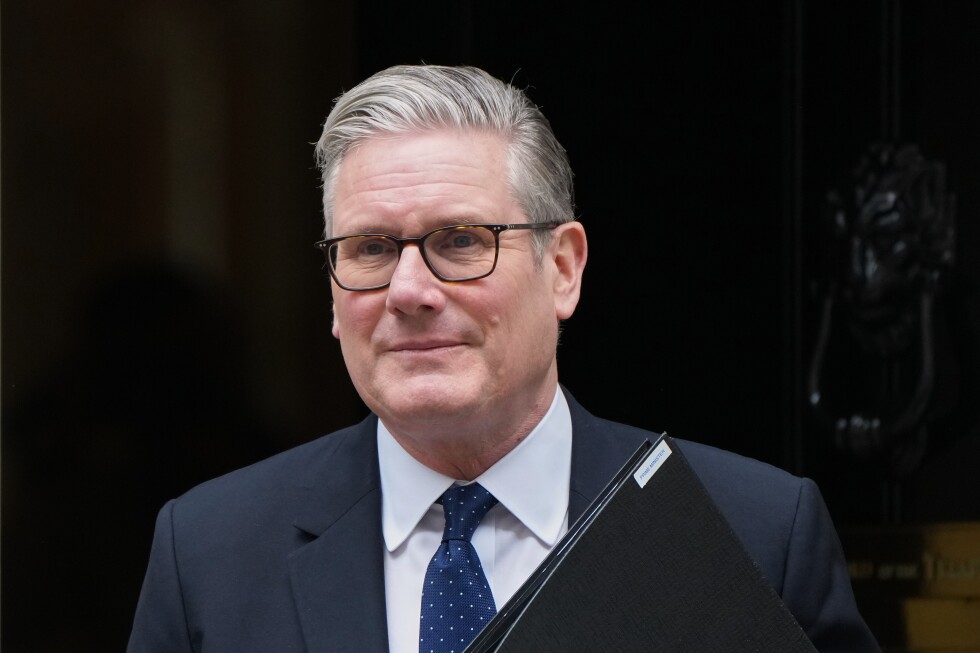
    A significant internal conflict has emerged within Britain’s ruling Labour Party following the decisive blocking of Manchester Mayor Andy Burnham’s attempt to re-enter Parliament. The party’s National Executive Committee (NEC), a 10-member body overseeing election machinery, rejected Burnham’s Saturday request to stand as candidate in the upcoming Gorton and Denton constituency by-election expected before February’s end.

    The NEC justified its decision as necessary to avoid “an unnecessary election” for Manchester mayor that would impose “a substantial and disproportionate impact on party campaign resources.” Had Burnham won the traditionally safe Labour seat, he would have been required to resign his mayoral position, triggering another special election in Manchester. His current mandate as mayor extends through May 2028.

    Critics within the party perceive this move as Prime Minister Keir Starmer strategically neutralizing a potential leadership rival. Burnham, twice previously unsuccessful in Labour leadership contests and colloquially known as the “King of the North,” has openly expressed ambitions to lead the party eventually. The former minister under Blair and Brown governments has recently voiced policy disagreements with Starmer, particularly on economic matters, and called for renewed debate on party direction.

    The controversy unfolds against a backdrop of concerning poll numbers for Labour since their July 2024 landslide victory. The party faces predicted significant losses in May’s critical elections—Britain’s equivalent of U.S. midterms—with potential historic defeat in Wales, continued opposition in Scotland, and substantial losses in English local elections. Anti-immigration Reform UK and the Greens have been primary beneficiaries of Labour’s declining support.

    Reactions within the party reflect deep divisions. Labour lawmaker John Slinger praised the “quick and clear decision” as allowing the party to move beyond “damaging introspection” and unite behind the eventual candidate. Conversely, former Cabinet minister Louise Haigh described the blocking as “incredibly disappointing” and urged the NEC to reconsider.

  • Getting to ‘no’: Europe’s leaders find a way to speak with one voice against Trump

    Getting to ‘no’: Europe’s leaders find a way to speak with one voice against Trump

    LONDON — European diplomacy has undergone a radical transformation in its approach to dealing with President Donald Trump, shifting from appeasement tactics to firm opposition. The catalyst for this dramatic change emerged when Trump renewed demands for U.S. acquisition of Greenland, a semi-autonomous territory under Denmark’s sovereignty and NATO ally.

    The previously accommodating European leaders have abandoned their flattering approaches and royal treatment diplomacy. Instead, they’ve established clear boundaries against what they perceive as Trump’s disregard for international norms and territorial sovereignty. British Prime Minister Keir Starmer declared that ‘Britain will not yield’ on supporting Greenland’s sovereignty, while Norwegian Prime Minister Jonas Gahr Støre emphasized that ‘threats have no place among allies.’

    This diplomatic hardening occurred during the World Economic Forum in Davos, Switzerland, where multiple European nations collectively rejected Trump’s demands regarding Greenland and his proposed ‘Board of Peace’ initiative. Danish Prime Minister Mette Frederiksen noted the significance of European unity: ‘When Europe is not divided, when we stand together and when we are clear and strong also in our willingness to stand up for ourselves, then the results will show.’

    Trump responded to the resistance with economic threats, proposing a 10% import tariff on goods from eight European nations—Denmark, Norway, Sweden, France, Germany, the United Kingdom, the Netherlands and Finland—with potential escalation to 25% if no Greenland purchase agreement materialized by June 1.

    Political analysts observe that European leaders have undergone a significant learning curve in dealing with Trump’s transactional approach to international relations. Mark Shanahan, University of Surrey associate professor of political engagement, noted: ‘In Trump’s first term, Europe didn’t know what to expect and tried to deal with him using the old rules of diplomacy… It’s very hard for other leaders who deal with each other through the niceties of a rules-based system.’

    Despite initially standing firm, Trump eventually backtracked on his most aggressive demands, canceling threats of using ‘force’ for Greenland’s acquisition and announcing a framework agreement that would make tariff threats unnecessary. However, European leaders maintained their position, with Frederiksen reiterating: ‘We cannot negotiate on our sovereignty.’

    The confrontation signals a potential fundamental shift in transatlantic relations, with Canada’s Mark Carney suggesting that the alliance has experienced a ‘rupture’ rather than a transition, requiring European countries to build collective power against what he characterized as ‘bully’ behavior.

  • UK plans to create ‘British FBI’ to bring national investigations under single police force

    UK plans to create ‘British FBI’ to bring national investigations under single police force

    The British government has revealed groundbreaking plans to establish a comprehensive National Police Service, colloquially termed the ‘British FBI,’ designed to oversee intricate criminal investigations spanning counterterrorism, digital offenses, and organized crime. This transformative initiative, announced on Sunday by Home Secretary Shabana Mahmood, represents the most significant overhaul of British policing in decades.

    The newly proposed agency will consolidate multiple specialized units under a single command structure, incorporating counterterrorism operations, regional organized crime task forces, police aviation resources, and road policing functions across England and Wales. This consolidation aims to address critical gaps in local law enforcement capabilities while creating a centralized framework for complex criminal investigations.

    Home Secretary Mahmood emphasized that the current policing model, established generations ago, has become increasingly inadequate against sophisticated modern criminal networks. ‘Many local constabularies lack either the specialized expertise or necessary resources to effectively combat evolving threats such as cyber-enabled fraud, online child exploitation, and transnational criminal organizations,’ Mahmood stated.

    The restructuring will fundamentally redefine policing responsibilities, enabling regional forces to concentrate exclusively on community-level crimes while the national service handles cross-jurisdictional and technically complex cases. The unification is projected to generate substantial operational efficiencies through centralized procurement processes and attract elite investigative talent through enhanced career development opportunities.

    Additional reforms expected alongside the national service implementation include potential consolidation of England and Wales’ 43 regional police forces and modernization of officer recruitment and management protocols. The Metropolitan Police Service, which currently leads counterterrorism efforts, has expressed strong support for the centralized approach, acknowledging the necessity of adapting to contemporary security challenges.

  • Macron pushes for fast-track ban on social media for children under 15

    Macron pushes for fast-track ban on social media for children under 15

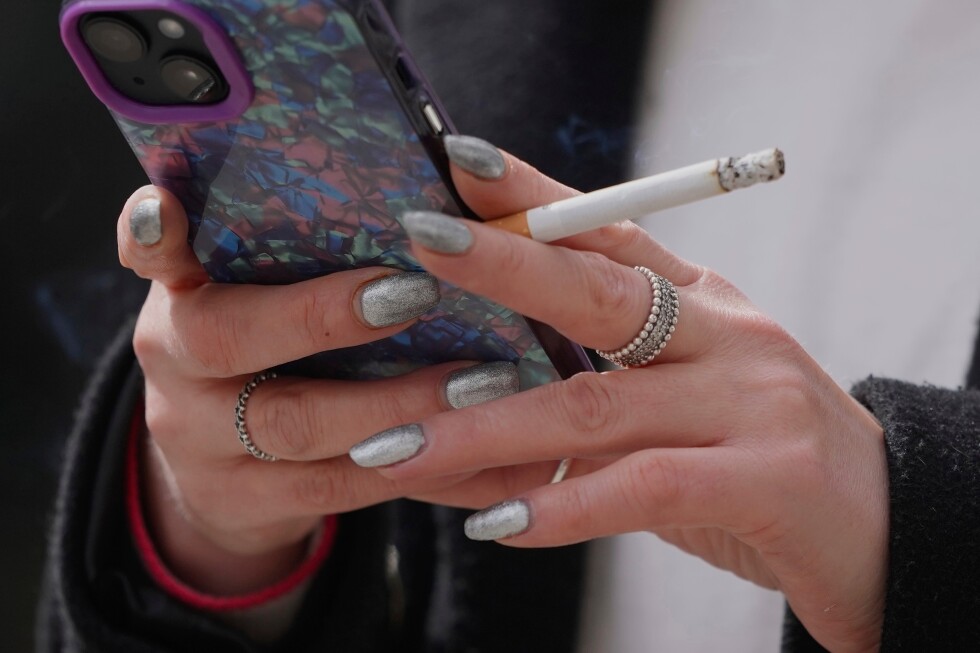
    President Emmanuel Macron has directed the French government to expedite legislation that would prohibit social media access for children under 15, targeting implementation by September’s new school year. The announcement, made in a Saturday evening broadcast on BFM-TV, signals a aggressive stance against what Macron characterized as the exploitation of youth by foreign technology platforms.

    ‘The cognitive development and emotional well-being of our youth are not commodities to be traded or manipulated,’ Macron asserted. ‘This applies equally to American digital platforms and Chinese algorithmic systems.’

    The French initiative emerges alongside similar considerations in the United Kingdom, where authorities are evaluating social media restrictions for adolescents as part of broader child protection measures against harmful content and excessive screen engagement.

    Supporting the regulatory push, recent data from France’s national health authority reveals concerning usage patterns: approximately 90% of adolescents aged 12-17 access internet services daily via smartphones, with 58% actively engaged on social platforms. Half of French teenagers dedicate between two to five hours daily to their mobile devices.

    December’s comprehensive health assessment highlighted multiple detrimental effects associated with youth social media consumption, including diminished self-esteem and increased exposure to content promoting self-harm, substance abuse, and suicidal behavior. Several French families have initiated legal proceedings against TikTok, alleging platform content contributed to teenage suicides.

    The presidential administration clarified that Macron’s video statement addressed legislator Laure Miller, who is sponsoring the bill scheduled for parliamentary examination this Monday. ‘We’re establishing unambiguous boundaries: social media prohibition for under-15s and mobile phone restrictions in secondary schools,’ Macron stated. ‘This creates clarity for adolescents, families, and educators alike.’

    Globally, Australia’s implementation of similar restrictions for users under 16 has resulted in social media companies disabling approximately 4.7 million accounts identified as belonging to minors. The Australian experience has sparked international dialogue balancing technological access, privacy considerations, and youth mental health protection.

  • Trump’s Greenland ambitions strain MAGA ties with Europe’s far-right

    Trump’s Greenland ambitions strain MAGA ties with Europe’s far-right

    A significant diplomatic schism has emerged between former U.S. President Donald Trump’s political movement and its traditional European far-right allies, triggered by growing concerns over American interventionism. The fracture became particularly evident through widespread condemnation of Trump’s proposed acquisition of Greenland, which multiple European nationalist leaders characterized as a hostile act threatening national sovereignty.

    Despite previous ideological alignment demonstrated during the ‘Make Europe Great Again’ gathering in Madrid less than a year ago, prominent figures including France’s National Rally president Jordan Bardella, Italy’s Prime Minister Giorgia Meloni, and Reform UK’s Nigel Farage have publicly criticized Trump’s approaches to Greenland, Venezuela, and Iran. Bardella specifically denounced what he termed ‘commercial blackmail’ regarding Greenland, while Meloni directly informed Trump that his tariff threats represented ‘a mistake.’

    The divergence highlights a fundamental tension within the trans-Atlantic nationalist alliance, where shared ideological convictions on immigration and sovereignty appear insufficient to overcome concerns about American overreach. This development occurs amidst substantial gains by far-right parties across the European Union, which now hold approximately 26% of seats in the European Parliament according to security analyses.

    Not all European nationalist leaders have joined the criticism, however. Hungarian Prime Minister Viktor Orbán, facing his most challenging election in sixteen years, has carefully avoided criticizing Trump, instead positioning the former president as Europe’s best hope for peace in Ukraine and a guarantor of national sovereignty. Similar restraint has been observed among Eastern European allies including Poland’s President Karol Nawrocki and Czech Prime Minister Andrej Babiš, who cautioned against allowing the Greenland issue to escalate into broader EU-U.S. conflict.

    Analysts suggest this division within the trans-Atlantic nationalist movement may force a recalibration of political alliances, with cooperation potentially continuing on shared grievances such as opposition to EU migration policies and trade agreements, while sovereignty concerns create enduring fractures regarding American foreign policy approaches.