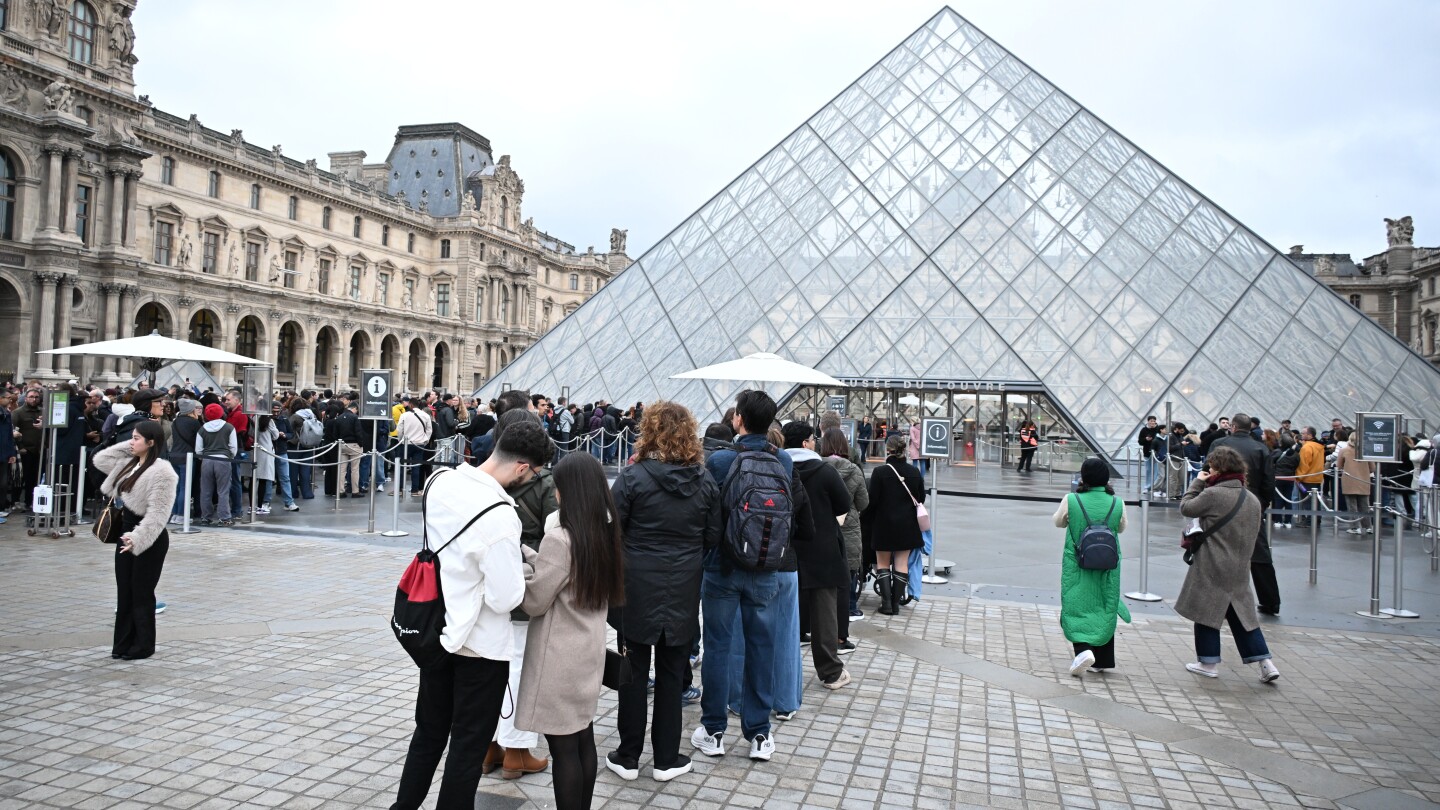
In a stunning act of audacity, thieves executed a meticulously planned heist at the Louvre Museum in Paris, making off with priceless French crown jewels valued at an estimated $102 million. The stolen treasures, including an emerald necklace and earrings, two crowns, two brooches, a sapphire necklace, and a single earring, represent the zenith of 19th-century haute joaillerie. These artifacts, saved from a government auction in 1887, are not merely decorative but symbolize France’s historical wealth, power, and cultural legacy. The theft has left the nation grappling with yet another security lapse at the Louvre, which has faced criticism for overcrowding and outdated facilities. Paris prosecutor Laure Beccuau revealed that over 100 investigators are now on the case, hunting for the suspects and the stolen gems. The robbers, clad in bright yellow jackets, infiltrated the Apollo Gallery at 9:34 a.m., spending just four minutes inside before fleeing on motorbikes. Among the stolen items were a crown gifted by Napoleon III to Empress Eugenie and a necklace from Napoleon Bonaparte to his wife Marie-Louise. Experts fear the jewels may be dismantled and sold piecemeal, effectively erasing them from history. The emotional toll on France is profound, with conservative lawmaker Maxime Michelet decrying the theft as a blow to national pride. The heist, reminiscent of a scene from the French TV show ‘Lupin,’ underscores the challenges of safeguarding cultural heritage in an era of sophisticated crime.
标签: Europe
欧洲
-

Stolen Louvre jewellery worth €88m, prosecutor says
In a brazen daylight heist at the Louvre Museum in Paris, thieves made off with eight priceless pieces of jewelry, including a tiara worn by Empress Eugenie, wife of Napoleon III, and the Marie-Louise necklace. The stolen items, valued at €88 million (£76m; $102m), were part of France’s historical heritage, with some pieces gifted by Napoleon and Napoleon III to their wives. The robbery, which took less than eight minutes, occurred shortly after the museum opened on Sunday morning. Thieves, armed with power tools, accessed the Galerie d’Apollon via a balcony near the River Seine, cutting through a glass window and threatening guards to evacuate the building. Despite attempts to set fire to their escape vehicle, the thieves fled on scooters. French President Emmanuel Macron condemned the robbery as an attack on France’s heritage. Security measures at the Louvre have since been tightened, with a preliminary report revealing significant lapses, including the absence of CCTV in one-third of the museum’s rooms and a non-functional alarm system. Authorities believe the thieves were highly organized professionals, and experts fear the stolen jewels may already have been dismantled and smuggled out of the country.
-
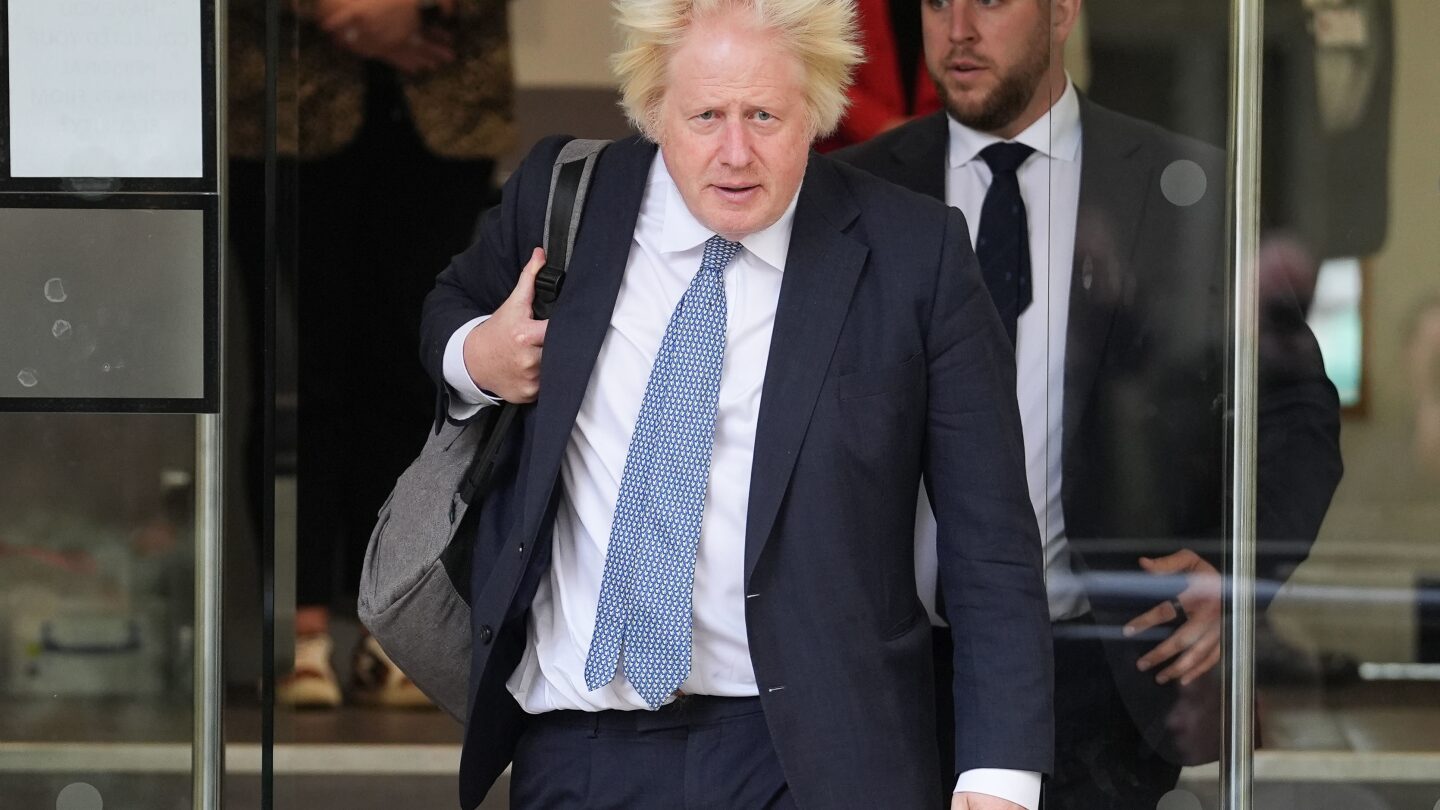
Boris Johnson denies UK failure in planning COVID school closures but apologizes for mistakes
Former British Prime Minister Boris Johnson faced intense scrutiny on Tuesday as he testified before the U.K. Covid-19 Inquiry, defending his government’s handling of school closures during the pandemic. Johnson acknowledged the “horror” of the situation but denied claims of inadequate preparation, insisting that his Education Department had considered the possibility of closures as early as February 2020. However, former Education Secretary Gavin Williamson revealed that he was given just one night to devise a plan for shutting schools in March 2020, describing the process as abrupt and “discombobulating.” Johnson expressed regret for the government’s mistakes, particularly the impact on children, whom he said paid a “huge price” to protect society. The inquiry, which is expected to continue until 2027, has drawn criticism from bereaved families and advocacy groups, with protesters accusing Johnson of failing to act decisively. Save the Children UK’s Dan Paskins emphasized that the rushed decisions had lasting consequences, stating that “no amount of regret will undo the harm that has been done.”
-
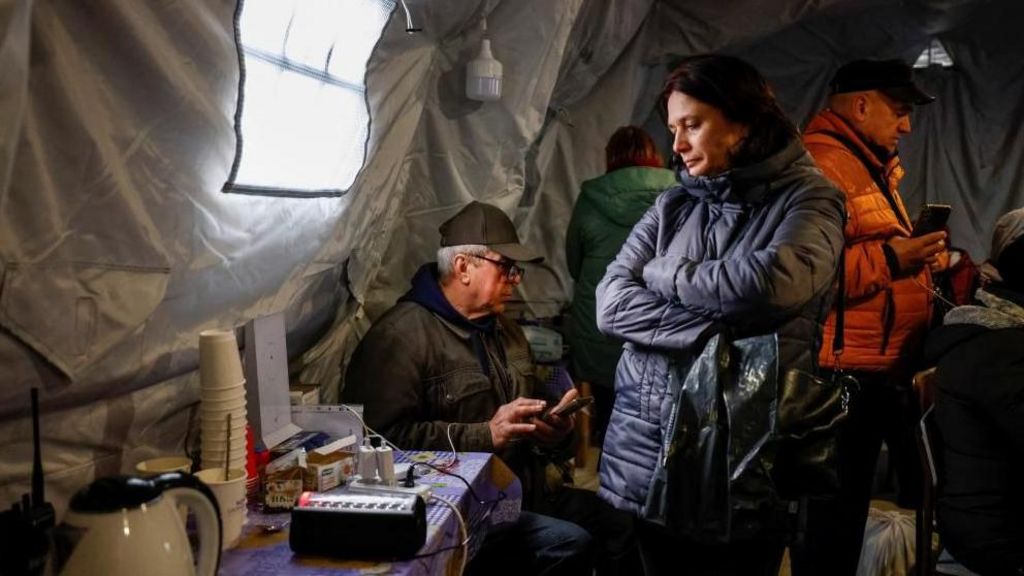
Ukrainian city in total blackout after ‘massive’ Russian assault
Russia has intensified its assault on Ukraine’s energy infrastructure, resulting in widespread power outages and significant civilian suffering. The city of Chernihiv, located in northern Ukraine, was plunged into a total blackout following a massive missile and drone attack. Hundreds of thousands of residents were affected, with four fatalities reported in the nearby town of Novhorod-Siverskyi and ten others injured, including a 10-year-old girl. This attack is part of a broader strategy by Russia to target civilian infrastructure, including energy supplies, railways, homes, and businesses, as the full-scale invasion of Ukraine continues. Oleksandr Babich, a 55-year-old Chernihiv resident, described the harrowing experience of hearing Iranian-designed Shahed drones overhead, a sound increasingly familiar to Ukrainians far from the front lines. The Chernihiv region, which borders both Russia and Belarus, is particularly vulnerable due to its proximity to hostile territories. The recent assault involved over 100 Shahed drones and six ballistic missiles, directly hitting Chernihiv’s electricity-generating facilities and leaving the city and surrounding areas without power. Andriy Podorvan, deputy head of the Chernihiv Regional Military Administration, noted that such targeted strikes on energy infrastructure have become more frequent over the past six months, with a significant escalation in the last two months. He emphasized that these attacks are aimed at civilian infrastructure, including petrol stations, rather than military targets. The loss of power has also disrupted water pumping stations, forcing residents to rely on bottled water or emergency deliveries. Despite the ongoing attacks, electrical engineers have begun efforts to restore power, though the intensity of Russia’s bombardment threatens to deplete Ukraine’s energy resilience. The country’s energy companies have been working tirelessly to repair the damage, but the limited supply of replacement equipment poses a significant challenge. Ukrainian President Volodymyr Zelensky’s recent meetings with US energy companies have reportedly been successful in securing support for modernizing Ukraine’s energy sector. However, the estimated $16 billion in damage to Ukraine’s energy infrastructure underscores the severity of the crisis. Despite the hardships, Ukrainian citizens remain resilient, with high morale and a strong sense of unity in the face of adversity.
-
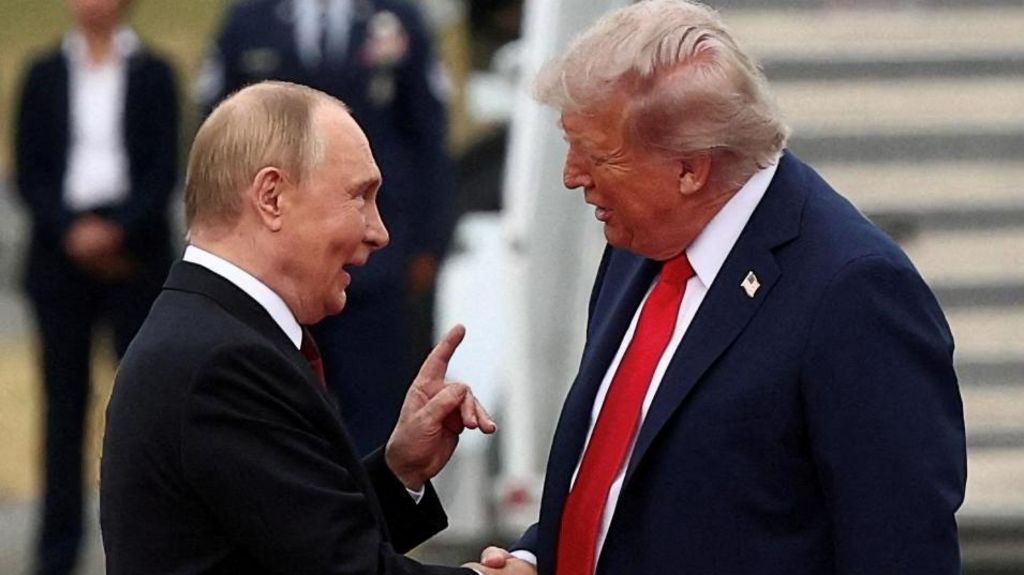
No immediate plans for Trump-Putin meeting, White House official says
The White House has confirmed that there are ‘no plans’ for US President Donald Trump to meet Russian President Vladimir Putin ‘in the immediate future,’ despite earlier indications of a potential summit in Budapest. Last Thursday, Trump had suggested that he and Putin would hold talks within two weeks to address the ongoing conflict in Ukraine. However, a preparatory meeting between US Secretary of State Marco Rubio and Russian Foreign Minister Sergei Lavrov, initially scheduled for this week, was canceled after the two officials reportedly had a ‘productive’ phone conversation, rendering the in-person meeting ‘unnecessary.’ The White House has not provided further details on the reasons for the delay. Meanwhile, Trump has expressed support for freezing the Ukrainian conflict along the current front line, particularly in the contested Donbas region. ‘Let it be cut the way it is,’ he stated on Monday. However, Russia has consistently opposed this approach, with Lavrov emphasizing on Tuesday that Moscow is only interested in ‘long-term, sustainable peace,’ suggesting that a freeze would merely result in a temporary ceasefire. This developing story is being updated, and further details are expected shortly.
-
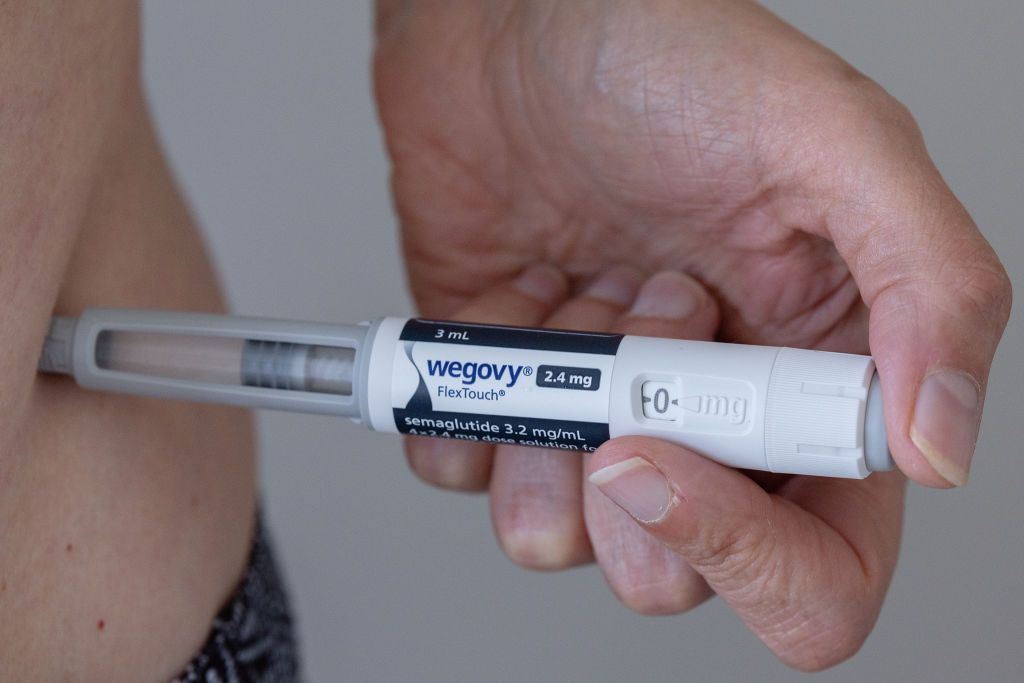
Wegovy maker Novo Nordisk’s board slims down as directors quit
Novo Nordisk, the pharmaceutical giant behind the widely popular weight-loss drug Wegovy and diabetes treatment Ozempic, is undergoing a significant boardroom reshuffle. Seven board members, including Chairman Helge Lund and Vice Chair Henrik Poulsen, are set to depart following an extraordinary investor meeting in November. This move comes amidst a series of transformative changes for the Danish company, which recently appointed a new CEO in August and announced plans to lay off 9,000 employees in September. The company has also issued profit warnings due to heightened competition from U.S. rivals, leading to a revised profit growth forecast for the third time this year. The widespread adoption of Ozempic, often used off-label for weight loss, and Wegovy had previously propelled Novo Nordisk to become Europe’s most valuable company in summer 2024. However, recent competition from firms like Eli Lilly has eroded its valuation, with shares dipping 1.7% following news of the boardroom shake-up. The departures stem from disagreements between board members and the Novo Nordisk Foundation, the company’s majority shareholder, which holds 28.1% of shares but controls three-quarters of voting rights. The Foundation, which successfully pushed for the removal of former CEO Lars Fruergaard Jorgensen in May, is now nominating Lars Rebien Sorensen, its current chairman and former Novo Nordisk CEO, to replace Mr. Lund.
-
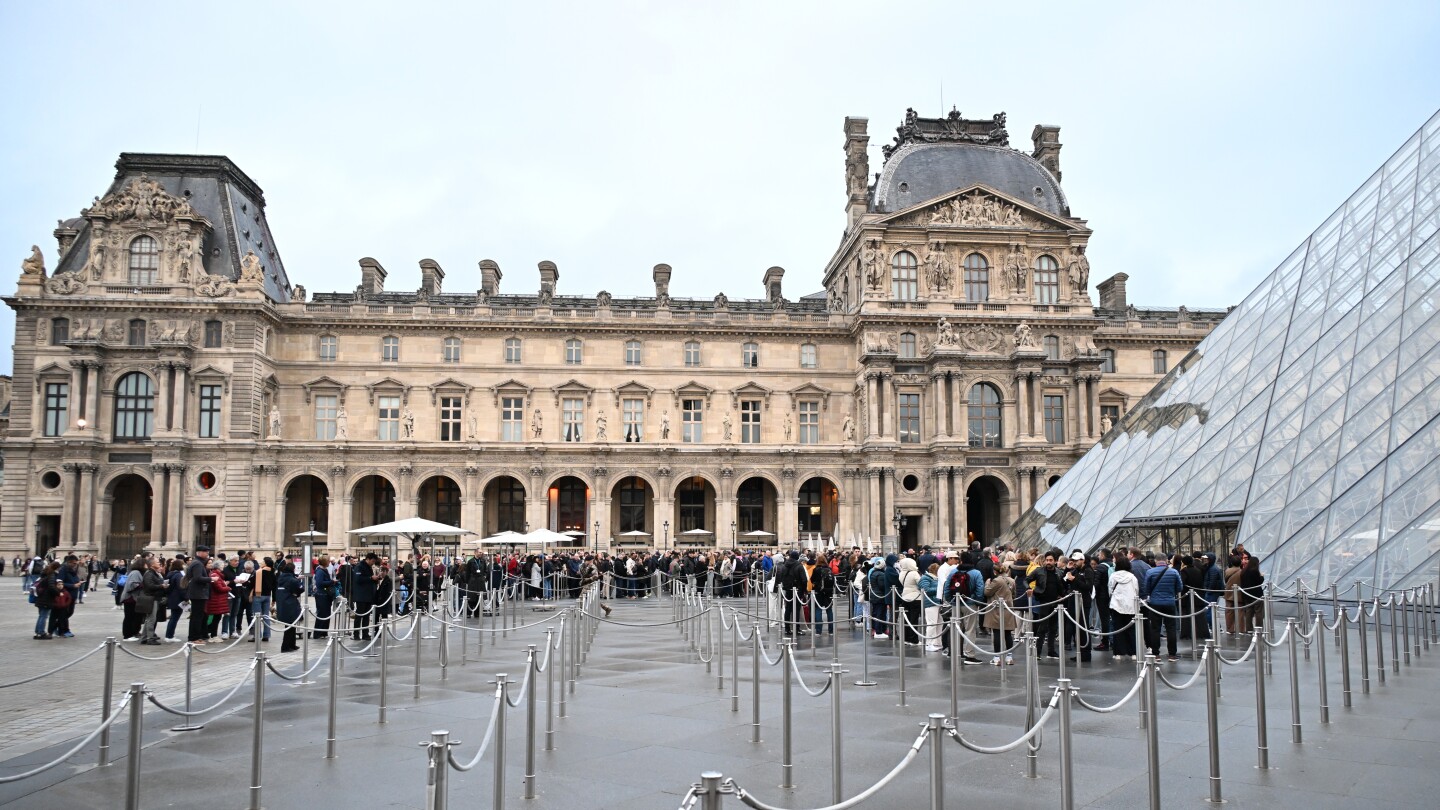
French culture minister says Louvre security worked during jewel heist
In the wake of a daring heist at the Louvre Museum in Paris, French Culture Minister Rachida Dati has affirmed that the museum’s security systems were fully operational during the incident. The theft, which occurred on Sunday morning, saw thieves ascend the museum’s facade using a basket lift, breach a window, and smash display cases to steal priceless Napoleonic-era jewels. Despite the successful robbery, Dati emphasized that the security apparatus did not fail, stating, ‘The Louvre museum’s security apparatus worked.’ She has initiated an administrative inquiry alongside the ongoing police investigation to ensure transparency, though details on how the thieves evaded detection remain undisclosed. Interior Minister Laurent Nuñez confirmed that the museum’s alarm was triggered when the Apollo Gallery’s window was forced, and police arrived within minutes of being alerted by a witness. The heist, lasting less than eight minutes, targeted the gilded Apollo Gallery, home to the Crown Diamonds. While alarms prompted Louvre agents to respond, the thieves had already fled with eight historic objects, including sapphire and emerald jewelry linked to 19th-century French royalty. Dati described the theft as a ‘wound for all of us,’ underscoring the Louvre’s significance as a cultural and national treasure.
-

Europe’s leaders back Trump call for frontline freeze but Russia says no
European leaders, alongside Ukrainian President Volodymyr Zelensky, have intensified calls for a ceasefire in Ukraine based on the current front lines, urging Russia to engage in meaningful peace negotiations. However, Moscow has firmly rejected the proposal, emphasizing its pursuit of a ‘long-term, sustainable peace’ rather than a temporary halt to hostilities. Russian Foreign Minister Sergei Lavrov dismissed the idea of freezing the conflict at the existing contact line, labeling it as insufficient for resolving the underlying issues.
-
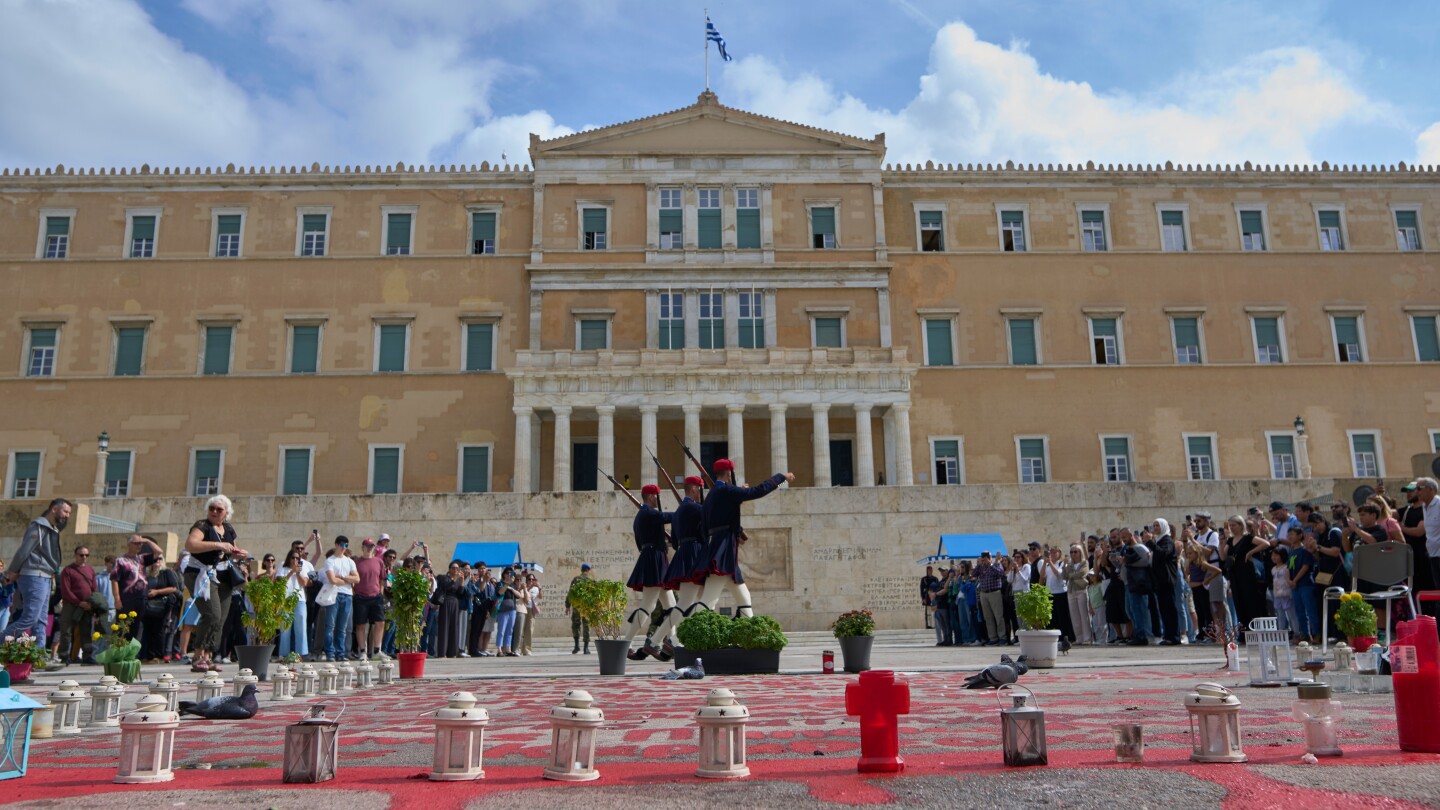
Greek government seeks to ban protests at Tomb of Unknown Soldier monument, sparking backlash
The Greek government has sparked controversy with a proposed amendment to ban protests at the Tomb of the Unknown Soldier, a revered monument located outside the Parliament in Athens. The conservative administration, led by Prime Minister Kyriakos Mitsotakis, submitted the amendment on Tuesday, arguing that the site must be protected as a national symbol. However, opposition parties have vehemently criticized the move, labeling it as unconstitutional and an infringement on the right to free expression and assembly. The left-wing Syriza party even organized a protest in response on the same evening.
-
Man in court charged with sexually assaulting 10 year-old girl
A 26-year-old man has been brought before a Dublin court, accused of sexually assaulting a 10-year-old girl under the care of Tusla, Ireland’s Child and Family Agency. The alleged incident occurred in the early hours of Monday morning at Garter Lane, Saggart, Co Dublin. The charges fall under Section 2 of the Criminal Law (Rape) (Amendment) Act 1990, as amended by Section 37 of the Sex Offenders Act 2001. Due to legal restrictions in the Republic of Ireland, the identity of the accused remains undisclosed. When charged, the defendant reportedly responded, ‘I have nothing to say.’ The court granted him free legal aid, citing his unemployment, and remanded him in custody until a bail hearing scheduled for Wednesday. A defense solicitor has requested an Arabic interpreter for the proceedings. Tusla has issued a statement emphasizing its commitment to supporting the young victim and her family while collaborating with Gardaí, Ireland’s police force. Tusla, the state agency responsible for child protection and family support, is actively involved in the case. Gardaí have launched a public appeal for information, urging anyone who was near City West Drive, Garter Lane, or the City West and Saggart Luas stops between 11:00 PM on Sunday and 1:30 AM on Monday to come forward. The investigation continues as authorities seek to ensure justice for the young victim.