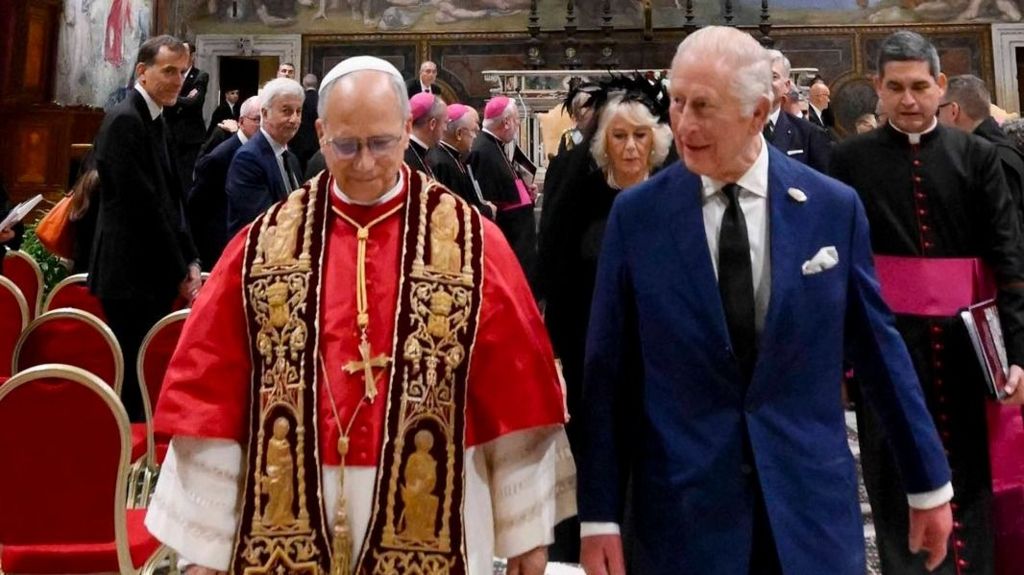
In a groundbreaking moment of interfaith unity, King Charles III, the head of the Church of England, joined Pope Francis in a public prayer session. This historic event marks the first time a British monarch, who also serves as the Supreme Governor of the Church of England, has engaged in such a public display of spiritual solidarity with the leader of the Roman Catholic Church. The meeting, described as ‘hugely symbolic,’ underscores the ongoing efforts to bridge divides between Christian denominations. Both leaders emphasized the importance of mutual respect, dialogue, and collaboration in addressing global challenges. This unprecedented act of unity is seen as a significant step toward fostering greater understanding and cooperation between the Anglican and Catholic communities worldwide.
标签: Europe
欧洲
-
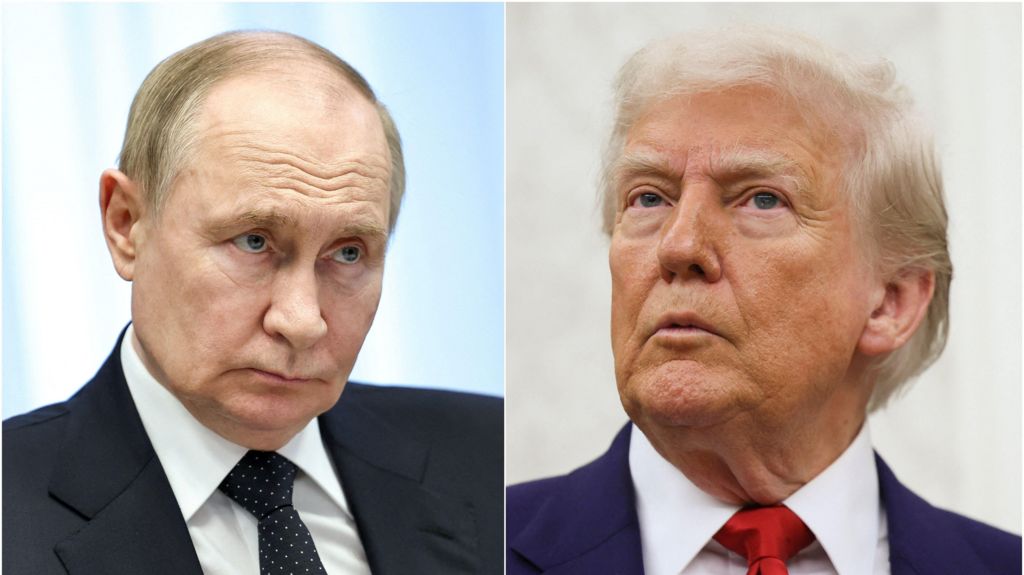
Rosenberg: Trump abandons carrot and wields stick over Putin in Ukraine talks
In a dramatic turn of events, President Donald Trump has called off the highly anticipated US-Russia summit in Budapest, signaling a shift in his approach to dealing with Moscow. This decision comes just weeks after the announcement of the meeting, which was intended to address the ongoing conflict in Ukraine. The cancellation underscores the growing frustration within the Trump administration over Russia’s unwillingness to compromise or make concessions to end the war.
-
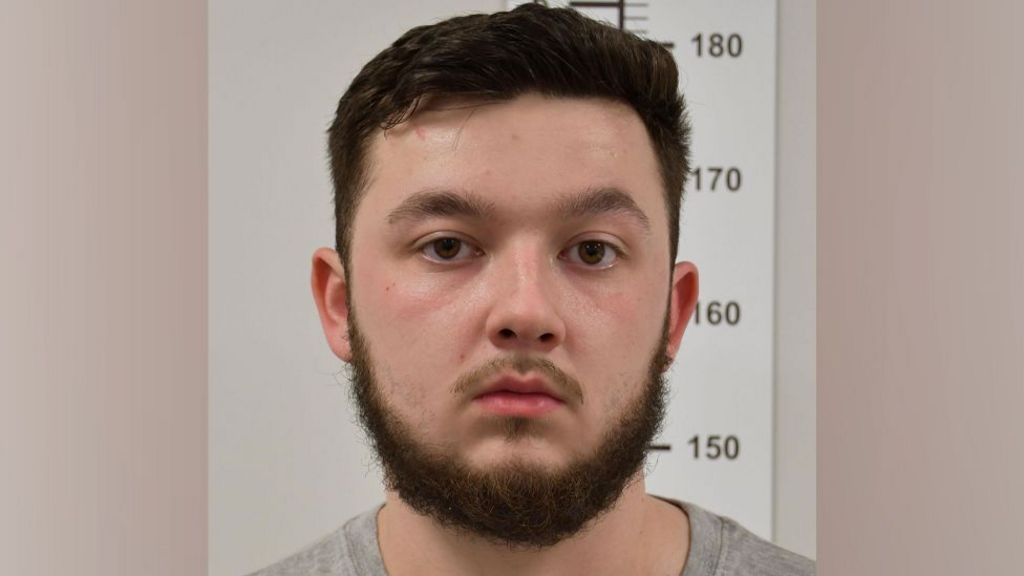
Dealer waged ‘sustained terror campaign’ for Russia in UK
In a landmark case at the Old Bailey, 21-year-old Dylan Earl has pleaded guilty to orchestrating a series of pro-Russia sabotage acts on UK soil, including a devastating arson attack on a Ukrainian-owned warehouse in East London. This marks the first sentencing under the newly enacted National Security Act, which could see Earl imprisoned for life. The warehouse, targeted in March 2024, was a hub for dispatching essential equipment, including Starlink satellite terminals, to Ukraine. Earl’s actions were part of a broader campaign supporting Russia’s aggressive war against Ukraine, as highlighted by prosecutor Duncan Penny KC. Earl’s involvement extended beyond arson; he attempted to recruit a British soldier for intelligence gathering on behalf of the Wagner Group, a Russian mercenary organization. Messages revealed in court showed Earl discussing plans for further attacks, including a potential arson in the Czech Republic, and even exploring extortion schemes. Despite his barrister’s portrayal of Earl as a ‘sad individual’ influenced by online gaming and drug use, the judge emphasized the seriousness of his crimes. Five other men, including Jake Reeves and Ashton Evans, are also implicated in related offenses. Sentencing is scheduled for Friday, with the case underscoring the UK’s heightened focus on national security threats linked to foreign powers.
-
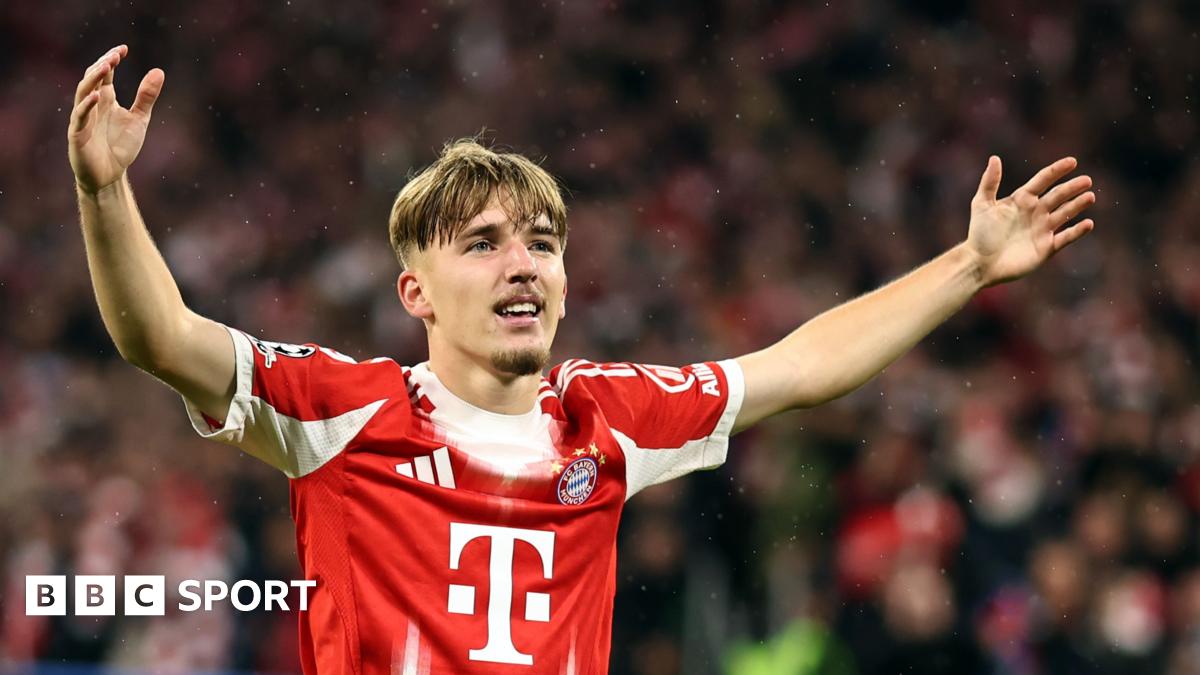
Week of the wonderkids – who shone in Champions League?
The UEFA Champions League this week became a stage for young prodigies to showcase their burgeoning talent, with six teenagers making their mark on the scoresheet—a record-equaling feat for a single round of the competition. While established names like Barcelona’s Lamine Yamal and Arsenal’s Myles Lewis-Skelly continued to impress, the spotlight turned to emerging stars who announced their arrival on the European stage. Chelsea’s youthful squad stole the show with a dominant 5-1 victory over Ajax, fielding 10 players aged 21 or younger and becoming the first team in Champions League history to have three teenage scorers in a single match. Marc Guiu, 19, opened the scoring, only for his record as Chelsea’s youngest Champions League goalscorer to be broken 33 minutes later by Estevao Willian, 17, who netted a penalty. Tyrique George, 19, added to the tally, while Reggie Walsh, 17, became Chelsea’s youngest-ever player in the competition. Meanwhile, Bayern Munich’s Lennart Karl, 17, dazzled with a stunning goal in a 4-0 win over Club Brugge, and Copenhagen’s Viktor Dadason, 17, became the third-youngest scorer in Champions League history with a late consolation goal. Barcelona’s Dro Fernandez, 17, also impressed with a visionary assist in a 6-1 thrashing of Olympiacos, drawing comparisons to club legends. These performances underscore the rise of a new generation of footballing talent, poised to shape the future of the sport.
-
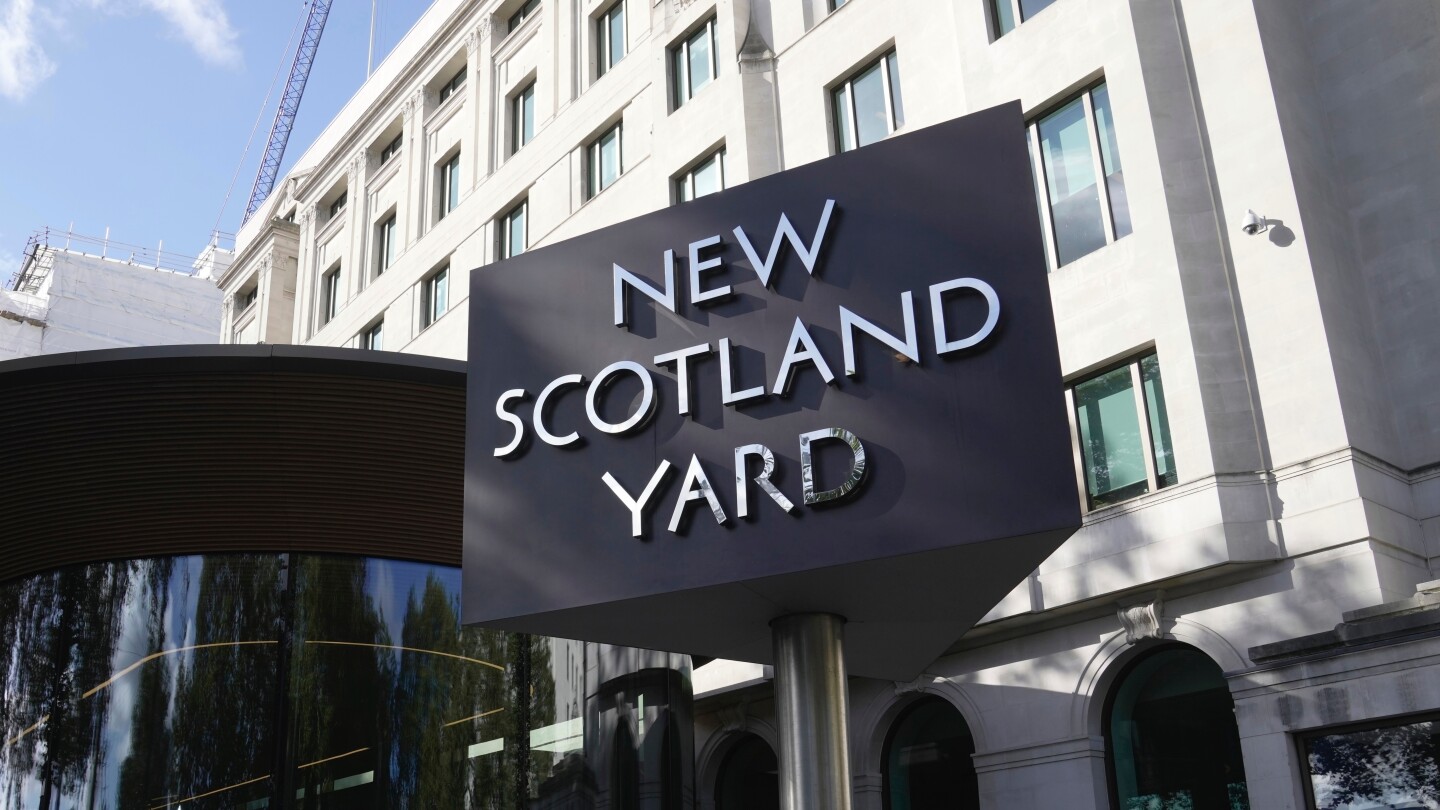
UK police arrest 3 men in London on suspicion of spying for Russia
In a significant development, British counterterrorism authorities apprehended three individuals in London on Thursday, suspecting them of espionage activities on behalf of Russia. The Metropolitan Police confirmed that the men, aged 44, 45, and 48, were taken into custody under the National Security Act, accused of aiding a foreign intelligence service, specifically Russia. Simultaneously, law enforcement officers conducted searches at multiple properties across the city as part of the ongoing investigation.
-
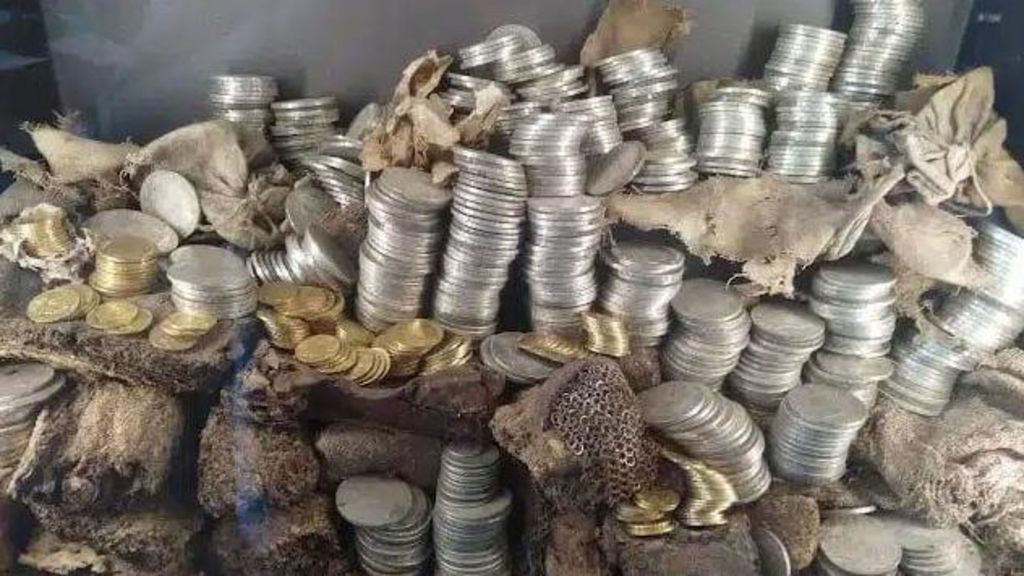
Another French museum robbery sees 2,000 gold and silver coins stolen
A series of audacious thefts at prominent French museums has highlighted significant security vulnerabilities in the country’s cultural institutions. The latest incident occurred at the Maison des Lumières in Langres, where thieves made off with approximately 2,000 gold and silver coins valued at €90,000. The heist took place just hours after the brazen theft of French crown jewels from the Louvre in Paris. The stolen coins, part of a private collection, were meticulously selected, indicating the perpetrators’ expertise. This theft follows a string of recent robberies, including the theft of six gold nuggets worth €1.5 million from Paris’s Natural History Museum and the disappearance of Chinese porcelain artifacts valued at €6.55 million from Limoges. The Louvre heist, involving €88 million worth of historic jewelry, has drawn global attention. Thieves, disguised as workers, used power tools and a mechanical ladder to access the Gallery of Apollo. The stolen items included a diamond and emerald necklace gifted by Napoleon to his wife and a tiara worn by Empress Eugenie. French authorities have acknowledged security failures, with the Louvre’s director, Laurence des Cars, admitting that CCTV coverage was inadequate and the alarm system failed to activate. Justice Minister Gérald Darmanin described the breaches as a ‘terrible image’ for France, emphasizing the need for enhanced security measures.
-
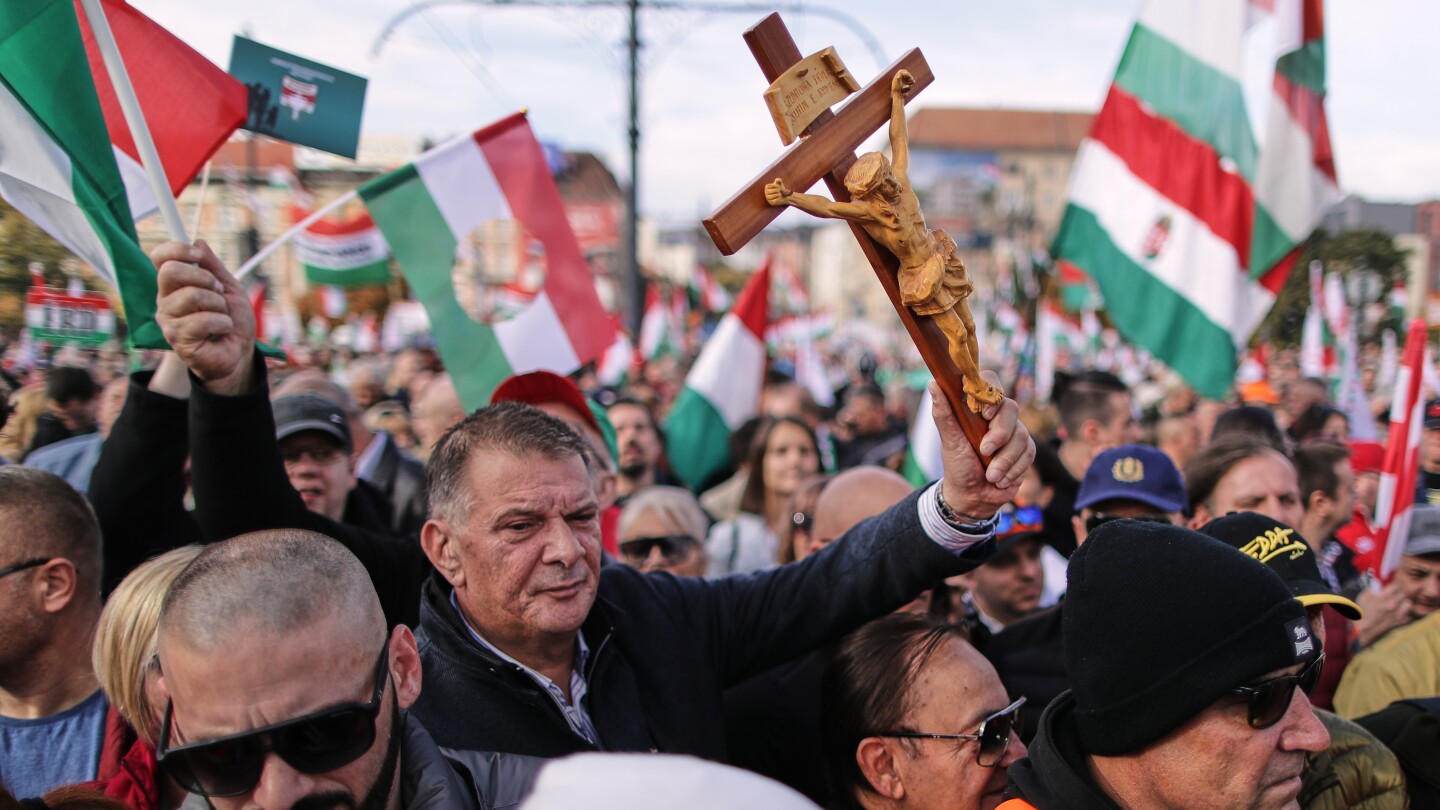
Thousands march in Budapest to support Orbán amid election challenges
Thousands of Hungarians took to the streets of Budapest on Thursday, October 23, to rally in support of Prime Minister Viktor Orbán, as the country braces for what could be the most competitive parliamentary elections in his 15-year tenure. The event, organized as a “peace march,” coincided with Hungary’s national holiday commemorating the 1956 anti-Soviet uprising, which was brutally suppressed by the Red Army. Participants voiced their backing for Orbán’s stance that Hungary risks being drawn into Russia’s war in Ukraine, with banners declaring, “We don’t want to die for Ukraine.” The march, which began at the Margaret Bridge with a backdrop of Hungary’s neo-Gothic parliament, saw attendees waving flags representing towns and villages across the nation.
-
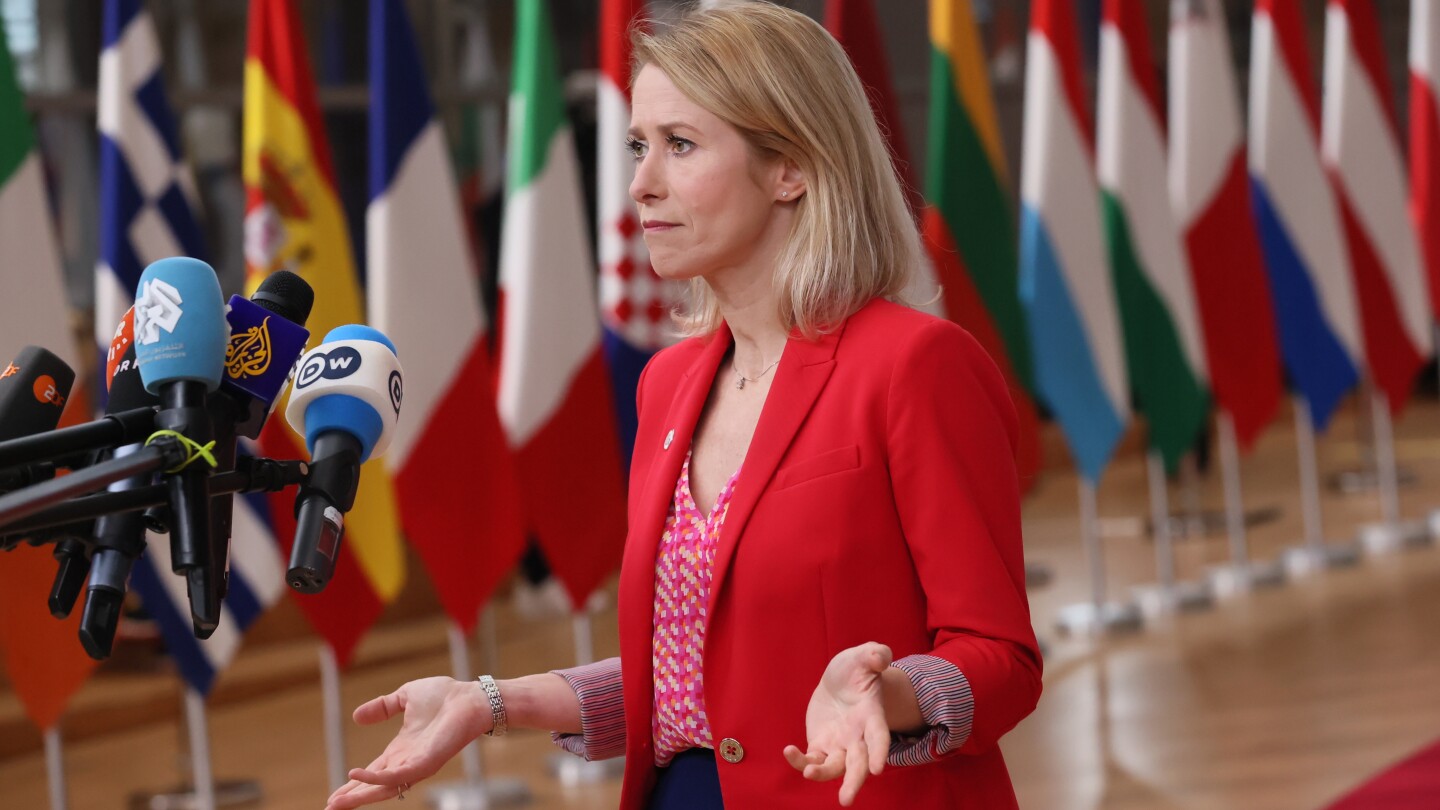
EU leaders seek role in Gaza at summit focused on Ukraine and Russia
In a bid to assert its influence in the ongoing Israeli-Palestinian conflict, European Union leaders are pushing for a more active role in Gaza and the occupied West Bank. This move comes after the EU was largely excluded from the U.S.-mediated ceasefire between Israel and Hamas. During a summit in Brussels, primarily focused on the Ukraine crisis, EU heads of state also turned their attention to the fragile truce in Gaza, discussing potential measures to support stability in the war-torn region. The EU, being the largest aid provider to Palestinians and Israel’s top trading partner, aims to leverage its position to foster lasting peace. Luxembourg Prime Minister Luc Frieden emphasized the importance of European involvement, stating, ‘Gaza is not over; peace is not yet permanent.’ The conflict has deeply divided the 27-nation bloc and strained EU-Israel relations to historic lows. European Commission President Ursula von der Leyen had previously proposed sanctions and a partial trade suspension against Israel to pressure a peace deal, though momentum waned following the U.S.-brokered ceasefire. However, EU officials argue these measures remain relevant as violence persists in Gaza and the West Bank. Israeli Prime Minister Benjamin Netanyahu recently dismissed Europe’s relevance, calling it ‘essentially irrelevant and displaying enormous weakness.’ Despite this, the EU is working to integrate itself into the post-ceasefire diplomatic efforts. EU foreign policy chief Kaja Kallas stressed the bloc should not only fund stability but also actively participate in reconstruction. The EU has supported the Palestinian Authority, pledged humanitarian aid, and proposed extending a West Bank police support program to Gaza to bolster a stabilization force outlined in the ceasefire plan. Additionally, the EU is seeking membership in the ceasefire’s ‘Board of Peace’ oversight body. The European Border Assistance Mission in Rafah, operational since 2005, has also played a role, aiding thousands of individuals during the ceasefire before pausing operations when hostilities resumed.
-
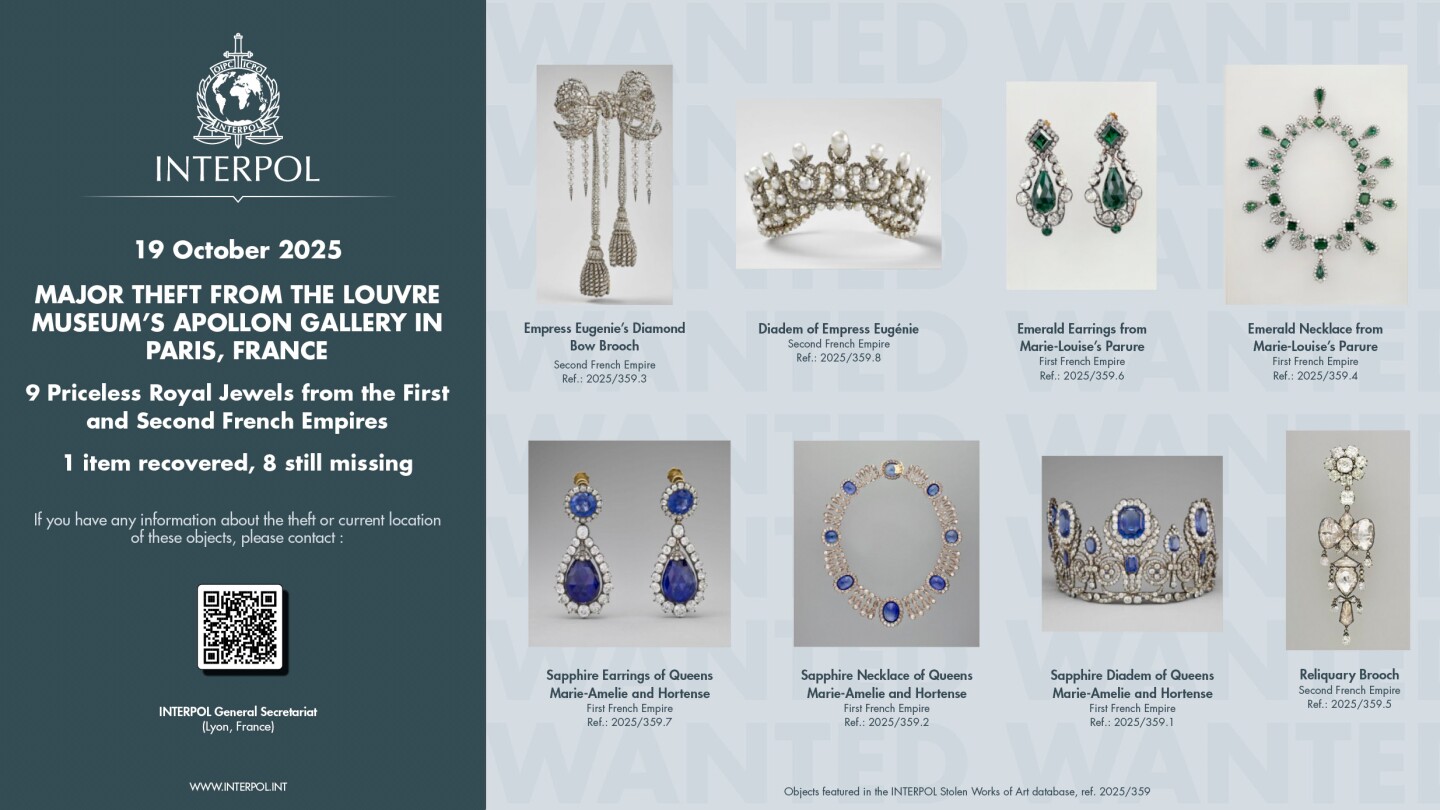
Where the jewels stolen from the Louvre Museum might end up
In a dramatic turn of events, seven individuals have been apprehended in connection with the audacious theft of priceless royal jewels from the Louvre Museum in Paris. However, the stolen artifacts, valued at over $100 million, remain elusive. Experts warn that the jewels, which once adorned French royalty, could be dismantled or melted down to evade detection. This tactic, increasingly common among art thieves, allows the fragmented pieces to be sold discreetly in jewelry stores or through illicit channels. Erin Thompson, an art crime professor, emphasized that such items could be sold openly without raising suspicion, given their altered state. Christopher Marinello, founder of Art Recovery International, noted the challenges of selling intact high-profile artifacts, suggesting that breaking them down might be the thieves’ best option. French prosecutor Laure Beccuau has urged the culprits to return the jewels, warning that buyers would face legal consequences. Despite the arrests, the likelihood of recovering the jewels intact appears slim. Experts like Robert Wittman, a former FBI art crime investigator, remain skeptical about the thieves’ ability to monetize the stolen items, given their historical significance and unique characteristics. The case highlights the growing trend of museum thefts and the complexities of recovering stolen artifacts. As time passes, the chances of retrieving the jewels diminish, leaving their fate uncertain.
-
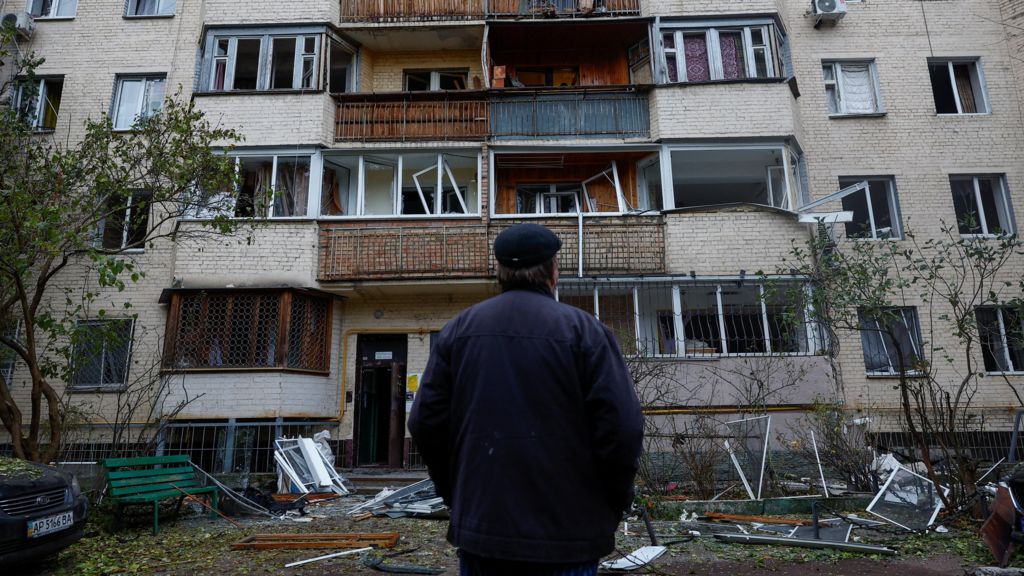
EU set to endorse deal to turn frozen Russian assets into support for Ukraine
European leaders are poised to approve a groundbreaking proposal to utilize €140bn (£121bn) of frozen Russian state assets to support Ukraine’s reconstruction and defense efforts. The plan, set for discussion at a Brussels summit on Thursday, marks a significant escalation in the EU’s response to Russia’s ongoing aggression. The funds, currently held by Belgium-based financial institution Euroclear, would be redirected as a zero-interest “reparations loan” to Kyiv, with repayment expected through future reparations from Moscow. This move, however, faces legal and geopolitical hurdles, including concerns over global financial stability and potential Russian retaliation. The EU has already been using the interest from these frozen assets—amounting to €3bn annually—for Ukraine’s defense since 2024. The proposal, months in the making, seeks to address Ukraine’s urgent financial needs amid dwindling U.S. support and the approaching fifth year of the war. Ukraine’s reconstruction and recovery costs are estimated by the UN and World Bank to exceed $486bn (£365bn; €420bn). While countries like Poland and Finland have lauded the plan as “ingenious,” others, including Hungary and Slovakia, remain skeptical. The EU must also navigate internal disagreements on how Ukraine should allocate the funds, with some nations advocating for military spending and others prioritizing budgetary support. The plan’s success hinges on Ukraine’s victory and Russia’s willingness to pay reparations—a scenario with no guarantees. If Russia refuses, the financial burden could fall on European taxpayers, raising concerns about the proposal’s long-term viability.