标签: Europe

欧洲

  • Louvre Museum crown left crushed but ‘intact’ after raid

    Louvre Museum crown left crushed but ‘intact’ after raid

    The Louvre Museum has unveiled the first photographic evidence of Empress Eugenie’s historic crown following its damaging ordeal during an October heist. While the 19th-century treasure sustained significant deformation when thieves attempted to extract it through a narrowly sawn hole in its display case, museum authorities confirm the piece remains “nearly intact” and fully restorable.

    The diamond-studded headpiece, belonging to the wife of Napoleon III, was abandoned during the thieves’ escape route despite the gang making off with an estimated €88 million in royal jewels. Current assessment reveals the crown retains all 56 emeralds and 1,344 of its original 1,354 diamonds, though one of eight golden eagles adorning the piece remains missing.

    Museum President Laurence des Cars will lead an expert committee supervising the restoration process, which officials confirm will return the crown to its original state without requiring complete reconstruction. The October 19th heist involved perpetrators using a stolen vehicle-mounted lift to access the Gallery of Apollo via a Seine-facing balcony, where they threatened guards and cut through two display cases containing French imperial jewelry.

    Despite four suspects being in custody, prosecutors acknowledge the mastermind remains at large while seven other stolen items—including Eugenie’s tiara and various necklaces—remain unrecovered. The entire operation lasted less than four minutes before the thieves escaped on waiting scooters.

  • Russia and Ukraine exchange prisoners as peace talks end without breakthrough

    Russia and Ukraine exchange prisoners as peace talks end without breakthrough

    In a significant diplomatic development, Ukraine and Russia have executed their first prisoner exchange in four months, swapping 157 captives from each side following U.S.-mediated negotiations in Abu Dhabi. The carefully coordinated operation returned Ukrainian military personnel and civilians alongside Russian soldiers, marking a rare moment of cooperation amid ongoing hostilities.

    The exchange follows intensive trilateral discussions involving Russian, Ukrainian, and American delegations in the United Arab Emirates capital. According to Ukrainian President Volodymyr Zelensky, many of the repatriated Ukrainians had endured captivity since 2022, with seven civilians included among those returning to Ukrainian territory. Simultaneously, Russian defense officials confirmed their received personnel were temporarily stationed in Belarus.

    While the prisoner swap represents a humanitarian breakthrough, broader peace negotiations remain gridlocked on fundamental issues. The most contentious points involve territorial sovereignty over the eastern Donbas region, where Russia continues to demand Ukrainian concessions, and Kyiv’s insistence on binding security guarantees from Western allies to prevent future aggression.

    The Abu Dhabi talks, orchestrated by the Trump administration as part of its renewed diplomatic push, featured Special Envoy Steve Witkoff and Senior Advisor Jared Kushner. Despite characterizing discussions as “detailed and productive,” Witkoff acknowledged substantial obstacles remain before any comprehensive settlement can be achieved.

    The negotiations proceeded against a backdrop of renewed military action, with Russia resuming attacks on Ukrainian energy infrastructure after a brief humanitarian pause requested by President Trump during extreme winter conditions. These assaults have exacerbated the humanitarian crisis, leaving thousands without essential services in freezing temperatures.

    President Zelensky, while welcoming the return of captured citizens, emphasized the challenging nature of the talks and expressed desire for accelerated progress. The Ukrainian government maintains its commitment to securing the release of all remaining prisoners despite the complex diplomatic landscape.

  • Queen Máxima starts training to become a Dutch army reservist

    Queen Máxima starts training to become a Dutch army reservist

    In a striking demonstration of royal commitment to national defense, Queen Máxima of the Netherlands has commenced military training to become an army reservist. The 54-year-old monarch, born in Argentina, began her preparatory program this week at a military academy in Breda, following in the footsteps of her daughter Crown Princess Amalia who recently completed basic training.

    The Dutch Ministry of Defense confirmed the Queen’s voluntary enrollment, stating that her decision reflects growing concerns about European security in the wake of Russia’s ongoing conflict in Ukraine. ‘Because the security of the Netherlands can no longer be taken for granted, Máxima has decided to become a reservist,’ the ministry announced in an official communiqué.

    Her comprehensive training regimen will encompass practical and theoretical components including marksmanship, physical endurance exercises, self-defense techniques, topographic navigation, and military jurisprudence. Photographs released by the Royal House show the Queen actively participating in combat simulations, firearms training, and aquatic obstacle courses.

    Upon completion, Queen Máxima will receive the rank of lieutenant-colonel and will be deployed according to operational requirements. While reservists typically serve within national borders, overseas assignments remain possible on a voluntary basis.

    This royal initiative coincides with broader European efforts to strengthen military capabilities. The incoming Dutch coalition government plans to expand armed forces to 122,000 personnel from the current 80,000, while Germany, France, Denmark, and Belgium have implemented parallel recruitment strategies. These measures respond to heightened security apprehensions across the continent and align with NATO’s revised defense spending targets established during the 2023 summit.

    Defense officials express optimism that the Queen’s participation will inspire broader civic engagement with military service, potentially addressing recruitment challenges that have persisted for years.

  • FIFA reports a record of 5,973 international transfers in January window

    FIFA reports a record of 5,973 international transfers in January window

    ZURICH — FIFA’s latest Global Transfer Market Report reveals a paradoxical trend in international soccer transfers during the January trading period. While the volume of transactions reached unprecedented levels, financial expenditures experienced a notable contraction.

    The data shows 5,973 international transfers were processed for male players during the window, representing a 3% increase from the previous year and setting a new record for transaction volume. Despite this surge in activity, total spending declined by approximately 18% to $1.95 billion, though this figure remains significantly higher than pre-2023 benchmarks.

    Women’s soccer demonstrated remarkable financial growth with clubs investing over $10 million in international transfers—an 85% increase from the previous record set just one year earlier. This substantial investment surge occurred despite a 6% decrease in the number of transfers, which totaled 420 international moves.

    England maintained its position as the dominant financial force in the men’s game, with Premier League clubs spending $363 million while generating only $150 million through player sales. Italy emerged as the second-largest spender at $283 million, followed by Brazil, Germany, and France in the top five.

    French clubs achieved the most favorable financial balance, earning $218 million from transfer sales. Italian, Brazilian, English, and Spanish clubs completed the list of top revenue generators.

    In the United States, clubs invested $99 million in acquiring international talent while receiving $48 million from outgoing transfers. English women’s clubs demonstrated particular financial dominance in their sector, leading both spending and earnings with over $5 million invested.

  • Could this be the beginning of the end for Starmer?

    Could this be the beginning of the end for Starmer?

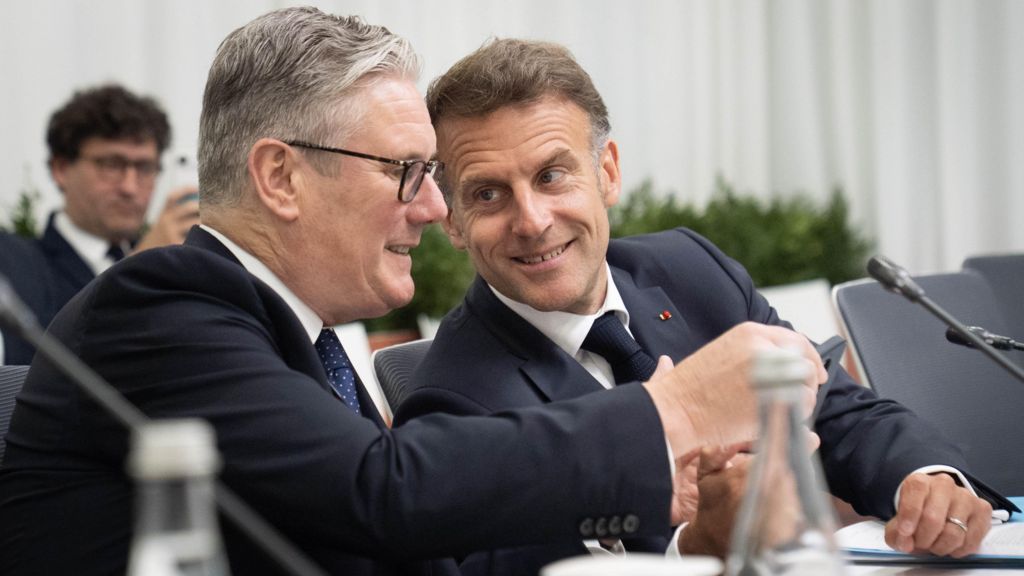
    British Prime Minister Keir Starmer finds himself engulfed in the most severe political crisis of his leadership following revelations about his controversial appointment of Peter Mandelson to the nation’s top diplomatic post despite known associations with convicted sex offender Jeffrey Epstein.

    During what was intended as a routine speech on local regeneration funding in Hastings, Starmer dramatically pivoted to address the escalating scandal. The Prime Minister issued a formal apology to Epstein’s victims, acknowledging he had “believed Mandelson’s lies” when making the appointment to the prestigious diplomatic position.

    The situation intensified when Starmer conceded under intense media questioning that he understood the “anger and frustration” brewing within his own parliamentary party. This admission proved particularly significant as Labour MPs ultimately hold the power to determine the Prime Minister’s political survival.

    Backbench discontent has reached unprecedented levels, with York Central MP Rachael Maskell declaring Starmer’s position “untenable” and predicting his inevitable resignation. Maskell revealed to BBC Radio York that the Prime Minister had concealed Mandelson’s connections to Epstein from Parliament for several months—an act she characterized as “dishonourable” toward both MPs and Epstein’s victims.

    Anonymous parliamentary sources conveyed even sharper criticism, with one comparing the leadership to a terminal patient who “has now stopped responding to treatment.” A serving minister privately acknowledged the government had lost control of the situation, noting “it could go anywhere.”

    Despite the private outrage, few MPs have publicly called for Starmer’s resignation, with most critics coming from those who historically opposed his leadership. Similarly, few have demanded the dismissal of Chief of Staff Morgan McSweeney, who reportedly advocated for Mandelson’s appointment despite the publicly known Epstein connections.

    Political analysts suggest that while Starmer appears weaker than ever, an immediate leadership challenge remains unlikely. Multiple sources indicate any potential move would probably await the Gorton and Denton by-election on February 26th, with some concerned about proximity to May’s devolved and local elections.

    A former minister summarized the prevailing sentiment: “I still think it is very unlikely anybody moves before May. But it is all moving very fast.” The fundamental consensus emerging within Westminster is that Starmer’s judgment failure in the Mandelson appointment may prove irrecoverable, with one current minister stating bluntly: “He’s done. It’s just a question of when.”

  • France and Italy women play the first game at the newly built Olympic hockey arena

    France and Italy women play the first game at the newly built Olympic hockey arena

    The Milan Cortina Olympics witnessed a dramatic culmination of efforts as the newly constructed hockey arena successfully hosted its inaugural game on Thursday, following an intense race against time to achieve operational readiness. The women’s ice hockey match featuring host nation Italy against France proceeded without interruption, marking a significant milestone for organizers who had grappled with substantial construction delays.

    The journey to this opening faced considerable challenges, with ice master Don Moffatt expressing concerns as recently as the previous week regarding the ice surface preparation. The arena had undergone a series of test events at the Milano Santagiulia Ice Hockey Arena, requiring subsequent refinements to the playing surface. Despite years of scrutiny over construction timelines and persistent worries about completion, the interior seating bowl presented a polished appearance to spectators.

    Arena operations demonstrated remarkable efficiency during the event, with Zamboni machines performing routine ice maintenance and staff coordinating seamlessly. Spectators occupied seats that had been installed within the preceding two months, though the venue operated at a reduced capacity of 11,600 compared to the originally planned 14,700 seats.

    While certain areas of the concourse revealed evidence of accelerated completion, with some finishing details potentially compromised, concession stands functioned normally throughout the event. The construction clutter that had persisted until Wednesday had been effectively cleared, creating a professional environment for Olympic competition.

  • As winter comes, so does garbage. A river in Bosnia chokes in tons of waste year after year

    As winter comes, so does garbage. A river in Bosnia chokes in tons of waste year after year

    VISEGRAD, Bosnia-Herzegovina — The Drina River, flowing through eastern Bosnia, presents a scene of ecological devastation as construction machinery labors around the clock to extract thousands of tons of accumulated waste. This recurring environmental crisis transforms the waterway’s emerald surface into a floating landfill comprising plastic bottles, furniture fragments, rusted barrels, household appliances, and even deceased animals.

    Environmental activist Dejan Furtula of the Eko Centar organization expresses profound frustration at the cyclical nature of this disaster. Annually, during winter months, swollen regional rivers carry garbage from upstream illegal dumping sites across Bosnia, Serbia, and Montenegro, depositing it against barriers at the Visegrad hydroelectric facility.

    “This situation exemplifies systemic institutional failure and absence of political determination,” Furtula stated. “Despite annual meetings and repeated promises, these catastrophic scenes persistently reoccur.”

    The contamination includes concerning quantities of medical waste, releasing unknown toxins into waters traditionally rich with aquatic life. Following extraction, the waste compounds local air pollution through slow-burning processes at municipal landfills, creating what Furtula characterizes as a “vicious circle” of environmental degradation.

    While the three nations involved have formally committed to collaborative solutions—including a 2019 ministerial meeting at the contamination site—tangible progress remains elusive. The persistent crisis highlights broader environmental challenges throughout the Western Balkans, where nations aspiring to European Union membership must confront pressing ecological issues, including severe air pollution, as part of accession requirements.

    Environmental advocates propose practical interventions including illegal dump-site mapping, surveillance camera installation, and upstream barrier implementation to prevent waste consolidation at Visegrad. However, transnational accountability remains problematic, with no nation acknowledging responsibility for the pollution.

  • People injured in bus crash in Dublin city centre

    People injured in bus crash in Dublin city centre

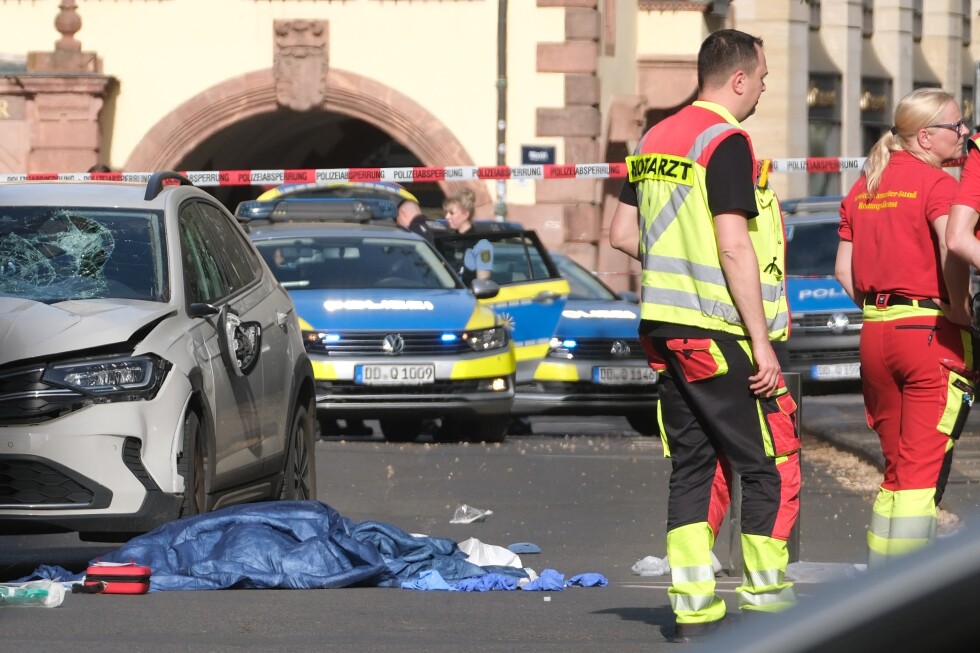
    A significant traffic incident occurred in Dublin’s city center on Wednesday, resulting in multiple injuries after a Bus Éireann vehicle was involved in a collision. Emergency services, including Dublin Fire Brigade and Gardaí (Irish police), promptly responded to the scene near Talbot Street.

    The impacted area has been extensively cordoned off, with Talbot Street closed from Gardiner Street and Marlborough Street blocked from Cathal Brugha Street. Authorities have advised the public to avoid the vicinity to facilitate emergency operations and ongoing investigation.

    According to an official statement from Bus Éireann, the vehicle was not in service when the incident occurred. “Our personnel are cooperating fully with emergency responders at the location,” a company spokesperson confirmed. “Bus Éireann is providing complete support to the relevant authorities and will offer any additional assistance necessary throughout this process.”

    Medical personnel are currently assessing and treating injured individuals at the scene, though the exact number and severity of injuries remain unconfirmed. The circumstances leading to the collision are under active investigation by Irish authorities.

    This developing situation continues to evolve, with updates expected as more information becomes available from official sources.

  • Pieter Mulier named creative director of Versace

    Pieter Mulier named creative director of Versace

    MILAN — In a significant move for the luxury fashion industry, the Prada Group announced on Thursday the appointment of Belgian designer Pieter Mulier as the new creative director of iconic Milanese fashion house Versace, effective July 1. Mulier brings an impressive pedigree to the role, having served as creative director at French maison Alaïa since 2021, where he earned critical acclaim for his work honoring the legacy of founder Azzedine Alaïa. His previous experience includes serving as the principal collaborator to renowned Belgian designer Raf Simons during tenures at Calvin Klein, Jil Sander, and Dior. This appointment marks a strategic leadership transition for Versace, with Mulier reporting directly to Lorenzo Bertelli, the executive chairman of Versace and designated successor to lead the Prada Group. Bertelli, son of Miuccia Prada and Group Chairman Patrizio Bertelli, expressed strong confidence in Mulier’s vision, stating the new creative director possesses the unique ability to “unlock Versace’s full potential” and engage in “fruitful dialogue” with the brand’s heritage. Mulier succeeds Dario Vitale, whose brief tenure concluded in December following the presentation of a single collection. The fashion industry has closely watched this appointment, recognizing Mulier’s celebrated work at Alaïa, which earned him recognition from supermodel Naomi Campbell at the Council of Fashion Designers of America awards last fall.

  • Storm Leonardo slams Spain and Portugal, leaving 1 dead and a girl missing

    Storm Leonardo slams Spain and Portugal, leaving 1 dead and a girl missing

    The Iberian Peninsula continues to grapple with severe weather conditions as Storm Leonardo unleashes torrential rains and powerful winds, resulting in tragic casualties and widespread disruption across Spain and Portugal.

    Tragedy struck in southern Portugal Wednesday night when a man perished after his vehicle was overcome by rapidly rising floodwaters. Meanwhile, emergency response teams in Spain’s Malaga province are conducting intensive search operations for a young girl who was swept away by the turbulent Turvilla river while attempting to rescue her pet dog.

    The Portuguese municipality of Alcacer do Sal, approximately 90 kilometers south of Lisbon, faces critical flooding circumstances with the Sado River overflowing into urban areas. Current measurements indicate water levels reaching approximately two meters (7 feet) in certain locations, submerging significant portions of the city center.

    Spain’s Andalusia region has experienced substantial evacuations with nearly 4,000 residents compelled to abandon their residences due to safety concerns. Transportation networks have been severely compromised with numerous roadways rendered impassable because of flooding and landslide incidents.

    Meteorological authorities have downgraded the highest alert level in southern Spain while simultaneously forecasting another approaching storm system anticipated to arrive during the upcoming weekend. This continuing pattern of severe weather represents the latest in a succession of intense storms that have consistently battered both nations in recent weeks.

    Portuguese officials have issued warnings regarding anticipated heavy rainfall across multiple regions in the coming days, raising concerns about further potential damage. The memory remains fresh of a previous late-January storm that caused significant destruction and claimed multiple lives throughout Portugal.