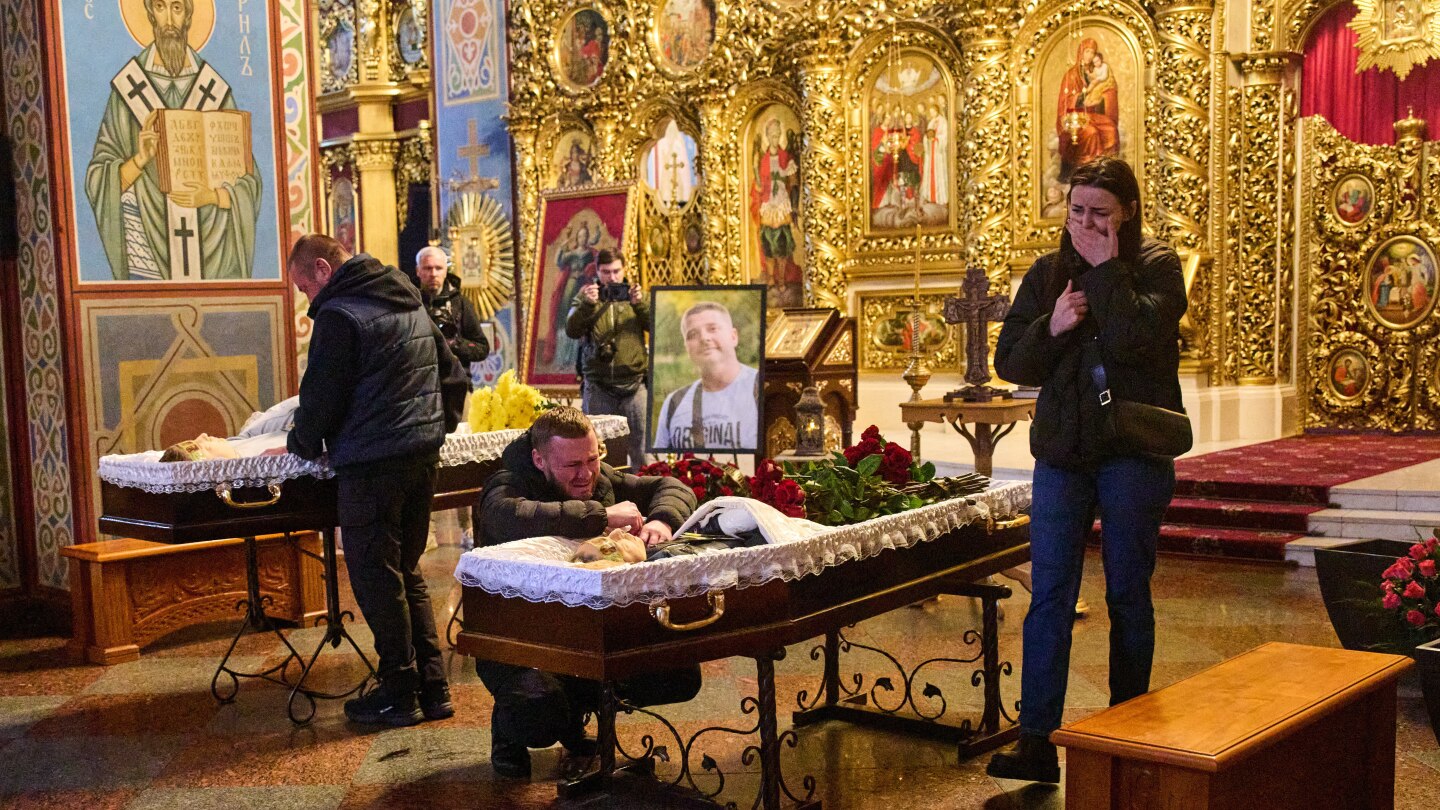
In a solemn gathering at a Kyiv church on Monday, approximately 100 mourners paid tribute to two Ukrainian journalists who lost their lives in a Russian drone attack in the Donetsk region. Olena Hubanova, a 43-year-old war correspondent known by her pseudonym Alyona Gramova, and Yevhen Karmazin, a 33-year-old cameraman, were killed on October 23 when a Russian Lancet drone struck their vehicle near Kramatorsk, just 20 kilometers from the front lines. This incident marks the latest in a series of deadly assaults on journalists covering the ongoing conflict in Ukraine. Earlier this month, French photojournalist Antoni Lallican and Ukrainian reporter Grigoriy Ivanchenko were injured in a similar attack, with Ivanchenko later undergoing a leg amputation. The increasing range of drone strikes, now extending over 20 kilometers from the front, has significantly heightened the risks for journalists and civilians alike. Since Russia’s full-scale invasion in February 2022, at least 135 media workers have been killed, according to Ukraine’s National Union of Journalists. Gramova and Karmazin, both employed by the state-run FreeDom TV channel, were known for their courageous reporting from the most perilous areas of Donetsk and Dnipropetrovsk regions. Vadym Filashkin, the regional governor, praised their dedication to uncovering the truth about Russian atrocities and the plight of Ukrainian defenders. Gramova, originally from Yenakiieve, a city under Russian occupation since 2014, and Karmazin, a native of Kramatorsk, leave behind a legacy of fearless journalism in the face of grave danger.
标签: Europe
欧洲
-
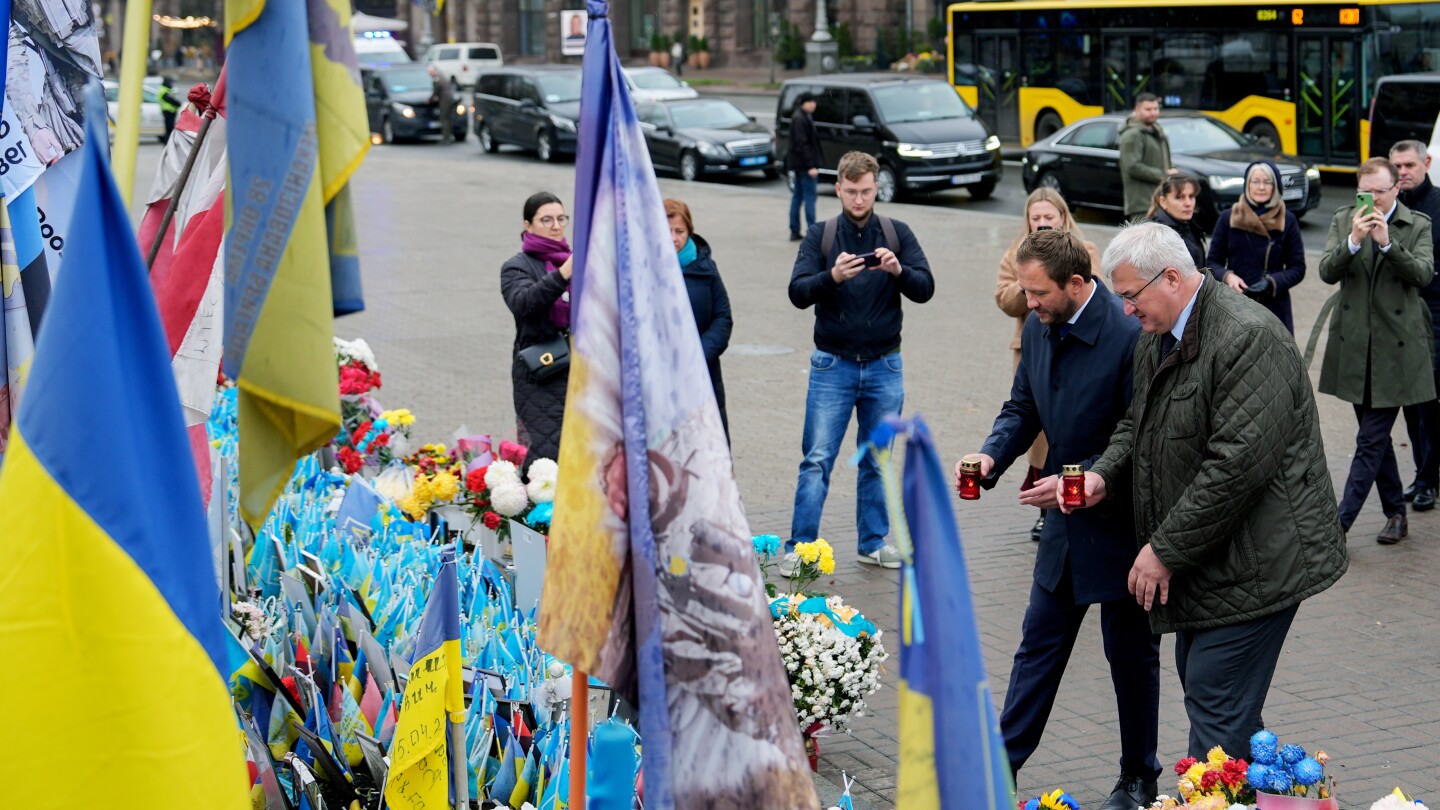
Kremlin says its test of a nuclear-powered missile reflects security concerns
In a bold move underscoring its commitment to national security, Russia has conducted a test of a nuclear-powered missile, which it claims is impervious to existing air defense systems. Kremlin spokesperson Dmitry Peskov emphasized on Monday that this development reflects Moscow’s unwavering focus on safeguarding its interests, particularly in light of increasing pressure from the United States and European nations urging President Vladimir Putin to negotiate an end to the ongoing conflict in Ukraine. The missile, known as Burevestnik and code-named Skyfall by NATO, reportedly covered an impressive 14,000 kilometers (8,700 miles) during the test, as announced by Russia’s chief of general staff in a video featuring Putin in camouflage fatigues. This test follows a week of heightened tensions, marked by stringent U.S. sanctions targeting Russia’s vital oil and gas sector and renewed European commitments to bolster Ukraine’s military capabilities. Former U.S. President Donald Trump criticized Putin’s focus on missile testing, urging him instead to prioritize peace negotiations. Meanwhile, Russian Foreign Minister Sergey Lavrov accused the Trump administration of shifting its stance on the conflict, highlighting a recent pivot towards demanding an immediate ceasefire. As diplomatic efforts falter, both Russia and Ukraine are actively seeking support from allies. Lavrov hosted North Korea’s Foreign Minister Choe Son Hui in Moscow, while Ukraine’s President Volodymyr Zelenskyy announced additional military aid from France and the United Kingdom. In a separate development, Russia’s Defense Ministry reported intercepting 193 Ukrainian drones, including 34 aimed at Moscow, with no reported casualties or damage. Ukraine’s air force, however, stated that 26 of the 100 drones fired by Russia reached their targets, prompting emergency power outages in several regions.
-
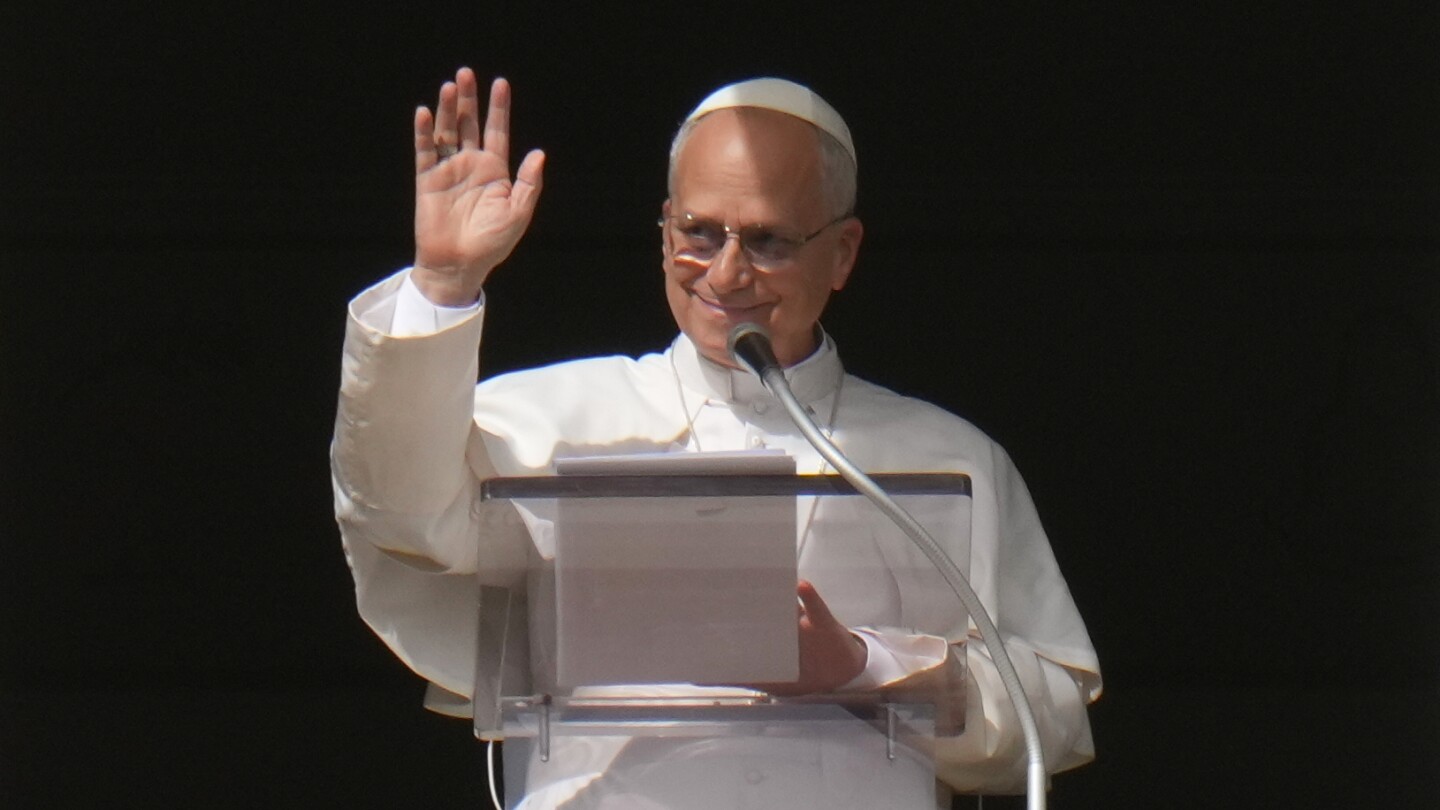
Pope Leo XIV will pray at the site of the 2020 Beirut port blast in his first foreign trip
Pope Leo XIV is set to embark on his first international journey as pontiff, visiting Lebanon and Turkey from November 27 to December 2. The trip, announced by the Vatican on Monday, will focus on interfaith dialogue, ecumenical relations, and addressing the challenges faced by Christians in the Middle East. A key highlight of the visit will be a prayer at the site of the 2020 Beirut port blast, which claimed over 200 lives and exacerbated Lebanon’s ongoing economic and political turmoil. This poignant moment underscores the Pope’s commitment to solidarity with those affected by the tragedy, which remains a symbol of government negligence and systemic corruption in the country. In Turkey, Pope Leo will mark the 1,700th anniversary of the Council of Nicaea, Christianity’s first ecumenical council, with a brief prayer at the archaeological site of the ancient Basilica of Saint Neophytos. He will also visit the Armenian Apostolic Cathedral in Istanbul, a site of historical significance given the contentious debate over the Armenian Genocide. While Pope Francis had previously labeled the events as the ‘first genocide of the 20th century,’ it remains to be seen whether Pope Leo will echo this characterization. The itinerary notably excludes visits to southern Lebanon, heavily impacted by the 2023 Israel-Hezbollah conflict, and Istanbul’s Hagia Sophia, which was controversially reconverted into a mosque in 2020. Instead, the Pope will visit the nearby Blue Mosque, emphasizing a message of interfaith harmony. This trip, originally planned by Pope Francis, reflects Pope Leo’s dedication to continuing his predecessor’s legacy of fostering unity and addressing regional tensions.
-
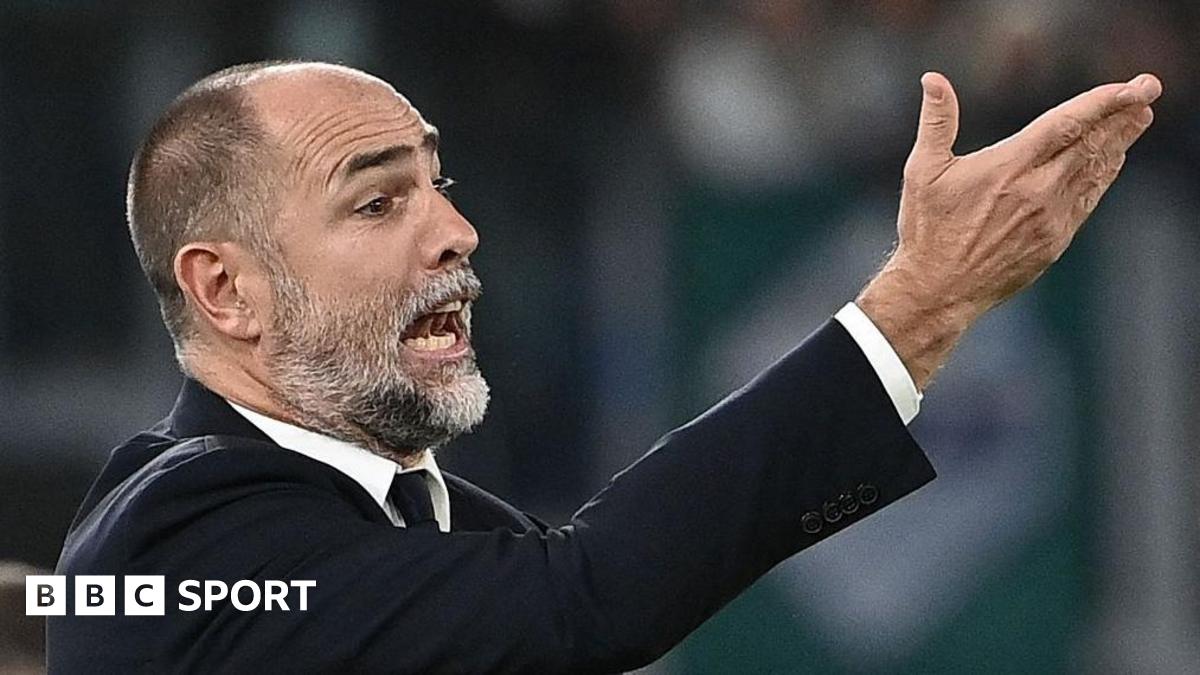
Juventus sack manager Tudor after seven months
Juventus has parted ways with manager Igor Tudor following a disappointing run of results, culminating in a defeat to Lazio on Sunday. The Croatian coach, who took over in March as a replacement for Thiago Motta, has struggled to turn the team’s fortunes around, overseeing an eight-match winless streak that has left the club languishing in eighth place in Serie A. The loss to Lazio marked Juventus’ third consecutive defeat across all competitions, prompting the club to make a decisive change. In a statement, Juventus expressed gratitude for Tudor’s professionalism and dedication during his tenure, wishing him and his staff success in their future endeavors. Massimiliano Brambilla has been appointed as the interim manager and will lead the team in their upcoming Serie A clash against Udinese on Wednesday. Currently, Juventus trails league leaders Napoli by six points and has failed to secure a victory in their last five league matches. Their struggles extend to the Champions League, where they sit 25th in the group stage table after one loss and two draws in their opening three games. The decision to sack Tudor underscores the mounting pressure on the club to regain its competitive edge in both domestic and European competitions.
-
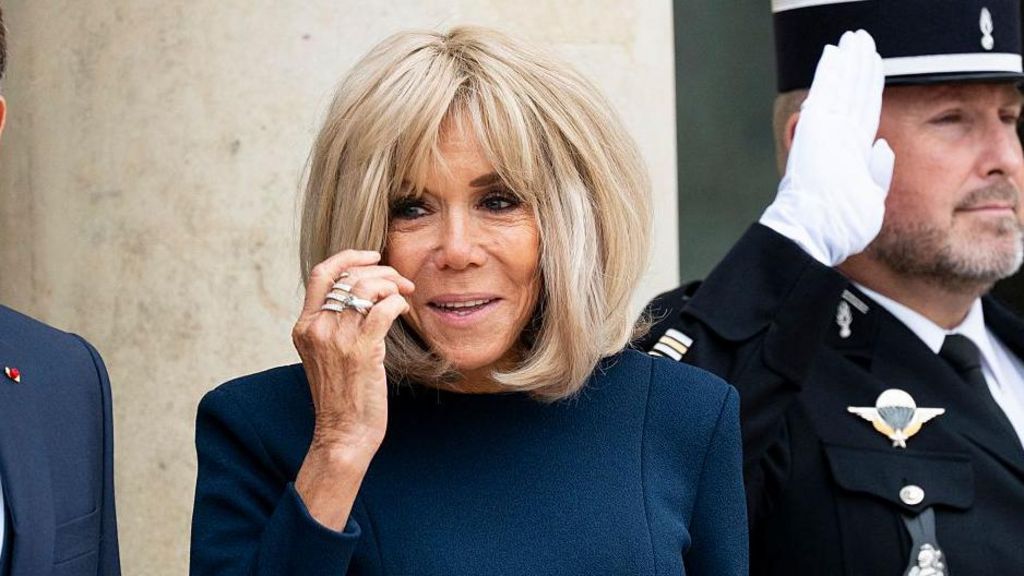
Trial to begin for ten accused of sexist cyber-bullying of Brigitte Macron
This week, a high-profile trial is set to commence in Paris, where ten individuals face charges of cyber-bullying Brigitte Macron, the wife of French President Emmanuel Macron. The defendants are accused of disseminating baseless claims regarding her gender and sexuality, alongside making derogatory comments about the 24-year age difference between the couple. If convicted, they could face up to two years in prison. Among the accused are an elected official, a gallery owner, and a teacher, as reported by French media. Notably, two of the defendants, Natacha Rey and Amandine Roy, were previously convicted of slander for asserting that Brigitte Macron did not exist and that her brother had transitioned genders. However, an appeals court later acquitted them, ruling that their statements did not meet the legal threshold for defamation. The Macron family is appealing this decision. The conspiracy theory alleging that Brigitte Macron is transgender has been circulating since Emmanuel Macron’s first presidential term in 2017. These unfounded claims have gained traction in the United States, largely propagated by right-wing influencer Candace Owens. In July, the Macrons filed a lawsuit against Owens, accusing her of spreading false information and aligning with far-right ideologies. Their lawyer, Tom Clare, described the ordeal as deeply distressing for Brigitte Macron and a significant distraction for the president. Emmanuel Macron emphasized that the legal action was a matter of defending his honor against harmful misinformation. The couple first met when Brigitte was a teacher at Emmanuel’s secondary school, and they married in 2007.
-
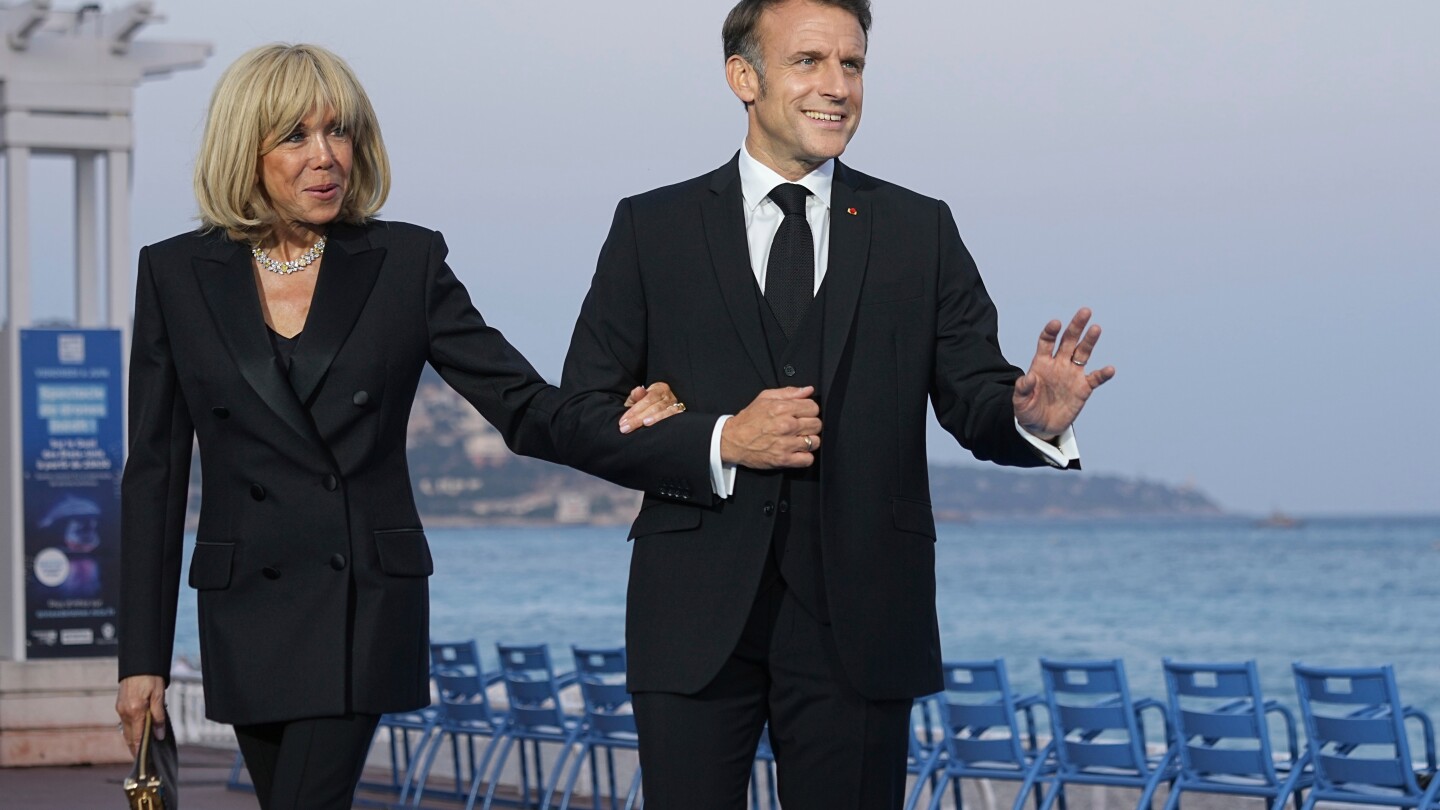
Ten people face trial accused of cyberbullying French president’s wife Brigitte Macron
A high-profile trial commenced in Paris on Monday, involving ten individuals accused of cyberbullying Brigitte Macron, the wife of French President Emmanuel Macron. The defendants, comprising eight men and two women aged between 41 and 60, are alleged to have disseminated malicious online comments questioning Brigitte Macron’s gender and sexuality, as well as making unfounded claims about her age gap with her husband, insinuating inappropriate behavior. Among the accused are a self-proclaimed medium, an advertising executive, an elected official, a teacher, and a computer scientist. Some of the defendants have significant social media followings, with posts garnering tens of thousands of views. The case highlights the persistent conspiracy theories surrounding Brigitte Macron, including baseless claims that she was born male and transitioned to female. This trial follows a defamation lawsuit filed by the Macrons in July in a Delaware court against U.S. conservative influencer Candace Owens, who has propagated similar allegations. Owens, known for her controversial views, has a substantial online presence, with her YouTube channel boasting 4.5 million subscribers. The Paris trial is part of a broader legal battle, as the Macrons continue to combat defamatory claims. In September 2024, Brigitte and her brother Jean-Michel Trogneux won a defamation case against two women, though the ruling was later overturned by a Paris appeals court. The Macrons have since appealed to France’s highest court. The couple, married since 2007, first met when Emmanuel Macron was a student and Brigitte was his teacher. Brigitte, 24 years older than her husband, has faced relentless scrutiny and misinformation, which this trial seeks to address.
-
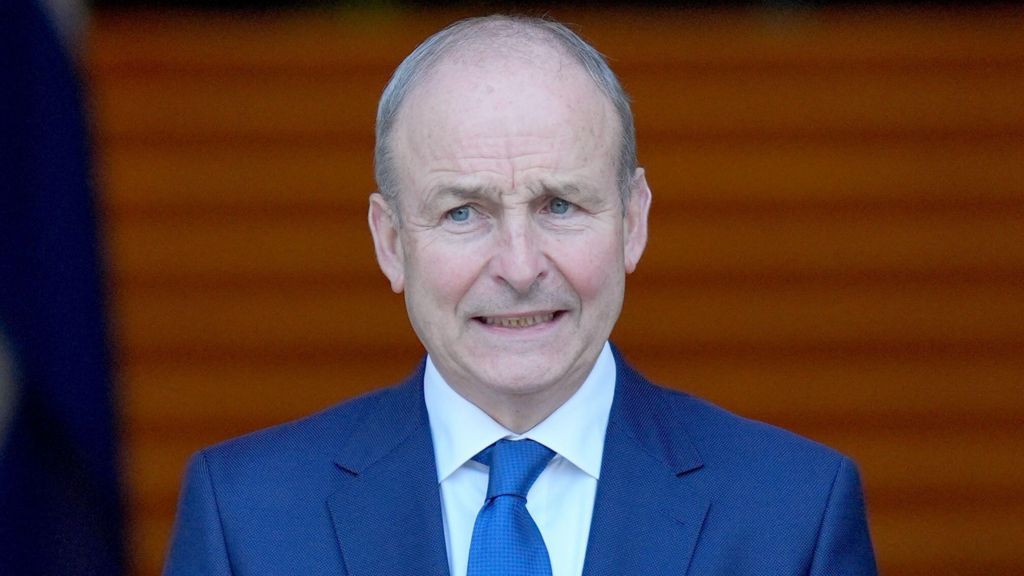
Backbenchers call for discussion about taoiseach’s leadership
Micheál Martin, the Taoiseach of Ireland and leader of Fianna Fáil for 14 years, is under increasing pressure from senior party members to address the future of his leadership. This comes in the wake of a tumultuous presidential election campaign that saw the party’s candidate, Jim Gavin, withdraw due to controversy over overpaid rent by a tenant. Despite Gavin’s withdrawal, his name remained on the ballot, and the party’s leadership faced criticism for backing him over other potential candidates, including European Parliament member Billy Kelleher. The election ultimately resulted in a landslide victory for independent candidate Catherine Connolly, further exacerbating internal party tensions. Senior Fianna Fáil backbenchers, including TD John McGuinness, have called for a leadership discussion, citing “serious errors” in the campaign. However, TD Darragh O’Brien maintains that the “vast majority” of parliamentary party members still support Martin. The party has decided to postpone leadership talks until a review of the presidential campaign concludes in two weeks. Martin’s position has been significantly weakened by his staunch support for Gavin, and while some believe his time as leader is numbered, others speculate that a leadership change may not occur until after Ireland’s EU Council presidency ends in December 2026. This would also mean Martin would not assume the role of tánaiste in 2027, as per the coalition agreement with Fine Gael.
-
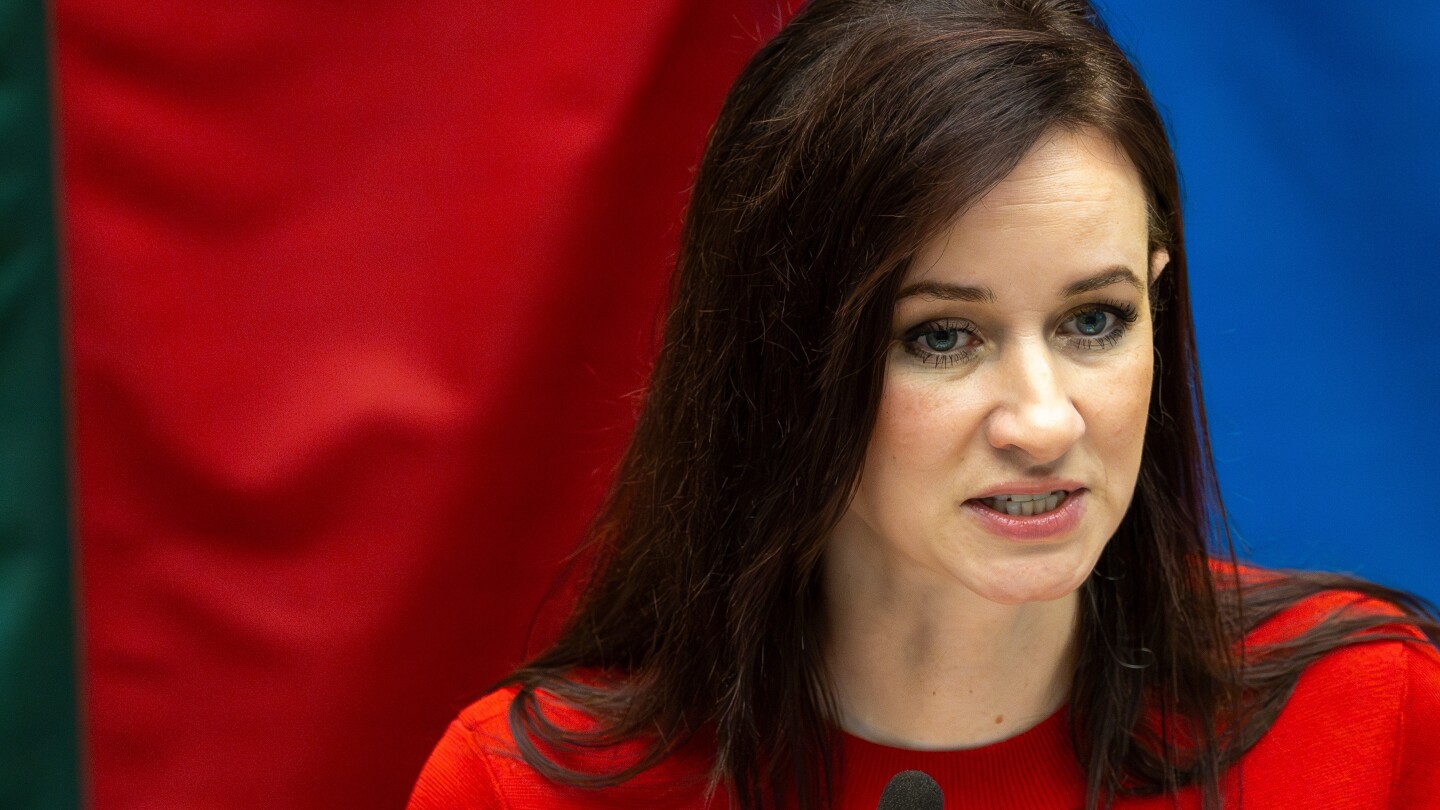
Lithuania draws up plans to shut Belarus border crossings indefinitely after balloon disruptions
Lithuania’s Prime Minister Inga Ruginienė announced on Monday that the government has prepared plans to indefinitely shut its border crossings with Belarus. This decision comes in response to repeated disruptions at Vilnius Airport caused by suspected sightings of balloons allegedly used for smuggling cigarettes across the frontier. The National Security Commission convened after air traffic at Vilnius Airport was suspended on three consecutive evenings—Friday, Saturday, and Sunday—leading to widespread flight cancellations, diversions, and delays. Kaunas Airport, located farther from the Belarusian border, was also affected on Friday. These incidents follow similar disruptions earlier in the week and in recent months. Both Medininkai and Šalčininkai border crossings were temporarily closed following each balloon sighting, with the border guard service extending the closure for 24 hours on Sunday night. Prime Minister Ruginienė stated that the restrictions will remain in place until Wednesday, when the Cabinet will decide on a potential indefinite closure. The draft decision includes exemptions for diplomats, diplomatic mail, and EU citizens entering from Belarus. Lithuania, a member of both the EU and NATO, shares borders with Russia’s Kaliningrad exclave and Belarus, a key ally of Russia. Belarusian opposition leader Sviatlana Tsikhanouskaya, exiled in Lithuania, described the balloon incidents as a form of hybrid aggression by the Belarusian regime. She expressed support for Lithuania’s actions and called for stronger sanctions against those involved in cigarette smuggling.
-
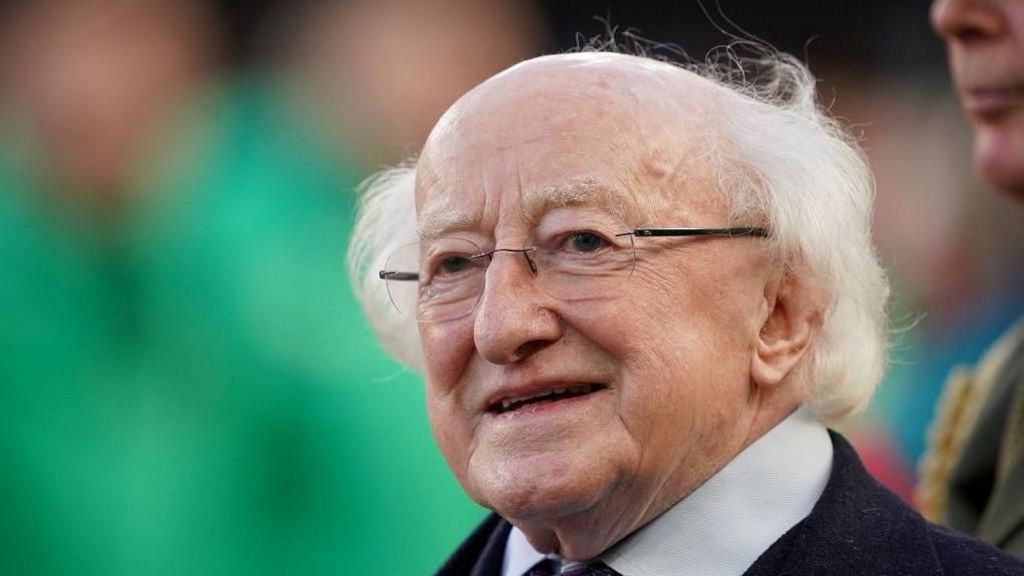
Michael D Higgins spends night in hospital for treatment
Irish President Michael D. Higgins was admitted to St. James’s Hospital in Dublin on Sunday for treatment of a localized infection. According to a spokesperson, the President received antibiotics and is in “good spirits,” with plans to return to Áras an Uachtaráin, his official residence and workplace. Higgins will continue to serve in his role until the inauguration of his successor, Catherine Connolly, on November 11 at Dublin Castle. Connolly, an independent member of the Irish parliament, made history by securing a record-breaking 63% of first-preference votes in the presidential election. However, the unusually high number of spoiled votes—213,738—has drawn attention and calls for electoral reform. Connolly’s victory over Fine Gael’s Heather Humphreys was officially confirmed on Saturday evening, marking the beginning of a new chapter in Ireland’s political landscape.
-
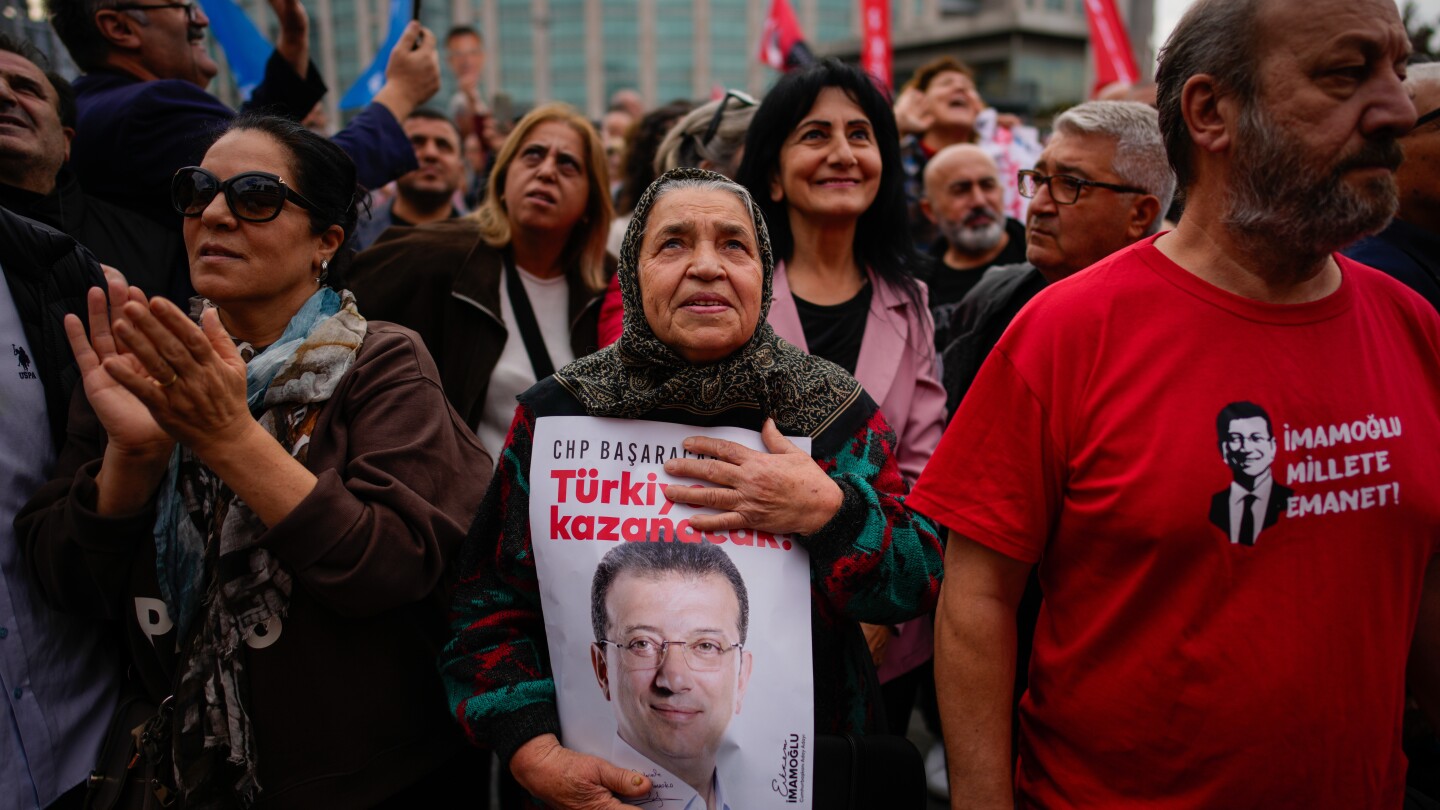
Turkish prosecutors file new espionage charges against Istanbul’s jailed mayor
In a significant escalation of judicial pressure, Turkish prosecutors have leveled new espionage charges against Ekrem Imamoglu, the incarcerated mayor of Istanbul and a prominent opposition figure widely regarded as a formidable challenger to President Recep Tayyip Erdogan. The charges, filed on Monday, are linked to an ongoing investigation into alleged connections between Imamoglu’s political campaign and a businessman arrested in July for reportedly conducting intelligence operations on behalf of foreign governments. Imamoglu’s former campaign manager, Necati Ozkan, and journalist Merdan Yanardag have also been implicated in the case. According to the state-run Anadolu Agency, Imamoglu, who is already in pretrial detention on corruption charges, is accused of unlawfully transferring personal data of Istanbul residents to secure international funding for his campaign. Imamoglu vehemently denied the allegations, dismissing them as ‘nonsense’ in a social media statement. ‘Even the claim that I burned down Rome would have been more credible than this nonsense,’ he remarked, vowing to intensify his resistance against what he described as a systemic effort to undermine Turkey’s future. The charges have further fueled accusations of a broader crackdown on opposition figures, particularly following the Republican People’s Party’s (CHP) significant gains in last year’s local elections. Imamoglu’s arrest in March had already sparked nationwide protests, with critics viewing it as part of a concerted effort to stifle dissent. Erdogan’s government maintains that the judiciary operates independently and that the investigations are solely focused on combating corruption.