
The legal proceedings against Bella Culley, a 19-year-old British woman who is six months pregnant, have been postponed to facilitate further discussions on a potential plea deal. Culley, from Billingham, Teesside, faces severe charges of drug smuggling in Georgia, which could result in a prison sentence of up to 15 years or life imprisonment if convicted. Her case was heard at Tbilisi City Court, where her defense attorney, Malkhaz Salakaia, indicated plans to seek a presidential pardon once the plea agreement is finalized. Judge Giorgi Gulashvili noted that both the prosecution and defense teams require additional time to determine the financial terms necessary for Culley’s release. Her family has reportedly raised a significant sum to reduce her potential jail time. The hearing was attended by Culley’s mother and grandmother, who have been actively involved in her defense. The case has been adjourned until October 28. Culley was initially reported missing in Thailand before being arrested at Tbilisi International Airport on May 10. Georgian authorities confiscated narcotics from her travel bag, including 12kg of marijuana and 2kg of hashish. During a July hearing, Culley pleaded not guilty, claiming she was coerced into the act under duress. She emphasized her innocence, stating, ‘I just wanted to travel. I am a good person. I am a student at university. I am a clean person. I don’t do drugs.’ The case has drawn significant attention, with updates available on BBC Tees’ social media platforms.
标签: Europe
欧洲
-
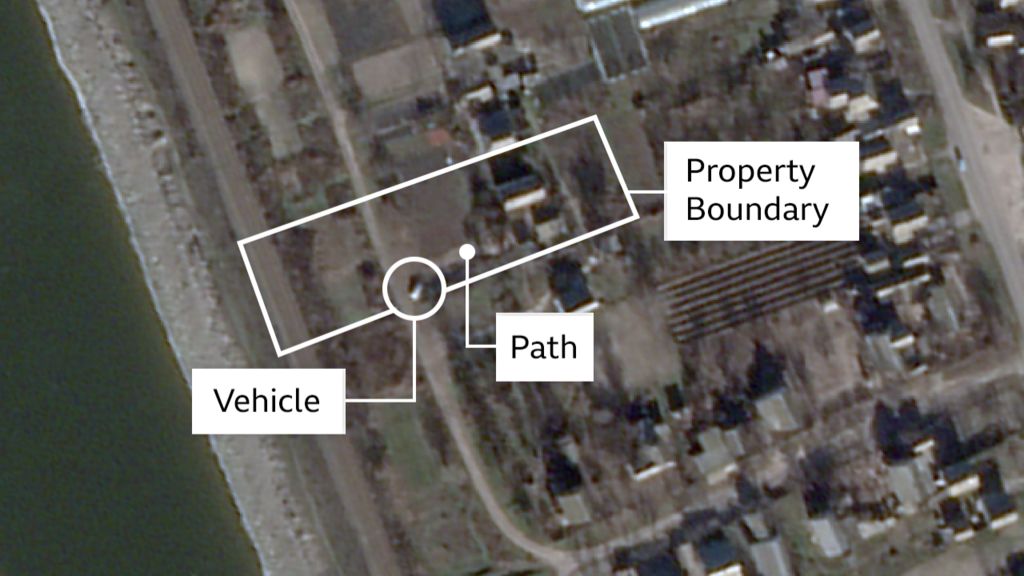
Have Russians set up a military base in my childhood home?
In a poignant reflection on the ongoing conflict in Ukraine, satellite imagery has unveiled the stark transformation of Verkhnya Krynytsya, a small village in the Zaporizhzhia region. Once a serene and idyllic locale, the village now bears the scars of Russian occupation, with evidence suggesting that Russian soldiers have taken over abandoned homes, including that of BBC reporter Vitaly Shevchenko. The images, analyzed by BBC Verify, show a newly formed path leading to Shevchenko’s childhood home, first appearing in June 2022 and becoming more pronounced by January 2023. This path, used periodically, aligns with the movement patterns of Russian military personnel, who have reportedly occupied vacant properties in the area. The village, once a peaceful retreat near the Kakhovka reservoir, has been irrevocably altered by the war. The destruction of the Kakhovka dam in June 2023 further devastated the region, flooding homes and farmland. Locals, fearful of retribution, have largely fled or remain silent, leaving the village a ghostly shadow of its former self. The Ukrainian 128th Detached Heavy Mechanised Brigade confirmed the likelihood of Russian troops occupying the area, highlighting the grim reality of life on the front lines. As the war continues, Verkhnya Krynytsya stands as a microcosm of the broader devastation wrought by Russia’s invasion.
-
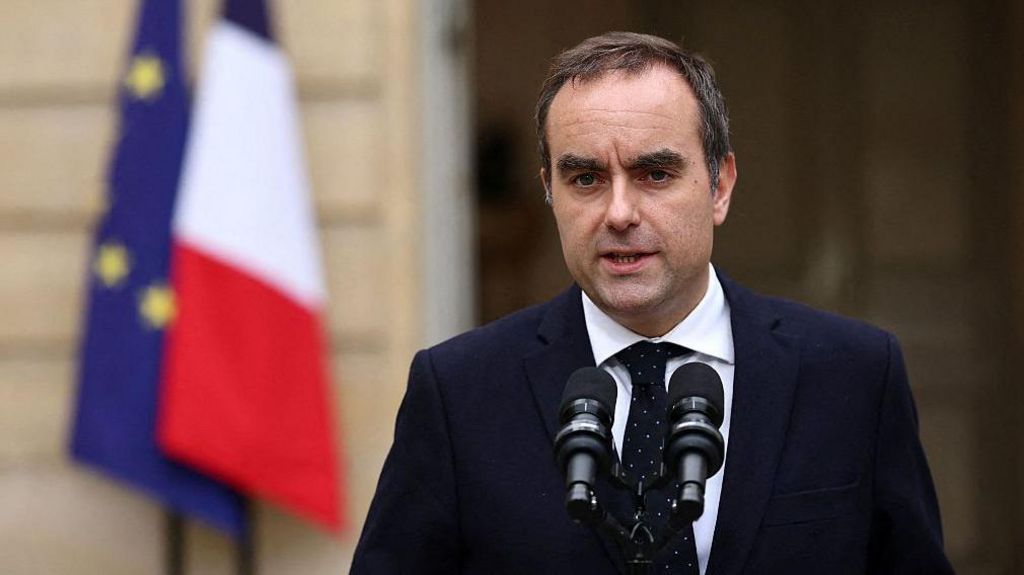
Macron will nominate new French prime minister in 48 hours
In a dramatic turn of events, French Prime Minister Sébastien Lecornu stepped down on Monday, marking the third resignation of a prime minister in less than a year. The move comes amidst a deepening political crisis in France, characterized by a hung parliament and ideological divisions. President Emmanuel Macron is expected to appoint a new prime minister within 48 hours, as the Elysee Palace seeks to quell speculation about the possibility of fresh elections. Lecornu, a close ally of Macron, was tasked with forming a consensus among political parties to navigate the current impasse. However, the path to forming a stable government remains fraught with challenges, as parties remain deeply divided over key issues such as the national budget and pension reforms. Lecornu emphasized the urgent need to pass a budget by year-end, warning that parties should not dismiss it without thorough examination. The political stalemate, which began after snap elections in July 2024, has hindered legislative progress and exacerbated France’s economic woes, including a national debt of €3.4 trillion, the third highest in the eurozone. As Macron remains silent following Lecornu’s resignation, the question of who will lead France out of this crisis looms large.
-
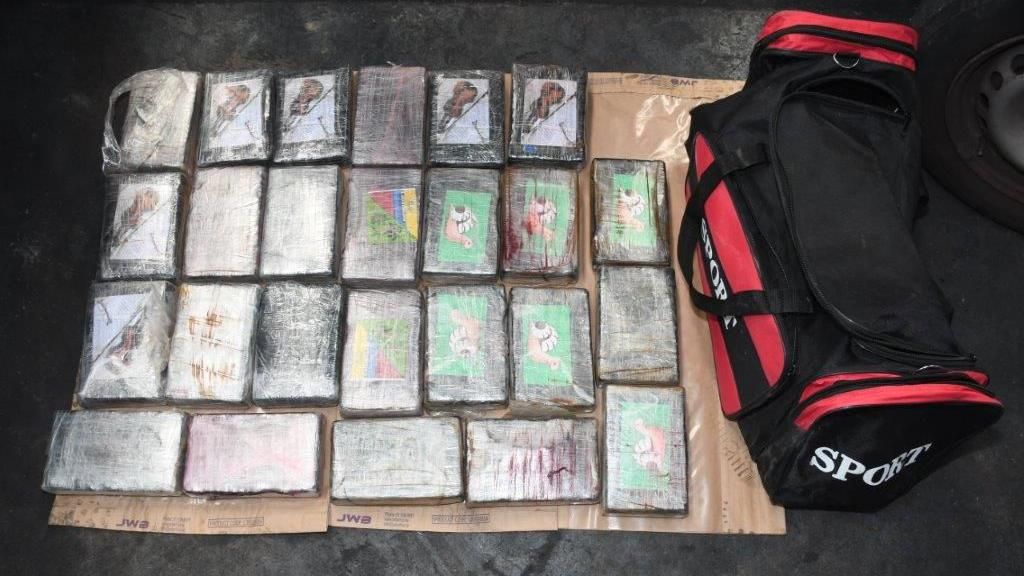
Suspected cocaine and heroin worth €8.2m seized after searches
In a significant crackdown on organized crime, An Garda Síochána, the Irish police force, has confiscated drugs worth over €8 million (£7 million) in a meticulously coordinated operation. The raids, conducted across 16 locations in Dublin, Meath, Westmeath, Laois, and Offaly over two days, targeted a sophisticated criminal network. Authorities recovered approximately 110 kilograms of suspected cocaine and 1.5 kilograms of suspected heroin from two vans, with the combined street value estimated at €8.2 million. The seized substances have been sent for detailed forensic analysis. A man in his 40s has been arrested on suspicion of drug trafficking and is currently under interrogation. The operation, involving around 60 Garda personnel, also resulted in the seizure of significant amounts of cash, totaling approximately £38,000 (€43,700) and €63,000 (£54,600). Gardaí have confirmed that investigations are ongoing, underscoring their commitment to dismantling drug-related criminal activities in the Republic of Ireland.
-
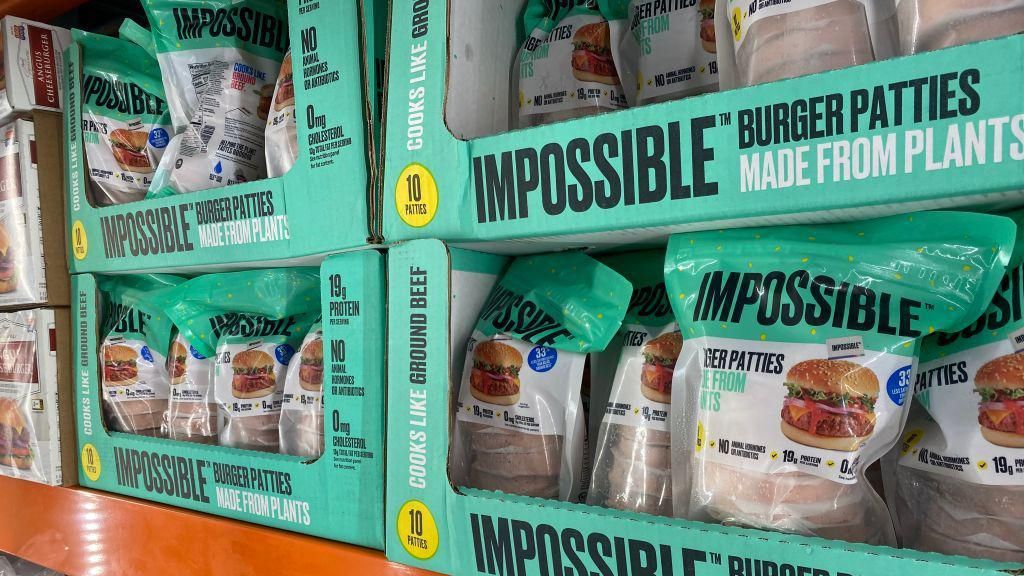
Ban plant-based ‘burger’ label, EU Parliament urges
The European Parliament (EP) has taken a significant step toward restricting the use of meat-related terms like ‘burger’ and ‘steak’ for plant-based alternatives. In a 355-247 vote, lawmakers supported the proposal, which aims to prevent plant-based products from being marketed with labels traditionally associated with meat. This move is seen as a win for livestock farmers, who argue that such labeling practices threaten their industry and livelihoods. However, the proposal is not yet law, as it requires approval from the European Commission and the governments of all 27 EU member states. The plant-based food industry has seen rapid growth in recent years, driven by increasing consumer interest in meat-free diets. Critics of the proposal, including environmentalists and liberal lawmakers, argue that it is unnecessary and could hinder sustainability efforts. Key players in the German food industry, such as Aldi, Lidl, and Burger King, have also opposed the ban, stating that it would confuse consumers. Meanwhile, supporters, including German Chancellor Friedrich Merz and the French meat industry, emphasize the need for clear labeling. This proposal follows a similar, unsuccessful attempt in 2020.
-
Jim Gavin to pay back €3.3k to former tenant after dispute
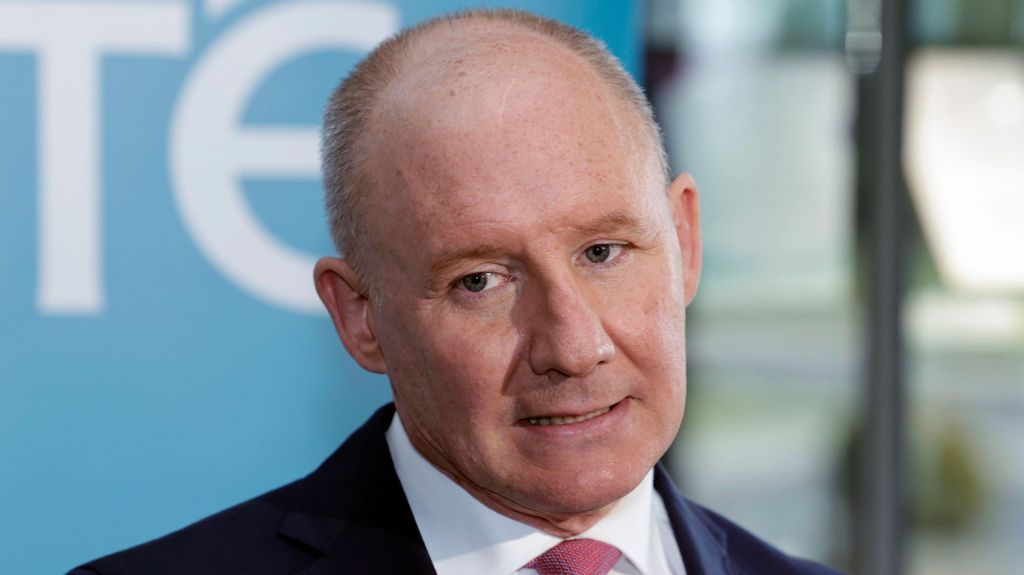
Jim Gavin, the former Irish Presidential candidate for Fianna Fáil, has agreed to repay €3,300 (£2,870) owed to a former tenant, Niall Donald, following a financial dispute that dates back 16 years. The controversy, which emerged during Gavin’s campaign, led to his withdrawal from the presidential race over the weekend. Donald, deputy editor of the Sunday World Newspaper and co-host of the ‘Crime World’ podcast, publicly detailed the ‘complicated’ financial issue, stating that he had overpaid rent due to a banking error and had struggled to recover the funds. Gavin’s legal representative has now confirmed that the repayment will be made, pending clarification of two unspecified issues. The dispute has sparked internal criticism within Fianna Fáil, with party leader and Taoiseach Micheál Martin facing scrutiny for his endorsement of Gavin. Donald expressed sympathy for Gavin, acknowledging the pressure he faced during the campaign, but emphasized the financial hardship the overpayment caused him. The incident has raised questions about the handling of the controversy by Fianna Fáil and the broader implications for the party’s leadership.
-

Four dead after six-storey building partially collapses in Madrid
A tragic incident unfolded in the heart of Madrid as a six-storey building undergoing refurbishment partially collapsed, resulting in the deaths of four individuals. The building, located on Hileras Street, was being converted into a four-star hotel when the disaster struck. Madrid’s mayor, Jose Luis Martinez-Almeida, confirmed that the bodies of the last two missing persons were recovered on Wednesday morning, approximately 15 hours after the collapse. The victims included a 30-year-old Spanish woman overseeing the project and three male workers from Mali, Guinea, and Ecuador, aged between 30 and 50. Three others sustained injuries in the incident. Emergency services, equipped with drones and sniffer dogs, conducted extensive search and rescue operations. Two bodies were retrieved on Tuesday night. Martinez-Almeida expressed his condolences, stating, “All our love and support go to their families, friends, and colleagues in this very difficult time.” A construction worker recounted escaping the scene after witnessing a massive dust cloud. Despite the internal collapse, the building’s façade remained intact. Authorities have initiated an investigation into the cause of the collapse. The developer, Rehbilita, described the renovation as “comprehensive” on its website.
-
EU lawmakers vote to ban labels like steak or meat on vegetarian products
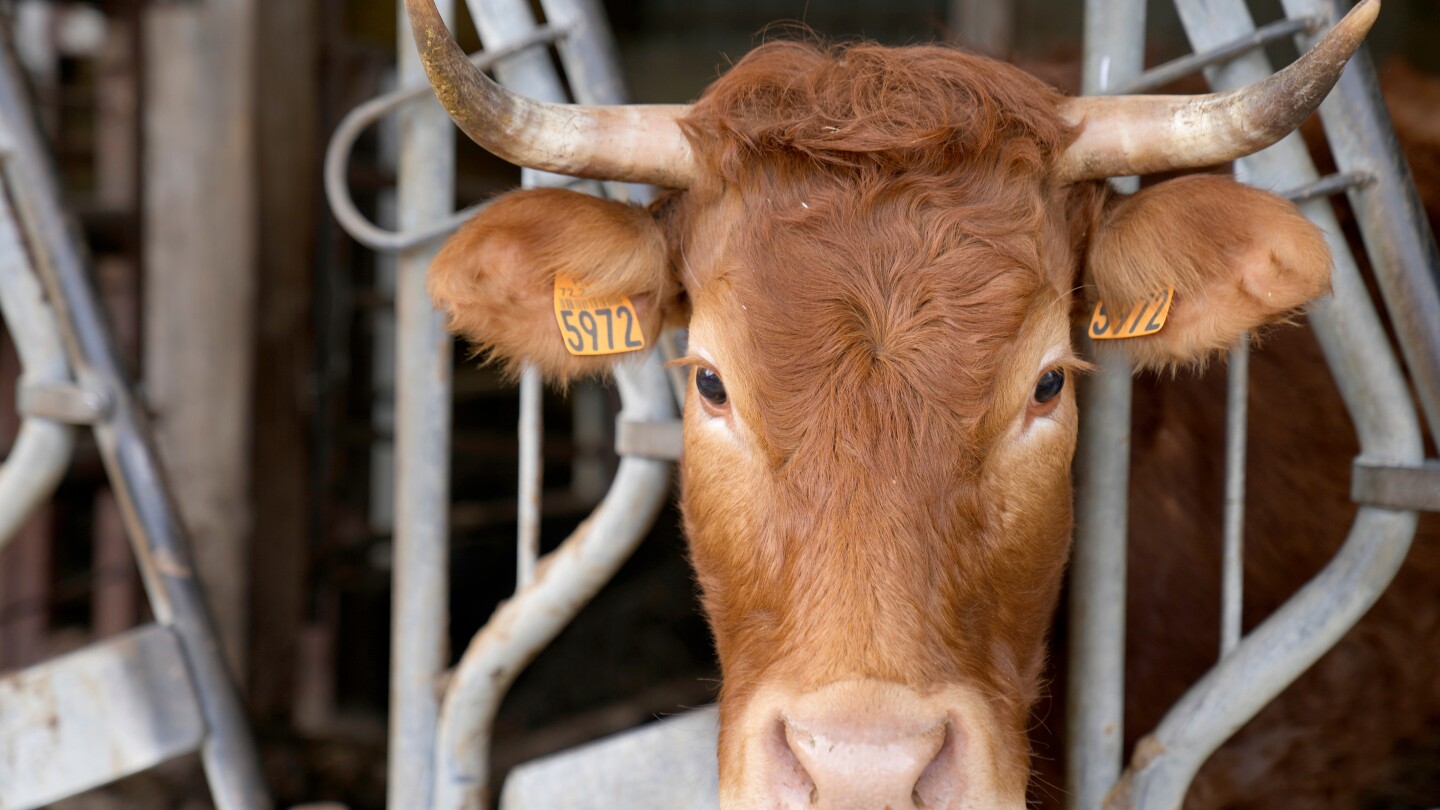
In a decisive move, the European Parliament has voted to prohibit the use of meat-related terminology such as ‘steak,’ ‘sausage,’ or ‘burger’ on vegetarian and plant-based products. The resolution, passed with an overwhelming majority of 532 to 78, aims to redefine meat strictly as ‘edible parts of animals’ and ensure clarity in food labelling. The proposal will now proceed to a parliamentary committee for further refinement before being reviewed by the EU executive and negotiated among the bloc’s 27 member states. Céline Imart, a conservative German lawmaker and former farmer, emphasized that using meat-related terms for plant-based alternatives is misleading. ‘We’re not banning plant-based products, but terms should accurately reflect what they represent,’ she stated during a parliamentary debate. Austrian MEP Anna Stürgkh, however, argued that consumers are not easily confused by such labels, citing examples like ‘beef tomatoes’ and ‘ladies’ fingers’ as evidence of common understanding. She urged trust in consumer discernment and criticized the move as ‘hot dog populism.’
-
The EU offers new protections for farmers as it seeks to build support for Mercosur trade deal
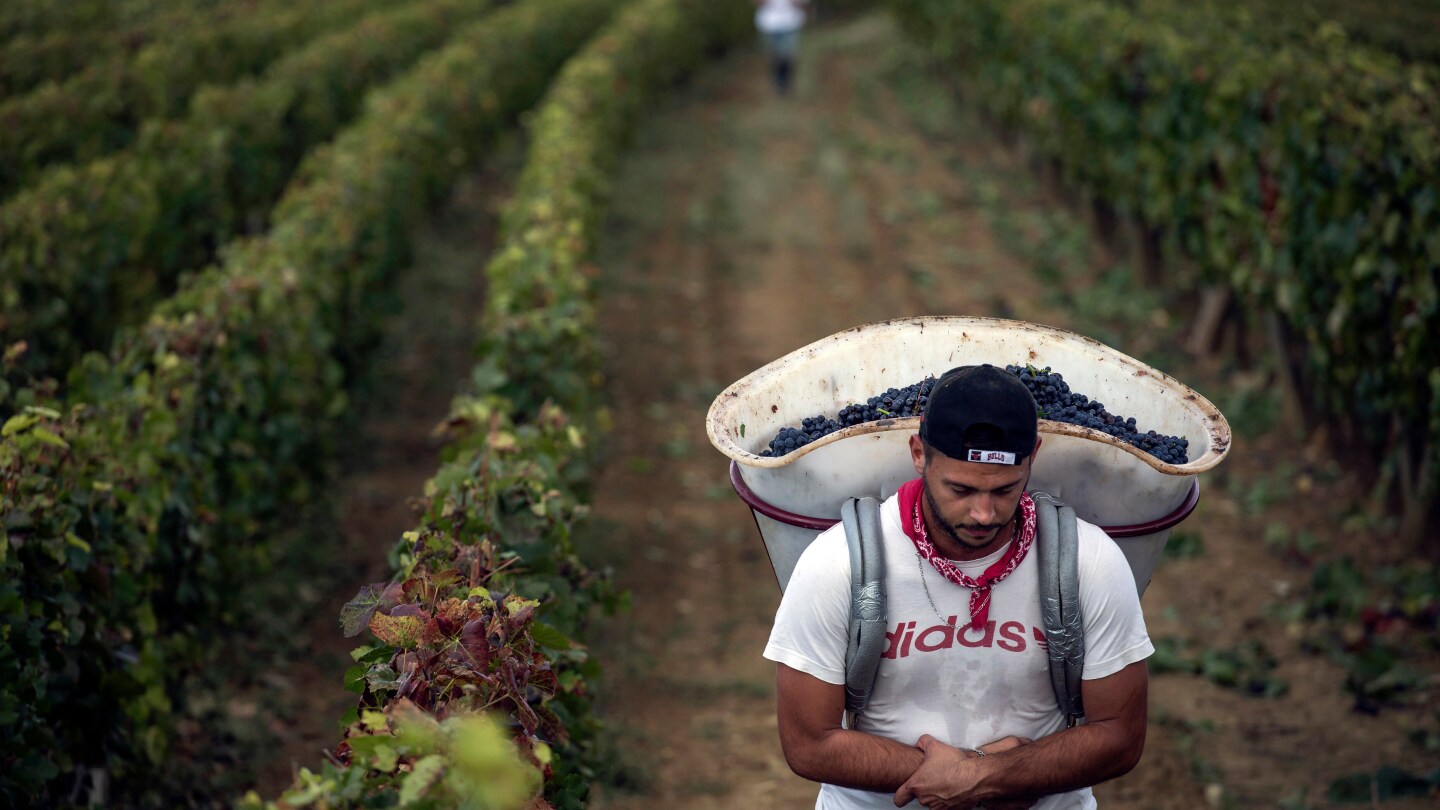
The European Union’s executive arm has introduced comprehensive measures to shield its agricultural sector from potential adverse effects of the landmark trade agreement with the Mercosur bloc. The deal, involving Brazil, Argentina, Uruguay, Paraguay, and Bolivia, aims to eliminate tariffs on nearly all goods traded between the two regions over the next 15 years. If ratified, it would establish one of the world’s largest free trade zones, encompassing 780 million people and nearly a quarter of global GDP. However, European farmers have expressed strong opposition, fearing unfair competition from South American imports. The newly proposed mechanisms would empower farmers to lodge complaints and trigger investigations into trade imbalances caused by the agreement. The European Commission has pledged swift action in cases of unforeseen import surges or price drops, with special protections for sensitive sectors like beef, eggs, and ethanol. The deal, finalized in December after 25 years of negotiations, awaits approval from EU member states and the European Parliament. Agriculture remains a cornerstone of the EU’s economy and culture, with exports totaling €235.4 billion in 2024. Yet, the sector faces mounting tensions, exacerbated by recent protests and political pressures. While proponents argue the deal will save businesses €4.26 billion annually by reducing tariffs and bureaucracy, critics warn of environmental harm and unfair competition for local producers.
-
Germany revises 2025 growth forecast to 0.2%, rising to 1.3% next year
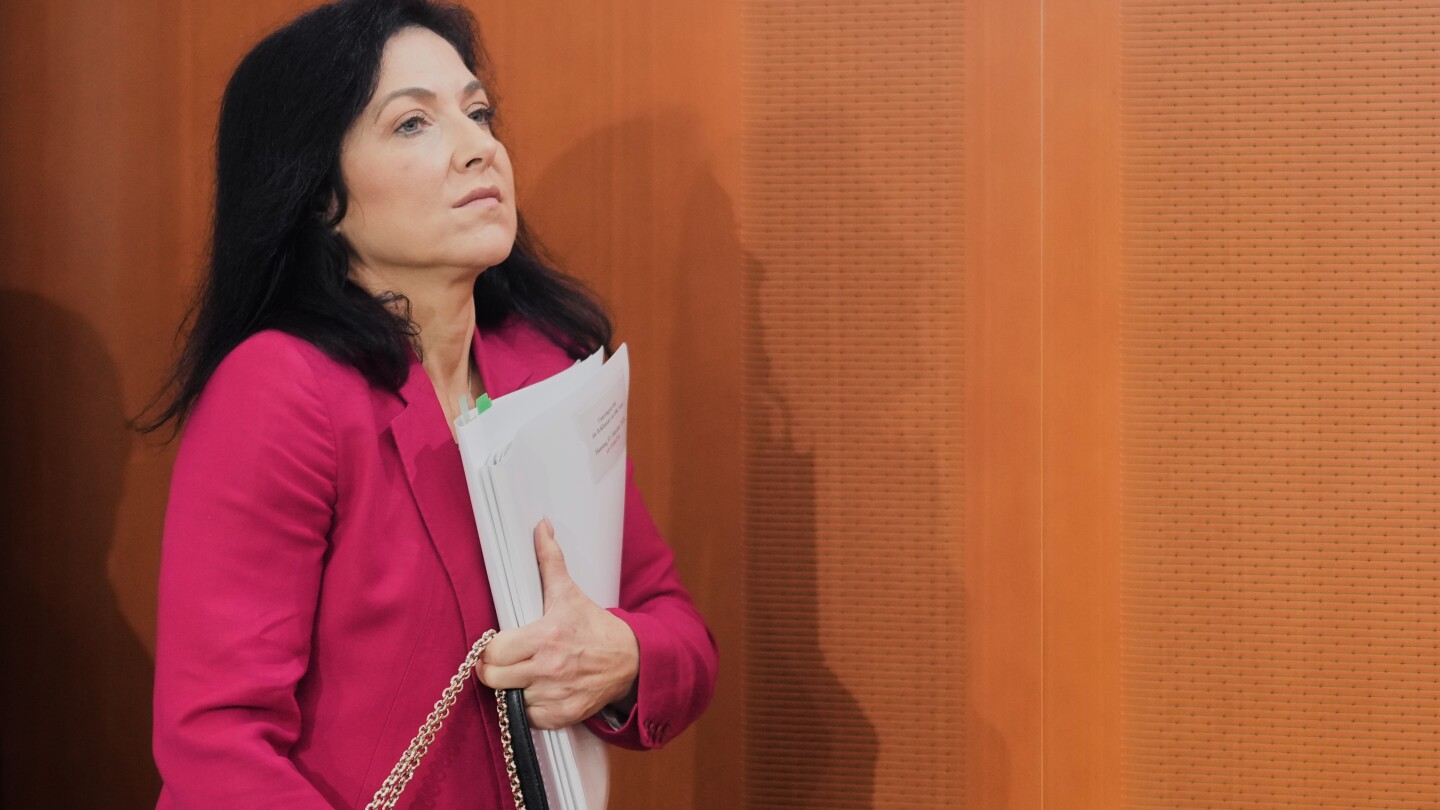
Germany’s newly formed government has unveiled its economic projections, anticipating a modest growth rate of 0.2% for the current year, with forecasts of 1.3% in 2026 and 1.4% in 2027. This outlook marks a slight improvement over the previous administration’s April forecast, which predicted zero growth for 2025 and 1% expansion in 2026. The German economy, which has contracted over the past two years and stagnated for an extended period, is now a focal point for Chancellor Friedrich Merz’s administration, which assumed office in early May. Economy Minister Katherina Reiche emphasized the urgency of addressing competitiveness and innovation, stating, ‘We need to act, now.’ She highlighted that a significant portion of the projected growth hinges on swift government spending, which requires accelerated planning and approval processes—areas where Germany has historically lagged. Reiche also stressed the need for comprehensive reforms, including reducing energy costs, fostering private investment, lowering the tax burden, dismantling bureaucratic hurdles, opening markets, and enabling innovation. To bolster economic revitalization, Merz’s government has initiated a program to encourage investment and established a 500 billion-euro ($584 billion) fund aimed at modernizing Germany’s aging infrastructure over the next 12 years. Additionally, the administration has pledged to streamline regulatory processes and expedite the country’s digital transformation. In a show of confidence, a consortium of companies committed in July to invest at least 631 billion euros in Germany over the next three years, including some previously planned investments. Despite Germany’s historical dominance in global trade, particularly in engineered products like industrial machinery and luxury cars, the nation faces mounting challenges, including competition from Chinese manufacturers and external risks such as tariffs and trade threats from the U.S. under former President Donald Trump.