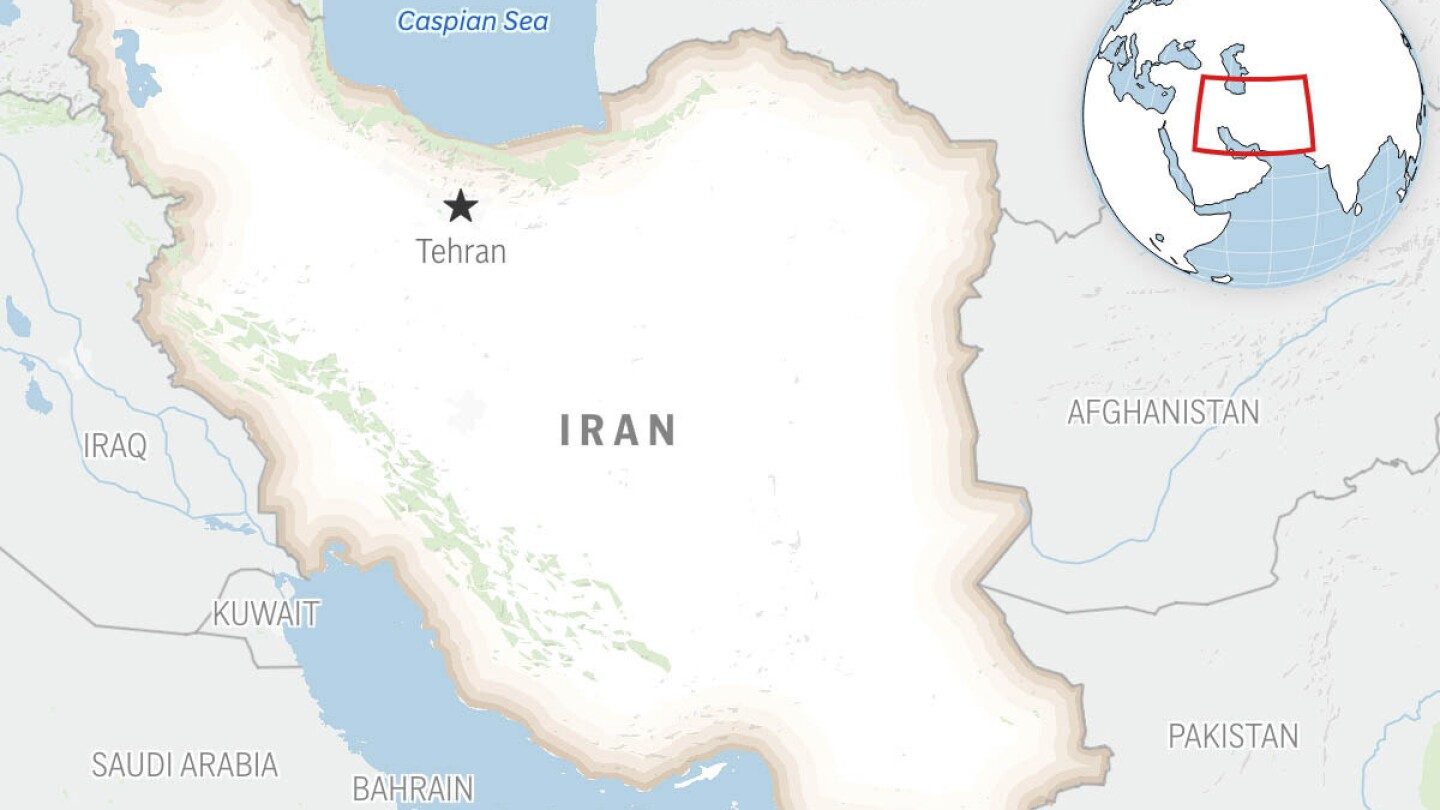
In a move that is expected to escalate tensions between Iran and France, an Iranian court has sentenced two French nationals to a combined 63 years in prison on charges of espionage and national security violations. The verdict was announced on Tuesday by the Iranian judiciary, with the semiofficial Fars news agency identifying the individuals as Cecile Kohler and Chuck Paris. The two have been detained since 2022, with French authorities dismissing the charges as “unjustified and unfounded.” The Mizan news agency, affiliated with the judiciary, confirmed the sentencing but did not disclose the names of the defendants. The preliminary verdict was issued by Iran’s Revolutionary Court in Tehran, known for its opaque proceedings where defendants often lack access to evidence. The court accused Kohler and Paris of collaborating with French intelligence and Israel. Each was sentenced to over 30 years in prison, though Iranian legal norms typically allow convicts to serve only the longest single term among multiple charges. The sentences can be appealed to Iran’s Supreme Court within 20 days. This development coincides with Iran’s efforts to secure the release of an Iranian national held in France. The case has drawn international attention, particularly after the pair’s arrest during anti-government protests in 2022. France has described them as a teachers’ union official and her partner on vacation. The situation has been further complicated by recent diplomatic tensions, including a potential prisoner swap deal discussed in September. Iran has a history of detaining dual nationals and Westerners, often using them as leverage in international negotiations.
标签: Europe
欧洲
-
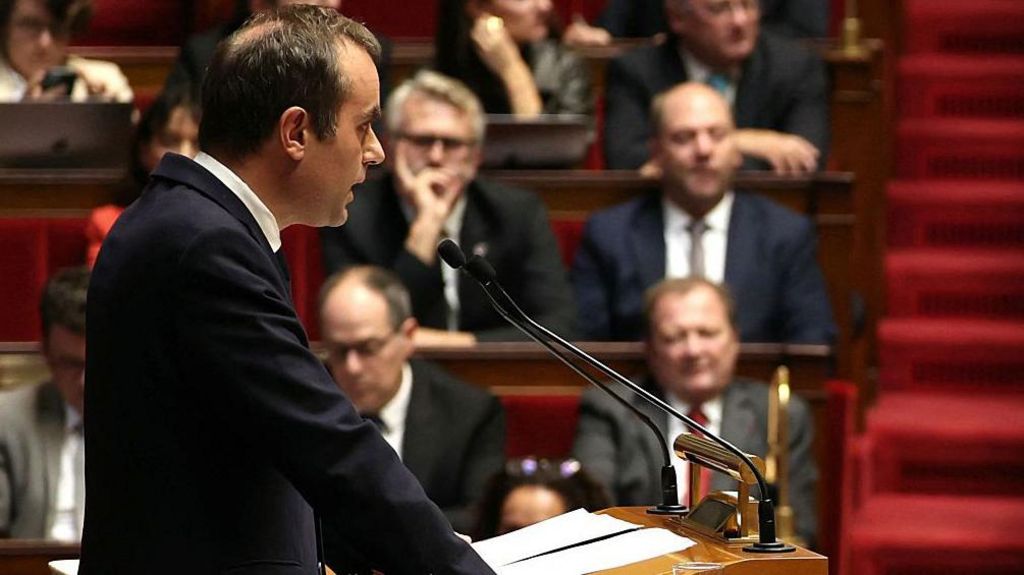
French PM backs suspending Macron’s pension reform in bid to save government
In a dramatic move ahead of crucial confidence votes, French Prime Minister Sébastien Lecornu announced his support for suspending the contentious 2023 pension reforms. The reforms, which raised the retirement age from 62 to 64, were a cornerstone of President Emmanuel Macron’s second term but sparked widespread protests and political unrest. Lecornu, who was reappointed prime minister just days after resigning, faces a precarious political landscape and relies on the support of Socialist MPs to maintain his government’s stability. Addressing parliament, he proposed suspending the reforms until the 2027 presidential election, a statement met with applause from left-wing parties. Opposition factions, including far-right and far-left groups, have called for confidence votes, known as ‘censure’ motions, scheduled for Thursday. They are demanding early parliamentary elections. The Socialists have conditioned their support on an explicit commitment to suspend Macron’s pension reforms entirely. Laurent Baumel, a Socialist MP, emphasized that Lecornu’s political survival hinges on this promise. The reforms, enacted in March 2023 using a constitutional mechanism to bypass a parliamentary vote, remain a divisive issue, with Lecornu acknowledging their legacy as a ‘wound on democracy.’ He also highlighted the financial implications of suspending the reforms, estimating costs of €400 million in 2026 and €1.8 billion in 2027, which would require compensatory savings. Amid France’s economic challenges, including a budget deficit projected at 5.4% of GDP and public debt nearing 114% of GDP, Lecornu’s ability to navigate these crises will determine his tenure.
-
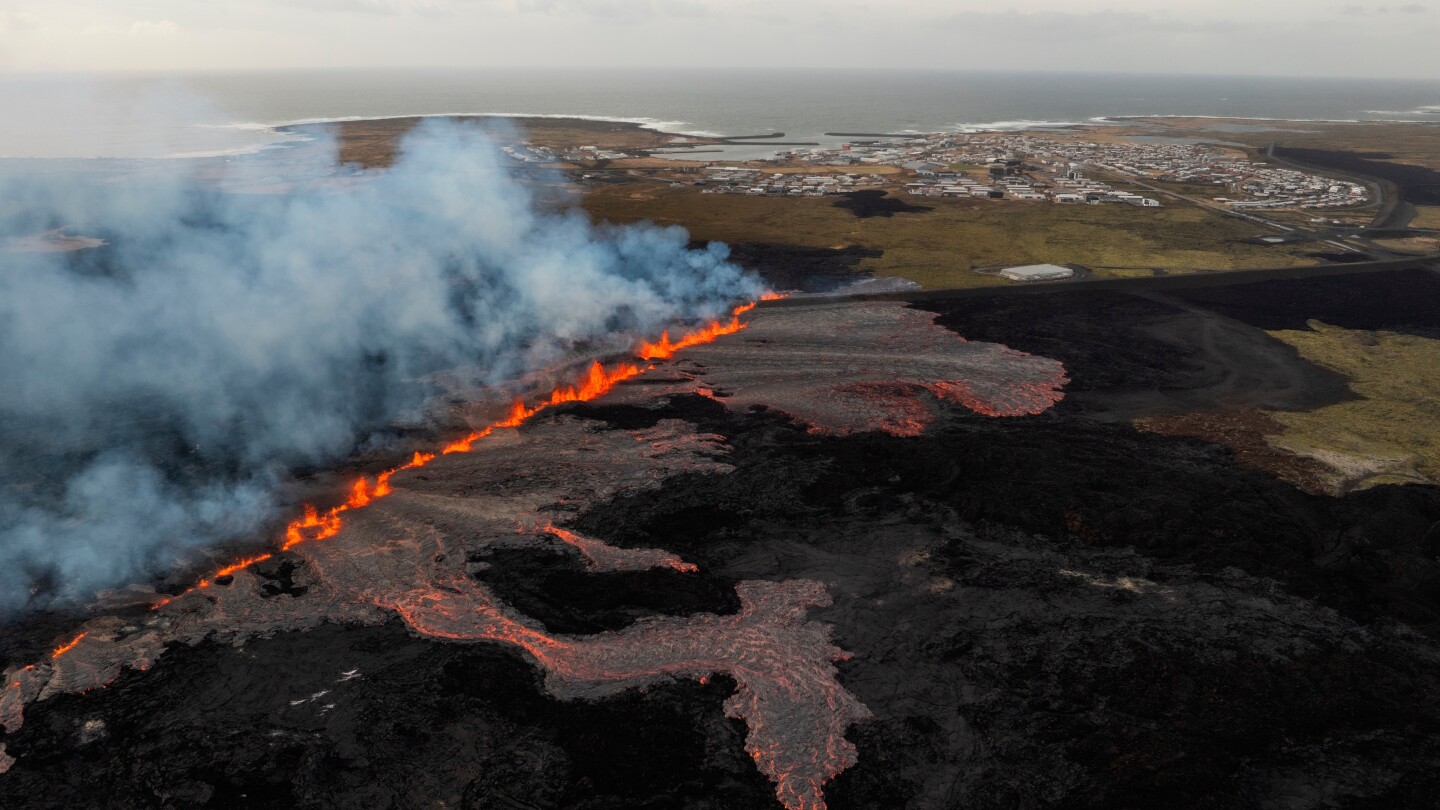
In Iceland, a town still shaken by volcanic eruptions tries to recover
In the coastal town of Grindavik, Iceland, Vignir Kristinsson’s gift shop, once bustling with customers, now sees only occasional visitors. The 64-year-old craftsman, who turned his passion for woodworking into a business five years ago, faces an uncertain future as volcanic eruptions have repeatedly forced evacuations since December 2023. The town, home to 3,800 residents, has been closed intermittently, leaving businesses like Kristinsson’s struggling to survive. ‘I’m supposed to run a business when people are told they should not come,’ he lamented. ‘How is that possible?’
Grindavik’s plight is emblematic of Iceland’s volatile relationship with its volcanic landscape. The eruptions, originating from the Sundhnuksgígar crater row, part of the Svartsengi volcanic system, have disrupted life in the Reykjanes Peninsula. Before the first eruption nearly two years ago, the system had been dormant for 783 years. Scientists predict that the volcanic activity is far from over, with the Icelandic Meteorological Office warning of a potential 10th eruption in the coming months.
Residents like Kristólína Ósk Guðjónsdóttir, an 18-year-old high school student, have grown accustomed to the constant stress. ‘When we had to leave, we had five minutes to get our stuff,’ she recalled, describing the first evacuation in November 2023. Since then, she has been attending school in Keflavik, 23 kilometers north of Grindavik, where maintaining a sense of community has been challenging.
Despite the devastation, there are glimmers of hope. The local professional basketball team has resumed games, and authorities are considering reopening schools next year. Some residents are returning, though the town remains largely empty. Tourists, drawn by the dramatic landscape, have become a rare source of activity, flying drones over vast lava fields and exploring the damaged town.
For many former residents, the decision to return is fraught with uncertainty. The government has offered to buy their homes, giving them three years to decide whether to repurchase them. Kristinsson, who now lives in Hafnarfjordur, 42 kilometers northeast of Grindavik, continues to operate his shop sporadically, relying on income from renting an apartment above the store. ‘People who live here now want to see things come back faster,’ he said.
Meanwhile, businesses like Herastubbur Bakari, a 30-year-old bakery, are fighting to stay afloat. Owner Sigurður Enoksson, 60, has no plans to return to his damaged home but remains committed to the town through his bakery. ‘There are not always customers each day,’ he admitted. ‘We are trying our best.’
As Grindavik grapples with the aftermath of the eruptions, its residents’ resilience shines through. While the road to recovery is long, their determination to rebuild offers a testament to the enduring spirit of this Icelandic town.
-
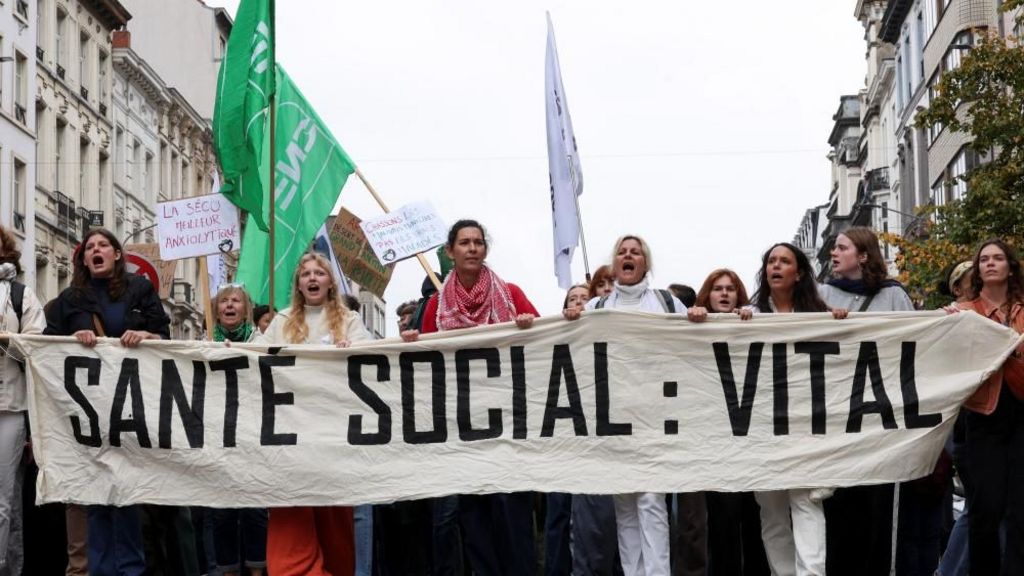
National strike by Belgium’s big unions hits public transport, airports and ships
Tens of thousands of Belgians flooded the streets of Brussels in a nationwide strike, protesting against sweeping government reforms and austerity measures. The demonstrations, organized by Belgium’s three major unions, brought significant disruptions to public transport, halted flights, and suspended operations at Europe’s second-largest port in Antwerp. The protests targeted Prime Minister Bart de Wever’s center-right government, which has introduced controversial measures to reduce the budget deficit, including pension reforms and cuts to unemployment benefits. At Brussels Airport, all departures and many arrivals were canceled, while Charleroi Airport saw a complete shutdown of services. Public transport in the capital was severely affected, with most buses, trams, and underground trains coming to a standstill. The unions are particularly opposed to the government’s plan to increase the number of working days required to qualify for pensions and the elimination of special schemes for sectors like the military and railway workers. Demonstrators, many clad in the red and green colors of the unions, voiced their frustrations over what they perceive as unfair burdens on the working class. ‘It’s always the same part of the population that has to tighten their belts,’ said 29-year-old Anaïs, who criticized the reforms for disproportionately affecting lower-income Belgians. The protests also highlighted broader concerns about the future, with many participants expressing fears for their children’s prospects. Despite the largely peaceful nature of the demonstrations, isolated incidents of vandalism and clashes with police were reported. The strike underscores the growing discontent with the government’s austerity agenda, which includes proposed cuts to child benefits and potential VAT increases. As Belgium grapples with its fiscal challenges, the protests signal a deepening divide between the government and its citizens.
-
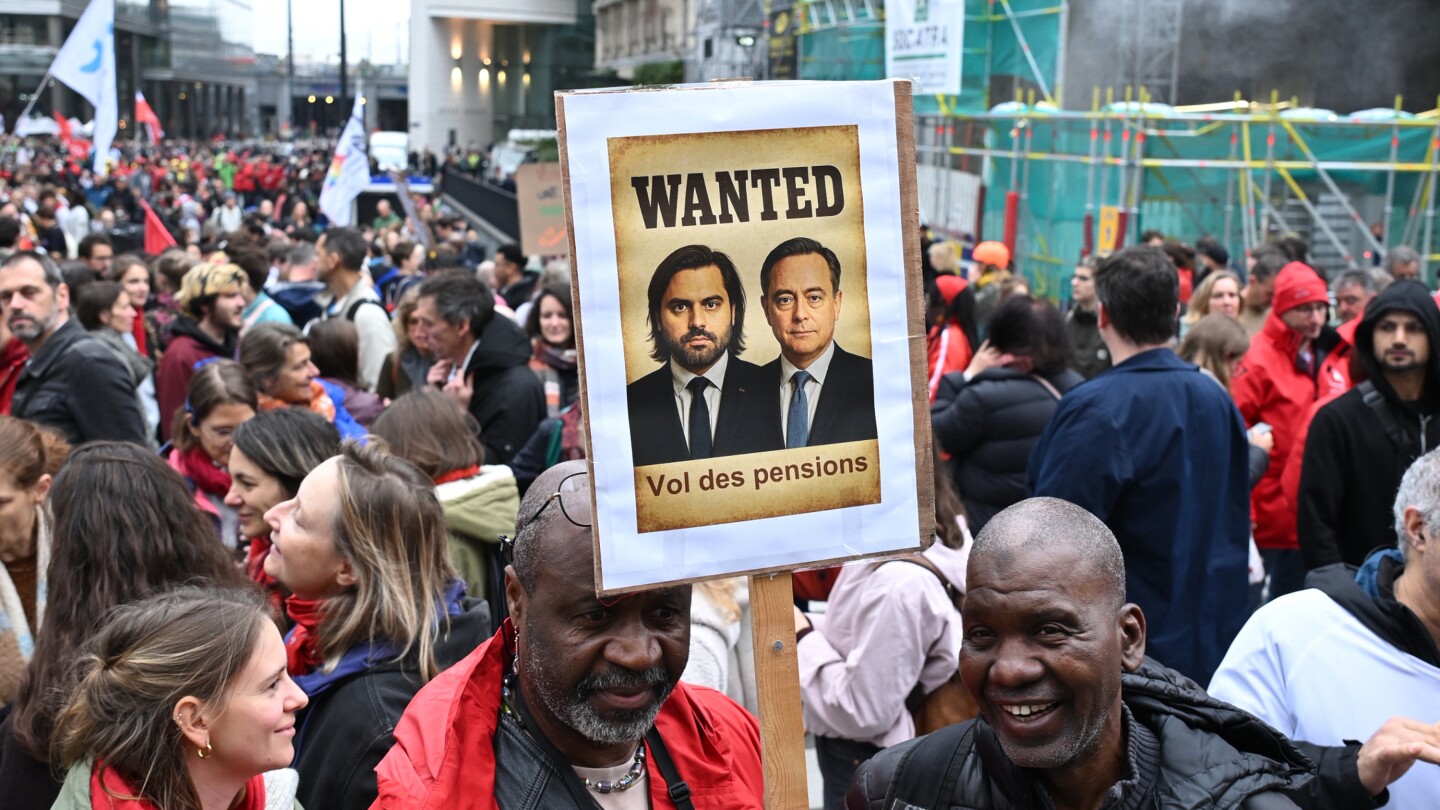
Police fire tear gas at Brussels protest against austerity measures
BRUSSELS — Tens of thousands of demonstrators descended upon Brussels on Tuesday to voice their opposition to Prime Minister Bart de Wever’s proposed austerity measures, leading to clashes with police and widespread disruptions. Belgian authorities resorted to tear gas to disperse the crowds, as minor skirmishes erupted between law enforcement and protesters. The demonstrators, armed with drums, horns, flares, and smoke bombs, chanted slogans against cuts to social welfare programs, crippling traffic in the capital and major transportation hubs. The protest, organized by Belgium’s three major trade unions, was accompanied by nationwide strikes targeting De Wever’s plans to reduce spending on pensions and healthcare. While organizers claimed over 150,000 participants, police estimated the crowd at 80,000. The Federal Planning Office of Belgium predicts the country’s budget deficit will surge to 6.5% of GDP by 2030, exacerbating economic challenges. De Wever, a Flemish nationalist who assumed office in February, has vowed to implement stringent fiscal measures to address these issues. The unrest underscores the growing public discontent with his administration’s policies.
-
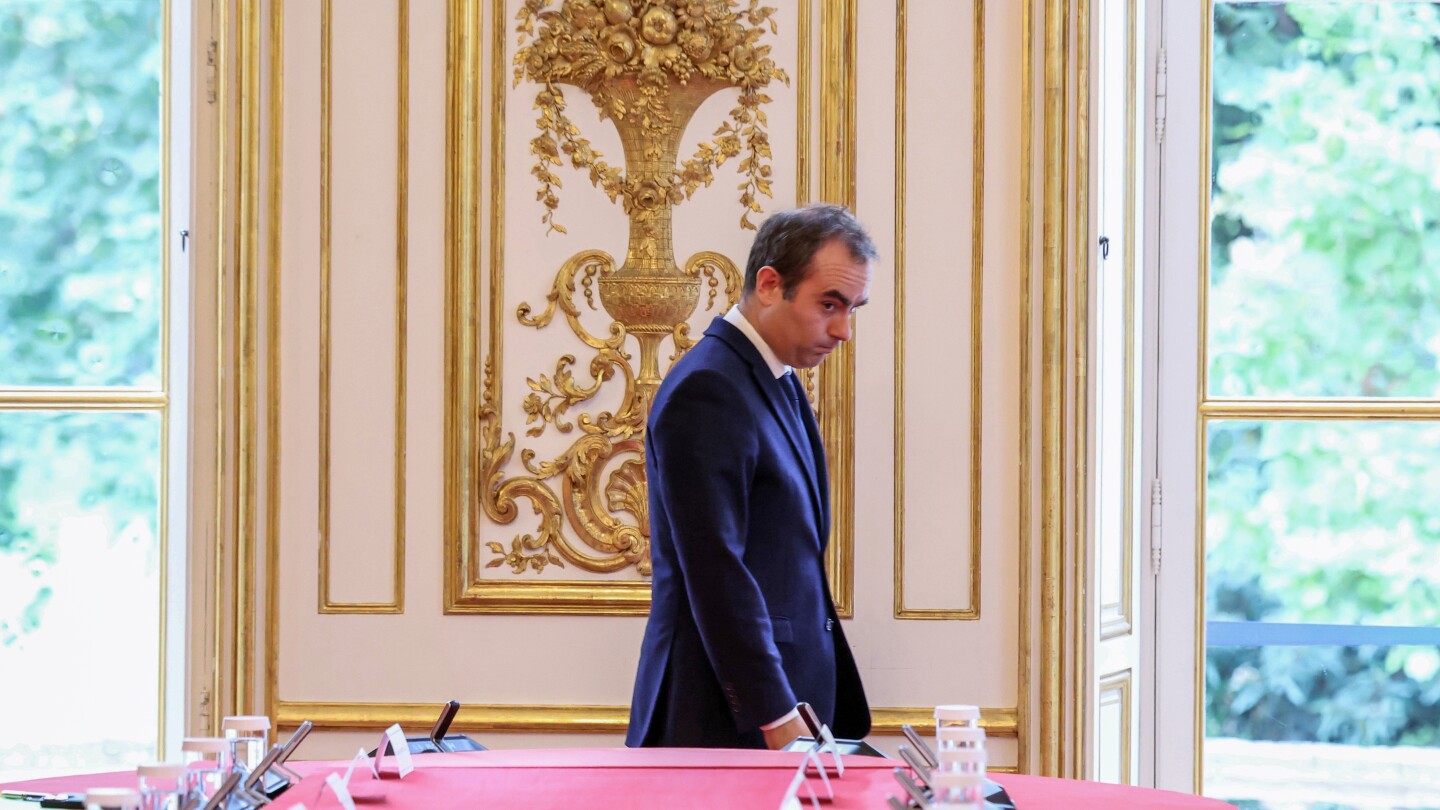
France’s political crisis drags on as PM faces no-confidence vote over pension reform
France’s political landscape remains turbulent as newly reappointed Prime Minister Sebastien Lecornu navigates a precarious path to avoid a no-confidence vote. The crisis stems from President Emmanuel Macron’s decision to reinstate Lecornu, a move that has drawn sharp criticism from both the far-right National Rally, led by Marine Le Pen, and the far-left France Unbowed. These parties have swiftly submitted censure motions, set for debate on Thursday, aiming to destabilize the government. While neither party holds sufficient seats to unseat Lecornu independently, their alliance with the Socialist Party and Green lawmakers could spell trouble for the prime minister. Lecornu’s immediate challenge is to secure approval for the 2026 budget, a task complicated by widespread opposition to Macron’s controversial pension reform, which raised the retirement age from 62 to 64. Nobel Prize-winning economist Philippe Aghion has joined calls to suspend the reform until the 2027 presidential election, arguing it would help calm the political climate. Macron’s centrist camp, lacking a majority in the National Assembly, faces mounting criticism and internal dissent. The president’s decision to dissolve the National Assembly last year led to a hung parliament and prolonged political paralysis, exacerbating France’s economic challenges, including rising poverty and a debt crisis that has alarmed EU partners and markets alike.
-
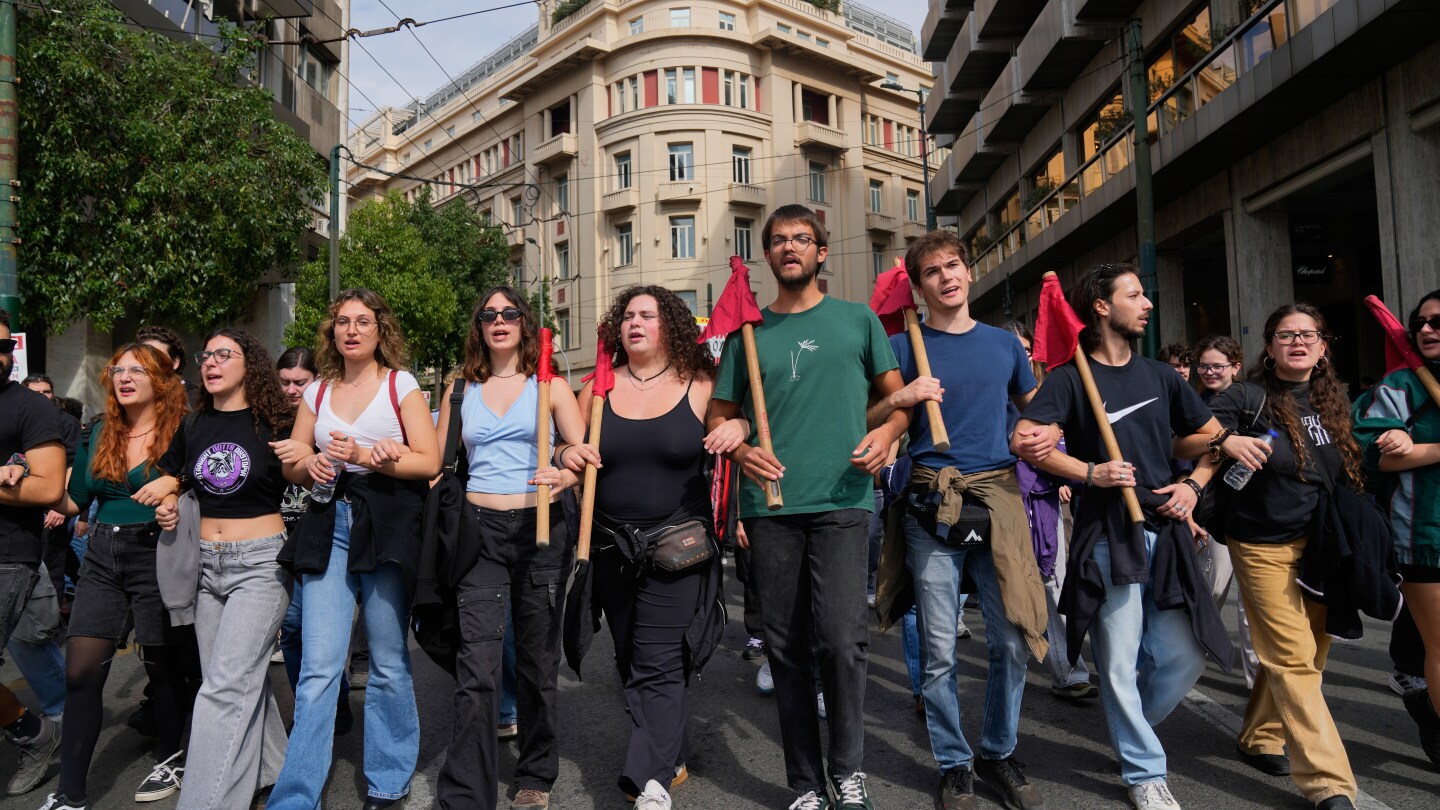
Greece sees 2nd general strike this month as unions protest new labor law
ATHENS, Greece — Tens of thousands of demonstrators flooded the streets of Athens on Tuesday as Greece’s labor unions organized the country’s second general strike this month to oppose a contentious new labor law. The 24-hour strike caused widespread disruptions, including ferry cancellations to and from the Greek islands and reduced public transport services in the capital, leading to severe traffic congestion. Train services were entirely suspended during the strike period. The unions, representing both private sector workers and civil servants, are protesting a proposed labor law that would introduce greater flexibility in working conditions, such as extending occasional shifts to 13 hours through overtime. Critics argue that the legislation, set for a parliamentary vote on Wednesday, could expose workers to potential exploitation by employers. ADEDY, the civil servants’ umbrella union, condemned the law, stating that flexible working hours would effectively dismantle the eight-hour workday, erode work-life balance, and legitimize over-exploitation. Unions are demanding the withdrawal of the legislation, a reduction in the standard workweek from 40 to 35 hours, pay raises, and the restoration of collective bargaining agreements.
-
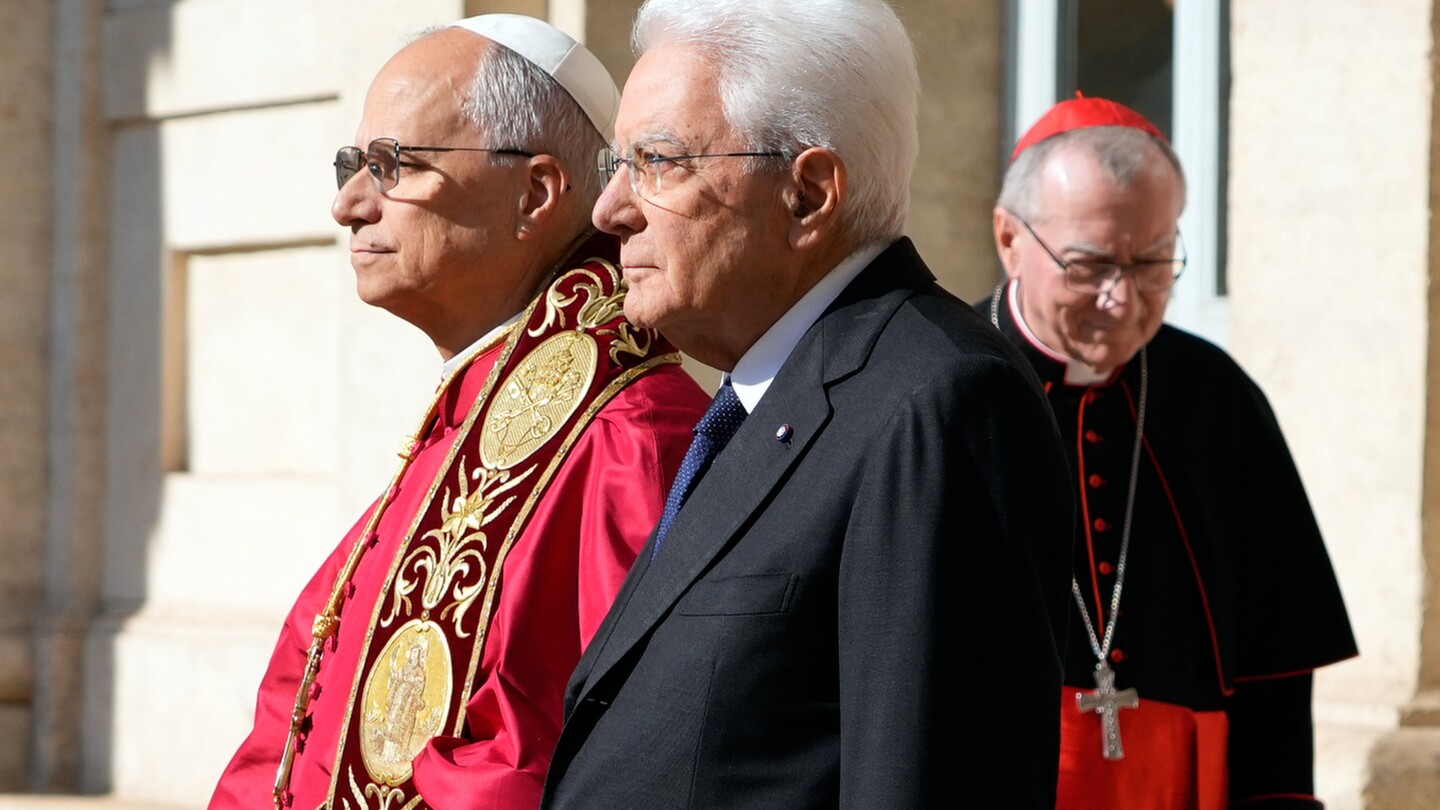
Pope urges Italy to remain open to migrants during rite of passage visit to presidential palace
In a ceremonial meeting at Rome’s Quirinale Palace on Tuesday, Pope Leo XIV expressed gratitude to Italy for its significant efforts in combating human trafficking and welcoming migrants. The event, marked by grandeur and tradition, saw the Pope escorted by the presidential horse honor guard as he met with Italian President Sergio Mattarella. Leo, adorned in his formal red cape and brocaded stole, praised Italy’s “generous assistance” to migrants, particularly during the 2025 Holy Year, which has drawn millions of pilgrims and tourists to the Eternal City. He urged Italy to maintain its spirit of openness and solidarity while emphasizing the importance of integrating newcomers into Italian society. This message resonates deeply in Italy, a key player in Europe’s migration debate due to its proximity to North Africa, where many smuggling operations originate. The Pope’s stance contrasts with the Italian government’s hard-line policies under Prime Minister Giorgia Meloni, which prioritize curbing illegal migration through measures such as deportations and prosecuting smugglers. Despite these differences, the meeting highlighted the enduring and unique relationship between Italy and the Vatican, rooted in centuries of shared history and formalized by the 1929 Lateran Treaty. The event underscored the Vatican’s ongoing advocacy for compassion and integration in migration policies, even as Italy navigates its complex role in the European migration crisis.
-
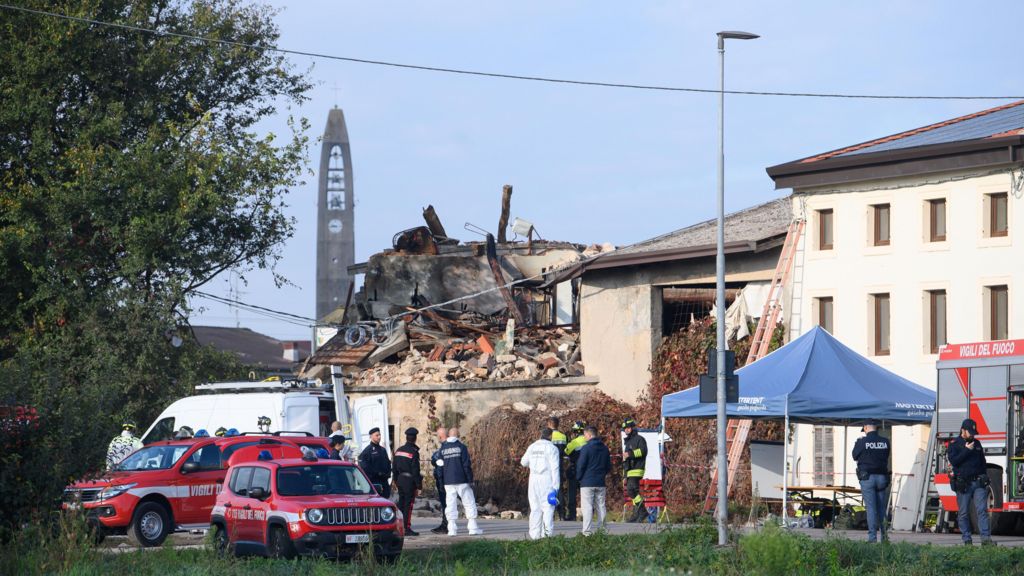
Blast kills three police officers trying to evict siblings from house in Italy
A tragic incident unfolded in northern Italy when a deliberate gas explosion at a farmhouse near Verona resulted in the deaths of three Carabinieri military police officers and left at least 15 others injured. The explosion occurred as police and firefighters were executing an eviction order for two brothers and a sister, aged in their late 50s and mid-60s, who had barricaded themselves in the property. The blast, which could be heard up to 5 kilometers away, reduced the building to rubble and caused widespread devastation. A man and a woman were arrested at the scene, while another suspect who fled was quickly apprehended. All three were hospitalized. The farmhouse had been under an eviction order due to debts accrued by the owners. Interior Minister Matteo Piantedosi described the incident as a time for grieving, noting that previous attempts to evict the siblings had been met with resistance. Mediators had been sent to negotiate with the siblings, but when Carabinieri officers arrived shortly after 3:00 AM, one of the siblings allegedly triggered the explosion. Provincial police commander Claudio Papagno described the act as ‘absolute madness,’ revealing that a gas cylinder had been ignited, directly hitting the officers. Petrol bombs were also found at the property. Among the injured were 11 Carabinieri officers, three state police officers, and a firefighter. Verona prosecutor Raffaele Tito stated that the farmhouse was in a derelict state with no electricity and described the explosion as a ‘premeditated and voluntary homicide.’ Neighbors reported that the siblings had previously threatened to ‘blow themselves up’ rather than leave the house. Defense Minister Guido Crosetto joined other political leaders in paying tribute to the fallen officers, who lost their lives in the line of duty.
-
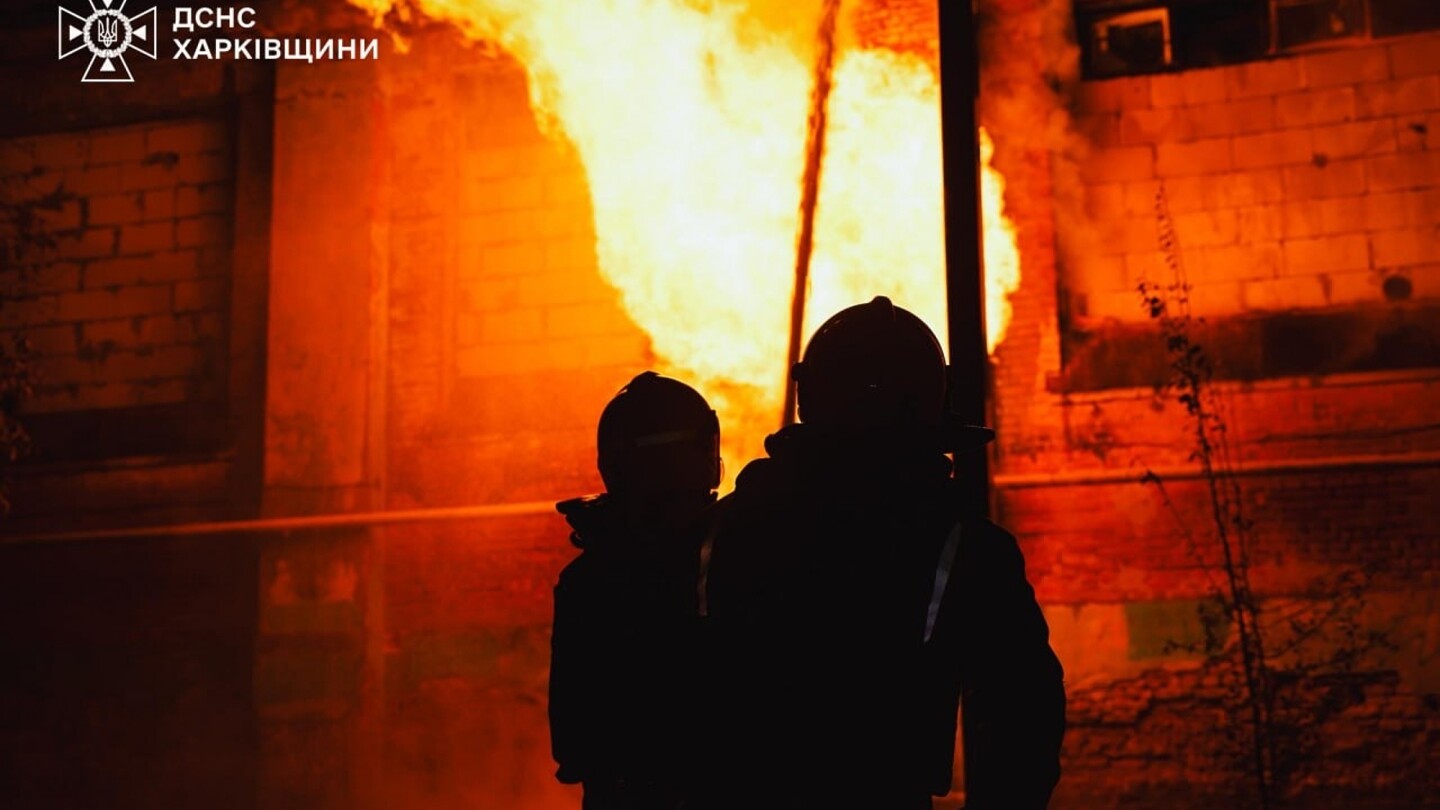
Russian aerial attack hits a Ukrainian hospital, days before Zelenskyy meets Trump
In a relentless escalation of hostilities, Russian forces targeted Ukraine’s second-largest city, Kharkiv, with powerful glide bombs and drones in overnight attacks. The assault struck the city’s main hospital, injuring seven people and forcing the evacuation of 50 patients, according to Oleh Syniehubov, the regional head. Ukrainian President Volodymyr Zelenskyy, who is set to visit Washington this week, emphasized that the primary targets of the attack were energy facilities, though specific details were not disclosed. ‘Every day, every night, Russia strikes power plants, power lines, and our gas facilities,’ Zelenskyy stated on Telegram, underscoring the ongoing campaign to cripple Ukraine’s power supply since the full-scale invasion began in February 2022. This strategy has left civilians without heat and running water during harsh winters. Zelenskyy is expected to appeal to U.S. President Donald Trump for advanced long-range weapons, including Tomahawk cruise missiles, to bolster Ukraine’s defense capabilities. Such a move, previously avoided by Washington to prevent escalation, could heighten tensions between the U.S. and Russia. However, it may also provide leverage to push Moscow toward negotiations. Ukrainian officials and military analysts report that Ukraine’s long-range strikes are already disrupting Russian oil production and causing significant gas shortages. Zelenskyy has urged international partners, particularly the U.S. and Europe, to supply air defense systems to protect Ukraine’s vast territory. ‘The world must force Moscow to sit down at the table for real negotiations,’ he asserted.