标签: Europe

欧洲

  • Syria’s Sharaa meets Putin in Moscow for first time since fall of Assad

    Syria’s Sharaa meets Putin in Moscow for first time since fall of Assad

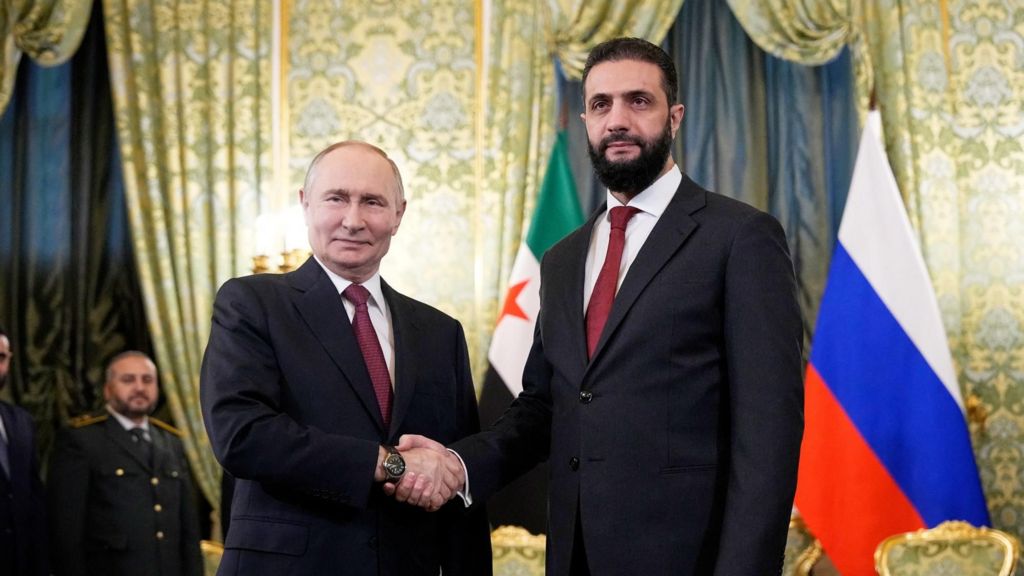
    In a significant diplomatic development, Syria’s interim President, Ahmed al-Sharaa, met with Russian President Vladimir Putin in Moscow for their first talks since Sharaa’s forces ousted Russia’s long-time ally, Bashar al-Assad, ten months ago. The meeting marked a pragmatic shift in relations between the two nations, which had previously been on opposing sides of Syria’s protracted civil war.

    During the discussions, Putin emphasized the ‘special relationship’ between Russia and Syria, expressing readiness to collaborate on ‘interesting and useful undertakings.’ Sharaa, in turn, signaled his willingness to maintain Russia’s access to key military installations in Syria, including the Tartous naval port and Hmeimim airbase, while seeking to redefine bilateral ties to ensure Syria’s sovereignty and territorial integrity.

    Sharaa also indicated his intent to request the extradition of Assad, who fled to Moscow and was granted asylum after being forced from power. However, Russian officials have previously stated that Assad and his family faced ‘the risk of physical elimination,’ making extradition unlikely.

    The talks underscored a mutual desire for cooperation, with Russia pledging to provide humanitarian aid, including food and medical supplies, and assist in rebuilding Syria’s damaged infrastructure. Sharaa, meanwhile, seeks Russian support to consolidate his authority, secure Syria’s borders, and revive its struggling economy through energy and investment partnerships.

    Despite the cordial atmosphere, underlying tensions persist, particularly regarding Assad’s fate. The meeting highlights the complex dynamics of post-conflict diplomacy, as both leaders prioritize pragmatism over past hostilities.
  • Ukraine imposes blackouts in most regions after Russian power grid attacks

    Ukraine imposes blackouts in most regions after Russian power grid attacks

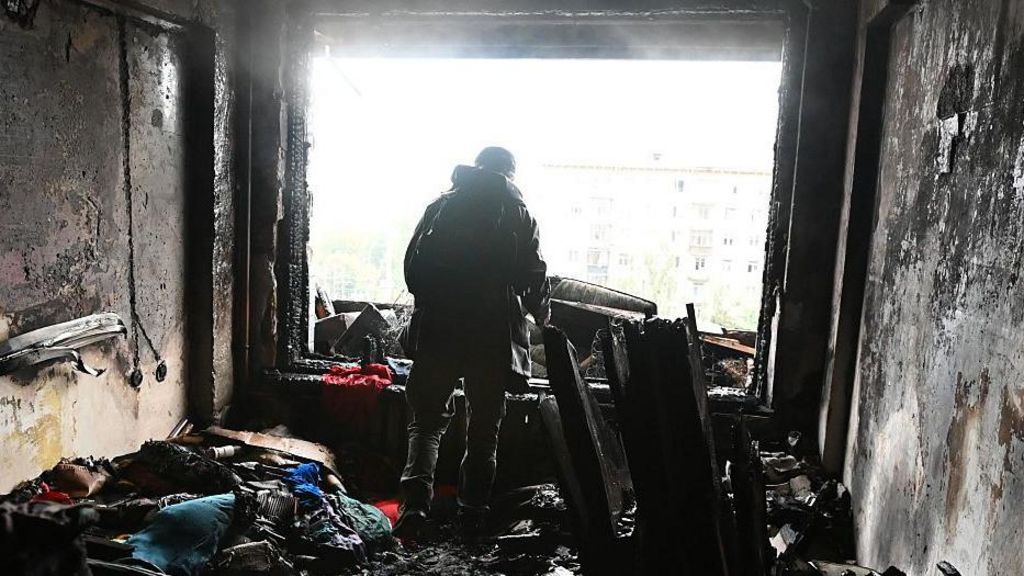
    Ukraine is grappling with widespread power outages following a relentless barrage of Russian missile and drone attacks targeting its energy infrastructure. This marks the fourth consecutive winter of blackouts since Russia’s full-scale invasion began in February 2022. The Ukrainian Energy Ministry reported that nearly all regions, except for the war-torn Donetsk and the already struggling Chernihiv, are affected. Emergency measures have been implemented to manage the crisis, with grid operator Ukrenergo urging citizens to conserve electricity. Temperatures are expected to drop to 3°C, exacerbating the humanitarian impact.

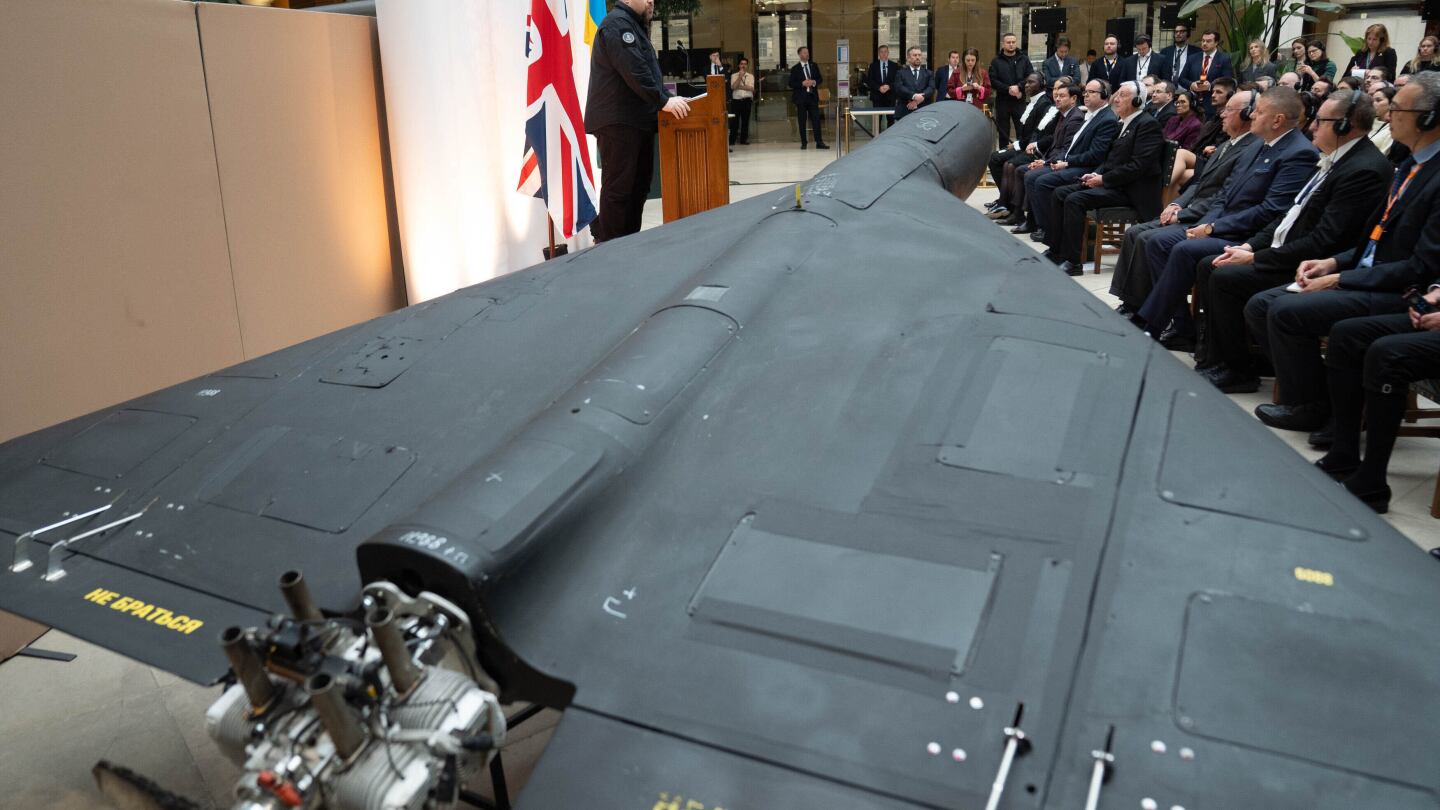
    In addition to energy infrastructure, Russia has intensified strikes on Ukraine’s railways, while Ukraine has retaliated with drone attacks on Russian oil refineries and depots. A significant fire at the Marine Oil Terminal in Feodosia, Crimea, has been burning for three days after a Ukrainian drone strike, disrupting fuel supplies crucial for Russian military operations. These attacks have reduced Russian fuel exports to their lowest levels since the war began, according to the International Energy Agency.

    Ukrainian President Volodymyr Zelensky accused Moscow of aiming to ‘create chaos and apply psychological pressure’ through these strikes. Kyiv has sought long-range weapons from Western allies to target military installations deeper within Russia, though concerns over escalation have tempered support. Meanwhile, NATO countries have pledged additional military aid, with Germany committing $500 million and other nations collectively promising $1 billion.

    Despite these efforts, military aid to Ukraine has declined by 43% compared to the first half of the year, according to the Kiel Institute. As the war drags on, the humanitarian and economic toll continues to mount, with civilians bearing the brunt of the crisis.

  • Teenage boy dies following incident at Dublin apartment

    Teenage boy dies following incident at Dublin apartment

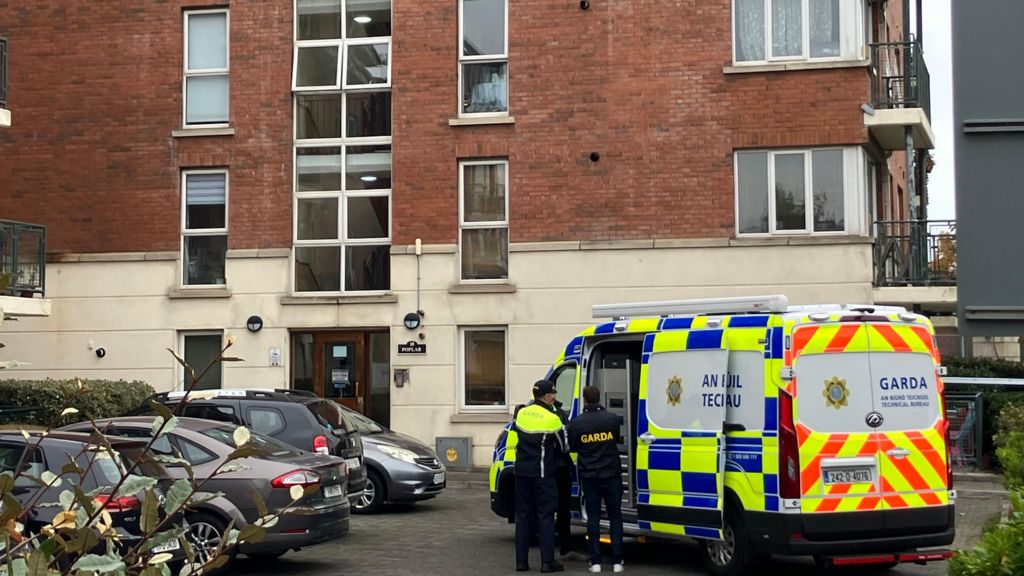
    A tragic event unfolded at the Grattan Wood apartment complex in Donaghmede, north Dublin, resulting in the death of a teenage boy and injuries to another. The incident occurred at an emergency residential unit managed by Tusla, Ireland’s child welfare and protection agency. A woman also received medical attention for non-life-threatening injuries at the scene. Irish police, Gardaí, confirmed that the situation is no longer active and poses no ongoing threat to the community. They are following a definite line of inquiry and are not seeking any other individuals in relation to the incident. Tusla expressed deep sorrow over the event, stating that it involved two young people, one of whom sustained fatal injuries. The agency is cooperating fully with the Gardaí’s investigation and is prioritizing the safety and well-being of the other young people and staff at the unit. Additional supports are being provided to those directly affected, and efforts are being made to contact the families of the young people residing there. Emergency services responded to a call for assistance shortly after 11:00 BST, discovering a seriously injured teenage boy who was later pronounced dead at the scene. The scene remains preserved for examination by the Garda Technical Bureau and Forensic Science Ireland. The body has been taken to Dublin City Mortuary for a post-mortem examination, the results of which will aid the investigation. Irish Prime Minister Micheál Martin and Deputy Prime Minister Simon Harris expressed their shock and sadness over the loss of life, emphasizing the importance of the well-being of the young people and staff at the facility. Sinn Féin TD Denise Mitchell commended the Gardaí and emergency services for their swift response.

  • France is on the brink as Macron’s government faces no-confidence votes

    France is on the brink as Macron’s government faces no-confidence votes

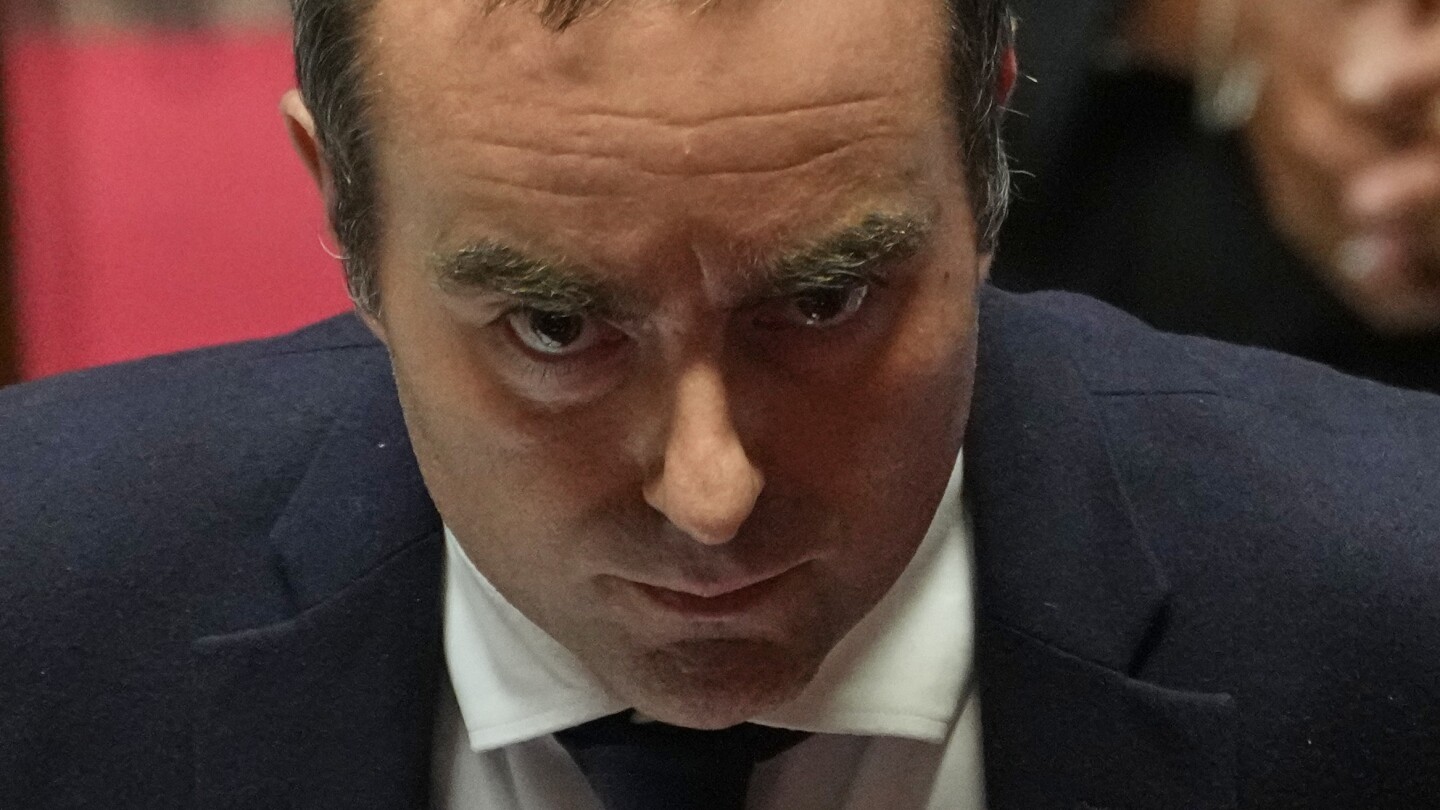
    France is on the brink of a deepening political crisis as Prime Minister Sébastien Lecornu faces two no-confidence motions in the National Assembly on Thursday. These motions, filed by President Emmanuel Macron’s staunch opponents—the hard-left France Unbowed party and Marine Le Pen’s far-right National Rally—threaten to destabilize the fragile government. Should Lecornu’s administration fall, Macron may be compelled to dissolve the National Assembly and call for snap legislative elections, a move fraught with uncertainty.

  • Country star Luke Combs to play two nights at Slane Castle

    Country star Luke Combs to play two nights at Slane Castle

    Country music sensation Luke Combs is set to make history by becoming the first artist to perform two consecutive nights at the iconic Slane Castle in the Republic of Ireland. The 35-year-old North Carolina native, known for his chart-topping hits, will grace the stage on July 18 and 19, 2026, as part of his My Kinda Saturday Night Tour. This unprecedented decision comes in response to overwhelming fan demand, solidifying Combs’ status as a powerhouse in the music industry. The concerts will feature stellar support acts, including Irish pop rock band The Script, American country singer Ty Myers, and the all-female trio The Castellows. Tickets for both nights will be available starting this Friday at 10:00 BST, with presale options already underway. Slane Castle, a venue with a rich history of hosting legendary acts like Queen, U2, and Madonna, boasts a capacity of 80,000 and has been a cornerstone of live music since 1981. Combs’ back-to-back performances mark a significant milestone, following in the footsteps of U2, who played twice in 2001 after their initial show sold out in record time.

  • Row over bringing back military service splits German government

    Row over bringing back military service splits German government

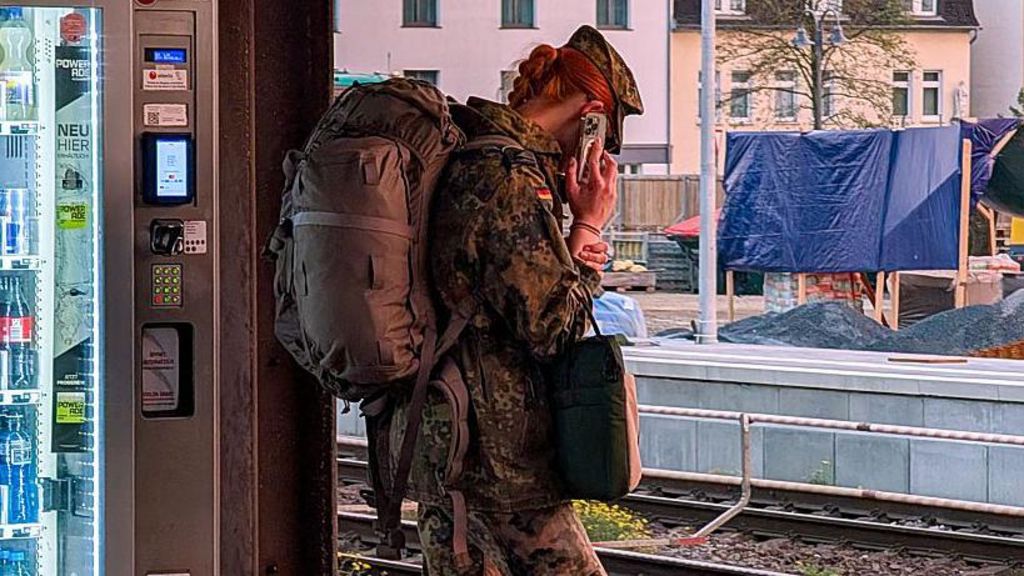
    Germany’s ambitious plans to reintroduce military service have been thrown into disarray following a last-minute dispute among the governing coalition parties. The proposed compromise, which included elements of mandatory conscription, was abruptly rejected, leaving the future of the initiative uncertain. Chancellor Friedrich Merz has emphasized his vision for Germany to possess the strongest conventional army in Europe. However, a scheduled press conference to unveil the proposals was canceled unexpectedly, just days before the draft bill was set to be presented to parliament on Thursday. Defence Minister Boris Pistorius has dismissed allegations of undermining the plans. Despite being the EU’s largest economy, Germany’s military has suffered from chronic underfunding since the Cold War’s end. Berlin is now urgently seeking to bolster defense spending and personnel, driven by warnings of a potential Russian attack within the next four years. Yet, the issue of military service remains politically sensitive, with significant public apprehension rooted in Germany’s 20th-century history of militarization. A recent Forsa survey for Stern revealed that 54% of Germans support compulsory service, while 41% oppose it, with opposition rising to 63% among 18 to 29-year-olds. Germany aims to expand its armed forces from 183,000 active personnel to 260,000 by 2035, alongside 200,000 reservists. Under draft plans announced this summer, 18-year-olds would complete an online questionnaire about their background and willingness to serve for at least six months. While mandatory for men, the questionnaire remains optional for women. The coalition government, comprising Merz’s conservative CDU/CSU and the centre-left SPD, initially agreed to reintroduce voluntary military service. However, CDU politicians, including Merz, have expressed concerns that a purely voluntary system may fall short. Negotiations between the coalition parties had reportedly yielded a multi-stage compromise, including a potential lottery system for mandatory service if recruitment targets were unmet. Yet, the SPD remains resistant to any form of compulsory service. Pistorius, while supportive of a strengthened military, has criticized the latest plans as impractical, advocating instead for all eligible young men to undergo medical assessments by July 2027 to assess available manpower. Despite the political impasse, Pistorius remains optimistic that a new law will be enacted by next year. Germany’s defense ministry faces significant logistical challenges in building the infrastructure needed to support its expanded military ambitions. Conscription was suspended in Germany in 2011, allowing young men to choose between military service or social work as conscientious objectors.

  • Greek riot police scuffle with protesting doctors during hospital tour by PM Mitsotakis

    Greek riot police scuffle with protesting doctors during hospital tour by PM Mitsotakis

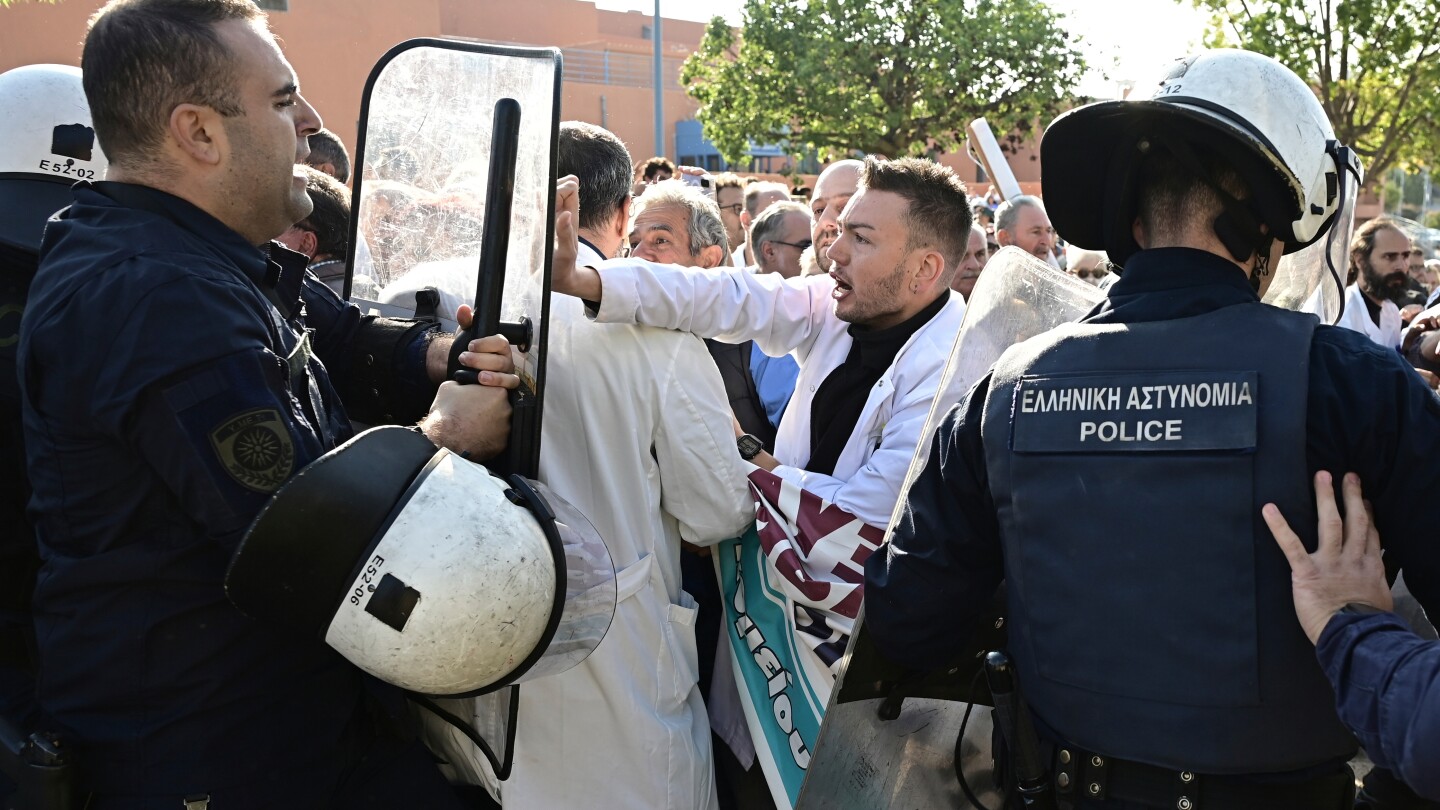
    Tensions flared at Athens’ University General Hospital Attikon on Wednesday as riot police clashed with medical staff during a protest over deteriorating public health services. The demonstration coincided with a visit by Greek Prime Minister Kyriakos Mitsotakis, who was attending the inauguration of a new oncology department and touring the renovated emergency wing. Armed with shields, batons, and pepper spray, police forcefully dispersed doctors demanding to meet with the prime minister, according to local media reports. The protest highlighted critical issues plaguing Greece’s healthcare system, including severe staff shortages, stagnant wages, and unsafe working conditions. Dr. Giorgos Sideris, head of the Association of Hospital Doctors of Athens and Piraeus, condemned the government’s inaction, stating that healthcare workers are owed 10,000 days of leave and have endured frozen salaries. He also revealed that 130 patients recently slept on stretchers in hospital corridors due to overcrowding, emphasizing the urgent need for 125 additional nursing staff to meet basic safety standards. Mitsotakis acknowledged the challenges during his speech, noting that funding for Attikon had risen from 90 million euros to 150 million euros and that staffing levels had improved, albeit insufficiently. The new oncology ward, funded by a charity organization, is expected to treat over 20,000 patients annually, marking a 41% increase from 2019. Despite these developments, the protest underscored the deep-seated frustrations of healthcare workers and the pressing need for systemic reforms.

  • Ukrainian officials meet with US weapons manufacturers before Trump-Zelenskyy talks

    Ukrainian officials meet with US weapons manufacturers before Trump-Zelenskyy talks

    In a significant diplomatic and strategic move, a high-level Ukrainian delegation has engaged with leading U.S. defense contractors during a visit to the United States. The delegation, led by Andrii Yermak, head of the Ukrainian president’s office, and Prime Minister Yuliia Svyrydenko, met with representatives from Lockheed Martin and Raytheon. While specifics of the discussions remain undisclosed, Yermak emphasized the growing collaboration between Ukraine and these defense giants as Kyiv seeks advanced weaponry to counter Russia’s ongoing aggression, which began on February 24, 2022. Mykhailo Podolyak, a senior adviser to Yermak, revealed that Ukraine is particularly interested in acquiring cruise missiles, air defense systems, and joint drone production agreements. Raytheon’s Patriot air defense systems and Tomahawk cruise missiles are of particular interest, as they could enable Ukraine to strike deep into Russian territory, including Moscow, with precision and significant impact. Lockheed Martin’s advanced weapon systems also hold strategic value for Ukraine’s defense efforts. The visit precedes Ukrainian President Volodymyr Zelenskyy’s anticipated meeting with U.S. President Donald Trump at the White House, where Zelenskyy is expected to seek approval for the procurement of Tomahawk missiles. However, Washington has expressed reservations, fearing such a move could escalate the conflict and strain U.S.-Russia relations. Trump has warned Russia that the U.S. may supply Tomahawks if Moscow does not soon end its war in Ukraine, potentially using this as leverage to pressure Russian President Vladimir Putin. U.S. Defense Secretary Pete Hegseth reiterated the U.S. commitment to supporting Ukraine, stating that if peace efforts fail, the U.S. and its allies will impose significant costs on Russia. Meanwhile, Russian Foreign Minister Sergey Lavrov cautioned that supplying Tomahawks to Ukraine would severely damage U.S.-Russia relations. In parallel, Ukraine and the U.S. are finalizing the U.S.-Ukraine Reinvestment Fund, which grants American access to Ukraine’s mineral resources, with potential projects in critical minerals, energy, and infrastructure sectors taking shape. Amid these developments, both nations continue to target each other’s energy assets, with Ukraine striking a Russian oil terminal in Crimea and Russia attacking Ukrainian power infrastructure, causing blackouts in multiple regions.

  • EU chief tells Serbia to act on reforms and implement Russia sanctions

    EU chief tells Serbia to act on reforms and implement Russia sanctions

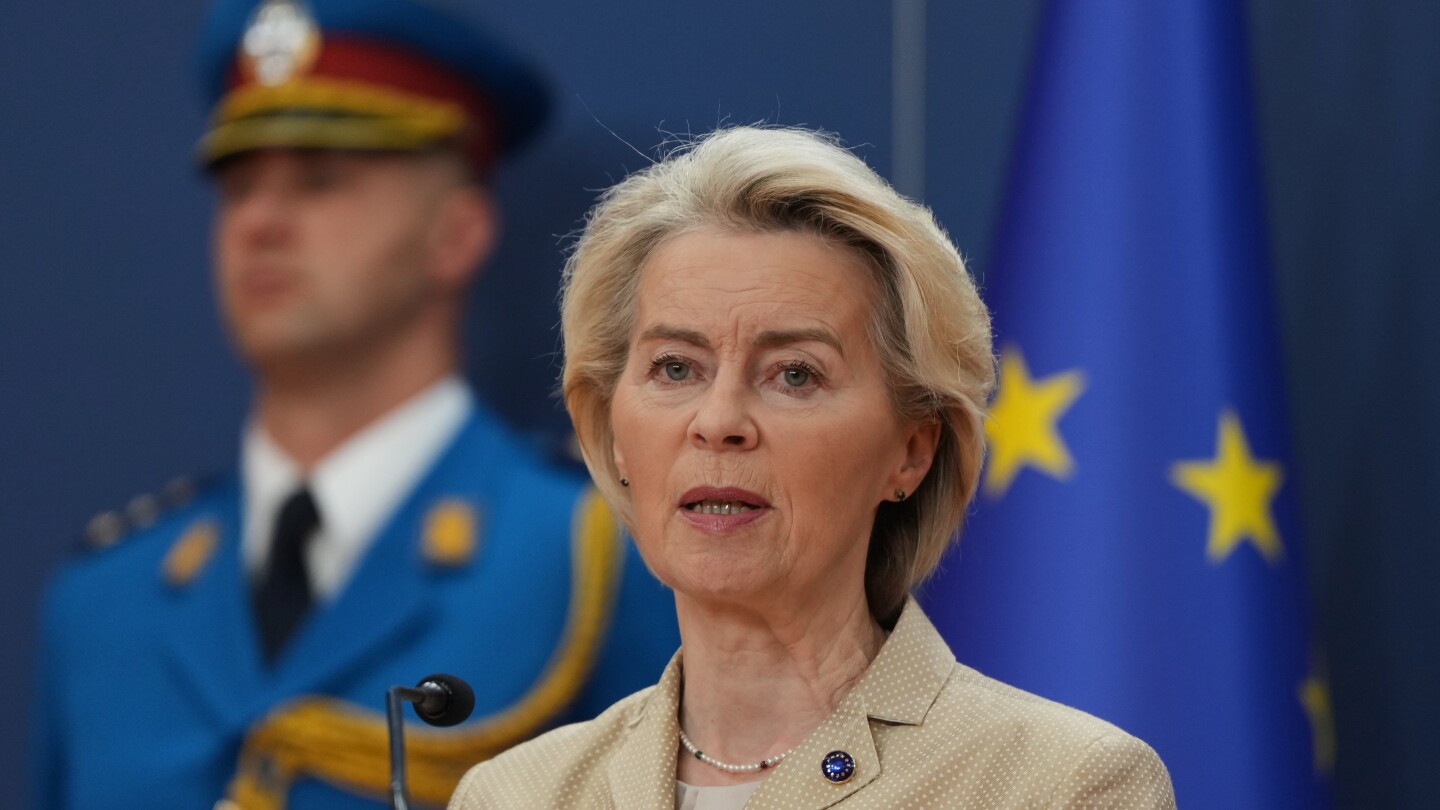
    BELGRADE, Serbia — European Commission President Ursula von der Leyen delivered a pointed message to Serbia’s populist leader, Aleksandar Vucic, during her visit to Belgrade on Wednesday. She emphasized the need for Serbia to take tangible actions toward its proclaimed goal of joining the European Union, including implementing sanctions against Russia and advancing democratic reforms. Von der Leyen’s remarks came amid growing concerns over Vucic’s increasingly authoritarian rule and his government’s crackdown on anti-government protests. Serbia remains the only European nation that has not imposed sanctions on Moscow following its invasion of Ukraine, despite its formal commitment to EU membership. Von der Leyen stressed the importance of aligning with EU foreign policy, particularly on sanctions, and urged Serbia to prioritize reforms in the rule of law, electoral framework, and media freedom. She also highlighted the EU’s stance on freedom and diplomacy, stating, “We stand for freedom instead of oppression, partnership instead of submission, and diplomacy instead of aggression.” Vucic, however, defended his government’s response to protests, claiming police used “minimum force” despite reports of excessive violence. Serbia’s historical ties with Russia and its reliance on Russian energy complicate its EU aspirations. The EU has intensified efforts to integrate Western Balkan nations, including Serbia, into its fold since Russia’s invasion of Ukraine, offering financial incentives and market access in exchange for reforms. Von der Leyen’s visit is part of a broader tour of the region, which includes Albania, Bosnia, North Macedonia, Kosovo, and Montenegro, all at various stages of the EU accession process.

  • Syria’s interim leader arrives on his first visit to Russia, set to meet with Putin

    Syria’s interim leader arrives on his first visit to Russia, set to meet with Putin

    In a significant diplomatic move, Syria’s interim leader, Ahmad al-Sharaa, arrived in Moscow on Wednesday for his first official visit to Russia. This marks a pivotal moment in the evolving relationship between the two nations, following the ousting of former Syrian President Bashar Assad last year. Al-Sharaa, who spearheaded the rebel offensive that led to Assad’s removal, is scheduled to meet with Russian President Vladimir Putin at the Kremlin. The discussions are expected to focus on enhancing bilateral ties in trade, economic cooperation, and humanitarian efforts, as well as addressing recent developments in the Middle East. The meeting underscores Moscow’s strategic intent to establish a working relationship with Syria’s new leadership while maintaining its military presence in the region. Despite Russia’s historical support for Assad, which included a decisive military intervention a decade ago, Moscow has refrained from opposing the rebel forces. Instead, it granted asylum to Assad after his swift departure from Syria. Russian Foreign Minister Sergey Lavrov clarified that this decision was based on humanitarian concerns, dismissing rumors of Assad’s alleged poisoning. The new Syrian administration, despite its past opposition to Assad, has adopted a pragmatic stance toward Russia, recognizing the importance of Moscow’s strategic interests in Syria. Russia continues to operate from its air and naval bases along the Syrian coast and has reportedly supplied oil to the war-torn nation. This visit follows a series of diplomatic exchanges, including a Russian delegation’s trip to Damascus in January and a July visit by Syria’s Foreign Minister to Moscow. In a recent interview, al-Sharaa emphasized Syria’s reliance on Russia for energy and food supplies, highlighting the enduring ties between the two countries.