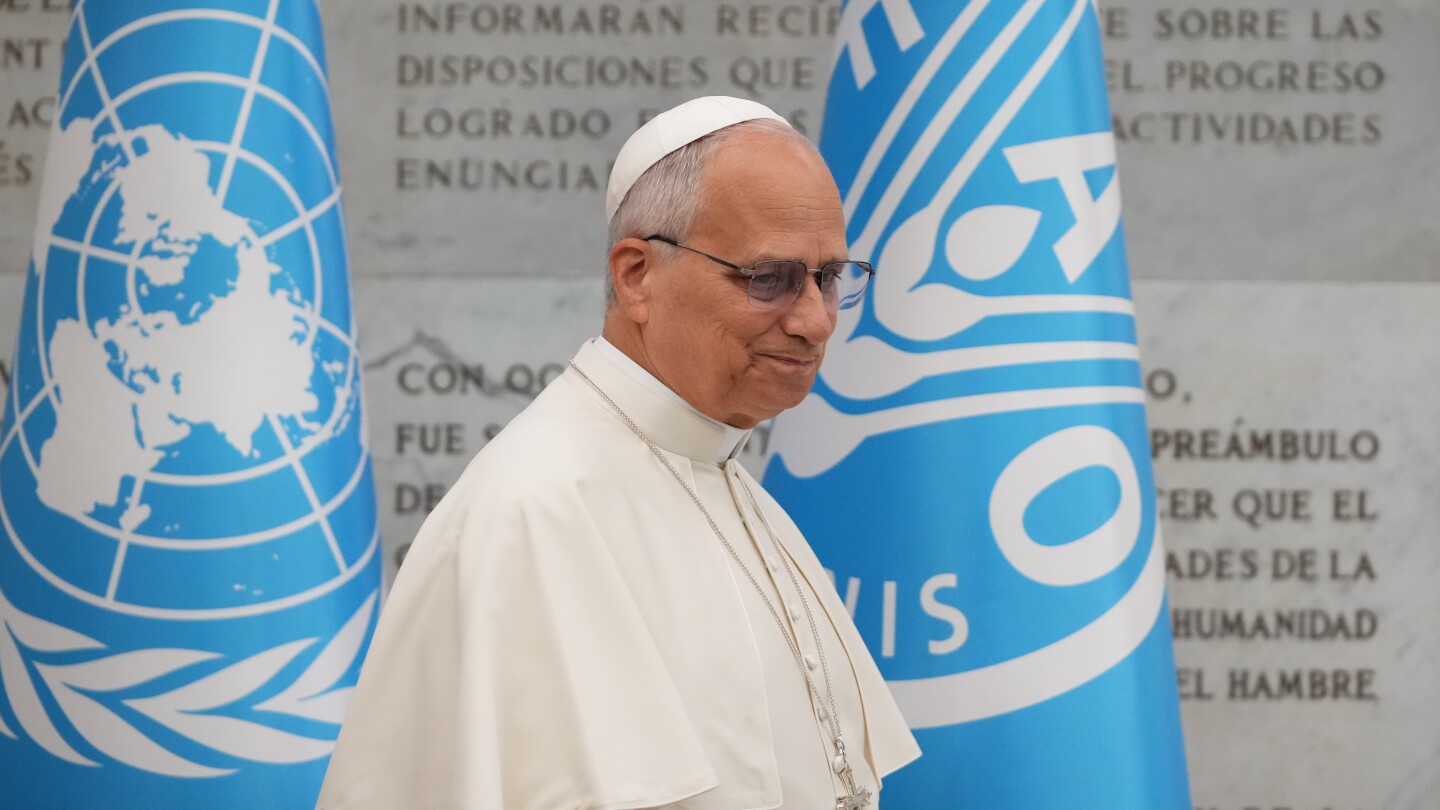
In a powerful address during the World Food Day global ceremony at the U.N. Food and Agriculture Organization’s headquarters in Rome, Pope Leo XIV urged world leaders to take responsibility for addressing the escalating crises of hunger, war, and suffering worldwide. The event also commemorated the 80th anniversary of the FAO. The pontiff emphasized the need for the international community to confront global food emergencies head-on, rather than turning a blind eye. He specifically highlighted the ongoing conflicts in Ukraine, Gaza, Haiti, Afghanistan, Mali, the Central African Republic, Yemen, and South Sudan, underscoring the dire consequences of inaction. Citing U.N. statistics, Pope Leo revealed that approximately 673 million people globally suffer from insufficient daily food intake. He challenged the global community to reevaluate their lifestyles and priorities, stating, ‘The hungry faces of so many who still suffer challenge us and invite us to reexamine our lifestyles, our priorities, and our overall way of living in today’s world.’ The pope concluded his speech by urging collective empathy, declaring, ‘We must make their suffering our own.’ Pope Leo also condemned the use of hunger as a weapon of war, labeling it a ‘collective failure, an ethical derailment, and a historic offence.’ His warning comes as U.N. food aid agencies face significant funding cuts, particularly from the U.S. and other Western donors, threatening operations in critical regions and potentially pushing millions into emergency hunger levels. The World Food Program reported that 13.7 million recipients of its aid could face severe food insecurity due to these cuts, with Afghanistan, Congo, Haiti, Somalia, South Sudan, and Sudan at the greatest risk.
标签: Europe
欧洲
-
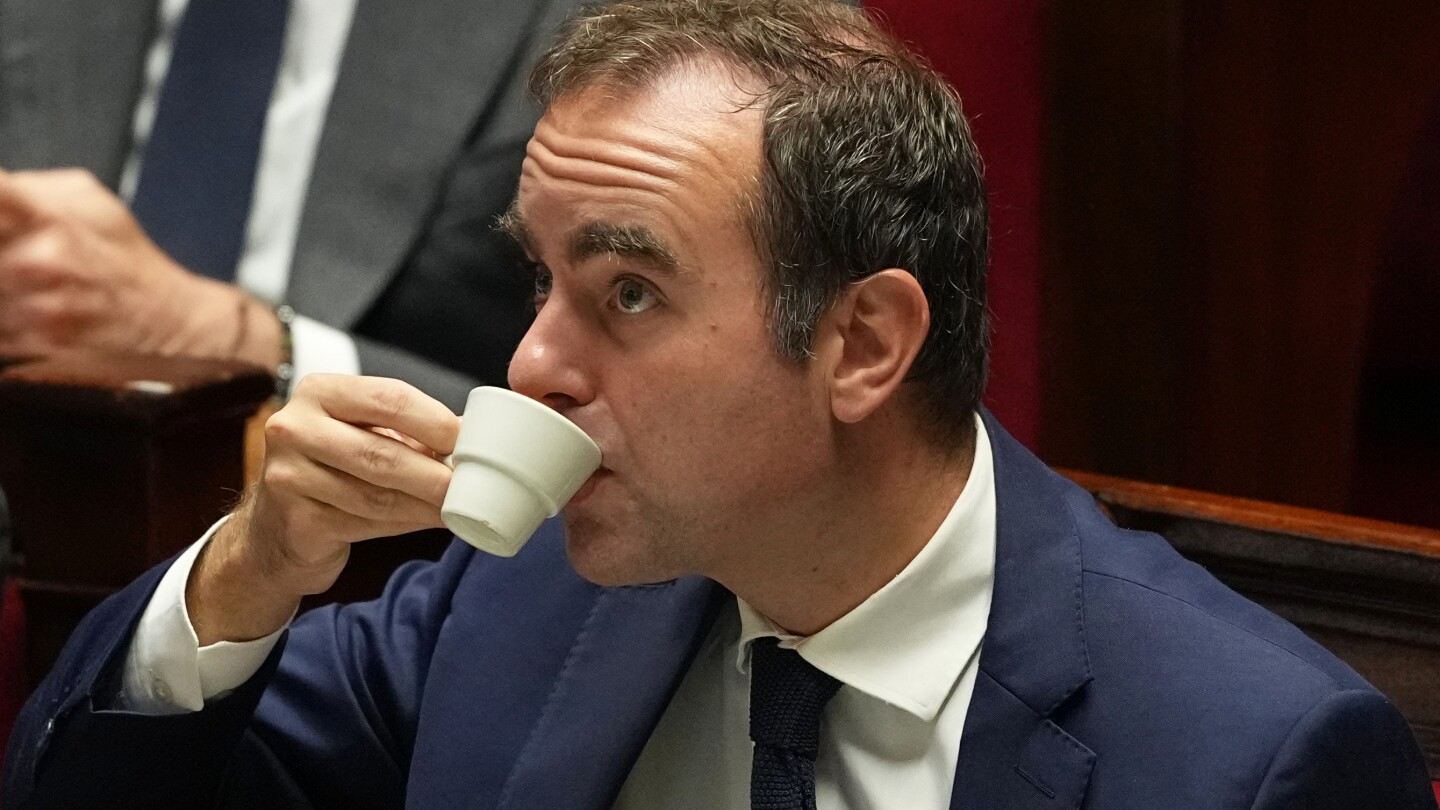
Embattled French PM Sébastien Lecornu survives no-confidence vote in Parliament
In a critical political showdown, French Prime Minister Sébastien Lecornu narrowly survived a no-confidence vote on Thursday, averting the collapse of his fragile government and preventing further political instability in France. The National Assembly’s decision allows Lecornu to focus on the daunting task of passing the 2026 budget for the European Union’s second-largest economy through a deeply divided Parliament. The vote also spared President Emmanuel Macron from the risky prospect of dissolving the National Assembly and calling snap elections, a move he had hinted at if Lecornu’s government fell. Two no-confidence motions were filed by Macron’s staunch opponents: the hard-left France Unbowed party and Marine Le Pen’s far-right National Rally. The first motion, led by France Unbowed, failed with 271 votes, falling short of the 289 required for a majority. The second motion, initiated by Le Pen, is also expected to fail, as left-wing lawmakers are unlikely to support it. Despite his survival, Lecornu remains in a precarious position. To secure votes, he offered to suspend the highly contentious pension reform, which raises the retirement age from 62 to 64. This concession swayed some opposition lawmakers to withhold support for his ouster, at least temporarily. However, future no-confidence motions could gain traction if budget negotiations—expected to be fraught with conflict—fail to meet opposition demands. Lecornu has pledged not to use constitutional powers to bypass Parliament, a tactic employed by Macron’s government to enforce the pension reform despite widespread protests. Achieving consensus on tax hikes, spending cuts, and other measures to address France’s soaring deficit and debt will prove exceptionally challenging.
-
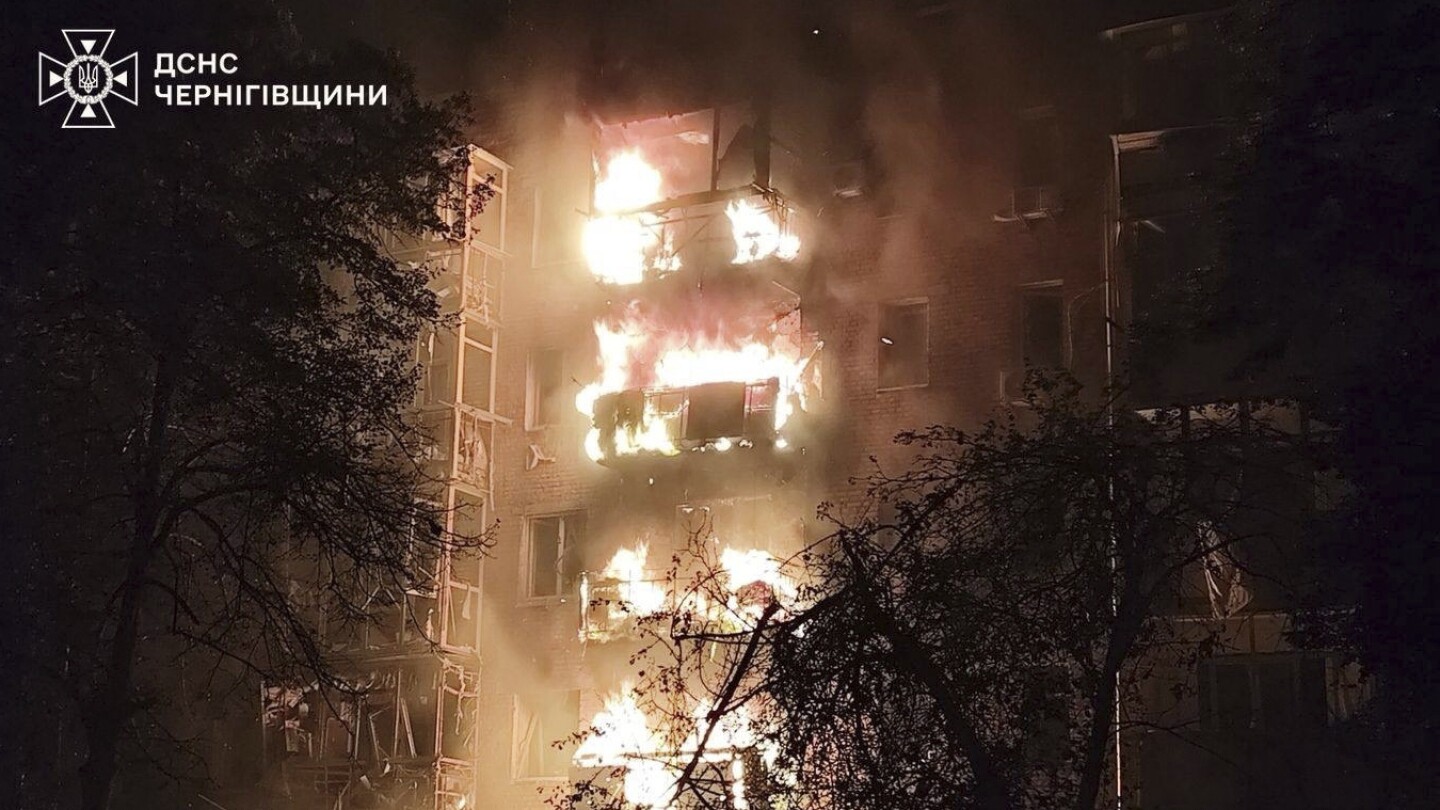
Russian barrage causes blackouts in Ukraine as Zelenskyy seeks Trump’s help
In a significant escalation of hostilities, Russia launched a massive assault on Ukraine’s energy infrastructure, deploying hundreds of drones and dozens of missiles in a targeted bombardment. Ukrainian authorities reported widespread blackouts across eight regions, including the capital, Kyiv. The attacks forced DTEK, Ukraine’s largest private energy company, to halt natural gas extraction in the central Poltava region. Ukrainian President Volodymyr Zelenskyy condemned the strikes, accusing Russia of using cluster munitions and repeatedly targeting emergency repair crews. He emphasized that Russia’s strategy of attacking energy facilities aims to cripple Ukraine’s resilience as winter approaches. Zelenskyy is scheduled to meet with U.S. President Donald Trump to request advanced air defense systems and long-range missiles to counter the ongoing aerial assaults. The Ukrainian power grid has been a primary target since Russia’s invasion over three years ago, with attacks intensifying as colder months near. Despite Ukraine’s resistance, the country’s vast territory makes it challenging to defend against aerial attacks. Zelenskyy’s visit to the U.S. also seeks to secure tougher international economic sanctions on Moscow and joint drone production agreements. Meanwhile, U.S. Defense Secretary Pete Hegseth warned that Washington will impose costs on Russia if it continues its aggression. Trump, frustrated by the prolonged conflict, has expressed impatience with Russian President Vladimir Putin, whom he views as the main obstacle to peace. The U.S. has hesitated to provide long-range missiles, fearing escalation, but Trump’s administration is exploring ways to increase pressure on Russia to end the war.
-
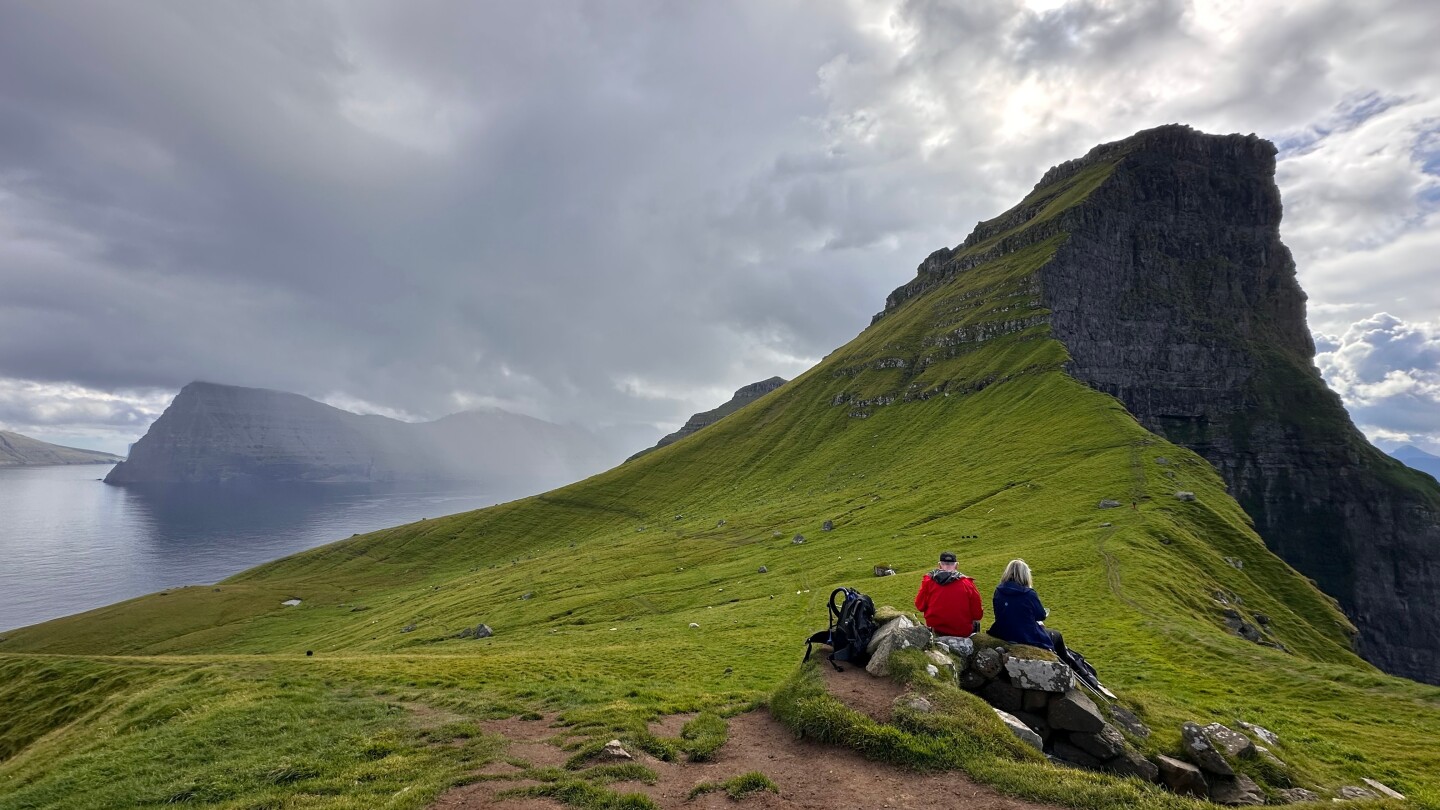
Take a ‘stormcation’ in the dramatic Faroe Islands, where James Bond died
The Faroe Islands, a remote archipelago in the North Atlantic, offer awe-inspiring landscapes but pose significant challenges for visitors. Known for its dramatic cliffs, sudden gale-force winds, and steep hillsides, this self-governing territory under Denmark has become a magnet for adventurous travelers seeking bird-watching, unique culinary experiences, and ‘coolcations’ amid rising global temperatures. However, the islands’ rugged beauty comes with risks. In September, three tourists vanished near a famous waterfall, highlighting the dangers of the terrain. Locals, accustomed to the harsh environment, navigate it with ease, but tourists are often unprepared for the sudden fogs and unprotected cliffs. The Faroe Islands are taking steps to balance tourism growth with environmental preservation. Initiatives like the annual ‘closed for maintenance’ program, launched in 2019, enlist volunteers to combat erosion and maintain trails. The tourism office has also introduced self-navigating tours to divert visitors from overcrowded spots to lesser-known areas. Despite the challenges, the islands’ growing infrastructure, including undersea tunnels and an expanding network of Airbnbs, is making travel more accessible. The Faroe Islands’ unique blend of natural beauty and cultural richness continues to attract visitors, but the message is clear: respect the environment and heed local warnings to ensure a safe and memorable experience.
-
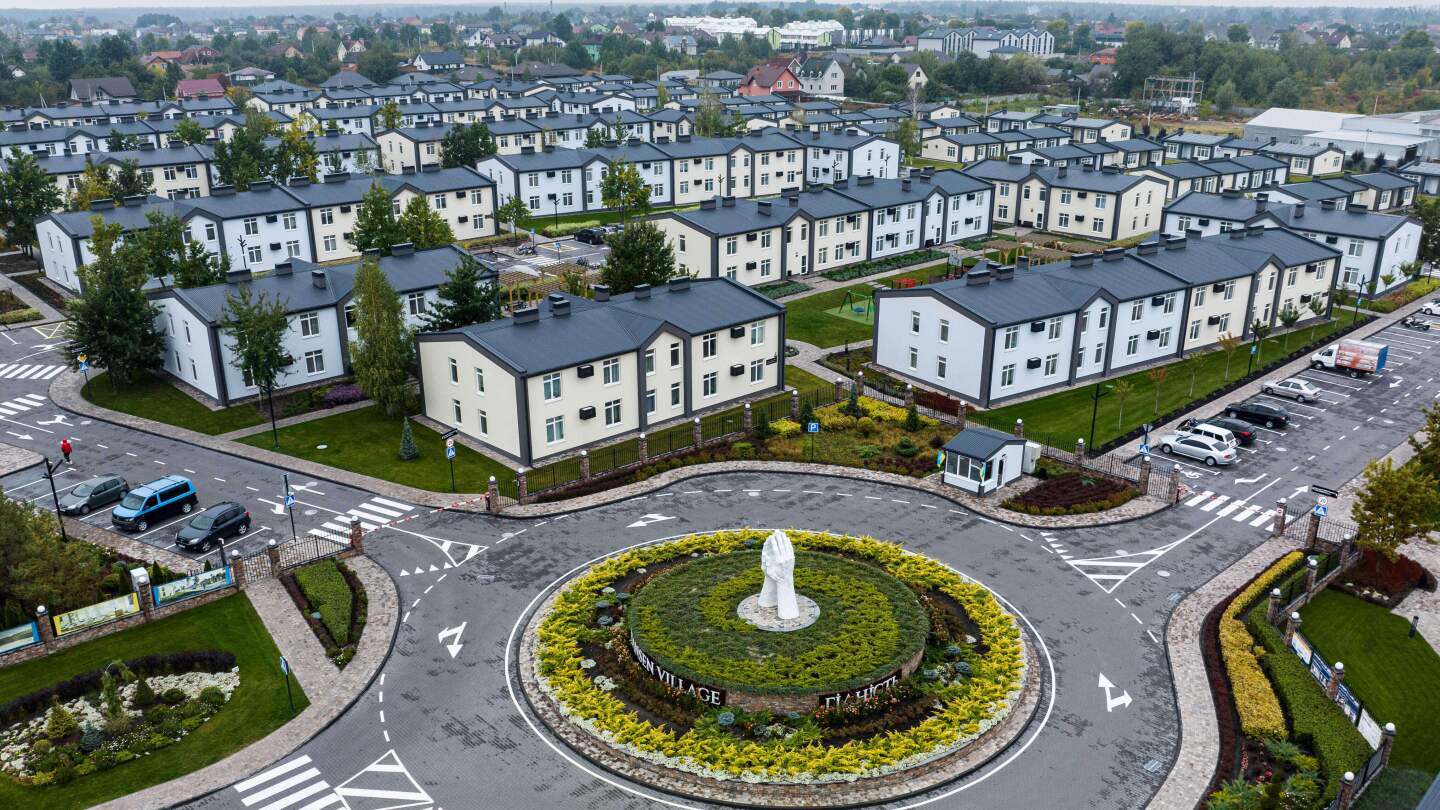
US developer builds homes for displaced Ukrainians, offering hope despite war and crisis
In the midst of the ongoing Russian invasion of Ukraine, which has displaced millions and scattered families across the nation and beyond, a privately-built settlement near Kyiv stands as a beacon of hope. Hansen Village, located approximately 400 miles west of the front lines, provides stable housing, personal space, and a sense of dignity to 2,000 displaced individuals, many of whom have fled occupied territories. The village, equipped with amenities such as a swimming pool, basketball court, health clinic, and school, was established by Dell Loy Hansen, a Utah-based real estate developer who has invested over $140 million in building and repairing homes across Ukraine since 2022. At 72, Hansen remains committed to expanding his efforts, driven by a sense of responsibility rather than charity. His projects include expanding Hansen Village, supporting elderly individuals and families, funding a prosthetics clinic, and planning a cemetery to honor displaced people. Hansen’s journey to Ukraine followed a public reckoning in 2020, when he sold his Major League Soccer team, Real Salt Lake, amid allegations of racist comments. Although he denied the claims, the experience instilled in him a sense of humility and a new mission. Ukraine’s housing crisis is dire, with nearly one-third of its population displaced, including 4.5 million internally displaced persons. The government struggles to fund shelters and repairs, as the cost of national reconstruction is estimated at $524 billion. Private initiatives like Hansen’s, though vital, remain a fraction of what is needed. Hansen’s work has earned him recognition, including an upcoming civilian honor from Ukraine, which he views as a means to bring visibility to the plight of the displaced and elderly. His efforts, while not a miracle, provide essential stability and hope to those who have lost everything.
-
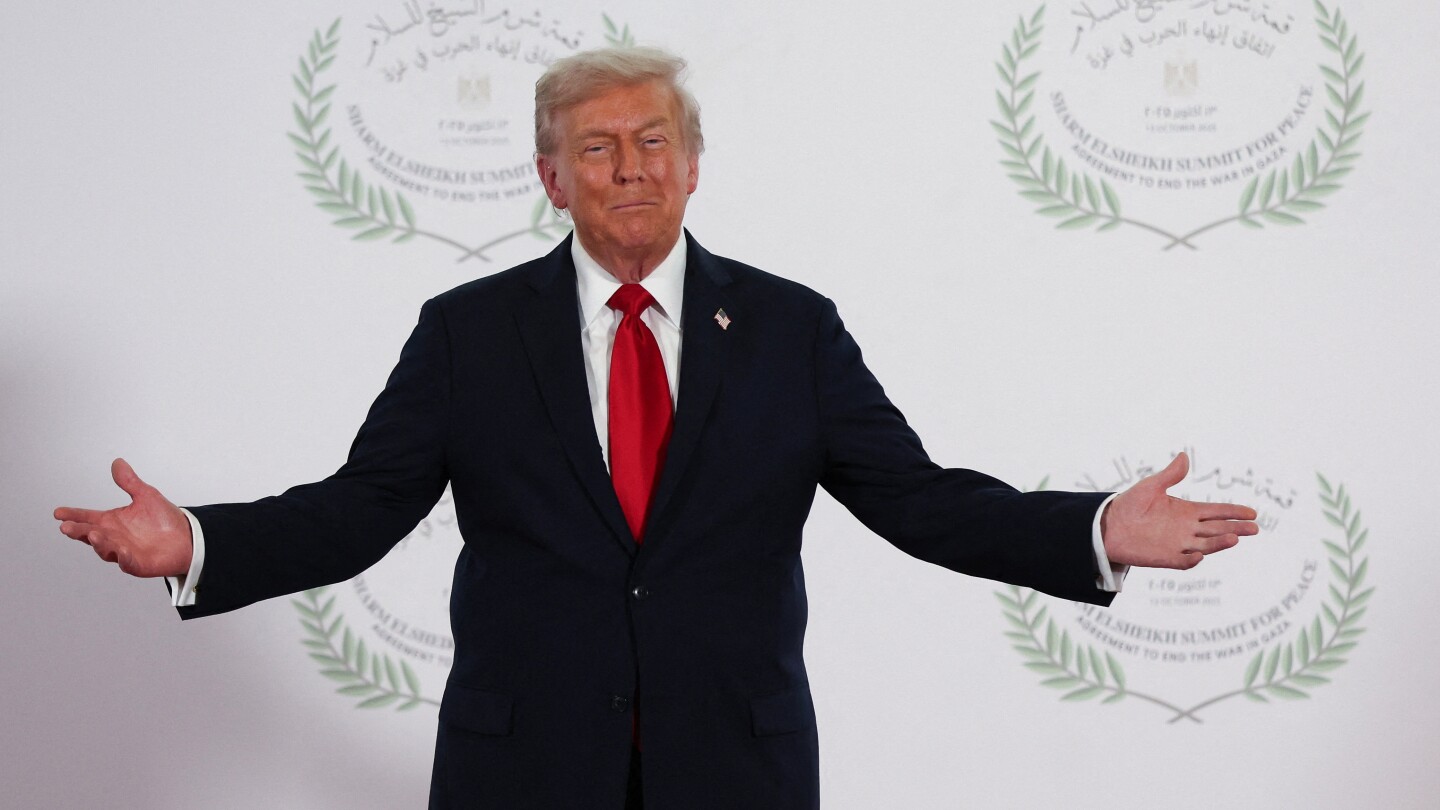
With fragile Gaza ceasefire taking hold, Trump says he’s now looking to ‘get Russia done’
Following the fragile ceasefire between Israel and Hamas, former President Donald Trump has redirected his attention to resolving the ongoing conflict between Russia and Ukraine. Trump, who has consistently criticized President Joe Biden’s handling of international crises, is now exploring the possibility of supplying Ukraine with long-range Tomahawk cruise missiles. This move aims to pressure Russian President Vladimir Putin to engage in peace negotiations. Despite previous unsuccessful attempts to broker talks between Putin and Ukrainian President Volodymyr Zelenskyy, Trump expressed renewed confidence in his ability to mediate, citing recent progress in the Middle East as a catalyst. Speaking at a dinner event, Trump emphasized the urgency of addressing the Ukraine conflict, which is nearing its fourth year. He also hinted at escalating pressure on Russia if diplomatic efforts fail. Trump is scheduled to meet with Zelenskyy on Friday, marking their fourth face-to-face meeting this year. The potential provision of Tomahawk missiles, capable of striking deep into Russian territory, has been a long-standing request from Ukraine. However, analysts caution that deploying such advanced weaponry could take years and may strain U.S.-Russia relations further. In the interim, experts suggest that supplying Ukraine with shorter-range missiles like the Extended Range Attack Munition (ERAM) and the Army Tactical Missile System (ATACMS) could be more immediately effective. Meanwhile, Trump has also signaled a willingness to impose stricter sanctions on Russia, particularly targeting its oil exports, though he has yet to formally endorse pending legislation in the Senate.
-
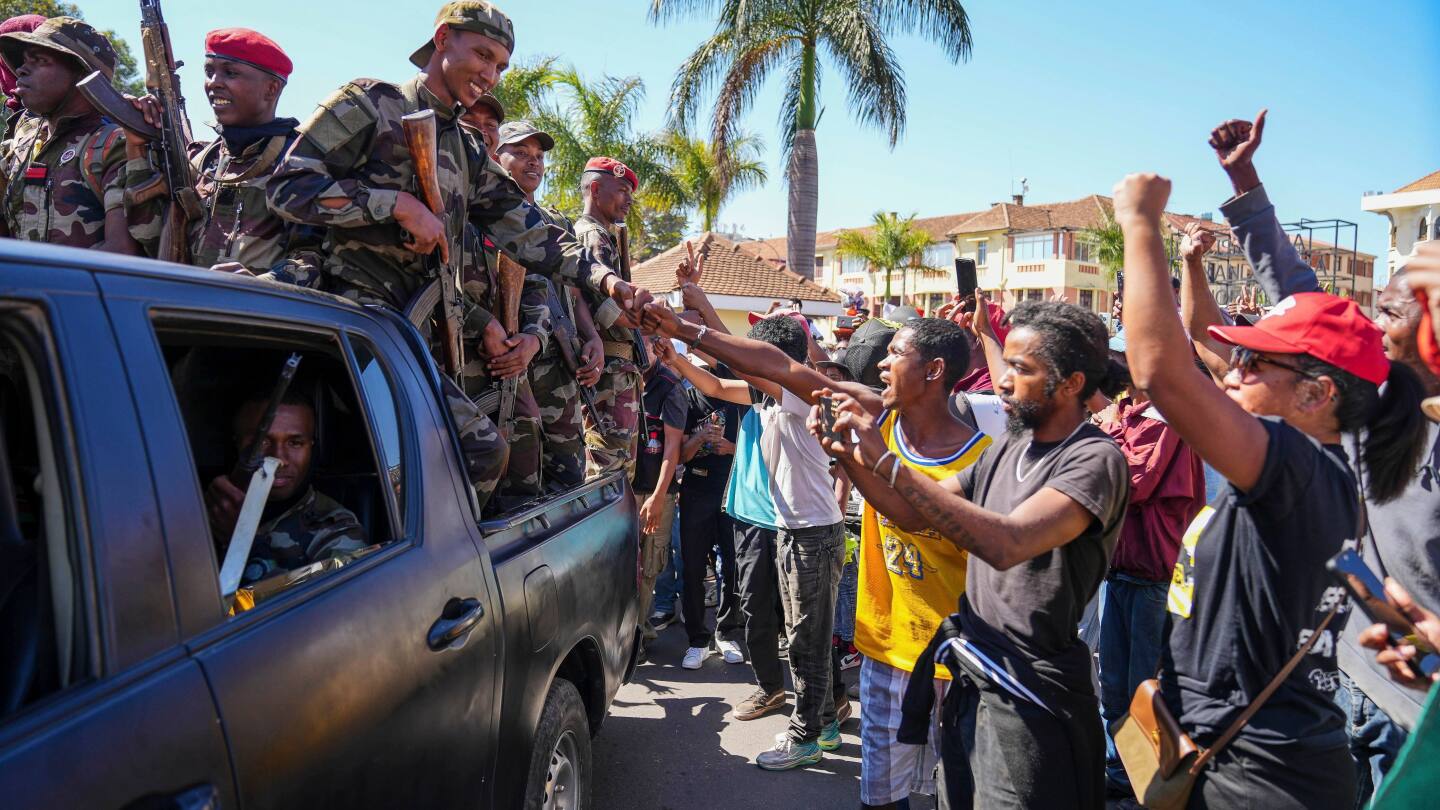
Angry with their governments, the world’s young are filling the streets as ‘Gen Z’ protesters
From the Andes to the Himalayas, a new wave of youth-led protests is sweeping across the globe, driven by generational discontent and frustration with political systems. These movements, often leaderless and primarily composed of individuals born between 1996 and 2010, are united by shared grievances such as economic inequality, corruption, and government neglect.
-
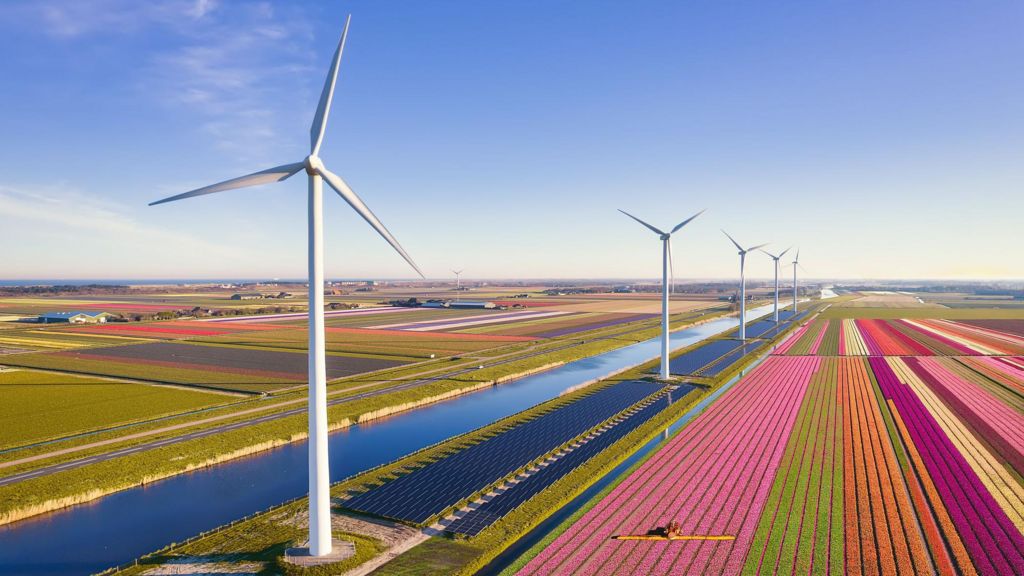
Netherlands’ renewables drive putting pressure on its power grid
The Netherlands, a global leader in renewable energy adoption, is grappling with a severe electricity grid crisis as its rapid shift to wind and solar power overwhelms the existing infrastructure. The country has embraced electric vehicles and renewable energy with remarkable enthusiasm, boasting the highest number of charging points per capita in Europe and more than a third of homes equipped with solar panels. By 2030, offshore wind farms are expected to become the nation’s largest energy source. However, this green transition has come at a cost: the national grid is under immense strain, leading to frequent power outages and widespread grid congestion. Kees-Jan Rameau, CEO of Dutch energy provider Eneco, likens the issue to a ‘traffic jam on the power grid,’ caused by an imbalance between supply and demand. The grid, originally designed for centralized gas-fired power plants, is ill-equipped to handle the decentralized nature of renewable energy. Small power lines in rural areas, where most solar panels and wind turbines are located, are particularly overwhelmed. Damien Ernst, a leading grid expert, warns that resolving this crisis will require billions of dollars and years of investment. The Dutch government has launched initiatives like the ‘Flip the Switch’ campaign to encourage energy conservation during peak hours, but the problem persists. Businesses and households face long waiting lists for grid connections, hampering economic growth and new housing developments. Tennet, the national grid operator, plans to invest €200 billion to reinforce the grid by 2050, but the process is slow and complex. Meanwhile, grid congestion costs the Dutch economy up to €35 billion annually, according to a 2024 report. The Ministry for Climate Policy and Green Growth acknowledges the challenges and is working on a ‘National Grid Congestion Action Plan’ to expedite grid expansion and adjust legislation. Despite these efforts, the Netherlands’ rapid energy transition continues to outpace its infrastructure, highlighting the urgent need for innovative solutions.
-
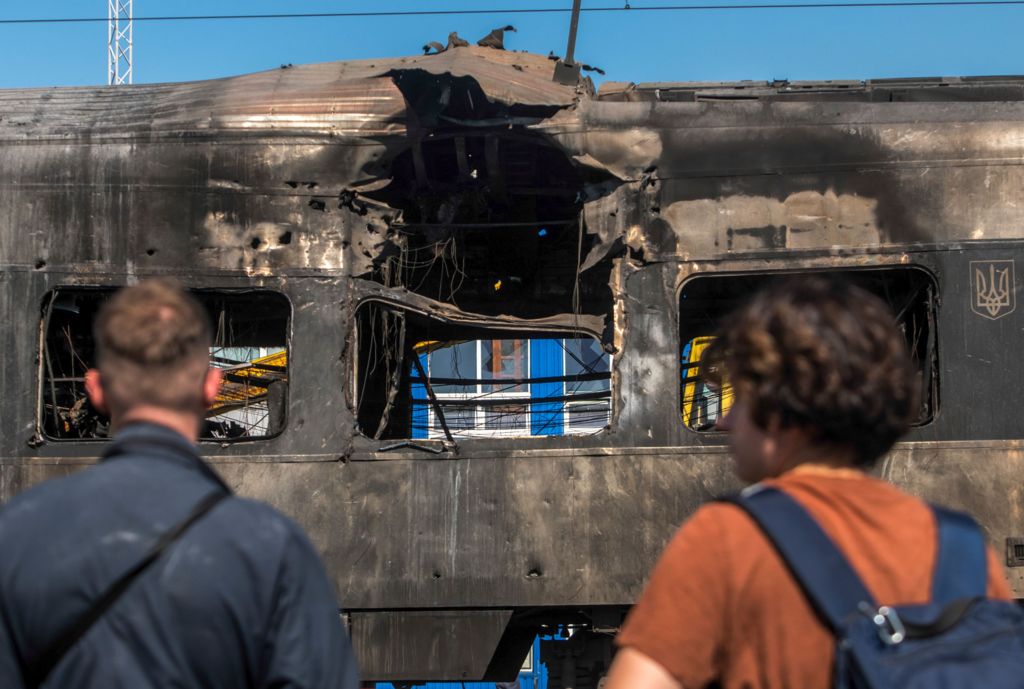
Russia intensifies attacks on Ukraine’s trains in ‘battle for the railways’
In the heart of Ukraine’s ongoing conflict, the nation’s railway system has become both a lifeline and a target. Olha Zolotova, a train conductor, lies in a Kyiv hospital bed, recounting the harrowing moment her train was struck by a Russian drone. ‘When the Shahed hit, I was buried under rubble. Everything was burning,’ she recalls. Her injuries, severe enough to require surgery and a metal plate in her leg, are a stark reminder of the relentless attacks on Ukraine’s railways, a critical infrastructure sustaining the country’s war effort and economy.
-
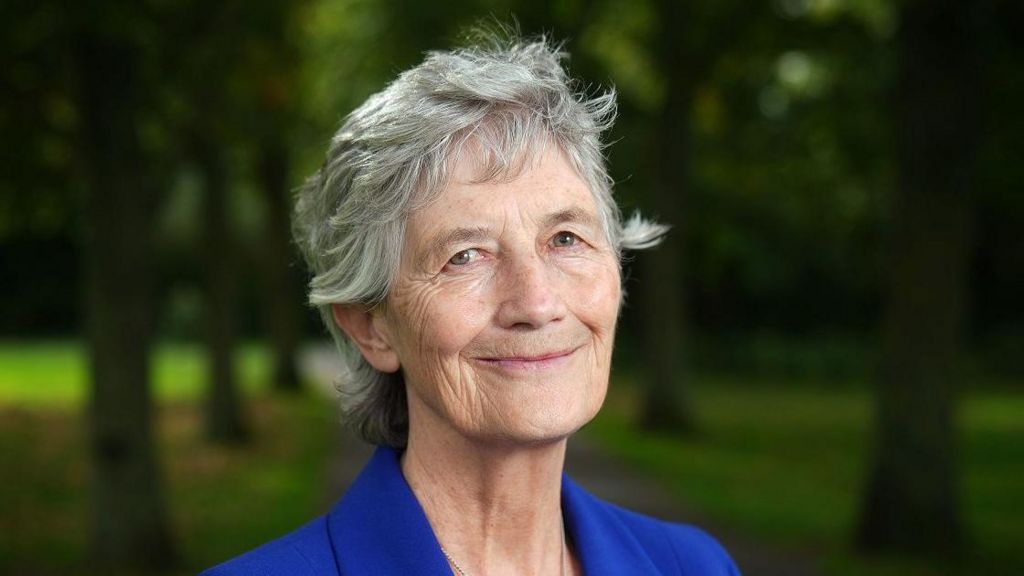
Irish presidential candidate concerned by EU ‘militarisation’
Independent Irish presidential candidate Catherine Connolly has voiced her concerns over the European Union’s increasing militarization, describing it as a persistent worry. Speaking on RTE’s Katie Hannon Interview Live, Connolly emphasized her unease as a woman and mother, criticizing the trend of nations allocating more resources to arms while reducing welfare spending. She also clarified that her campaign’s focus on an Irish border poll was not a concession to secure Sinn Féin’s political support. Connolly highlighted her longstanding advocacy for allowing Northern Ireland residents to vote in Irish presidential elections, noting growing public support for this initiative. Addressing controversy over her hiring of a former Éirígí member with a criminal record, Connolly defended her decision, citing the individual’s strong recommendations and her belief in rehabilitation. She also justified her 2018 trip to Syria, funded by the Parliamentary Activities Allowance, as a fact-finding mission, denying any association with pro-Assad militias. Connolly reiterated her commitment to serving only one term if elected, pledging to dedicate her energy fully to the presidency. She also expressed support for greater transparency in the office of the presidency, subjecting all expenses to Public Accounts Committee scrutiny. When asked about her husband’s potential public role, Connolly left the decision to him.