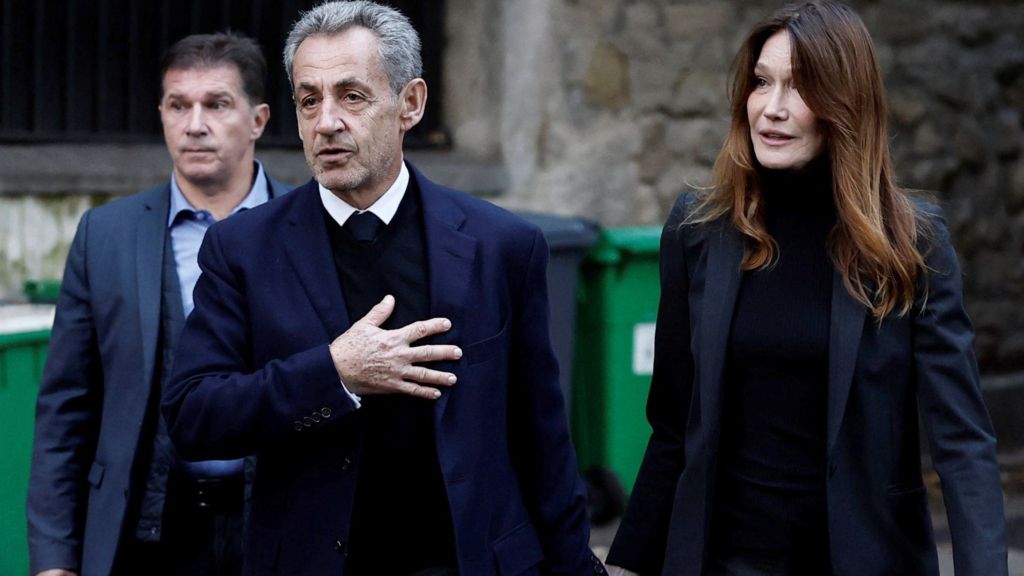
In a landmark judicial decision that has sent shockwaves through France, former President Nicolas Sarkozy has been sentenced to serve time in prison. This unprecedented event marks a significant moment in French political history, as Sarkozy becomes the first former head of state in modern France to face incarceration. According to the BBC’s Paris Correspondent Hugh Scofield, Sarkozy will be housed in a modest cell, underscoring the gravity of the situation. The verdict stems from a long-standing legal battle involving charges of corruption and influence peddling, which Sarkozy has consistently denied. This development not only tarnishes the legacy of a once-influential leader but also raises questions about the integrity of political figures in France. The case has drawn widespread attention, both domestically and internationally, as it highlights the judiciary’s increasing willingness to hold high-ranking officials accountable. Sarkozy’s imprisonment is seen as a pivotal moment in the fight against political corruption, signaling a new era of transparency and accountability in French governance.
标签: Europe
欧洲
-
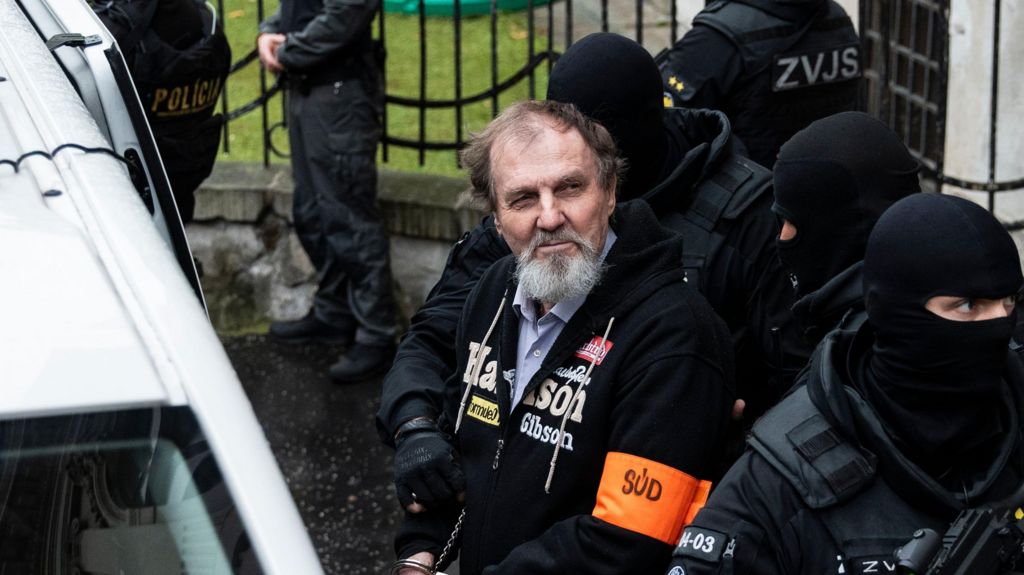
Slovak PM Fico’s attacker sentenced to 21 years in prison
In a landmark ruling, Juraj Cintula, the 72-year-old pensioner who shot and severely injured Slovakian Prime Minister Robert Fico in May 2024, has been sentenced to 21 years in prison on terrorism charges. The attack occurred during Fico’s visit to Handlova, a town approximately 180 kilometers from Bratislava. Cintula fired five shots at close range, targeting the prime minister as he extended his hand in what he believed was a friendly gesture. Footage from the scene captured the chilling moment when Cintula raised his weapon and fired before being swiftly subdued by Fico’s security team. Fico sustained life-threatening abdominal injuries and was airlifted to a nearby hospital for emergency surgery. In court, Cintula denied intent to kill, claiming he aimed away from vital organs to merely injure Fico and halt policies he deemed detrimental to Slovakia. Despite his defense, Judge Igor Kralik emphasized that the attack was a direct assault on the prime minister, not an ordinary citizen. Cintula’s lawyer sought to downgrade the charge to attacking a public official, which carries a lesser penalty, but the request was denied. The defense has indicated plans to appeal the verdict. The incident has further polarized Slovakia’s political landscape, with Fico accusing the opposition of inciting hatred, even as his own rhetoric remains deeply divisive.
-
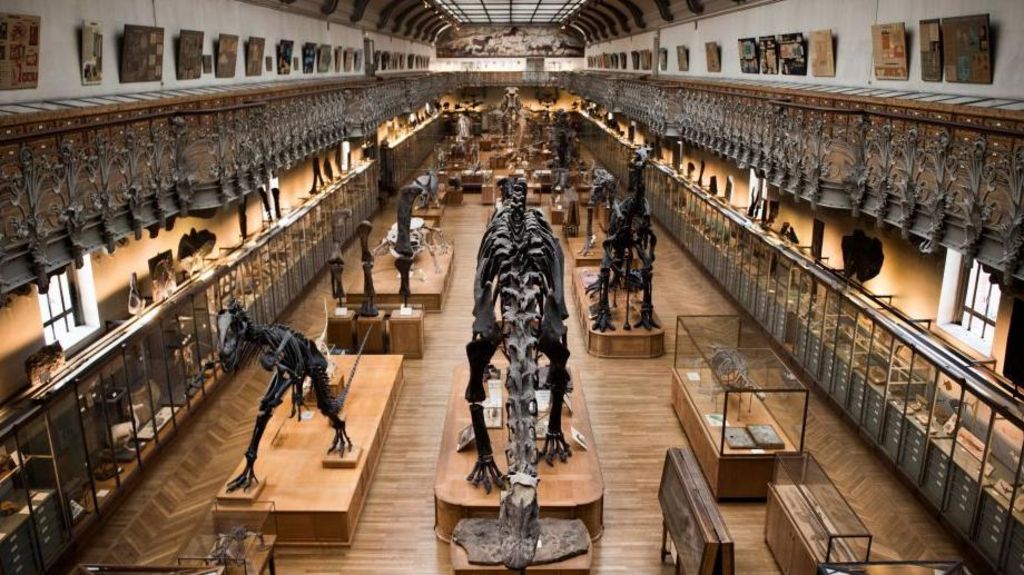
Woman charged after 1.5m euros of gold stolen from Paris museum
A Chinese-born woman has been formally charged in connection with the audacious theft of six gold nuggets, valued at approximately 1.5 million euros ($1.75 million), from the Museum of Natural History in Paris last month, according to French prosecutors. The suspect was apprehended in Barcelona while attempting to dispose of melted gold and is currently in pre-trial detention. The museum, renowned for its extensive collections of stuffed animals and bones, houses a mineralogy gallery where the stolen gold was displayed. Investigators discovered an angle-grinder and a blowtorch at the crime scene, suggesting the use of sophisticated tools. Reports indicate that the museum’s alarm and surveillance systems were disabled by a cyberattack, which the thieves allegedly exploited. A museum spokesperson revealed to Le Figaro that the perpetrators were highly experienced and well-informed, taking advantage of a security vulnerability overlooked in the 2024 audit. The break-in was discovered by cleaners arriving before dawn at the museum, which is affiliated with Sorbonne University and located near the Jardin des Plantes in central Paris. The suspect was arrested by Spanish police on September 30 under a European Arrest Warrant and extradited to France the same day. Authorities found her in possession of around one kilogram of melted gold, and investigations are ongoing. It is believed she was preparing to flee to China. Among the stolen items was a 5kg gold nugget originally from Australia, valued at approximately €585,000 at current gold prices. Museum director Emmanuel Skoulios described the thieves as an ‘extremely professional team’ with precise knowledge of their target and access to professional equipment. This incident follows a separate high-profile heist at the Louvre, where thieves stole priceless French crown jewels in a meticulously planned operation lasting less than eight minutes. Experts speculate that the stolen items may be dismantled and sold for a fraction of their value. Dutch art detective Arthur Brand noted that the perpetrators are likely experienced criminals who have carried out similar burglaries in the past. Recent months have seen at least four French museums targeted by thieves, raising concerns about the security of cultural institutions in the country.
-
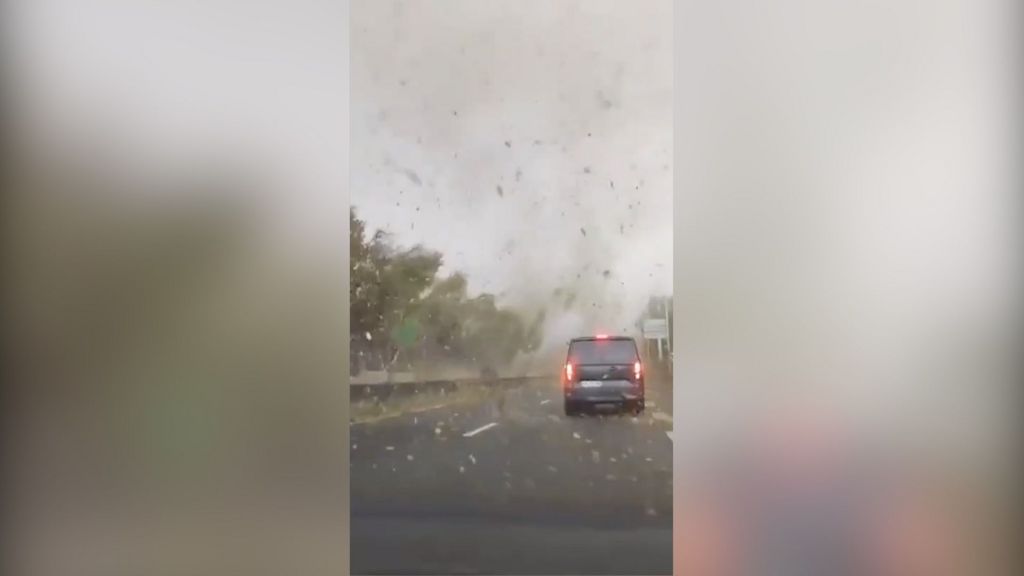
Tornado hits Paris suburbs leaving one dead
A devastating tornado swept through the Val-d’Oise region, located north of Paris, on Monday, resulting in tragic consequences. The powerful storm claimed the life of a 23-year-old construction worker and caused significant destruction, including the collapse of three construction cranes. The incident has sent shockwaves through the local community, highlighting the unpredictable and destructive nature of such natural phenomena. Emergency services swiftly responded to the scene, but the young worker could not be saved. Authorities are now assessing the extent of the damage and providing support to affected residents. This tragic event underscores the importance of preparedness and safety measures in the face of severe weather conditions.
-
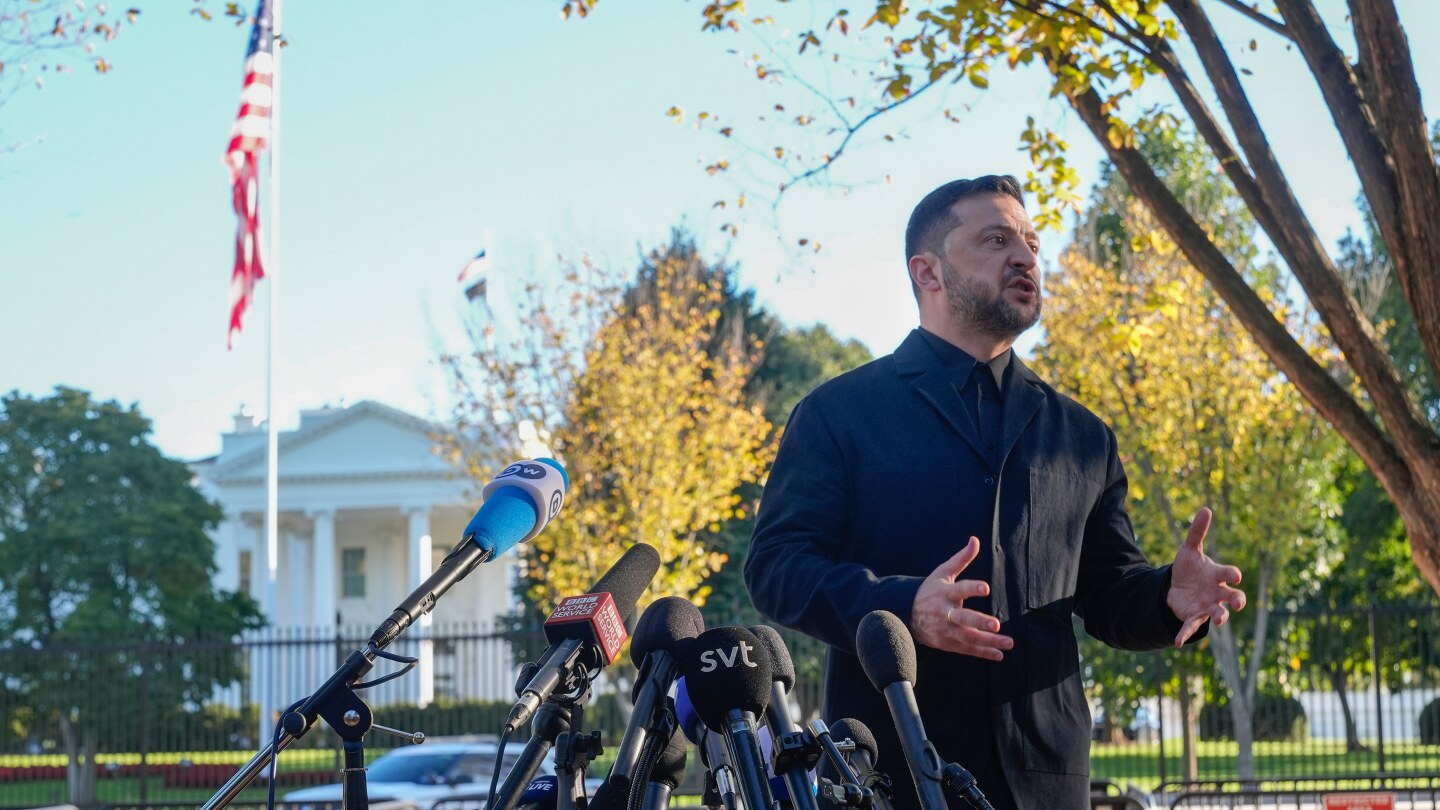
Ukraine and EU leaders accuse Putin of stalling and reject land concessions for peace
Ukrainian President Volodymyr Zelenskyy and European leaders have accused Russian President Vladimir Putin of deliberately delaying diplomatic efforts to end the ongoing invasion of Ukraine. They have firmly opposed any suggestion of Ukraine surrendering territory to Russia in exchange for peace, a proposal occasionally floated by U.S. President Donald Trump. In a joint statement, eight European leaders and senior EU officials announced their intention to utilize billions of dollars in frozen Russian assets abroad to support Ukraine’s war efforts, despite concerns over the legality and potential repercussions of such a move. The statement also expressed support for Trump’s peace initiatives but emphasized their commitment to the principle that international borders must not be altered by force. Trump’s shifting stance on the issue has added complexity to the situation. After initially suggesting Ukraine could reclaim all lost territory, he recently urged both Kyiv and Moscow to halt hostilities at the current front lines. European and Ukrainian leaders are working to maintain Trump’s support while ramping up pressure on Russia through economic sanctions and diplomatic efforts. An EU summit in Brussels is expected to discuss further sanctions, while the Coalition of the Willing, a group of 35 countries supporting Ukraine, will convene in London later this week.
-
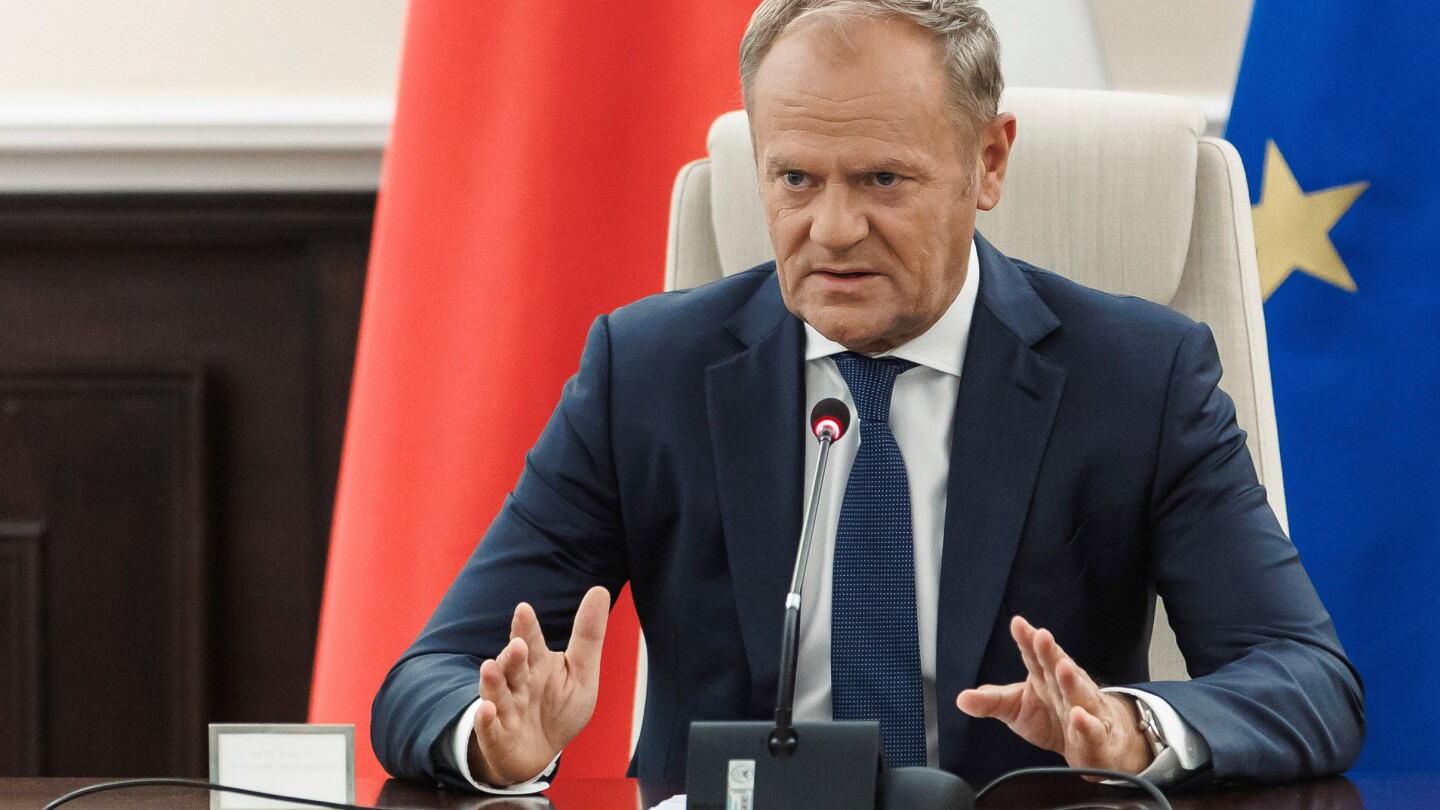
Polish authorities detain 8 in suspected sabotage plot, says Tusk
Polish Prime Minister Donald Tusk announced on Tuesday via social media platform X that authorities have apprehended eight individuals suspected of planning sabotage operations across the country. The suspects are accused of conducting reconnaissance on military installations and critical infrastructure, gathering resources for sabotage, and preparing to execute direct attacks. Tomasz Siemoniak, Poland’s minister overseeing special services, corroborated the details on X, emphasizing the seriousness of the alleged activities. This development comes amidst heightened security measures in Poland, which has detained numerous individuals on suspicion of sabotage and espionage since Russia’s invasion of Ukraine in February 2022. The arrests underscore Poland’s ongoing vigilance in safeguarding its national security and infrastructure against potential threats.
-
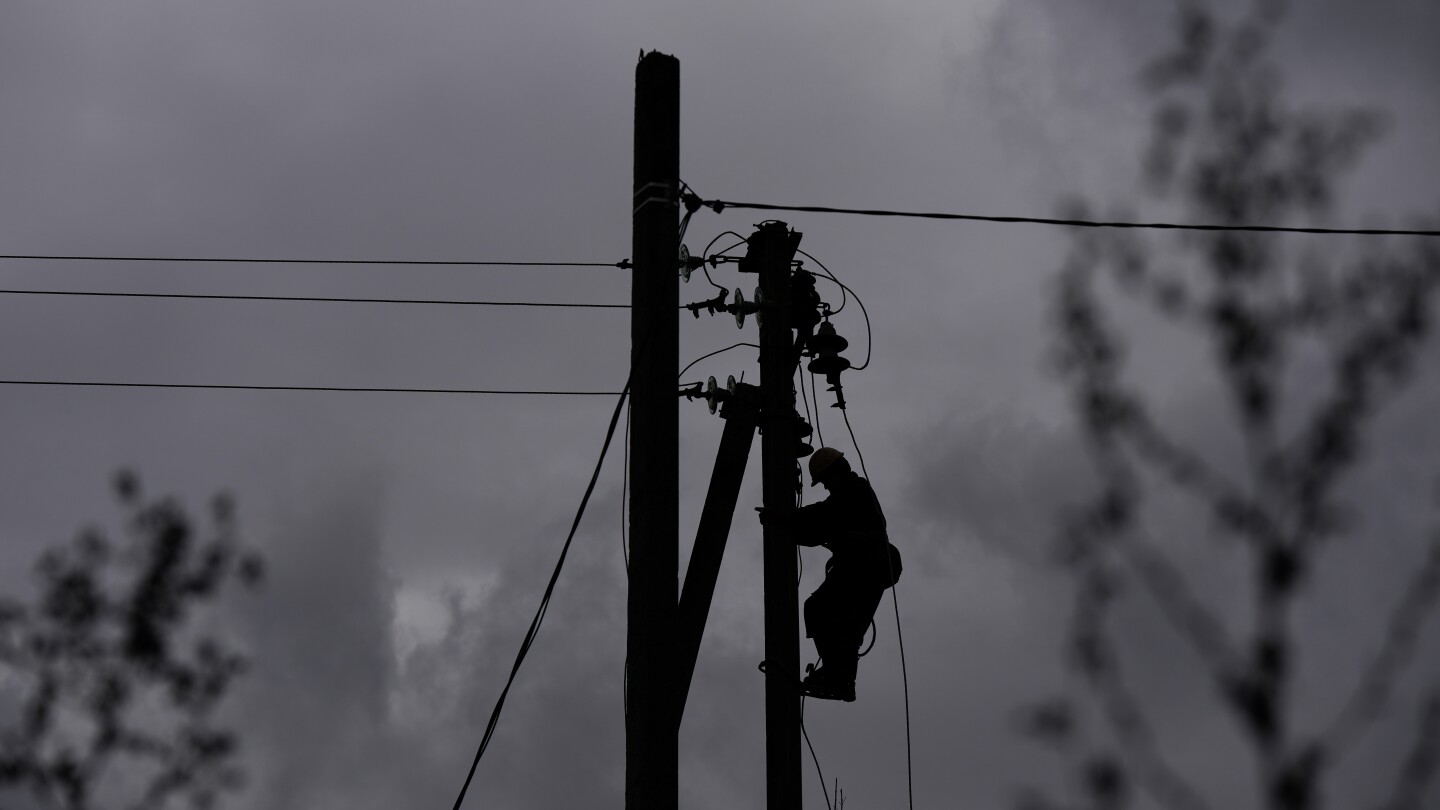
Ukrainians brace for another winter of power cuts as Russia shifts tactics
As winter approaches, millions of Ukrainians are preparing for another season of power outages and potential blackouts, exacerbated by Russia’s renewed assault on the country’s energy infrastructure. This year, Moscow has shifted its tactics, focusing on specific regions and gas facilities, making the attacks more effective and devastating.
-
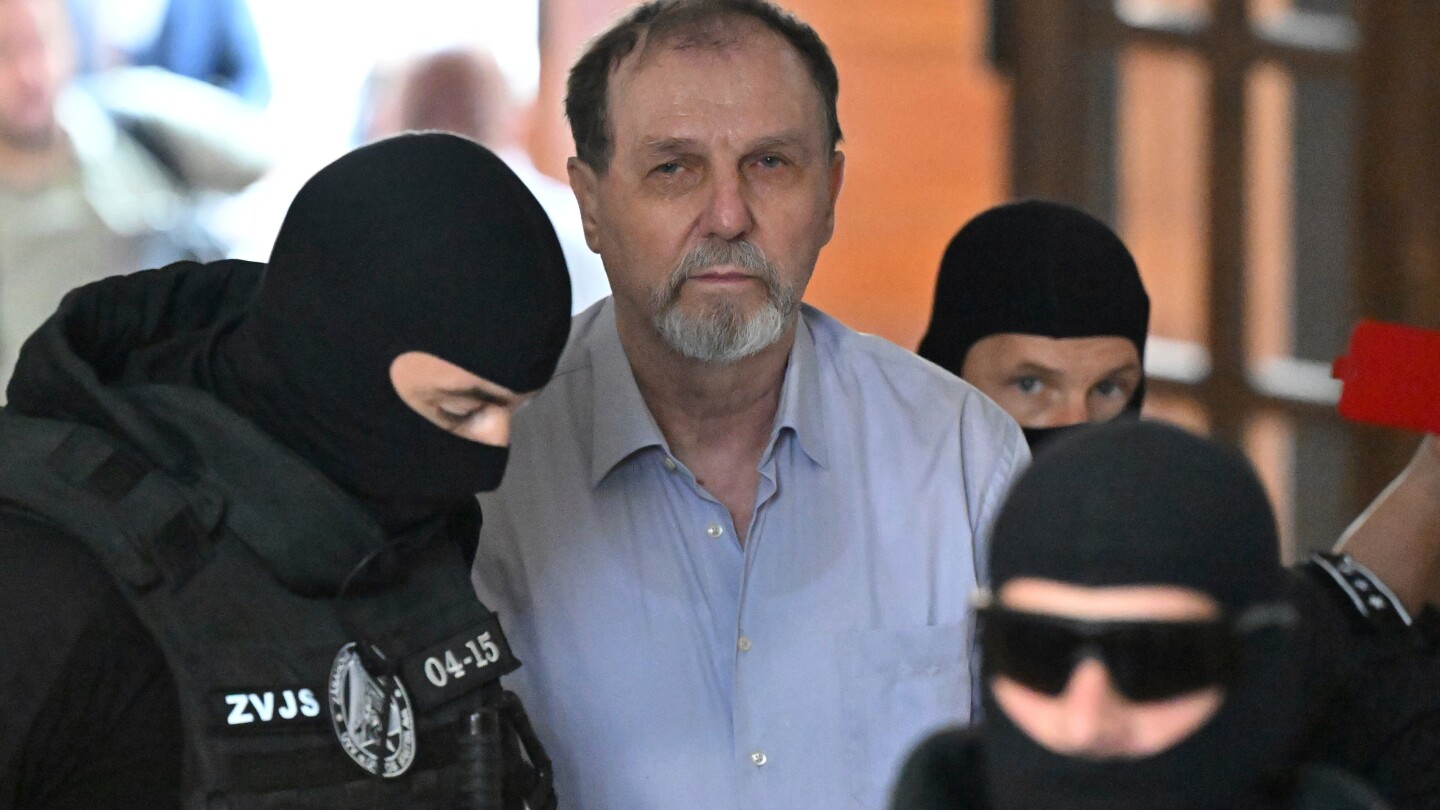
Slovakia court sentences the man behind the attempted assassination of prime minister to 21 years
A Slovak court has handed down a 21-year prison sentence to Juraj Cintula, the man responsible for the attempted assassination of Prime Minister Robert Fico in May 2024. The attack, which occurred in the town of Handlová, left Fico critically injured but he has since recovered after undergoing multiple surgeries. Cintula, a 72-year-old retiree, was convicted of committing a terrorist act, a charge he vehemently denied during the trial. The court ruled that his actions were a direct attack on the government, aimed at inciting its overthrow. Cintula’s motive, as he stated, was his opposition to Fico’s policies, including the cancellation of a special anti-corruption office, the cessation of military aid to Ukraine, and the government’s cultural stance. Despite his claims of not intending to kill, the court found his actions to be a severe threat to national security. The verdict can still be appealed, though it remains unclear if Cintula will pursue this option. The trial has further polarized Slovakia, a nation already divided over Fico’s pro-Russian and anti-Western policies. Critics argue that Fico’s leadership aligns Slovakia with Hungary’s Viktor Orbán, sparking widespread protests across the country. Fico, who was absent during the trial, has publicly forgiven his attacker, stating he harbors no hatred towards him.
-
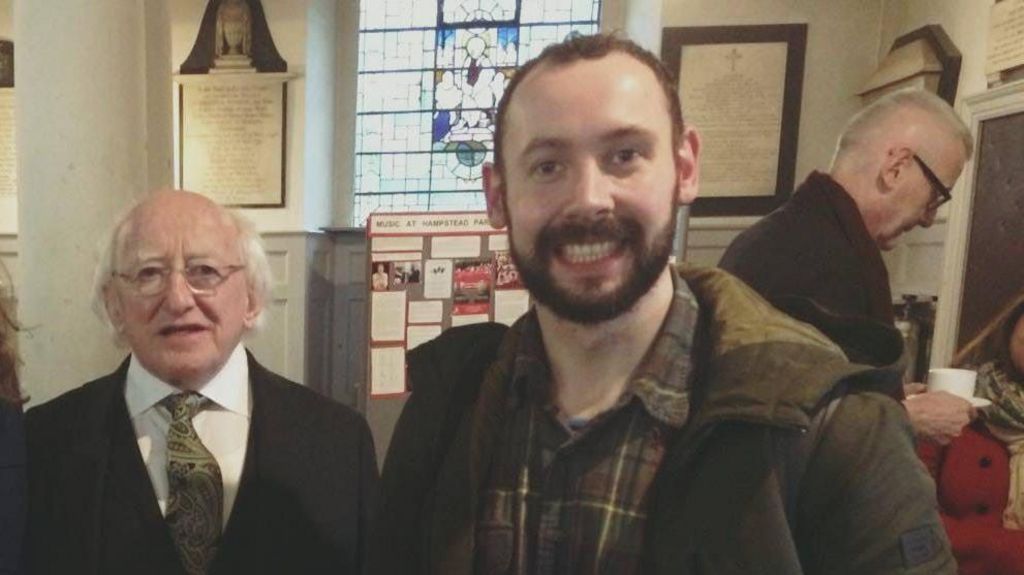
‘Strange’ being an Irish citizen who can’t vote in presidential election
As the Republic of Ireland prepares to elect its next president on Friday, the issue of voting rights for Irish citizens living abroad or in Northern Ireland has come to the forefront. Currently, only citizens residing within the Republic are eligible to vote, with exceptions for Defence Forces personnel and diplomatic staff serving overseas. This restriction has sparked criticism from many, including Alan Flanagan, a County Longford native now living in London, who described the system as ‘strange’ and called for reform. Flanagan, who has been actively involved in campaigning for voting rights through the group Votes for Irish Citizens Abroad (VICA), emphasized that the Irish president ‘represents Irish people all over the world.’ He argued that extending voting rights to those in Northern Ireland is a ‘no brainer’ and urged the government to act swiftly. The debate dates back to 2013, when a constitutional convention recommended extending presidential voting rights to citizens outside the Republic. Despite widespread political support, including from the ruling parties Fianna Fáil and Fine Gael, a 2019 referendum on the issue was postponed, and no new date has been set. Amy Donohoe, a journalist from County Cavan now living in Boston, expressed frustration at being unable to vote, stating, ‘It would be nice to use my vote.’ Meanwhile, Patricia Stephenson, a member of the Seanad, highlighted the emotional and financial burden faced by citizens who had to return to Ireland to vote in past referendums on marriage equality and abortion access. Former government minister Mary Hanafin also voiced support for extending voting rights but stressed the need for better groundwork to foster relations and communication. The election features two main candidates: Catherine Connolly, an independent backed by left-wing parties, and Heather Humphreys of Fine Gael. Both candidates have expressed support for extending voting rights to citizens in Northern Ireland. As the debate continues, the question remains whether Ireland will take steps to ensure its diaspora and Northern Irish citizens have a say in choosing their president.
-
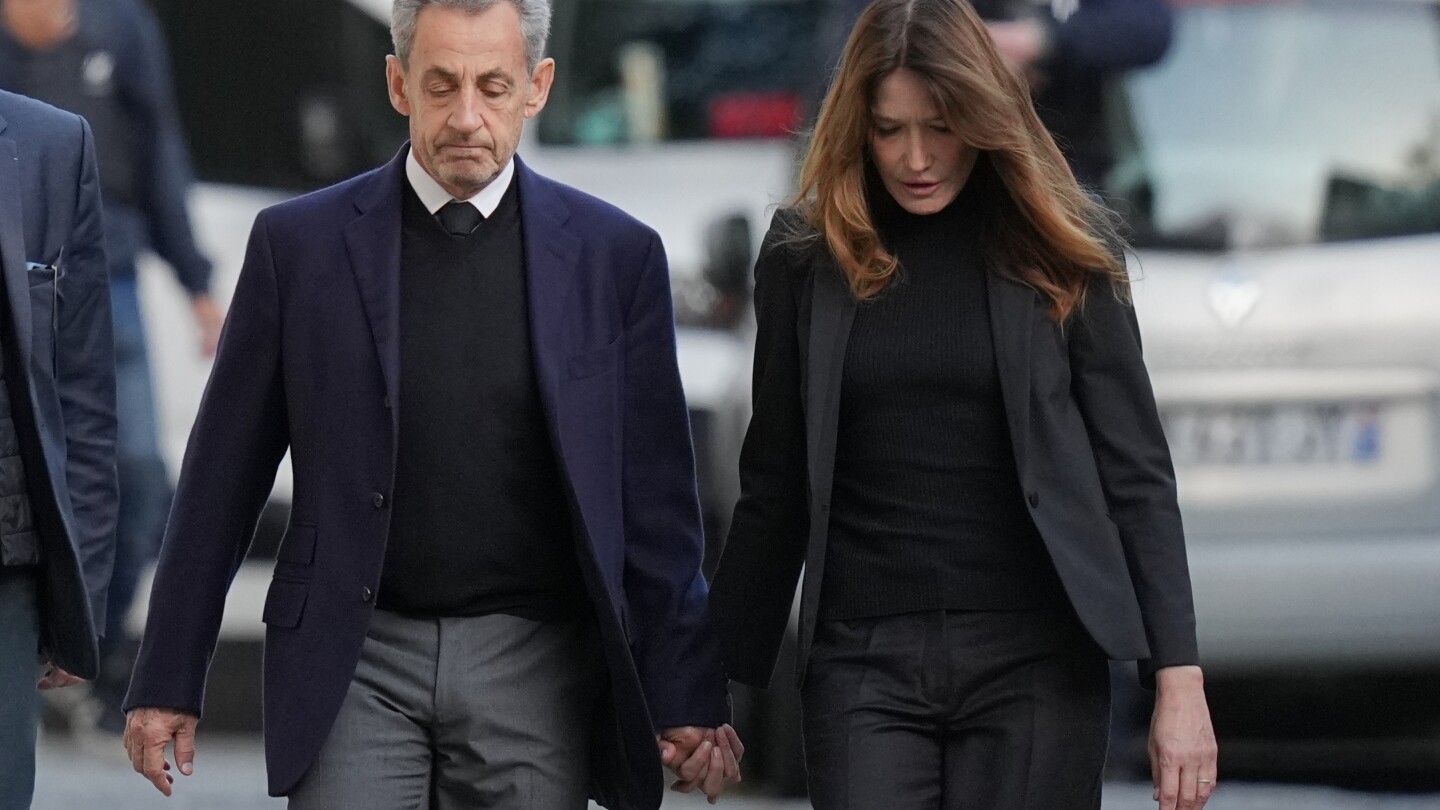
Former French president Sarkozy begins a 5-year prison sentence for campaign finance conspiracy
Former French President Nicolas Sarkozy commenced a five-year prison sentence on Tuesday, marking a historic moment as he became the first ex-leader of modern France to be incarcerated. Sarkozy was convicted last month for criminal conspiracy related to the illegal financing of his 2007 presidential campaign using funds from Libya. Accompanied by his wife, Carla Bruni-Sarkozy, he left his Paris residence and entered a police vehicle en route to La Santé prison, a notorious facility in the French capital. In a statement shared on social media, Sarkozy declared, “An innocent man is being locked up,” maintaining his innocence and vowing to fight the conviction. His legal team has already filed a request for his release pending appeal. Sarkozy’s journey from the presidential Elysée Palace to prison has captivated the nation, sparking both support and controversy. Hundreds of supporters gathered outside his home, chanting his name and singing the French national anthem, while his family, including his children and grandchildren, stood by his side. Sarkozy’s lawyers revealed that he will be held in solitary confinement for security reasons, a decision that has drawn criticism. Despite the challenges, Sarkozy remains resolute, stating, “I’ll hold my head high, including in front of the doors of La Santé.” He plans to write a book about his prison experience and has prepared a bag with essentials, including family photos and three books, notably Alexandre Dumas’ “The Count of Monte Cristo.” The Paris judge’s decision to enforce the sentence before the appeal hearing underscores the gravity of the offense. Sarkozy’s case continues to stir debate about justice, political accountability, and the independence of the judiciary in France.