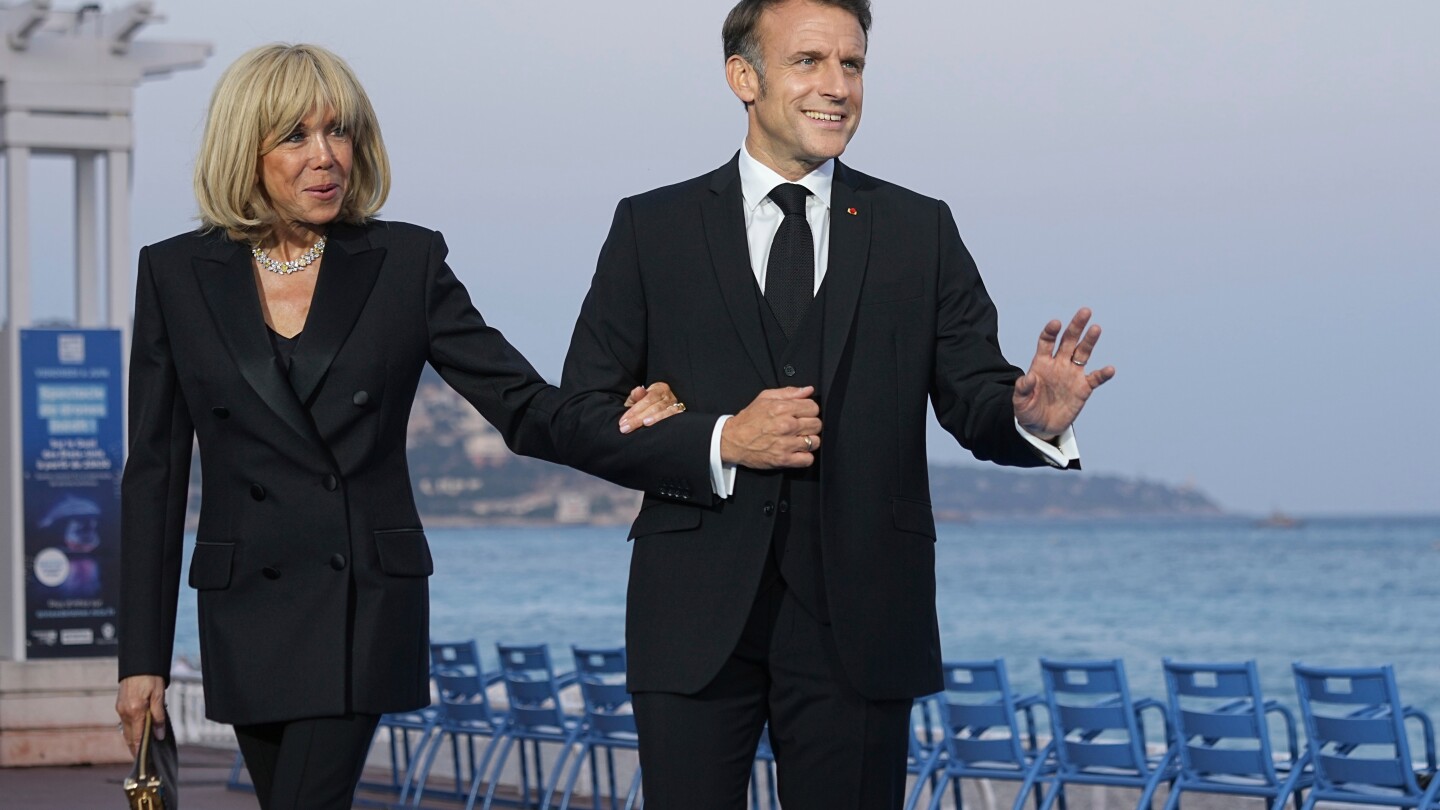
A high-profile trial commenced in Paris on Monday, involving ten individuals accused of cyberbullying Brigitte Macron, the wife of French President Emmanuel Macron. The defendants, comprising eight men and two women aged between 41 and 60, are alleged to have disseminated malicious online comments questioning Brigitte Macron’s gender and sexuality, as well as making unfounded claims about her age gap with her husband, insinuating inappropriate behavior. Among the accused are a self-proclaimed medium, an advertising executive, an elected official, a teacher, and a computer scientist. Some of the defendants have significant social media followings, with posts garnering tens of thousands of views. The case highlights the persistent conspiracy theories surrounding Brigitte Macron, including baseless claims that she was born male and transitioned to female. This trial follows a defamation lawsuit filed by the Macrons in July in a Delaware court against U.S. conservative influencer Candace Owens, who has propagated similar allegations. Owens, known for her controversial views, has a substantial online presence, with her YouTube channel boasting 4.5 million subscribers. The Paris trial is part of a broader legal battle, as the Macrons continue to combat defamatory claims. In September 2024, Brigitte and her brother Jean-Michel Trogneux won a defamation case against two women, though the ruling was later overturned by a Paris appeals court. The Macrons have since appealed to France’s highest court. The couple, married since 2007, first met when Emmanuel Macron was a student and Brigitte was his teacher. Brigitte, 24 years older than her husband, has faced relentless scrutiny and misinformation, which this trial seeks to address.
标签: Europe
欧洲
-
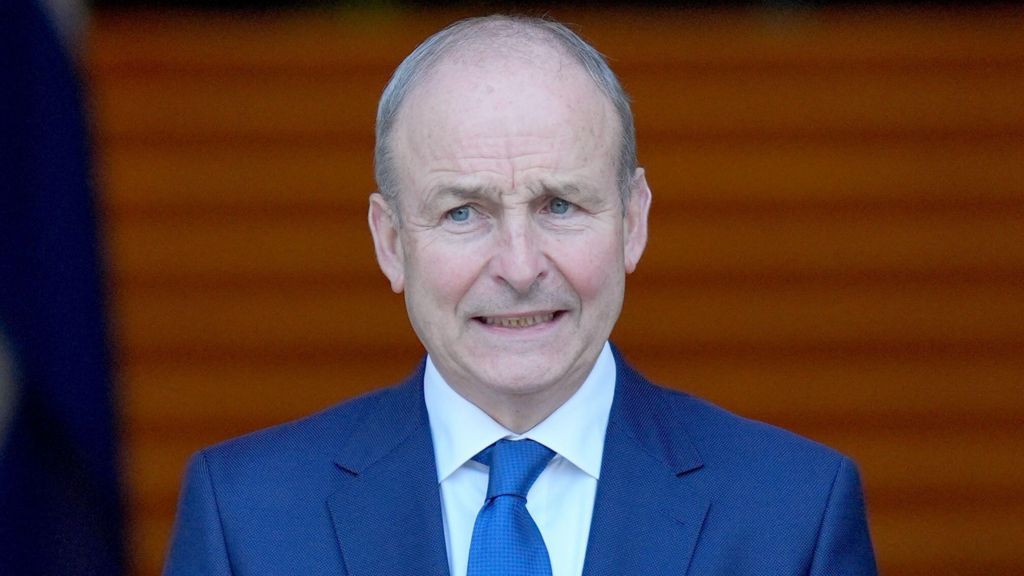
Backbenchers call for discussion about taoiseach’s leadership
Micheál Martin, the Taoiseach of Ireland and leader of Fianna Fáil for 14 years, is under increasing pressure from senior party members to address the future of his leadership. This comes in the wake of a tumultuous presidential election campaign that saw the party’s candidate, Jim Gavin, withdraw due to controversy over overpaid rent by a tenant. Despite Gavin’s withdrawal, his name remained on the ballot, and the party’s leadership faced criticism for backing him over other potential candidates, including European Parliament member Billy Kelleher. The election ultimately resulted in a landslide victory for independent candidate Catherine Connolly, further exacerbating internal party tensions. Senior Fianna Fáil backbenchers, including TD John McGuinness, have called for a leadership discussion, citing “serious errors” in the campaign. However, TD Darragh O’Brien maintains that the “vast majority” of parliamentary party members still support Martin. The party has decided to postpone leadership talks until a review of the presidential campaign concludes in two weeks. Martin’s position has been significantly weakened by his staunch support for Gavin, and while some believe his time as leader is numbered, others speculate that a leadership change may not occur until after Ireland’s EU Council presidency ends in December 2026. This would also mean Martin would not assume the role of tánaiste in 2027, as per the coalition agreement with Fine Gael.
-
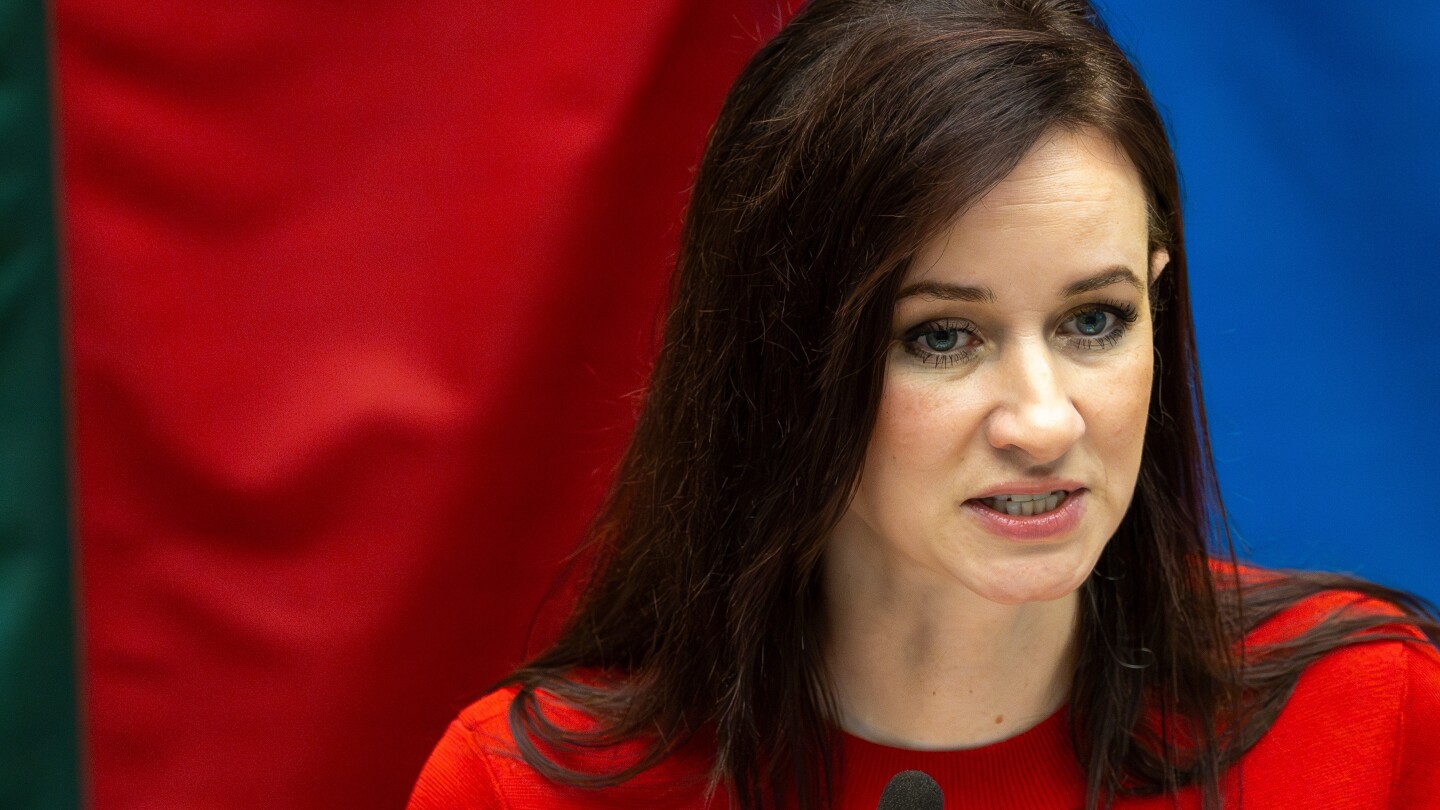
Lithuania draws up plans to shut Belarus border crossings indefinitely after balloon disruptions
Lithuania’s Prime Minister Inga Ruginienė announced on Monday that the government has prepared plans to indefinitely shut its border crossings with Belarus. This decision comes in response to repeated disruptions at Vilnius Airport caused by suspected sightings of balloons allegedly used for smuggling cigarettes across the frontier. The National Security Commission convened after air traffic at Vilnius Airport was suspended on three consecutive evenings—Friday, Saturday, and Sunday—leading to widespread flight cancellations, diversions, and delays. Kaunas Airport, located farther from the Belarusian border, was also affected on Friday. These incidents follow similar disruptions earlier in the week and in recent months. Both Medininkai and Šalčininkai border crossings were temporarily closed following each balloon sighting, with the border guard service extending the closure for 24 hours on Sunday night. Prime Minister Ruginienė stated that the restrictions will remain in place until Wednesday, when the Cabinet will decide on a potential indefinite closure. The draft decision includes exemptions for diplomats, diplomatic mail, and EU citizens entering from Belarus. Lithuania, a member of both the EU and NATO, shares borders with Russia’s Kaliningrad exclave and Belarus, a key ally of Russia. Belarusian opposition leader Sviatlana Tsikhanouskaya, exiled in Lithuania, described the balloon incidents as a form of hybrid aggression by the Belarusian regime. She expressed support for Lithuania’s actions and called for stronger sanctions against those involved in cigarette smuggling.
-
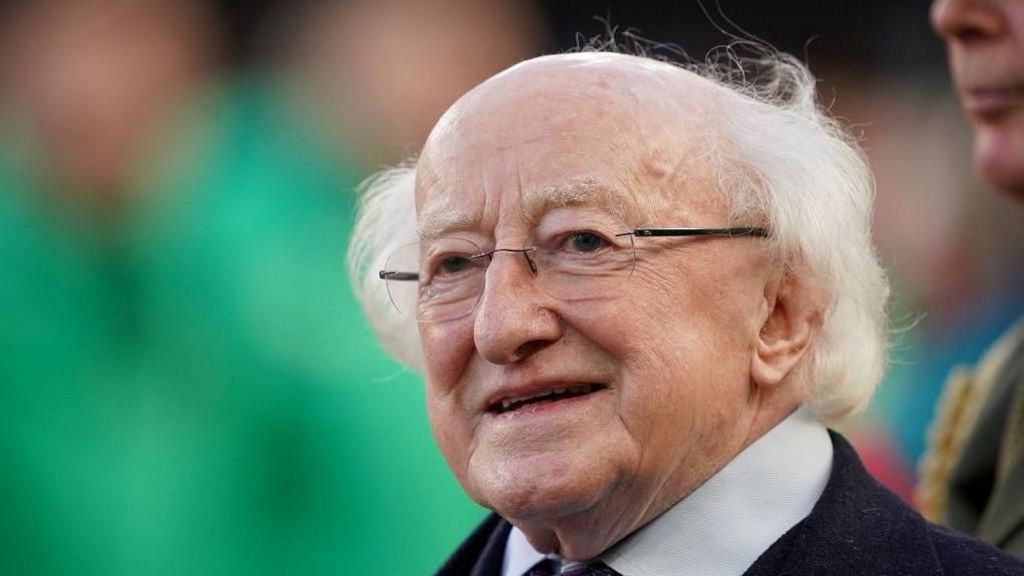
Michael D Higgins spends night in hospital for treatment
Irish President Michael D. Higgins was admitted to St. James’s Hospital in Dublin on Sunday for treatment of a localized infection. According to a spokesperson, the President received antibiotics and is in “good spirits,” with plans to return to Áras an Uachtaráin, his official residence and workplace. Higgins will continue to serve in his role until the inauguration of his successor, Catherine Connolly, on November 11 at Dublin Castle. Connolly, an independent member of the Irish parliament, made history by securing a record-breaking 63% of first-preference votes in the presidential election. However, the unusually high number of spoiled votes—213,738—has drawn attention and calls for electoral reform. Connolly’s victory over Fine Gael’s Heather Humphreys was officially confirmed on Saturday evening, marking the beginning of a new chapter in Ireland’s political landscape.
-
Turkish prosecutors file new espionage charges against Istanbul’s jailed mayor
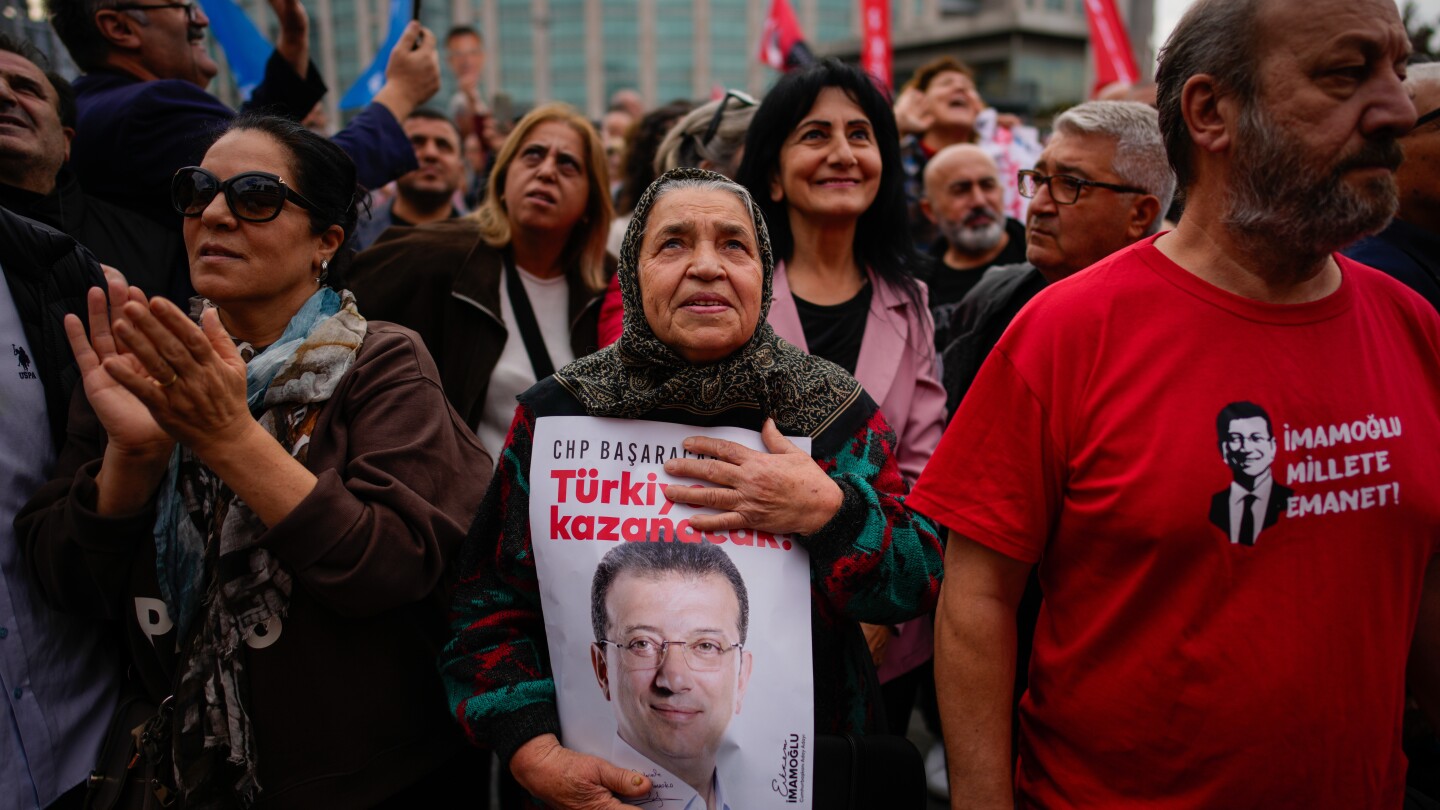
In a significant escalation of judicial pressure, Turkish prosecutors have leveled new espionage charges against Ekrem Imamoglu, the incarcerated mayor of Istanbul and a prominent opposition figure widely regarded as a formidable challenger to President Recep Tayyip Erdogan. The charges, filed on Monday, are linked to an ongoing investigation into alleged connections between Imamoglu’s political campaign and a businessman arrested in July for reportedly conducting intelligence operations on behalf of foreign governments. Imamoglu’s former campaign manager, Necati Ozkan, and journalist Merdan Yanardag have also been implicated in the case. According to the state-run Anadolu Agency, Imamoglu, who is already in pretrial detention on corruption charges, is accused of unlawfully transferring personal data of Istanbul residents to secure international funding for his campaign. Imamoglu vehemently denied the allegations, dismissing them as ‘nonsense’ in a social media statement. ‘Even the claim that I burned down Rome would have been more credible than this nonsense,’ he remarked, vowing to intensify his resistance against what he described as a systemic effort to undermine Turkey’s future. The charges have further fueled accusations of a broader crackdown on opposition figures, particularly following the Republican People’s Party’s (CHP) significant gains in last year’s local elections. Imamoglu’s arrest in March had already sparked nationwide protests, with critics viewing it as part of a concerted effort to stifle dissent. Erdogan’s government maintains that the judiciary operates independently and that the investigations are solely focused on combating corruption.
-
In Russia’s ‘blitz’ of Ukraine, the question of appeasement is back
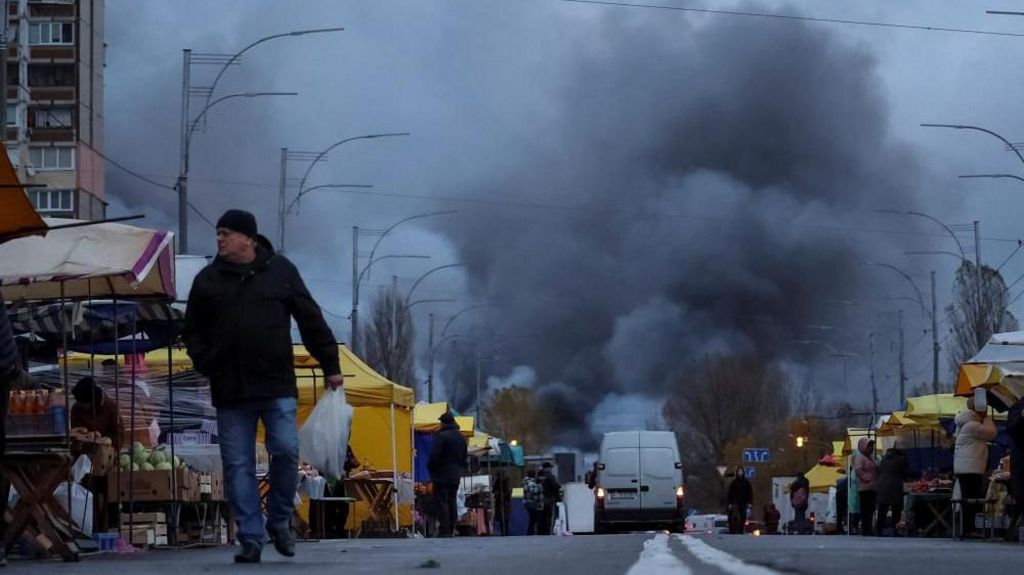
In the aftermath of yet another week of relentless Russian airstrikes on Ukrainian cities, a poignant image has circulated on Ukrainian social media. The composite photo juxtaposes a black-and-white image of Londoners during the Blitz with a contemporary shot of Kyiv residents shopping at a market, black smoke billowing in the background. The caption, ‘Bombs can’t stop markets,’ underscores the resilience of Ukrainians in the face of adversity. However, beneath this spirit of fortitude lies palpable fear and uncertainty. Halyna, a market vendor, expressed grim pessimism, stating, ‘This war hasn’t even started yet. It will get worse.’ The recent escalation in Russian attacks, targeting civilian infrastructure and causing significant casualties, has intensified the conflict. Ukrainian President Volodymyr Zelensky’s recent diplomatic efforts, including a challenging meeting with U.S. President Donald Trump, have yielded little progress. Trump’s strategy, criticized as ‘weakness through appeasement,’ has further complicated the situation. Meanwhile, European leaders have pledged support for Ukraine, including sanctions and military aid. As the war enters a new phase, the question of whether to fight or negotiate with Russia remains central. The lessons of history, particularly the failures of appeasement, loom large as Ukraine continues to resist Russian aggression.
-
The striking Swedish workers taking on carmaker Tesla
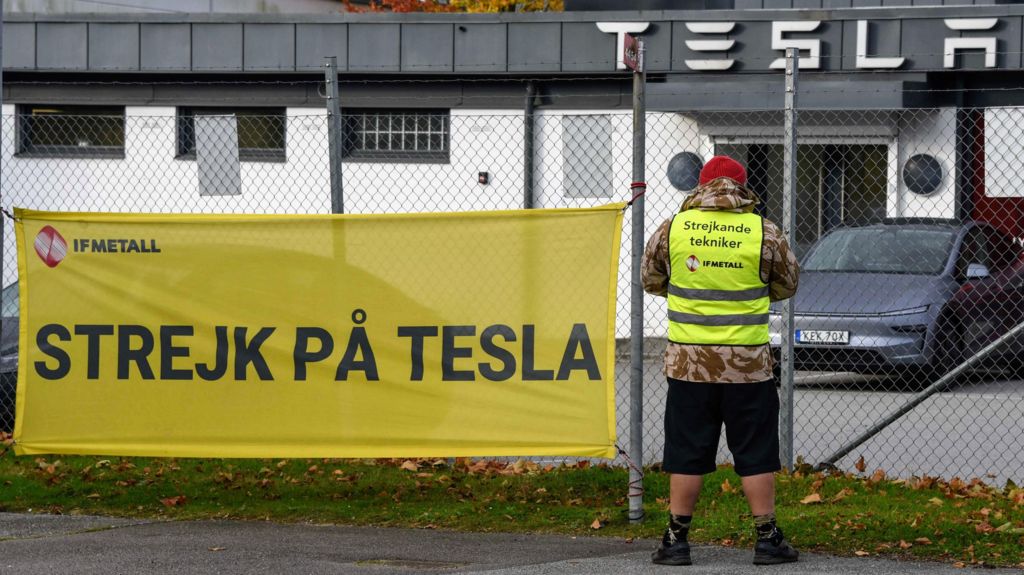
In Sweden, a protracted labor dispute between Tesla and its workforce has reached a critical juncture. For two years, 70 car mechanics, represented by the Swedish union IF Metall, have been on strike at Tesla’s 10 service centers across the country. The strike, which began on October 27, 2023, centers on the union’s demand for a collective agreement to negotiate pay and working conditions on behalf of its members—a cornerstone of Sweden’s industrial culture. Despite the ongoing industrial action, Tesla has continued operations by replacing striking workers, a move unprecedented since the 1930s. Janis Kuzma, a 39-year-old mechanic from Latvia, has been on the picket line since the strike’s inception. He describes the experience as grueling, especially as Sweden’s harsh winter sets in. IF Metall provides basic support, including a mobile van for shelter and refreshments, but the standoff shows no signs of resolution. Tesla’s CEO, Elon Musk, has been vocal in his opposition to unions, describing them as divisive and detrimental to company culture. This stance has put Tesla at odds with Sweden’s labor norms, where 70% of workers are unionized, and 90% are covered by collective agreements. The strike has garnered international attention, with unions in neighboring countries like Denmark, Norway, and Finland refusing to handle Tesla vehicles or provide services. Despite the disruption, Tesla’s popularity in Sweden remains unaffected, with owners still able to purchase, service, and charge their vehicles. Analysts suggest that Tesla’s refusal to concede is driven by Musk’s aversion to external influence and the potential ripple effect of unionization in its U.S. and German facilities. With both sides entrenched, the conflict shows no signs of abating, raising concerns about the future of labor relations in Sweden and beyond.
-
Ireland’s president elect is a left-wing, anti-establishment figure who is outspoken on Gaza
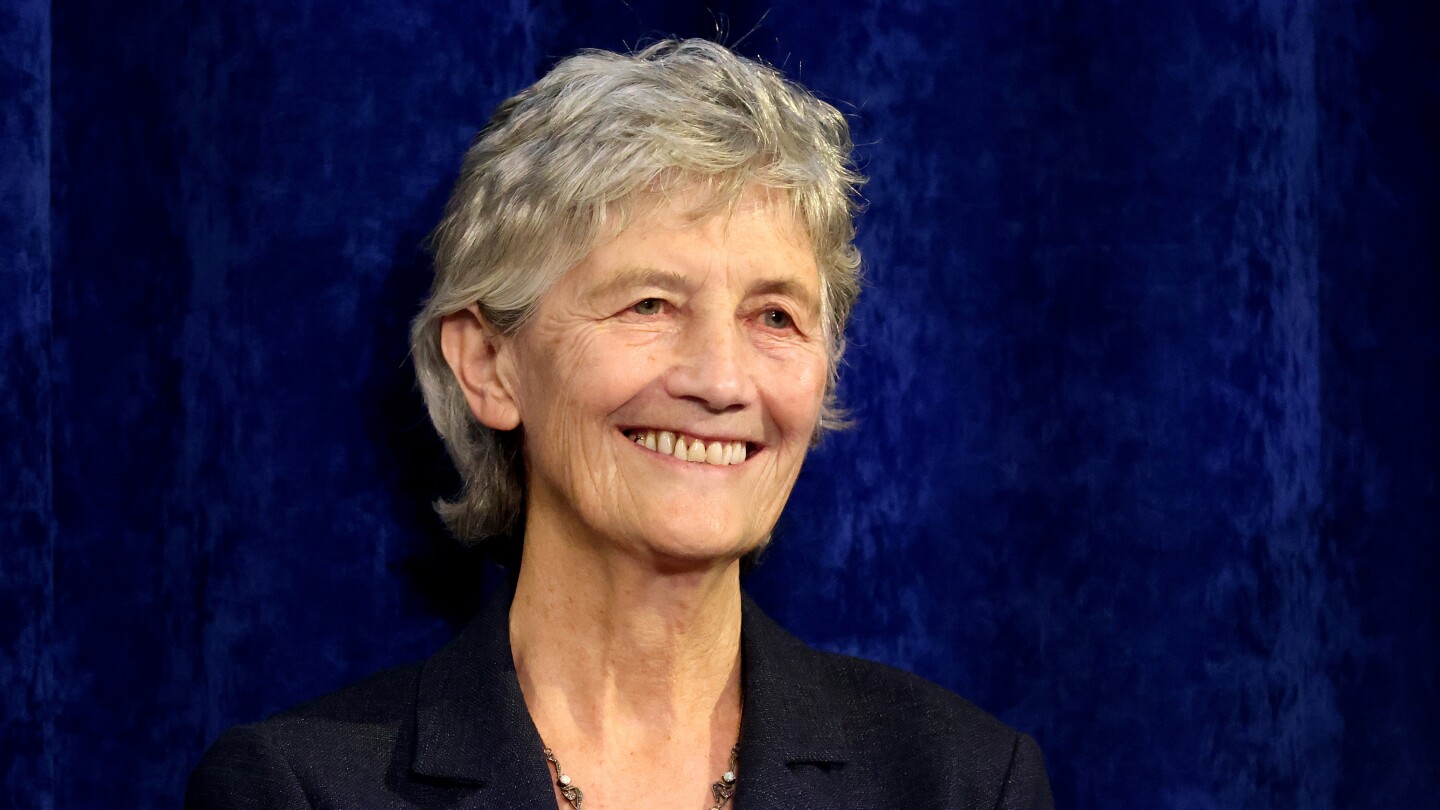
In a decisive electoral victory, independent lawmaker Catherine Connolly has been elected as Ireland’s president for the next seven years. The 68-year-old left-wing politician secured 63% of the votes in Saturday’s election, defeating her center-right opponent, former Cabinet minister Heather Humphreys. Connolly’s win was bolstered by the unified support of Ireland’s left-leaning opposition parties, including Sinn Féin, positioning her as a vocal challenger to the country’s center-right government. Although the Irish presidency is largely ceremonial, it holds significant symbolic power on the global stage, and Connolly is expected to continue the tradition of being a unifying voice on major issues. She succeeds Michael D. Higgins, a popular president known for his outspoken views on international matters such as the Gaza conflict and NATO spending. Connolly, a mother of two, has a rich political and personal background. She grew up in social housing in Galway, one of 14 children, and has degrees in clinical psychology and law. Her political career began in 1999 as a Labour Party member of Galway City Council, and she later became the city’s mayor in 2004. Connolly has been an independent lawmaker since 2007 and made history in 2020 as the first woman to serve as deputy speaker of Parliament’s lower house. Known for her outspoken views, Connolly has been a vocal critic of Israel’s actions in Gaza and the European Union’s growing militarization. She has also defended Ireland’s tradition of military neutrality, calling for a referendum on government plans to alter the conditions for deploying Irish soldiers abroad. Connolly’s campaign emphasized social equality, inclusivity, and diversity, resonating strongly with younger voters. In her acceptance speech, she vowed to be an inclusive president and a voice for peace, pledging to champion diversity and Ireland’s unique identity.
-
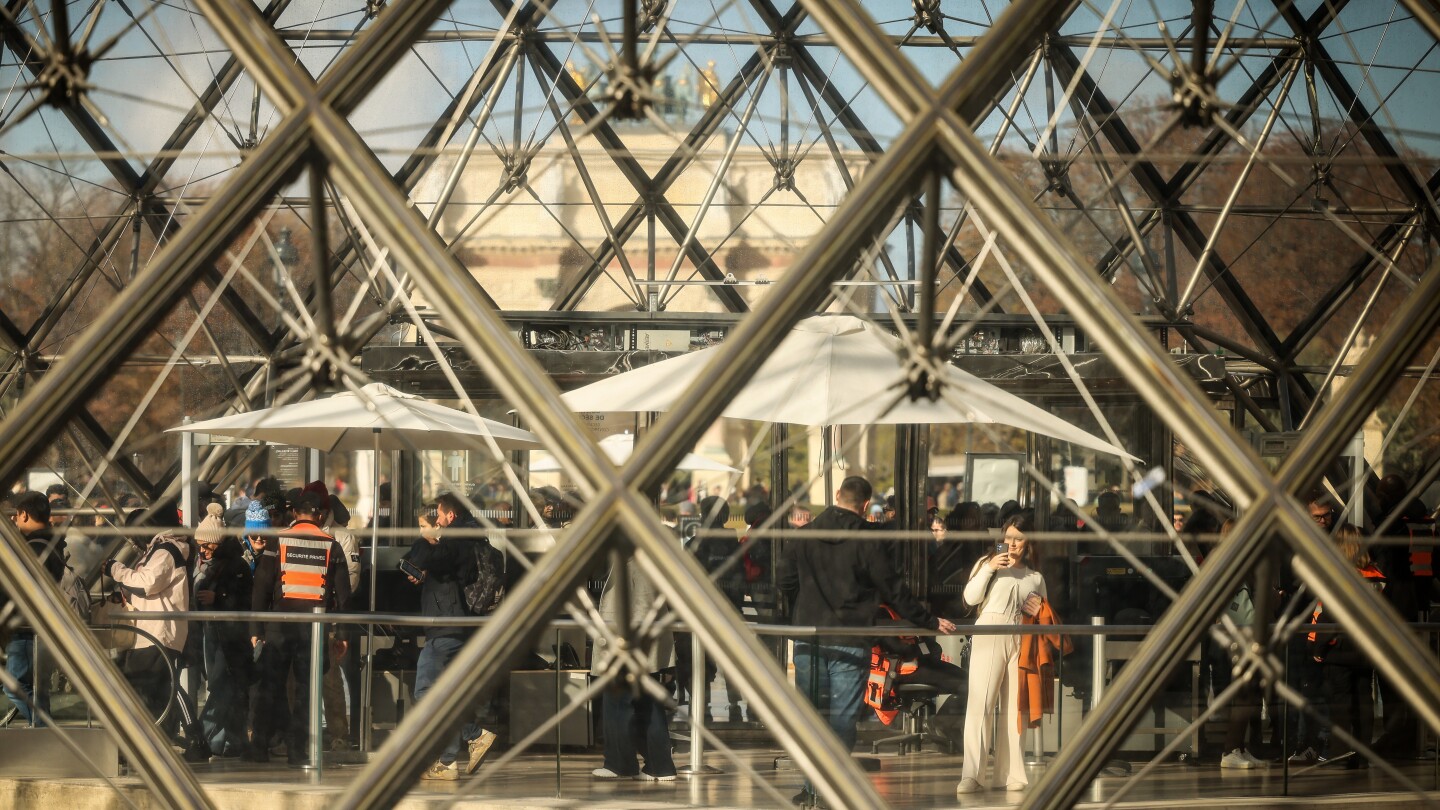
A timeline of the jewel heist at the Louvre in Paris
Paris prosecutors have announced the first arrests in connection with the high-profile theft of crown jewels from the Louvre Museum, a week after the daring heist at the world-renowned institution. The suspects were apprehended on Saturday evening, marking a significant breakthrough in the investigation. The timeline of events reveals a meticulously planned operation. On October 10, thieves used a false pretext to steal a basket lift, employing threats but no violence. The company owning the truck filed a complaint in Louvres, a town north of Paris. On October 19, the thieves, disguised as renovation workers, parked the truck equipped with a freight lift near the Louvre. They used traffic cones to simulate maintenance and gained entry through a window. At 9:34 a.m., they entered the Apollo Gallery, triggering an alarm. Security officers evacuated visitors, and the museum manager alerted the police. The thieves used disc cutters to break into display cases and stole the jewels. They fled on scooters, leaving behind equipment. Later that day, the imperial crown of Empress Eugénie was found outside the museum, but eight other invaluable objects remained missing. On October 22, the museum reopened, with 100 investigators and forensics experts analyzing evidence. On October 26, arrests were made, with one suspect preparing to leave the country. The investigation continues, with no confirmation on whether any jewels have been recovered.
-
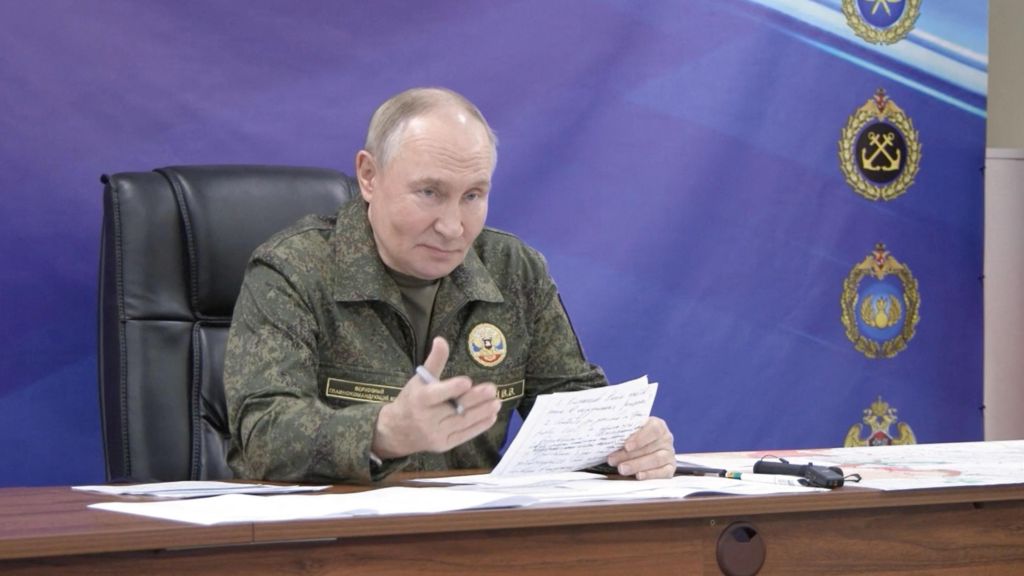
Russia says it has tested nuclear-powered Burevestnik missile
Russia has conducted a successful test of its nuclear-powered Burevestnik cruise missile, according to Chief of General Staff Valery Gerasimov. In a televised meeting with President Vladimir Putin, Gerasimov revealed that the missile completed a multi-hour flight, covering a distance of 14,000 kilometers (8,700 miles), with the potential for even greater range. The low-flying experimental weapon, first unveiled in 2018, is designed to evade missile defense systems and boasts a theoretically unlimited range. The test, conducted on October 21, lasted 15 hours and reportedly demonstrated the missile’s ability to maneuver both vertically and horizontally, meeting all specifications. Gerasimov emphasized its capability to bypass existing air and missile defense systems. Despite these claims, Western experts remain skeptical about the missile’s strategic value and the accuracy of Russia’s testing claims. Putin previously announced a ‘final successful test’ in 2023, but this has not been independently verified. According to an arms control campaign group, only two of at least 13 known tests since 2016 have been partially successful. The missile, dubbed ‘Skyfall’ by NATO, is believed to be powered by a nuclear reactor activated after initial solid fuel rocket boosters. A 2021 U.S. Air Force report acknowledged its potential as a unique intercontinental weapon, but the International Institute for Strategic Studies (IISS) highlighted significant technical challenges, including numerous flight-test failures and a fatal accident. Satellite imagery from August 2024 suggests ongoing construction of launch facilities north of Moscow, further indicating Russia’s commitment to the project.