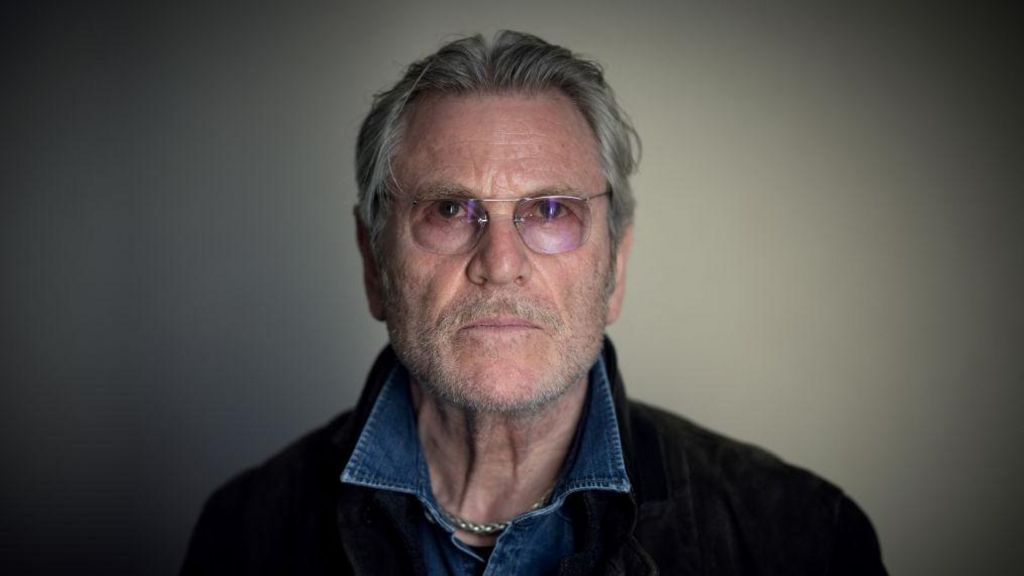
Tchéky Karyo, the celebrated French actor known for his roles in the film *Nikita* and the TV series *The Missing*, has died at the age of 72. His agent confirmed to AFP that Karyo succumbed to cancer on Friday. Born in Istanbul, Turkey, on October 4, 1953, Karyo grew up in Paris and carved out a prolific career spanning nearly four decades in film and television. He first gained recognition for his role in the 1982 crime thriller *La Balance*, which earned him a César Award nomination for Best Male Revelation. Karyo’s versatility allowed him to transition seamlessly between genres, from playing the handler Bob in Luc Besson’s *Nikita* (1990) to portraying the medieval prophet Nostradamus in the 1994 film of the same name. He also appeared in international productions such as Ridley Scott’s *1492: Conquest of Paradise* (1992) and the James Bond film *GoldenEye* (1995). In his later years, Karyo found renewed fame as Detective Julien Baptiste in *The Missing* (2009), a role that led to a spin-off series, *Baptiste*. His final appearance was in the BBC comedy thriller *Boat Story* in 2021. Karyo is survived by his wife, actress Valérie Keruzoré, and their children. His legacy as a versatile and compelling actor continues to resonate with audiences worldwide.
标签: Europe
欧洲
-
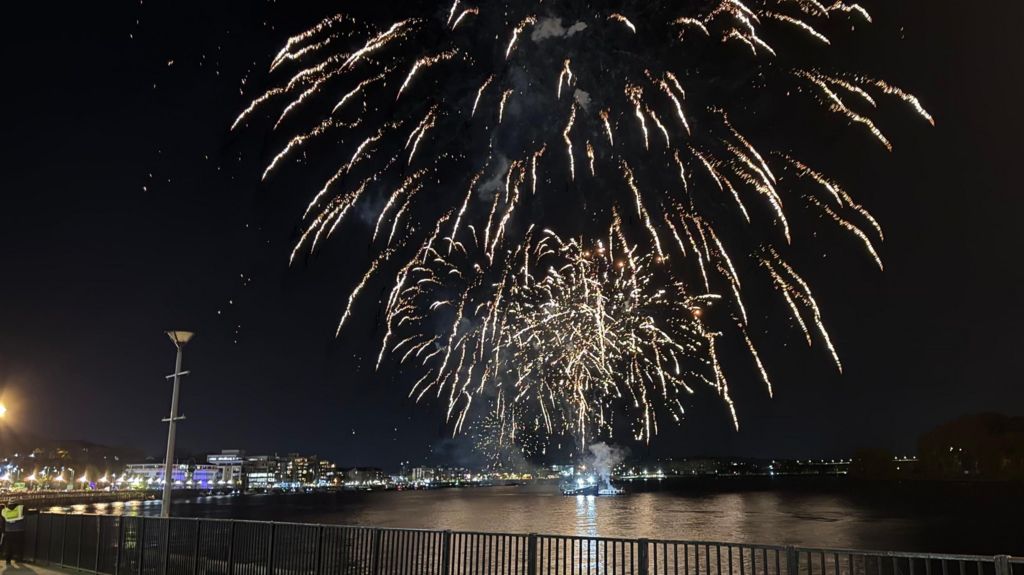
Thousands witness climax of Europe’s biggest Halloween carnival
The city of Londonderry, Northern Ireland, witnessed the grand finale of Europe’s largest Halloween festival, drawing thousands of spectators from across the globe. The four-day carnival, now in its 39th year, culminated in a breathtaking fireworks display that illuminated the night sky, leaving the massive crowd in awe. The event, which cost £550,000 to organize, is projected to inject £7.4 million into the local economy, with hotels, bars, and restaurants experiencing a surge in business throughout the week. Visitors from Spain, Italy, Germany, the United States, Australia, and Iran flocked to Derry for the festivities, which included a vibrant parade, the Awakening the Walled City Trail, and a host of mythical and magical performances. Despite weather-related cancellations, the festival’s spirit remained undiminished, with highlights such as a six-foot-tall she-wolf puppet and a 160-ft-long fire-breathing snake captivating audiences. Festival manager Jacqueline Whoriskey emphasized the event’s unique blend of folklore, fire, and festivity, making it a must-see for families and thrill-seekers alike. The parade, a celebration of community creativity, showcased the imaginative talents of local groups, reinforcing Derry’s reputation as a hub for unforgettable Halloween experiences. Rooted in the ancient Celtic festival of Samhain, the event continues to honor the tradition of spirits roaming the earth, with mythical characters bringing the streets of Derry to life.
-
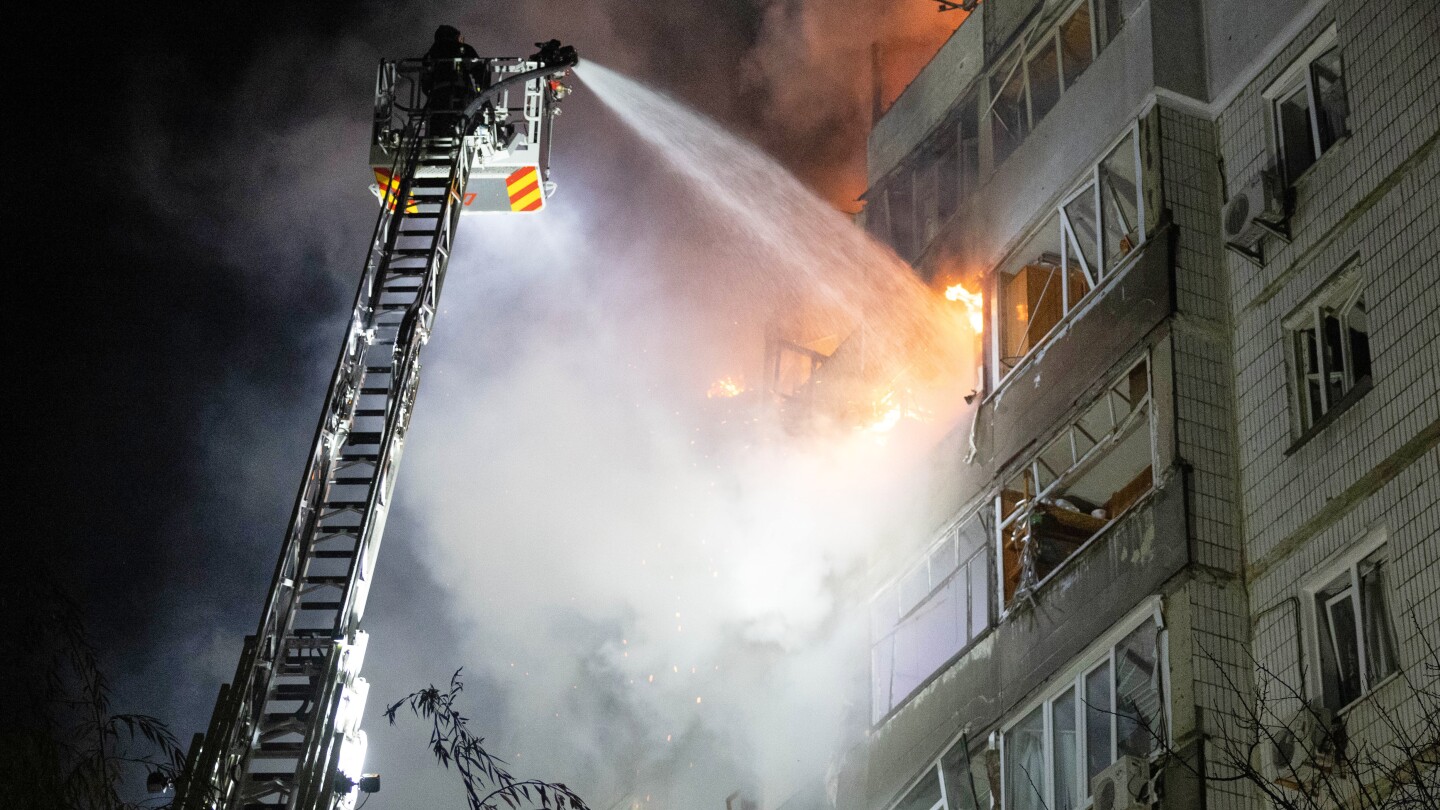
Russia deploys 170,000 troops for push in Ukraine’s Donetsk region, Zelenskyy says
In a significant escalation of the ongoing conflict, Russia has deployed approximately 170,000 troops to Ukraine’s eastern Donetsk region, focusing its efforts on capturing the strategic stronghold of Pokrovsk. Ukrainian President Volodymyr Zelenskyy described the situation in Pokrovsk as “difficult” during a media briefing in Kyiv on Friday. While acknowledging that some Russian units have infiltrated the city, Zelenskyy emphasized that Ukrainian forces are systematically eliminating them to preserve personnel. This comes amid Russia’s broader push for a battlefield victory, despite slow and costly progress in terms of troops and equipment. Russian President Vladimir Putin has recently claimed significant advances, though these assertions remain unverified. Meanwhile, Ukraine has retaliated by targeting Russian oil facilities, disrupting military logistics and domestic markets. Vasyl Maliuk, head of Ukraine’s Security Service, reported over 160 successful long-range strikes on Russian oil infrastructure this year, leading to a 20% drop in domestic oil products and temporarily halting 37% of Russia’s refining capacity. Additionally, Ukraine has destroyed nearly half of Russia’s advanced Pantsir air defense systems and one of its hypersonic missiles, the Oreshnik, which Putin had previously touted as invulnerable. On the humanitarian front, Russian drone strikes have caused significant civilian casualties, with a 30% increase reported this year. The UN has expressed concern over Russia’s near-daily attacks on Ukraine’s energy infrastructure, warning of a potential humanitarian crisis as winter approaches. Despite international peace efforts, the conflict shows no signs of abating, with funding for humanitarian operations dwindling from $4 billion in 2022 to $1.1 billion this year.
-
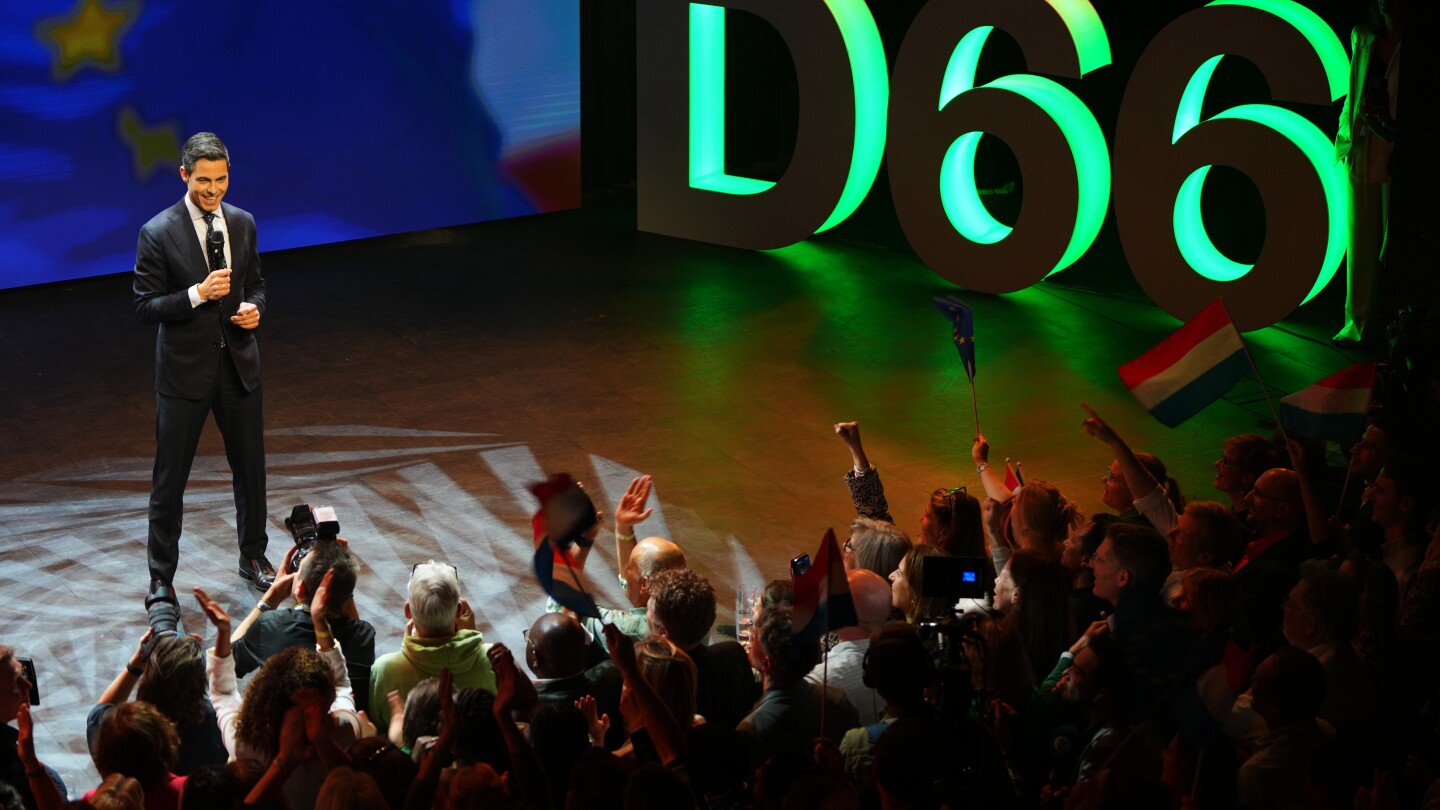
Dutch press agency calls election for centrist D66 party
In a closely contested Dutch national election, the centrist D66 party has narrowly surpassed Geert Wilders’ far-right Party for Freedom (PVV), according to a projection by the national news agency ANP. The prediction, based on nearly all counted ballots and an analysis of remaining votes—primarily from overseas Dutch nationals—suggests D66 leader Rob Jetten is poised to become the Netherlands’ next prime minister. At 38, Jetten would be the country’s youngest and first openly gay leader. He emphasized that the results reflect voters’ desire to move beyond “political nonsense.”
The two parties are currently tied at 26 seats, with the possibility of D66 gaining a slight edge to 27 as remaining votes are tallied. However, mainstream parties, including D66, have ruled out forming a coalition with the PVV, citing Wilders’ role in destabilizing the previous coalition over migration policies. Political scientist Henk van der Kolk noted that the seat count is largely irrelevant, as the focus shifts to forming a centrist coalition involving D66, the Labor Party, Green Left, the Christian Democrats, and the People’s Party for Freedom and Democracy.
With the Dutch political landscape highly fragmented, coalition negotiations are expected to span weeks or even months. The election underscores the challenges of governance in a polarized environment, with centrist forces seeking to counter the influence of far-right populism.
-
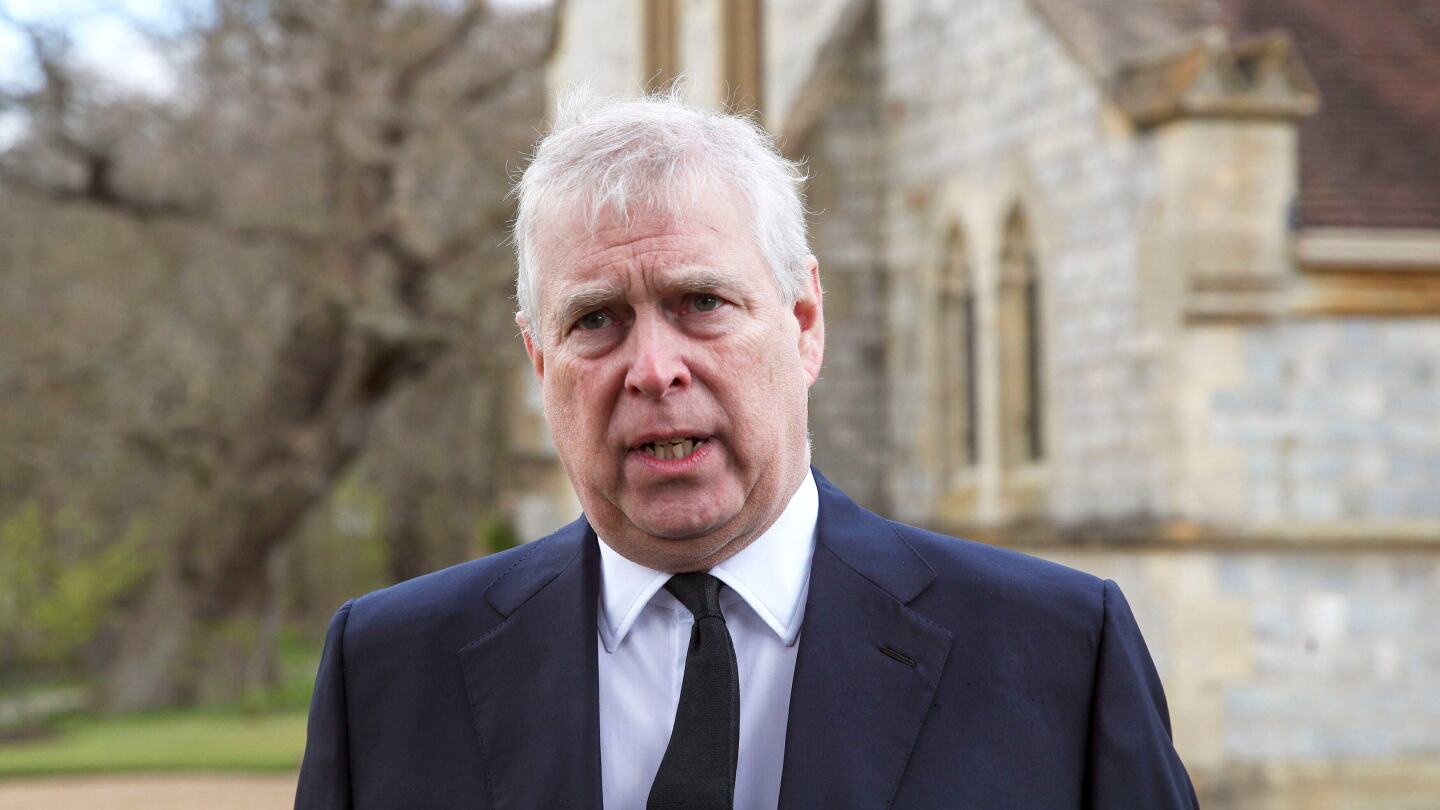
Andrew, the civilian formerly known as ‘prince,’ faces an uncertain future
In a historic move that underscores the British monarchy’s commitment to preserving its integrity, Prince Andrew has been stripped of his royal titles and evicted from his luxurious residence at Windsor Castle. This unprecedented decision by King Charles III comes as a direct response to Andrew’s association with convicted sex offender Jeffrey Epstein, which has severely tarnished his reputation and raised questions about his judgment. The once-prominent royal will now relocate to a modest private home on the Sandringham estate, marking a stark contrast to his former opulent lifestyle. This transition not only symbolizes Andrew’s fall from grace but also highlights the monarchy’s efforts to distance itself from scandal. Experts describe this as a humiliating yet necessary step to protect the royal family’s public image. Despite these changes, Andrew remains eighth in line to the throne, though his chances of ever ascending are deemed ‘entirely unrealistic.’ Meanwhile, his ex-wife, Sarah Ferguson, must also find new accommodations, while their daughters retain their titles as granddaughters of the late Queen Elizabeth II. King Charles has extended financial support to his brother, ensuring he is provided for despite his inability to contribute to royal duties. This saga underscores the delicate balance between familial loyalty and the monarchy’s public accountability.
-
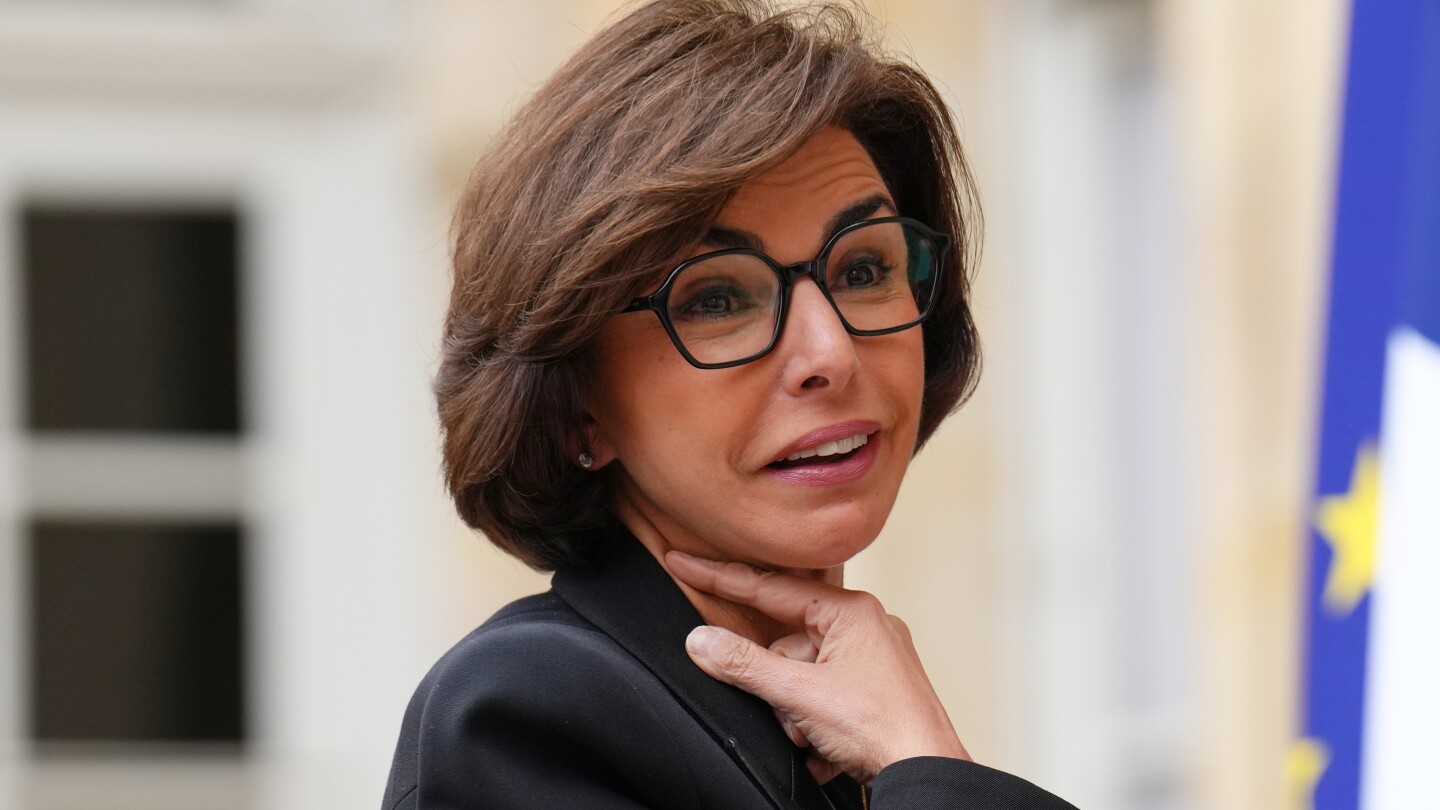
French minister vows Louvre anti-intrusion devices after post-heist report finds security lapses
In response to the high-profile theft of crown jewels on October 19, the Louvre Museum in Paris is set to implement enhanced security measures, including streetside anti-ramming and anti-intrusion devices, within the next two months. French Culture Minister Rachida Dati announced the initiative on Friday, addressing concerns over the museum’s security vulnerabilities. The decision follows a provisional investigation that revealed a ‘chronic, structural underestimation’ of theft risks at the iconic Parisian landmark. Dati acknowledged that alarms were functional during the robbery but highlighted four critical failings: underestimated risk, inadequate security equipment, unsuitable governance, and outdated protocols. She emphasized the urgency of installing anti-ramming devices on public roads by year-end. The thieves reportedly used a truck-mounted basket lift to access a window in the Apollo Gallery, making off with eight pieces of crown jewels in mere minutes. The French Senate has since scrutinized surveillance gaps and accountability, with some lawmakers and unions questioning whether the proposed measures represent meaningful reform or merely symbolic gestures. Louvre Director Laurence des Cars has advocated for physical barriers to prevent vehicles from parking near vulnerable windows, underscoring the need for long-term security improvements.
-
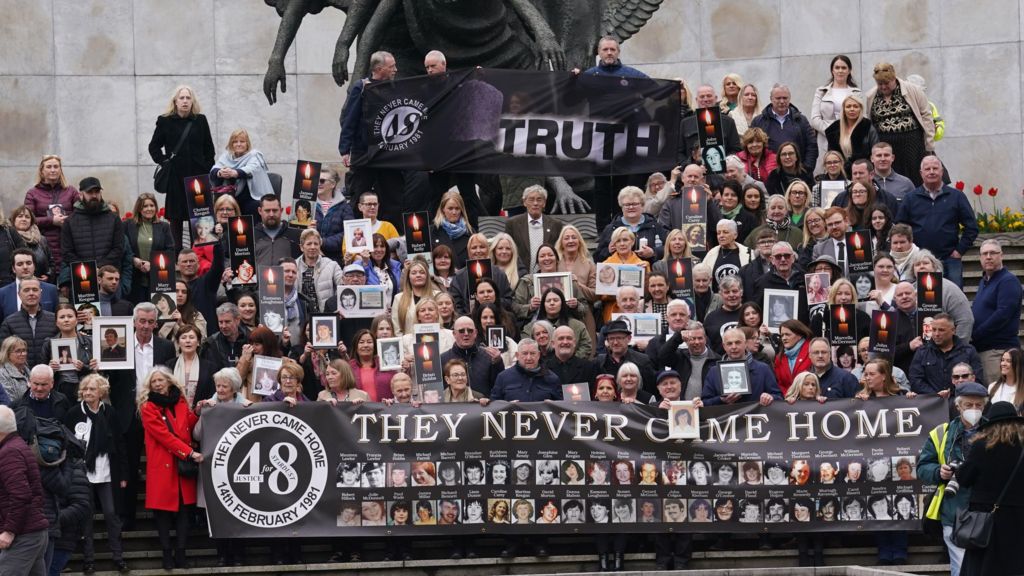
Lawyers to lodge legal action over Stardust survivors’ compensation
Survivors and families of victims from the 1981 Stardust nightclub fire in Dublin are escalating their fight for justice, as legal representatives prepare to challenge the Irish government over delays in compensation payments. Phoenix Law, acting on behalf of the injured survivors, has issued formal pre-action correspondence to Justice Minister Jim O’Callaghan, threatening a judicial review if the government fails to engage meaningfully on the second phase of a redress scheme. This phase, promised to survivors following the conclusion of the Stardust Inquests in April 2024, remains unaddressed, causing distress and uncertainty among those affected. The first phase, which awarded €24 million to the families of the 48 deceased, was completed last August. However, survivors, many of whom suffer from deteriorating health, have yet to see progress on their compensation. Jimmy Fitzpatrick, a survivor who suffered severe burns and long-term health issues, expressed frustration, urging the government to fulfill its promises. The Department of Justice maintains that there is no undue delay and that proposals are being advanced. The Stardust fire, Ireland’s deadliest blaze, continues to cast a long shadow over Dublin, with survivors and families demanding closure and accountability.
-
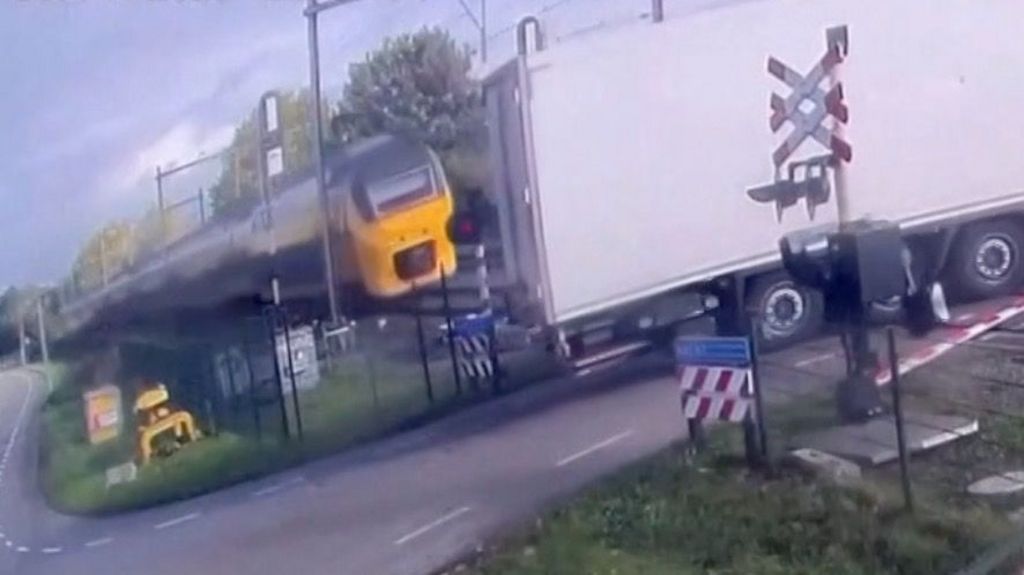
Watch: Train smashes into truck at Dutch level crossing
A dramatic collision occurred at a level crossing in Meteren, the Netherlands, when a train collided with a truck. The incident, which unfolded on a seemingly ordinary day, resulted in five individuals sustaining minor injuries. Fortunately, no serious injuries or fatalities were reported. Emergency services swiftly responded to the scene, ensuring that all affected individuals received prompt medical attention. The cause of the accident is currently under investigation, with authorities examining whether human error, mechanical failure, or other factors contributed to the crash. This incident has reignited discussions about the safety measures at level crossings and the need for enhanced precautions to prevent such accidents in the future. Local residents expressed relief that the outcome was not more severe, but the event serves as a stark reminder of the potential dangers at railway crossings.
-
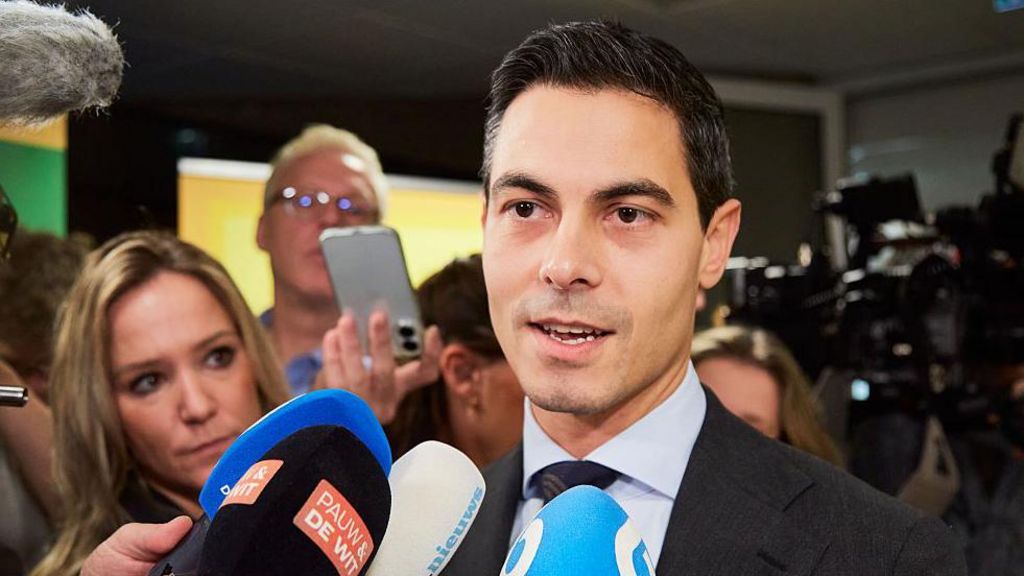
Dutch centrist Rob Jetten wins neck-and-neck election race, vote analysis says
Rob Jetten, leader of the Dutch centrist liberal party D66, is poised to become the youngest prime minister in modern Dutch history following a closely contested election. According to vote analysis by Dutch news agency ANP, Jetten’s party has secured a narrow lead of 15,000 votes over anti-Islam populist Geert Wilders’ Freedom Party, making it impossible for Wilders to overturn the result. Although the final vote count is incomplete, projections indicate both parties will hold 26 seats in the 150-seat parliament, with Jetten’s D66 potentially gaining a 27th seat. Jetten, 38, expressed pride in the historic outcome, acknowledging the significant responsibility of forming a stable government. Despite Wilders leading pre-election polls, Jetten’s positive campaign, centered on the slogan ‘Yes, we can,’ resonated strongly in key cities like Rotterdam, The Hague, and Utrecht. While Jetten has cautiously refrained from declaring victory until all votes are counted, ANP’s analysis of overseas postal votes confirms his win. However, forming a coalition government remains a complex challenge. Jetten will need the support of at least three other parties to secure the 76 seats required, with potential partners including the conservative-liberal VVD, the left-wing Labour-GreenLeft alliance, and the Christian Democrats. Outgoing Prime Minister Dick Schoof, appointed by Wilders after he abandoned his own bid for the role, predicted the coalition-building process could extend beyond Christmas. Wilders, who won the previous election in November 2023, saw his government collapse in July 2024 due to disputes over asylum and migration policies.
-
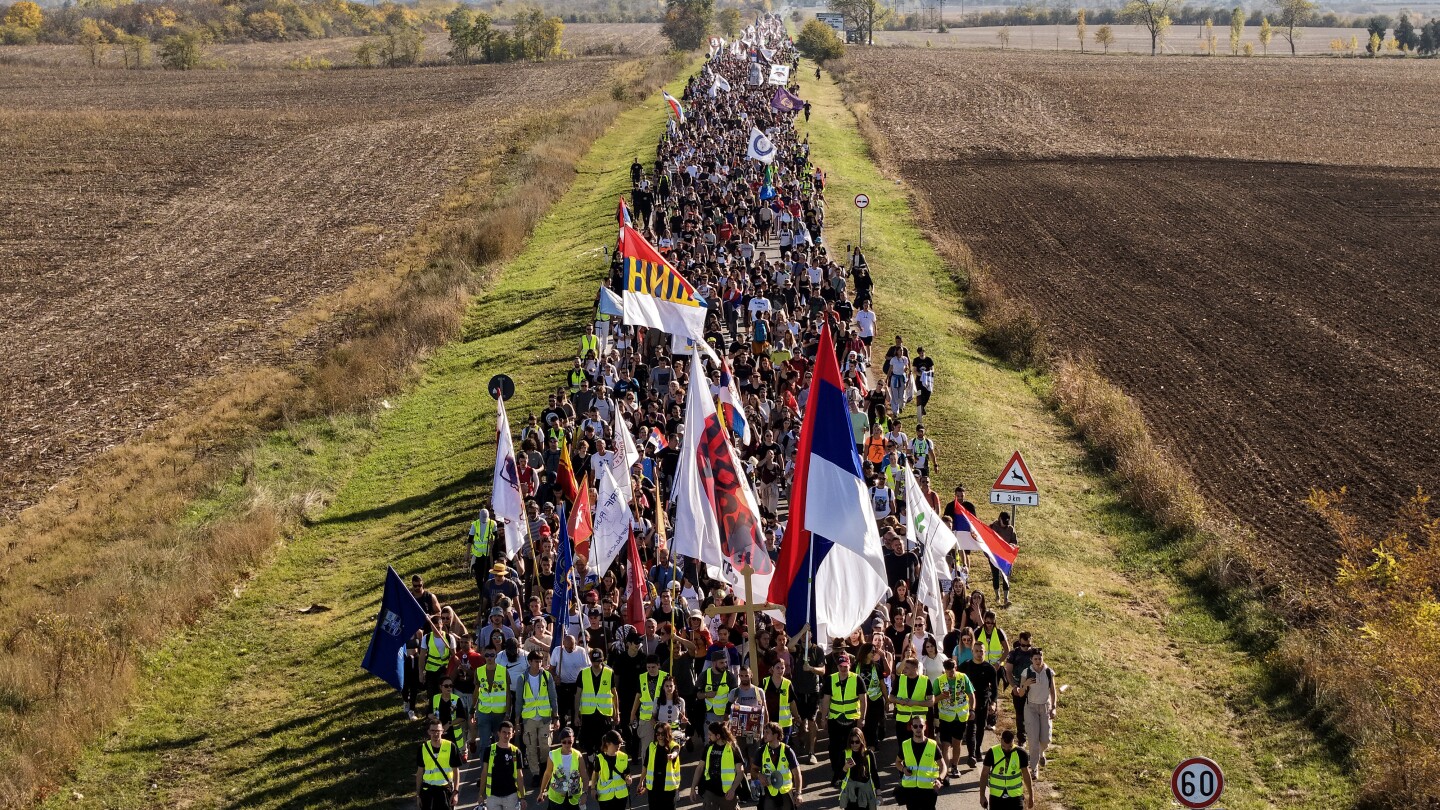
Protests and grief as Serbia marks anniversary of tragedy that killed 16. Here’s what to know
In a significant display of dissent, tens of thousands of students and opposition supporters gathered in Novi Sad, Serbia, to commemorate the first anniversary of a tragic railway station canopy collapse that claimed 16 lives. The incident, which occurred on November 1, 2024, has been widely attributed to government negligence and corruption, sparking a year-long wave of anti-government protests led by students. These protests have significantly challenged the authority of Serbia’s populist President, Aleksandar Vucic, who has maintained a firm grip on power despite mounting opposition. Vucic has responded defiantly, threatening mass arrests if the rally turns violent and dismissing its significance, while his supporters plan a counter-rally later in November. The commemorative event, organized by opposition groups, has drawn participants from across the country, with many enduring harsh conditions, including sleeping outdoors after being denied shelter by local officials aligned with Vucic’s party. The rally is expected to be one of the largest in Serbia’s history, reflecting deep-seated frustrations with the government and demands for democratic reforms and accountability. Despite Vucic’s attempts to downplay the movement, the protests have gained widespread support and continue to pose a serious challenge to his administration.