标签: Europe

欧洲

  • A peek inside the Colonna Palace, Rome’s most exclusive tourist site

    A peek inside the Colonna Palace, Rome’s most exclusive tourist site

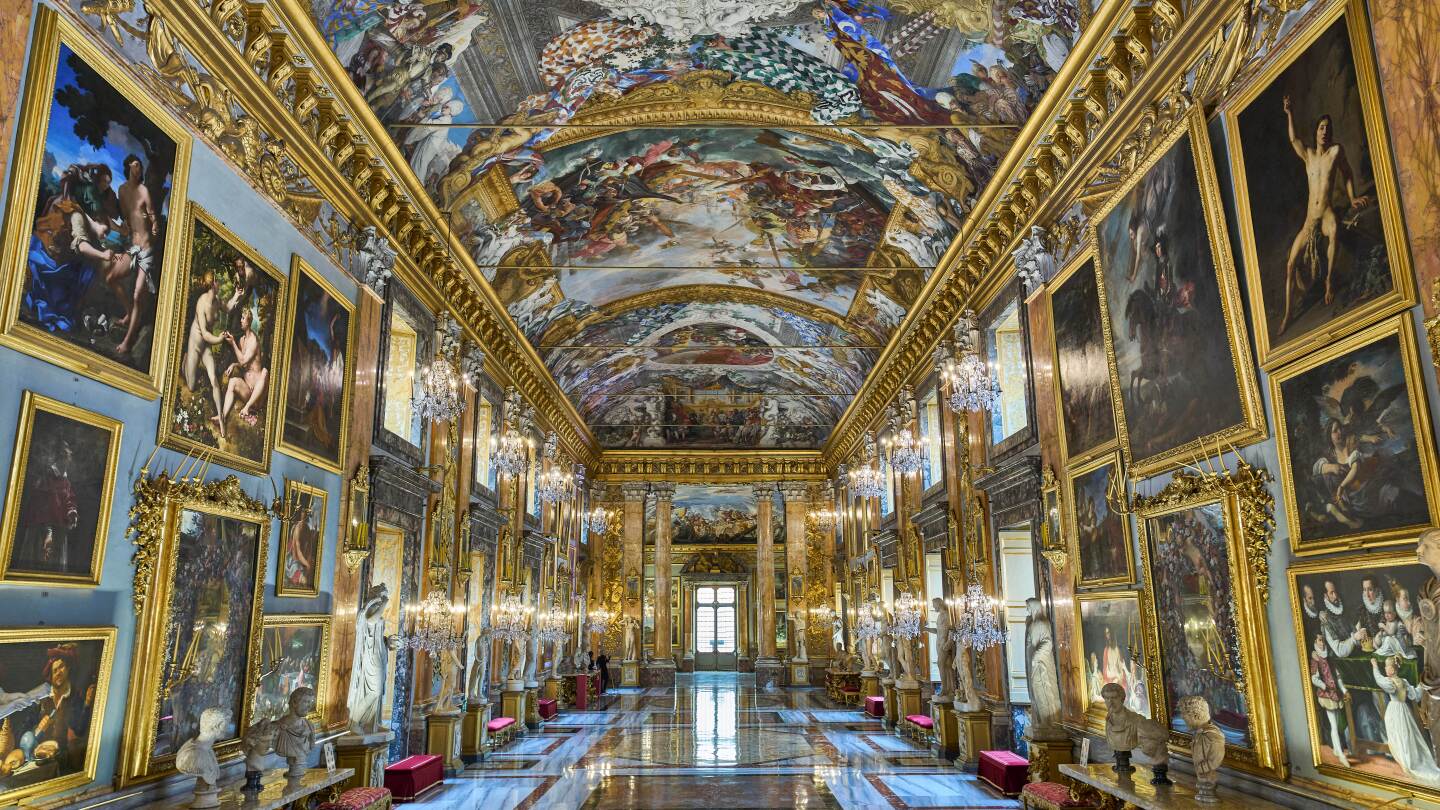
    Nestled in the heart of Rome, the Colonna Palace remains one of the city’s best-kept secrets, a private home-museum that stands in stark contrast to the bustling tourist hubs of the Colosseum and the Sistine Chapel. Spread across four wings and occupying an entire city block, this baroque masterpiece houses an extraordinary collection of paintings, sculptures, busts, and tapestries, including the awe-inspiring 76-meter Great Hall. Yet, its doors open only sparingly, welcoming small groups of 10 visitors on Friday and Saturday mornings, guided by art historians. ‘Mass tourism is not our wish,’ explains Elisabetta Cecchini, a restorer at the palace, emphasizing that the limited access ensures the preservation of its artistic integrity. ‘Art dies without public appreciation, but this is not a museum meant for commodification.’

    The palace remains the residence of Don Prospero Colonna, the family’s sitting prince, who has occasionally permitted high-profile events, such as the 2005 release of Pope John Paul II’s book and the 2018 Metropolitan Museum of Art exhibition on Catholic fashion, attended by luminaries like designer Donatella Versace and Vogue’s Anna Wintour. These rare occasions have allowed journalists fleeting glimpses into this exclusive world. Claudio Strinati, a former superintendent of Rome’s museums, lauds the palace’s seclusion, calling it ‘one of humanity’s greatest artistic heritages’ and a legacy the Colonna family is duty-bound to protect. ‘These spaces were not conceived as tourist attractions,’ he notes. ‘They are for those who truly understand history.’

    The Colonna family’s ties to the palace date back to the 12th century, when they became part of the ‘black nobility,’ Roman families loyal to the Pope during Italy’s unification in 1870. Their black banners symbolized mourning for the Papal State, while their walls safeguarded priceless masterpieces. Over the centuries, the family has maintained a trust ensuring the palace’s treasures remain intact. Princess Isabella Colonna played a pivotal role in preserving these artifacts during World War II, ordering them to be hidden in a sealed wing as the Nazis invaded. Today, the palace’s opulent interiors reflect its storied past, from the Throne Room’s portrait of Pope Martin V to the Great Hall’s frescoed ceiling depicting the naval victories of Commander Marcantonio Colonna. ‘The Colonna family and Rome are inseparable,’ says Patrizia Piergiovanni, the palace’s gallery director. ‘Their contributions have shaped the city’s history.’

    Adding to its allure, the Great Hall served as the setting for the final scene of the 1952 classic ‘Roman Holiday,’ where Audrey Hepburn, portraying a princess, declared her love for the Eternal City. ‘Rome,’ she said with conviction. ‘By all means, Rome.’ The Colonna Palace, with its blend of art, history, and exclusivity, continues to embody the timeless elegance of Rome itself.
  • Finland’s president urges Europe to hold its nerve as he warns no ceasefire likely soon in Ukraine

    Finland’s president urges Europe to hold its nerve as he warns no ceasefire likely soon in Ukraine

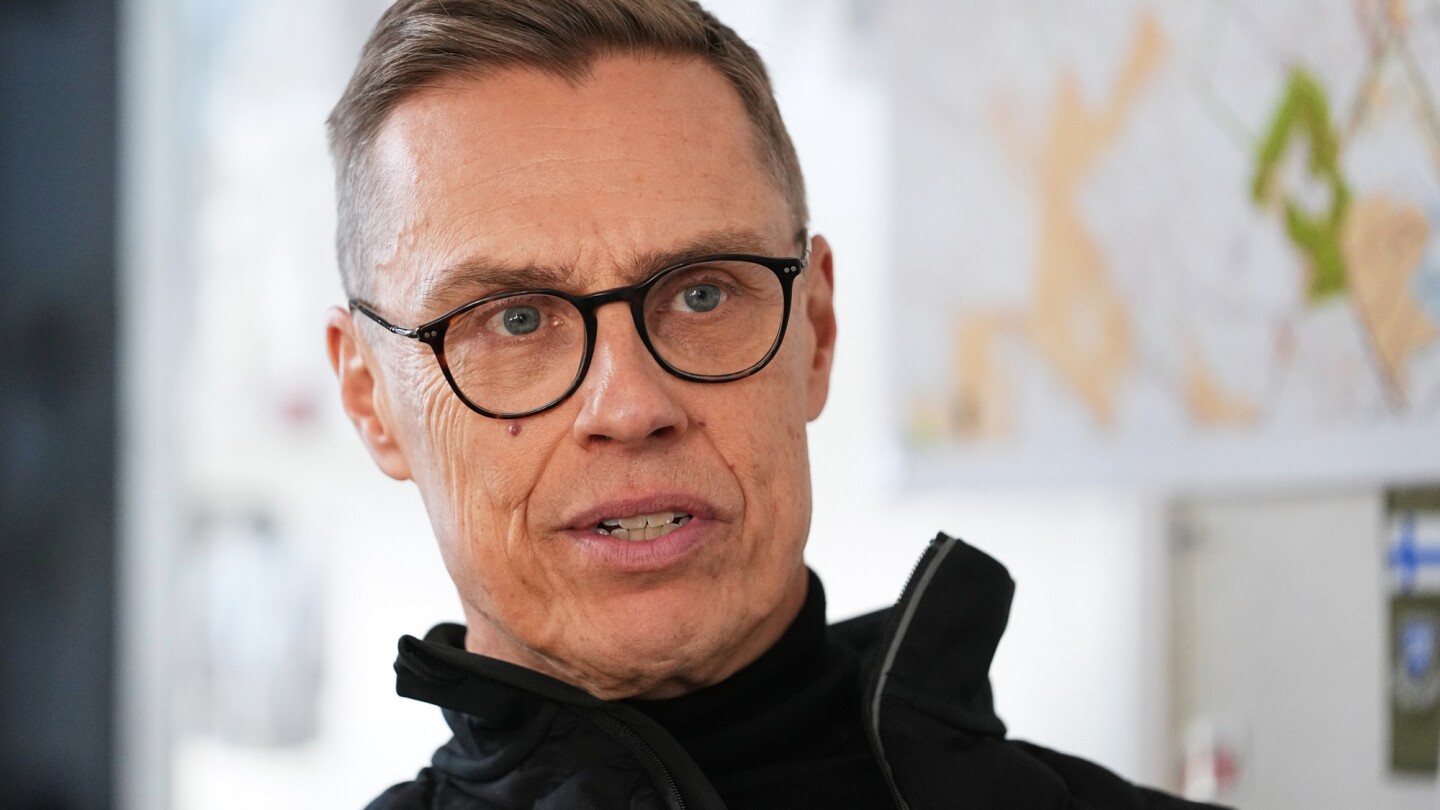
    In a recent interview with The Associated Press, Finnish President Alexander Stubb emphasized that a ceasefire in Ukraine is unlikely before spring, urging European allies to maintain their support despite a corruption scandal in Kyiv. Stubb highlighted the need for ‘sisu’—a Finnish term embodying endurance, resilience, and grit—to navigate the winter months as Russia continues its hybrid attacks and information warfare across Europe. As a key mediator between U.S. President Donald Trump and Ukrainian President Volodymyr Zelenskyy, Stubb leverages his unique position to advocate for Ukraine. Finland, which shares a 1,340-kilometer border with Russia, reversed its long-standing military neutrality after Russia’s full-scale invasion of Ukraine, joining NATO in response. Stubb stressed the importance of addressing Ukraine’s security guarantees, economic recovery, and territorial claims to achieve peace. He also praised Trump’s sanctions on Russian energy companies but called for further military support to Ukraine. Stubb warned that Russia’s destabilizing tactics in Europe, including drone incursions and sabotage campaigns, require a calm and resilient response. He underscored the necessity of international pressure on Russian President Vladimir Putin to alter his strategic objectives, which continue to threaten Ukraine’s sovereignty.

  • A slowing wartime economy pushes the Kremlin to tap consumers for revenue

    A slowing wartime economy pushes the Kremlin to tap consumers for revenue

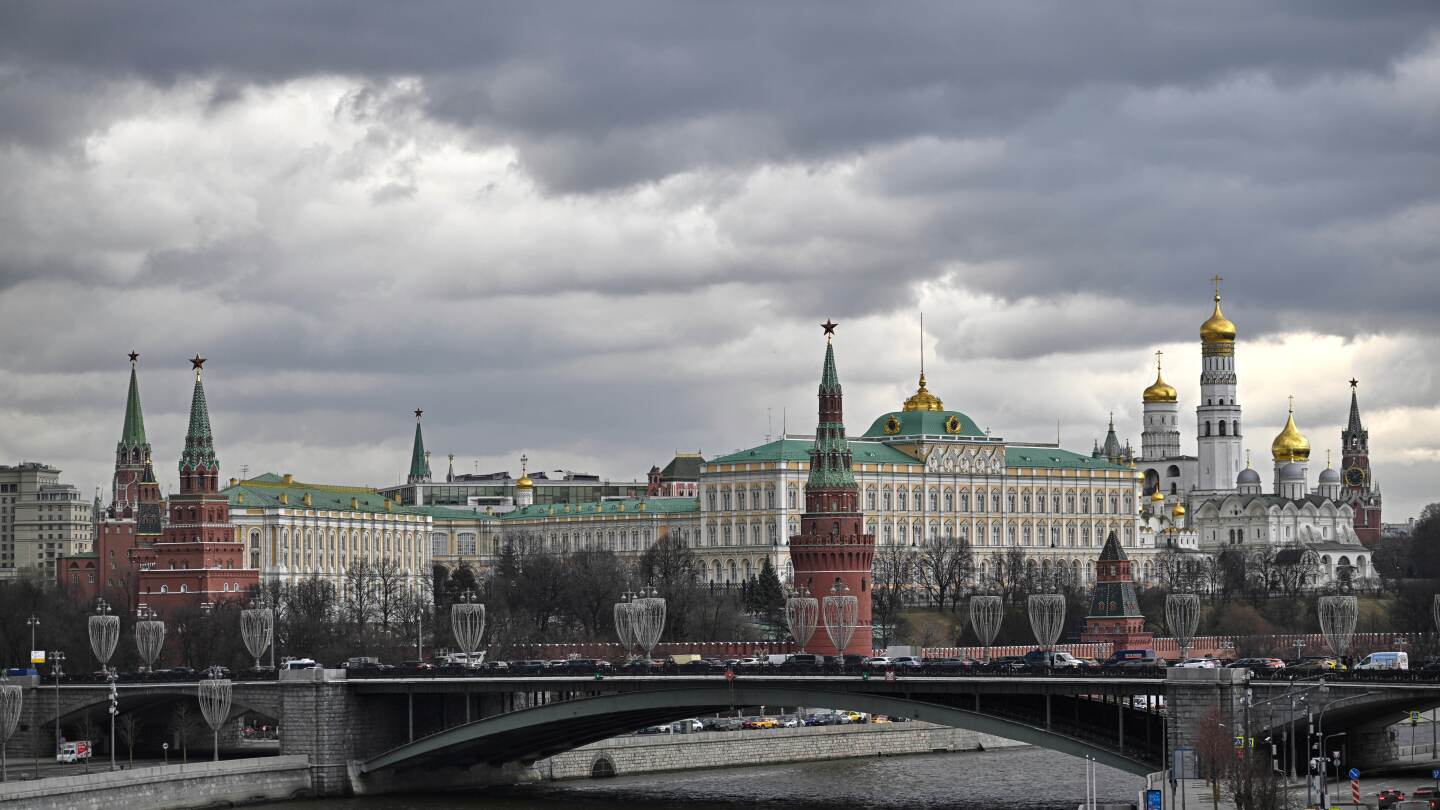
    Russia’s economy, which experienced robust growth over the past two years driven by military spending on the war in Ukraine, is now showing signs of deceleration. Declining oil revenues, a widening budget deficit, and stabilized defense expenditures have forced the Kremlin to seek new revenue streams. President Vladimir Putin’s administration is turning to ordinary citizens and small businesses to bridge the financial gap. A proposed increase in the value-added tax (VAT) from 20% to 22%, expected to generate up to 1 trillion rubles ($12.3 billion), is already progressing through Russia’s parliament and is set to take effect from January 1, 2025. This move is part of a broader fiscal strategy that includes lowering the VAT collection threshold for businesses and introducing new taxes on alcohol, tobacco, and digital equipment. The economic slowdown, exacerbated by high central bank interest rates and Western sanctions, has pushed the budget deficit to 2.6% of GDP, up from 1.7% last year. Finance Minister Anton Siluanov emphasized that raising revenue through taxes is preferable to increasing borrowing, which could accelerate inflation. While the Kremlin has sufficient funds to sustain its current war efforts for the next 12 to 14 months, experts warn that Putin will soon face tough choices between military spending and consumer welfare.

  • At least four dead after migrant boats sink in Mediterranean

    At least four dead after migrant boats sink in Mediterranean

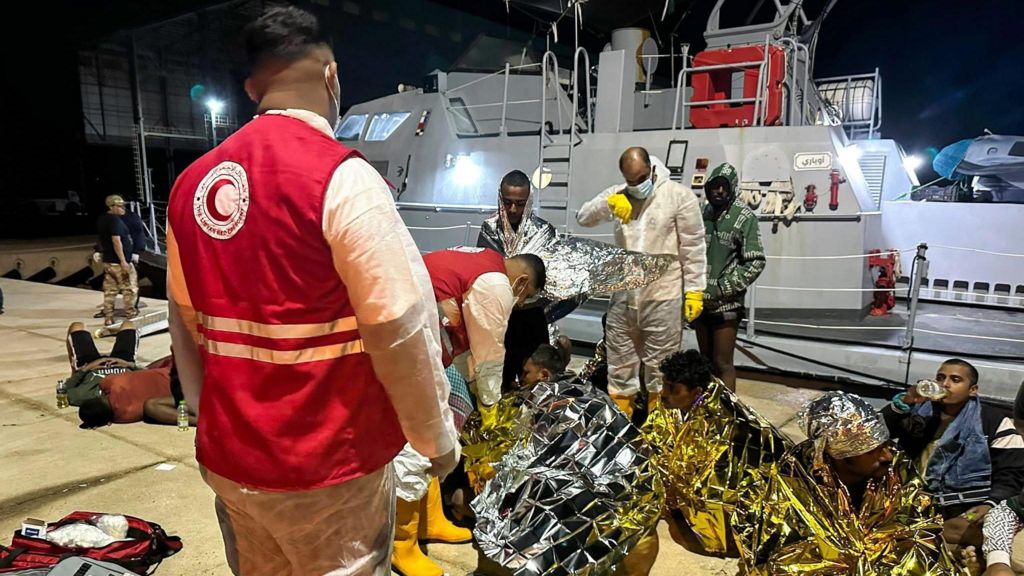
    In a devastating incident off the coast of Libya, at least four individuals lost their lives after two overcrowded migrant boats capsized on Saturday. The Libyan Red Crescent confirmed that the deceased were among 26 Bangladeshi nationals aboard one of the vessels. The fate of passengers on the second boat, which carried approximately 70 mostly Sudanese migrants, remains unclear as rescue efforts continue. The boats were traversing the central Mediterranean route, a perilous path between North Africa and Italy, which the UN International Organization for Migration (IOM) has labeled as the ‘deadliest known migration route in the world.’ The vessels had departed from Al Khums, a port city in northwestern Libya. Disturbing images shared by the Libyan Red Crescent show rescue workers providing aid to survivors and black body bags lined up on the shore. This tragedy underscores the ongoing migrant crisis in the Mediterranean, where hundreds perish annually in unsafe and overcrowded boats. According to IOM data, more than 1,500 people have died or gone missing in the Mediterranean in 2025 alone, with a significant portion of these incidents occurring off Libya’s coast. Libya remains a primary departure point for migrants attempting to reach Europe, with nearly 59,000 individuals arriving via this route this year, as reported by Frontex, the EU’s border security agency. Earlier this week, another boat carrying migrants from Libya capsized, leaving dozens missing and presumed dead. Seven survivors from Sudan, Somalia, Cameroon, and Nigeria were rescued after enduring nearly a week adrift at sea.

  • My mum was a 17-year-old free spirit – so she was locked up and put in a coma

    My mum was a 17-year-old free spirit – so she was locked up and put in a coma

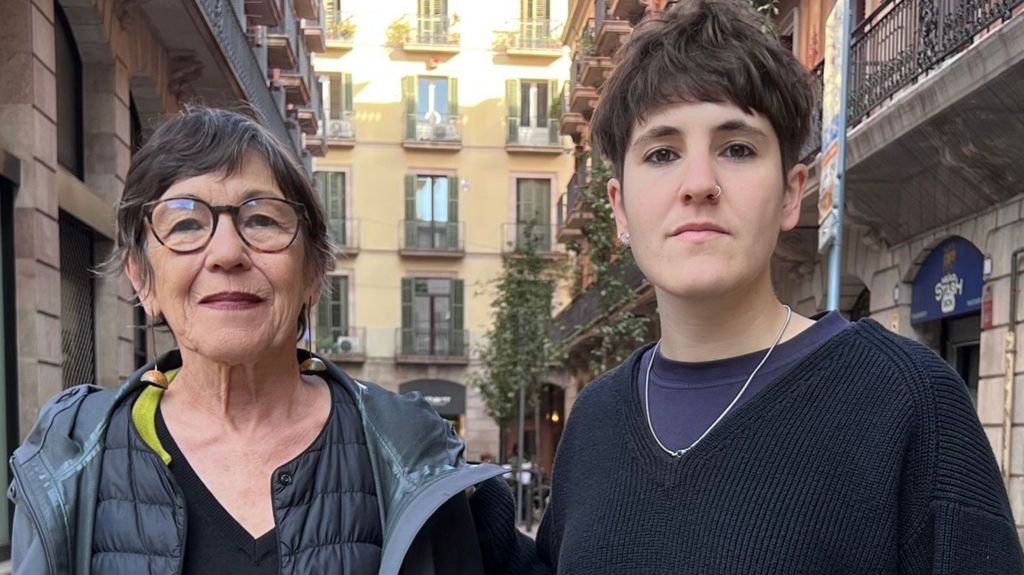
    Marina Freixa grew up sensing a dark secret in her family’s history. Her mother, Mariona Roca Tort, had lived through Spain’s Franco dictatorship, but the details of her past remained shrouded in mystery. A decade ago, during a Christmas gathering, Mariona finally broke her silence, revealing a harrowing chapter of her life that would forever change Marina’s understanding of her family and her country’s history.

  • Irish Labour leader calls for border poll timeline

    Irish Labour leader calls for border poll timeline

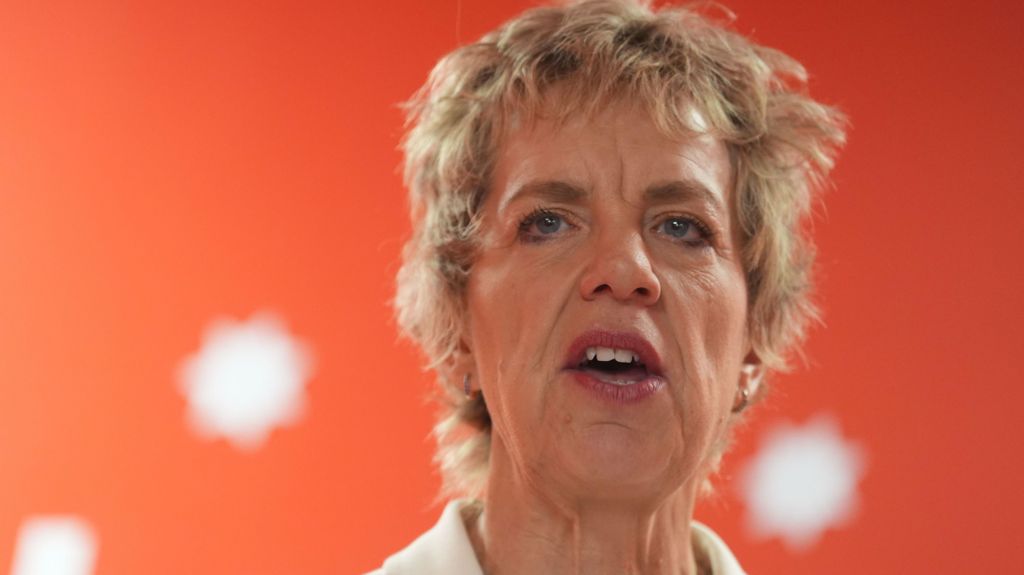
    In a significant political move, Ivana Bacik, the leader of the Republic of Ireland’s Labour Party, has called for the Irish and British governments to establish a definitive timeline for a border poll on Northern Ireland. Speaking at the party’s annual conference on Saturday, Bacik emphasized the importance of a ‘unity referendum,’ while cautioning against hasty execution. She stressed the necessity of setting a ‘clear time frame’ to ensure a structured and thoughtful process. The Good Friday Agreement (GFA) stipulates that a referendum must be conducted if the Northern Ireland secretary believes a majority would favor Irish unification. However, the criteria for such a determination remain undefined. Bacik’s appeal adds to a growing chorus of political voices advocating for preparations for a border poll. Earlier this year, Irish President Catherine Connolly pledged to leverage her influence for a united Ireland. Similarly, Alliance Party leader Naomi Long recently urged the Northern Ireland secretary to outline the conditions for initiating a referendum. Former Irish Prime Minister Leo Varadkar also highlighted the need for Dublin to commence planning for such a pivotal event. The discourse surrounding a potential unity referendum underscores the complex and evolving dynamics of Ireland–UK relations.

  • Zelensky vows energy sector overhaul after $100m corruption scandal

    Zelensky vows energy sector overhaul after $100m corruption scandal

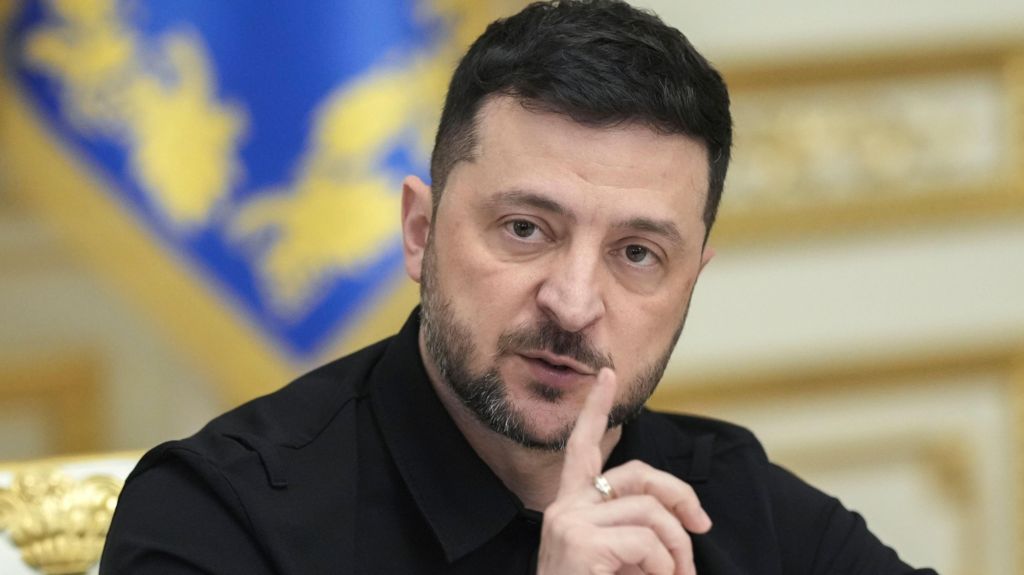
    Ukrainian President Volodymyr Zelensky has announced a comprehensive restructuring of state-owned energy companies following a significant corruption scandal that has rocked the nation’s energy sector. Anti-corruption investigators revealed that approximately $100 million (£76m) has been embezzled, sparking widespread outrage in a country already grappling with severe power outages caused by Russian attacks. In a post on X on Saturday, Zelensky outlined plans for a full audit of the financial activities of these companies and a renewal of their management. The state nuclear company, Energoatom, which is central to the scandal, will see a new supervisory board appointed within a week. Several individuals implicated in the scandal have close ties to Zelensky, adding complexity to the situation. The scandal emerges as Russian assaults on Ukrainian energy infrastructure, including substations supplying nuclear power plants, intensify. Zelensky has instructed government officials to maintain continuous communication with law enforcement and anti-corruption bodies. He also called for the swift appointment of a new head of Ukrhydroenergo, a hydropower company, and reforms for oil and gas giant Naftogaz and the Gas Transmission System Operator. The scandal has already led to the resignation of two ministers and sanctions against a former business partner of Zelensky. The National Anti-Corruption Bureau of Ukraine (Nabu) and the Specialised Anti-Corruption Prosecutor’s Office (Sap) disclosed that a 15-month investigation has implicated several government members, including Justice Minister Herman Halushchenko, former Deputy Prime Minister Oleksiy Chernyshov, and businessman Timur Mindich, a co-owner of Zelensky’s former TV studio Kvartal95. Zelensky has reiterated his commitment to full cooperation with the anti-corruption investigation, emphasizing the importance of transparency and integrity in the energy sector. However, the scandal has cast doubt on Zelensky’s dedication to combating corruption, especially after he signed a law in July limiting the independence of Nabu and Sap. Although he later reversed this decision, the incident drew criticism from European allies, including France and Germany, and prompted G7 ambassadors to seek discussions with Ukrainian leadership.

  • Dozens rescued or evacuated in Wales as Storm Claudia floods Monmouth

    Dozens rescued or evacuated in Wales as Storm Claudia floods Monmouth

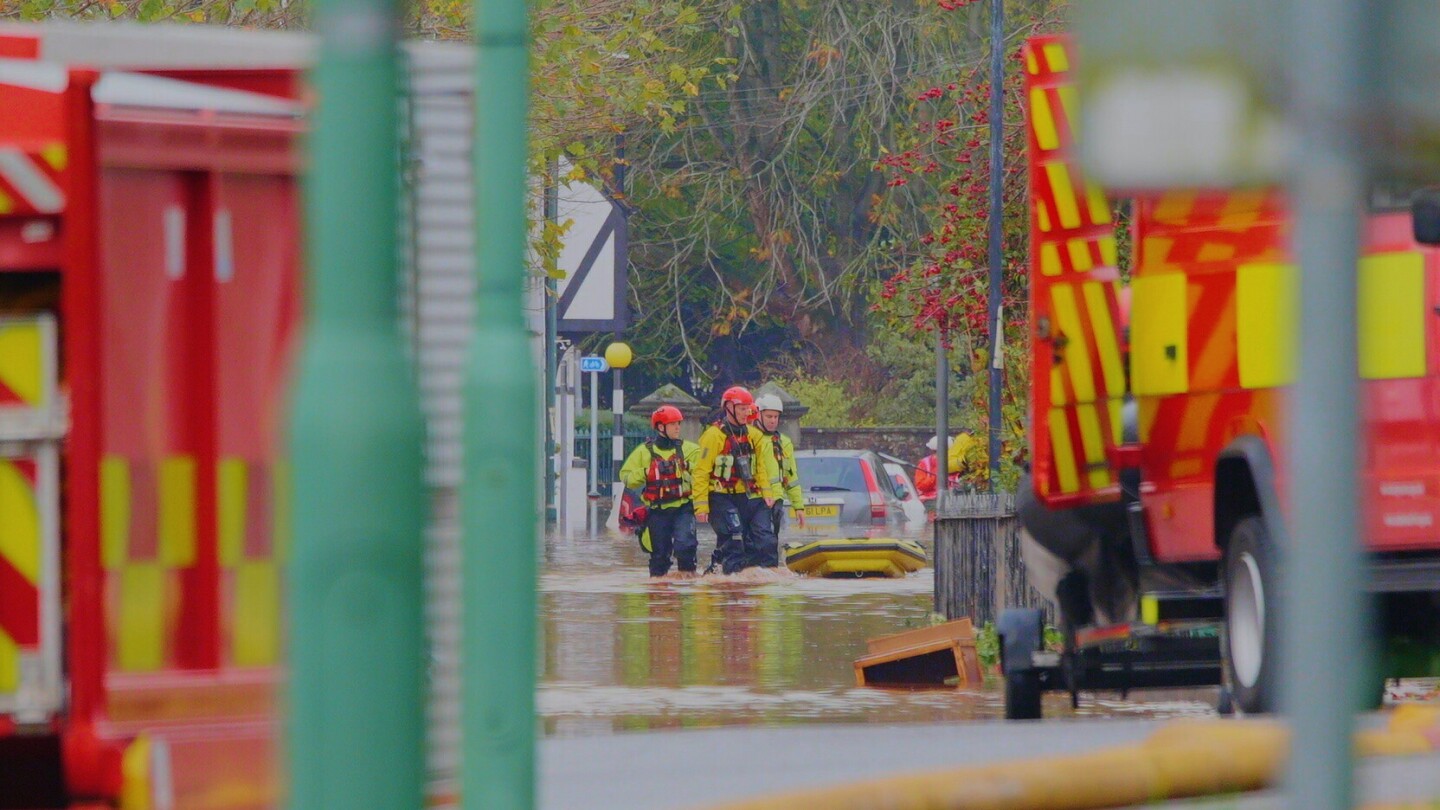
    Severe flooding triggered by Storm Claudia has wreaked havoc across Wales and parts of Ireland, forcing dozens of residents to evacuate their homes. The town of Monmouth in Wales bore the brunt of the disaster as the River Monnow surged to unprecedented levels, inundating streets, submerging vehicles, and flooding businesses. Aerial footage captured the extent of the devastation, with muddy brown waters engulfing the town’s main thoroughfare.

  • After Assad’s fall, Syrians and EU officials hold rare meeting in Damascus

    After Assad’s fall, Syrians and EU officials hold rare meeting in Damascus

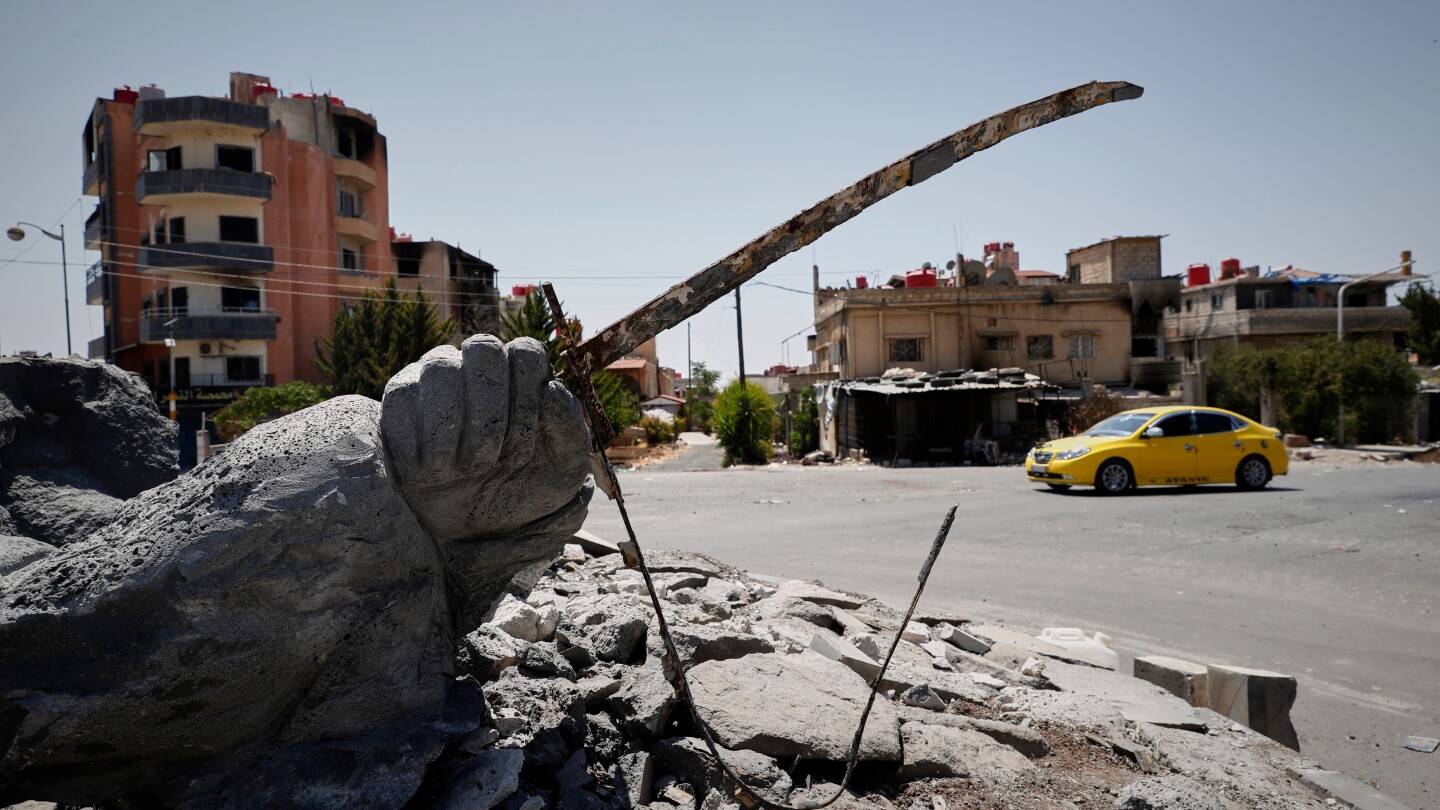
    In a groundbreaking event, representatives of Syria’s civil society convened in Damascus on Saturday for open discussions, facilitated by the European Union and the transitional government. This marked the first time such dialogues, previously held in Brussels, took place within Syria. The discussions addressed critical issues including sectarian tensions, ethnic divisions, and the casualties from various conflicts. The event, titled “The Day of Dialogue,” signifies a pivotal moment nearly a year after the fall of the 54-year Assad family rule, which was overthrown by insurgent groups in December. Historically, these meetings were boycotted by Bashar Assad’s government, but the current transitional authorities and civil society actively participated this time. Syrian Foreign Minister Asaad al-Shibani emphasized the significance of hosting these talks in Syria, stating, “The meeting that used to be held to talk about Syria is now being held in Syria.” He highlighted the solid partnership between Syria’s civil society and the EU. Michael Ohnmacht, the EU delegation’s chargé d’affaires, noted the participation of 500 individuals from diverse religious and ethnic backgrounds, calling it a positive step toward an inclusive future for Syria. Despite these advancements, Syria continues to grapple with sectarian violence, as seen in recent clashes in the coastal region and Sweida province, which resulted in hundreds of deaths. These incidents underscore the ongoing challenges in a 14-year conflict that has claimed half a million lives. Social Affairs Minister Hind Kabawat stressed that the dialogue marks the beginning of change and rebuilding, emphasizing the importance of partnership between the state and civil society. During sessions on transitional justice and the fate of the missing, Syrians demanded answers on unresolved issues, including the disappearance of over 130,000 people under Assad’s rule. Ethnic minorities, such as Kurds, shared experiences of decades-long state discrimination, while others highlighted violence against women from minority sects. Mazen Darwish, a prominent Syrian activist, acknowledged the end of Assad’s rule but cautioned against assuming a smooth future, urging Syrians to seize the current opportunity for change.

  • UK navy crew member missing off Donegal coast

    UK navy crew member missing off Donegal coast

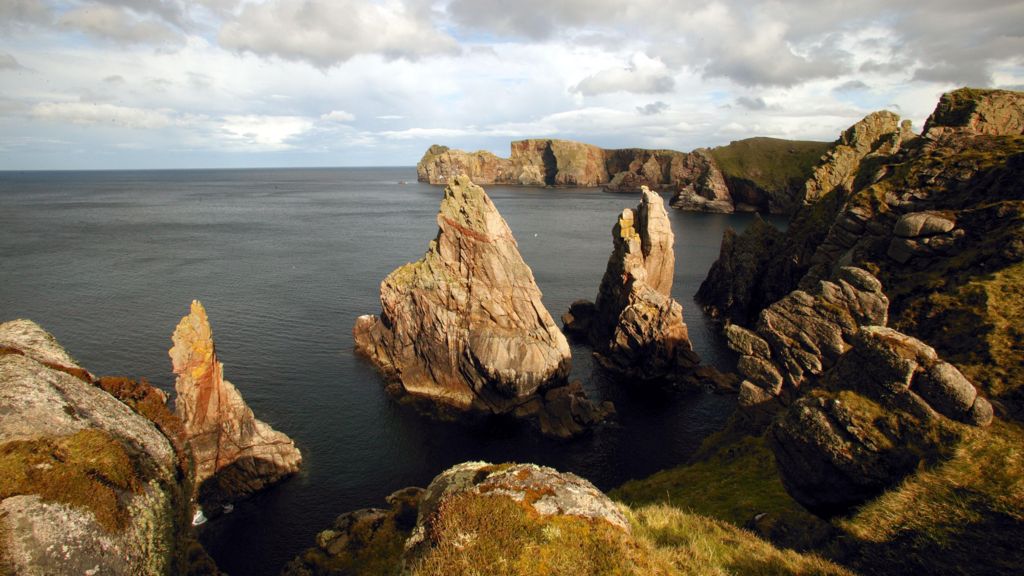
    A large-scale search operation involving multiple agencies is currently underway off the coast of County Donegal, Republic of Ireland, following the disappearance of a UK navy crew member. The Irish Department of Transport (DfT) confirmed that the individual was last seen around 22:30 (local time) on Friday near Tory Island. The Irish Coast Guard received a distress call from a UK naval support vessel early Saturday morning, prompting the immediate launch of search and rescue efforts. The Royal Navy is actively participating in the operation, focusing on locating the missing crew member from the Royal Fleet Auxiliary. The search involves the Irish Coast Guard, the Irish Air Corps, the Royal National Lifeboat Institution (RNLI), and the UK naval vessel. The Malin Head Coast Guard is coordinating the operation, which spans the northwest coast between Tory Island and Eagle Island in County Mayo. Air support includes the Coast Guard’s fixed-wing plane Rescue 120F from Shannon Airport, the Coast Guard helicopter Rescue 118 from Sligo, and the Irish Air Corps plane CASA 284. Additionally, the UK Naval support vessel and three RNLI all-weather lifeboats from Ballyglass, Arranmore Island, and Lough Swilly are conducting sea searches. The operation highlights the collaborative efforts of Irish and UK authorities in responding to maritime emergencies.