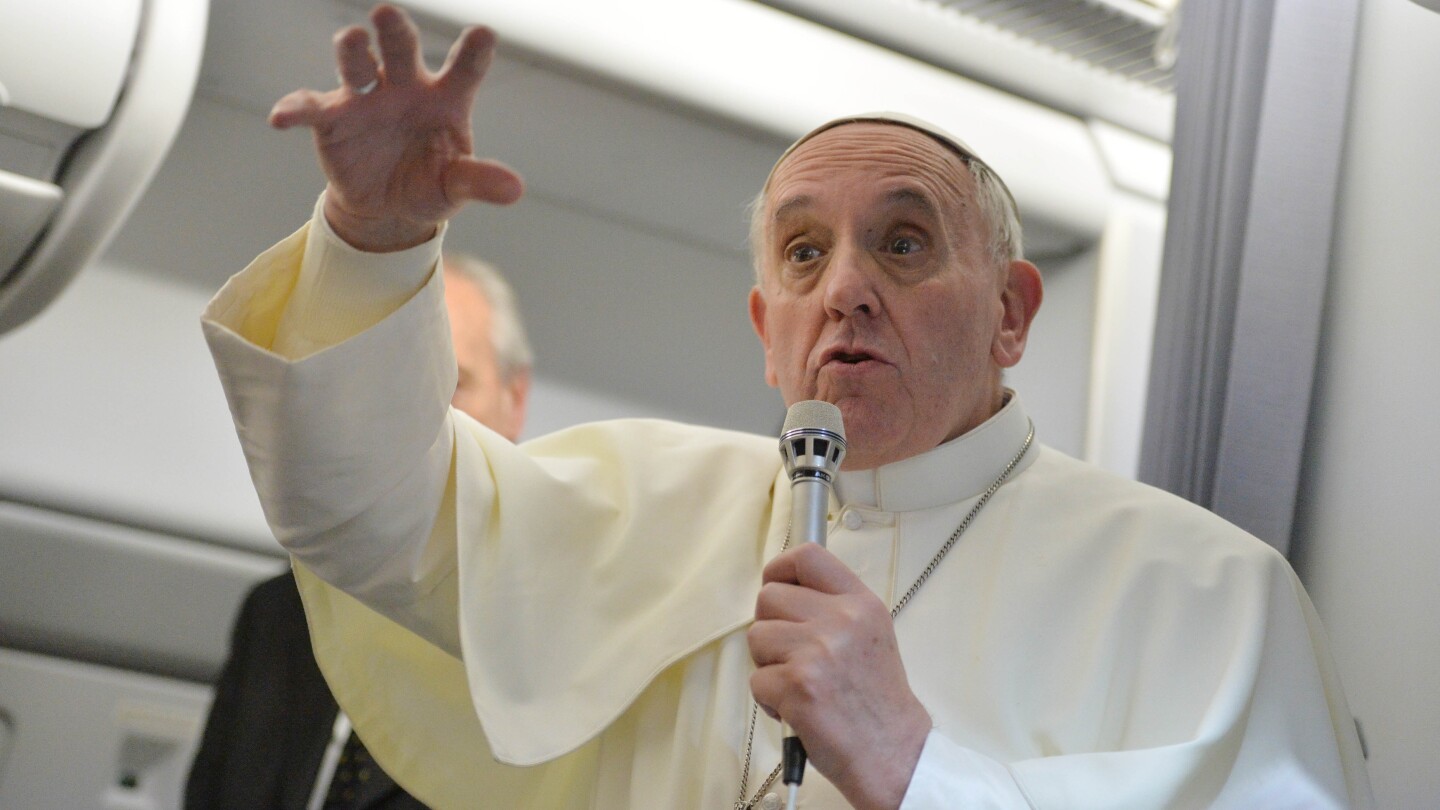
Pope Leo XIV, the first American pope in history, has embarked on his inaugural foreign journey, a significant pilgrimage to Turkey and Lebanon. This trip, initially planned by his predecessor Pope Francis, carries profound religious and geopolitical implications. Amid escalating tensions in the Middle East and intense media scrutiny, Leo’s visit aims to strengthen ties with the Orthodox Church in Turkey and offer solace to Lebanon’s beleaguered Christian community, still reeling from the devastating 2020 Beirut port blast. The pope’s diplomatic acumen and linguistic versatility have been on full display as he navigates complex questions from reporters. The trip is being closely monitored by major U.S. networks and international media, highlighting its global significance. In Turkey, Leo will commemorate the 1,700th anniversary of the Council of Nicaea, a pivotal moment in Christian history, while in Lebanon, he will pray at the site of the port explosion and meet with young Lebanese, offering hope amid ongoing crises. Security concerns remain high, but organizers assure the pope’s safety. Leo’s visit underscores the Vatican’s commitment to fostering interfaith dialogue, addressing regional conflicts, and advocating for justice and peace.
标签: Europe
欧洲
-

Parking inspector and wife arrested for €1m meter theft
A parking inspector and his wife in the small German town of Kempten have been apprehended on suspicion of embezzling over €1 million (£878,000) from parking meters. According to local police, the unnamed municipal employee allegedly removed coins from parking meters on multiple occasions and funneled them into bank accounts accessible to his wife. The couple’s scheme came to light after a credit institution flagged suspicious transactions in a money laundering report. The parking inspector now faces 720 counts of theft, while his wife is charged with 720 counts of aiding and abetting theft. Kempten Mayor Thomas Kiechle expressed shock and dismay over the allegations, emphasizing the town’s commitment to transparency and accountability. In October, the Kempten public prosecutor’s office was alerted to repeated cash deposits into several bank accounts, prompting a police raid on November 24. The 40-year-old man and his 38-year-old wife were arrested and are currently held in separate detention facilities. The investigation is ongoing, and the couple’s identities remain undisclosed due to privacy concerns. Mayor Kiechle has announced the formation of a commission to review past work processes, identify vulnerabilities, and implement safeguards to prevent future misconduct. Kempten, one of Germany’s oldest settlements, is located in the southern Allgäu region and is home to approximately 70,000 residents. The town recently celebrated its Bavarian heritage with a vibrant parade in August.
-
Report: US envoy coached Putin aide on how Russian leader should pitch Trump on Ukraine peace plan
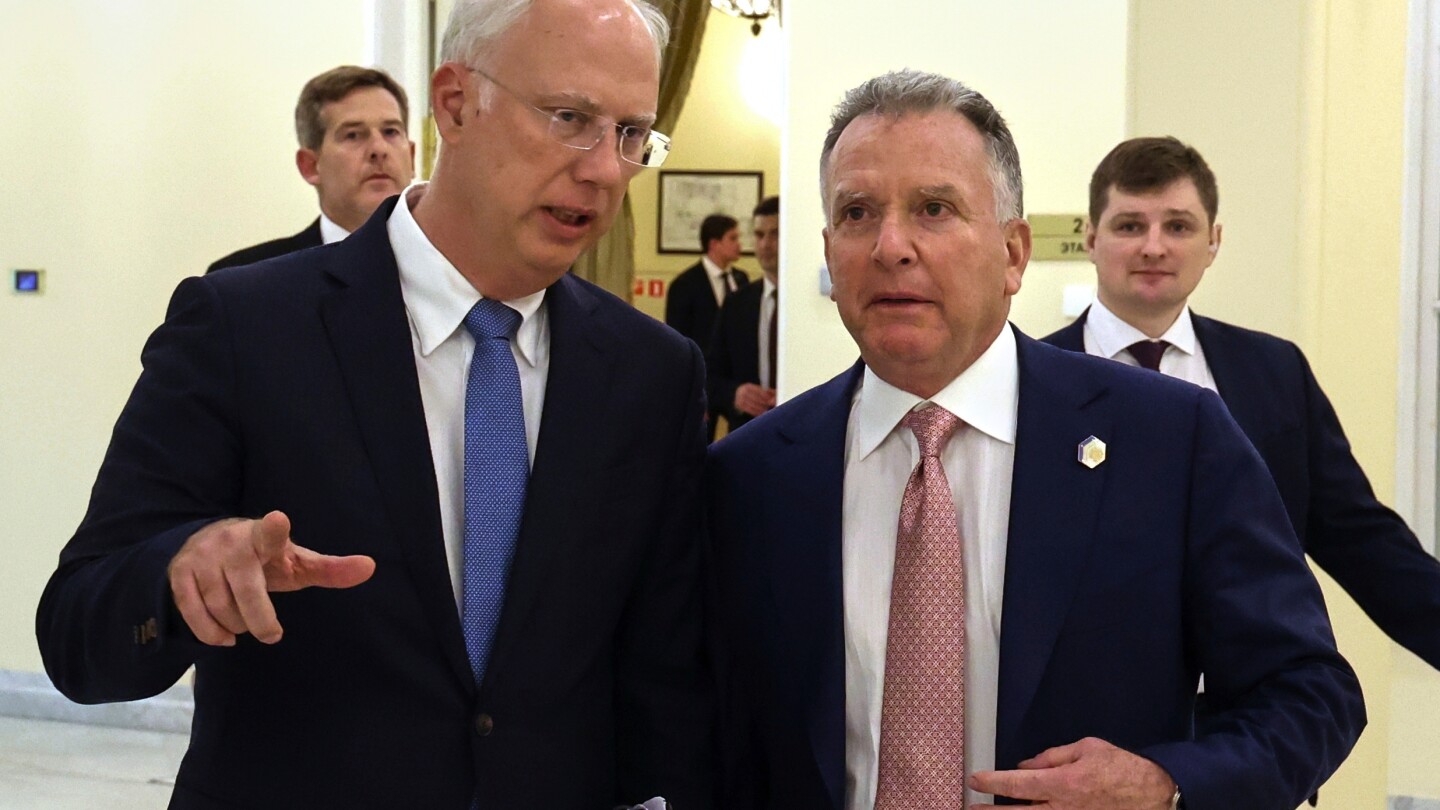
In a revealing development, President Donald Trump’s key intermediary with Russia, Steve Witkoff, reportedly advised a senior aide to Russian President Vladimir Putin on how to approach Trump with a peace proposal aimed at ending the ongoing conflict in Ukraine. According to a transcript published by Bloomberg News, Witkoff suggested during an October 14 call that Putin congratulate Trump on the Gaza ceasefire deal, express support for it, and emphasize Trump’s role as a peacemaker. This conversation occurred just before Trump announced that Witkoff would meet with Putin to discuss a ‘fine-tuned’ peace plan for Ukraine. The White House did not dispute the transcript’s authenticity, with Trump describing Witkoff’s approach as standard negotiation tactics. However, the report has drawn criticism from some U.S. lawmakers, including Republican Representative Don Bacon, who accused Witkoff of favoring Russian interests and called for his removal from the negotiations. The transcript also revealed that Witkoff proposed arranging a call between Trump and Putin before Ukrainian President Volodymyr Zelenskyy’s White House visit, with Putin congratulating Trump on the Gaza agreement as a starting point. The discussions come amid a broader debate over a leaked 28-point peace plan, which critics argue heavily favors Russian demands, including Ukraine ceding the Donbas region and reducing its military size. While the State Department declined to comment on the Bloomberg report, Secretary of State Marco Rubio emphasized that the proposal was a U.S.-led effort with input from both Russia and Ukraine. As negotiations continue, Trump has hinted at a potential meeting with Putin and Zelenskyy, but only after further progress is made.
-
Italian parliament unanimously votes to make femicide a crime
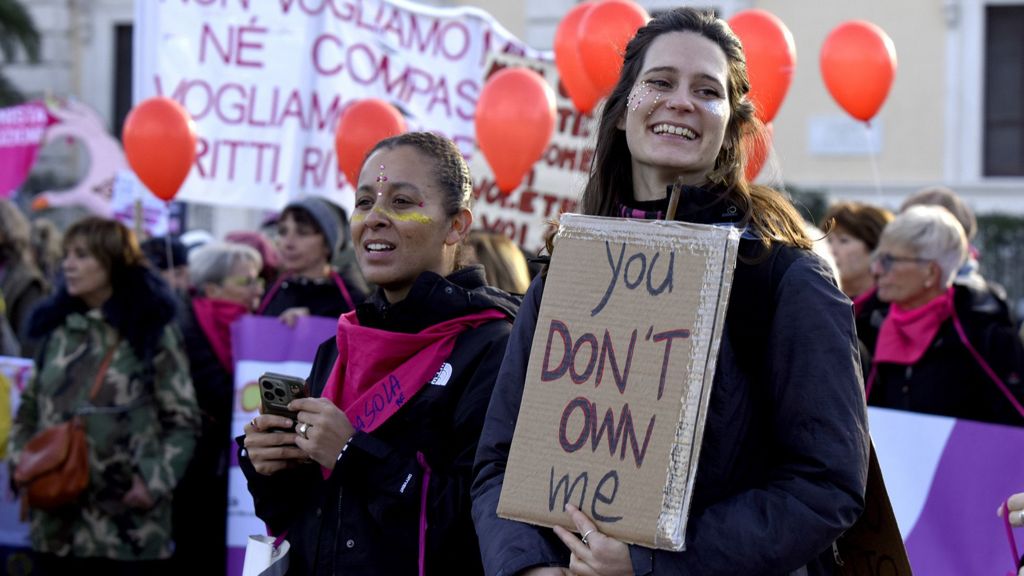
In a landmark decision, Italy’s parliament has unanimously passed a law classifying femicide as a distinct crime, punishable by life imprisonment. The legislation, introduced by Prime Minister Giorgia Meloni and supported across party lines, marks a significant step in addressing gender-based violence. The bill was approved on the International Day for the Elimination of Violence Against Women, a symbolic gesture underscoring its importance. The move follows widespread protests led by feminist groups like Non Una Di Meno (Not One Less) and the tragic murder of Giulia Cecchettin, a 22-year-old student killed by her ex-boyfriend in November 2023. Her death sparked national outrage and highlighted the pervasive issue of patriarchal violence in Italian society. The new law defines femicide as the murder of a woman motivated by gender, rooted in hatred, discrimination, or control. It mandates the classification and study of such crimes, aiming to reveal their true motivations. Italy joins Cyprus, Malta, and Croatia as EU member states with specific femicide laws. However, critics argue the law’s vague definition may complicate implementation, while advocates stress the need for broader societal changes, including education and economic equality, to combat the root causes of gender violence.
-
Italy now recognizes the crime of femicide and punishes it with life in prison
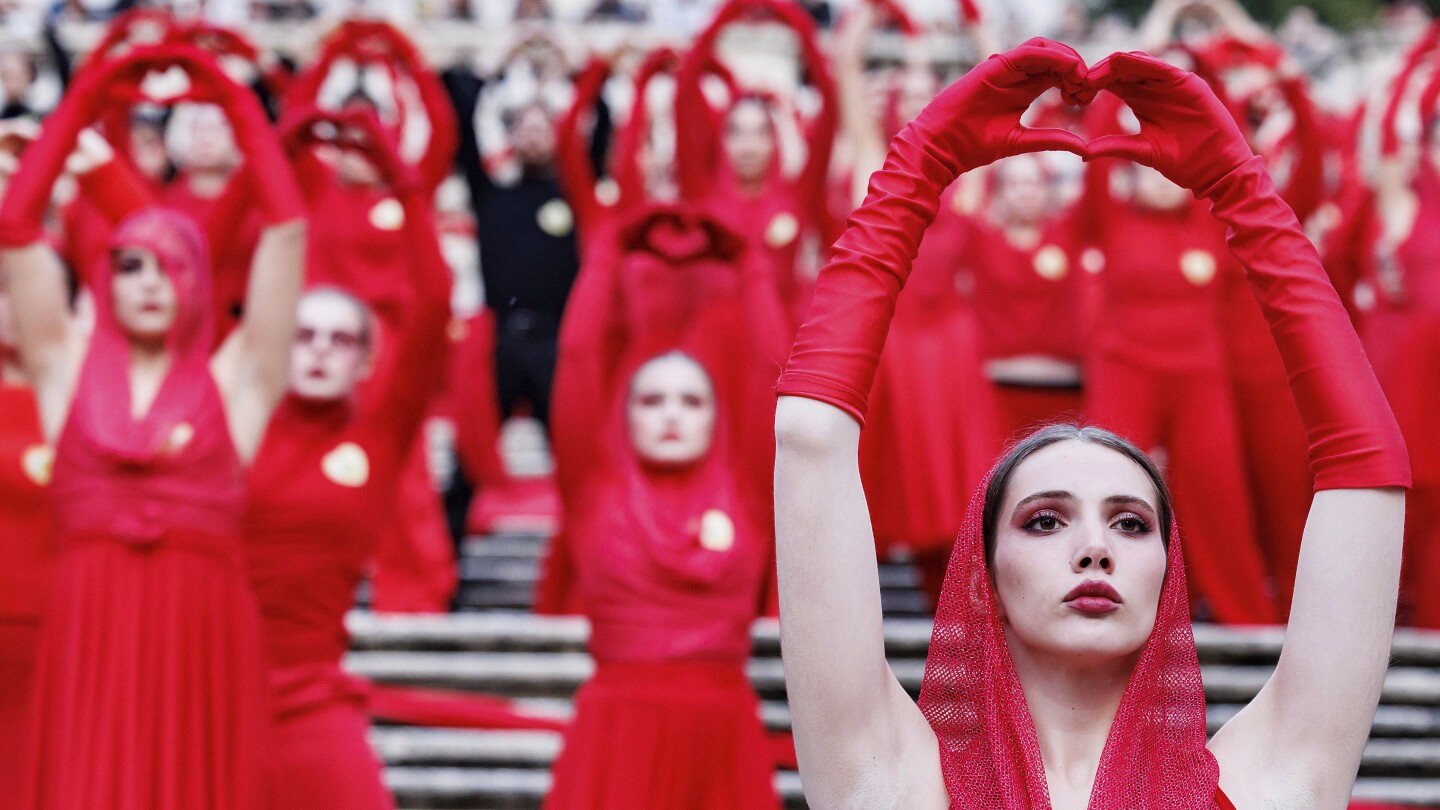
In a historic move, Italy’s parliament has unanimously passed a groundbreaking law that criminalizes femicide, imposing life imprisonment as the maximum penalty. The legislation, approved on the International Day for the Elimination of Violence Against Women, marks a significant step in addressing gender-based violence in the country. The law, championed by Prime Minister Giorgia Meloni’s conservative government, received overwhelming bipartisan support, with 237 votes in favor in the Lower Chamber. It introduces stringent measures against crimes such as stalking and revenge porn, reflecting a broader societal push to combat violence against women. The decision follows a series of high-profile cases, including the 2023 murder of university student Giulia Cecchettin, which sparked nationwide outrage and debate over Italy’s patriarchal culture. Meloni emphasized the government’s commitment to the cause, highlighting increased funding for anti-violence centers, shelters, and emergency hotlines, alongside educational initiatives. However, critics argue that the law focuses solely on criminal justice, neglecting underlying economic and cultural factors. Italy’s statistics agency, Istat, reported 106 femicides in 2024, with 62 perpetrated by partners or former partners. The debate over introducing mandatory sexual and emotional education in schools has intensified, with the government proposing restrictions on such programs for elementary students. Opposition leaders and activists have condemned the proposal as regressive, advocating for comprehensive prevention strategies in schools.
-
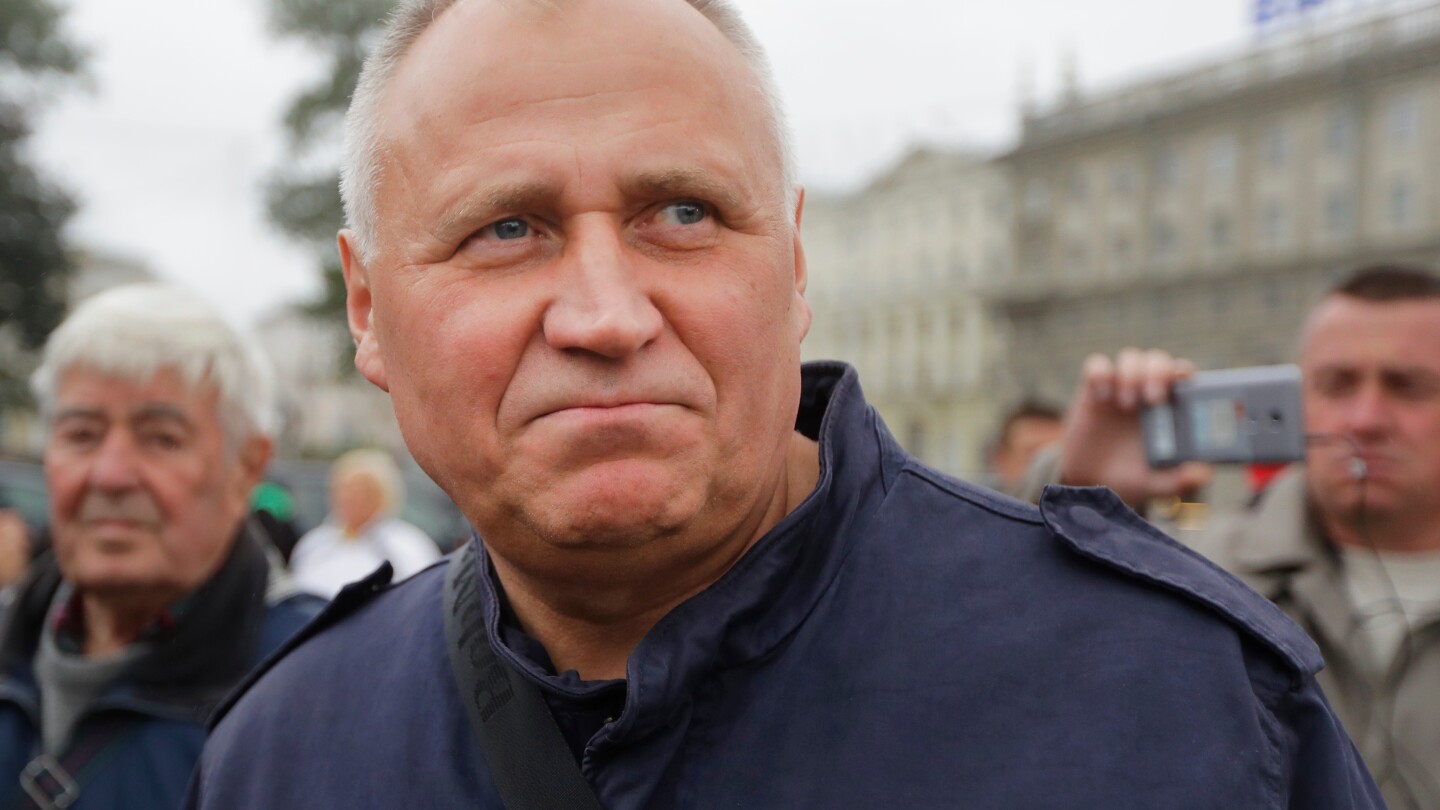
Belarusian politician Mikola Statkevich returned to prison after refusing ‘forced deportation’
Belarusian opposition leader Mikola Statkevich has been returned to prison after refusing to leave his homeland following a U.S.-mediated release, activists revealed on Tuesday. Statkevich, a former presidential candidate, had been among a group of political prisoners pardoned by Belarusian President Alexander Lukashenko on September 11, following a request from U.S. President Donald Trump. Despite being transported to the Belarusian-Lithuanian border with other freed detainees, Statkevich, 69, rejected what he termed a ‘forced deportation,’ forcibly exiting the bus and lingering in the border’s no-man’s land for hours before being taken into custody by Belarusian police. The Ministry of Internal Affairs confirmed to his wife, Maryna Adamovich, that he is now back in prison and ‘continues to serve his sentence.’ Statkevich was sentenced in 2021 for allegedly organizing mass unrest, a charge widely criticized by human rights groups as politically motivated. His current whereabouts remain undisclosed, and concerns over his health have intensified, given his history of a heart attack while incarcerated. Pavel Sapelka, a lawyer with the Viasna human rights organization, argued that Statkevich’s pardon should have ensured his freedom, labeling his re-imprisonment as ‘legal chaos.’ This incident underscores the ongoing repression in Belarus, which currently holds 1,246 political prisoners, including Nobel Peace Prize laureate Ales Bialiatski. Despite recent efforts by Lukashenko to mend ties with the West, including the release of 52 prisoners and the lifting of sanctions on Belarus’ national airline, Belavia, the situation highlights the regime’s enduring authoritarian grip.
-
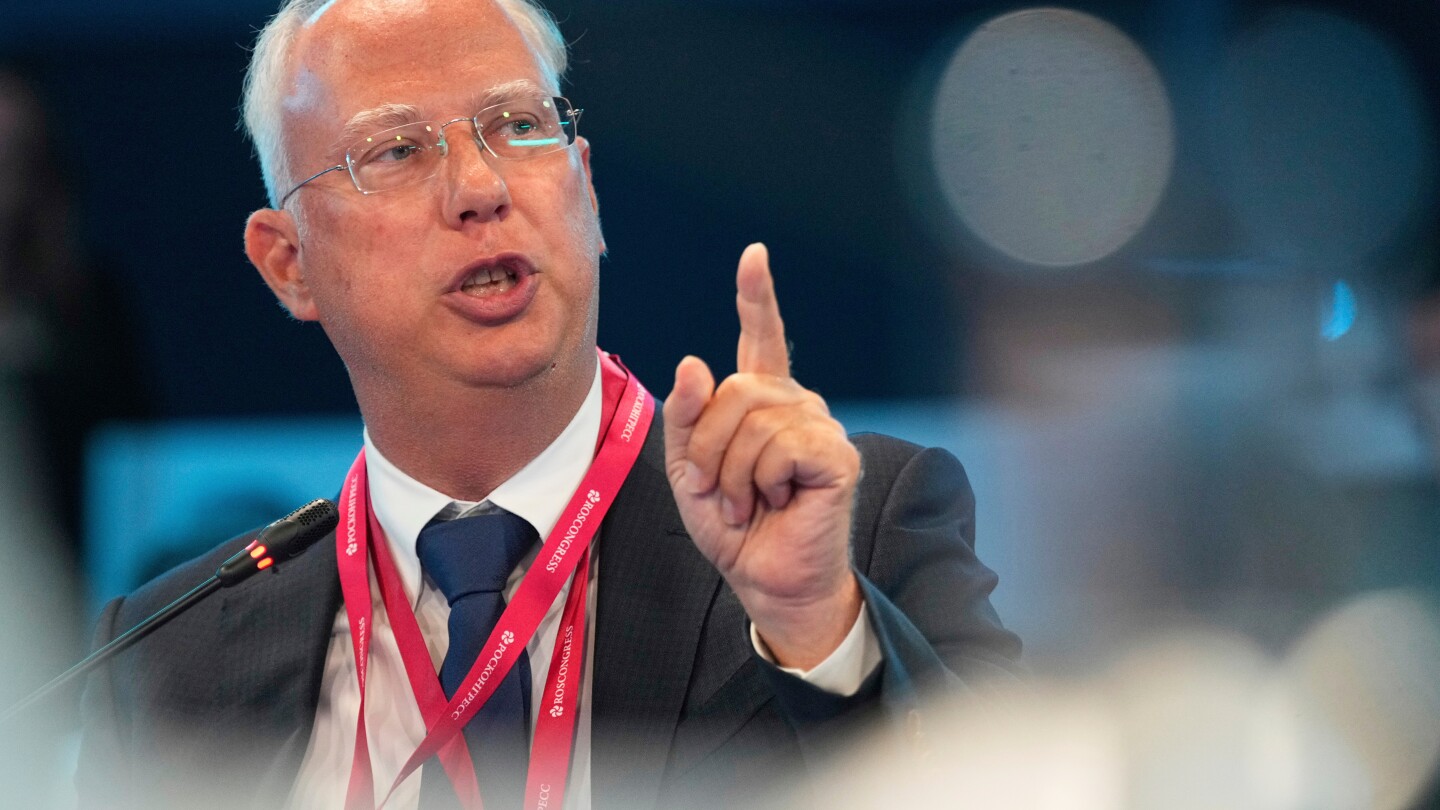
A look at Kirill Dmitriev, the Russian envoy who helped craft the new Ukraine peace proposal
Kirill Dmitriev, the head of Russia’s sovereign wealth fund, has emerged as a pivotal figure in crafting a new proposal to end Moscow’s war in Ukraine. Despite lacking formal diplomatic credentials, Dmitriev’s background as a former investment banker and his role as a back-channel communicator between the Kremlin and allies of former U.S. President Donald Trump have positioned him uniquely for this task. His inclusion on the U.S. sanctions list has not deterred his involvement in high-stakes negotiations.
Boris Bondarev, a former Russian diplomat who resigned in protest after Russia’s 2022 invasion of Ukraine, noted that Dmitriev’s informal status might actually be an asset. His ability to connect with figures like Steve Witkoff, Trump’s special envoy, has made him a valuable intermediary. Bondarev emphasized that Dmitriev’s approachability and business-oriented mindset resonate well with U.S. counterparts.
Born in Kyiv in 1975, Dmitriev’s early exposure to the U.S. through a school exchange program and his education at Stanford University and Harvard Business School laid the foundation for his global perspective. His career trajectory, which included stints at Goldman Sachs and McKinsey & Company, eventually led him to private equity firms in Russia and Ukraine. In 2011, he was appointed CEO of the Russian Direct Investment Fund (RDIF), where he worked to attract foreign investment and foster financial ties with countries like Saudi Arabia and the UAE.
Political analyst Anton Barbashin described Dmitriev as a modern negotiator, contrasting him with traditional Soviet-trained diplomats. His ability to navigate the Trump administration’s business-centric approach has further solidified his role. Dmitriev’s connections extend beyond business; his wife, Natalia Popova, is linked to the Putin family through her role at Innopraktika, a nonprofit headed by the president’s daughter, Katerina Tikhonova.
Despite his informal status, Dmitriev’s efforts have not gone unnoticed. If his peace proposals succeed, he could earn significant recognition from Vladimir Putin. However, as Bondarev cautioned, the Kremlin retains the power to disown him at any moment, underscoring the precarious nature of his role.
-
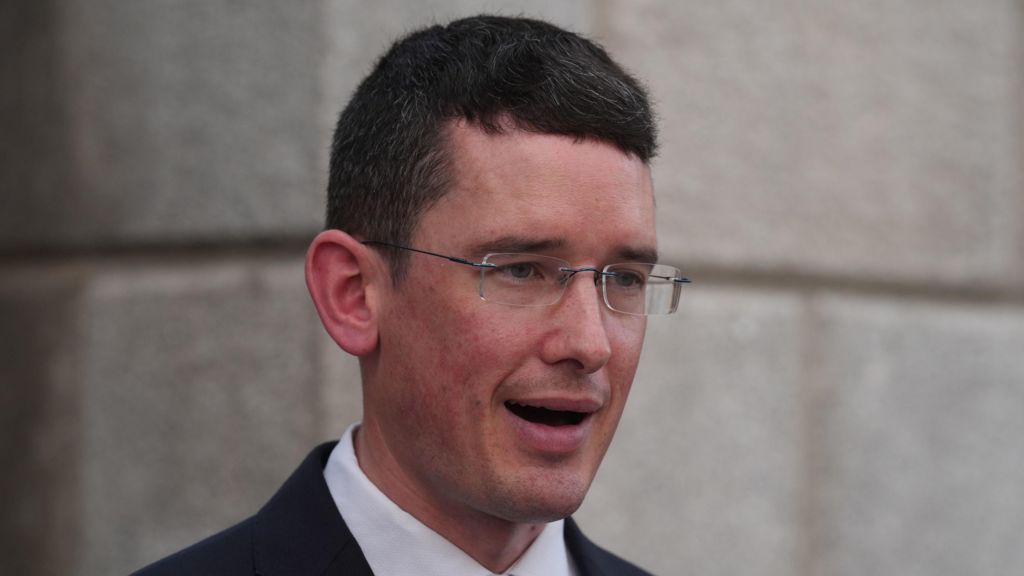
Irish school teacher Enoch Burke arrested and brought to prison
Enoch Burke, an Irish school teacher, has been arrested and taken to Mountjoy Prison following a High Court order issued last week. The court found him in contempt for his persistent defiance of judicial authority and the rule of law. Mr. Justice Cregan, during a hearing in Dublin, described Burke’s actions, along with those of his family, as a “deliberate, sustained, and concerted attack” on the civil courts’ authority. Burke had been attending Wilson’s Hospital School, from which he was previously dismissed for gross misconduct, since it reopened after the summer break. The dismissal stemmed from his refusal to address a transgender pupil using their preferred pronouns and his disruptive behavior during school events, including a religious service. This marks Burke’s fourth imprisonment for contempt since September 2022, with his total time behind bars exceeding 500 days. Gardaí executed the court order in Mullingar, County Westmeath, on Tuesday after receiving reports of Burke’s presence at the school. Earlier last week, officers visited his home in Castlebar, County Mayo, multiple times but left without him. Burke briefly returned to the school on Friday, recording a video outside the premises, and was spotted again on Tuesday, prompting the police response. His ongoing legal battles and defiance continue to draw significant attention in Ireland.
-
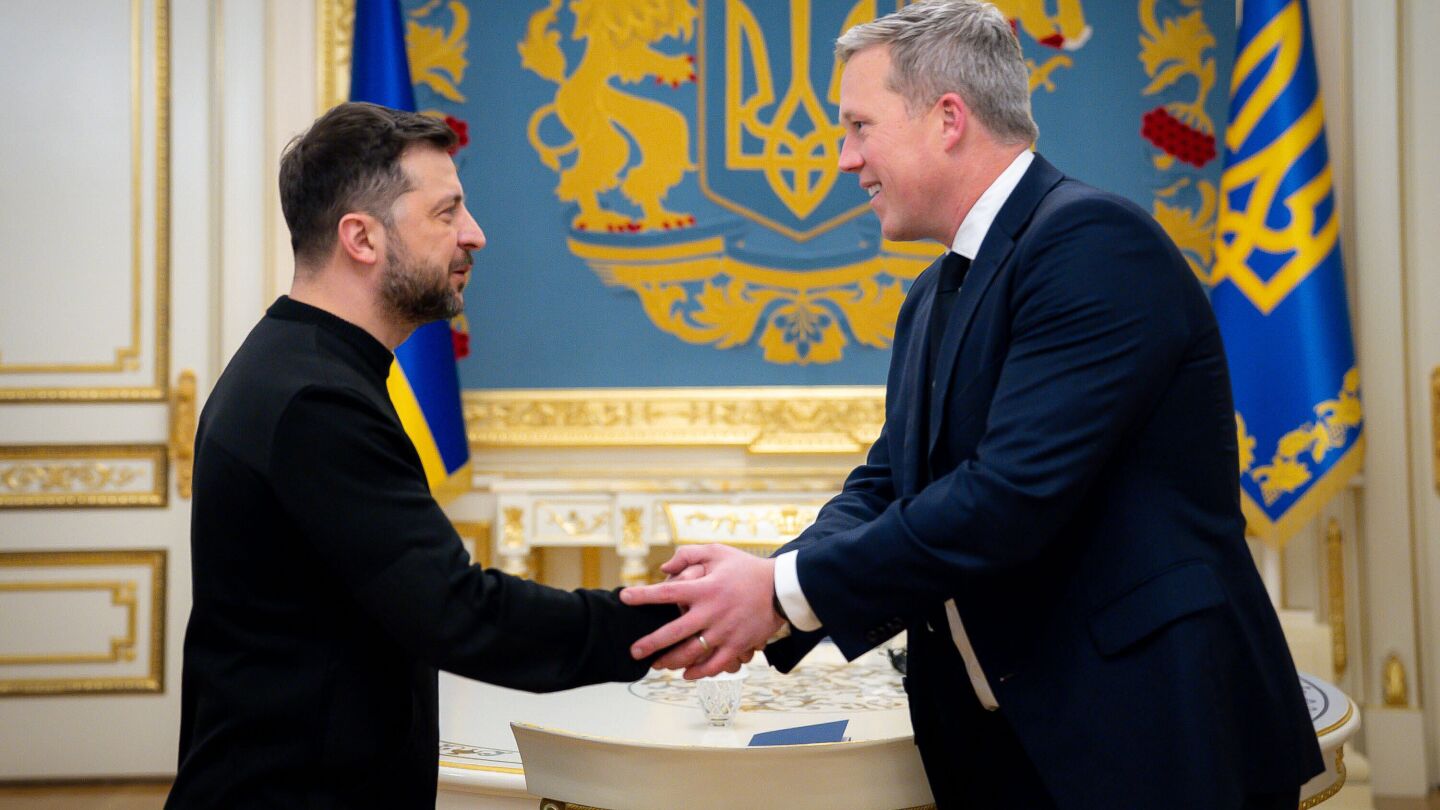
Trump’s Ukraine peace plan ignites diplomatic flurry but major hurdles lie ahead
The protracted Russia-Ukraine conflict, now nearing its fourth year, has witnessed numerous failed peace initiatives and high-level diplomatic summits. A recent U.S.-backed proposal has reignited diplomatic efforts, drawing mixed reactions from Kyiv, Moscow, and European capitals. The 28-point plan, heavily tilted toward Russia’s interests, calls for Ukraine to cede the Donbas region, limit its military to 600,000 personnel, and bar future NATO membership. These conditions have sparked alarm in Ukraine and its European allies, who swiftly countered with revised proposals emphasizing Ukraine’s sovereignty and security. Ukrainian and European leaders expressed cautious optimism about the talks’ momentum, though critical responses from Washington and Moscow remain pending. U.S. President Donald Trump announced the dispatch of envoy Steve Witkoff to meet Russian President Vladimir Putin, signaling progress toward a potential deal. However, leaked transcripts of discussions between Witkoff and Putin’s advisor, Yuri Ushakov, have raised concerns about the transparency and integrity of the negotiations. Meanwhile, the 35-nation Coalition of the Willing, including key European allies, convened to bolster Ukraine’s security post-ceasefire, though U.S. commitment remains uncertain. Amid war-weariness and mounting casualties, the fragile peace process faces significant challenges, with domestic issues plaguing both Ukrainian President Volodymyr Zelenskyy and Trump. Analysts warn that Russia’s perceived lack of urgency and Ukraine’s mounting pressure could complicate the path to a lasting resolution.
-
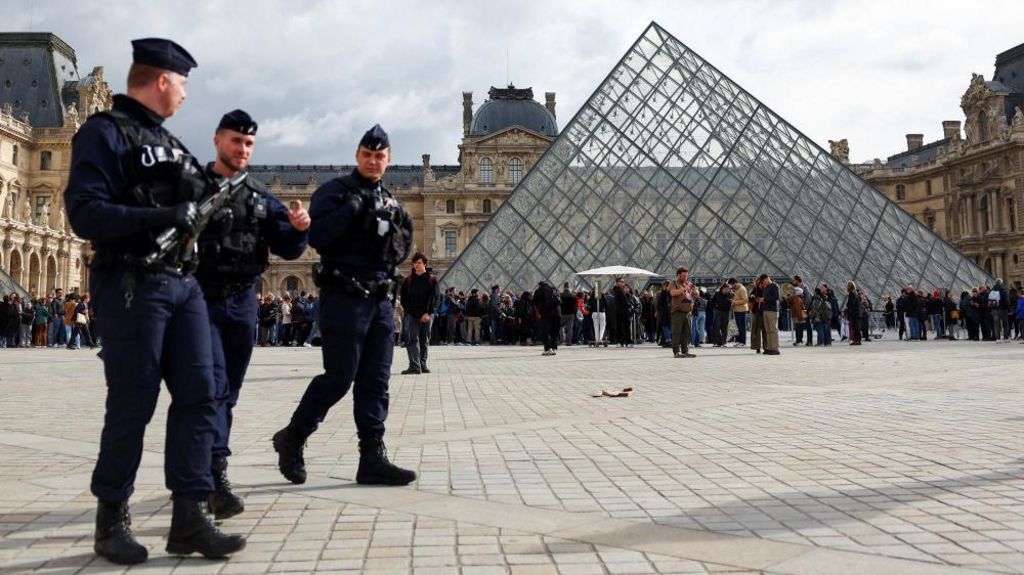
Four new arrests made following Louvre jewellery heist
In a significant development in the investigation of last month’s high-profile theft at the Louvre Museum, Paris prosecutors have announced the arrest of four additional individuals. The suspects, comprising two men aged 38 and 39, and two women aged 31 and 40, were apprehended on Tuesday. All are residents of the Paris region. French media reports suggest that one of the detainees is believed to be the final member of a four-person gang allegedly responsible for the audacious daylight robbery. This brings the total number of arrested suspects to eight, with three men and one woman already charged in connection with the heist. The stolen jewels, valued at €88 million (£76 million; $102 million), remain missing since the theft on October 19. The investigation has revealed that the thieves used a stolen vehicle-mounted mechanical lift to access the Galerie d’Apollon via a balcony near the River Seine. They employed a disc cutter to break into display cases, making off with eight items of jewelry, including a crown that was dropped during their escape. The Louvre’s security measures have come under scrutiny, with the museum’s president acknowledging shortcomings but denying negligence. Enhanced security protocols have since been implemented across France’s cultural institutions, and the Louvre has relocated some of its most valuable artifacts to the Bank of France for safekeeping.