标签: Europe

欧洲

  • Hungary’s Viktor Orbán to meet Russia’s Vladimir Putin in Moscow for energy talks

    Hungary’s Viktor Orbán to meet Russia’s Vladimir Putin in Moscow for energy talks

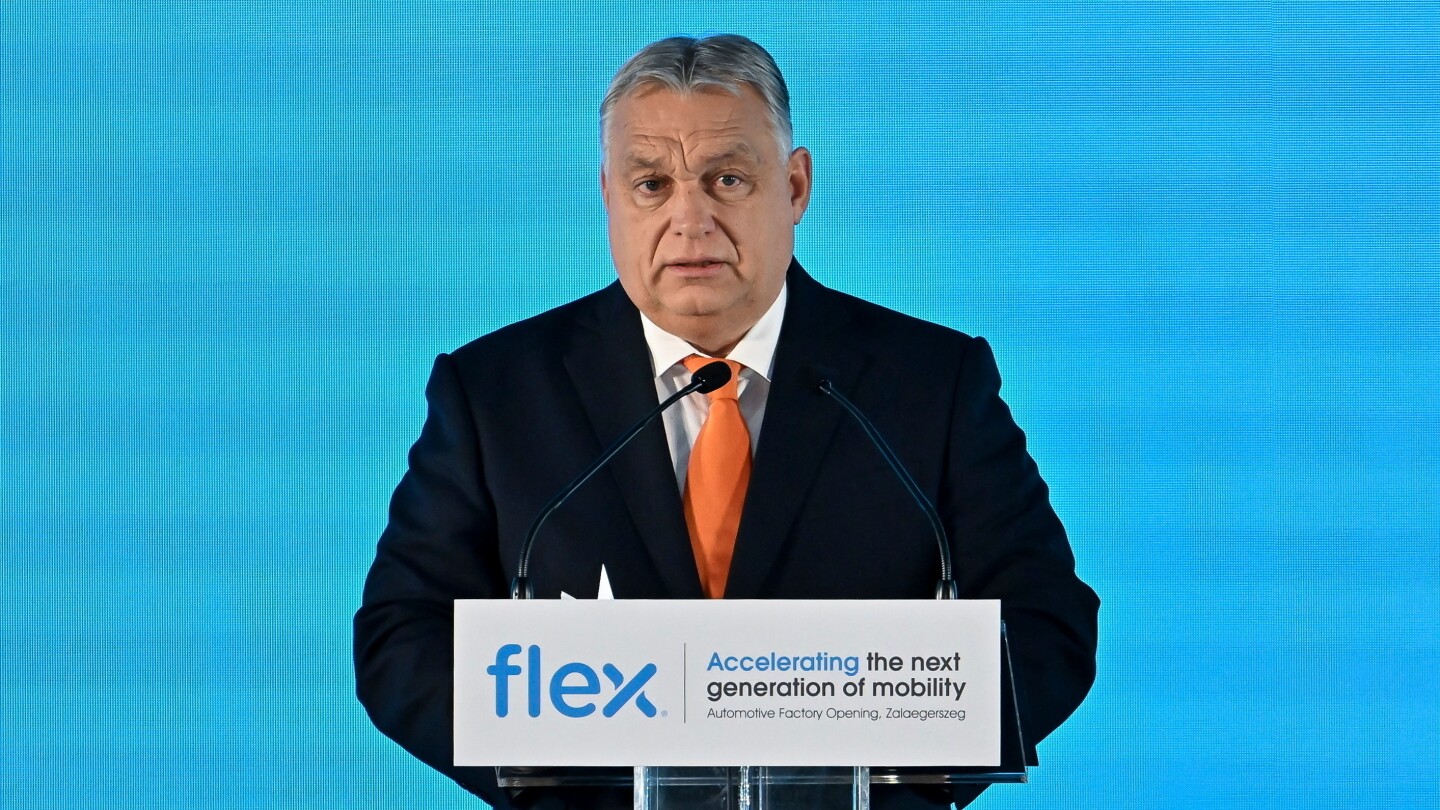
    In a diplomatic move that underscores deepening divisions within the European Union, Hungarian Prime Minister Viktor Orbán embarked on a high-stakes visit to Moscow for energy negotiations with Russian President Vladimir Putin. This meeting represents one of the few instances of a European leader engaging directly with the Kremlin amid ongoing hostilities in Ukraine.

    Orbán, widely regarded as Putin’s most sympathetic counterpart among EU leadership, emphasized the critical nature of these discussions for Hungary’s energy infrastructure. Speaking to state media prior to his departure from Budapest, the Prime Minister articulated his mission to secure continued access to affordable Russian oil and gas resources—commodities that have become increasingly constrained under international sanctions.

    Hungary maintains a distinctive position within the European bloc as one of the few nations continuing substantial imports of Russian fossil fuels. The Hungarian government has consistently resisted collective EU initiatives aimed at reducing dependency on Russian energy, positioning itself at odds with broader European security and policy objectives.

    This Moscow visit follows Orbán’s recent diplomatic success in Washington, where he secured a significant exemption from U.S. sanctions targeting Russian energy giants Lukoil and Rosneft during meetings with former President Donald Trump. Orbán characterized this achievement as vital for safeguarding Hungary’s energy security framework.

    The Prime Minister defended his energy diplomacy, stating: “With the sanctions exemption now secured, our priority remains obtaining the actual resources. I am traveling to Moscow to guarantee Hungary’s energy supply at economically viable pricing for both the immediate winter season and the subsequent year.”

    Orbán has repeatedly asserted that Russian energy imports constitute an indispensable component of Hungary’s economic stability, warning that transitioning to alternative sources would trigger immediate economic disruption. While other European nations have progressively reduced Russian energy imports, Hungary has not only maintained but expanded its procurement, simultaneously opposing EU plans for complete elimination of Russian fossil fuels by 2027.
  • Pope Leo XIV receives enthusiastic welcome from Turkey’s Catholics as he opens key day in first trip

    Pope Leo XIV receives enthusiastic welcome from Turkey’s Catholics as he opens key day in first trip

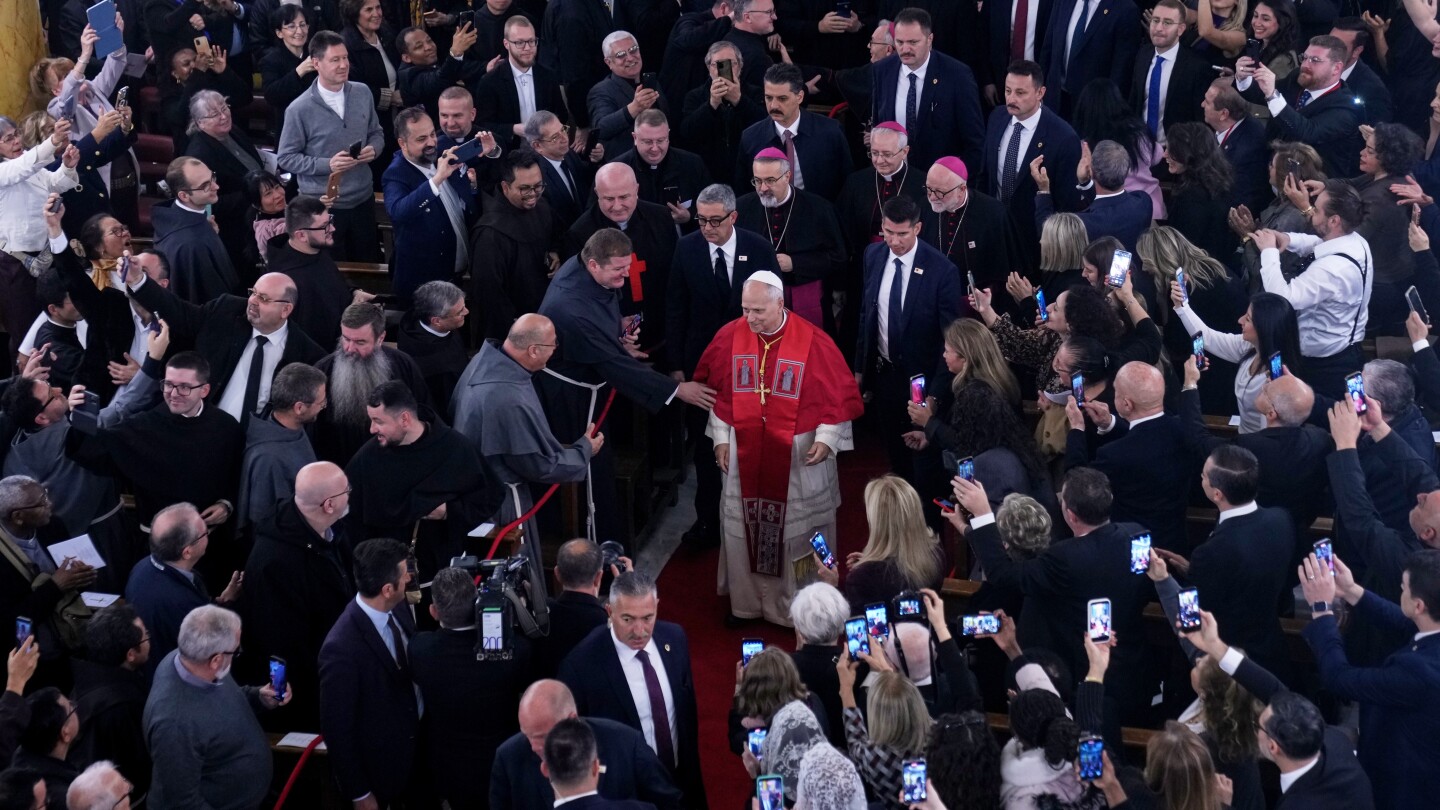
    ISTANBUL, Turkey — Pope Leo XIV commenced his inaugural papal visit to Turkey with profound spiritual significance, engaging directly with the nation’s Catholic minority during Friday’s morning proceedings. The pontiff received enthusiastic welcomes at Istanbul’s Cathedral of the Holy Spirit, where congregants chanted “Papa Leo” and “Viva il Papa” in a display of reverence for the newly elected spiritual leader.

    The core objective of Leo’s pilgrimage centers on the commemoration of the Nicaean Creed’s 1,700th anniversary—a foundational document of Christian faith formulated during the 325 AD Council of Nicaea. This theological milestone represents one of Christianity’s most enduring unifying documents, accepted across Catholic, Orthodox, and major Protestant traditions despite historical doctrinal divisions.

    The commemorative ceremonies will occur in Iznik (modern-day Nicaea), approximately 93 miles southeast of Istanbul, where Pope Leo will jointly preside with Ecumenical Patriarch Bartholomew, the spiritual authority for global Orthodox Christians. This collaborative leadership underscores the ongoing ecumenical efforts toward Christian unity that have characterized interfaith dialogue for centuries.

    The pontiff’s arrival on Thursday included diplomatic discussions with Turkish President Recep Tayyip Erdogan, during which Leo emphasized peace-building initiatives and Turkey’s potential role as a regional stabilizing force. This visit marks the pope’s first international journey since assuming the papacy, signaling the Vatican’s continued commitment to interfaith dialogue and historical reconciliation.

  • How Russian drones targeting civilians are turning one Ukrainian city into a ‘human safari’

    How Russian drones targeting civilians are turning one Ukrainian city into a ‘human safari’

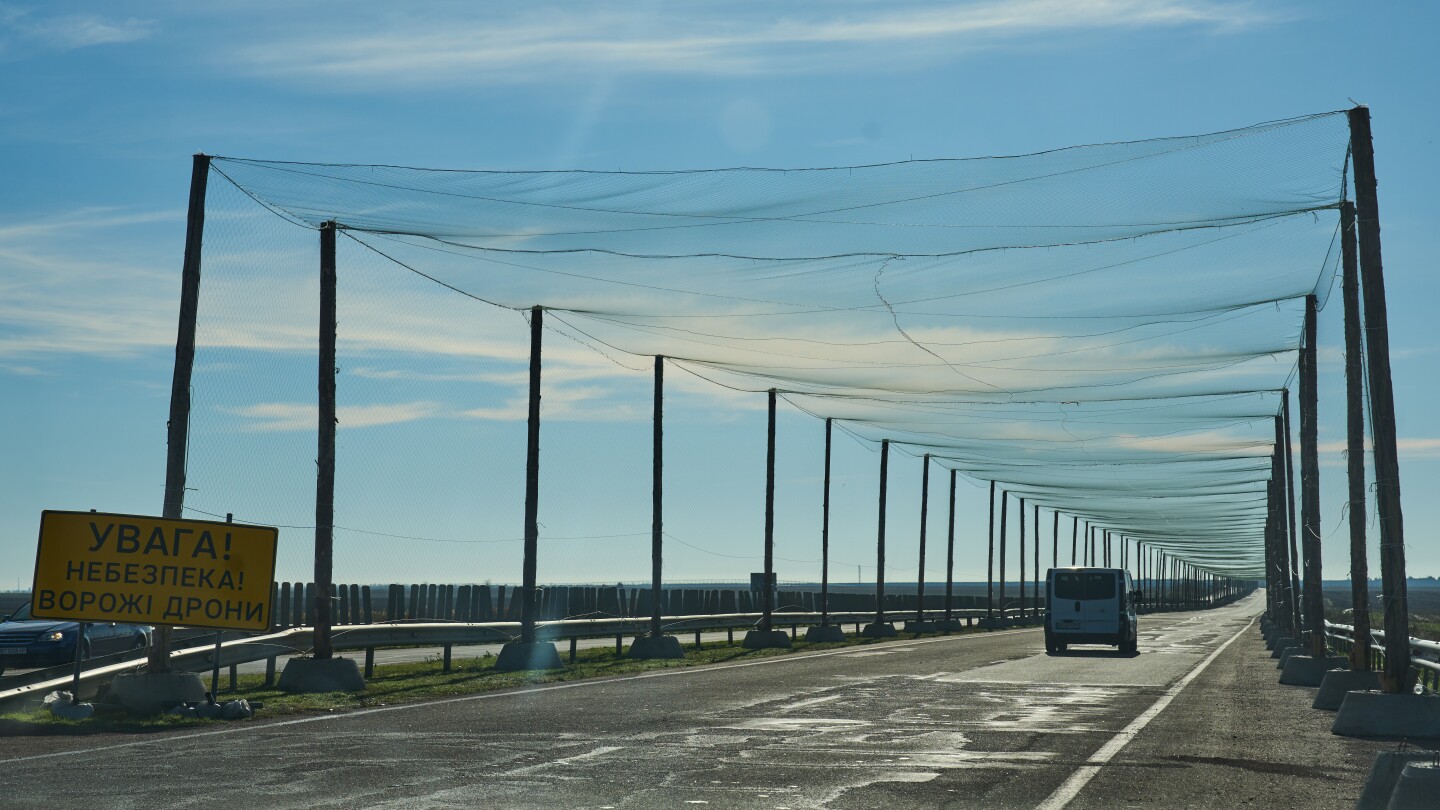
    In the liberated territories surrounding Kherson, southern Ukraine, civilians continue to endure what military officials and locals describe as a systematic ‘human safari’ – relentless drone attacks transforming their communities into testing grounds for Russian warfare tactics. Despite Ukrainian forces reclaiming the city from occupation in November 2022, the region remains trapped in a harrowing cycle of violence where first-person view (FPV) drones hunt civilians with terrifying precision.

    Residents like Olena Horlova from Komyshany village, merely 4 kilometers from the Dnipro River, navigate daily life under constant threat. Her survival strategies include driving without headlights after dark and keeping her daughters indoors indefinitely. The psychological warfare extends beyond immediate danger, with Russian Telegram channels routinely sharing attack footage accompanied by mocking captions and threats.

    The United Nations Independent International Commission of Inquiry on Ukraine has documented these attacks as deliberate campaigns violating fundamental human rights. Their October report concluded these operations constitute crimes against humanity through murder and forcible transfer, noting Russian forces specifically target vehicles including marked ambulances and civilian cars.

    Military intercepts obtained by The Associated Press reveal drones systematically scanning roadways before diving onto targets. Commander Dmytro Liashok of the 310th Separate Marine Electronic Warfare Battalion reports confronting approximately 300 daily drone incursions, with October alone seeing 9,000 drones over Kherson. His electronic warfare specialists neutralize over 90% of threats, yet the remainder causes devastating humanitarian impact.

    Local hospitals bear witness to the human cost. Dr. Yevhen Haran, deputy medical chief at Kherson’s main trauma facility, describes treating blast injuries ranging from amputations to fatal wounds daily. His hospital handled 85 inpatients and 105 outpatients last month alone – all victims of shelling and drone strikes. Haran himself survived an FPV attack while traveling with his wife in August, sustaining a concussion that still affects his speech and balance.

    The UN human rights office confirms short-range drones have become the leading cause of civilian casualties near frontlines, with over 200 killed and 2,000 wounded across three southern regions since July 2024. Nearly 3,000 homes have been damaged or destroyed, creating a humanitarian crisis that continues despite international awareness.

    As Angelina Jolie noted during her November visit, the ever-present drone threat creates ‘a heavy presence’ that civilians endure indefinitely. For survivors like 70-year-old Nataliia Naumova, recovering from a Shahed drone attack that injured her leg, existence has reduced to mere survival rather than living. Yet through the trauma, residents maintain determination – as Horlova summarizes: ‘We held out until liberation – we’ll hold out until peace as well.’

  • Louvre hikes ticket prices for most non-EU tourists by 45%

    Louvre hikes ticket prices for most non-EU tourists by 45%

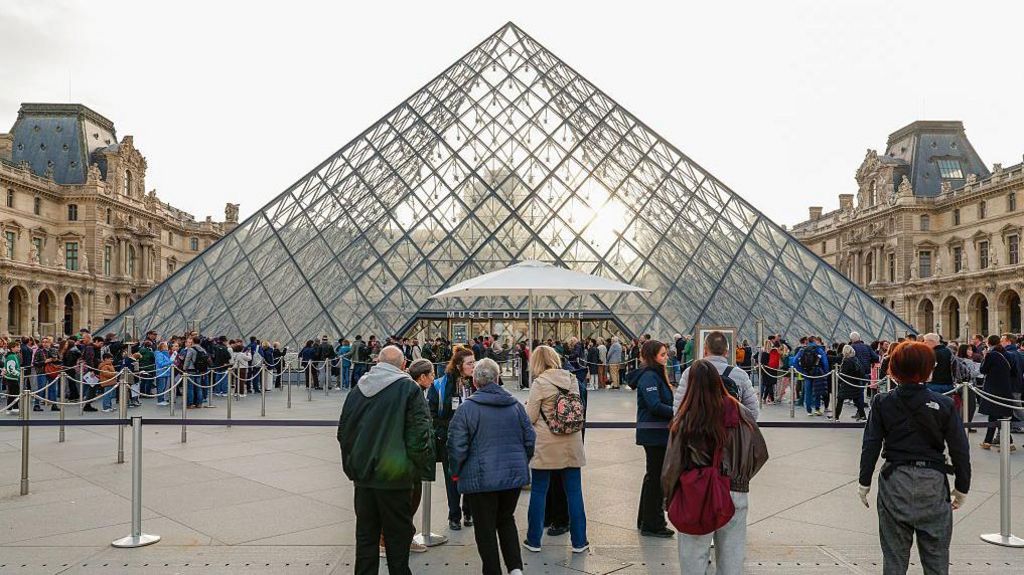
    The Louvre Museum in Paris has announced a substantial 45% price increase for visitors from outside the European Economic Area, effective January 14th. The decision, ratified by the museum’s board on Thursday, will see tourists from nations including the United States, United Kingdom, and China paying €32 ($37; £28) for admission—an increase of €10 from current rates.

    This strategic move comes in response to mounting criticism of the institution’s security protocols and aging infrastructure following a spectacular October heist where thieves stole jewelry valued at $102 million (£76m) in a meticulously executed operation. An official audit conducted after the incident revealed significant deficiencies in the museum’s protective systems.

    The revenue generated from this pricing restructuring is projected to yield millions annually, earmarked for comprehensive security enhancements and facility modernization. These improvements include addressing structural concerns that recently forced the closure of the Greek ceramics gallery, alongside planned renovations to visitor amenities including restrooms and dining facilities.

    As the world’s most visited museum with approximately 9 million attendees in 2024—predominantly international tourists—the Louvre has faced persistent challenges with overcrowding. Notably, American visitors constitute over 10% of attendance, with Chinese tourists accounting for approximately 6%.

    In a parallel development, President Emmanuel Macron confirmed plans to relocate Leonardo da Vinci’s Mona Lisa to a dedicated exhibition space to alleviate congestion in the Salle des États, where approximately 30,000 daily visitors compete for brief viewing opportunities of the iconic masterpiece.

    The pricing strategy aligns with earlier suggestions from Macron and museum administration regarding differential fees for non-EU residents, though implemented earlier than the initially proposed 2026 timeline.

  • UK government welcomes sharp fall in net migration but says more needs to be done

    UK government welcomes sharp fall in net migration but says more needs to be done

    LONDON — The United Kingdom has witnessed a dramatic 69% reduction in net migration, reaching a four-year low of 204,000 for the year ending June 2025, according to official data from the Office for National Statistics. This represents a substantial decline from the previous year’s figure of 649,000, marking the most significant drop in recent history.

    The precipitous decrease stems from multiple factors: reduced arrivals of non-EU migrants for work and education purposes, increased emigration numbers, and the cumulative impact of restrictive immigration policies implemented by both Conservative and Labour administrations. The current Labour government, which assumed power in July 2024, has continued and intensified these measures as part of its broader immigration strategy.

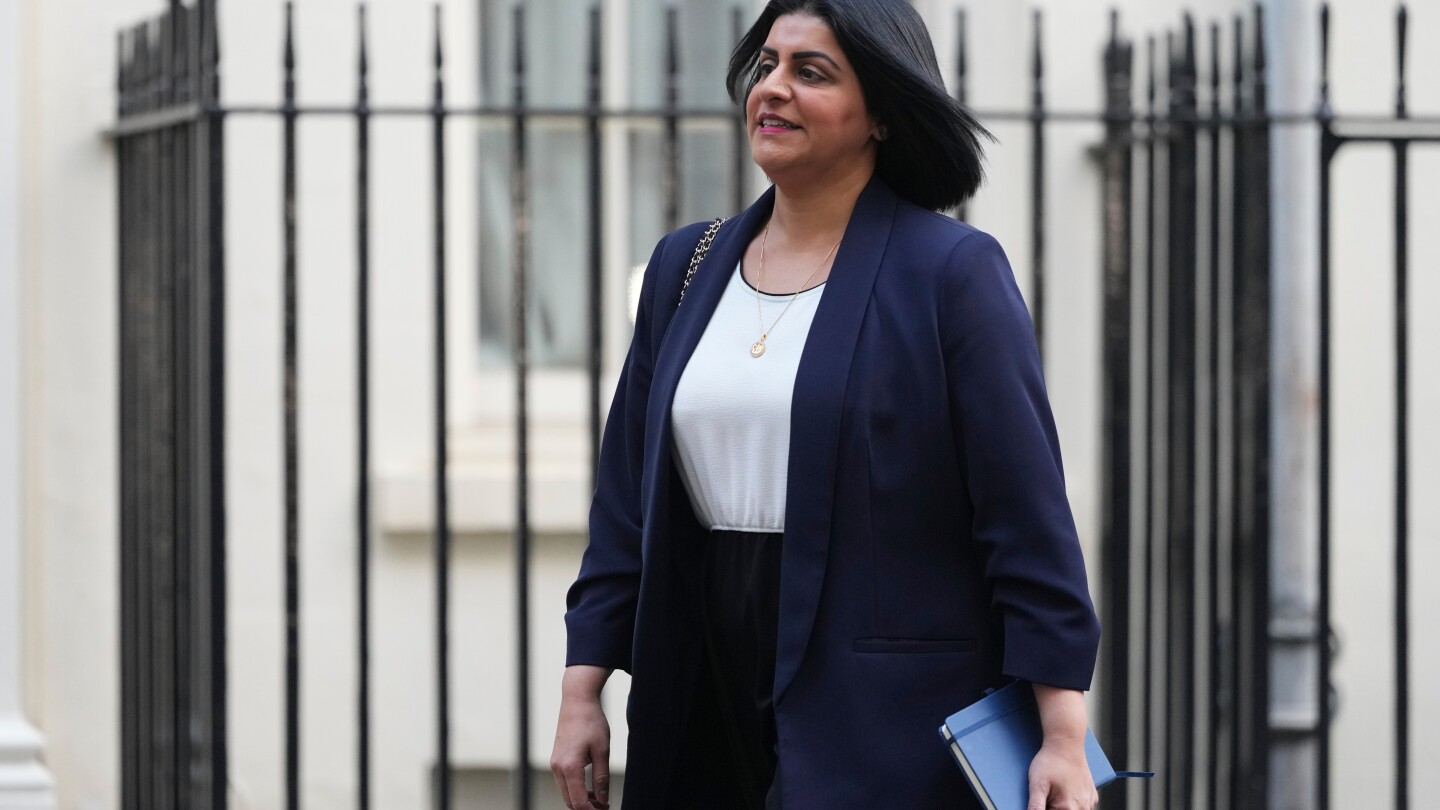
    Home Secretary Shabana Mahmood acknowledged the progress while emphasizing the need for further reductions. “The pace and scale of migration has placed immense pressure on local communities,” Mahmood stated, indicating additional policy measures would be forthcoming.

    The government’s recent initiatives include sweeping asylum system reforms, termination of overseas recruitment for care workers, and an increased salary threshold for skilled worker visas to £41,700 ($55,000). These measures aim to address both legal migration patterns and the politically sensitive issue of unauthorized Channel crossings, which have remained at approximately 40,000 this year.

    Despite the overall decline, separate Home Office figures revealed a 13% increase in asylum seekers housed in hotels, reaching 36,273 between June and September. This practice has sparked public protests and contributed to the growing influence of the hard-right Reform UK Party. Prime Minister Keir Starmer has committed to ending hotel accommodations for asylum seekers by 2029.

    Policy experts caution that while further migration reductions are expected, the government must balance immigration control with economic growth objectives and public service requirements. Marley Morris of the Institute for Public Policy Research noted that managing these competing priorities would present ongoing challenges for the administration.

  • Putin doubles down on demands for Ukrainian territory ahead of talks with US in Moscow

    Putin doubles down on demands for Ukrainian territory ahead of talks with US in Moscow

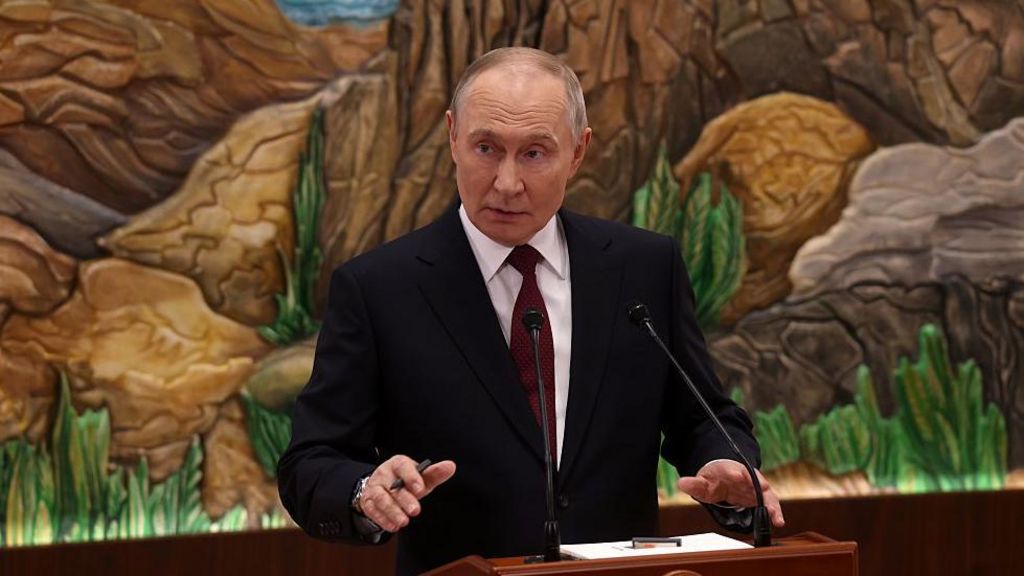
    Russian President Vladimir Putin has reiterated his non-negotiable conditions for ending the Ukraine conflict, declaring that Moscow will only cease hostilities if Ukrainian forces completely withdraw from territories currently claimed by Russia. During his diplomatic visit to Kyrgyzstan, Putin emphasized Russia’s perceived battlefield advantage, stating that military force would ultimately achieve this objective if diplomatic efforts fail.

    The contested regions include Crimea, illegally annexed in 2014, and the predominantly occupied Donbas territories comprising Luhansk and Donetsk. Putin’s statements come amid intensified diplomatic movements, including the anticipated arrival of U.S. special envoy Steve Witkoff in Moscow next week. President Donald Trump revealed that his son-in-law Jared Kushner might accompany the delegation, while U.S. Army Secretary Dan Driscoll is scheduled to visit Kyiv simultaneously.

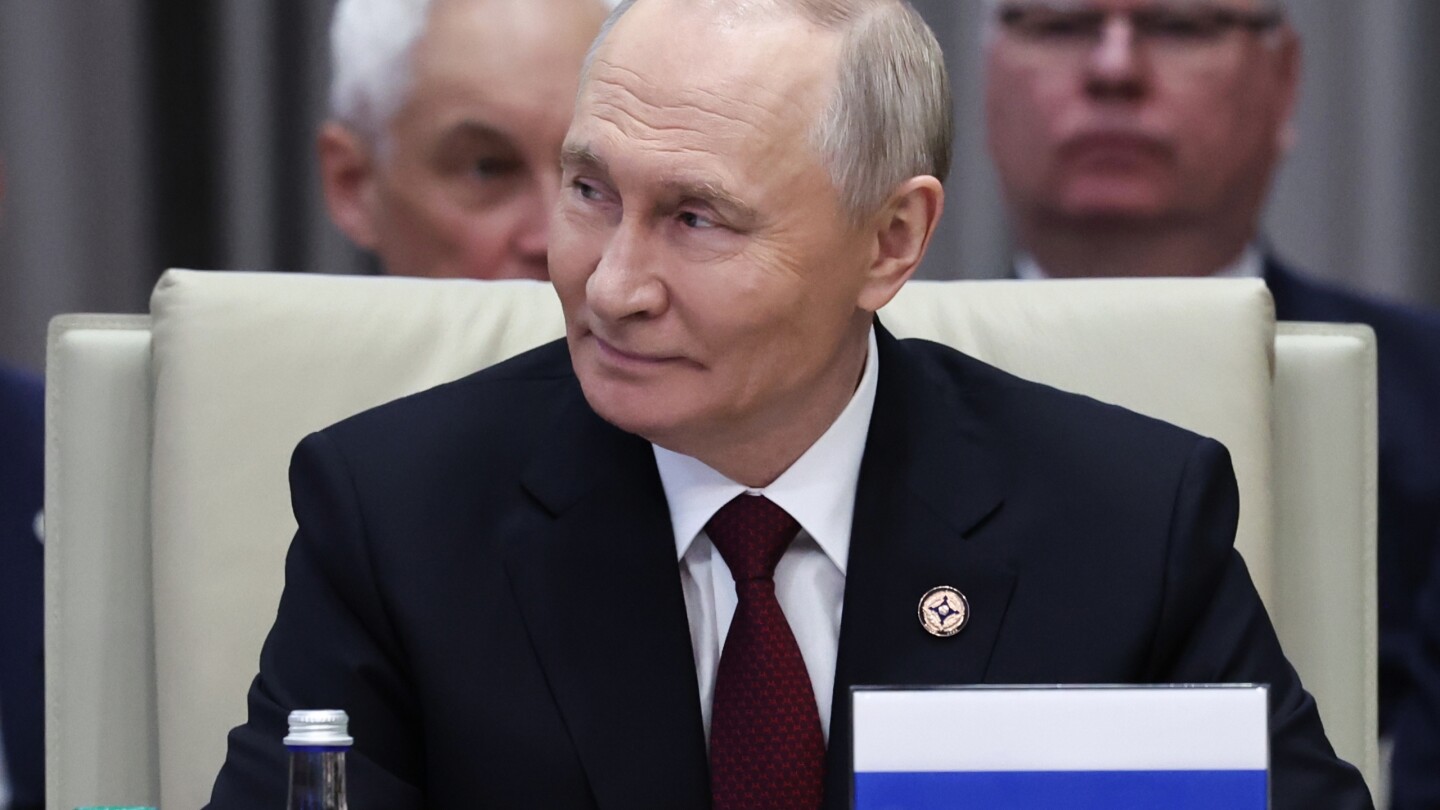
    Putin acknowledged reviewing a revised American-drafted peace proposal from October, which he suggested could serve as a foundational document for future agreements. However, he stressed the necessity of refining “certain specific points that require diplomatic formulation,” particularly regarding the status of occupied territories. When questioned about potential de facto versus legal recognition of Russian control over Crimea and Donbas, Putin identified this as the central focus of discussions with American counterparts.

    The Russian leader reiterated his dismissal of Ukraine’s political legitimacy, claiming there was “no use” negotiating with what he considers an illegitimate government. This contradicts the Ukrainian parliament’s unanimous affirmation of President Zelensky’s legitimacy despite martial law preventing scheduled elections.

    European leaders expressed skepticism toward Putin’s intentions, with European Commission President Ursula von der Leyen accusing Russia of maintaining a post-World War Two mentality regarding European spheres of influence. Putin dismissed warnings about potential Russian attacks on Europe as “laughable,” while the White House maintained optimism about recent diplomatic progress despite acknowledged remaining disagreements.

  • Putin sees US peace plan as a starting point as he warns Ukraine’s army to withdraw

    Putin sees US peace plan as a starting point as he warns Ukraine’s army to withdraw

    Russian President Vladimir Putin has characterized recent U.S. proposals to resolve the Ukraine conflict as a potential foundation for negotiations, while simultaneously delivering a stark military ultimatum to Ukrainian forces. Speaking to journalists concluding his Central Asian visit to Kyrgyzstan, the Kremlin leader emphasized the critical nature of precise diplomatic language, stating “Every word matters” when discussing potential pathways to peace.

    The Russian president framed former U.S. President Donald Trump’s peace framework not as a finalized agreement but as “a set of issues put forward for discussion.” However, Putin coupled this diplomatic overture with a severe military warning: “If Ukrainian troops withdraw from the territories they occupy, hostilities will cease. If they don’t withdraw, we will achieve this by force.”

    This development occurs amid heightened diplomatic activity, with U.S. special envoy Steve Witkoff scheduled to visit Moscow and U.S. Army Secretary Dan Driscoll potentially traveling to Kyiv. The initial U.S. proposals, which European officials noted appeared disproportionately favorable to Russian interests, underwent revision during Sunday’s Geneva negotiations between American and Ukrainian delegations.

    European leaders, increasingly concerned about regional security stability amid Russian aggression, are actively seeking greater involvement in peace discussions. Analysts interpret Putin’s strategy as attempting to outlast Western commitment to Ukrainian defense efforts, particularly as the Trump administration has previously indicated willingness to abandon negotiation efforts without visible progress.

    Despite Russian claims of battlefield momentum, independent military analysts from the Institute for the Study of War challenge Moscow’s narrative of inevitable victory. Their assessment indicates Russian forces continue struggling to capture strategic cities in Donetsk Oblast, with recent advances representing opportunistic gains rather than sustained operational success.

    The diplomatic landscape further complicated as Russia ordered the closure of Poland’s consulate in Irkutsk, a retaliatory measure following November’s shutdown of Russia’s diplomatic mission in Gdansk. This diplomatic friction unfolds against continued military violence, with overnight drone exchanges resulting in casualties and infrastructure damage across conflict zones.

    Ukraine faces additional challenges beyond battlefield pressures, with President Zelenskyy’s administration confronting significant corruption allegations and substantial financial shortfalls. While the International Monetary Fund approved an $8.1 billion four-year assistance package, this support covers merely a fraction of Ukraine’s projected $153 billion budgetary and military requirements through 2027.

  • European Space Agency boosts budget to catch up in space race

    European Space Agency boosts budget to catch up in space race

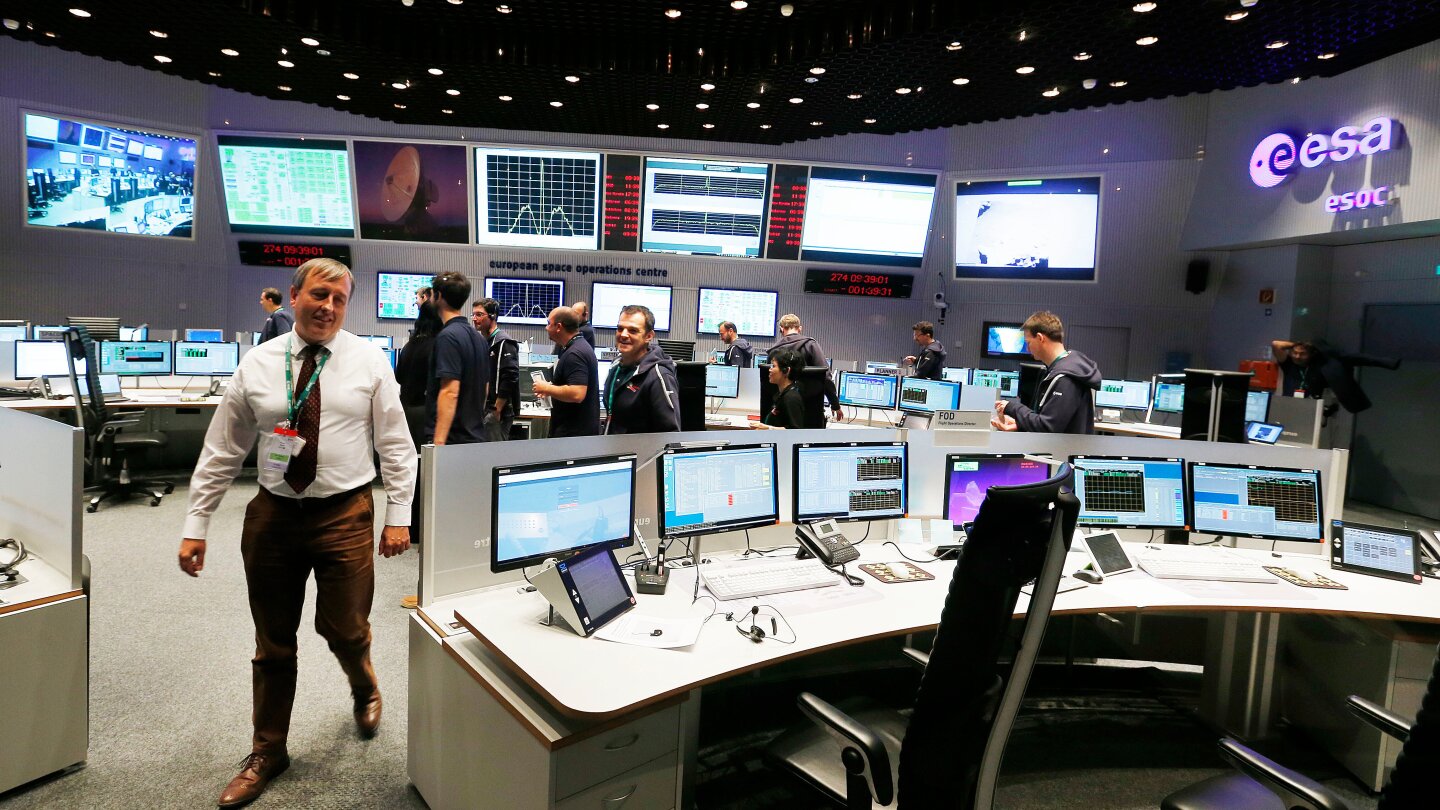
    BERLIN — In a landmark decision signaling Europe’s renewed commitment to space exploration, the European Space Agency (ESA) has secured a substantial budgetary increase to €22.1 billion ($25.6 billion) for the upcoming three-year period. The funding commitment was finalized during the agency’s ministerial council conference in Bremen, Germany, following urgent appeals from leadership about the critical need for enhanced investment.

    ESA Director General Josef Aschbacher had previously voiced concerns that Europe risked falling behind in the global space race without significant financial reinforcement. Following the successful budget approval, Aschbacher expressed gratitude to the agency’s 23 member states, stating: ‘The message that Europe must catch up and actively participate to literally give wings to Europe’s future through space travel was taken very seriously by our ministers.’

    Germany emerged as a pivotal contributor, with German Space Minister Dorothee Bär announcing plans to substantially increase the nation’s financial commitment from approximately €3.5 billion to over €5 billion. This strategic investment underscores Germany’s position as one of ESA’s primary funding partners.

    In parallel developments, Aschbacher revealed ambitious plans for European lunar exploration through collaboration with NASA’s Artemis program. The agency has designated that the first European astronauts to participate in lunar missions will be of German, French, and Italian nationality, marking a significant milestone in European space participation.

    Additionally, ESA advanced its Arctic space capabilities through a newly signed letter of intent with Norway. The agreement paves the way for establishing a dedicated ESA Arctic Space Centre in Tromsø, leveraging Norway’s northern geographical advantages. ESA emphasized the Arctic’s significance as ‘an important scientific ecosystem as well as being significant economically and geopolitically,’ noting that space-based technologies will be instrumental in monitoring climate change, supporting sustainable development, and enhancing regional security and energy management.

    As an intergovernmental organization comprising 23 European member states, ESA continues to shape the continent’s space capabilities through strategic investments and international partnerships.

  • Man arrested on suspicion of involvement in attack at a Manchester synagogue that killed 2

    Man arrested on suspicion of involvement in attack at a Manchester synagogue that killed 2

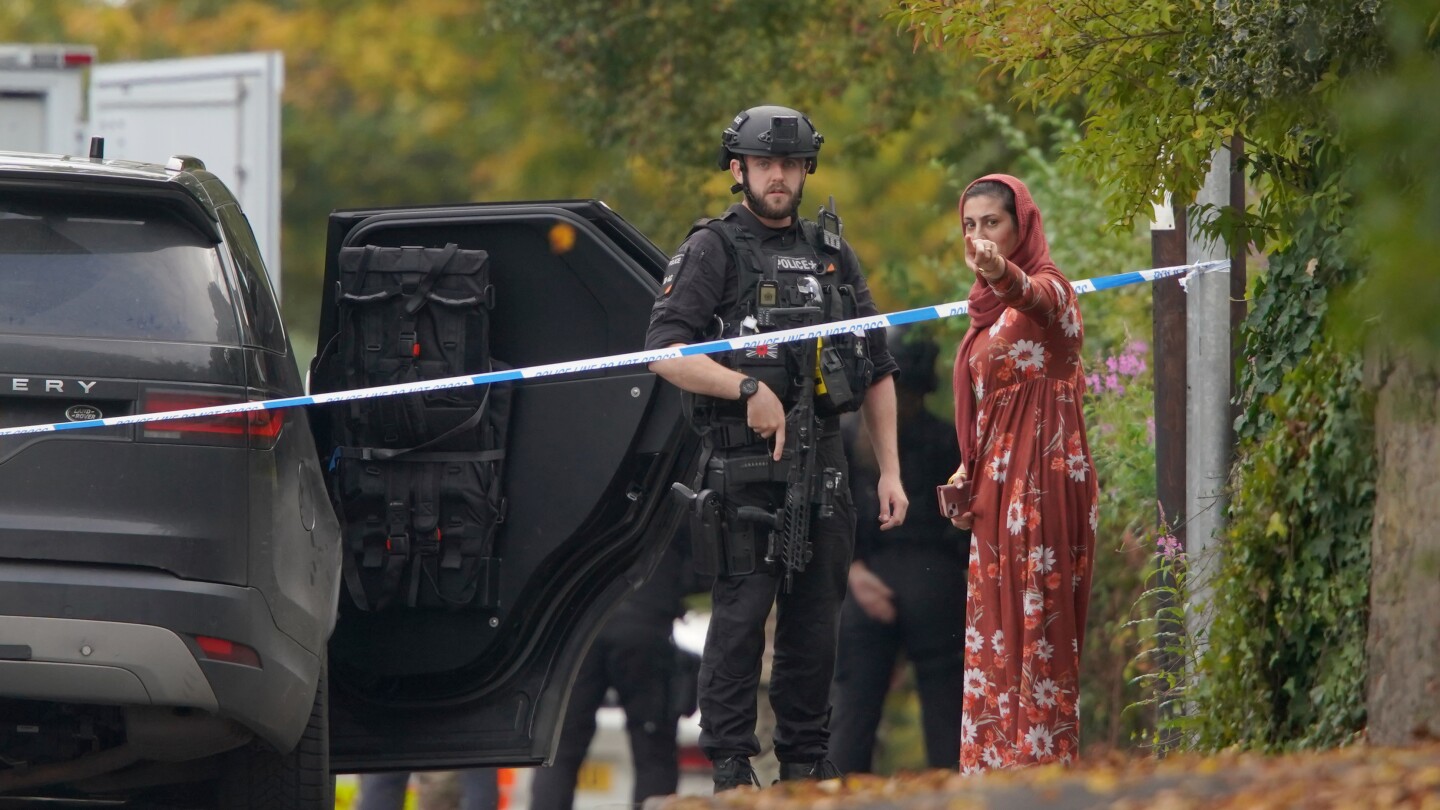
    British authorities have made a significant arrest in their ongoing investigation into last month’s deadly terrorist attack outside a Manchester synagogue. Greater Manchester Police apprehended a 31-year-old man at Manchester Airport on Thursday on suspicion of terrorism-related offenses involving “commission, preparation and instigation of acts of terrorism.” The suspect was detained immediately upon arriving on an inbound flight.

    The arrest connects to the October 2 attack outside Heaton Park Congregation Synagogue during Yom Kippur observances, Judaism’s holiest day. The assailant, identified as Syria-born British national Jihad Al-Shamie, 35, had reportedly pledged allegiance to the Islamic State group before carrying out his assault.

    Al-Shamie initiated his attack by ramming a vehicle into pedestrians outside the synagogue before exiting with a knife. His violent rampage resulted in the deaths of two congregation members—Melvin Cravitz, 66, and Adrian Daulby, 53—while seriously injuring three other men. The attacker was subsequently shot and killed by responding police officers.

    Tragically, investigation details reveal that while Cravitz died from stab wounds inflicted by Al-Shamie, Daulby was accidentally shot by a police officer as congregants barricaded the synagogue entrance to prevent the attacker from entering.

    This latest arrest brings the total number of individuals detained in connection with the attack to seven. Previous police operations in northwest England’s Greater Manchester area led to six arrests, five of whom were released without charge. One 30-year-old suspect remains on bail under suspicion of failing to disclose information about a crime as investigations continue.

  • Track UK’s latest migration numbers – including asylum, visas and small boats

    Track UK’s latest migration numbers – including asylum, visas and small boats

    The United Kingdom’s net migration has declined to levels approaching those observed before the COVID-19 pandemic, according to official statistics released by government authorities on Thursday. This key demographic metric, calculated as the difference between immigrant arrivals and emigrant departures, signals a notable shift in the nation’s migration patterns following years of elevated numbers.

    The Office for National Statistics (ONS), utilizing internationally recognized methodology that defines long-term migrants as those relocating for at least one year, provides these benchmark figures. The data reveals intricate patterns across multiple migration channels including work visas, study permits, family reunification programs, and humanitarian pathways.

    Concurrent statistics from the Home Office detail several critical aspects of UK migration management. Small boat crossings across the English Channel continue to represent a significant challenge, with daily updated figures tracking these dangerous journeys. The government reports that entering the UK without proper authorization constitutes an immigration offense, though asylum seekers typically avoid prosecution if they promptly declare their intention to seek protection upon arrival.

    The asylum system itself faces substantial pressures, with a considerable backlog of individuals awaiting initial decisions on their applications. These figures encompass both principal applicants and their dependents. Accommodation challenges persist, with the Home Office reporting thousands of asylum seekers housed in contingency hotel accommodations alongside other forms of temporary housing.

    Legal migration channels demonstrate substantial activity across multiple categories. Work visas encompass diverse programs including seasonal workers, health and care staff, domestic personnel, and youth mobility arrangements. Study visas include both long-term sponsored students and short-term educational visitors. Family visas facilitate reunification with spouses, partners, children, and parents already residing in the UK.

    The humanitarian category incorporates specialized programs such as the Ukraine Sponsorship Scheme and British National Overseas route, alongside family permits for EU and European Economic Area nationals.

    When contextualized within broader European migration patterns through UNHCR and Eurostat data, the UK’s experience reflects both unique national circumstances and shared regional challenges. The comparative analysis excludes smaller nations with populations under one million and focuses on countries that include asylum seekers in their official immigration statistics.

    The government emphasizes that all published figures undergo potential retrospective revision between publications, and different metrics follow varying update schedules—from daily small boat arrivals to quarterly asylum statistics and biannual ONS migration updates.