标签: Asia

亚洲

  • Make Korea great again: The right-wing group wooing disenchanted youth

    Make Korea great again: The right-wing group wooing disenchanted youth

    In a remarkable political reversal, imprisoned former South Korean President Yoon Suk Yeol has emerged as an unexpected symbol of resistance for a generation of disaffected youth, despite facing life imprisonment for his attempted martial law declaration in December 2024.

    The movement, spearheaded by 24-year-old Park Joon-young and his right-wing youth organization Freedom University, has gained significant traction among young South Koreans who feel abandoned by the political establishment. What began as campus protests against Yoon’s impeachment has evolved into a full-fledged youth rebellion movement that mirrors tactics and rhetoric from America’s MAGA movement.

    Park founded Freedom University in opposition to what he characterizes as a corrupt, left-wing political status quo that has failed South Korea’s younger generation. The group has rapidly expanded through aggressive social media campaigns, drawing thousands to rallies where attendees pose for selfies with images of the imprisoned former leader.

    The movement’s ideology combines economic discontent with nationalist fervor. Their banners proclaim “Korea for Koreans” and demand the expulsion of the “Chinese Communist Party,” reflecting widespread Sinophobia in a country that consistently ranks among the world’s least favorable toward China. The group promotes unsubstantiated claims about Chinese interference in Korean elections and society.

    This youth mobilization represents a dramatic shift in political allegiances. Yoon, who was deeply unpopular among young voters during his presidency, has been reinvented as a martyr figure following his failed power grab. His December 3, 2024 declaration of martial law—which alleged without evidence that North Korean sympathizers and Chinese spies were conspiring to steal elections—was defeated within hours by public resistance and parliamentary action.

    The movement’s growth reflects South Korea’s deepening political polarization and the economic anxieties of its youth. Recent surveys show nearly 75% of young South Koreans believe the economy is in poor shape compared to their parents’ generation, with home ownership rates at historic lows despite the country’s world-class education system. Median monthly income remains approximately $1,600, creating widespread disillusionment.

    Psychiatrist Kim Hyun Soo warns that without offering new visions of hope, South Korea risks further polarization as frustrated youth turn to movements like Freedom University. The group’s effectiveness lies in its ability to channel economic frustration, cultural resentment, and nationalist sentiment into a cohesive political force that continues to gain momentum despite being supported by only 27% of the general population.

  • XPENG UAE expands presence with new flagship showroom in Abu Dhabi

    XPENG UAE expands presence with new flagship showroom in Abu Dhabi

    ABU DHABI – Chinese electric vehicle manufacturer XPENG has significantly strengthened its Middle Eastern presence with the inauguration of a cutting-edge flagship showroom in Abu Dhabi’s Al Salam Tower. This strategic expansion commemorates the brand’s first anniversary in the United Arab Emirates market under its local representative, Ali & Sons Automotive.

    The newly unveiled facility embodies XPENG’s premium retail philosophy, featuring immersive digital displays, interactive exploration zones, and an extensive material wall showcasing vehicle finishes. The minimalist design aesthetic reflects the brand’s commitment to technological sophistication while providing customers with a seamless environment to experience XPENG’s intelligent electric vehicles.

    To mark the opening celebration, XPENG is exhibiting its flagship G6 and G9 SUV models alongside a special one-day display of the XPENG Aridge. These vehicles demonstrate impressive technical specifications, including real-world ranges up to 570 kilometers and ultra-fast charging capabilities that deliver 10-80% battery replenishment in just 20 minutes at 380 kW stations. The cabins incorporate advanced sound insulation technology, while the driving experience is powered by XPENG’s proprietary XOS operating system and XPILOT intelligent driving platform.

    The Abu Dhabi showroom currently focuses on sales and brand experience, with plans to establish a comprehensive Triple-S facility (sales, service, spare parts) in Mussafah by 2026. This expansion will significantly enhance customer accessibility and support infrastructure across the Emirates.

    Mohamed Al Dhaheri, Managing Director of Ali & Sons Automotive, emphasized the strategic significance: “Abu Dhabi provides a natural home for our brand, aligning with shared values of technological leadership, sustainability, and customer-focused design. Together with XPENG, we are proud to expand our footprint in the capital.”

    XPENG’s global influence continues to grow through strategic partnerships, most notably with Volkswagen Group, which will integrate XPENG technologies into future Volkswagen EV models. Regionally, the brand plans to expand its lineup with five new models next year, including Range Extended Electric Vehicle (REEV) technology, reaching seven total models by late 2026.

    Financial accessibility remains a priority, with introductory EMI plans starting from AED 2,599 for the G6 and AED 3,199 for the G9, both featuring zero down payment options. The Abu Dhabi showroom now operates alongside XPENG’s existing Dubai facility on Sheikh Zayed Road, marking a substantial commitment to the UAE’s evolving electric mobility landscape.

  • Resilient West Indies pass the follow-on on the 3rd day of the 3rd test against New Zealand

    Resilient West Indies pass the follow-on on the 3rd day of the 3rd test against New Zealand

    In a display of determined batting, the West Indies demonstrated significant resilience on day three of the third test against New Zealand at Bay Oval, Mount Maunganui. Kavem Hodge emerged as the cornerstone of this effort, scoring an unbeaten 109 to mark his second test century and guide his team to 381-6 by stumps on Saturday.

    The visitors successfully avoided the follow-on, having surpassed the required 357-run mark in response to New Zealand’s formidable first innings total of 575-8. This batting performance echoed their determined second innings in the drawn first test, where they batted for 163.3 overs.

    Hodge’s innings proved particularly redemptive following a period of inconsistent form. Since his maiden test century of 120 against England at Trent Bridge in July 2024, he had surpassed fifty only once in sixteen subsequent innings. His place in the team appeared uncertain after missing the first test and scoring modestly in the second.

    The batsman displayed considerable patience during his 224-ball stay at the crease, battling through a brief stall in the 90s before finally reaching his century. Hodge attributed his success to careful preparation and self-belief, stating: ‘I’ve been trying to understand what I will face here in New Zealand and come up with a plan to combat it. One of my strengths is square of the wicket and I was just trying to improve on that.’

    West Indies’ effort was bolstered by several key partnerships. Openers Brandon King (63) and John Campbell (45) established a solid foundation with a 111-run stand—their first century partnership as an opening pair and only the sixth such achievement for West Indies in eleven years. Hodge then built crucial partnerships with Tevin Imlach (27), Alick Athanaze (45), and Justin Greaves (43).

    New Zealand’s bowling attack, led by Jacob Duffy who removed both openers, continued to chip away at the West Indies lineup on a pitch showing increasing signs of wear with visible cracking and occasional variable bounce. Spinner Ajaz Patel claimed his first test wicket on home soil, removing Roston Chase lbw for 2.

    With New Zealand leading the three-match series 1-0 after winning the second test by nine wickets, the hosts are unlikely to enforce the follow-on despite the West Indies avoiding it, preferring to avoid batting last on a deteriorating pitch.

  • Exclusive: MPs urge Starmer to investigate Cameron ICC interference claims

    Exclusive: MPs urge Starmer to investigate Cameron ICC interference claims

    Two Labour parliamentarians have formally urged Prime Minister Keir Starmer to authorize an independent investigation into serious allegations that former Foreign Secretary David Cameron attempted to improperly influence the International Criminal Court’s proceedings regarding Israeli officials. Richard Burgon and Imran Hussain submitted their demand through a letter acquired exclusively by Middle East Eye, highlighting concerns about Britain’s potential interference with the judicial independence of the international court.

    The controversy centers on claims that a high-ranking official from the previous Conservative administration threatened ICC Chief Prosecutor Karim Khan with severe repercussions, including financial withdrawal and Britain’s exit from the Rome Statute, should he proceed with arrest warrants targeting Israeli leadership. These allegations gained substantiation through Khan’s recent submission to the ICC’s appeal chamber, which detailed inappropriate pressure from British authorities during the warrant application process for Prime Minister Benjamin Netanyahu and Defense Minister Yoav Gallant.

    According to multiple sources, Cameron engaged in a particularly tense phone conversation with Prosecutor Khan on April 23, 2024, during which he characterized the potential warrants as equivalent to ‘dropping a hydrogen bomb.’ Cameron reportedly drew distinctions between prosecuting Russia for aggression against Ukraine and investigating Israel’s defensive operations following the October 7 attacks. While sources close to Cameron acknowledge the call occurred and described it as ‘robust,’ they maintain it constituted political dialogue rather than overt threats.

    The parliamentary letter emphasizes that any attempted coercion of ICC officials could violate Article 70 of the Rome Statute, potentially constituting criminal obstruction of justice. The MPs expressed profound concern that such interference, particularly if originating from the highest levels of government, would cause significant damage to Britain’s international reputation as a defender of legal norms and the rules-based international order.

    This development follows earlier expressions of concern from over 100 cross-party MPs and peers who previously urged the Conservative government to safeguard the ICC’s independence against political intimidation. The Office of the Prosecutor had simultaneously issued statements demanding cessation of all attempts to improperly influence its officials.

    Prime Minister Starmer’s office has referred inquiries to the Foreign Office, which has consistently declined to address the specific allegations. The situation continues to develop as calls grow for transparent examination of Britain’s interactions with the international judicial body.

  • Dubai rains: Police, emergency teams work overnight to clear flooded roads, manage traffic

    Dubai rains: Police, emergency teams work overnight to clear flooded roads, manage traffic

    Dubai’s emergency services executed a meticulously coordinated overnight operation to mitigate severe flooding caused by torrential rainfall, prioritizing public safety and infrastructure restoration. According to Brigadier Turki Abdulrahman bin Fares, Director of Operations at Dubai Police, advanced monitoring of regional weather patterns enabled proactive deployment of resources before conditions deteriorated locally.

    Approximately 70% of all patrol and rescue assets were activated across the emirate, including the mountainous Hatta region. Police units extended duty hours while specialized teams addressed multiple challenges: draining submerged roadways, managing traffic disruptions, assisting stranded motorists, and securing high-risk zones including valleys, elevated terrain, and coastal areas.

    The response leveraged a unified command structure integrating Dubai Police with Roads and Transport Authority, Dubai Municipality, Civil Defense, Ambulance Services, DEWA, and the Government of Dubai Media Office. This collaborative framework enabled real-time information sharing and coordinated field operations throughout the crisis.

    Twenty-two specialized rescue teams—13 land-based and nine marine units—were strategically positioned to handle emergencies. The public alert system disseminated critical safety information while community management teams regulated access to affected areas and addressed resident concerns.

    Brigadier bin Fares emphasized that pre-established contingency plans, joint exercises, and continuous coordination enabled dynamic adjustments based on live meteorological data and field reports. The operation successfully maintained safety across all districts, with normalcy largely restored by morning through these concerted efforts.

  • Suspect jumps to death after fatal Taipei attack

    Suspect jumps to death after fatal Taipei attack

    A violent rampage in central Taipei on Friday evening resulted in four fatalities and multiple injuries, culminating in the apparent suicide of the assailant. The incident, which sent shockwaves through the Taiwanese capital, began at approximately 5:30 PM local time near Taipei Main Station.

    According to law enforcement authorities and eyewitness accounts, an individual equipped with a gas mask initiated the attack by detonating smoke grenades at a key station exit. The deliberate creation of chaos and panic led to immediate casualties, with emergency services transporting two critically injured individuals to nearby medical facilities. Hospital officials later confirmed one victim, identified as a 57-year-old male, succumbed to his injuries. A second victim, aged 54, remains hospitalized under medical supervision.

    The perpetrator subsequently fled the initial crime scene, moving toward the Zhongshan MRT Station area where he continued his violent spree. Witnesses reported the assailant deployed additional smoke devices while indiscriminately attacking bystanders with a bladed weapon. This secondary assault resulted in seven additional casualties with varying degrees of injuries.

    The sequence of events reached its grim conclusion when the suspect entered an adjacent commercial complex. Security camera footage indicates the individual proceeded to ascend multiple levels before deliberately jumping from a height equivalent to six stories. Medical personnel pronounced the suspect dead at the scene despite attempted resuscitation efforts.

    Taipei Police Department has established a specialized task force to investigate the comprehensive circumstances surrounding the attack. Investigators are meticulously examining surveillance recordings, forensic evidence, and witness statements to establish the precise timeline of events. Additional investigative priorities include determining the origin of the explosive devices, reconstructing the suspect’s complete movement pattern, and identifying any potential specific targets or motivations behind the assault. Security personnel have maintained a perimeter around both crime scenes as the investigation continues to develop.

  • UAE announces reverse charge mechanism for VAT on scrap-metal trading

    UAE announces reverse charge mechanism for VAT on scrap-metal trading

    The United Arab Emirates has unveiled a significant tax policy shift targeting the scrap metal industry, with Cabinet Decision No. 153 of 2025 introducing a reverse charge mechanism for Value Added Tax (VAT) on transactions between registered businesses. Effective January 14, 2026, this reform fundamentally alters tax accountability by transferring VAT calculation responsibilities from suppliers to purchasers in qualified scrap metal trades.

    The Ministry of Finance emphasized that this strategic initiative forms part of broader governmental efforts to enhance tax system efficiency and eliminate fraudulent activities within the metal recycling sector. The mechanism specifically applies to transactions where buyers acquire scrap metal either for resale purposes or for processing into raw materials suitable for manufacturing new products.

    Under the new framework, purchasing entities must assume complete responsibility for VAT accounting and fulfill all associated tax obligations. Suppliers, conversely, will be exempt from charging VAT on these transactions. Both parties must adhere to stringent procedural requirements, including written declarations from recipients confirming their intended use of materials and FTA registration status. Suppliers must verify these registrations, retain documentation, and explicitly note the reverse charge application on all invoices.

    This regulatory development follows successful implementations of similar mechanisms in the electronic devices and precious metals sectors. Authorities anticipate substantial reductions in tax evasion and improved administration of tax refund processes. The policy aligns with the UAE’s vision of establishing a transparent, sustainable financial ecosystem that fosters voluntary compliance and maintains competitive business environments.

  • Macao thrives as collaboration deepens

    Macao thrives as collaboration deepens

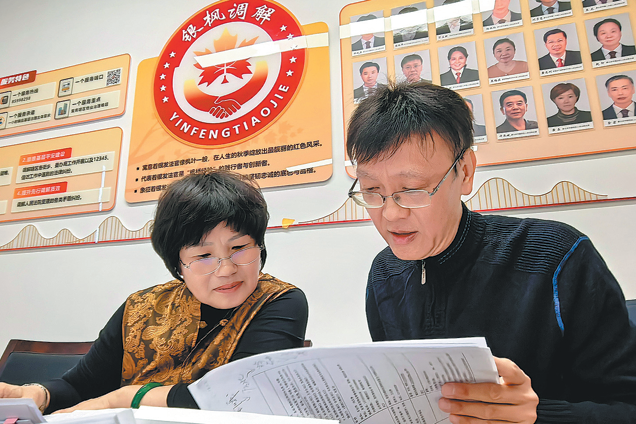
    As Macao prepares to commemorate the 26th anniversary of its return to Chinese sovereignty on December 20, 2025, the special administrative region demonstrates remarkable progress in regional integration and economic diversification through its deepening collaboration with Guangdong province. This partnership has significantly enhanced quality of life while facilitating seamless cross-boundary movement of people, goods, and vehicles.

    The Guangdong-Macao In-Depth Cooperation Zone in Hengqin has emerged as a cornerstone of this integration, with official statistics revealing over 30,000 Macao residents now living and working in the zone. The area has attracted more than 1,300 Macao professionals and approximately 7,500 Macao-invested enterprises, creating substantial economic interconnection between the regions.

    Entrepreneurial success stories abound, exemplified by Macao resident Zhang Haoren, who established Guangdong True Health Medical Technology Development in Hengqin. His enterprise has evolved into a nationally recognized high-tech organization with cutting-edge innovation capabilities, leveraging Guangdong’s industrial infrastructure and Macao’s international connections.

    Younger generations are equally engaged, with aspiring businessman Chan Wai Nam recently launching a cross-border venture with Italian partners in Hengqin. He emphasized the zone’s role as a strategic ‘bridgehead’ for Macao youth seeking mainland opportunities, noting comprehensive support systems including subsidies, entrepreneurial guidance, and tax consultation services.

    The Macao New Neighborhood in Hengqin represents another integration milestone, offering residents like finance professional Franke Ke living conditions comparable to those in Macao. This comprehensive community integrates residential spaces with educational institutions, healthcare facilities, and elderly care centers. Ke particularly praised the educational convenience and unrestricted internet access that enables seamless international financial operations.

    Logistical integration continues to strengthen, with Gongbei Port serving as a vital supply channel. Customs data reveals over 5 million tons of fresh produce—including fruits, vegetables, poultry, and seafood—have been transported to Macao since 1999, with current daily averages exceeding 600 tons across approximately 120跨境 trucks. Customs officer Hu Bengang highlighted continuous improvements in inspection efficiency and typhoon contingency planning to ensure supply stability.

    Transportation accessibility has likewise expanded, with the 2023 initiative permitting Macao-registered vehicles to enter Guangdong via the Hong Kong-Zhuhai-Macao Bridge for short-term business, family, or leisure purposes. The program has grown substantially, registering 73,655 participants and recording 4 million cross-boundary vehicle trips by October 2025.

  • Bangladesh government urges calm in wake of student leader’s killing, as election looms

    Bangladesh government urges calm in wake of student leader’s killing, as election looms

    Bangladesh’s interim administration has issued urgent appeals for national calm amid escalating violence triggered by the assassination of prominent youth leader Sharif Osman Hadi. The 32-year-old revolutionary figure was fatally shot by masked assailants during his electoral campaign launch in Dhaka last Friday, succumbing to injuries after six days on life support in Singapore.

    The killing has ignited widespread demonstrations across major urban centers, with protesters targeting media institutions and diplomatic facilities. The offices of leading newspapers Prothom Alo and Daily Star faced severe vandalism, requiring military intervention to rescue trapped journalists. In Chittagong, demonstrators assaulted the Indian Assistant High Commission, reflecting deteriorating relations with neighboring India since former Prime Minister Sheikh Hasina’s exile to Delhi in August 2024.

    This violence presents the most significant challenge to Nobel laureate Muhammad Yunus’s caretaker government, which oversees the nation during this transitional period. The administration has characterized the unrest as orchestrated by “fringe elements” seeking to destabilize Bangladesh’s democratic transition. With parliamentary elections scheduled within two months, the government emphasizes the critical importance of maintaining stability for the nation’s 175 million citizens.

    The political landscape remains fractured following Hasina’s ouster during student-led protests, with her banned Awami League party threatening further disruptions. Independent human rights organization Ain O Salish Kendra has warned that these coordinated attacks indicate dangerous extremist proliferation, potentially creating permanent crises for democratic institutions and human rights protections unless addressed decisively.

  • Syria hails permanent end to US sanctions, calls on citizens to rebuild

    Syria hails permanent end to US sanctions, calls on citizens to rebuild

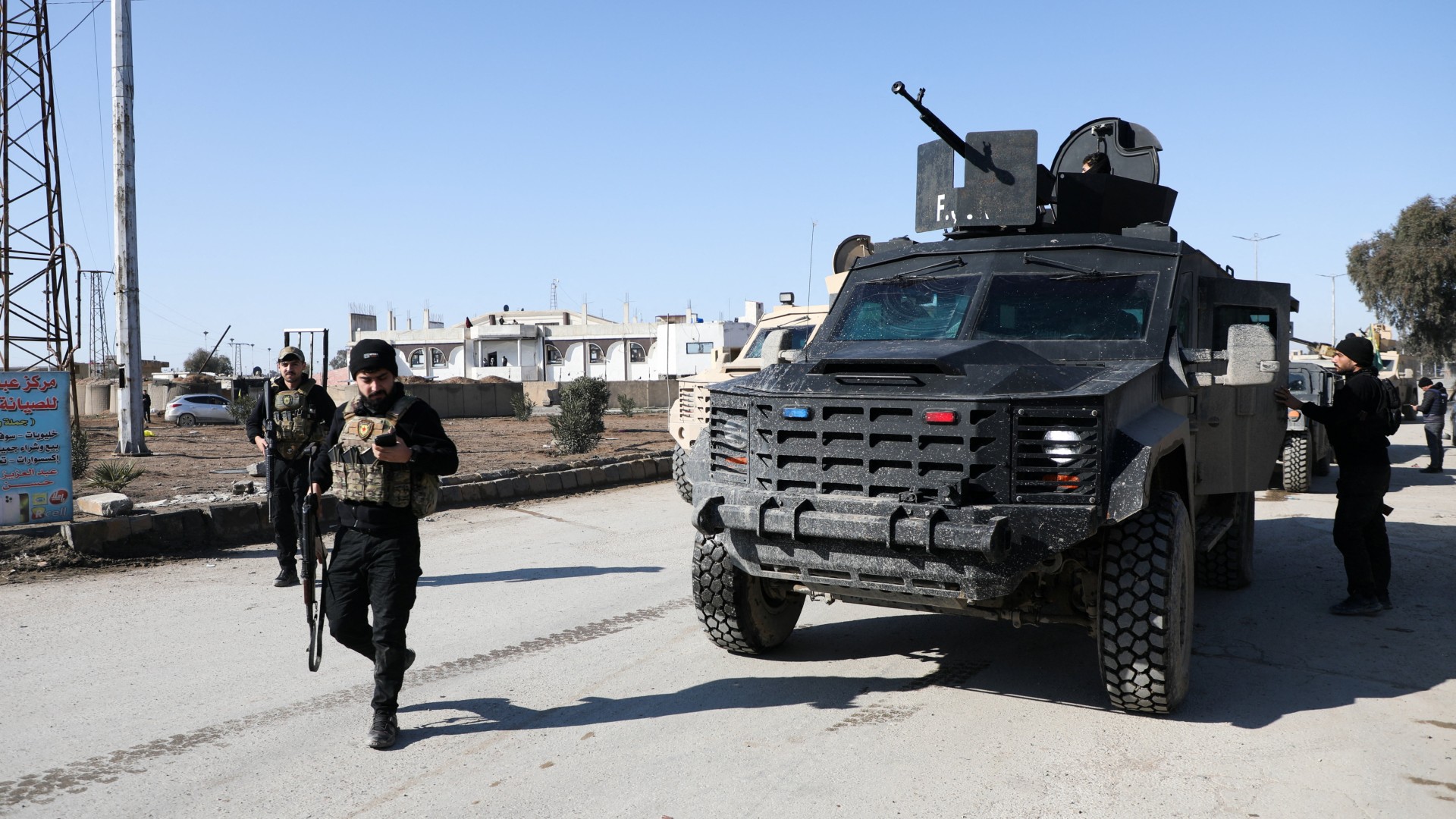
    Damascus has officially welcomed the United States Congress’ decisive move to permanently terminate the stringent Caesar Act sanctions against Syria, marking a pivotal turning point for the war-torn nation’s economic future. The legislative action, finalized on Wednesday, eliminates measures that had crippled foreign investment and severed Syria’s access to international banking networks for years.

    Named after an anonymous photographer who documented human rights atrocities within Syrian detention facilities, the Caesar Act had effectively isolated the Syrian economy through comprehensive restrictions. The Syrian Foreign Ministry released an official statement characterizing this development as ‘the gateway to reconstruction and developmental progress,’ while passionately appealing to all Syrian citizens both domestically and abroad to actively participate in national recovery initiatives.

    The sanctions framework had been temporarily suspended on two previous occasions under the administration of former US President Donald Trump, following diplomatic appeals from key regional allies Saudi Arabia and Turkey. Both nations support the current government led by former jihadist figure Ahmed al-Sharaa, who had persistently advocated for a complete and irreversible revocation of the sanctions.

    Sharaa’s administration argued that the mere existence of the sanctions on legislative record created unsustainable legal uncertainties, deterring international businesses and investors apprehensive about potential repercussions in the world’s largest economy. The permanent removal is now anticipated to unlock substantial foreign capital, facilitate the restoration of banking channels, and accelerate the rebuilding of critical infrastructure devastated by years of conflict.