标签: Asia

亚洲

  • Trump greenlit tiny Kei cars but will Americans actually buy them?

    Trump greenlit tiny Kei cars but will Americans actually buy them?

    In a surprising policy shift, former President Donald Trump has championed the introduction of Japanese-style micro-vehicles to American roads, challenging the nation’s longstanding preference for large trucks and SUVs. The initiative aims to bring Kei cars (kei-jidōsha or “light vehicles”)—ultra-compact vehicles measuring approximately half the size of a standard Ford F-150—to U.S. markets as affordable, fuel-efficient transportation solutions.

    These miniature vehicles originated in post-World War II Japan as economical transportation for crowded urban areas and have since gained popularity across Asia. While Trump enthusiastically announced on social media in December that he had “approved TINY CARS to be built in America,” calling them “inexpensive, safe, fuel efficient and, quite simply, AMAZING!!!”, automotive experts and industry stakeholders remain skeptical about their viability in the American market.

    Significant barriers include safety concerns on highways dominated by large vehicles, manufacturing cost challenges, and cultural resistance from consumers accustomed to spacious automobiles. Current U.S. regulations only permit Kei cars that are at least 25 years old, making them rare collector’s items rather than practical daily transportation.

    Enthusiasts like Nevi Bergeron, who owns a 1997 Suzuki Cappuccino inspired by Japanese manga, appreciate these vehicles for their novelty but acknowledge their limitations. “It’s tiny and a bit silly… definitely a conversation-starter,” Bergeron noted, while adding that driving beside large trucks makes her “feel vulnerable” on highways.

    Industry analysts question whether manufacturers can produce these micro-cars at sufficiently low prices to compete with conventional sedans, especially amid ongoing post-pandemic supply chain issues and rising production costs. Auto industry investor Steve Greenfield warned that redesigning Kei cars to meet U.S. safety standards would “defeat their cost and efficiency advantages.”

    While some manufacturers like Stellantis plan to introduce small models like the Topolino (with a top speed under 30mph), major Japanese Kei car producers including Toyota, Honda, and Suzuki have not announced concrete plans for U.S. market entry. The experience of Smart cars, which withdrew from the U.S. market in 2019 due to poor sales, suggests limited mainstream demand for miniature vehicles.

    Despite these challenges, importers like Mo Sulai of Tokyo Motors DC report growing interest in Kei vehicles as novelty items and specialty vehicles for golf courses or farms, with prices ranging from $6,500 for vintage mini-vans to over $10,000 for specialized vehicles like micro fire engines. While Trump’s endorsement has raised awareness, Sulai acknowledges that micro-cars will likely remain “a niche market” in a nation accustomed to automotive supersizing.
  • Salah returns to Liverpool training after Africa Cup of Nations

    Salah returns to Liverpool training after Africa Cup of Nations

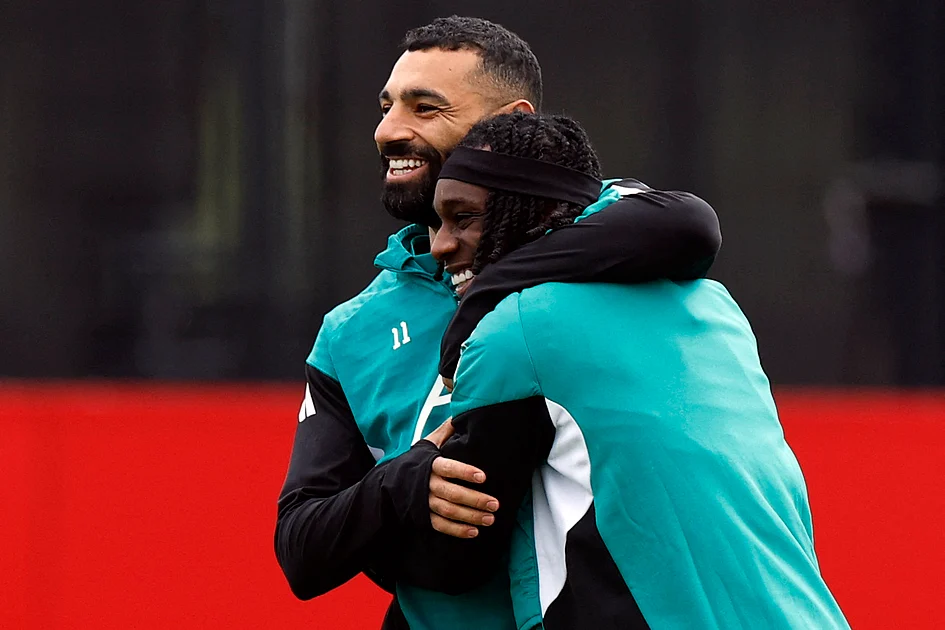
    Liverpool FC welcomed back Egyptian superstar Mohamed Salah to first-team training on Tuesday, marking his return following Egypt’s campaign in the Africa Cup of Nations. The 33-year-old forward participated in full training sessions at the club’s facility, appearing in high spirits as preparations intensified for the upcoming Champions League encounter against Marseille.

    The return of Liverpool’s legendary goalscorer comes after a period of public tension between player and club. In early December, Salah expressed frustration in a controversial interview, claiming the club had thrown him “under the bus” after being relegated to the bench for three consecutive matches and acknowledging a strained relationship with manager Arne Slot.

    Despite the previous friction, Salah made a constructive appearance as a substitute in Liverpool’s 2-0 Premier League victory against Brighton on December 13, providing a crucial assist. Manager Slot subsequently indicated the club had moved past the controversy, expressing enthusiasm about Salah’s return from international duty.

    Slot previously remarked, “Even if I had 15 attackers I still would have been happy if he would have come back,” highlighting the Egyptian’s importance to the squad. The Dutch manager remained discreet about his communications with Salah but confirmed his inclusion in the 20-man squad for the crucial Champions League fixture.

    Salah’s return occurs during a challenging season for both player and club. The Egyptian icon, who stands as Liverpool’s third-highest goalscorer of all time with 250 goals across 421 appearances, has managed just five goals in all competitions this season. Liverpool’s Premier League title defense faltered significantly with six defeats in seven matches beginning in late September, though the team has recently shown resilience with a 12-game unbeaten streak across all competitions.

    The club currently sits ninth in the Champions League league phase, where the top eight teams qualify automatically for the last 16, while positions nine through 24 must navigate a playoff round. Salah, who signed a lucrative two-year contract extension last year after helping Liverpool secure their record-equaling 20th English top-flight title, remains pivotal to the club’s aspirations for domestic and European success.

  • Man who admitted killing Japan’s ex-PM Shinzo Abe set to be sentenced

    Man who admitted killing Japan’s ex-PM Shinzo Abe set to be sentenced

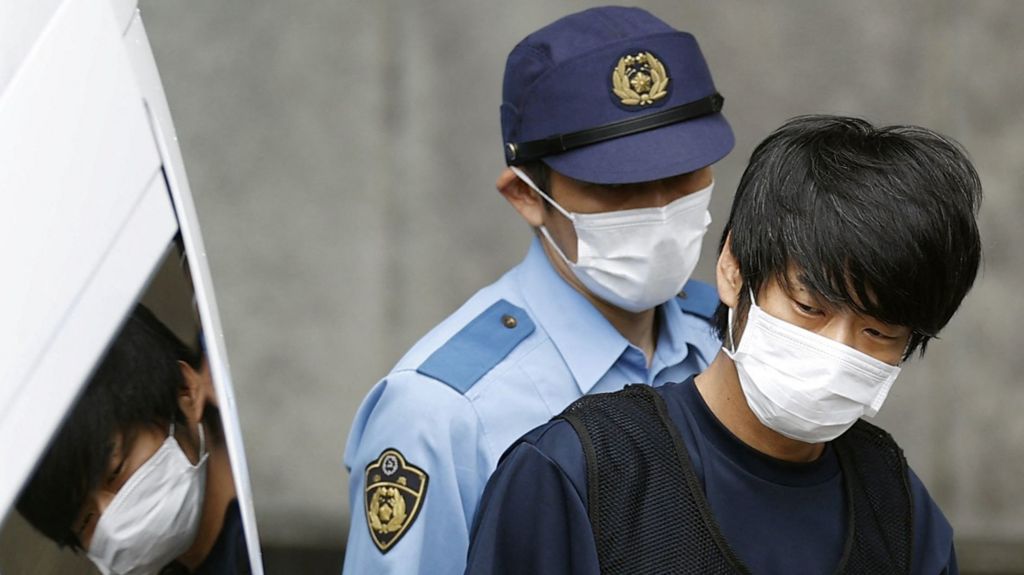
    As Tetsuya Yamagami awaits sentencing for the 2022 assassination of former Japanese Prime Minister Shinzo Abe, a profound societal division has emerged regarding appropriate punishment for the self-confessed killer. The 45-year-old defendant, who pleaded guilty at the outset of his trial, faces potential life imprisonment for shooting Japan’s longest-serving prime minister during a campaign speech in Nara.

    Prosecutors characterize the assassination as a ‘grave act’ that shocked a nation unaccustomed to gun violence, demanding maximum punishment for the cold-blooded murder of a towering political figure. Conversely, Yamagami’s defense team argues for leniency, presenting their client as a victim of ‘religious abuse’ stemming from his mother’s ruinous devotion to the Unification Church.

    The trial has revealed how Yamagami’s family bankruptcy—caused by his mother donating approximately 100 million yen (S$828,750) to the church—fueled resentment against Abe after the former prime minister appeared in a church-related video message in 2021. Despite initially targeting church executives, Yamagami ultimately directed his homemade weapon toward Abe, creating what prosecutors call ‘a leap in logic’ in connecting his grievances to the politician.

    Journalist Eito Suzuki, who extensively covered the proceedings, observed how both the Abe and Yamagami families were ‘overwhelmed with despair’ throughout the emotional trial. The court witnessed tearful testimony from Yamagami’s sister describing the ‘dire circumstances’ endured by the family due to their mother’s church involvement.

    The assassination has triggered significant repercussions, including government investigations into the Unification Church’s practices, the resignation of several cabinet ministers over church connections, and ultimately the revocation of the church’s religious corporation status by a Tokyo court. Sociologists note that public sympathy for Yamagami reflects widespread distrust of controversial religious organizations in Japan, though experts emphasize that victimhood does not justify political violence.

  • Alleged scam mastermind arrested after being exposed by BBC

    Alleged scam mastermind arrested after being exposed by BBC

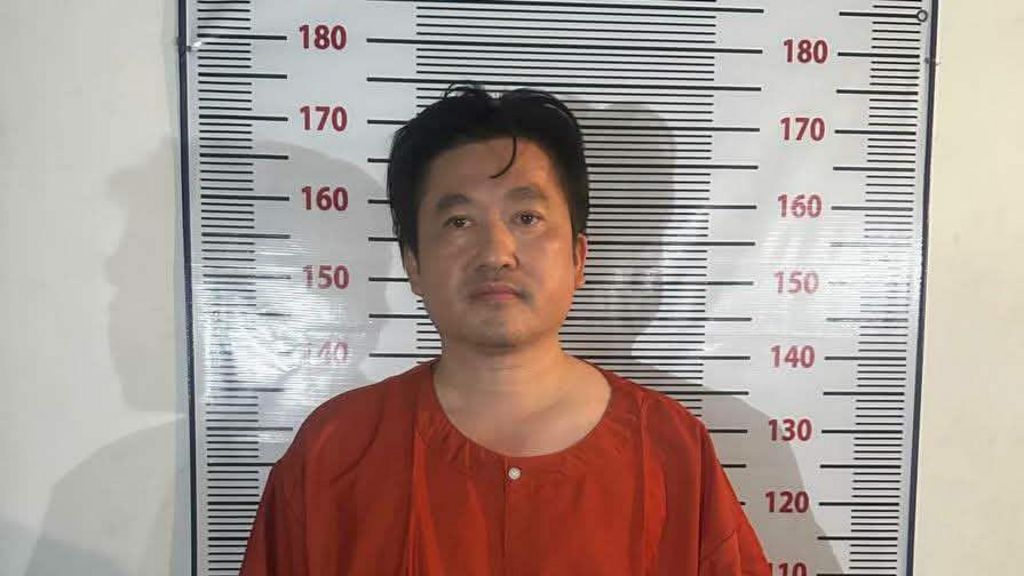
    Cambodian authorities have detained prominent businessman Kuong Li, a central figure in the BBC’s 2023 investigation into transnational scam operations, marking a significant escalation in the nation’s crackdown on organized cybercrime. The 50-year-old Cambodian national faces multiple charges including illegal recruitment for exploitation, aggravated fraud, organized crime, and money laundering for alleged offenses spanning since 2019.

    The Phnom Penh Municipal Court ordered Kuong Li’s pretrial detention on January 15 following his arrest, with investigations ongoing into wider criminal networks associated with organized online fraud. The suspect gained international notoriety through the BBC Eye documentary ‘The Pig Butchering Romance Scam,’ which exposed human trafficking and fraudulent activities within Cambodian compound facilities.

    Central to the investigation was the Huang Le compound in Sihanoukville, a coastal facility owned by Kuong Li that allegedly housed forced labor operations. The BBC documentary featured testimony from ‘Didi,’ a Chinese national who described being trafficked to Cambodia under false employment promises and compelled to work 12-hour shifts targeting victims in Western countries. Didi’s secretly recorded footage revealed brutal working conditions, including physical abuse and restricted movement, culminating in his desperate escape by jumping from a third-story window.

    The investigation also documented the tragic case of Mi Lijun, another Chinese national who died from organ failure after being abandoned on a highway following serious illness at the compound. Despite initial dismissals from Cambodian authorities who called the BBC’s allegations ‘groundless’ in April 2023, the current prosecution signals a policy shift toward addressing international concerns.

    Paradoxically, Kuong Li received Cambodia’s prestigious ‘Neak Oknha’ royal honorific in June 2023, just months after the BBC exposé aired. His business empire spans real estate, casinos, hotels, and construction ventures, with numerous public appearances alongside senior government officials.

    The arrest occurs amid regional crackdowns on cybercrime networks. Cambodia’s Secretariat of the Commission for Combating Cybercrime reports 37 major cases prosecuted between 2025 and mid-January 2026, resulting in 172 convictions. This includes the high-profile extradition of Chinese billionaire Chen Zhi, accused of masterminding a vast online scam network.

    Prime Minister Hun Manet recently declared combating ‘tech-savvy crimes’ a national priority, responding to mounting international pressure over scam compounds operating within Cambodian borders. The United Nations estimates hundreds of thousands have been trafficked across Southeast Asia, with many forced into operating sophisticated financial scams under deplorable conditions.

    Parallel operations are underway across the region, with Thailand intensifying money laundering investigations and Myanmar conducting raids on scam hubs linked to transnational criminal networks. These coordinated efforts represent an unprecedented regional response to cyber-enabled financial crimes and human trafficking syndicates.

  • Confidential UAE memo details plan to push France to act against Muslim Brotherhood

    Confidential UAE memo details plan to push France to act against Muslim Brotherhood

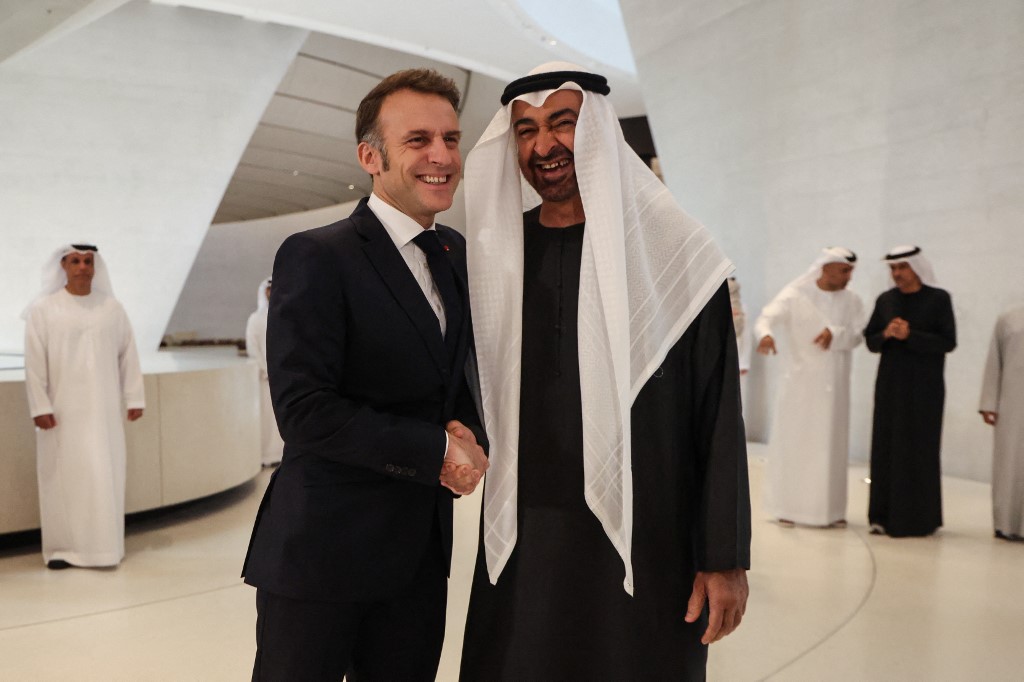
    A confidential diplomatic memorandum obtained by investigative outlet Mediapart reveals the United Arab Emirates has orchestrated a sophisticated influence campaign targeting French political institutions. The 13-page document, dispatched in August by the UAE foreign ministry’s European directorate to embassy official Ahmed al-Mulla, outlines a “multi-sectoral mobilisation strategy” designed to pressure French authorities into intensifying measures against the Muslim Brotherhood and affiliated organizations.

    The memo characterizes France as a “target country” with an increasingly favorable environment for monitoring Islamist networks. It explicitly states its objective: “to encourage French authorities to strengthen measures – whether restrictions, designations, or tightened regulatory oversights of MB-linked entities” through channels that align with France’s domestic frameworks.

    The strategy advocates simultaneous engagement across multiple levels of the French system, including the Presidency, Prime Minister’s Office, Ministry of Foreign Affairs, security services, parliamentary bodies, civil society, and media outlets. It emphasizes discreet cultivation of relationships with key advisers in President Emmanuel Macron’s inner circle to influence presidential decision-making.

    Operational tactics include providing pre-written documents designed for “reusable” circulation within French authorities, building networks of sympathetic parliamentarians who can advance legislative measures, and collaborating with think tanks to shape public narrative. The memo particularly notes receptiveness among center-right and far-right political factions to the UAE’s arguments about Islamist dangers.

    This revelation reinforces existing concerns about Emirati interference in French politics, following previous investigations into disinformation campaigns targeting Qatar. The document acknowledges potential backlash, warning that “any involvement perceived as intrusive could provoke a backlash and harm the UAE’s contribution,” highlighting the operation’s sensitivity.

  • Saudi interior minister meets Algerian president to discuss security ties

    Saudi interior minister meets Algerian president to discuss security ties

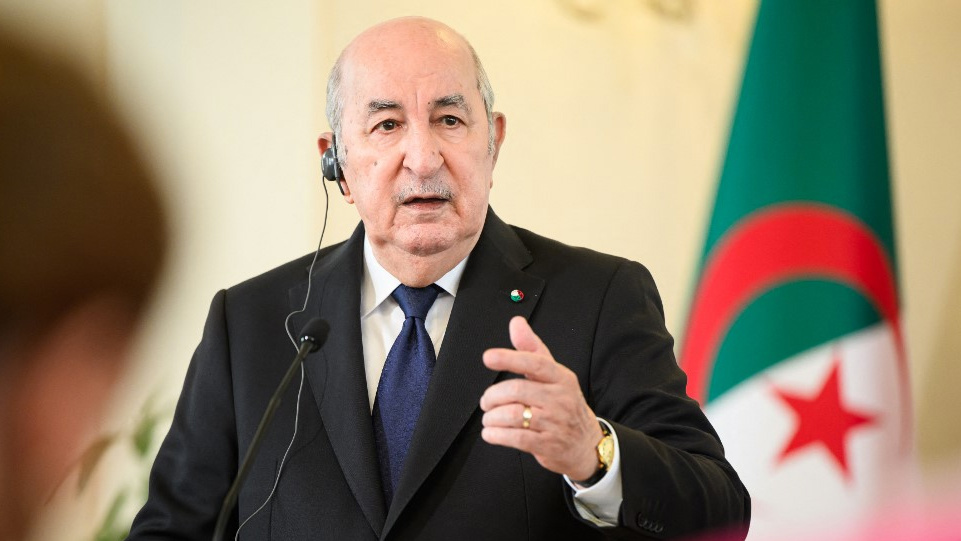
    Algerian President Abdelmadjid Tebboune hosted Saudi Arabia’s Interior Minister Prince Abdulaziz bin Saud in Algiers on Monday for high-level discussions focused on strengthening bilateral relations and enhancing security cooperation between the two nations.

    The Saudi delegation delivered formal greetings from King Salman and Crown Prince Mohammed bin Salman, expressing royal wishes for Algeria’s continued progress and prosperity. This diplomatic engagement occurs against the backdrop of escalating tensions between Saudi Arabia and the United Arab Emirates, two traditional allies now pursuing competing strategic interests across North and East Africa.

    Long-standing regional partners Saudi Arabia and the UAE have experienced growing policy divergences, particularly evident in their opposing stances in conflicts within Yemen and Sudan. Algeria finds itself at the center of this geopolitical reconfiguration, with multiple reports indicating potential diplomatic rupture between Algiers and Abu Dhabi.

    Algerian media outlet El-Khabar has reported that Algeria is considering severing diplomatic relations with the UAE due to activities perceived as destabilizing and hostile to both Algerian national unity and broader Arab interests. Algerian authorities have repeatedly criticized, without explicitly naming, what they describe as destabilization maneuvers and interference contrary to collective Arab objectives.

    Official Algerian circles have specifically accused the UAE embassy of “suspicious moves” and characterized the Emirati ambassador as being “on a mission to destabilize” the country. The UAE stands accused of supporting the Paris-based Movement for the Self-Determination of Kabylie (MAK), a separatist organization advocating independence for Algeria’s predominantly Amazigh Kabylia region.

    Reports indicate the UAE has established communications with MAK, which also receives support from both Israel and Morocco. This development occurs as both Gulf nations pursue distinct international partnerships: Saudi Arabia recently signed a defense agreement with Pakistan, while the UAE concurrently agreed to deepen defense and trade ties with India.

  • UAE-India travel: SpiceJet to launch Ahmedabad–Sharjah flights in February

    UAE-India travel: SpiceJet to launch Ahmedabad–Sharjah flights in February

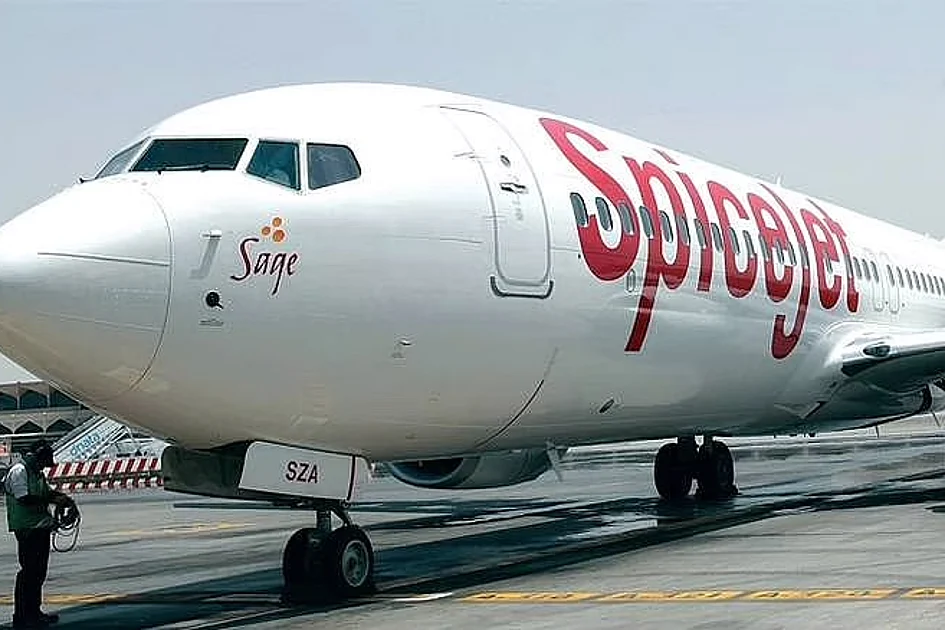
    Indian budget airline SpiceJet has unveiled plans to establish a new air corridor between India and the United Arab Emirates, announcing the launch of direct Ahmedabad-Sharjah services commencing February 5th. The carrier made the revelation through its official X platform account on Tuesday, marking a strategic expansion of its Middle Eastern network.

    The upcoming route will operate five days weekly, excluding Tuesdays and Wednesdays, with carefully timed schedules catering to both business and leisure travelers. Eastbound flights will depart Ahmedabad at 8:20 PM local time, arriving in Sharjah at 10:20 PM. The return journey will commence from Sharjah at 11:20 PM, reaching Ahmedabad at 3:30 AM the following morning.

    Debojo Maharshi, SpiceJet’s Chief Business Officer, emphasized the strategic significance of this expansion: “Sharjah’s emergence as a pivotal regional hub makes it an invaluable addition to our operational network. This initiative directly responds to escalating travel demand between India and the UAE, underscoring our commitment to enhancing connectivity in high-priority corridors.”

    The Ahmedabad-Sharjah connection addresses substantial market demand from multiple segments including commercial traders, tourism enthusiasts, and the extensive Indian diaspora residing in the UAE. Current promotional return fares start from approximately AED 900, though final pricing remains subject to availability and applicable surcharges.

    Aviation analysts note that Sharjah International Airport already maintains robust connections with India, handling approximately 25 daily flights to various Indian destinations primarily operated by Air Arabia, with additional services from Air India Express. Key existing routes include Mumbai, Delhi, Kochi, Thiruvananthapuram, and Surat.

    For the substantial Gujarati community in the UAE, this development represents a significant travel convenience. Rajesh Patel, a frequent business traveler, expressed enthusiasm: “The direct nighttime service substantially reduces travel complexity and duration, facilitating more efficient short-duration trips between the regions.”

    Reservations for the new route are currently available through SpiceJet’s digital platforms including its official website, mobile application, and authorized travel agencies worldwide.

  • Former Hainan official sentenced in bribery case

    Former Hainan official sentenced in bribery case

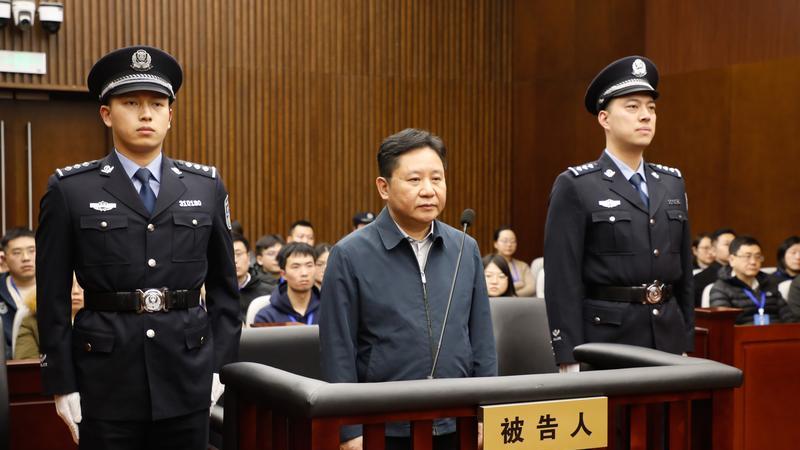
    In a significant ruling against corruption within China’s disciplinary apparatus, the Shanghai First Intermediate People’s Court has sentenced former senior Hainan official Chen Xiaobo to 12 years imprisonment with a 3 million yuan ($430,000) fine for systematic bribery offenses. The verdict, delivered on Tuesday, concludes a high-profile case that exposes corruption within anti-graft institutions themselves.

    Chen, who held dual powerful positions as deputy secretary of Hainan’s provincial discipline inspection commission and deputy director of the provincial supervisory commission, was convicted of accepting bribes exceeding 37 million yuan between 2007 and 2024. The court mandated complete confiscation of all illicit assets and accrued interest, which will be transferred to state treasury coffers.

    Evidence presented during proceedings revealed Chen exploited his authoritative positions to facilitate unlawful benefits for various organizations and individuals. His corrupt activities included manipulating land acquisition processes, influencing construction contract awards, and orchestrating improper job appointments in exchange for substantial financial rewards.

    Despite the ‘particularly large’ sums involved, the court acknowledged several mitigating circumstances. Judicial authorities noted Chen’s partial cooperation with investigators, voluntary admission to most charges, demonstrated remorse, and successful recovery of all illicit proceeds. The court characterized portions of his offenses as attempted acts, contributing to the reduced sentencing considerations.

  • King Salman chairs cabinet days after leaving hospital, says Saudi state TV

    King Salman chairs cabinet days after leaving hospital, says Saudi state TV

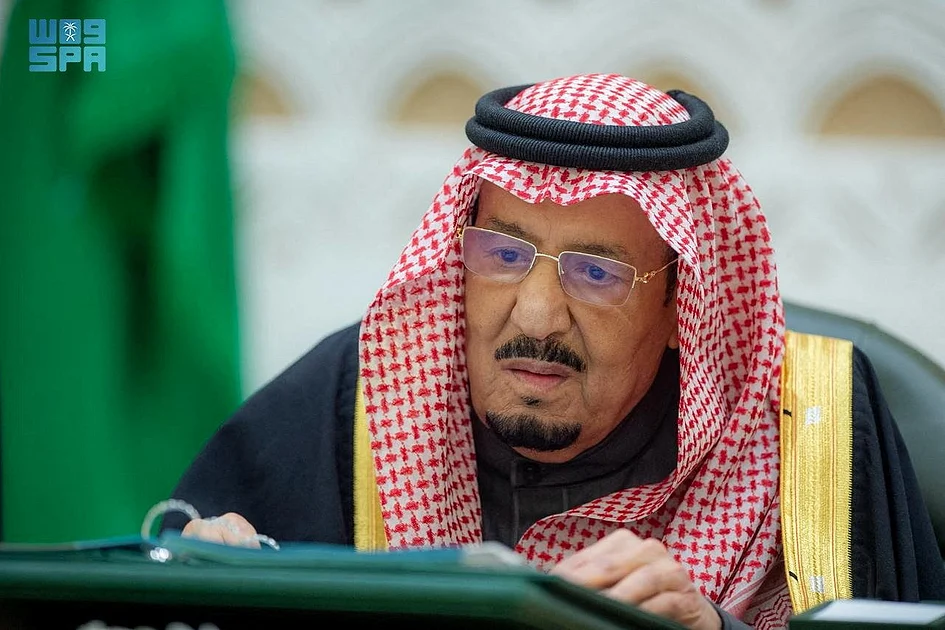
    In a significant demonstration of resumed royal duties, King Salman bin Abdulaziz of Saudi Arabia personally convened and chaired a cabinet meeting on Tuesday, January 20, 2026. This public appearance came just days after the monarch’s brief hospitalization for comprehensive medical evaluations at a Riyadh medical facility last Friday. Saudi state television broadcast verified footage showing the 88-year-old king actively engaged in governmental proceedings, reviewing official documents alongside his ministers.

    The cabinet session addressed matters of international diplomacy, with the King formally expressing Saudi Arabia’s endorsement of U.S. President Donald Trump’s recently established ‘Board of Peace’ initiative. This diplomatic gesture reinforces the enduring strategic alliance between the Kingdom and the United States, particularly significant given Saudi Arabia’s position as the world’s leading oil exporter and a pivotal Middle Eastern power.

    The monarch’s prompt return to official responsibilities carries substantial symbolic weight, effectively dispelling concerns about his health status following his 2024 treatment for lung inflammation. The transparent dissemination of this development through official state media channels underscores the government’s commitment to maintaining stability and continuity in leadership during a period of regional geopolitical significance.

  • Dubai Police launch new digital platform for lawyers, unveil AI-powered website upgrade

    Dubai Police launch new digital platform for lawyers, unveil AI-powered website upgrade

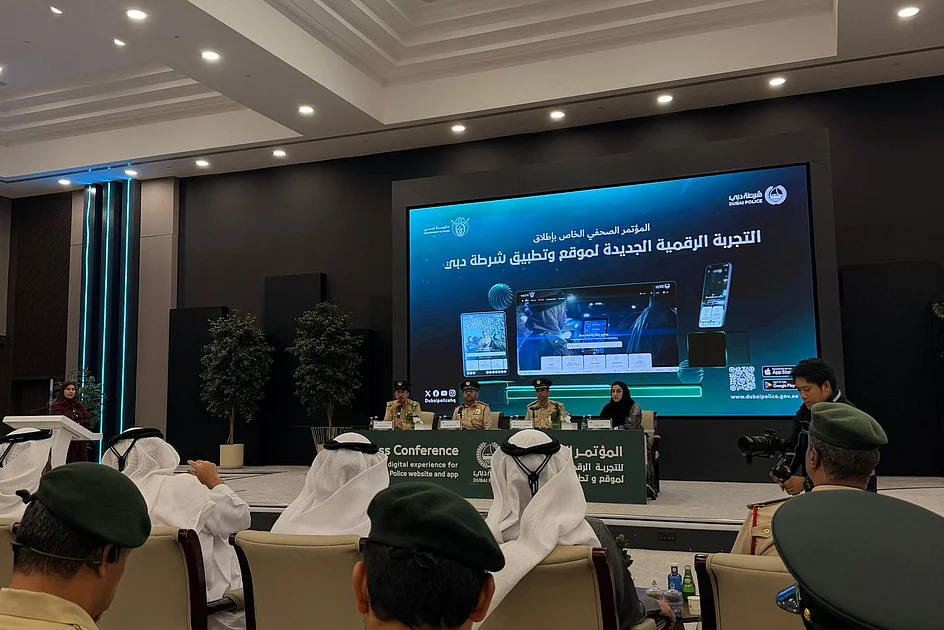
    Dubai Police have launched a groundbreaking digital platform exclusively for legal professionals, marking a significant advancement in the emirate’s digital transformation journey. The initiative, unveiled on January 20, 2026, introduces a specialized portal accessible through the Dubai Police website using secure UAE Pass authentication.

    The platform represents the second generation of Dubai Police’s digital services, featuring seven specialized legal services designed to streamline procedures and enhance efficiency. Legal professionals can now complete paperwork, submit requests, upload documents, and monitor case progress around the clock without physical visits to police stations. Each registered lawyer receives a personalized digital dashboard to manage cases, consultants, and client-related requests comprehensively.

    Major General Saleh Abdullah Murad, Assistant Commander-in-Chief for Administrative Affairs, emphasized that the project transcends mere visual upgrades, delivering a complete digital experience built on three foundational pillars: service, empowerment, and vision. The system prioritizes accuracy, interactivity, and the elimination of bureaucratic hurdles.

    A standout feature is the AI-powered consultant, AiX, which provides step-by-step guidance through services, inquiries, and reports, ensuring rapid access to precise information. Brigadier Majed Al Suwaidi, Director of the General Department of Police Stations, noted that the platform constitutes a qualitative shift in legal services, substantially reducing the need for in-person station visits and alleviating pressure on frontline services.

    The initial rollout will proceed on a trial basis with select lawyers receiving invitation emails for registration. Once logged in, legal professionals can choose between general services and the dedicated lawyers’ portal. The comprehensive service suite includes linking powers of attorney, electronic document signing, criminal complaint filing, good conduct certificates, virtual detainee visit permits, and circular enquiries with direct digital payment capabilities.

    Major General Khalid Nasser Al Razooqi, Director of the General Department of Artificial Intelligence, described the release as the ‘most comprehensive’ to date, developed under the highest institutional standards. This digital transformation aligns with Dubai’s zero bureaucracy objectives and represents a new era of accelerated, secure, and accessible digital services for the legal community.