标签: Asia

亚洲

  • Harry Brook feels lucky to still be England cricket captain after nightclub incident

    Harry Brook feels lucky to still be England cricket captain after nightclub incident

    COLOMBO, Sri Lanka — England’s white-ball cricket captain Harry Brook has publicly acknowledged what he describes as a “terrible mistake” following a physical altercation with a nightclub bouncer in New Zealand, an incident that nearly cost him his leadership position ahead of the current Sri Lanka tour.

    The confrontation occurred on October 31 in Wellington, just before the final ODI match against New Zealand, when Brook was reportedly denied entry to an establishment. The England and Wales Cricket Board responded by imposing a substantial £30,000 (approximately $40,300) fine and issuing a final conduct warning. Despite the disciplinary action, the board opted to retain Brook as both white-ball captain and test vice-captain following Australia’s 4-1 Ashes victory.

    Addressing journalists on Wednesday before England’s six-match white-ball series opener in Sri Lanka, Brook expressed deep remorse: “I made a terrible mistake, not only as a player but as a captain. My actions were profoundly unprofessional. As a leader, I should be setting the standard for professional conduct rather than placing myself in compromising situations.”

    The cricketer extended apologies to teammates and supporters, recognizing particularly those “who travel far and wide and spend considerable money to watch us play.” He clarified that while the team had initially gone out for drinks together, he had “taken it upon myself to go out for a few more alone.”

    When questioned about potentially resigning his captaincy, Brook revealed the thought never crossed his mind, though he would have accepted dismissal: “I left that decision to the hierarchy. Had they sacked me as captain, I’d have been perfectly fine with it so long as I could continue playing for England.” He conceded feeling “probably slightly” fortunate to retain his leadership role.

    As England prepares for three ODIs and three T20 matches in Sri Lanka—critical preparation for the T20 World Cup commencing February 7 in India and Sri Lanka—Brook recognizes the work ahead to rebuild trust: “I’ve apologized to the players and acknowledge I have work to do to regain their full confidence.”

  • Chinese researchers develop eye surgery robot

    Chinese researchers develop eye surgery robot

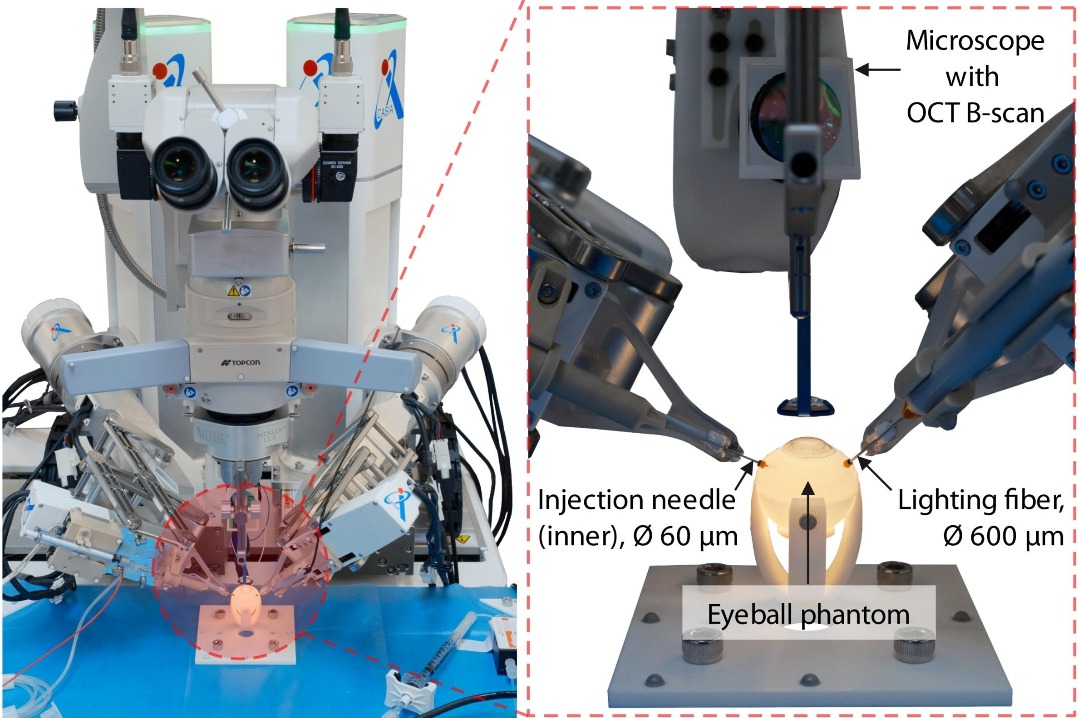
    Chinese researchers have achieved a groundbreaking advancement in medical robotics with the development of an autonomous system capable of performing delicate ocular injections. The robotic platform, created by scientists at the Institute of Automation under the Chinese Academy of Sciences, represents a significant leap forward in ophthalmic microsurgery technology.

    The innovative system employs sophisticated algorithms for three-dimensional spatial perception, cross-scale precise positioning, and trajectory control to navigate the challenging environment of the human eye. Retinal surgery has traditionally been among the most demanding medical procedures due to the eye’s minute and delicate structures, requiring exceptional surgical precision.

    Experimental results published in Science Robotics demonstrate remarkable performance metrics. During animal testing, the autonomous robot achieved a 100 percent success rate in both subretinal and intravascular injections. Comparative analysis revealed the system reduced average positioning errors by approximately 80 percent compared to manual procedures and by 55 percent relative to surgeon-controlled robotic operations.

    The technology’s potential extends beyond precision enhancement. Researchers indicate the autonomous system could standardize surgical outcomes, reduce the extensive training period required for ophthalmic surgeons, and potentially enable complex eye operations in remote locations or extreme environments where specialist surgeons are unavailable. This development may significantly improve accessibility to advanced eye care in underserved regions.

    The successful implementation in animal models using eyeball phantoms, ex vivo porcine, and in vivo animal eyeballs confirms the clinical feasibility of autonomous intraocular microsurgical robots. The research team’s work establishes a new benchmark for robotic-assisted medical procedures in ophthalmology and demonstrates China’s growing capabilities in advanced medical technology innovation.

  • High-speed train staff members in Beijing busy preparing for Spring Festival travel rush

    High-speed train staff members in Beijing busy preparing for Spring Festival travel rush

    As the 2026 Spring Festival approaches, Beijing’s high-speed railway workforce has entered a phase of intensive preparation to accommodate the monumental travel demand characteristic of China’s annual migration period. At specialized training facilities throughout the capital, personnel ranging from train operators to service staff are undergoing rigorous simulation exercises to ensure operational excellence during the challenging travel season.

    Simulation training bases across Beijing have become hubs of activity where drivers meticulously practice handling various scenarios on advanced simulator equipment. These exercises replicate diverse weather conditions, technical challenges, and passenger management situations that might occur during actual operations. The comprehensive training regimen focuses on both technical proficiency and emergency response capabilities, emphasizing passenger safety and service quality.

    The preparation extends beyond driving simulations to include customer service training, maintenance drills, and logistical coordination exercises. Station staff are rehearsing crowd management techniques while technical crews are conducting preventive maintenance checks on rolling stock and infrastructure. This multilayered approach addresses both the visible passenger services and the behind-the-scenes operational requirements necessary for smooth festival travel.

    Authorities have implemented these preparation measures recognizing that the Spring Festival travel rush represents the largest periodic human migration globally, with hundreds of millions expected to travel via high-speed rail. The preparations reflect China’s continuous effort to enhance transportation capacity and service quality during peak travel periods, building upon experiences from previous years while incorporating new technological solutions and operational protocols.

  • A bar with no bar

    A bar with no bar

    In an innovative approach to social inclusion, Shanghai’s Changning district now hosts HandyCup, a pioneering establishment redefining the concept of accessible nightlife. Situated on Xinhua Road, this barrier-free pub has been specifically designed to foster natural interaction between disabled and non-disabled patrons, creating what founder Xia Yujie describes as ‘a home for meaningful connections.’

    The venue represents a significant departure from conventional bars through its meticulously planned accessibility features and intentionally welcoming atmosphere. Unlike typical establishments that often present physical and social obstacles for people with disabilities, HandyCup eliminates these barriers through both architectural design and community-focused programming.

    Founder Xia Yujie conceptualized the space after recognizing the scarcity of social environments where disabled individuals could comfortably socialize without facing the usual constraints. His vision materialized as a warm, inviting pub that encourages organic relationships to develop across different ability spectrums.

    The establishment has quickly evolved into more than just a drinking venue—it has become a community hub where friendships form naturally over shared experiences. Patrons consistently report that the environment facilitates genuine connections that might not occur in more conventional social settings.

    HandyCup’s innovative model has attracted attention from disability advocates and urban planners alike, serving as a potential blueprint for more inclusive social spaces in cities worldwide. The success of this establishment demonstrates how thoughtful design and intentional community building can create environments where diversity is not just accommodated but celebrated.

    As the concept gains recognition, HandyCup stands as a testament to Shanghai’s growing commitment to accessibility and social innovation, offering a replicable model for other cities seeking to create more inclusive public spaces.

  • Japan restarts world’s largest nuclear plant

    Japan restarts world’s largest nuclear plant

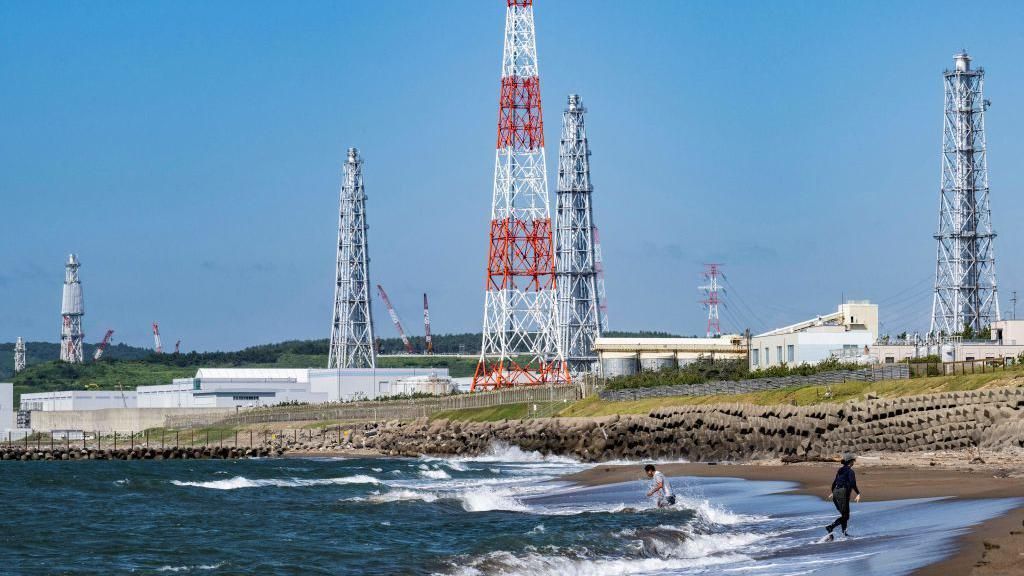
    Japan has initiated the restart of reactor No. 6 at the Kashiwazaki-Kariwa Nuclear Power Plant—the world’s largest nuclear facility by installed capacity—nearly fifteen years after the catastrophic Fukushima Daiichi disaster prompted a nationwide nuclear shutdown. The reactivation, originally scheduled for Tuesday but delayed due to an alarm system malfunction, marks a significant milestone in Japan’s protracted nuclear energy revival efforts.

    Operated by Tokyo Electric Power Company (Tepco), the plant’s restart represents the first Tepco-operated facility to resume operations since the 2011 disaster. However, the path to full operational capacity remains protracted: reactor No. 7 is not anticipated to restart before 2030, while the remaining five reactors face potential decommissioning. This would reduce the plant’s maximum output to a fraction of its historical 8.2-gigawatt capacity.

    The revival occurs against a backdrop of profound public skepticism and technical challenges. The 2011 Fukushima catastrophe—triggered by a record-breaking earthquake and subsequent tsunami—resulted in widespread radioactive contamination, mass evacuations, and a dramatic erosion of public trust in nuclear safety. An official government inquiry later characterized the disaster as “man-made,” citing systemic failures in preparedness and crisis management.

    Despite enhanced safety protocols—including the construction of 15-meter seawalls and watertight barriers at Kashiwazaki-Kariwa—concerns persist regarding Japan’s preparedness for unprecedented natural disasters and climate-change-induced risks. Dr. Florentine Koppenborg of the Technical University of Munich cautioned that while Japan is “super well-prepared” for historical scenarios, its readiness for “something really unexpected” remains uncertain.

    Public opposition remains formidable. Surveys indicate that approximately 70% of Japanese citizens support reducing nuclear dependence, and protests continue near Tepco’s headquarters and the Niigata prefectural assembly. Recent scandals—including mishandled confidential documents and data manipulation at other facilities—have further undermined confidence in the industry’s operational integrity.

    Financially, nuclear reactivation has proven more costly than anticipated due to stringent new safety requirements. These expenses may ultimately be borne by consumers or taxpayers, contradicting decades of official assertions regarding nuclear energy’s affordability. Prime Minister Sanae Takaichi, however, emphasizes nuclear power’s role in achieving energy self-sufficiency, particularly amid growing demand from data centers and semiconductor manufacturing.

    Japan’s nuclear energy targets have been substantially scaled back: whereas pre-2011 plans aimed for 50% nuclear dependency by 2030, current objectives target just 20% by 2040. As of 2023, nuclear power accounted for merely 8.5% of Japan’s electricity generation, highlighting the considerable gap between ambition and reality in the nation’s contested nuclear renaissance.

  • Disaster relief efforts underway after 5.1-magnitude quake hits China’s Yunnan

    Disaster relief efforts underway after 5.1-magnitude quake hits China’s Yunnan

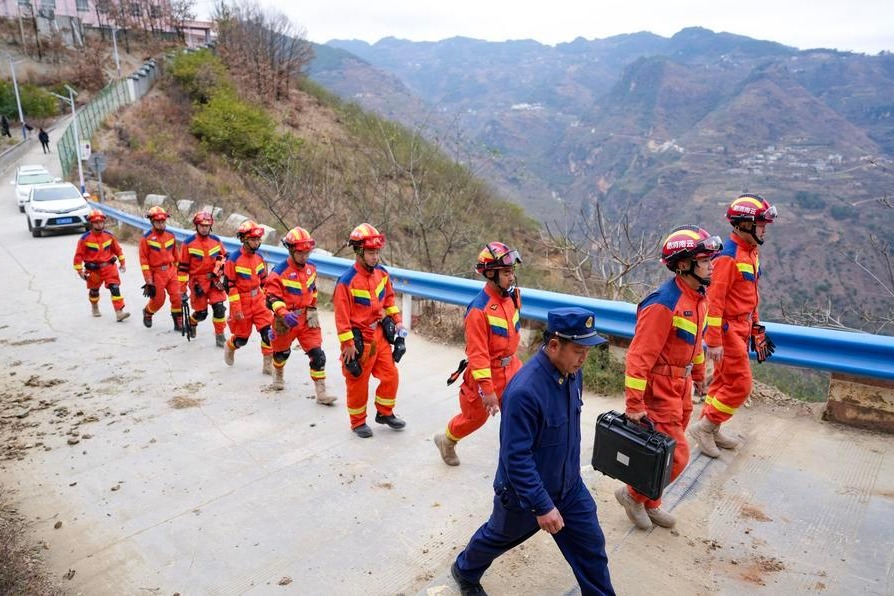
    Emergency response systems sprang into action across southwestern China’s Yunnan Province following a significant seismic event that struck Qiaojia county on Monday evening. The 5.1-magnitude earthquake, occurring at 7:32 pm local time with a focal depth of 10 kilometers, triggered comprehensive disaster management protocols despite the absence of casualties or structural collapses.

    According to official reports released by Tuesday afternoon, the tremor resulted in damage to approximately 1,540 residential structures while prompting the evacuation of 297 residents from 129 households. These individuals have been temporarily relocated to emergency shelters established within the affected region, with the village office in Hongshiyan—the epicenter area—serving as a primary refuge center.

    Infrastructure assessment teams from provincial authorities have conducted rapid evaluations of over 63,000 dwellings, identifying predominantly minor structural damage including hairline fractures in auxiliary facilities and production structures. County Deputy Administrator Cao Shanyou confirmed that no residential buildings had collapsed, though the seismic activity did cause 19 mountain fissures, 262 minor rockfall incidents, and some roadway damage.

    Financial support mechanisms were immediately activated, with the Yunnan Provincial Department of Finance allocating 5 million yuan (approximately $714,224) in emergency relief funding to facilitate disaster response operations. These resources will support hazard mitigation, secondary disaster prevention, and reconstruction initiatives throughout Zhaotong City’s administrative region.

    The China Earthquake Administration implemented a Level-III emergency response, deploying specialized working teams to assist local relief operations. China’s four-tier emergency framework designates Level I as the most severe classification, indicating the current situation remains managed within provincial capabilities.

    Personal accounts from residents illustrate the earthquake’s sudden impact. Zhao Kunyun, a Hongshiyan village local, described the intense shaking that prompted his family’s immediate evacuation. While his property sustained damage including a collapsed water tower and compromised retaining walls, structural engineers confirmed the main residence’s integrity.

    Temporary shelter occupants like villager Qian Zhenzhen reported efficient crisis management, noting that authorities provided accommodation and provisions within 30 minutes of the seismic event. This coordinated response demonstrates China’s enhanced disaster preparedness protocols for moderate seismic events in geographically vulnerable regions.

  • China’s commercial space sector logged 50 launches in 2025

    China’s commercial space sector logged 50 launches in 2025

    China’s commercial space industry demonstrated remarkable expansion throughout 2025, achieving a significant milestone by conducting 50 orbital launches according to official data released by the China National Space Administration (CNSA) on January 21, 2026. This impressive figure represents 54% of the nation’s total space missions for the year, highlighting the growing dominance of private enterprises in the country’s space ambitions.

    Commercial launch vehicles were responsible for 25 of these missions, while the newly operational Hainan Commercial Spacecraft Launch Site emerged as a crucial infrastructure asset, facilitating nine successful launches from China’s southern island province. The commercial sector’s contribution extended beyond launch services, deploying 311 satellites into orbit—accounting for an overwhelming 84% of all Chinese satellites launched during the period.

    Technological advancements in reusable launch systems progressed substantially throughout the year. The Zhuque-3 reusable carrier rocket completed its inaugural flight, successfully demonstrating critical technologies including second-stage orbital insertion and first-stage re-entry and return capabilities. This achievement marks a substantial step forward in China’s pursuit of cost-effective space access through reusable rocket technology.

  • Scientists discover single-walled carbon nanotubes, graphitic carbon in Chang’e 6 lunar samples

    Scientists discover single-walled carbon nanotubes, graphitic carbon in Chang’e 6 lunar samples

    In a landmark discovery with profound implications for planetary science, Chinese researchers have confirmed the natural formation of single-walled carbon nanotubes and graphitic carbon within lunar samples retrieved by the Chang’e-6 mission. The China National Space Administration officially announced these findings on Tuesday, revealing unprecedented insights into the moon’s geological complexity.

    A scientific team from Jilin University employed advanced microscopic and spectroscopic methodologies to conduct a comprehensive examination of far-side lunar material. Their investigation yielded the first definitive verification of naturally occurring graphite carbon on the lunar surface, simultaneously tracing its probable formation mechanisms and evolutionary trajectory.

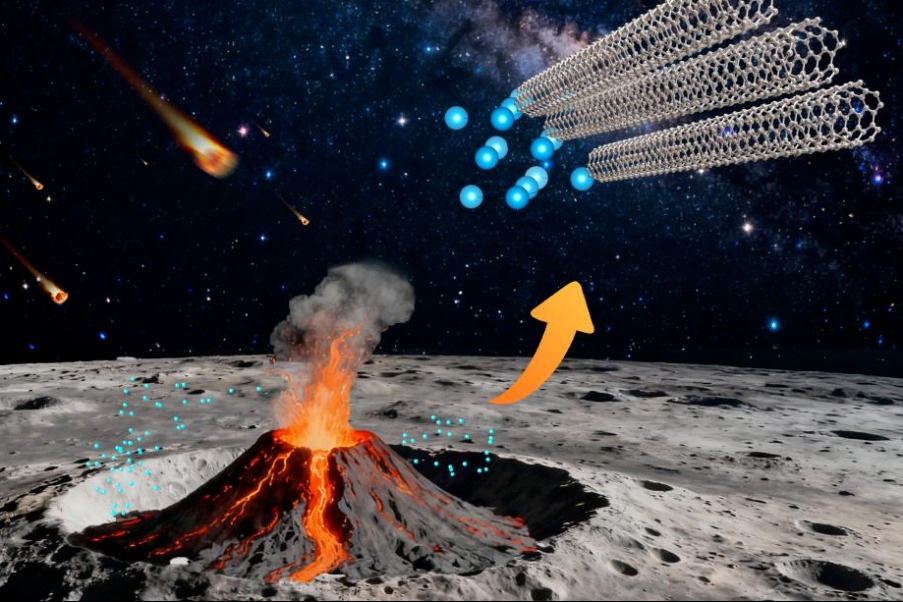
    This research achieves dual historical significance: it establishes the first international confirmation that single-walled carbon nanotubes can form through natural processes without anthropogenic intervention, while simultaneously demonstrating the sophisticated high-energy physico-chemical activities occurring on the lunar surface. The evidence points toward more dynamic geological processes on the moon’s far side than previously understood.

    The study proposes that nanotube formation likely resulted from iron-catalyzed reactions driven by multiple extraterrestrial factors throughout lunar history. These include persistent micrometeorite bombardment, ancient volcanic phenomena, and continuous solar wind irradiation—collectively creating extreme conditions that enabled nature’s synthesis of advanced carbon structures.

    Comparative analysis between Chang’e-6’s far-side samples and Chang’e-5’s near-side specimens revealed distinctive structural differences. Carbon formations from the far side exhibited more pronounced defect characteristics, potentially indicating intensified micrometeorite impacts throughout the moon’s geological history. This discrepancy suggests previously unrecognized compositional and evolutionary asymmetries between the lunar hemispheres.

    These groundbreaking findings, recently published in the prestigious journal Nano Letters, fundamentally reshape our understanding of lunar geology and demonstrate how extreme cosmic environments can spontaneously generate advanced nanomaterials through natural processes.

  • Reflections of an unforgettable journey to China

    Reflections of an unforgettable journey to China

    An extraordinary cultural bridge between the United States and China materialized through the artistic expressions of American high school students, now showcased in a compelling exhibition at Cupertino Library. “China in the Eyes of Americans” presents the profound experiences of 21 students who embarked on a transformative two-week immersion across Hubei province during the summers of 2024 and 2025.

    The exhibition, inaugurated on Sunday in California’s San Francisco Bay Area, features a diverse collection of photography, sketches, and personal narratives captured during the students’ journeys through Wuhan, Enshi, Xiaogan, and surrounding regions. Organized by the US-China Culture and Communication Association (UCCA), the display offers unique perspectives on China’s rich cultural heritage through the fresh eyes of young Americans.

    Chloe Xiao, a California sophomore from Valley Christian High School, described how the experience deepened her understanding beyond language to encompass China’s ancient civilization and intangible cultural heritage. “In Enshi, we wore traditional Tujia attire, experiencing first-hand the elegance and profound heritage of Tujia culture,” she recalled, noting the striking silver hair ornaments and complete costumes.

    Jasmine White, a senior at Carlmont High School, focused her photographic lens on Hubei’s architectural marvels, particularly the Yingwuzhou Yangtze River Bridge. “This journey revealed the symbolic significance of bridges in China—they represent connection: linking people, communities, and cultures across generations,” White explained.

    The human connections formed during the trip proved equally impactful. Benjamin Li, a sophomore from Florida, emphasized how friendship made his summer unforgettable: “We laughed, played games, and shared joy together in Enshi.”

    Aiden Wei Tanner from San Jose contrasted his China experience with previous European travels: “European cities feel distinctly foreign. China felt different—I became part of the culture rather than an outsider.”

    UCCA President Song Min initiated the program six years ago driven by what he described as “urgency and necessity” to connect youth from both nations. “When young people listen to their peers and learn from each other, great things happen,” Song stated, emphasizing that American participants become “practitioners of cross-cultural communication” rather than mere observers.

    Cupertino Vice-Mayor Liang-Fang Chao encouraged students to cherish the relationships forged during their journey, highlighting that the true value lies in “the friendships made, memories created, and stories shared.”

  • Fukushima nuclear plant operator to restart reactor at another plant, reviving safety concerns

    Fukushima nuclear plant operator to restart reactor at another plant, reviving safety concerns

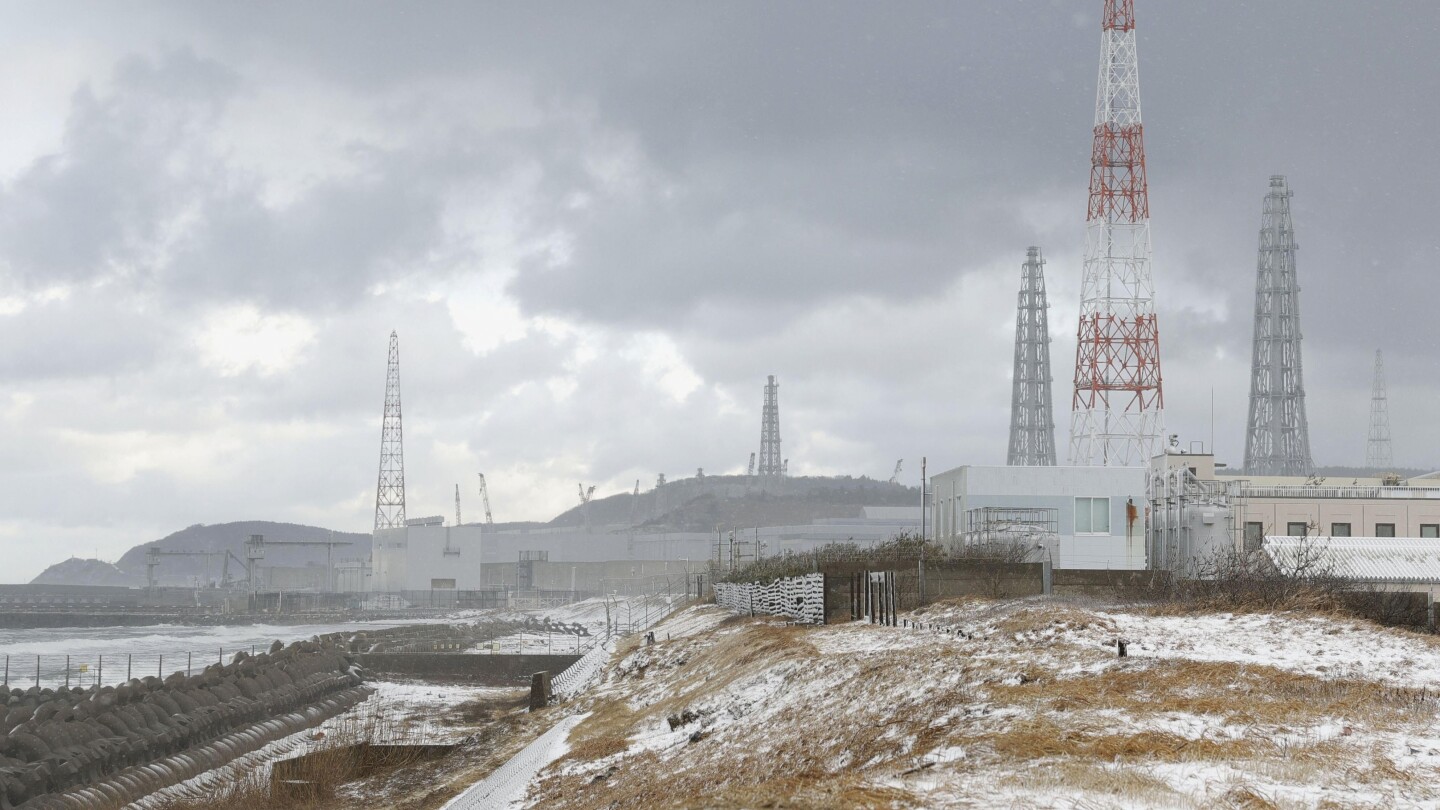
    Japan has initiated the restart process for the Kashiwazaki-Kariwa nuclear facility, the world’s largest nuclear power plant, marking Tokyo Electric Power Company Holdings’ (TEPCO) first return to atomic energy generation since the 2011 Fukushima disaster. The reactor No. 6 commencement represents a pivotal moment for Japan’s energy strategy as the nation confronts escalating electricity demands despite persistent public apprehension.

    The reactivation comes after years of regulatory scrutiny and safety upgrades, with TEPCO investing over 1 trillion yen ($6.33 billion) in protective measures including reinforced seawalls, earthquake-resistant command centers, and advanced filtered venting systems. The utility company remains under intense public scrutiny due to its management of the Fukushima Daiichi catastrophe, where meltdowns rendered surrounding areas uninhabitable and resulted in an estimated 22 trillion yen ($139 billion) cleanup cost.

    Local residents express conflicted sentiments, acknowledging potential economic benefits while voicing substantial concerns regarding evacuation feasibility in the earthquake-prone region. These worries intensified following the 2024 Noto Peninsula earthquake that caused significant infrastructure damage, demonstrating the potential impracticality of existing evacuation plans for the approximately 418,600 residents within the plant’s emergency zones.

    Japan’s policy reversal on nuclear energy reflects broader strategic calculations, including energy security needs following Russia’s invasion of Ukraine, rising fossil fuel costs, and increasing electricity demands from power-intensive AI data centers. The government now aims to nuclear power to constitute 20% of Japan’s energy mix by 2040, more than doubling its current contribution.

    The Kashiwazaki-Kariwa reactor will undergo phased activation, reaching 50% capacity within approximately one week before temporary shutdown for comprehensive inspection. Full commercial operation is anticipated by late February, representing a significant milestone in Japan’s reembrace of nuclear technology despite its complex legacy.