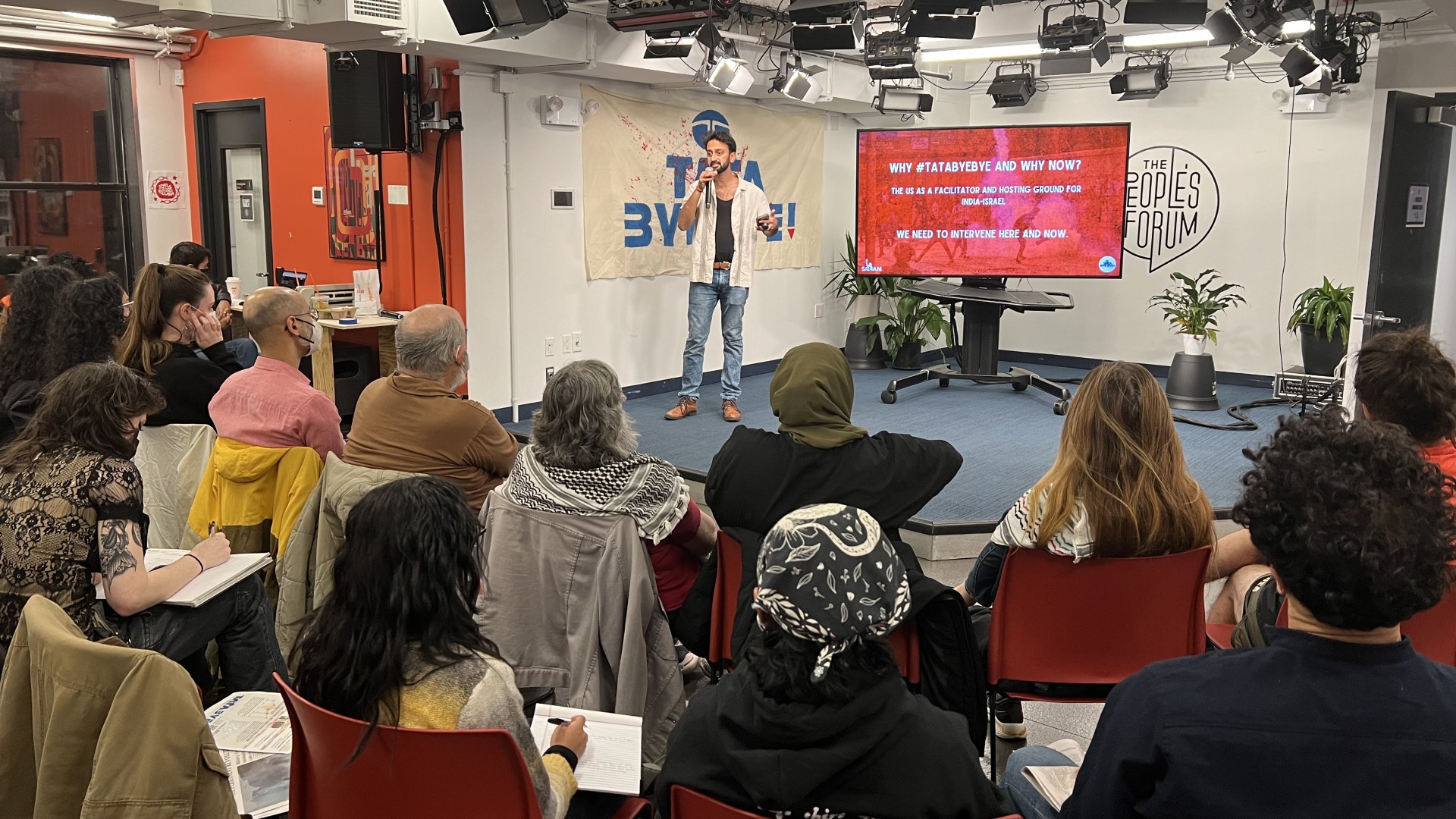
The Tata Group, a prominent Indian conglomerate, has come under intense scrutiny for its extensive ties with the Israeli government and military, as highlighted in a detailed 59-page report titled *Architects of Occupation: The Tata Group, Indian Capital, and the India-Israel Alliance*. Published by the South Asian political organization Salam, the report accuses Tata of being deeply embedded in systems of occupation, surveillance, and dispossession in Palestine. The report’s release coincides with growing pressure on the New York Road Runners (NYRR) to sever ties with Tata Consultancy Services (TCS), the title sponsor of the TCS New York City Marathon, over its alleged complicity in Israel’s actions in Gaza. Since 2024, activists in New York City have spearheaded the #TataByeBye campaign, accusing Tata of enabling Israel’s apartheid regime. The report alleges that Tata provides critical hardware, machinery, and digital infrastructure supporting Israel’s military operations. Tata’s involvement in Project Nimbus, a cloud-computing initiative with Amazon and Microsoft, has further fueled criticism, with activists claiming these partnerships contribute to surveillance and repression. The report also underscores Tata’s role in global defense networks, including joint ventures with American defense giants and collaborations with Israel Aerospace Industries. Tata Motors, through its subsidiary Jaguar Land Rover, supplies chassis for armored vehicles used by Israeli troops in the West Bank. Despite the controversy, Tata has not publicly responded to the allegations. The TCS New York City Marathon, scheduled for November 2, remains a focal point for activists aiming to disrupt Tata’s global image of corporate benevolence.
标签: Asia
亚洲
-

Delhi air quality reaches highest ‘hazardous’ levels in the world after Diwali fireworks
New Delhi’s air quality has reached alarming levels, registering as the most polluted major city globally following the Diwali festival. According to Swiss air quality monitoring group IQAir, the city’s PM 2.5 concentration soared to 442, exceeding the World Health Organisation’s annual guideline by more than 59 times. This hazardous spike is attributed to the widespread use of firecrackers during the Hindu festival of lights, despite the Supreme Court of India’s partial relaxation of a ban on their use. The court had allowed ‘green crackers’ for a limited three-hour window on Sunday and Monday, but reports indicate violations of these restrictions.
PM 2.5, particulate matter measuring 2.5 microns or less in diameter, poses severe health risks, including respiratory and cardiac diseases. India’s Central Pollution Control Board (CPCB) classified Delhi’s air quality as ‘very poor,’ with an Air Quality Index (AQI) of 350. The Ministry of Earth Sciences predicts no immediate relief, forecasting AQI levels to remain between 201 and 400 in the coming days.
Delhi’s winter smog, exacerbated by construction dust, vehicle emissions, and agricultural fires, has long been a public health crisis. Past measures to combat pollution include school closures, construction halts, and vehicle restrictions. The issue extends beyond India, with neighboring Pakistan’s Punjab province also grappling with toxic air. Lahore, Punjab’s capital, recorded an AQI of 234, the second-highest globally. Pakistani authorities have implemented an emergency plan targeting farm fires, smoke-emitting vehicles, and deploying anti-smog guns.
Experts warn that cross-border air pollution is exacerbating the crisis. Sajid Bashir, spokesperson for Punjab’s Environment Protection Agency, highlighted the impact of air currents from Indian Punjab on Pakistani air quality. As both nations face this environmental challenge, coordinated efforts are essential to mitigate the health and environmental impacts of hazardous air pollution.
-
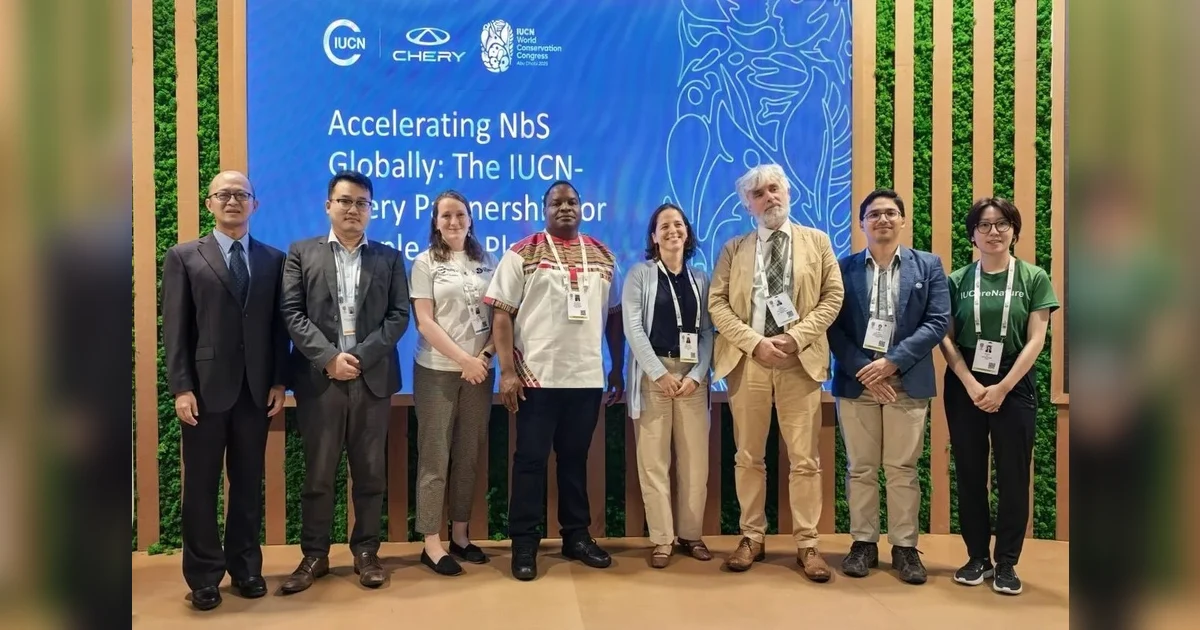
Chery Group and OMODA&JAECOO champion nature-based solutions at IUCN World Conservation Congress 2025
Chery Group, alongside its premium brand OMODA&JAECOO, has reaffirmed its dedication to environmental sustainability and global ecological responsibility at the IUCN World Conservation Congress 2025 in Abu Dhabi. As an official sponsor, Chery emphasized its commitment to sustainable growth through Nature-Based Solutions (NbS), positioning itself as a leader in aligning industrial progress with ecological preservation. Will Li, executive vice president of a Chery subsidiary in the UAE, delivered a keynote speech titled “Accelerating NbS Globally: The IUCN–Chery Partnership for People and Planet.” He highlighted Chery’s philosophy of creating local value and lasting community impact through responsible global engagement. Li noted that sustainable growth is central to Chery’s global strategy, as evidenced by its rise of 152 positions on the 2025 Fortune Global 500 list, now ranking 233rd. He stated, ‘Our success as a business is tied directly to how well we protect our shared home. True innovation combines technology, responsibility, and care for the planet.’ Chery’s partnership with the International Union for Conservation of Nature (IUCN) includes the ‘Cherish the Nature’ Global Partnership Program, launched in 2024 to conserve, restore, and sustainably manage over 10 million hectares of critical ecosystems worldwide. One notable project is the seagrass restoration program in Andalusia, Spain, aimed at protecting Posidonia seagrass meadows threatened by rising sea temperatures, tourism, and traditional mooring. OMODA&JAECOO has actively participated in these initiatives, working alongside IUCN experts to apply NbS principles. Li emphasized that the future of mobility must evolve in harmony with nature, stating, ‘We are not only designing intelligent vehicles — we are designing a sustainable future.’ OMODA&JAECOO’s innovation ecosystem includes the AiMOGA intelligent robot, reflecting its commitment to human-centric AI development. The brand is also organizing the International User Summit 2025 in China to shape the future of intelligent mobility through collaboration and innovation. Recently, OMODA&JAECOO launched the JAECOO J7 SHS (Super Hybrid System) in the UAE, showcasing exceptional fuel-electric synergy and advanced smart features designed for sustainability and performance. The OMODA C7, planned for launch in January 2026, will bring further advancements in intelligent green mobility. Chery’s sustainability framework focuses on a triple-bottom-line approach, ensuring ecological impact, economic empowerment, and social benefit. Li concluded, ‘Every conservation project we support must protect nature, empower people, and build resilient communities. This is how we transform conservation from aid into shared value creation.’ Through its partnership with IUCN, Chery is supporting five major marine and water resource protection projects globally, positioning itself as a strategic co-creator of long-term ecological solutions.
-
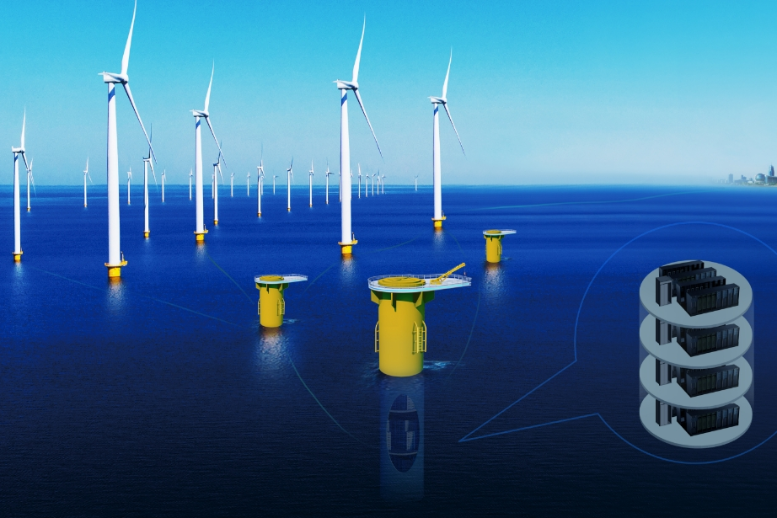
China completes construction of world’s first wind-powered underwater data center
In a groundbreaking achievement for sustainable technology, China has successfully completed the construction of the world’s first wind-powered underwater data center (UDC) in Shanghai. This innovative project, located in the Lin-gang Special Area of the China (Shanghai) Pilot Free Trade Zone, represents a significant leap forward in the integration of renewable energy and computing infrastructure. With an investment of 1.6 billion yuan (approximately $226 million), the UDC boasts a total power capacity of 24 megawatts. Unlike traditional land-based data centers, this facility is designed to utilize over 95% green electricity, drastically reducing power consumption by 22.8% and eliminating water and land use by 100% and over 90%, respectively. The completion of this project not only sets a new benchmark for green computing but also demonstrates the potential for offshore wind power to support large-scale, low-carbon data processing. This development is expected to inspire further advancements in sustainable technology and renewable energy integration globally.
-

Dubai: Gold prices rally continues as 18K moves closer to Dh400
Gold prices in Dubai witnessed a significant rally on Tuesday, with 18K gold inching closer to Dh400 per gram, driven by sustained market momentum. According to data from the Dubai Jewellery Group, 24K gold opened at Dh523.25 per gram, up from Dh521.75 per gram at Monday’s market close. Similarly, 22K, 21K, and 18K gold opened higher at Dh484.5, Dh464.75, and Dh398.25 per gram, respectively. Spot gold, however, experienced a slight dip, trading at $4,332.52 per ounce, down 0.23% at 9:15 AM UAE time. Dilin Wu, a research strategist at Pepperstone, noted that gold bulls faced significant resistance over the past week due to heightened market volatility. She attributed recent price swings to rapid developments in US-China trade tensions and global geopolitical events. Wu emphasized that the market’s anticipation of US Federal Reserve interest rate cuts and substantial ETF holdings continue to provide medium- to long-term support for gold. Traders are now focusing on upcoming US CPI data and corporate earnings releases, which could exert short-term pressure on gold prices. Intraday prices reached a record high of $4,379 but faced heavy selling during European and US trading hours, briefly dropping below $4,200. Despite this, gold posted a 5.7% weekly gain, marking its tenth consecutive weekly advance. Wu highlighted that a close above $4,300 this week could confirm a new upward momentum phase.
-

PGA Tour heads to Utah as South Korea hosts tournaments for LPGA and European Tour
The global golf scene is buzzing with excitement as major tournaments across the PGA, LPGA, and European Tours unfold. The PGA Tour’s Bank of Utah Championship, held at the Black Desert Resort in Ivins, Utah, boasts a $6 million purse, with the winner taking home $1.08 million. The event features top players like Alex Noren and Maverick McNealy, both ranked within the world’s top 20. This marks the tournament’s second year, now with a title sponsor, and showcases a challenging 7,421-yard course designed by the late Tom Weiskopf. Defending champion Matt McCarty, who triumphed in 2024, returns to defend his title. Meanwhile, the LPGA Tour’s Hanwha Lifeplus International Crown in Goyang, South Korea, brings together seven countries and a ‘rest of the world’ team for a thrilling fourball competition. With a $2 million prize pool, the winning team will earn $500,000. Notable players like Lydia Ko and Brooke Henderson add to the event’s prestige, though Nelly Korda’s withdrawal due to injuries is a setback. On the European Tour, the Genesis Championship in Cheonan, South Korea, offers a $4 million purse, with the winner claiming $666,667. This event is crucial for players vying to qualify for the Race to Dubai’s final tournaments. Stars like Hideki Matsuyama and Adam Scott are in the field, adding to the competition’s intensity. Across the globe, other tours, including the PGA Tour Champions, Asian Tour, and Ladies European Tour, are also in full swing, showcasing golf’s universal appeal and the sport’s top talent.
-

Sacred code: US, China and the rise of algorithmical theology
The recent agreement between the United States and China regarding the ownership of TikTok marks a significant milestone in the ongoing struggle over technological sovereignty. Under the terms of the deal, China retains a 20% stake in the platform and maintains control over its algorithm, a critical component of TikTok’s success. While American shareholders will oversee the algorithm’s usage, they will not own it outright. This arrangement underscores the ideological and strategic importance of algorithms in the digital age, as China views them as sacred and untouchable assets that traditional intellectual property rights (IPR) cannot adequately protect.
For China, the deal represents a partial victory. By retaining a minority stake, China ensures its continued presence in the U.S. market, a foothold that would have otherwise been lost entirely. The compromise highlights the broader ‘techno-theological’ disputes between the two nations, reminiscent of past conflicts such as the 2009 Google-China standoff. In that instance, China demanded access to Google’s source code, a condition the tech giant refused, leading to its exit from the Chinese market. Similar demands were made to other U.S. platforms like Facebook and Twitter, which also failed to gain entry.
TikTok’s case is unique due to its pivotal role in American politics, particularly its influence on the electoral process. With over 170 million followers on TikTok, President Donald Trump’s campaign would have been significantly impacted by a shutdown. This political leverage likely influenced the U.S. decision to accept the compromise, despite concerns over the platform’s potential risks.
The TikTok deal draws parallels to the Vatican’s agreement with China on the appointment of bishops, where the Pope retains control over the core doctrine while China manages its implementation domestically. Both agreements reflect a pragmatic approach to maintaining limited access in a highly controlled environment.
This deal also raises questions about the future of IPR and technological sovereignty. As algorithms become the cornerstone of modern innovation, their protection and control will remain a contentious issue. China’s insistence on retaining control over TikTok’s algorithm signals its broader strategy of state-directed technological development, challenging the Western model of IPR-based innovation.
The TikTok compromise is a testament to the evolving dynamics of U.S.-China relations, where ideological and technological disputes are increasingly resolved through pragmatic, albeit uneasy, agreements.
-
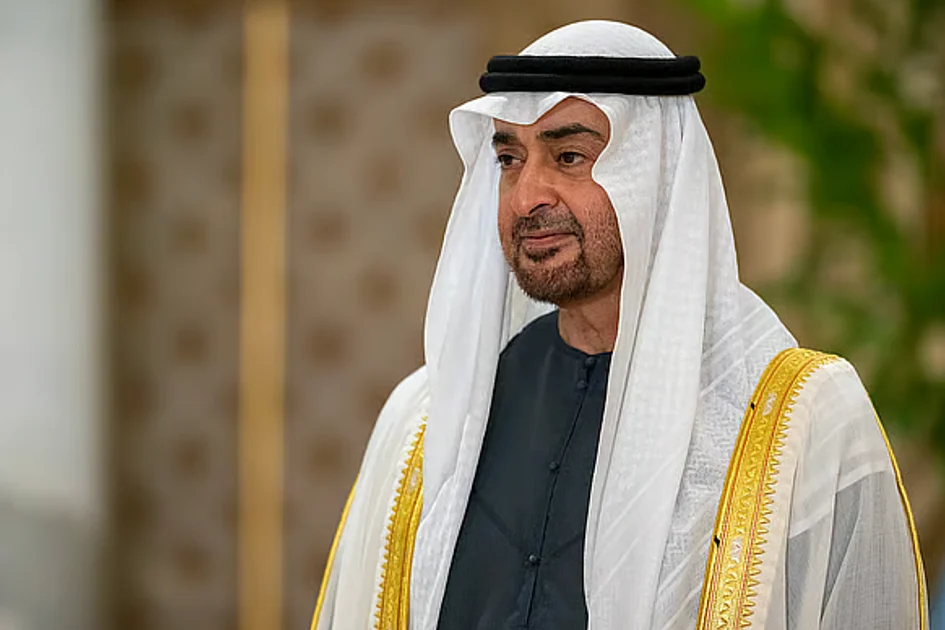
UAE President congratulates Takaichi, first female PM of Japan
In a historic moment for Japan, Sanae Takaichi has been elected as the nation’s first female Prime Minister. UAE President Sheikh Mohamed bin Zayed Al Nahyan extended his heartfelt congratulations to Takaichi, expressing his wishes for her success in steering Japan towards greater progress and development. The President also emphasized his eagerness to strengthen the already robust UAE-Japan relationship, highlighting the importance of their Comprehensive Strategic Partnership in fostering mutual growth and prosperity for both nations. Takaichi, the leader of Japan’s ruling Liberal Democratic Party, secured 237 votes in the lower house, surpassing the majority required in the 465-seat chamber. Her inauguration marks a significant milestone in Japan’s political landscape, reflecting a progressive shift in leadership. The UAE’s gesture underscores the importance of international diplomacy and the shared commitment to advancing bilateral ties.
-
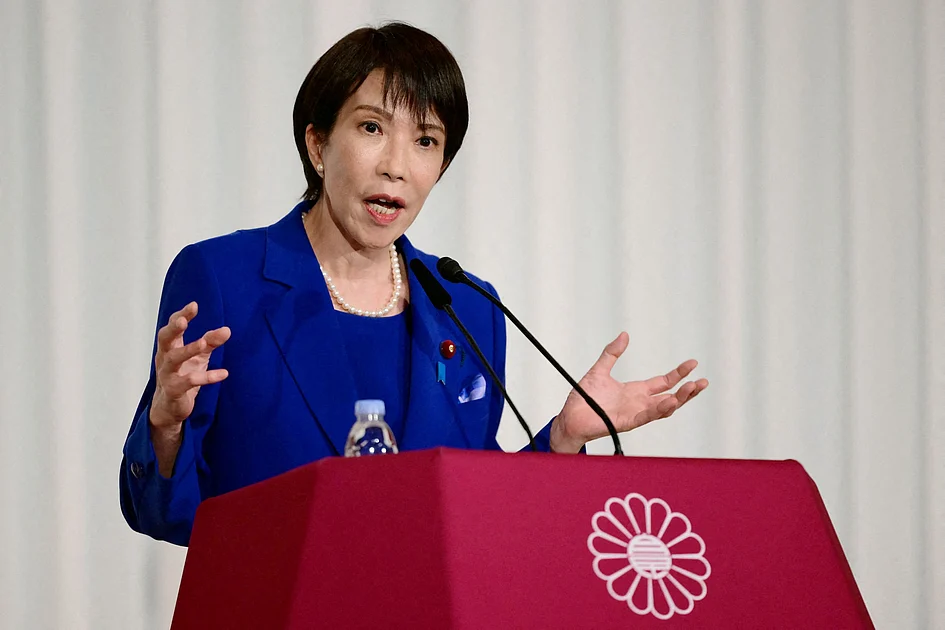
Japan’s Sanae Takaichi elected as first female prime minister
In a historic moment for Japan, Sanae Takaichi, leader of the ruling Liberal Democratic Party (LDP), has been elected as the nation’s first female prime minister. The landmark decision came after Takaichi secured 237 votes in the lower house election on Tuesday, surpassing the majority required in the 465-seat chamber. Her victory paves the way for her official inauguration later in the day, marking a significant milestone in Japan’s political landscape. Takaichi is expected to gain approval from the upper house, albeit less influential, and will be sworn in as Japan’s 104th prime minister. She succeeds Shigeru Ishiba, who resigned last month following electoral setbacks. Takaichi’s ascension is seen as a transformative step for gender equality in a country where women have historically been underrepresented in leadership roles. Her election also signals a potential shift in Japan’s political dynamics, as she takes the helm during a period of economic and social challenges.
-
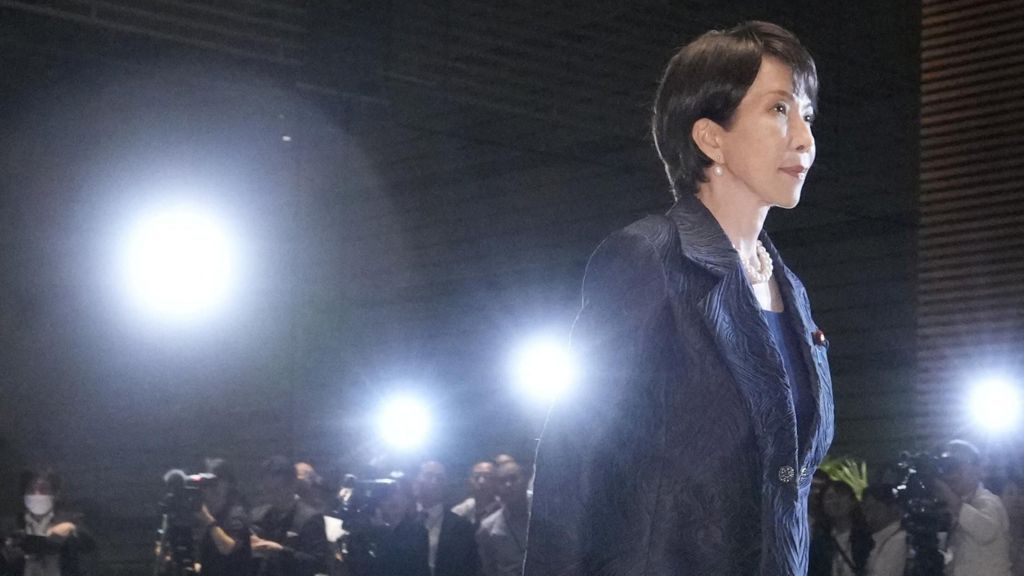
Japan’s first female leader: A historic moment with caveats
Sanae Takaichi’s ascension to the role of Japan’s first female prime minister marks a historic milestone in a nation long dominated by male leadership. For many young girls, her rise symbolizes a potential shift in societal norms, yet critics argue that her conservative policies may reinforce rather than challenge the patriarchal system. Takaichi, often compared to Britain’s Margaret Thatcher, has consistently opposed progressive measures such as same-sex marriage, separate surnames for married couples, and female succession in the imperial family. Her leadership is seen by some as a strategic move by the ruling Liberal Democratic Party (LDP) to appeal to its conservative base. Despite her historic achievement, Takaichi’s policies align closely with traditional gender roles, raising questions about her commitment to advancing women’s rights. Japan’s gender gap remains stark, ranking 118th globally in gender equality, with women holding only 15.7% of parliamentary seats. While some view her rise as a pivotal moment for women’s empowerment, others caution against celebrating her leadership without scrutinizing her policies. As Takaichi navigates economic challenges and prepares to host President Trump, gender equality appears unlikely to top her agenda.