标签: Asia

亚洲

  • Mirasi Group drives Mauritius’ urban transformation through visionary real estate investments

    Mirasi Group drives Mauritius’ urban transformation through visionary real estate investments

    Mirasi Group has established itself as a transformative force in real estate development across the Indian Ocean region, leveraging four decades of entrepreneurial expertise to reshape urban landscapes in Mauritius and Madagascar. Under the strategic guidance of Deputy CEO Yohan Ismael, the diversified conglomerate is executing an ambitious vision that integrates mixed-use developments, retail management, and long-term investment strategies to create comprehensive urban ecosystems.

    The Group’s philosophy centers on creating value for both investors and local communities through developments that combine strong governance with family-oriented values. This approach has positioned Mirasi as a preferred partner for international investors seeking exposure to Africa’s growing markets through Mauritius’ stable economic environment.

    Central to Mirasi’s transformation strategy is the comprehensive redevelopment of La City Trianon into a next-generation lifestyle destination. The project will incorporate retail spaces, entertainment venues, wellness facilities, diverse dining options, modern workspaces, and hospitality services. The upcoming addition of a Marriott-affiliated business hotel will further establish Trianon as a premier business district, catering to both regional travelers and local professionals.

    In residential real estate, Mirasi is addressing Mauritius’ growing demand for premium living through projects like OryView Residence, which offers modern, secure, and amenity-rich apartments. The company’s pipeline includes additional villa developments and residential communities, alongside ambitious plans for eco-luxury resorts designed to elevate the island’s tourism infrastructure.

    The Group’s expansion strategy extends to Madagascar through landmark projects including Mirasi Tower in Antananarivo, while utilizing Mauritius as a strategic gateway for planned entry into East African markets. This regional approach demonstrates Mirasi’s commitment to long-term growth across developing markets.

    For international investors, particularly those from Gulf regions, Mirasi offers access to Africa’s growth story through Mauritius’ political stability, robust connectivity, and favorable investment climate. The Group emphasizes partnerships with investors who share their vision for sustainable, high-impact developments that will define the next chapter of urban development across the Indian Ocean region.
  • Xi’s military purge is not really about corruption

    Xi’s military purge is not really about corruption

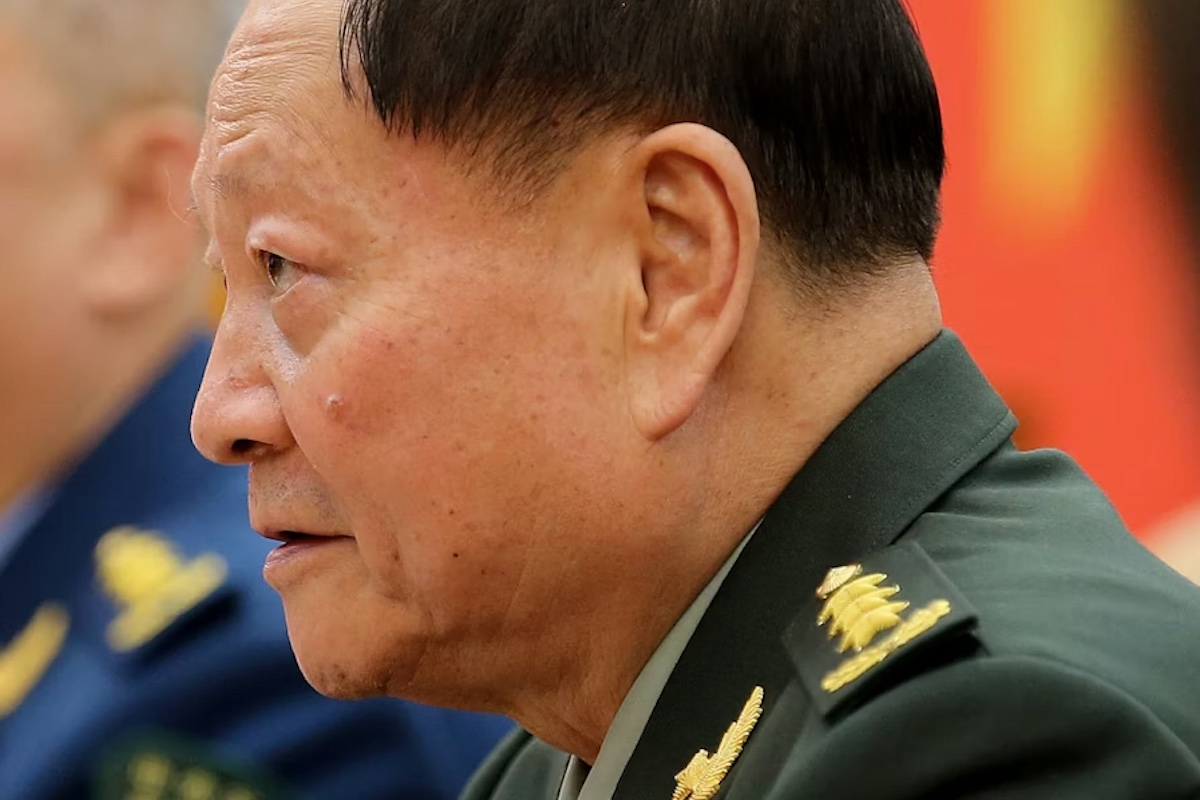
    China’s military command structure has undergone another significant transformation with the removal of General Zhang Youxia from his position as Vice Chairman of the Central Military Commission (CMC) on January 23. This development leaves only one of the original seven CMC members appointed three years ago still in office, marking one of the most substantial leadership overhauls in recent Chinese military history.

    President Xi Jinping, who chairs the CMC, has demonstrated a consistent pattern of removing senior officials throughout his tenure. This approach dates back to the early 2010s when several high-ranking Party members, including Politburo member Bo Xilai and security chief Zhou Yongkang, were purged under anti-corruption campaigns. The Party’s slogan at the time emphasized that ‘tigers’ (high-ranking officials) were equally vulnerable as ‘flies’ (lower-level officials) in the anti-graft drive.

    The recent focus has shifted to the People’s Liberation Army (PLA), which has experienced abrupt personnel changes. The disappearance and subsequent removal of Defense Minister Li Shangfu in mid-2023 preceded the current shakeup. According to the People’s Daily, the official Party newspaper, General Zhang and fellow CMC member Liu Zhenli were formally accused of exacerbating political and corruption issues that threatened Party control over the military.

    While speculation about internal power struggles continues, including unverified claims about nuclear secrets and coup attempts, what remains evident is the PLA’s ongoing structural challenges. General Zhang, in his seventies, represented one of the few senior military figures with actual combat experience from the Vietnam War. Despite reported personal connections to Xi through their shared Shaanxi province origins, personal relationships appear secondary to political objectives in China’s highest leadership circles.

    The timing of these changes is particularly significant as China faces multiple challenges, including economic pressures, demographic issues, and increasing international uncertainty. The performance of Russian forces in Ukraine has reportedly caused concern among Chinese leadership about their own military’s capabilities, particularly regarding potential operations against Taiwan.

    President Xi’s demand for absolute loyalty and battle readiness appears to be driving these personnel decisions. The coming year is expected to bring generational changes throughout China’s leadership structure, with significant implications for the country’s military posture and broader political direction.

  • TDB Group: Supporting Africa’s trade, integration and sustainable development

    TDB Group: Supporting Africa’s trade, integration and sustainable development

    Since its establishment in 1985, the Trade and Development Bank Group (TDB Group) has transformed from addressing Africa’s critical financing shortages into a premier multilateral financial institution driving continental progress. With a formidable asset portfolio exceeding $10 billion and shareholder capital of approximately $2.3 billion, the Group boasts an impressive network of over 80 sovereign and institutional shareholders across its subsidiaries.

    Over four decades of operation, TDB Group has deployed a cumulative $58 billion in financing and guarantee facilities, creating tangible impact through the support of more than 1.3 million jobs and directly benefiting an estimated 16 million people across Africa. This remarkable growth trajectory has been orchestrated under the strategic leadership of Group President and Managing Director Admassu Tadesse, who has implemented comprehensive governance, capital, and organizational reforms.

    A watershed moment arrived in 2017 when TDB achieved its inaugural investment-grade credit ratings, fundamentally enhancing its capacity to channel global capital into African markets on favorable terms that individual nations might struggle to secure independently. This financial credibility has positioned the institution as a critical intermediary connecting international investors with Africa’s development ambitions.

    The Group’s operational focus spans three pivotal areas: financing intra-African trade, strengthening industrial value chains, and developing cross-border infrastructure. Notable initiatives include facilitating fertilizer trade between Morocco and Ethiopia, alongside substantial investments in manufacturing, railway networks, energy projects, and digital connectivity infrastructure.

    Tadesse emphasizes the strategic alignment with continental integration goals, stating: ‘Sustainable development in Africa centres on economic integration,’ highlighting the institution’s synchronization with African Continental Free Trade Area objectives.

    Mauritius has emerged as a strategic operational hub, hosting critical Group functions including asset management and captive insurance platforms alongside conventional development banking operations. From this Indian Ocean base, TDB mobilizes regional and global capital—including significant investments from Gulf partners—to advance Africa’s sustainable development agenda through both commercial and concessional financing instruments.

  • Intercontinental Trust: Cross-border investment in a dynamic global landscape

    Intercontinental Trust: Cross-border investment in a dynamic global landscape

    The global investment landscape has undergone profound transformation over the past twenty years, compelling investors to rethink traditional cross-border expansion strategies. While established financial centers maintain their relevance, contemporary investment demands now require sophisticated platforms offering regulatory stability, extensive geographic coverage, and seamless multi-jurisdictional operational capabilities.

    Mauritius-based Intercontinental Trust, established in 1999, has strategically positioned itself at the forefront of this evolution. Operating under the regulatory oversight of the Financial Services Commission of Mauritius, the organization delivers comprehensive corporate, fiduciary, fund administration, and specialized tax services to institutional clients, investment banks, private equity entities, and high-net-worth individuals. The company’s core expertise lies in structuring durable cross-border investment mechanisms designed for long-term performance.

    Geographic investment patterns have notably shifted during this period. While Asian markets initially dominated global capital flows, African economies have emerged as increasingly attractive destinations for international investment. Mauritius’ robust legal framework and bilateral agreements have established the nation as a strategic gateway connecting capital sources with opportunities across both continents.

    Intercontinental Trust has further expanded its operational footprint through its Dubai office, licensed by the Department of Economic Development, creating additional connectivity between Middle Eastern capital and global investment opportunities. With physical presence in Mauritius, Dubai, Seychelles, South Africa, and Singapore, the organization has built a truly intercontinental network facilitating capital movement across emerging and established markets.

    The company’s evolution mirrors broader industry trends where investors increasingly prioritize jurisdictions offering regulatory clarity, political stability, and sophisticated financial infrastructure. This approach represents a significant departure from earlier investment models that focused predominantly on traditional financial hubs without regard for specialized regional expertise.

  • Abler Group: Redefining AML/CFT compliance as a strategic advantage

    Abler Group: Redefining AML/CFT compliance as a strategic advantage

    In an evolving global financial landscape where regulatory requirements increasingly shape operational frameworks, Abler Group has emerged as a pioneering force in redefining compliance paradigms. Established in Mauritius in 2017 under CEO Shahannah Abdoolakhan’s leadership, the organization has developed a distinctive operational philosophy that positions regulatory adherence not as a constraint but as a catalyst for business growth.

    The company addresses a critical industry challenge: the traditional perception of Anti-Money Laundering and Counter-Financing of Terrorism (AML/CFT) compliance as merely reactive obligations rather than strategic functions. Through its innovative approach, Abler integrates commercially intelligent compliance frameworks directly into daily business operations, transforming regulatory requirements from potential obstacles into competitive advantages.

    With operational bases in Mauritius and expanding presence in the United Arab Emirates and Dubai International Financial Centre, Abler delivers comprehensive support to banks, financial institutions, and corporations across multiple jurisdictions. Their service portfolio encompasses AML audits, remediation initiatives, regulatory advisory services, specialized training programs, and technology-driven compliance solutions designed to navigate complex cross-border regulatory environments.

    Chief Executive Shahannah Abdoolakhan articulates the company’s core principle: “Effective compliance represents a valuable investment, whereas inadequate compliance inevitably becomes a costly expense.” This foundational belief guides Abler’s methodology, demonstrating that properly implemented AML/CFT protocols can simultaneously enable sustainable growth, establish stakeholder trust, and protect long-term organizational value.

    The group’s progressive approach reflects a broader industry shift toward recognizing regulatory compliance as an integral component of strategic business planning rather than merely a technical requirement. By aligning compliance objectives with commercial goals, Abler helps organizations convert regulatory complexity into operational confidence and sustainable development.

  • Standard Chartered Mauritius: A super-connector linking Africa, Asia and the Gulf

    Standard Chartered Mauritius: A super-connector linking Africa, Asia and the Gulf

    Positioned uniquely within Standard Chartered’s global network, the Mauritius operation has established itself as a pivotal financial bridge connecting three dynamic economic regions: Africa, Asia, and the Middle East. Operating across some of the world’s most rapidly expanding trade and investment corridors, the institution combines profound local market intelligence with international banking capabilities to serve corporations, financial institutions, and investors navigating complex cross-border landscapes.

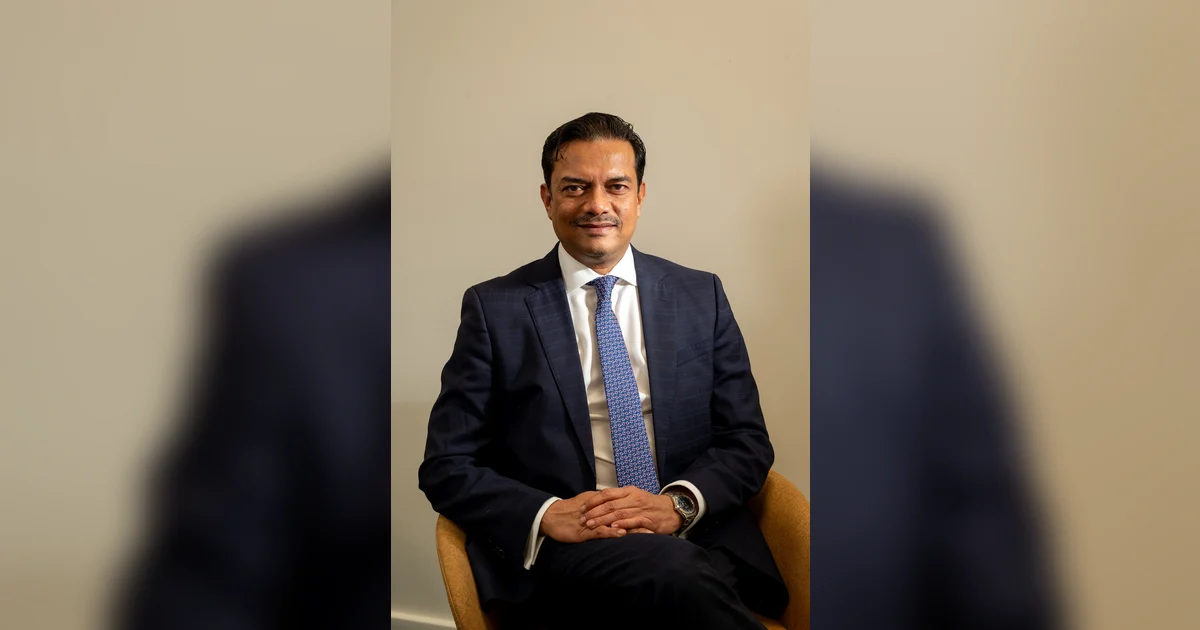
    According to Abrar A. Anwar, CEO and Head of Coverage at Standard Chartered Mauritius, the bank’s network represents its fundamental competitive advantage. “We function as a super-connector financial institution, enabling multinational corporations to capitalize on growth potential across emerging and frontier markets,” Anwar stated. The Group recognizes Mauritius not merely as an entry point to the African continent but as a crucial anchor market for Sub-Saharan Africa, consistent with its strategic objective to become the ‘Gateway to Africa and Asia’.

    The Mauritian franchise benefits from an exceptional operational footprint. As the sole global bank in Mauritius maintaining presence in nine additional African nations, Standard Chartered provides clients with confident access to regional opportunities. Its comprehensive service portfolio includes cash management, custody services, trade finance, financial markets operations, and transactional banking—all supported by sophisticated digital solutions and efficient, reliable cross-border payment systems.

    Mauritius’s evolution into a significant International Financial Centre (IFC) further amplifies the bank’s strategic importance. The jurisdiction currently hosts over 20,000 global business entities and approximately 1,000 funds that collectively administer assets surpassing $1 trillion. While capital flows traditionally originated from European and American sources, post-pandemic investment patterns demonstrate increasing Asia-to-Africa investment, particularly within infrastructure, mining, and energy sectors. Standard Chartered Mauritius facilitates these financial movements through customized treasury services, foreign exchange solutions, and specialized structuring capabilities.

    Digital transformation constitutes a fundamental pillar of the bank’s strategic direction. Throughout the past five years, Standard Chartered has allocated approximately $300 million toward technological advancement across Sub-Saharan Africa. The Straight-to-Bank platform alongside regional liquidity management solutions continue to optimize efficiency for regional treasury centers, with Mauritius leading the implementation of such capabilities continent-wide.

    Environmental and social governance principles are deeply integrated into the bank’s operational framework. Standard Chartered provided technical assistance to the Mauritian government in developing its inaugural Sustainable Finance Framework during 2023 and subsequently served as Sustainability Coordinator for a groundbreaking $400 million sustainability-linked loan facility. “Sustainable finance requires tailored approaches rather than universal solutions, particularly for small island economies,” Anwar emphasized, underscoring the necessity for customized transition financing mechanisms.

    Through robust governance protocols, security-focused platform design, and close regulatory cooperation, Standard Chartered Mauritius maintains its position as a reliable financial partner, channeling global capital toward local economic ambitions while supporting the nation’s long-term developmental objectives.

  • Enhanced airport services ease chunyun journey

    Enhanced airport services ease chunyun journey

    China’s extensive 2026 Spring Festival travel period (chunyun) is now officially underway, marked by unprecedented operational coordination among the nation’s aviation sectors. In response to the extended holiday timeline—the longest recorded—airports nationwide have implemented comprehensive service enhancements to accommodate the massive surge in passenger traffic.

    Airlines, airport authorities, and air traffic control agencies have achieved full synchronization in their preparations. Key measures include a significant expansion of flight capacity, the optimization of check-in procedures to reduce waiting times, and the implementation of advanced logistical protocols to ensure terminal operations proceed without disruption.

    A notable improvement is the streamlined experience for international travelers arriving at major hubs like Beijing Capital International Airport. Authorities have successfully integrated processing systems, allowing international passengers to clear checks with efficiency comparable to domestic travel, effectively eliminating previous bottlenecks during peak periods.
    This systemic upgrade represents a significant investment in China’s transportation infrastructure, aiming to transform the traditionally hectic chunyun into a smoother and more manageable travel experience for millions of citizens journeying for family reunions.

  • Chinese railways handle 12.24m trips on 1st day of Spring Festival travel rush

    Chinese railways handle 12.24m trips on 1st day of Spring Festival travel rush

    China’s monumental Spring Festival travel period launched with extraordinary momentum as the national railway network recorded approximately 12.24 million passenger journeys on its inaugural day, according to official data released by China State Railway Group Co., Ltd. The figures, reported on Tuesday, February 4th, 2026, demonstrate the massive scale of what is routinely described as the planet’s largest annual human migration event.

    The colossal transportation operation, known locally as ‘chunyun,’ extends across a 40-day timeframe concluding on March 13th. By 8:00 AM Tuesday, the state-operated ticketing platform 12306 had already processed a staggering 84.49 million ticket reservations for rail travel throughout this period.

    Anticipating sustained high demand, railway authorities projected 11.15 million passenger trips for the second day of the travel rush. To accommodate the unprecedented movement of people, transportation coordinators have deployed an additional 879 trains across the national network, implementing special scheduling measures to ensure smooth operations.

    The Spring Festival, celebrating the Lunar New Year beginning February 17th, represents China’s most significant traditional holiday with official observances spanning nine days. This year’s travel rush is forecast to generate a historic 9.5 billion inter-regional passenger journeys nationwide, with railway systems expected to manage approximately 540 million of these trips, underscoring the critical role of rail infrastructure in China’s seasonal migration patterns.

  • After retrial, high court sentences man to death

    After retrial, high court sentences man to death

    In a significant judicial reversal, the Yunnan High People’s Court has sentenced Tian Yongming to death for intentional homicide, overturning a previously suspended death penalty. The ruling concludes a protracted legal process stemming from violent crimes committed over two decades ago.

    The court determined that Tian’s extensive criminal history, beginning with a 1996 conviction for the rape and attempted murder of his sister-in-law, demonstrated exceptional severity warranting capital punishment. After serving a nine-year prison term, Tian immediately sought retaliation against his victim upon release in 2002.

    On November 13, 2002, Tian forcibly entered the woman’s residence armed with a knife. When she escaped, villager Liu Mingfu attempted intervention but was fatally stabbed multiple times. Tian subsequently caught his sister-in-law and inflicted severe stab wounds before bystanders halted the assault.

    Following nearly twenty years as a fugitive, technological advancements in surveillance and intelligence analysis enabled authorities to locate and arrest Tian in February 2022 in Changsha, Hunan province. The Yuxi Intermediate People’s Court initially issued a suspended death sentence later that year.

    The case underwent multiple judicial reviews, with the high court initially upholding the suspended sentence in October 2025 under the principle prohibiting increased penalties upon appeal. However, just two days later, the court ordered a retrial citing improper legal application and inappropriate sentencing.

    The final judgment emphasized that Tian’s actions reflected blatant disregard for legal and social norms, demonstrating profound malicious intent and particularly heinous circumstances that posed grave societal threats. The court noted the defendant’s complete lack of remorse despite previous imprisonment.

    The death sentence now proceeds to the Supreme People’s Court for mandatory review, as required by Chinese law. Beijing-based lawyer Xu Hao confirmed that Tian retains the right to submit final appeals and defense statements during this review process.

  • New reforms simplify access to public services

    New reforms simplify access to public services

    Chinese authorities have launched a significant new package of administrative reforms aimed at reducing bureaucratic hurdles and enhancing economic vitality. This latest initiative, comprising 13 specific measures, represents the first batch of reforms for 2026 and the fifth overall since the comprehensive campaign began in 2024, bringing the total number of streamlined procedures to 55.

    The reforms target high-frequency service needs for both individuals and enterprises, transforming traditionally fragmented, multi-step processes into seamless, intelligent experiences through improved inter-departmental data sharing. Key improvements include simplified nursing home registration procedures, easier mobile phone access for international visitors, streamlined annual reviews for technology innovation companies, and more efficient intellectual property transfers.

    Other notable enhancements cover public event security clearances, childcare and elderly welfare subsidies, social insurance payments for flexible workers, and maritime vessel departure procedures. The changes demonstrate a shift from simple physical combination of services toward what Xinhua News Agency describes as a ‘chemical reaction’ of deeply integrated administration.

    The reforms respond to contemporary social trends including pro-fertility policies and increased foreign visitation following relaxed visa transit rules. One particularly impactful change involves streamlined approvals for public events, accelerated by the remarkable success of Jiangsu province’s ‘Suchao’ amateur soccer league, which attracted record crowds of over 28,000 per match and generated 38 billion yuan in consumption revenue last year.

    Academic experts emphasize the broader significance of these measures. Huang Huang, Deputy Dean of Peking University’s School of Government, notes that the campaign serves as a critical driver of high-quality development by reducing institutional costs and improving business efficiency. Professor Zheng Lei from Fudan University’s School of International Relations and Public Affairs adds that these streamlined procedures liberate the public from bureaucratic constraints while enabling businesses to refocus on core activities like research, market expansion, and product innovation.