
China has unveiled an advanced artificial intelligence (AI)-powered large language model, Fenghe, specifically designed for meteorological applications. Launched on Tuesday by the China Meteorological Administration’s Public Meteorological Service Center, the model aims to provide smarter, personalized, and scenario-based weather services for both the public and various industries. According to Zhu Xiaoxiang, director of the center, Fenghe integrates general large language model capabilities with specialized meteorological knowledge, trained on 550 billion tokens of meteorological data to ensure accuracy. Users can access the model via a miniprogram or website, receiving immediate AI-generated responses to weather-related queries, ranging from disaster alerts to tailored suggestions for transportation, tourism, logistics, energy, and health. For example, in self-driving scenarios, Fenghe acts as a travel adviser, offering real-time recommendations such as avoiding flooded highways during storms or suggesting indoor destinations during severe weather. The system also connects to real-time meteorological data systems like Fenglei for nowcasting and Fengqing for short-range forecasting. Li Juanzi, a professor at Tsinghua University, emphasized Fenghe’s deep integration with real-world applications, aiming to meet public life, administrative, and emergency coordination needs. Wang Jianghai, deputy director of the Ministry of Emergency Management’s flood and drought disaster prevention department, highlighted the model’s role in enhancing disaster prevention and response capabilities, describing it as an expert adviser for flood control workers and a reliable weather companion for the public. The China Meteorological Administration plans to continuously evaluate and optimize Fenghe through a standardized testing system to ensure its long-term effectiveness.
标签: Asia
亚洲
-
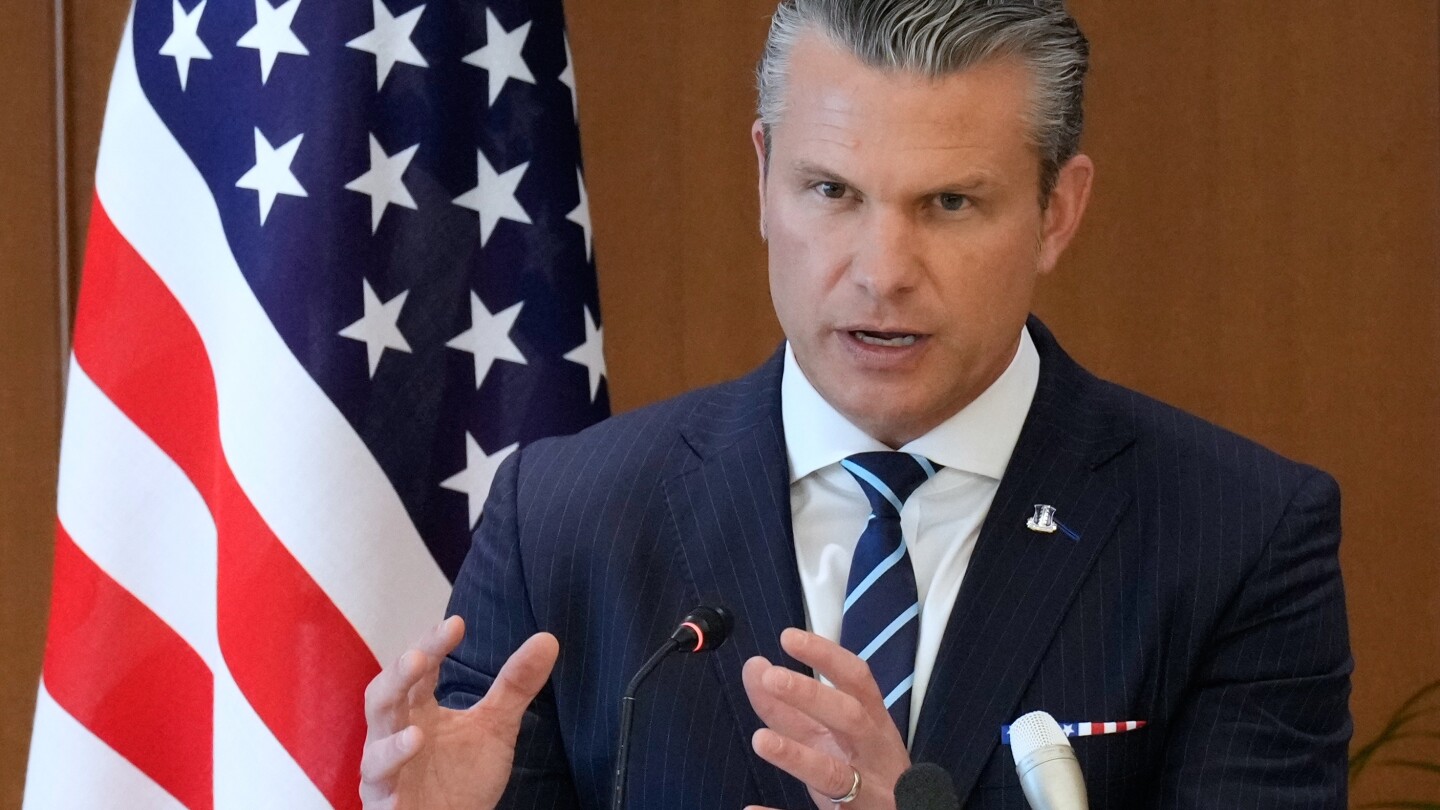
Hegseth welcomes Japan’s arms spending increase, says US-Japan alliance key to deter China
In a significant development for regional security, U.S. Defense Secretary Pete Hegseth has lauded Japan’s commitment to expediting its military expansion and increasing defense spending. During his visit to Tokyo on Wednesday, Hegseth emphasized the urgency of addressing China’s escalating military assertiveness, describing it as a tangible and pressing threat. He underscored the critical role of the U.S.-Japan alliance in deterring Chinese aggression and ensuring regional stability. Hegseth expressed his approval of Japanese Prime Minister Sanae Takaichi’s pledge to raise defense spending to 2% of the nation’s gross domestic product by March, two years ahead of the original schedule. This move aligns with Japan’s broader strategy to revise its national security framework and enhance its military capabilities. Hegseth clarified that the U.S. had not pressured Japan into this decision, framing it as a proactive step by Tokyo. The agreement also includes expedited deliveries of U.S.-made Advanced Medium Range Air-to-Air Missiles (AMRAAM), further strengthening Japan’s defensive posture. Japan’s shift from its post-World War II pacifist stance, marked by the 2022 security strategy, reflects its growing focus on self-reliance and offensive capabilities. The Takaichi administration is also exploring ways to ease restrictions on arms exports, signaling a historic transformation in Japan’s defense policy.
-
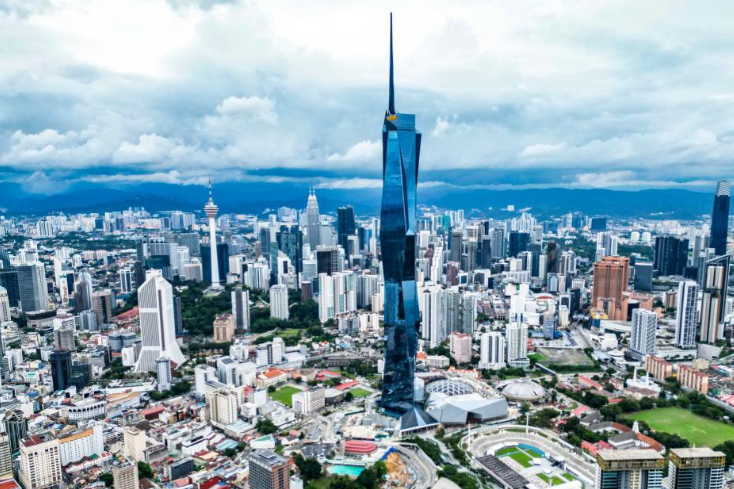
Trade talks signal hope of stability, experts say
The recent US-China trade negotiations held in Kuala Lumpur, Malaysia, have been described by experts as a pivotal moment for stabilizing economic relations between the world’s two largest economies. The talks, which took place over two days, involved high-level officials from both nations, including China’s Vice-Premier He Lifeng and US Treasury Secretary Scott Bessent, alongside US Trade Representative Jamieson Greer. Anthony Moretti, an associate professor at Robert Morris University, emphasized the importance of these discussions in fostering bilateral growth, though he acknowledged the challenges posed by shifting US policies. Gary Hufbauer, a senior fellow at the Peterson Institute for International Economics, highlighted the critical nature of the talks, warning that their outcome could either lead to a tariff truce in 2026 or a resurgence of trade tensions. Both experts stressed the need for consistent and durable agreements to bolster business confidence and global economic growth. The negotiations addressed key issues such as export controls, tariff suspensions, and expanded cooperation, with both sides describing the sessions as constructive. Markets responded positively to the progress, with the S&P 500 reaching a record high and gold futures declining as risk appetite increased. Wendy Cutler, former acting US Trade Representative, praised the focus on cooperation rather than rigid commitments, signaling a potential shift towards more collaborative trade relations.
-
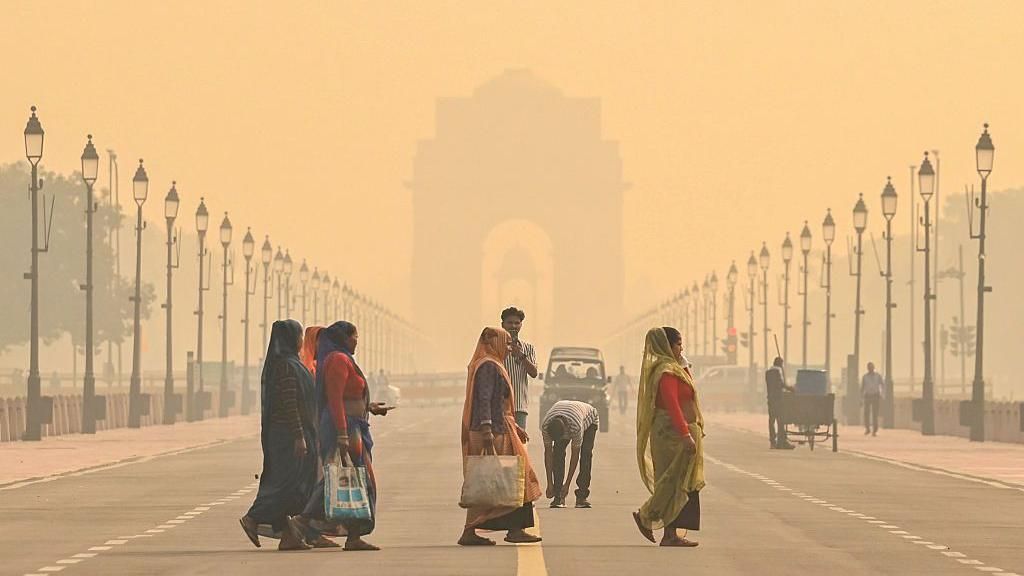
Why Delhi’s experiment to fix toxic smog with artificial rain failed
Authorities in Delhi, India, conducted an unsuccessful cloud seeding trial on Tuesday in an effort to combat the city’s escalating air pollution crisis. The experiment, led by the Indian Institute of Technology (IIT) Kanpur and the Delhi government, aimed to induce rainfall by dispersing silver iodide and sodium chloride particles into the atmosphere using a Cessna aircraft. However, the attempt—the first in 50 years—was deemed “not completely successful” due to insufficient moisture in the air. Despite the lack of rain, IIT Kanpur reported a measurable reduction in particulate matter, suggesting that cloud seeding could still contribute to improved air quality under limited moisture conditions. Delhi’s Air Quality Index (AQI) has remained alarmingly high, ranging between 300 and 400—nearly 20 times the acceptable limit—over the past two weeks. Experts, including IIT Kanpur’s director Manindra Agarwal, have cautioned that cloud seeding is an emergency measure rather than a long-term solution. Delhi’s Environment Minister Manjinder Sirsa announced plans to repeat the trial in the coming weeks as moisture levels in the clouds are expected to increase. Historically, Delhi’s first cloud-seeding experiment dates back to 1957, with another attempt in 1972. The city had considered the technique in 2023 but faced delays due to pending court approvals. While cloud seeding has shown mixed results globally—with China claiming success during the Olympics and the UAE facing skepticism after floods in Dubai—its efficacy remains debated. Climate change expert Abinash Mohanty emphasized the lack of empirical evidence on its impact and the inherent limitations of altering natural processes.
-

China passes its newly revised Maritime Law
In a significant legislative move, China’s National People’s Congress Standing Committee has approved a comprehensive revision of the country’s Maritime Law. The updated legislation, which will come into force on May 1, 2026, comprises 16 chapters and 310 articles, reflecting the latest developments in global shipping and trade practices. The revised law aims to balance the interests of various stakeholders while aligning with international maritime conventions. Key updates include adjustments to the rights and obligations of maritime participants, the legal recognition of electronic transport records, and enhanced provisions for marine environmental protection. Notably, a new chapter addressing liability for ship oil pollution damage has been introduced, underscoring China’s commitment to marine ecological conservation. The law also emphasizes international cooperation in maritime affairs, supporting the high-quality development of China’s shipping industry. Additionally, it includes provisions to address foreign-related legal applications, further solidifying China’s position as a maritime and shipping power.
-
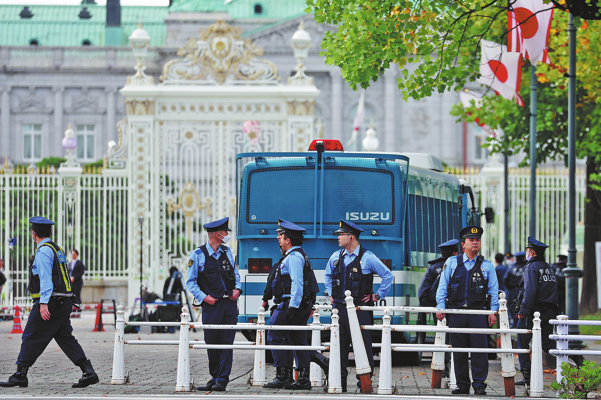
Japan, US leaders sign economic agreement
In a significant diplomatic move, Japan’s newly elected Prime Minister Sanae Takaichi and US President Donald Trump solidified their nations’ alliance through a series of economic and defense agreements during their meeting in Tokyo on Tuesday. The leaders signed a document reaffirming the implementation of a trade deal initially reached in July, which includes Japan’s pledge to invest $550 billion in critical US industries such as semiconductors, rare earths, and shipbuilding. Additionally, Japan committed to increasing its purchases of US agricultural products.
-
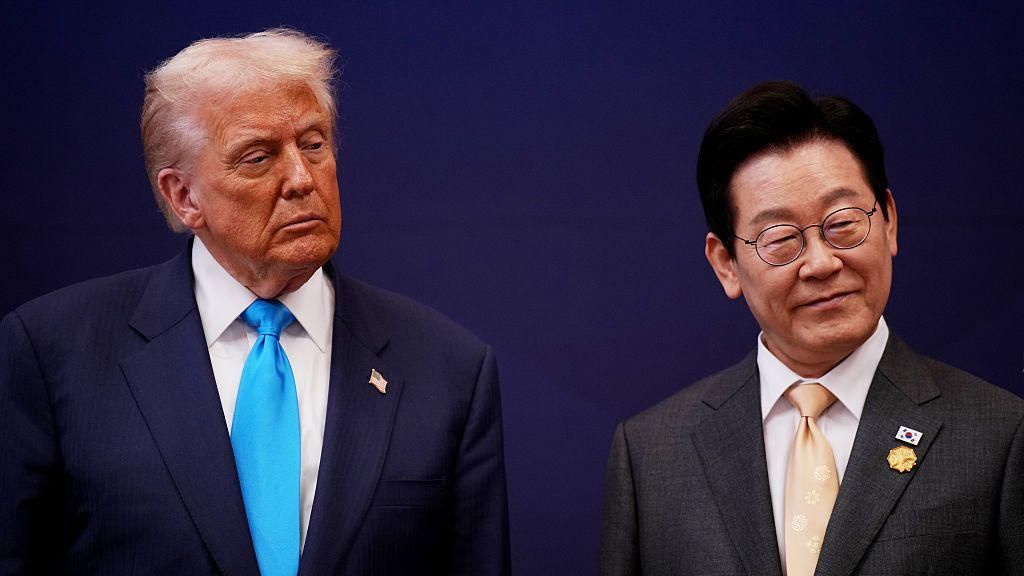
Trump meets South Korean leader as trade deal remains elusive
US President Donald Trump and South Korean President Lee Jae Myung held a significant meeting during the final leg of Trump’s whirlwind tour across Asia. The discussions, which lasted nearly two hours, focused on resolving the ongoing trade deal impasse between the two nations. Despite previous agreements in July, where South Korea committed to investing $350 billion in the US to mitigate tariffs, negotiations have stalled over the structure of these investments. Historically strong allies, the US and South Korea have recently faced tensions following the detention of hundreds of South Koreans in a US immigration raid last month. Trump, who is on a week-long trip in Asia, is also scheduled to meet Chinese President Xi Jinping on the sidelines of the Asia-Pacific Economic Cooperation (Apec) summit in Gyeongju. This will be their first face-to-face meeting since Trump assumed office in 2025 and imposed global tariffs. During his address to CEOs in Gyeongju, Trump expressed optimism about reaching a beneficial trade deal with China and praised Apec countries for their efforts in reforming the global trading system. Trump was honored with South Korea’s highest decoration, the Grand Order of Mugunghwa, in recognition of his contributions to peace on the Korean Peninsula. Despite the high-profile meeting, no concrete agreements were announced, leaving South Korea’s electronics, chip, and auto industries in uncertainty. Earlier this year, Trump had imposed a 25% tariff on South Korea, which was later negotiated down to 15% after Seoul pledged significant investments in the US. However, the White House has since increased its demands, pushing for cash investments. The visit was marked by protests and rallies, reflecting the complex geopolitical dynamics in the region.
-

Australia wins the toss and sends India in to bat in Twenty20 series opener at Canberra
In a strategic move to assess form and readiness for the upcoming T20 World Cup, Australian captain Mitch Marsh elected to field first after winning the toss in the series-opening Twenty20 international against India on Wednesday. The match, held in Australia, marks the beginning of a five-game series designed to help both teams fine-tune their strategies in the shortest format of international cricket before transitioning back to test matches.
-
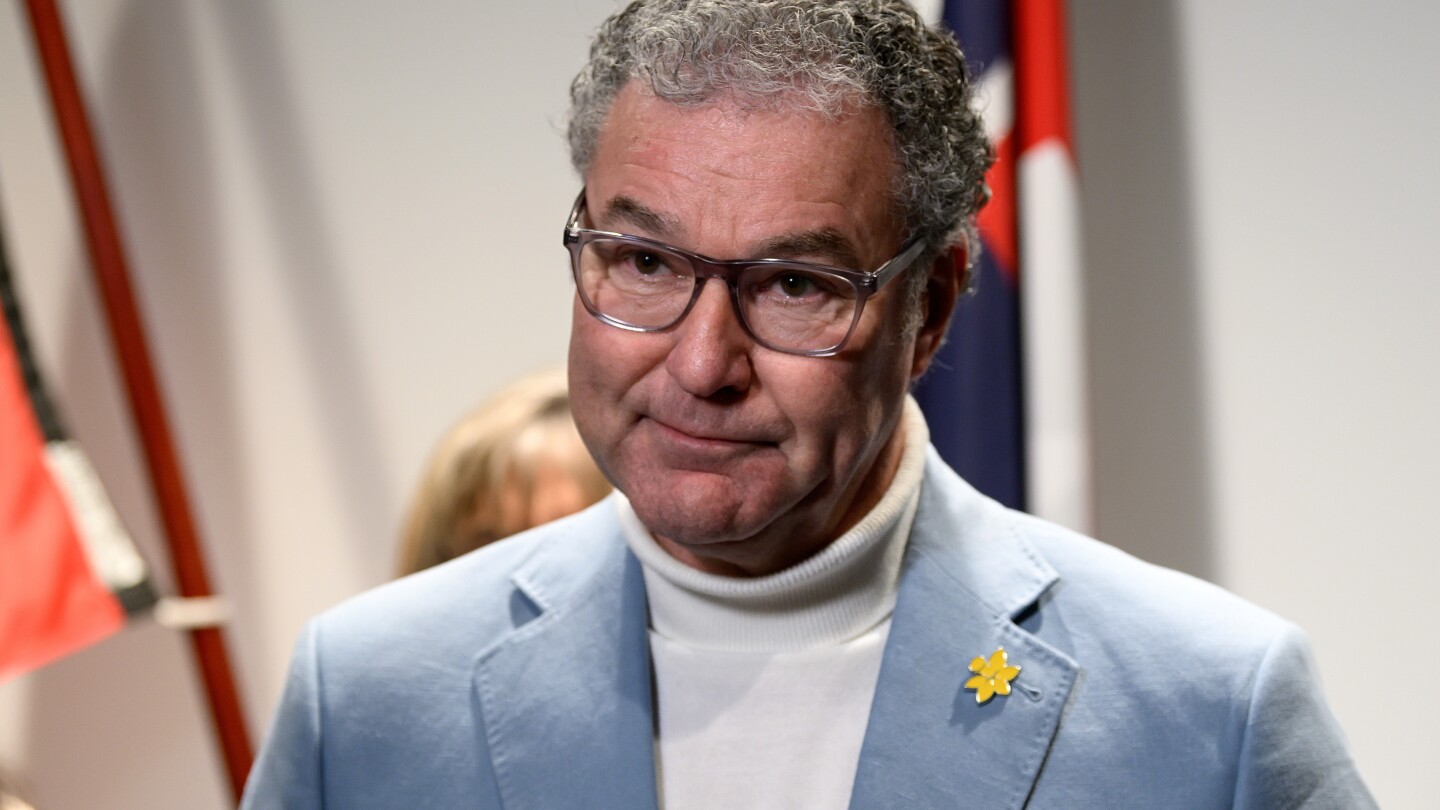
Studying the wrong ancient Roman ruler gets Australian high school seniors out of a history exam
In a surprising turn of events, teachers at nine high schools in northeastern Australia discovered just days before an ancient history exam that they had mistakenly taught their students about Augustus Caesar instead of his predecessor, Julius Caesar. The error, uncovered on Monday, led to an exemption for students in Queensland from the statewide exam scheduled for Wednesday. Education Minister John-Paul Langbroek described the situation as “extremely traumatic” for the students and pledged to investigate the mix-up. The affected 140 seniors were granted an exemption from the exam, which constitutes 25% of their annual marks. Instead, their grades will be determined based on assessments covering the remaining 75% of their coursework. The Queensland Curriculum and Assessment Authority revealed that the exam topic had been Augustus Caesar for the past four years, but schools were informed two years ago that the focus would shift to Julius Caesar in 2025. The incident has sparked criticism from parents, who argue that the panic surrounding the exam disrupted their children’s preparation for other tests, including one held earlier on Wednesday. Langbroek assured that the students would not be disadvantaged and emphasized the need for accountability in the education system.
-
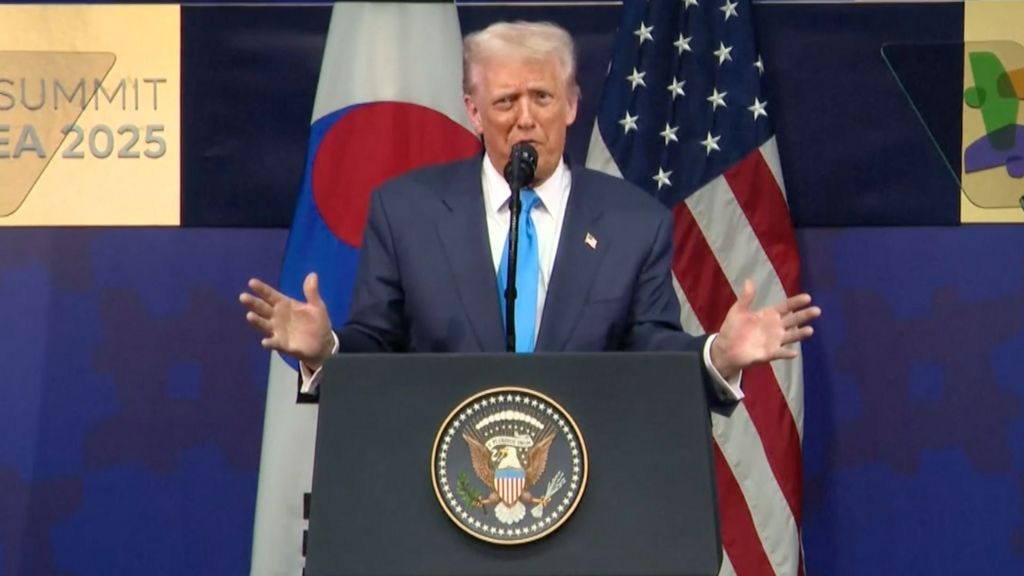
Trump imitates India’s PM Narendra Modi in South Korea
During a recent address in South Korea, former U.S. President Donald Trump impersonated Indian Prime Minister Narendra Modi while recounting his diplomatic engagements during the May 2019 India-Pakistan conflict. Trump’s mimicry, which included imitating Modi’s tone and mannerisms, highlighted the tense geopolitical dynamics between the two South Asian nations. The former president shared anecdotes about his conversations with Modi, emphasizing his role in de-escalating the crisis. This incident underscores the personal rapport Trump often sought to establish with world leaders, even as it drew mixed reactions from audiences. The speech also served as a reminder of the delicate balance of power in the region and the U.S.’s historical involvement in mediating such disputes.