标签: Asia

亚洲

  • Cutting edge UAV completes maiden flight in Sichuan

    Cutting edge UAV completes maiden flight in Sichuan

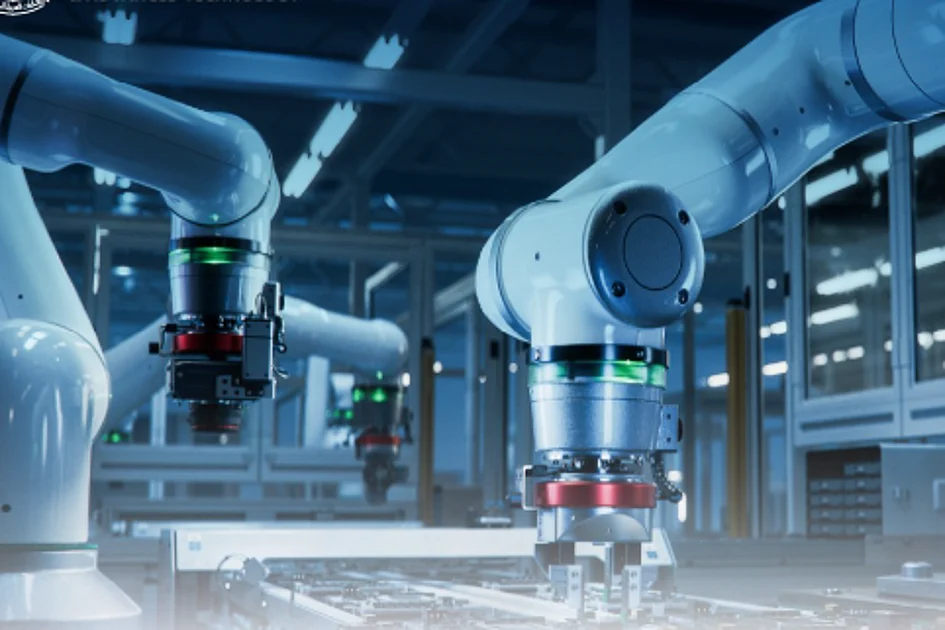
    In a landmark achievement for advanced aviation technology, China’s United Aircraft Corporation has successfully conducted the inaugural flight of its Lanying R6000 tiltrotor unmanned aerial vehicle in Shifang, Sichuan province. The December 30th, 2025 milestone represents a significant advancement in hybrid aircraft capabilities, merging vertical takeoff functionality with fixed-wing performance characteristics.

    The Lanying R6000, boasting a substantial six-ton maximum takeoff weight, represents the cutting edge of UAV design with its unique tiltrotor configuration. This engineering marvel combines the vertical ascent and precise hovering capabilities traditionally associated with helicopters with the extended range, substantial payload capacity, and superior cruising speeds of conventional fixed-wing aircraft.

    With dimensional specifications of 11.8 meters in length, 5.3 meters in height, and 17.5 meters in width during helicopter configuration, the aircraft features an impressive 7.5-meter rotor diameter. The UAV’s technical capabilities include a remarkable 2,000-kilogram payload capacity, an operational range extending to 4,000 kilometers, a maximum cruising velocity of 550 kilometers per hour, and a service ceiling reaching 7,620 meters.

    Performance comparisons reveal substantial advantages over traditional helicopter designs, with the Lanying R6000 demonstrating twice the cruising speed and service ceiling altitude, alongside quadruple the maximum operational range. The aircraft’s design accommodates up to twelve passengers for regional transit operations, while its vertical launch and recovery capabilities eliminate dependence on conventional runway infrastructure, enabling operations in topographically challenging environments including mountainous regions and island territories.

    United Aircraft Corporation has announced subsequent testing phases commencing January 2026, focusing on tilt-mode transition examinations and comprehensive flight process evaluations to accelerate airworthiness certification. Future development roadmaps prioritize practical implementation across multiple sectors including executive air travel, logistical transportation networks, and emergency response operations.

  • Chinese firms make strong Hong Kong debuts, capping bumper listings year

    Chinese firms make strong Hong Kong debuts, capping bumper listings year

    Hong Kong’s equity markets concluded a remarkable resurgence year with exceptional debut performances from multiple Chinese companies on December 30, 2025. Six newly listed firms collectively raised approximately HK$6.99 billion ($900 million) and all closed significantly above their initial offering prices, signaling robust investor appetite for technology-driven growth stories.

    The trading session witnessed particularly impressive gains from artificial intelligence and technology-focused enterprises. Generative-AI pharmaceutical research firm InSilico Medicine Cayman TopCo surged nearly 25%, while digital twin technology specialist Beijing 51WORLD Digital Twin Technology jumped approximately 30%. Industrial steel-structure manufacturer USAS Building System advanced 7.6%, and premium skincare company Shanghai Forest Cabin Cosmetics Group rose over 9%.

    Market analysts attribute this buoyant performance to several key factors: regulatory reforms implemented in August, abundant market liquidity, and a resurgence of margin lending activity. According to Hong Kong Stock Exchange data, the average first-day gain for IPOs throughout 2025 reached approximately 40%, with total capital raising reaching HK$285.8 billion across 119 listings.

    George Au, Deputy Sales Director at Phillip Securities, noted: ‘This year represents our strongest performance since the canceled Ant Group offering in 2020, driven by successful listings including Mixue and CATL, along with regulatory adjustments that have significantly improved market sentiment.’

    The momentum continues with three additional Chinese companies launching share sales on Tuesday, adding over HK$9 billion to Hong Kong’s IPO pipeline. AI specialist Zhipu AI (Knowledge Atlas Technology) seeks to raise HK$4.35 billion, semiconductor manufacturer Shanghai Iluvatar CoreX targets HK$3.67 billion, and surgical robotics developer Shenzhen Edge Medical aims to raise approximately HK$1.2 billion, all scheduled to begin trading on January 8.

    With more than 300 companies currently filed for listing and prominent debuts from semiconductor designer Shanghai Biren Technology and AI startup MiniMax expected in early January, Hong Kong has firmly reestablished itself as Asia’s dominant equity capital marketplace heading into 2026.

  • PLA drills show China’s resolve for peace and unity

    PLA drills show China’s resolve for peace and unity

    The Chinese People’s Liberation Army Eastern Theater Command has initiated comprehensive military exercises designated “Justice Mission 2025” surrounding Taiwan, signaling Beijing’s unwavering commitment to national sovereignty and territorial integrity. The multi-branch operations involving Army, Navy, Air Force, and Rocket Force personnel conducted maneuvers across the Taiwan Strait and surrounding maritime territories, implementing sophisticated drills focused on joint combat readiness, strategic superiority acquisition, and comprehensive deterrence capabilities.

    According to theater command spokesperson Shi Yi, the exercises specifically targeted scenarios including sea-air combat patrols, joint superiority operations, strategic blockades of key locations, and multi-dimensional deterrence beyond island chain parameters. The timing of these demonstrations coincides with what regional security experts identify as provocative actions by external powers.

    International analysts contextualize these developments against escalating geopolitical tensions. Warwick Powell, adjunct professor at Queensland University of Technology and former policy adviser to Australian leadership, notes that the drills directly respond to recent historic US arms sales to Taiwan and Washington’s updated National Security Strategy emphasizing the ‘first island chain’ concept. “The PLA is demonstrating its willingness and capacity to defend national sovereignty while simultaneously showing that talk of the ‘first island chain’ represents outdated strategic thinking,” Powell observed.

    Pakistani security analyst Shakeel Ahmad Ramay, CEO of the Asian Institute of Eco-civilization Research and Development, emphasized China’s consistent adherence to peaceful coexistence principles while maintaining firm boundaries against external interference. “Western countries led by the US fail to recognize that China cannot allow foreign interference in its internal matters or endanger its sovereignty and territorial integrity,” Ramay stated, referencing recent US-Taiwan engagements that violate established diplomatic agreements.

    Regional security expert Henry Chan from the Cambodian Center for Regional Studies highlighted the technical sophistication of the exercises, noting China’s demonstrated capability to implement comprehensive island blockades across vast areas with minimal preparation time. “The Taiwan question remains strictly China’s internal affair,” Chan reiterated, “and these drills reflect China’s consistent position against separatism while showcasing advanced military readiness.”

  • Belgian DJ breaks down the art of a New Year’s Eve set in Dubai

    Belgian DJ breaks down the art of a New Year’s Eve set in Dubai

    As Dubai prepares for its spectacular New Year’s Eve celebrations, Belgian electronic music sensation Lost Frequencies offers exclusive insights into crafting the perfect countdown experience for the city’s diverse audience. The internationally acclaimed DJ, scheduled to perform at Kokobay’s beachside venue, reveals his strategic approach to balancing spectacle with musical authenticity during one of the world’s most visually charged nights.

    Dubai’s unique positioning as a global crossroads presents distinctive challenges for performers. Lost Frequencies acknowledges the complex dynamic of playing for simultaneous audiences: local residents, international tourists, and revelers already mentally transitioning into the new year. This multidimensional crowd composition demands sets that both reflect on the passing year and generate forward-looking energy.

    Rather than simply amplifying spectacle to match Dubai’s extravagant fireworks displays and waterfront venues, the artist maintains his signature sound while strategically pushing creative boundaries. His methodology involves testing new music—including an unreleased single dedicated to fans—while incorporating local influences that resonate with Dubai’s cosmopolitan audience.

    When questioned about Dubai’s comparative energy, Lost Frequencies emphatically distinguishes it from other party destinations like Ibiza, highlighting the city’s unique convergence of global cultures and local support for comprehensive entertainment ecosystems. This distinctive atmosphere has established Dubai as a recurring destination in his touring schedule, serving both as creative testing ground and personal reset space.

    The artist detailed his balanced approach to the crucial countdown moment, combining advance preparation with real-time crowd reading. While pre-selecting tracks aligned with specific genres or emotions, he maintains flexibility to adapt to audience energy—a technique refined through landmark performances at Tomorrowland and his own 7,000-capacity Brooklyn warehouse event.

    Addressing the modern challenge of partially distracted audiences divided between celebration and documentation, Lost Frequencies maintains philosophical perspective. He views fireworks and filming as integrated components of the contemporary NYE experience rather than distractions from musical performance.

    The DJ’s evolution toward expanded live sets featuring instrumentation and vocalists represents significant artistic growth, though DJ performances remain central to his creative identity. His New Year’s resolution focuses on continued authentic music creation and personal fulfillment—objectives that mirror his approach to performance: balancing structured planning with spontaneous connection.

  • Hainan registers record flow of foreign visitors

    Hainan registers record flow of foreign visitors

    Hainan Province has achieved a remarkable milestone in international tourism, recording over 1.46 million foreign arrivals and departures as of December 2025. This represents a significant 16% increase compared to the previous record set in 2019, according to official immigration data released Tuesday.

    The unprecedented growth is largely attributed to Hainan’s expansive visa-free policies, which have become a cornerstone of the Hainan Free Trade Port’s strategy for enhanced global connectivity. Wang Haixing, Director of the Haikou General Station of Exit and Entry Frontier Inspection, emphasized that these liberalized entry regulations have positioned Hainan as a leader in China’s international tourism recovery.

    Visa-free entries now constitute 90% of all foreign arrivals to the tropical island, with foreign nationals accounting for 54% of total inbound and outbound traffic through Hainan’s ports. The province currently extends visa-free access to citizens from 86 countries for various purposes including tourism, business activities, family visits, medical services, exhibitions, and sporting events.

    Complementary policies have further streamlined entry procedures, including a 144-hour visa waiver for foreign tour groups originating from Hong Kong and Macao, a 15-day exemption for cruise passengers, and a 240-hour transit visa waiver program.

    To accommodate the surging passenger volume, Hainan has undertaken substantial infrastructure enhancements. The province has expanded its immigration inspection lanes to 98 channels while establishing 92 international air routes connecting to more than 30 countries and regions. These routes now facilitate approximately 80 daily international flights, supporting a dramatic recovery from 780,000 passengers in 2023 to 2.7 million in 2025—an average annual growth rate exceeding 85%.

    Concurrently, Hainan has implemented efficiency measures that have reduced visa processing times at ports by nearly 30 minutes and accelerated overall passenger clearance by 30%. For maritime and aviation transport, optimized procedures including pre-clearance and onboard inspection have decreased wait times, boosting transport efficiency by 20%.

    These operational improvements have yielded substantial economic benefits, saving businesses an estimated 12,000 hours in clearance time and approximately 250 million yuan ($35 million) in operational costs, according to immigration authorities.

  • BOJ’s hawkish wink suggests next hike may be sooner than markets think

    BOJ’s hawkish wink suggests next hike may be sooner than markets think

    The Bank of Japan’s recent policy shift and deliberately ambiguous communications have created significant market uncertainty regarding its monetary tightening timeline. While Governor Kazuo Ueda’s cautious rhetoric initially triggered yen depreciation, analysis reveals the central bank may be preparing for earlier rate increases than market participants anticipate.

    Following last week’s historic rate elevation to three-decade highs, the BOJ leadership has maintained strategic vagueness concerning future hike timing. This ambiguity, according to sources familiar with central bank deliberations, serves to preserve policy flexibility while concealing the institution’s determined commitment to normalizing borrowing costs.

    Market expectations currently project the next increase during late 2025, but prominent analysts including former BOJ board member Makoto Sakurai anticipate potential moves as early as June or July. JP Morgan analysts have articulated an even more aggressive timeline, forecasting initial hikes in April followed by additional tightening in October.

    The underlying hawkish indicators are substantial. The BOJ significantly upgraded its overseas growth assessment while noting diminished concerns regarding U.S. tariff impacts. Governor Ueda explicitly acknowledged that policy rates remain considerably distant from neutral levels estimated between 1.0-2.5%, indicating substantial room for additional increases.

    Critical to the timing calculus will be the yen’s performance, which has prompted unprecedented intervention warnings from Japanese finance officials. The currency’s depreciation has emerged as a primary concern within BOJ deliberations, with multiple board members noting how exchange rate weakness accelerates inflationary pressures through elevated import costs.

    Additional inflationary catalysts include intensifying labor shortages driving wage growth and substantial government stimulus packages stimulating domestic demand. These factors, combined with dissenting opinions within the policy board regarding inflation projections, suggest mounting pressure for earlier monetary normalization.

    The January 22-23 policy meeting will provide crucial insight through updated quarterly forecasts. Any upward revision in inflation projections could significantly accelerate the tightening timeline, though such moves might simultaneously raise concerns about the BOJ’s potential delay in addressing escalating price pressures.

  • Major central banks deliver biggest easing push in over a decade in 2025

    Major central banks deliver biggest easing push in over a decade in 2025

    In a historic shift from previous tightening policies, the world’s major central banks have executed their most substantial coordinated monetary easing since the global financial crisis. Throughout 2025, nine out of ten G10 central banks—including the Federal Reserve, European Central Bank, and Bank of England—implemented 32 separate rate reductions totaling 850 basis points. This represents the most extensive easing effort since 2009, marking a dramatic reversal from the aggressive rate hikes of 2022-2023 that aimed to combat post-Ukraine invasion inflation.

    Japan emerged as the sole exception among developed economies, implementing two rate increases during the year. The easing momentum extended vigorously across emerging markets, where policymakers delivered 3,085 basis points of cuts through 51 separate moves—significantly exceeding 2024’s total and representing the largest emerging market easing initiative since at least 2021.

    Despite this aggressive easing, analysts detect shifting sentiments heading into 2026. Recent months have witnessed a notable change in rhetoric from several G10 central banks, particularly the Reserve Bank of Australia and Bank of Canada, with some institutions now contemplating potential rate hikes. TD Securities’ Global Macro Strategy Head James Rossiter projects that ‘the ECB will hike next year and the RBA and BOC will get close to it.’

    This potential policy pivot reflects evolving assessments of labor market conditions and inflation dynamics. JPMorgan’s Global Macro Research Head Luis Oganes notes that while 2025 featured exclusively neutral or cutting Fed policies, 2026 will likely introduce ‘a little bit more of a two-sided risk,’ particularly during the latter half of the year.

    The December meetings already demonstrated this shifting landscape, with only the Fed and BOE implementing cuts among developed nations while Japan tightened. Emerging markets maintained their aggressive easing posture, with eight central banks from a sample of 18 developing economies delivering 350 basis points of cuts in December alone.

  • China’s Nvidia snub reveals the price of US chip controls

    China’s Nvidia snub reveals the price of US chip controls

    In a strategic maneuver that reveals the complex dynamics of US-China technological competition, the Trump administration’s conditional approval of Nvidia’s H200 AI chip exports to China has produced unintended consequences, ultimately strengthening Beijing’s resolve for technological independence rather than creating diplomatic leverage.

    The December 8 decision, which permitted Nvidia to export its advanced artificial intelligence processors to Chinese markets subject to a 25% Treasury fee and strict customer vetting procedures, was initially framed as a pragmatic compromise. The administration presented it as simultaneously protecting national security interests while maintaining American competitiveness in the world’s largest AI market. However, Beijing’s response has been characteristically measured and strategic.

    Chinese regulators convened emergency meetings with major technology firms, discussing potential limitations on access to foreign chips, including requirements for purchase justifications when domestic alternatives exist. This cautious approach underscores the fundamental miscalculation in Washington’s tech diplomacy: the assumption that China values access to American technology over autonomous capability.

    The backdrop to this technological standoff is an evolved trade war that has transitioned from simple tariffs to sophisticated battles over supply chains and innovation. Earlier measures included a 20% ‘fentanyl tariff’ on Chinese goods—later reduced to 10% after negotiations yielded promises of stricter export controls on opioid precursors. China responded with temporary pauses on rare earth mineral restrictions and continued purchases of US agricultural products, suggesting a fragile detente.

    Yet the semiconductor decision reveals deeper structural tensions. US export controls, progressively tightened since 2022, were designed to limit China’s AI advancement by restricting access to high-performance computing chips. Nvidia, which previously derived up to a quarter of its revenue from Chinese markets, had already developed downgraded versions specifically for these restrictions. Even these adapted products faced additional bans in September, forcing Chinese tech giants like Tencent and ByteDance to pivot toward domestic alternatives from Huawei and Alibaba.

    Paradoxically, the restrictions have fostered remarkable innovation within China’s technology sector. Companies are optimizing algorithms to maximize performance from limited hardware, reducing dependence on cutting-edge imports. Startups like DeepSeek, founded by hedge fund veteran Liang Wenfeng, have emerged as disruptive forces, developing efficient AI models trained on restricted hardware through architectural innovations. Backed by state-linked funding, these enterprises exemplify how constraints have spurred adaptive development with global appeal.

    Meanwhile, Huawei’s latest chips now power AI training at scales rivaling Nvidia’s older generations, supported by SMIC’s advances in mass production. Beijing’s Politburo has reinforced this direction with renewed calls for ‘core technology breakthroughs’ and billions in semiconductor investments.

    The implications for American technological leadership are significant. Export controls risk isolating US firms from global markets while accelerating the development of competitive Chinese alternatives. Congressional efforts like the ‘Safe Chips’ bill, introduced by bipartisan senators to block eased restrictions for security reasons, may ultimately accelerate Huawei’s global expansion into European and African markets.

    This technological confrontation mirrors China’s 2010 rare earth embargo against Japan, which prompted Tokyo to diversify its supply chains—exactly what is now occurring with semiconductors. Beijing’s current strategy aligns with President Xi Jinping’s ‘dual circulation’ doctrine: strengthening internal markets while engaging globally on more equal terms.

    The broader lesson is one of unintended consequences. While US controls may have temporarily slowed China’s AI advancement by approximately two years according to some estimates, they have simultaneously seeded a leaner, more adaptive innovation ecosystem. As the H200 situation remains fluid, with potential for limited sales amid China’s self-reliance push, the United States faces a critical choice: intensify isolationist policies or recalibrate toward international alliances that establish joint technological standards with European and Australian partners.

    The ultimate irony may be that Washington’s technological leverage strategy has provided Beijing with the perfect impetus to accelerate its own capabilities, transforming external constraints into domestic competencies one optimized algorithm at a time.

  • China places geological survey satellite in orbit

    China places geological survey satellite in orbit

    China has advanced its Earth observation capabilities with the successful orbital deployment of the Tianhui 7 satellite on Tuesday afternoon. The sophisticated spacecraft was propelled into space aboard a Long March 4B rocket that launched precisely at 12:12 pm from the Jiuquan Satellite Launch Center located in Inner Mongolia Autonomous Region.

    According to the China Aerospace Science and Technology Corporation (CASC), the state-owned enterprise overseeing China’s space program, the newly deployed satellite represents a significant advancement in remote sensing technology. Manufactured by the China Academy of Space Technology, Tianhui 7 is specifically engineered to conduct comprehensive geological surveys, detailed land resource investigations, and a series of scientific experiments that will contribute to environmental monitoring and resource management.

    The launch vehicle, developed by the Shanghai Academy of Spaceflight Technology, demonstrated its reliable payload capacity by delivering the satellite to its intended sun-synchronous orbit approximately 700 kilometers above Earth. The Long March 4B model is capable of transporting multiple satellites with a combined mass of up to 2.5 metric tons to this commonly used Earth observation altitude.

    This mission marks a notable milestone in China’s space exploration endeavors, representing the nation’s 92nd space mission and the 622nd flight overall for the Long March rocket series. The successful deployment continues China’s expanding presence in space-based Earth observation and scientific research, enhancing the country’s capabilities in natural resource management and environmental monitoring.

  • Six-time IndyCar champion Scott Dixon receives a knighthood from New Zealand

    Six-time IndyCar champion Scott Dixon receives a knighthood from New Zealand

    WELLINGTON, New Zealand — In a landmark recognition of sporting excellence, six-time IndyCar champion Scott Dixon has been formally knighted in New Zealand’s prestigious New Year Honors list. The celebrated driver, now officially known as Sir Scott Ronald Glyndwr Dixon, was bestowed the title of Knight Commander of the New Zealand Order of Merit for his extraordinary services to motor sport and charitable endeavors.

    Expressing profound surprise at the honor, Dixon remarked, ‘I’ve been called a lot of things, but I never thought that ‘Sir’ was going to be one of them. The news was totally out of the blue. It triggers a rapid reflection on my entire journey, from the first time driving a go-kart to all the subsequent memories that happened at warp speed.’

    Born in Australia to New Zealand-born parents who later returned to Auckland, Dixon’s racing career began with karting titles in both Australia and New Zealand before he advanced to compete in Indy Lights and CART series in the United States. Since joining IndyCar in 2003, he has compiled one of the most impressive records in motorsport history, competing for 23 consecutive seasons with Chip Ganassi Racing. His career statistics include 58 wins, 142 podium finishes from 380 starts, 32 pole positions, and championship titles spanning 2003 to 2020, including his iconic 2008 Indianapolis 500 victory.

    New Zealand Prime Minister Christopher Luxon praised Dixon as ‘a hero to young New Zealand motor sport fans’ while highlighting his ‘invaluable work fundraising for children’s charities.’ This aspect of Dixon’s legacy was particularly emphasized by the driver himself, who noted that recognition ‘is all about outside racing, giving back to the community and the partnerships you make away from the track.’

    The knighthood arrives alongside another significant honor—Dixon’s induction into the Motorsports Hall of Fame of America in 2024, cementing his status as one of motorsport’s most decorated international competitors.