标签: Asia

亚洲

  • UAE’s “Year of the Family”: Mapping legacy through control, clarity, continuity and tax optimisation

    UAE’s “Year of the Family”: Mapping legacy through control, clarity, continuity and tax optimisation

    The United Arab Emirates’ designation of 2026 as the ‘Year of the Family’ represents far more than symbolic recognition—it marks a critical inflection point for affluent families navigating an increasingly complex global regulatory landscape. As transnational families with substantial assets confront mounting challenges including global tax coordination, cross-border regulatory scrutiny, and succession risks, the Emirates emerges as a jurisdiction offering not just tax efficiency but regulatory predictability and structural coherence.

    The paradigm has fundamentally shifted from purely tax-driven planning to comprehensive governance optimization. Globally mobile families now prioritize regulatory stability, jurisdictional alignment, and defensible structures over mere tax rate arbitrage. The central concerns have evolved to encompass control preservation, decision-making clarity, and structural resilience across generations and jurisdictions.

    Progressive families are implementing three transformative approaches: First, they’re restructuring ownership around documented control mechanisms rather than convenience, establishing clear frameworks through foundations, holding companies, and family charters. Second, tax strategy has transitioned from isolated compliance to integrated governance, with family councils systematically addressing taxing rights, substance requirements, and global minimum tax implications. Third, families now actively stress-test structures against life contingencies—incapacity, relocation, divorce, and multi-jurisdictional death—treating them as governance necessities rather than cultural taboos.

    The UAE’s value proposition for 2026 lies in its capacity to facilitate this evolution from fragmented asset holding to institutional family governance. In an era of automatic information exchange and intergovernmental cooperation, the premium has shifted from clever structuring to defensible alignment between legal frameworks, family reality, and regulatory expectations across all relevant jurisdictions.

    For families considering consolidation in the Emirates, the ultimate test becomes whether current arrangements will withstand regulatory scrutiny, generational transition, and geographic dispersion when grandchildren eventually inherit stewardship responsibilities. The Year of the Family thus serves as a catalyst for transforming loose collections of entities and assumptions into coherent, future-proofed family institutions capable of enduring both internal dynamics and external examination.


  • Israeli attacks on Lebanon kill four, including security officer and child

    Israeli attacks on Lebanon kill four, including security officer and child

    A series of Israeli military operations in southern Lebanon on Monday resulted in four fatalities, including a Lebanese security officer and his three-year-old child, marking a significant escalation in cross-border tensions. The incidents occurred despite a ceasefire agreement established in November 2024 intended to halt prolonged hostilities with Hezbollah.

    The Israeli Defense Forces confirmed conducting a targeted strike in the village of Yanuh, alleging it neutralized Ahmad Ali Salameh, whom they identified as Hezbollah’s head of artillery responsible for rebuilding the group’s military capabilities. However, the operation also claimed the lives of two unintended casualties: a member of Lebanon’s security forces and his young child who were reportedly passing through the area at the time of impact.

    In a separate incident near the border village of Aita al-Shaab, Israeli gunfire killed another individual identified by Israel as a Hezbollah operative engaged in intelligence gathering and infrastructure rehabilitation activities. The Israeli military acknowledged civilian casualty reports from the Yanuh strike were ‘under review’ while defending the targeted nature of their operations.

    These developments coincided with the alleged apprehension of Atwi Atwi, a Jamaa Islamiya official, by Israeli forces from his residence in Hasbaya district. The Islamist group, an ally of Palestinian Hamas, condemned what they termed an ‘infiltration by Israeli occupation forces,’ while Israel confirmed detaining ‘a senior terrorist’ for interrogation.

    Lebanese Prime Minister Nawaf Salam, who had just concluded a two-day visit to the conflict-ravaged south, denounced Atwi’s capture as ‘a blatant attack on Lebanese sovereignty’ and violation of both the ceasefire agreement and international law. Hezbollah lawmakers echoed these sentiments, demanding immediate governmental action at political, diplomatic, and legal levels to protect citizens.

    The escalating situation highlights ongoing friction points including Israel’s maintained troop presence in five strategic border positions within Lebanese territory and unresolved disputes regarding Lebanese detainees. Hezbollah legislator Hussein al-Haj Hassan previously alleged Israel holds approximately 20 Lebanese prisoners, with half reportedly abducted post-ceasefire.

    Lebanon’s government maintains that sustainable de-escalation requires Israel’s complete withdrawal from occupied border positions, cessation of aerial strikes, and release of all Lebanese detainees.

  • India–Pakistan T20 World Cup match could still happen after cricket officials meet

    India–Pakistan T20 World Cup match could still happen after cricket officials meet

    A potential resolution is emerging for the high-stakes impasse surrounding the scheduled India-Pakistan T20 World Cup match, offering hope to millions of cricket fans anticipating the February 15 showdown in Colombo. The deadlock, initiated by the Pakistani government’s boycott declaration in solidarity with Bangladesh, prompted a critical high-level meeting in Lahore on Sunday night. Attendees included representatives from the International Cricket Council (ICC), the Pakistan Cricket Board (PCB), and the Bangladesh Cricket Board.

    While official details from the meeting remain confidential, media outlets from both nations report significant progress by the ICC in reinstating this marquee sporting event. The path to resolution, however, is paved with complex conditions. Pakistani officials have reportedly tabled specific demands for the ICC’s consideration. A central condition involves securing financial compensation for Bangladesh, which was excluded from the tournament after withdrawing over security concerns for its team in India.

    Additional PCB requests, as cited by Indian media, include the resumption of direct bilateral cricket series with India and the establishment of a new tri-nation tournament featuring India, Pakistan, and Bangladesh. The ICC has ostensibly rejected these broader demands, focusing negotiations solely on the immediate World Cup context.

    Veteran Pakistani journalist Hamid Mir contested these reports, characterizing the narrative as ‘disinformation.’ On social media platform X, Mir stated that the ICC President is actively sending envoys to the PCB, appealing for a reconsideration of the boycott. He emphasized that Pakistan’s position is contingent on achieving ‘compensation and relief for Bangladesh,’ asserting this as the sole prerequisite for the match to proceed.

    The financial magnitude of an India-Pakistan World Cup match underscores the urgency for a resolution, with estimated global revenues nearing $400 million. A cancellation would wreak havoc on broadcasting agreements and advertising investments, representing one of the most lucrative events in international sports.

    The final decision now rests with Pakistani Prime Minister Shehbaz Sharif. Should the ICC agree to provide compensation for Bangladesh’s exclusion, the path would be cleared for the two arch-rivals to compete on the world stage, transforming a diplomatic standoff into a celebrated sporting spectacle.

  • US judges dismiss lawsuits accusing fantasy author Neil Gaiman of sexual assault in New Zealand

    US judges dismiss lawsuits accusing fantasy author Neil Gaiman of sexual assault in New Zealand

    Three federal lawsuits against acclaimed British fantasy author Neil Gaiman have been formally dismissed by US courts, marking a significant legal development in a high-profile case that spanned multiple jurisdictions. The legal actions, initiated by former nanny Scarlett Pavlovich, alleged multiple instances of sexual assault during her employment with Gaiman and his wife, musician Amanda Palmer, in New Zealand in 2022.

    The judicial dismissals occurred progressively across three federal districts. In New York, Judge Mary Kay Vyskocil granted Pavlovich’s voluntary withdrawal of her case against Palmer in June. Wisconsin’s Judge James Peterson dismissed the remaining portions of that state’s lawsuit in October, while Massachusetts Judge Nathaniel Gorton issued the final dismissal on identical grounds this past Friday. All three jurists concurred that New Zealand represented the appropriate legal venue for such proceedings, given that the alleged incidents occurred within its jurisdiction.

    Pavlovich’s allegations, detailed in court documents, described a pattern of abuse beginning in February 2022 when she was 22 and homeless. She claimed Gaiman assaulted her on their first meeting, with subsequent incidents occurring throughout her employment. The lawsuits further alleged that Palmer had prior knowledge of her husband’s behavior, with court filings stating Palmer acknowledged previous similar allegations from over a dozen women.

    The legal defense mounted by Gaiman’s representatives characterized the relationship as consensual and brief, noting that New Zealand authorities had previously investigated and dismissed the assault claims. They argued the lawsuits constituted a coordinated effort to damage Gaiman’s reputation and should properly be adjudicated in New Zealand.

    Neither Pavlovich’s legal team nor representatives for Gaiman and Palmer responded to requests for comment following the dismissals. The cases sought $7 million in damages under federal human trafficking statutes, though all claims have now been judicially rejected on jurisdictional grounds.

  • Japan has given Takaichi a landslide win – but can she bring back the economy?

    Japan has given Takaichi a landslide win – but can she bring back the economy?

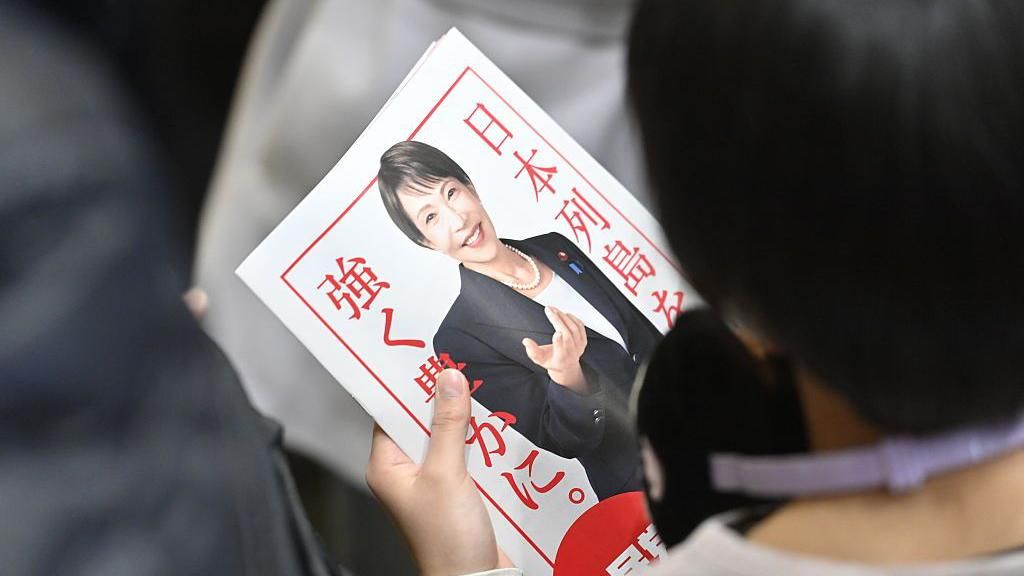
    Prime Minister Sanae Takaichi’s strategic gamble on a snap election has yielded an unprecedented political mandate, with her Liberal Democratic Party securing a commanding 316 out of 465 parliamentary seats. This decisive victory breaks Japan’s cycle of political instability and positions Takaichi to confront the nation’s profound economic challenges with strengthened authority.

    Japan faces intersecting crises of sluggish growth, monumental public debt exceeding 250% of GDP, and a rapidly aging and shrinking workforce. Takaichi’s campaign centered on bold economic stimulus through increased government spending in strategic industries and significant tax reductions aimed at boosting consumer expenditure. This represents a fundamental policy shift from previous administrations that prioritized fiscal conservatism and savings.

    Financial markets have responded with cautious optimism, creating what analysts term the ‘Takaichi trade’—simultaneously buying Japanese equities while selling yen and government bonds. The currency’s appreciation reflects investor confidence, though concerns persist regarding funding mechanisms for her ambitious agenda. Government bond yields surged following her October inauguration, highlighting market apprehension about Japan’s borrowing requirements amid already staggering public debt.

    The Bank of Japan faces parallel challenges in navigating away from ultra-low interest rate policies while combating surging inflation. Rice prices doubled in 2025, creating consumer distress that contributed to the previous administration’s downfall. While Takaichi’s proposed tax cuts may provide temporary relief, economists warn they risk exacerbating inflation without complementary fiscal discipline.

    Demographic pressures present perhaps the most intractable obstacle. Japan’s critically aged population strains healthcare and social services while creating severe labor shortages across construction, agriculture, and hospitality sectors. Despite quietly relaxed immigration rules that have increased foreign workers by 22% since 2022, Takaichi maintains resistance to large-scale immigration, preferring technological solutions and increased participation from women and elderly workers.

    Geopolitical considerations further complicate Takaichi’s economic strategy. China remains Japan’s largest trading partner despite ongoing tensions over rare earth exports and strategic supply chain vulnerabilities. Takaichi has prioritized reducing dependence on Chinese critical materials while strengthening alliances with the United States, including recent defense budget increases and warm relations with the Trump administration.

    This approach echoes the Abenomics playbook of massive fiscal stimulus and monetary easing, though Takaichi operates in a fundamentally transformed global landscape characterized by heightened Sino-American tensions and more complex economic interdependencies. Her overwhelming parliamentary majority provides unique opportunity for structural reform, but success will require navigating extraordinarily complex economic, demographic, and geopolitical crosscurrents that have confounded predecessors for decades.

  • Hong Kong fire victims long for home as Lunar New Year stirs painful memories

    Hong Kong fire victims long for home as Lunar New Year stirs painful memories

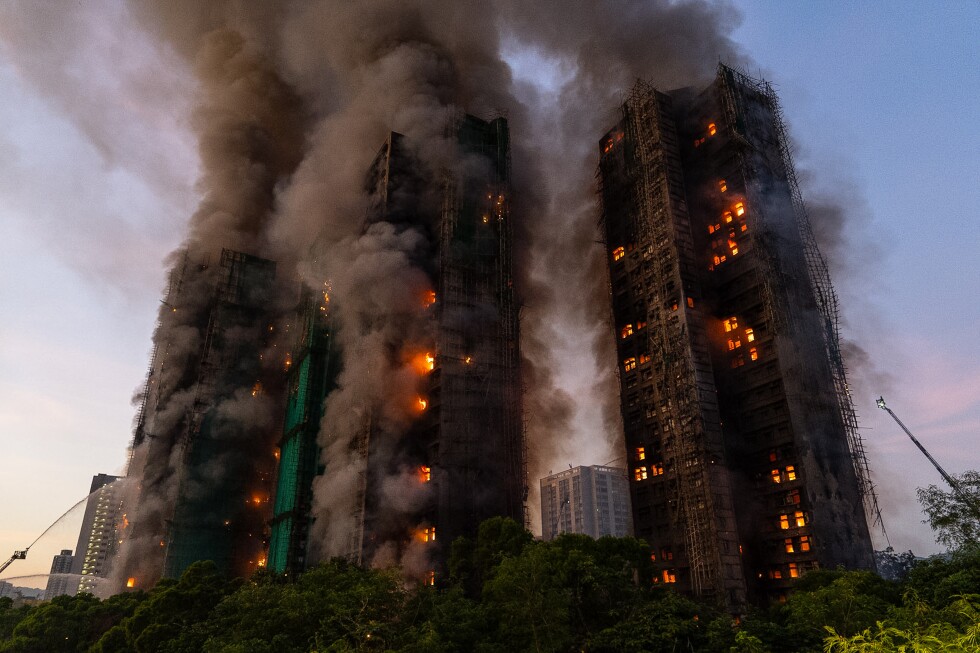
    HONG KONG — Survivors of Hong Kong’s deadliest fire in decades continue facing profound housing uncertainty more than two months after the catastrophic blaze that claimed 168 lives on November 26, 2025. The Wang Fuk Court apartment complex inferno not only destroyed physical structures but shattered a tightly-knit community, leaving residents displaced and emotionally scarred as they await permanent resettlement solutions.

    Authorities have yet to announce comprehensive long-term housing plans despite completing surveys of resident preferences. The approaching Lunar New Year on February 17 intensifies emotional distress as survivors recall traditional celebrations in homes now reduced to ashes.

    The tragedy’s origins trace to substandard scaffolding netting and foam boards from building maintenance work, which authorities identified as primary factors in the fire’s rapid spread. While some arrests followed the incident, an independent committee continues investigating the exact causes.

    Personal accounts reveal deep emotional trauma and logistical challenges. Eighty-seven-year-old Pearl Chow and her grandson Dorz Cheung, 33, now occupy separate 100-square-foot temporary units despite decades of shared living. “Only permanent residence is called home. That’s the root,” Cheung stated, capturing the sentiment of many displaced residents.

    The fire disproportionately affected elderly residents, with census data showing over one-third of the complex’s 4,600 residents were aged 65 or above. Seventy-four-year-old Kit Chan, who raised her family in the complex over four decades, now occupies a youth hostel unit half the size of her original apartment. “It’s like being unable to get by in my final years,” she expressed.

    Despite government proposals in January to combat bid-rigging in building maintenance and enhance fire safety standards, survivors feel their immediate housing needs remain unaddressed. Twenty-three-year-old Isaac Tam noted the particular challenges faced by elderly family members, including his 92-year-old grandfather who lost his daily social routines along with his home.

    The human cost extends beyond physical displacement. Forty-eight-year-old Phyllis Lo lost her 74-year-old mother in the fire and now grapples with questions about preventable safety failures. “I wondered if the tragedy could have been avoided if each government department had done a better job,” she reflected.

    Disaster recovery expert Professor Jack Rozdilsky of York University emphasized that successful resettlement requires addressing both physical and community needs. “While rebuilding living spaces is complicated, reconstructing a community is much harder,” he noted, stressing the importance of incorporating familiar gathering spaces and social infrastructure.

    The government confirmed in emailed statements that it has received survey responses from over 95% of homeowners and is analyzing preferences, but provided no timeline for announcing final resettlement plans.

  • Three arrested for illegal fishing, attempt to run over security officer in Kuwait

    Three arrested for illegal fishing, attempt to run over security officer in Kuwait

    Kuwaiti maritime authorities have apprehended three individuals following a dramatic confrontation involving illegal fishing and an attempt to assault a security officer. The incident unfolded on the morning of February 8, 2026, when routine patrols by the General Directorate of Coast Guard detected a vessel operating in clear violation of national fishing regulations and safety protocols.

    Upon interception attempts, the boat’s captain refused to comply with official orders and initiated a high-speed evasion maneuver. The pursuit continued to the shoreline, where the suspect subsequently attempted to flee using a land vehicle. In a severe escalation, the driver deliberately attempted to run over a security official before being successfully subdued and arrested. No injuries were reported among the police force during the operation.

    The Ministry of Interior confirmed the identities of the three apprehended individuals as one citizen of a Gulf state and two stateless persons, all of whom possessed previous criminal records. Further investigation revealed that the vessel itself was operating without proper registration as a fishing boat, constituting an additional violation of its issued permit.

    In accordance with Kuwaiti legal procedures, the fishing vessel has been confiscated and destroyed. All three suspects have been transferred to relevant judicial authorities to face comprehensive legal proceedings. The Ministry emphasized its unwavering commitment to pursuing all offenders who endanger the safety of security personnel or violate maritime laws, ensuring the continued security of Kuwait’s territorial waters.

  • 90 civilians killed in drone strikes on Sudan’s Kordofan in two weeks: UN

    90 civilians killed in drone strikes on Sudan’s Kordofan in two weeks: UN

    The United Nations Human Rights Chief has delivered a grave assessment of the deteriorating humanitarian situation in Sudan’s Kordofan region, revealing that drone attacks have resulted in massive civilian casualties over a two-week period. According to documentation compiled by the UN Human Rights Office, approximately 90 non-combatants lost their lives while 142 sustained injuries in targeted aerial assaults between mid-January and February 6, 2026.

    Volker Turk, addressing the UN Human Rights Council on Monday, presented evidence indicating that both government forces and paramilitary units share responsibility for the deadly strikes. The systematic aerial bombardments have struck critical civilian infrastructure including a World Food Programme humanitarian convoy, local marketplaces, medical facilities, and residential neighborhoods across both North and South Kordofan.

    The escalating violence represents a dangerous intensification of Sudan’s ongoing conflict, with drone warfare now being deployed against civilian populations. The attacks on humanitarian convoys and medical facilities constitute severe violations of international humanitarian law and have crippled aid delivery mechanisms in the region.

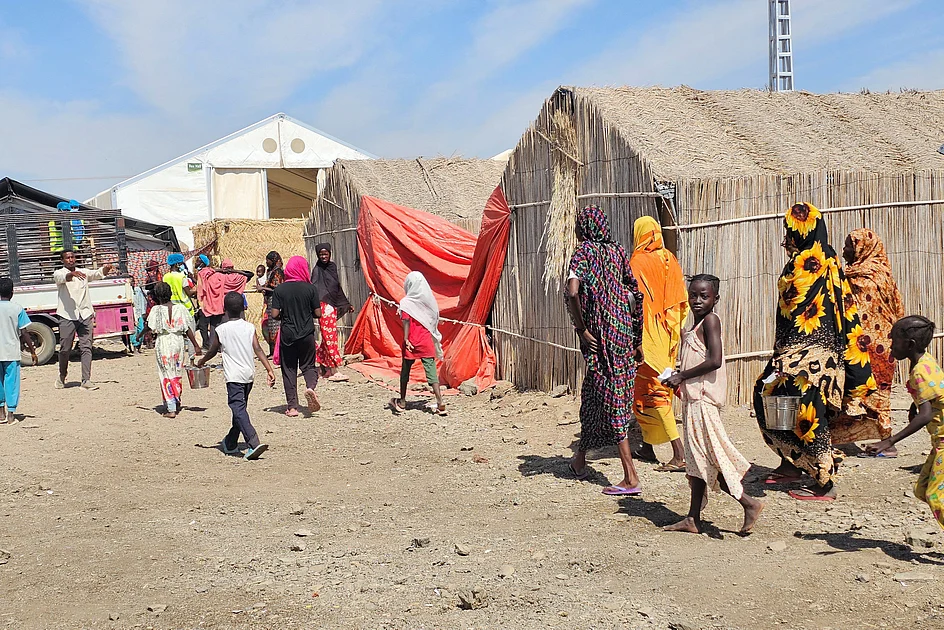
    This development occurs alongside other significant displacement crises, with UN reports indicating over 10,000 people forcibly displaced within just three days elsewhere in Sudan. The systematic targeting of civilian infrastructure suggests a strategic shift in combat operations that places non-combatants at unprecedented risk.

  • Israeli minister promises to pass ‘allegiance’ to Israel law

    Israeli minister promises to pass ‘allegiance’ to Israel law

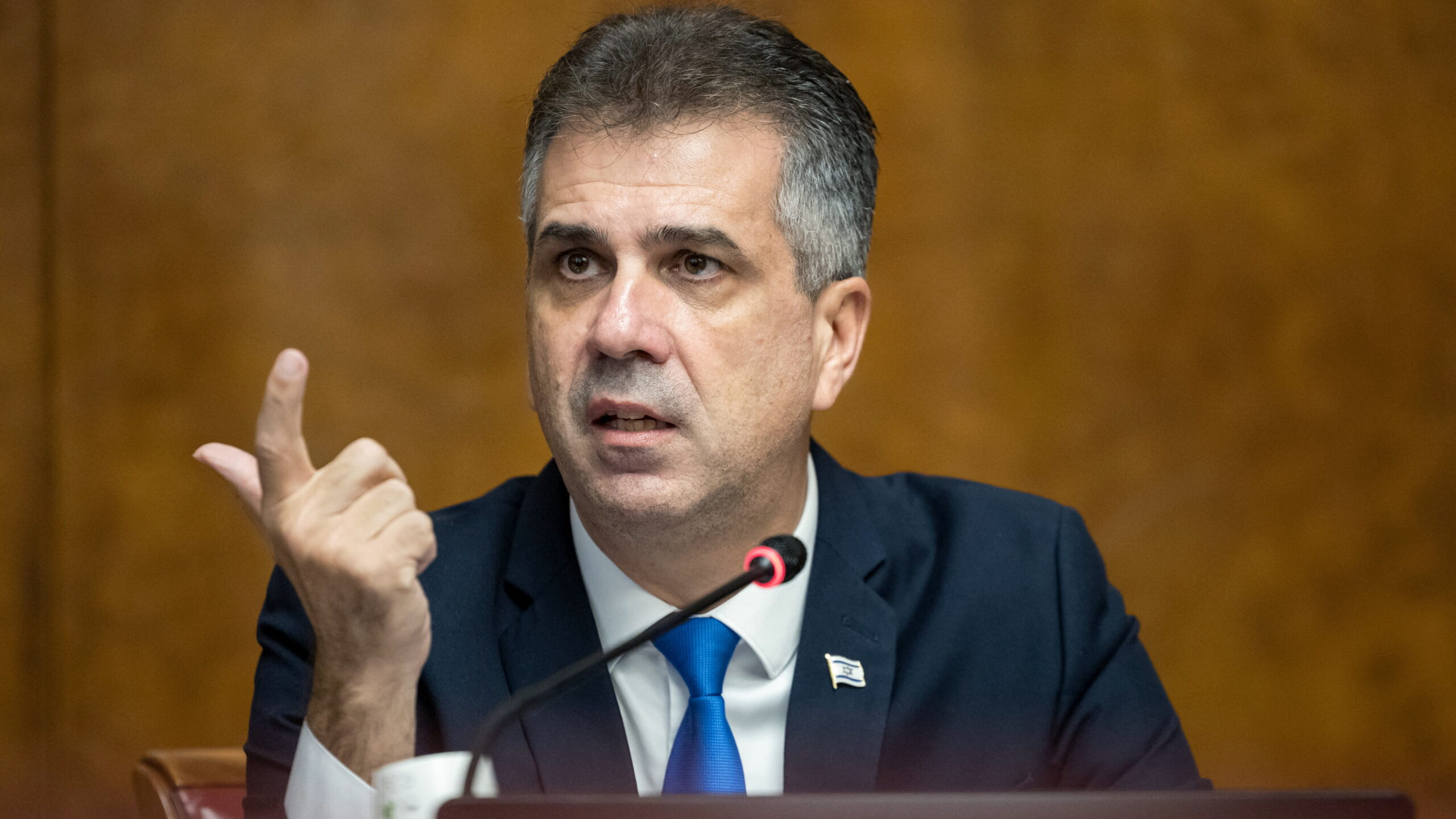
    Israeli Energy and Infrastructure Minister Eli Cohen announced on Sunday forthcoming legislation that would mandate all members of the Knesset to pledge allegiance to Israel’s identity as a Jewish and democratic state during their swearing-in ceremonies. The proposed law explicitly targets Palestinian lawmakers who oppose this designation, with Cohen asserting they “have no place in the Knesset of Israel,” specifically naming politicians Ahmad Tibi and Ayman Odeh.

    The announcement comes amid escalating tensions between Israeli and Palestinian members of parliament. Odeh, leader of the Hadash alliance, and Tibi, head of the Arab Movement for Change (Ta’al), have faced substantial criticism from their Israeli counterparts. In late June, Israel’s Knesset House Committee advanced impeachment proceedings against Odeh by a 14-2 vote, with support from both coalition and opposition parties, following comments perceived as pro-Palestinian and critical of Israel’s military operations in Gaza.

    The political confrontation intensified when Odeh expressed support for a ceasefire agreement between Israel and Hamas earlier this year, drawing condemnation from numerous Israeli lawmakers. He further faced backlash for remarks made during an anti-war demonstration in Haifa. Simultaneously, Tibi encountered legal scrutiny after criticizing Israeli police spokesperson Arye Doron regarding police brutality against Palestinian citizens, prompting authorities to seek criminal investigation for allegedly insulting a civil servant.

    This legislative initiative occurs within a broader context of increasing legal restrictions on Palestinian rights. According to documentation by legal center Adalah, Israel has enacted over 30 laws since October 2023 that reinforce systems of apartheid and repression against Palestinians. These measures, implemented between October 2023 and July 2025, target fundamental rights including freedom of expression, protest, citizenship, family unification, and equality protections.

    The legal expansion includes broader application of counterterrorism legislation almost exclusively against Palestinian citizens of Israel and residents of occupied East Jerusalem. Adalah reports that Israel has exploited the wartime environment to accelerate discriminatory practices, now documenting approximately 100 discriminatory laws overall. These regulations criminalize political expression, authorize family deportations, restrict social benefits, expand detention powers, limit legal counsel access, and enable closure of independent media outlets.

  • India says it will maintain multiple sources of energy supply

    India says it will maintain multiple sources of energy supply

    In a definitive statement on energy security, Indian Foreign Secretary Vikram Misri articulated New Delhi’s commitment to maintaining diversified energy procurement channels during a press briefing on Monday. The senior diplomat emphasized that India’s strategic approach prioritizes consumer interests through three fundamental pillars: sufficient availability, equitable pricing structures, and unwavering supply reliability.

    This policy clarification emerges against the backdrop of recent geopolitical developments, including former US President Donald Trump’s executive order eliminating punitive 25% tariffs on Indian imports—a measure previously imposed due to India’s continued procurement of Russian crude. The Kremlin has subsequently indicated it perceives no substantial shift in India’s established energy acquisition patterns.

    Market analytics reveal a noticeable contraction in India’s Russian oil imports during January, as refining enterprises actively pursued alternative sources amid intensifying Western sanctions and ongoing US-India trade negotiations. Foreign Secretary Misri explicitly stated that India maintains no singular dependency for crude oil acquisitions nor intends to develop such reliance, instead procuring from multiple suppliers based on objective market conditions and national interest considerations.

    The South Asian nation’s energy calculus demonstrates sophisticated balancing between geopolitical realities and domestic economic requirements, with government policies and corporate decisions both guided by overarching national security and economic stability imperatives.