
Qatar has disclosed that Hamas is prepared to relinquish its governance role in Gaza but remains uncommitted to unconditional disarmament. Speaking at a Council on Foreign Relations event in New York, Qatari Prime Minister Mohammed bin Abdulrahman al-Thani emphasized that Hamas views disarmament as a collective obligation for all factions, not solely their own. He stressed the necessity of ensuring safety for both Palestinians and Israelis through decommissioning and disarmament efforts. Qatar, alongside the US, Turkey, and Egypt, is a key guarantor of the recent Gaza ceasefire, which has been plagued by violations, including Israel’s refusal to open the Rafah border crossing and continued air strikes. On Tuesday, Israel launched its most severe attacks since the ceasefire, resulting in over 100 Palestinian casualties, including 46 children. Israel accused Hamas of breaching the ceasefire, citing an alleged attack on troops in Rafah that killed one soldier. Hamas denied involvement, while US President Donald Trump supported Israel’s retaliatory actions, expressing confidence in the ceasefire’s durability. Qatar, Turkey, and Egypt played pivotal roles in brokering the ceasefire, with Trump exerting pressure on Israeli Prime Minister Benjamin Netanyahu. Despite Israel’s ongoing occupation of half the Gaza Strip, the US is drafting a UN resolution to deploy Arab and Muslim peacekeeping forces to Gaza, avoiding references to a two-state solution. The US is likely to rely on Gulf states, including Qatar, for Gaza’s reconstruction and peacekeeping costs. The recent Israeli attack on Hamas negotiators in Doha, which killed six people, including a Qatari security official, has further complicated regional dynamics. Trump’s administration responded by pledging to defend Qatar and signing a new military training agreement. Thani described the Doha attack as a turning point in ceasefire negotiations, highlighting the crossing of red lines. Middle East Eye continues to provide independent coverage of these developments.
标签: Asia
亚洲
-

Former world leaders urge Israel to release Marwan Barghouti
The Elders, a distinguished group of former world leaders and officials, have issued a compelling appeal for the immediate release of Marwan Barghouti, a prominent Palestinian politician currently incarcerated in an Israeli prison. Barghouti, who has been detained since 2002 and is serving five life sentences, is regarded as the most high-profile Palestinian prisoner. The Elders, established by Nelson Mandela in 2007, argue that Barghouti’s release could be a pivotal step towards revitalizing the two-state solution. They emphasized his longstanding advocacy for peaceful means to achieve this goal and his consistent popularity in Palestinian opinion polls. The group includes notable figures such as Juan Manuel Santos, Helen Clark, Mary Robinson, and Gro Harlem Brundtland, among others. They condemned the alleged ill-treatment and torture of Barghouti and other Palestinian prisoners, urging Israeli authorities to adhere to international law. Barghouti, a former senior leader of Fatah and elected member of the Palestinian Legislative Council, was convicted in 2004 of multiple counts of murder, charges he has consistently denied. The Elders highlighted that his trial was marred by breaches of international law and lacked fairness. They also noted his role as a unifying figure, with opinion polls suggesting he would likely win the Palestinian presidency if elections were held. The group welcomed Palestinian Authority President Mahmoud Abbas’s commitment to free and fair elections within the next year, emphasizing Barghouti’s potential role in this process. They recalled Archbishop Desmond Tutu’s 2013 call for Barghouti’s release, stating that freeing him would signal Israel’s commitment to a peaceful resolution of the conflict. Some Israeli figures, including a former Shin Bet leader, have also called for his release. Barghouti’s wife, Fadwa, recently appealed to US President Donald Trump to secure her husband’s release, emphasizing his potential as a partner for peace. Trump has indicated he is considering the matter. The Elders urged global leaders to seize this opportunity to enhance the prospects of lasting peace and security in the region.
-

Should K-beauty products have to come from South Korea?
The global skincare market has been captivated by the allure of Korean beauty products, commonly referred to as K-beauty. These products, known for their intricate multi-step routines and innovative formulations, have seen exponential growth in international markets. Last year, South Korea’s K-beauty exports soared to an impressive $10.3 billion, marking a significant milestone in the industry’s expansion. However, this success has also led to a proliferation of non-Korean brands capitalizing on the K-beauty trend, raising questions about authenticity and definition. K-beauty first gained international recognition in the 2010s, riding the wave of Korean cultural exports like K-pop and K-drama. The elaborate skincare regimens, often involving up to 10 steps, captured the imagination of consumers worldwide, driving sales from $650 million in 2011 to $4 billion in 2017. Recognizing this surge, companies like Seoul Ceuticals emerged in 2017, offering ‘authentic Korean skincare’ despite being a U.S.-based manufacturer. The brand emphasizes its use of Korean-sourced ingredients to justify its K-beauty label. However, not all industry players agree with this approach. Seung Gu Kim, co-founder of Hwarangpoom, insists that true K-beauty products must be manufactured in Korea, reflecting a Korean perspective in their design and ingredients. The lack of an official definition or protected designation of origin for K-beauty complicates matters further. The K-beauty Industry Association, the sector’s sole government-approved trade body, has no plans to establish such a definition, focusing instead on promoting the industry’s global growth. Despite the absence of formal regulations, the association mandates that member companies be registered in South Korea and obtain approval from the Korea Food & Drug Administration (KFDA). This approval ensures products are tailored to Korea’s climate and market standards. The booming K-beauty market has also attracted counterfeiters, with MarqVision identifying $280 million worth of fake products in the U.S. alone in 2024. This rampant counterfeiting has frustrated consumers like Gracie Tulio, founder of PureSeoul, who launched her London-based retail business in 2019 to provide authentic K-beauty products directly sourced from Korean manufacturers. As the K-beauty industry continues to thrive, the debate over authenticity and the battle against counterfeits remain pressing challenges.
-

Pakistan threatens to ‘obliterate’ Taliban after peace talks fail
Pakistan has issued a stark warning to the Taliban regime in Afghanistan following the collapse of peace talks mediated by Turkey and Qatar. Defence Minister Khawaja Asif declared that Pakistan could ‘completely obliterate the Taliban regime’ with just a fraction of its military capabilities. This escalation in rhetoric comes after negotiations in Istanbul failed to produce a viable solution to the ongoing conflict between the two nations. The talks, aimed at preventing further violence, ended in disagreement over the presence of militant groups in Afghanistan that Pakistan claims are targeting its security forces. Despite a ceasefire brokered in Doha on October 19, weekend clashes near the border resulted in the deaths of 30 individuals, including five Pakistani soldiers and 25 militants. Both sides have accused each other of derailing the peace process, with Pakistan accusing Afghanistan of deflecting from core issues and engaging in a ‘blame game.’ The Taliban, however, has yet to respond to these accusations. The situation remains tense, with fears of an ‘open war’ if a resolution is not reached.
-
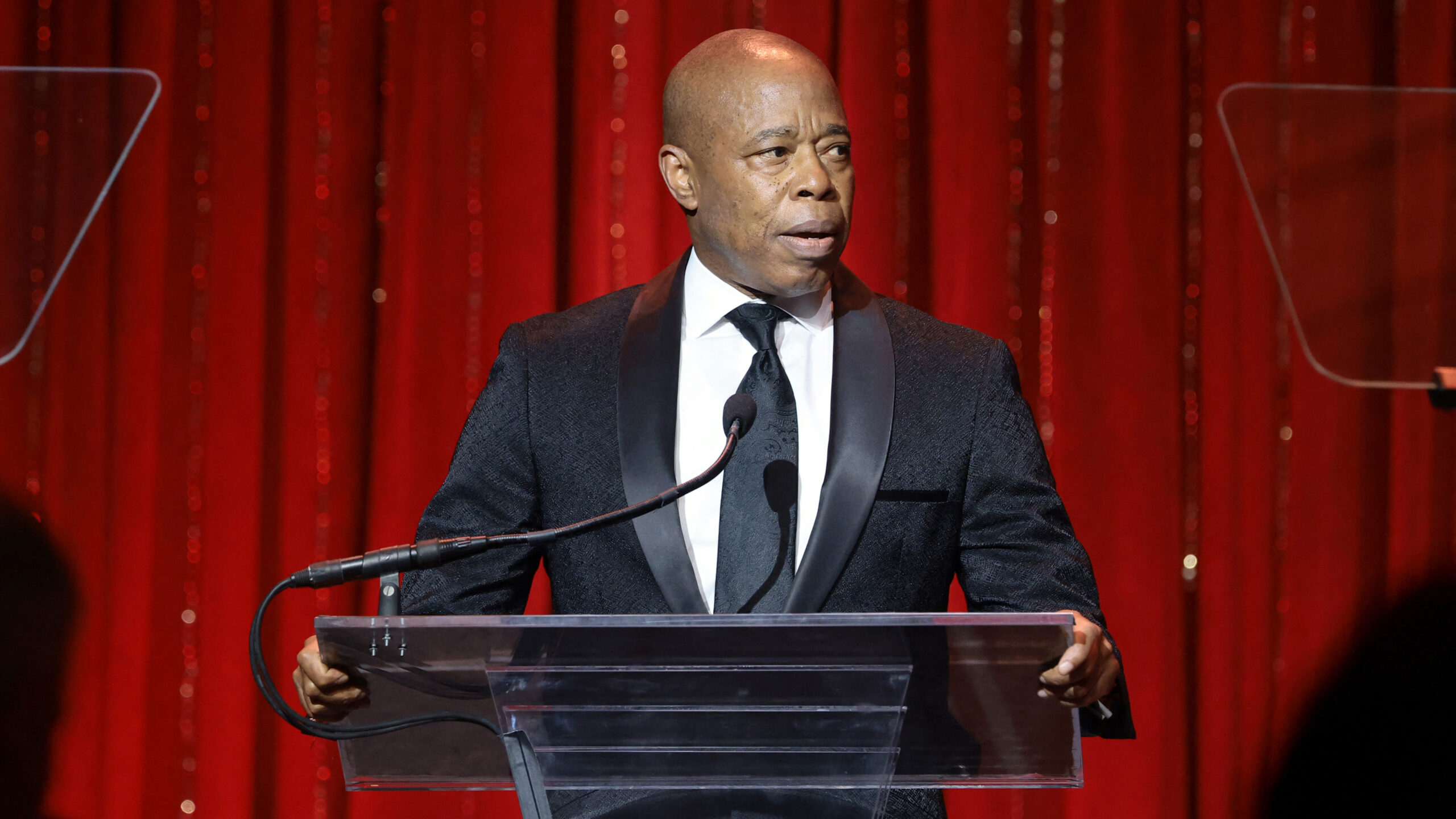
Former NYC hate crimes head sues mayor Eric Adams for discrimination: Report
Hassan Naveed, the former executive director of New York City’s Office for the Prevention of Hate Crimes, has filed a lawsuit against Mayor Eric Adams and the city, alleging he faced discrimination based on his religion and ethnicity during his tenure. The lawsuit, filed at the State Supreme Court in Manhattan, claims Naveed endured a hostile work environment, particularly after the October 2023 Hamas-led attacks on Israel, when his Muslim identity came under scrutiny. Naveed alleges that two superiors questioned him about his views on the attacks, including the controversial claim of “beheaded babies.”
In October 2023, Naveed and other Muslim colleagues met with Adams to address concerns over his aides sharing anti-Muslim, anti-Arab, and anti-Palestinian content on social media. According to the lawsuit, Adams allegedly blamed Muslims for experiencing hate due to their perceived failure to condemn Hamas and compared pro-Palestine marches to “Ku Klux Klan protests.”
Adams, who has cultivated strong ties with Israel, terminated Naveed’s employment in April 2024. A spokesperson for the mayor stated that Naveed was dismissed for poor job performance and denied any discrimination. The lawsuit follows Adams’ recent controversial remarks endorsing Andrew Cuomo’s mayoral candidacy, where he warned against “Islamic extremism” and criticized his political opponent, Zohran Mamdani, as a “communist.”
Adams’ comments have drawn widespread criticism for being Islamophobic, with critics accusing him of perpetuating harmful stereotypes. The lawsuit and Adams’ statements have sparked a broader debate about religious and ethnic discrimination in New York City’s leadership.
-
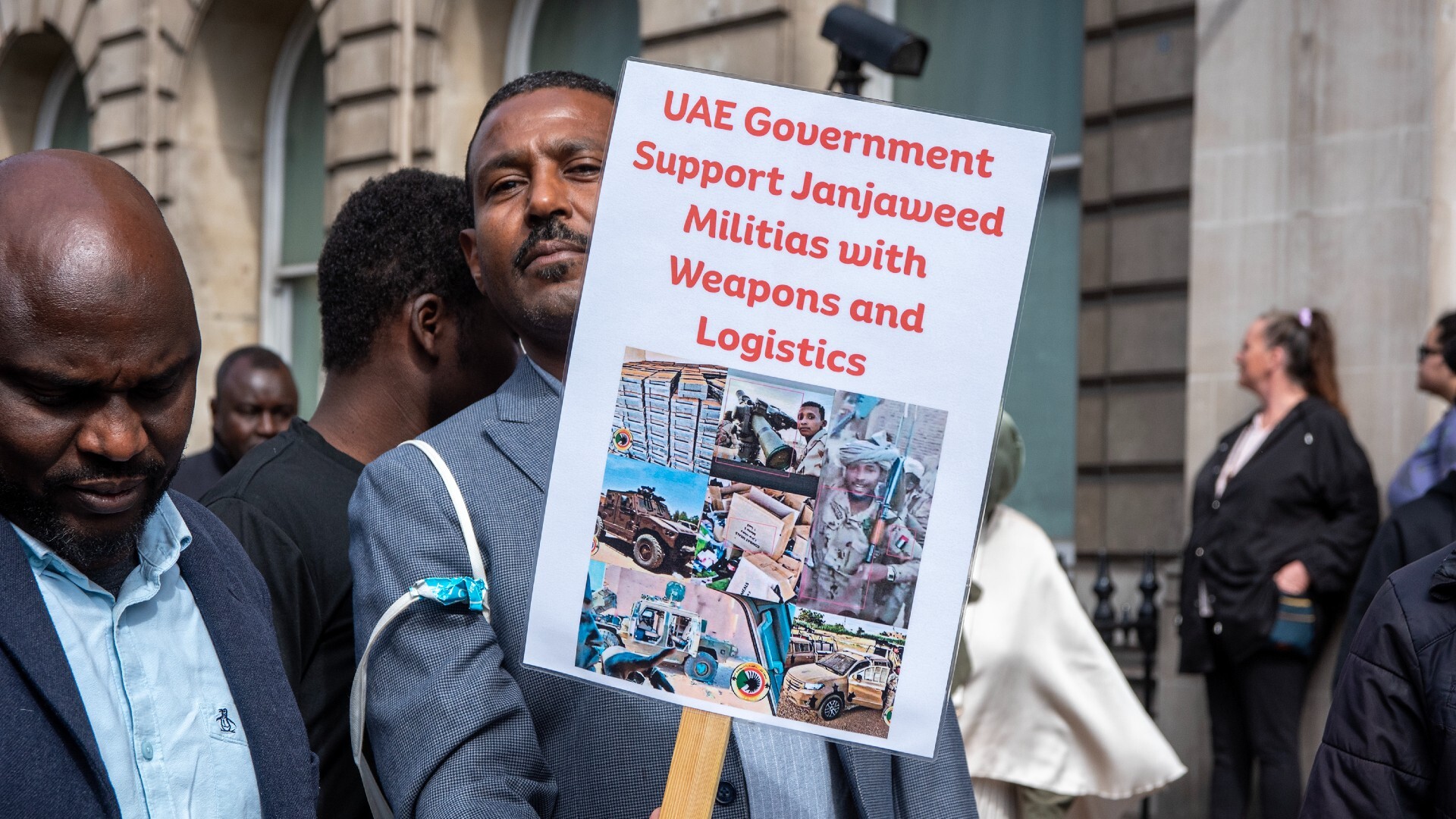
Could the ICC pursue Emirati complicity for RSF crimes in Sudan’s Darfur?
The Rapid Support Forces (RSF), a notorious paramilitary group in Sudan, has been accused of committing massacres in el-Fasher, the capital of North Darfur. This has reignited allegations against the United Arab Emirates (UAE) for its alleged complicity in these atrocities. While the International Court of Justice dismissed a case against the UAE due to lack of jurisdiction, the International Criminal Court (ICC) continues its investigation into crimes in Sudan, focusing on individuals rather than states. The ICC’s jurisdiction over Darfur, established by UN Security Council Resolution 1593, allows it to prosecute individuals for crimes committed in the region, including those who aided or abetted such crimes. However, prosecuting Emirati officials would face significant legal and logistical challenges, as neither Sudan nor the UAE are parties to the ICC’s founding treaty, the Rome Statute. Experts suggest that while the legal basis exists, gathering sufficient evidence and securing cooperation from the UAE would be major hurdles. Recent investigations have linked the UAE to the supply of weapons to the RSF, raising questions about its role in facilitating these crimes. The ICC’s ability to prosecute Emirati nationals hinges on proving their direct involvement in aiding the RSF’s atrocities in Darfur.
-
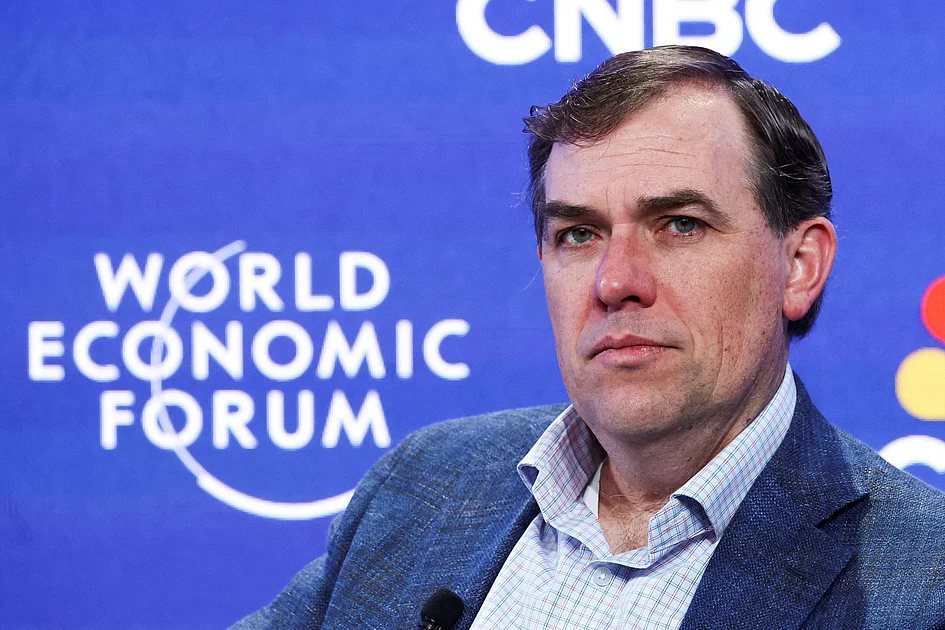
Amazon to invest $5 billion in South Korea AI data centres
Amazon has announced a groundbreaking $5 billion investment to establish advanced AI data centers in South Korea by 2031, marking the largest direct foreign investment in the country’s history. The commitment was revealed by Matt Garman, head of Amazon Web Services (AWS), during a meeting with South Korean President Lee Jae Myung on the sidelines of the Asia-Pacific Economic Cooperation (APEC) summit in Gyeongju. The new facilities will be located in the Incheon and Gyeonggi regions, near Seoul, and are expected to significantly bolster South Korea’s AI ecosystem. This investment surpasses Amazon’s previous $4 billion pledge in June for an AI data center in Ulsan. President Lee emphasized the government’s ambition to position South Korea among the world’s top three AI powerhouses, stating that Amazon’s investment will accelerate the nation’s AI development. South Korea, home to global memory chip leaders Samsung Electronics and SK hynix, plays a pivotal role in supplying essential components for AI products and data centers. This move underscores Amazon’s strategic focus on expanding its AI infrastructure in key global markets.
-
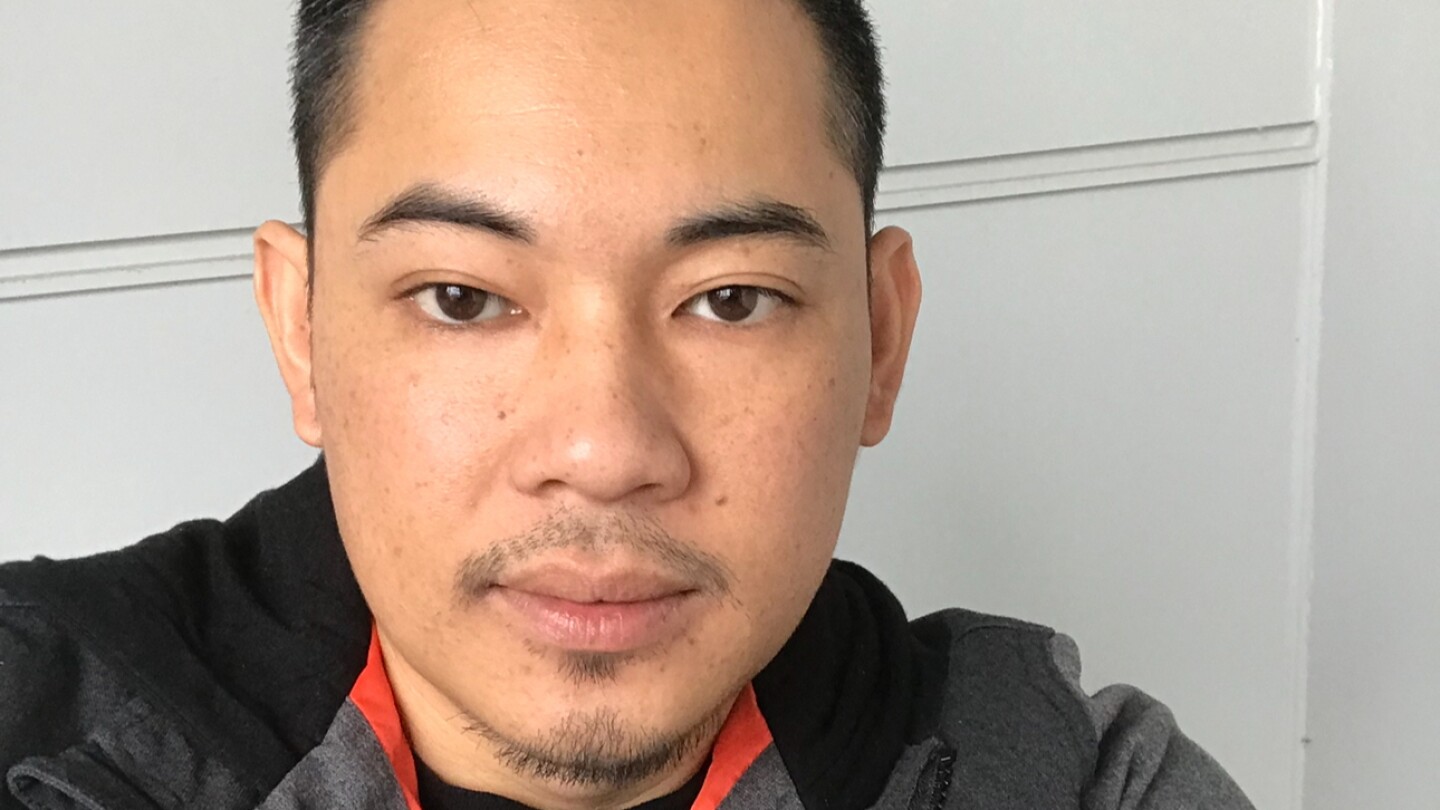
Judge’s order blocking removal of man from US wasn’t received until after he was deported, DHS says
The U.S. Department of Homeland Security (DHS) revealed on Wednesday that immigration authorities were unaware of a federal court order halting the deportation of Chanthila “Shawn” Souvannarath, a 44-year-old Alabama resident, until after he had already been sent to Laos. Souvannarath, who claims U.S. citizenship, was deported on Friday, a day after U.S. District Judge Shelly Dick issued a temporary restraining order to prevent his removal. The judge had cited a ‘substantial claim of U.S. citizenship’ as the basis for the order. DHS spokesperson Tricia McLaughlin stated that the order ‘was not served’ to U.S. Immigration and Customs Enforcement (ICE) until after the deportation had occurred, dismissing allegations of procedural violations. Souvannarath, born in a Thai refugee camp, has lived most of his life in the U.S. and was granted lawful permanent residency before his first birthday. His father, a naturalized U.S. citizen from Laos, is the basis for his citizenship claim. Souvannarath was taken into ICE custody in June following an annual immigration check-in. McLaughlin emphasized that Souvannarath had lost his green card in 2006 due to convictions for assault and unlawful firearm possession, asserting he ‘had no right to be in this country.’ His wife, Beatrice, described him as a hardworking father who had stayed out of trouble since his legal issues two decades ago. The American Civil Liberties Union (ACLU), representing Souvannarath, has called for his immediate return to the U.S., labeling the deportation ‘unlawful.’ This case highlights ongoing tensions between the Trump administration and the judiciary over immigration enforcement, including previous instances of U.S. citizens being wrongfully deported.
-
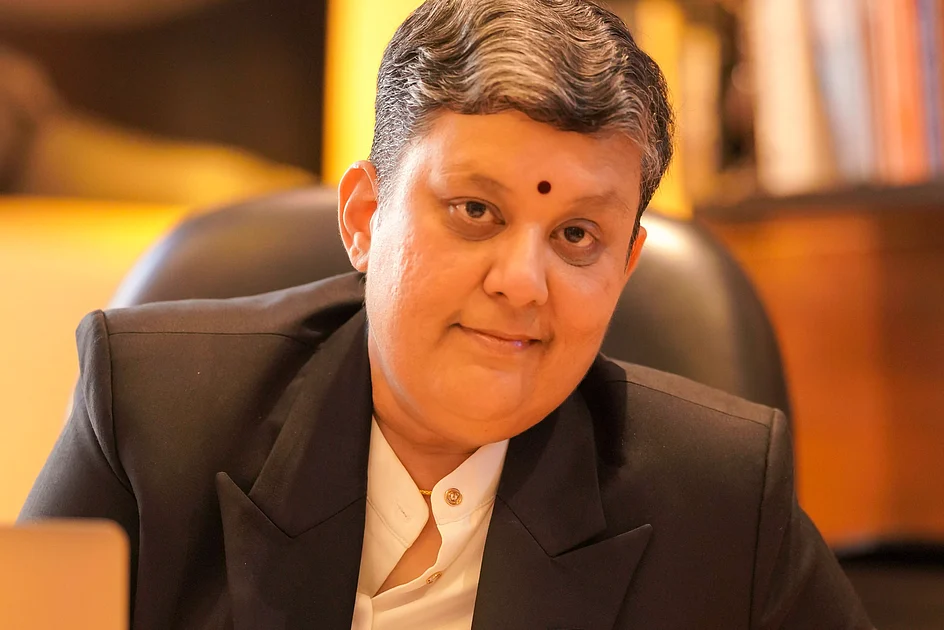
ABA Legal expands advisory services to accelerate UAE’s technology and business transformation
In a strategic move to bolster the UAE’s economic diversification and digital leadership, ABA Legal, a prominent corporate law consultancy based in Abu Dhabi, has announced the expansion of its advisory and legal services. This initiative is designed to support the nation’s burgeoning technology and innovation sectors, aligning with the UAE’s vision to become a global hub for innovation and enterprise. The enhanced service portfolio will focus on high-growth industries such as artificial intelligence (AI), renewable energy, blockchain, and data privacy, providing businesses with future-ready legal frameworks to ensure sustainable growth and regulatory compliance. Geethalakshmi Ramachandran, Managing Counsel at ABA Legal, emphasized the firm’s commitment to delivering technology-informed legal advice that safeguards client interests and fosters business confidence. The expansion includes the introduction of an AI Advisory service, staffed by experienced EU AI compliance professionals, to address the growing demand for AI regulatory expertise. ABA Legal’s specialized counsel will cover areas such as AI governance, Fintech Legalese management, cybersecurity, data privacy, e-commerce regulations, mergers and acquisitions, and cross-border compliance. With over two decades of experience in the UAE’s legal consulting sector, ABA Legal has built a strong reputation for excellence in corporate law, fiscal legal consulting, and legal drafting. The firm serves as standing counsel to major enterprises, including Indian banks, Fortune 500 companies, and multinational corporations in the UAE. Additionally, ABA Legal’s strategic partnerships across 32 jurisdictions enable it to offer comprehensive international advisory services, combining local insight with global best practices. This expansion underscores the firm’s dedication to supporting the UAE’s national goals for innovation, sustainability, and economic diversification, ensuring businesses can innovate confidently and responsibly within legal and ethical boundaries.
-
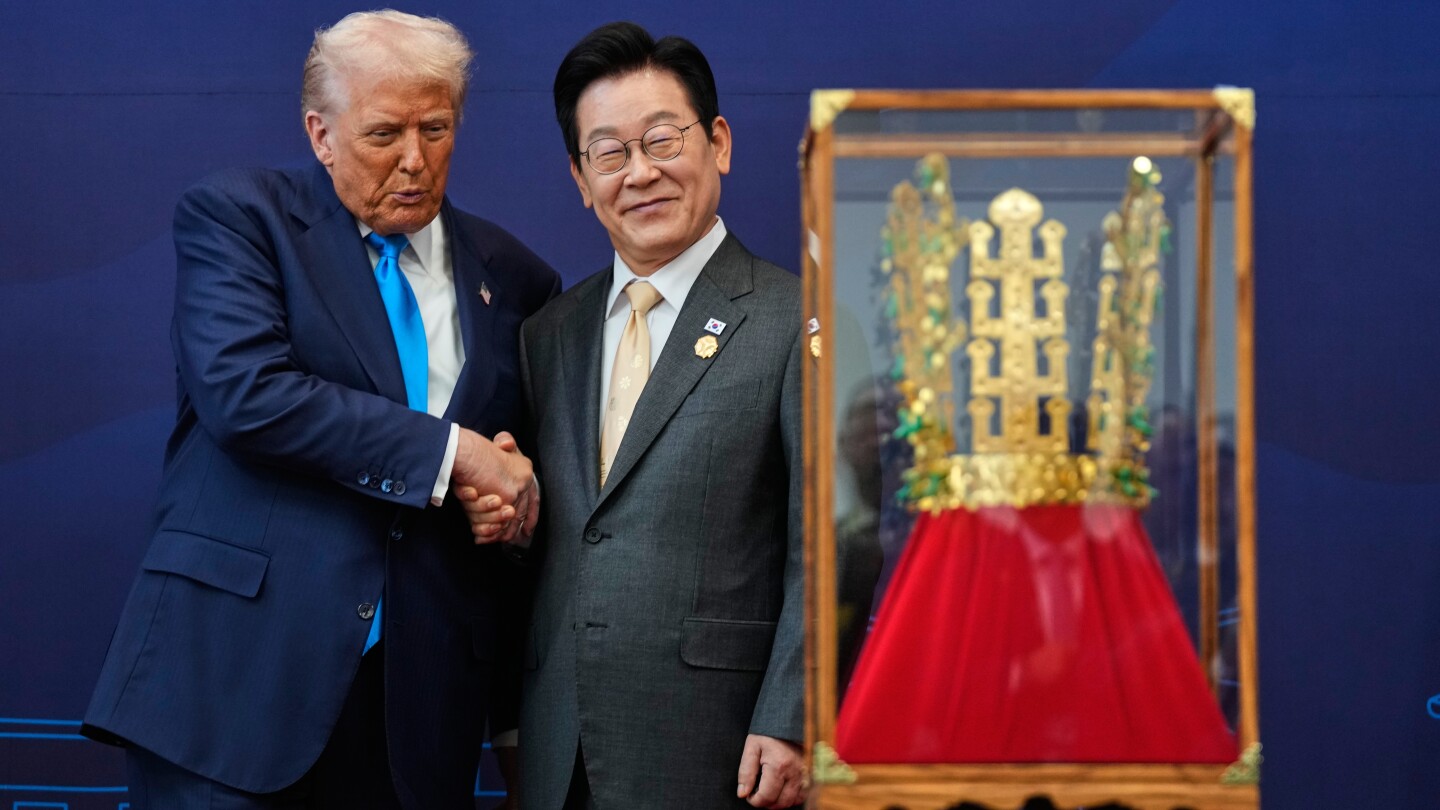
US will share tech to let South Korea build a nuclear-powered submarine, Trump says
In a significant development for regional security, former U.S. President Donald Trump announced on social media that the United States will share its closely guarded nuclear-powered submarine technology with South Korea. This announcement followed a meeting between Trump and South Korean President Lee Jae Myung in Gyeongju, South Korea. During their discussions, President Lee emphasized the importance of modernizing the U.S.-South Korea alliance and highlighted plans to increase South Korea’s military spending to alleviate the financial burden on the U.S. Lee clarified that South Korea’s interest lies in acquiring nuclear fuel for submarines rather than nuclear weapons, addressing a potential misunderstanding from their previous talks in August. He further argued that equipping South Korea with nuclear-powered submarines would bolster U.S. strategic activities in the region. U.S. nuclear submarine technology is considered among the most sensitive and highly protected military assets, with the U.S. historically reluctant to share it even with close allies. Notably, a recent agreement to assist Australia in acquiring nuclear submarine technology did not involve direct knowledge transfer from the U.S. Trump’s announcement comes ahead of his meeting with Chinese President Xi Jinping, whose country already possesses nuclear submarines, and follows North Korea’s March unveiling of a nuclear-powered submarine under construction—a move that poses a significant security threat to both South Korea and the U.S. The Pentagon has yet to comment on Trump’s announcement. Meanwhile, North Korea’s recent successful cruise missile tests underscore its growing military capabilities, adding to the region’s escalating tensions.