标签: Asia

亚洲

  • Japan suspends world’s largest nuclear plant hours after restart

    Japan suspends world’s largest nuclear plant hours after restart

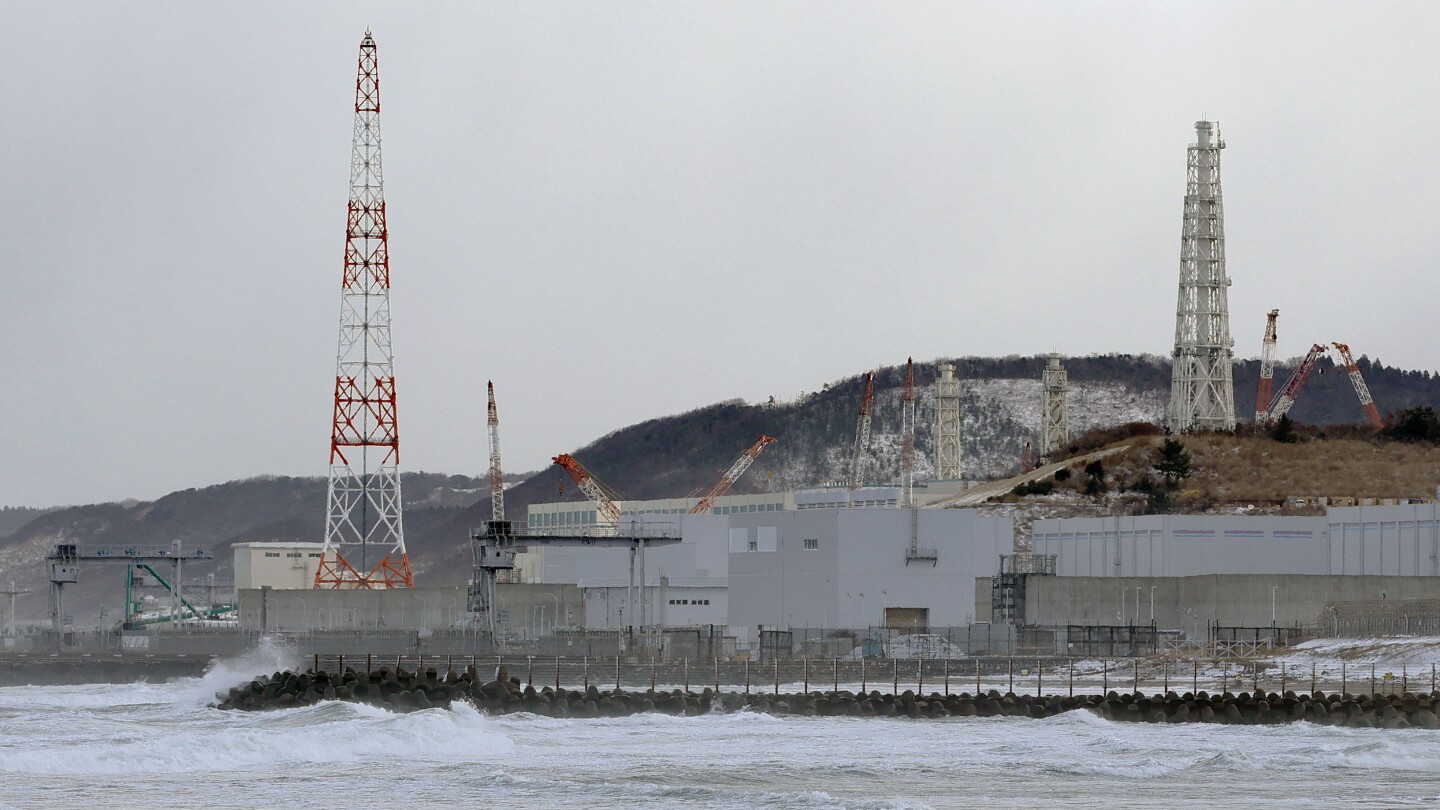
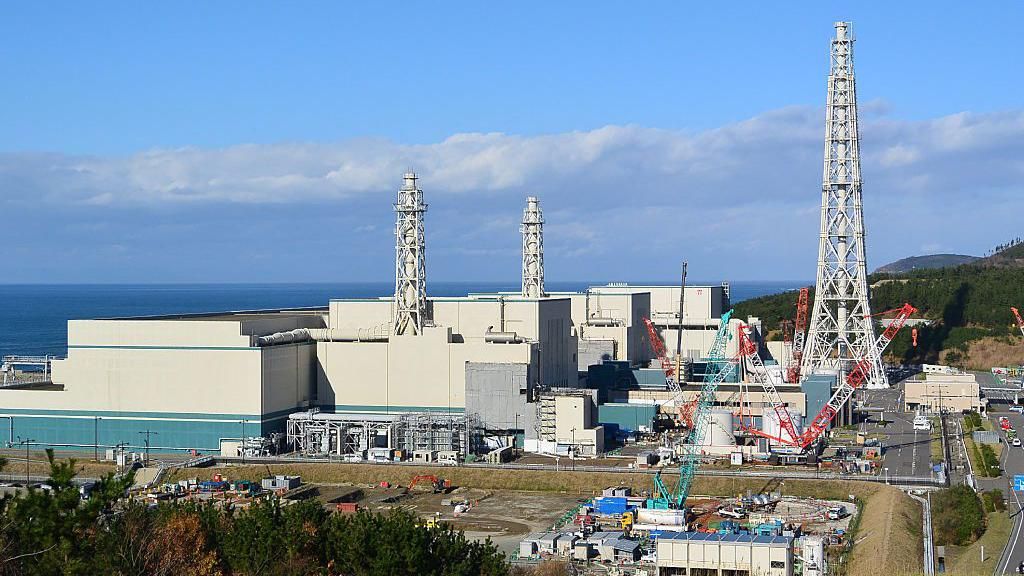
    Japan’s ambitious nuclear energy revival faced an immediate setback as the Kashiwazaki-Kariwa Nuclear Power Plant—the world’s largest by installed capacity—was abruptly shut down mere hours after restarting operations. The suspension occurred when an alarm triggered during reactor-start-up procedures at reactor number six, which had just resumed operation on Wednesday following a one-day delay caused by another technical malfunction.

    Tokyo Electric Power Company (Tepco) spokesperson Takashi Kobayashi confirmed the incident, stating that while the reactor remained stable with no radioactive impact detected outside the facility, the company is investigating the cause with no timeline provided for resuming operations. This restart marked a significant milestone as the first reactor activation at the plant since the catastrophic 2011 Fukushima disaster that led Japan to shutter all 54 of its nuclear reactors.

    The Kashiwazaki-Kariwa facility’s troubles highlight Japan’s ongoing challenges in balancing its nuclear energy ambitions with public safety concerns. The reactor had received regulatory approval to restart despite opposition from local residents, with protests occurring outside Tepco’s headquarters last week and hundreds gathering at the Niigata prefectural assembly in December.

    Japan’s nuclear landscape has dramatically transformed since Fukushima, where a 9.0 magnitude earthquake triggered meltdowns forcing over 150,000 evacuations. Before the disaster, nuclear power provided nearly 30% of Japan’s electricity, with plans to increase that to 50% by 2030. The current administration has been gradually restarting reactors as part of its strategy to achieve net-zero emissions by 2050, with 15 of 33 operable reactors resumed since 2015.

    The future of Kashiwazaki-Kariwa remains uncertain, with reactor seven not expected to restart until 2030 and the other five reactors potentially facing decommissioning. This would leave the massive facility operating at a fraction of its designed capacity, representing both a technical and symbolic challenge for Japan’s nuclear energy policy.
  • Camping carnival brings warmth to frigid NE China

    Camping carnival brings warmth to frigid NE China

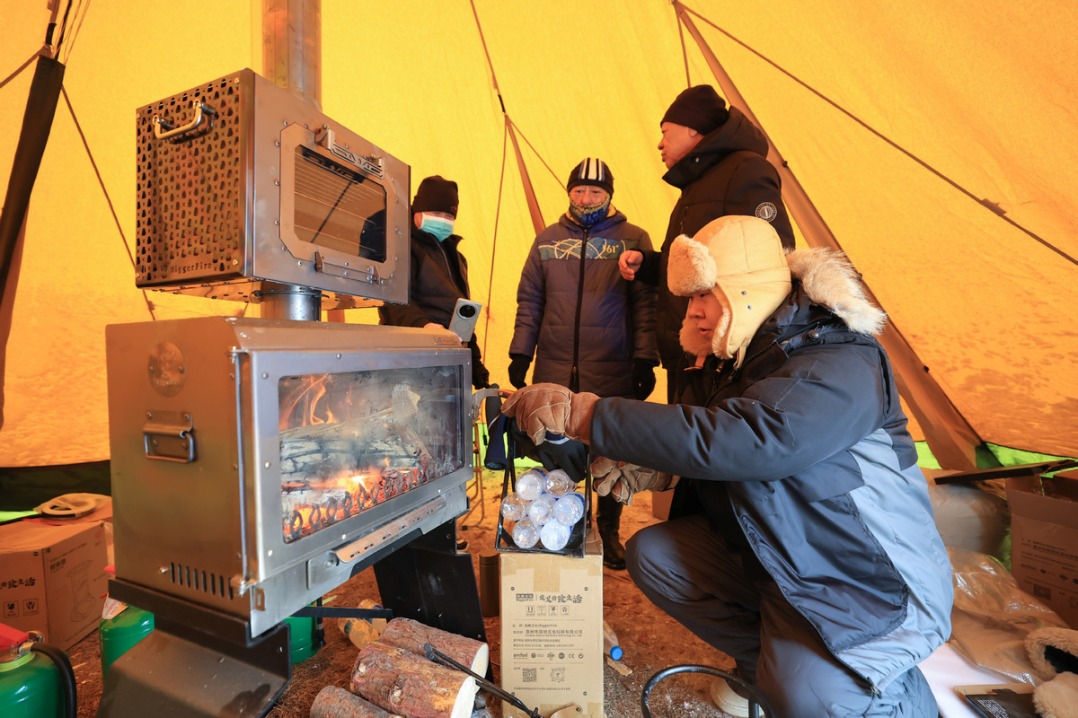
    In a remarkable display of outdoor enthusiasm overcoming extreme weather, thousands of camping devotees converged on the frozen landscapes of Northeast China for the fourth annual Northeast Camping Carnival. The event, held from January 12-18 in Hala village within Qiqihar’s Meilisi Daur ethnic district, transformed the typically dormant winter scene into a vibrant hub of activity.

    Among the participants was Zhu Yongyu, who embarked on an extraordinary 3,000-kilometer journey from Guangdong province in southern China. After six days of driving through dramatically changing climates, Zhu achieved his goal of experiencing sub-zero camping at -30°C—a stark contrast to the temperate conditions of his home region.

    “I’ve exhausted all camping scenarios in Guangdong, but snow camping represents an entirely new frontier of challenge,” Zhu explained while maintaining his tent’s interior warmth with a gas stove. “This unique experience justified the extensive travel.”

    The festival reached a milestone this year with over 1,000 tents pitched across the snow-blanketed grasslands, marking the first time the event has surpassed this threshold. The spectacle of colorful shelters dotting the silver plains symbolized a significant evolution in China’s winter tourism patterns.

    Local authorities note that the traditional concept of winter hibernation has been replaced by growing economic vitality driven by integrated ice-and-snow sports, cultural activities, and outdoor leisure pursuits. The camping carnival demonstrates how extreme weather conditions, once seen as a limitation, have been reimagined as a unique attraction drawing visitors from across China.

    The event’s success highlights how specialized tourism initiatives can stimulate regional economies during traditionally slow seasons while providing urban dwellers with unprecedented access to winter wilderness experiences.

  • TCM therapy gives students peace of mind

    TCM therapy gives students peace of mind

    In an innovative approach to student mental health, universities in China’s Shaanxi province are integrating Traditional Chinese Medicine (TCM) principles to address growing concerns about anxiety and depression on campus. This holistic methodology emphasizes physical wellness as the foundation for psychological stability, marking a significant shift from conventional Western counseling techniques.

    The program at Shaanxi University of Chinese Medicine advocates for regulated sleep patterns, recommending students retire before 11 pm and nap between 11 am and 1 pm to nourish internal organs and reduce anxiety. Associate Professor Tong Yajing explains that this ‘body-first’ philosophy recognizes the interdependence of physical and mental health, with improved physical condition naturally enhancing stress resistance.

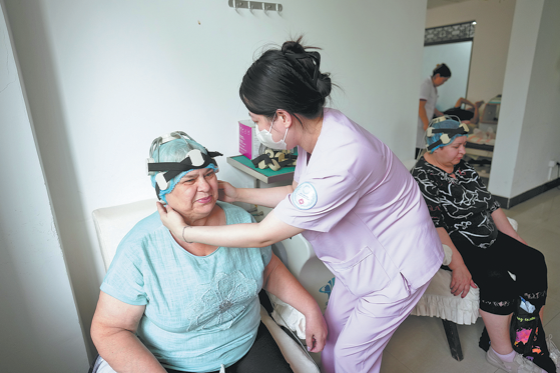
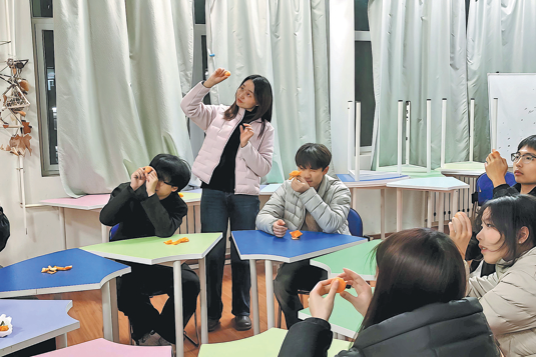
    Students participate in diverse TCM practices including qigong breathing exercises, acupressure, seasonal dietary adjustments, and mindfulness activities. The university reports remarkable success, with 95.58% of participants reporting tangible benefits from these traditional therapies. Pre and post-program assessments specifically for mindfulness meditation showed significant reductions in anxiety levels.

    Personal testimonies reveal the program’s effectiveness. One junior student (identified as Xiao Si) who previously struggled with depression reported becoming more attuned to bodily needs through TCM practices. ‘I learned to be more careful with my body, which has been helpful in improving my mental state,’ she noted.

    Another student, Xiao Chen, found tai chi and baduanjin exercises particularly effective during exam periods. ‘After practice, my mind was in a state of calm emptiness, free from random thoughts,’ she described, adding that TCM’s avoidance of excessive emotional probing made it more comfortable than Western approaches.

    The initiative has expanded to Xi’an Shiyou University, which conducts daily baduanjin workshops and innovative mindfulness photography projects where participants document their emotional states through images over 21-day cycles. The university even integrates traditional poetry recitation and calligraphy with mindfulness practices.

    Psychological counselor Yan Gaobin observes that ‘anxiety comes from disordered thinking,’ while the structured movements and breathing techniques of baduanjin help restore mental order. colleague Hui Xiaoyin notes that the low barrier to participation contributes significantly to student adherence.

    With demonstrated success in addressing the primary psychological challenges faced by students—interpersonal relationships and academic pressure—these TCM programs are poised for expansion across provincial universities, offering a culturally-grounded, cost-effective alternative to conventional mental health interventions.

  • Diving to discover details of distant past dependant on weather

    Diving to discover details of distant past dependant on weather

    For underwater archaeologist Tseung Pak-long, the ocean’s surface tranquility often masks the volatile conditions that determine the success or failure of his missions. Recently traveling nearly eight hours from Hong Kong to Pingtan Island in Fujian province, Tseung arrived to assist with specialized diving training despite an approaching typhoon threatening to disrupt operations.

    The delicate dance between archaeology and meteorology becomes most apparent during typhoon season, which spans May through November with peak intensity from July to September. Paradoxically, this period of heightened weather risk offers the most favorable underwater conditions for archaeological work. ‘Temperature and seabed conditions reach their optimal state during these months,’ Tseung explained, highlighting the profession’s inherent contradictions.

    As Typhoon Wipha prompted Hong Kong’s highest hurricane warning, Tseung maintained hope that Fujian’s distance from the storm’s eye might spare their operations. This optimism proved short-lived as powerful gusts greeted his arrival, signaling the challenging conditions ahead.

    The following day brought deceptive sunshine, but Tseung’s experience told a different story. ‘Favorable conditions for underwater work aren’t about surface weather,’ he clarified. ‘Everything depends on current intensity and subaquatic visibility.’

    Underwater archaeology operates under stringent safety protocols that prioritize diver security above all discoveries. The discipline mandates buddy systems, strict time limitations, defined operational ranges, and precise workflows. Tseung gestured toward the seemingly calm sea, noting its appearance belied the turbulent currents churning beneath—the aftermath of the passing typhoon creating dangerous and murky conditions.

    Accustomed to weather-related disappointments, Tseung philosophically compared underwater excavation to ‘opening a mystery box’ where even reaching a shipwreck site doesn’t guarantee significant findings. This unpredictability makes every successful dive particularly valuable.

    The expedition’s fate was sealed by evening when rough seas forced all vessels to designated safe zones, canceling the next day’s planned operations. Accepting nature’s authority with equanimity, Tseung reflected that being at mercy of the elements simply represents the norm in his profession.

  • Nation’s underwater archeology uncovered

    Nation’s underwater archeology uncovered

    On the coastal frontier of Pingtan Island in Fujian province, where terrestrial landscapes merge with oceanic expanses, an unassuming four-story crimson structure houses China’s premier Underwater Archaeology Training Base. This facility represents the vanguard of the nation’s systematic efforts to reclaim its submerged cultural heritage from oceanic depths.

    The discipline of underwater archaeology has evolved from specialized pursuit to established scientific practice in China, with veteran practitioners like retired archaeologist Cui Yong—among the nation’s pioneering figures in submerged cultural exploration—witnessing its transformative journey. As former deputy director of the Guangdong Institute of Cultural Relics and Archaeology, Cui embodies the dedication driving China’s maritime preservation initiatives.

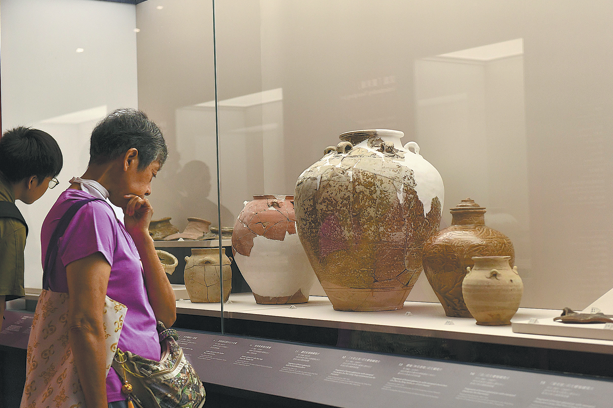
    Recent exhibitions, including the display of salvaged relics from the renowned Nanhai One shipwreck at Hong Kong’s Heritage Discovery Centre in August 2024, demonstrate the growing public engagement with these archaeological recoveries. The fourteenth-century merchant vessel, discovered in 1987 and meticulously excavated from the South China Sea, has become a symbolic representation of China’s maritime historical legacy, yielding over 180,000 cultural artifacts that illuminate ancient trade networks.

    China’s methodological approach combines advanced sonar mapping, remotely operated vehicles, and specialized diver training to investigate shipwrecks spanning from the Song Dynasty (960-1279) to the Qing Dynasty (1644-1911). These scientific endeavors not only recover physical artifacts but reconstruct historical narratives of maritime commerce, technological exchange, and cultural interaction along ancient trade routes.

    The national investment in underwater archaeology reflects broader recognition of oceanic heritage as an integral component of cultural preservation, with training programs developing new generations of archaeologists equipped to handle the unique challenges of submerged excavation and conservation.

  • Nuclear reactor owned by Fukushima plant operator TEPCO suspends hours-old restart

    Nuclear reactor owned by Fukushima plant operator TEPCO suspends hours-old restart

    Japan’s ambitious nuclear energy revival faced an unexpected setback Thursday when the restart of the Kashiwazaki-Kariwa nuclear power plant—the world’s largest such facility—was abruptly suspended mere hours after commencing operations. This marked the first attempted reactivation since the catastrophic 2011 Fukushima nuclear disaster.

    The suspension resulted from a technical anomaly involving control rods, critical components responsible for the safe initiation and shutdown of nuclear reactors. Tokyo Electric Power Company Holdings (TEPCO), the plant’s operator, confirmed the interruption while emphasizing that no safety compromises occurred. Company officials are conducting thorough investigations to determine the cause, with no definitive timeline provided for resuming the restart process.

    This development carries profound significance as TEPCO simultaneously manages the ongoing Fukushima cleanup—a project estimated at 22 trillion yen ($139 billion)—while working to restore its operational credibility. Both governmental and independent investigations had previously attributed the Fukushima catastrophe to TEPCO’s deficient safety protocols and inappropriate collusion with regulatory bodies.

    The Kashiwazaki-Kariwa facility, located approximately 220 kilometers northwest of Tokyo, represents TEPCO’s inaugural return to nuclear power generation since the 2011 disaster. While fourteen other reactors across Japan have successfully resumed operations during this period, this particular restart symbolizes a critical milestone in Japan’s broader energy strategy. The nation, resource-deficient and facing escalating electricity demands, is actively accelerating atomic power utilization to ensure energy security.

    The No. 6 reactor, once operational, promises to generate 1.35 million kilowatts of electricity—sufficient to power over one million households in the capital region. Despite the plant’s total capacity reaching 8 million kilowatts across seven reactors, TEPCO currently plans to recommission only two units in the foreseeable future. All seven reactors have remained inactive since 2012, following radiation contamination that rendered extensive areas surrounding Fukushima uninhabitable.

  • Dog weddings — how new industry laps up puppy love

    Dog weddings — how new industry laps up puppy love

    A remarkable social phenomenon is emerging across urban centers in China, where extravagant wedding ceremonies for pets are rapidly evolving into a sophisticated industry. This trend reflects the deepening emotional bonds between pet owners and their animal companions, transforming conventional pet care into elaborate celebrations of companionship.

    The market for pet weddings has witnessed exponential growth, with specialized event companies now offering comprehensive packages including venue decoration, custom attire, professional photography, and gourmet pet-friendly catering. These events typically range from intimate gatherings to lavish productions costing thousands of dollars, demonstrating the significant economic potential of this niche market.

    Shanghai resident Sun Yongning exemplifies this trend, having recently organized a wedding ceremony for her poodle Alice, who ‘married’ Max, a canine companion belonging to family friends. “Their meeting was extraordinarily dramatic—we encountered Max and his owners at a pet gathering, and the two dogs immediately developed a special connection,” Sun recounted. The subsequent discovery that the dogs shared familial ties through pedigree certificates added an unexpected dimension to their relationship, creating what Sun described as “a narrative worthy of literary fiction.”

    Industry analysts attribute this phenomenon to several socioeconomic factors: rising disposable incomes, changing family structures, and the increasing treatment of pets as family members. Urban professionals, particularly younger generations and middle-aged empty nesters, are driving demand for premium pet services that acknowledge the emotional significance of their animal companions.

    Beyond the ceremonial aspects, these events facilitate social networking among pet owners, creating communities centered around shared interests in animal welfare and luxury pet care. The trend has also stimulated adjacent market sectors including pet fashion, specialized confectionery, and event planning services specifically tailored for animal celebrations.

    While some critics question the extravagance of such ceremonies, proponents argue they represent meaningful expressions of companionship in increasingly digital and isolated urban environments. The industry shows no signs of slowing, with market researchers predicting continued expansion into related services and experiences that celebrate the human-animal bond.

  • Efficient medical care draws foreigners

    Efficient medical care draws foreigners

    A growing number of international patients are bypassing lengthy wait times in their home countries by seeking medical treatment in China, where they report receiving high-quality, efficient care at significantly lower costs. This emerging trend, highlighted by the experience of a British content creator named Amie, demonstrates China’s evolving position in the global healthcare landscape.

    Amie’s case exemplifies this phenomenon. Facing a two-week wait for a general practitioner consultation in Britain for persistent stomach pain, she instead booked a flight to Beijing. Within five days of arrival, she consulted a gastroenterologist at Beijing Tsinghua Changgung Hospital, completed comprehensive diagnostic tests including a sedated endoscopy, and received a definitive diagnosis of chronic gastritis with prescribed medication. The entire process cost approximately £300 for medical services—just one-tenth of what she would have paid through Britain’s National Health Service.

    Even including £1,500 in travel expenses, Amie reported the overall experience remained cost-effective while providing exceptional efficiency. “It feels like a well-oiled machine here. The efficiency and quality of care are outstanding,” she noted in social media posts that garnered significant attention.

    This medical tourism trend primarily attracts expatriates and former long-term residents familiar with China’s healthcare system. While China’s visa-free policy doesn’t specifically cover medical visits, many foreigners arrange treatment during permitted stays for tourism or business. Currently, travelers from 55 countries can utilize China’s 240-hour visa-free transit policy at 65 entry ports.

    Medical experts attribute China’s healthcare efficiency to sophisticated interdepartmental coordination and digital integration. “When a gastroenterologist orders a procedure, the lab quickly runs blood tests, the cardiology department performs an electrocardiogram, and anesthesiology handles preoperative assessment. The whole process is seamlessly integrated,” explained Lin Siyong, head of medical affairs management at Beijing Tsinghua Changgung Hospital.

    Foreign patients typically seek care at either private hospitals or international medicine departments within public hospitals. Wang Yiqun, deputy director of Beijing Tsinghua Changgung Hospital’s international medicine department, emphasized that while public hospitals prioritize domestic patients’ basic healthcare needs, they’ve established international divisions to support Beijing’s development as a global exchange hub. National guidelines cap international medical services at approximately 10% of total capacity.

    The trend extends beyond Beijing to other major cities. Di Yue, an ophthalmologist at Shanghai Children’s Hospital, has noticed a significant increase in overseas patients, particularly overseas Chinese from Canada, Singapore, Malaysia, and Australia. Specializing in treating trachomatous trichiasis, he notes that even including travel and accommodation expenses, treatment in China often proves more cost-effective than abroad.

    This influx of international patients not only provides revenue for hospitals but also reflects China’s growing medical capabilities. With the expansion of telemedicine and social media, healthcare professionals anticipate continued growth in medical tourism to China.

  • Arrival of Losar brings joy, good fortune to Tibetans

    Arrival of Losar brings joy, good fortune to Tibetans

    Across the high-altitude landscapes of Xizang Autonomous Region, vibrant celebrations for Losar—the traditional Tibetan New Year—are unfolding with profound cultural significance and communal joy. The festival, marked by intricate rituals and symbolic preparations, demonstrates the enduring preservation of Tibetan heritage amidst modern development.

    In Lhasa’s historic Barkhor district, a sprawling seasonal market operating from January 14 to February 16 has become the epicenter of festive commerce. Two hundred forty stalls offer specialized goods ranging from ceremonial barley sprouts and artisanal dairy products to regional delicacies from Qinghai and Xinjiang. The market embodies a fusion of traditional practices with contemporary convenience, creating a comprehensive shopping experience for residents preparing for the celebrations.

    Cultural symbolism permeates every aspect of Losar preparations. The Chemar Box, containing sacred tsampa (roasted barley flour), represents aspirations for abundance and prosperity. Elaborately painted barley ear decorations (Losar metok) and vibrant door curtains serve as traditional talismans believed to invite warmth and good fortune into households.

    This year’s astronomical alignment creates a rare temporal proximity between Losar and the Spring Festival, with merely one day separating the two celebrations. Tibetan calendrical expert Tobgayl explains that this synchronization results from complex lunar calculations, with the festivals sometimes coinciding or occurring weeks apart depending on annual celestial variations.

    Regional diversity characterizes Losar observances across Xizang. While most communities celebrate on the first day of the Tibetan calendar’s first month, residents of Shigatse and Nagchu traditionally observe the holiday at the commencement of the twelfth month—a distinction reflecting local agricultural cycles and geographical conditions.

    Perhaps most poignant are the celebrations in Tsakhor village, where residents displaced by last year’s 6.8 magnitude earthquake are now observing Losar in newly constructed Tibetan-style homes. “We are finally celebrating in our new homes without worries,” expressed villager Pema Chungdak, capturing the collective resilience of communities rebuilding amidst preservation of cultural traditions.

    From urban markets to rural villages, the pervasive spirit of renewal and cultural continuity defines this year’s celebrations, demonstrating how ancient traditions continue to shape contemporary life across the Tibetan plateau.

  • Outrage after Indian man drowns in open pit after begging for help for hours

    Outrage after Indian man drowns in open pit after begging for help for hours

    A devastating incident in Noida has exposed critical failures in urban infrastructure and emergency response systems, triggering nationwide outrage. Yuvraj Mehta, a 27-year-old IT professional, met a tragic end when his vehicle plunged into a waterlogged construction pit that lacked proper safety markings during dense winter fog last Friday midnight.

    The catastrophe unfolded when Mehta’s car reportedly struck a low boundary wall near the excavation site—a stalled construction project that had remained unsecured for years. Trapped in rapidly sinking conditions, the non-swimmer managed to climb onto the car roof and contacted his father via mobile phone. For nearly two hours, Mehta desperately signaled for help using his phone’s flashlight while his father coordinated emergency services.

    Despite rescue teams arriving at the scene, procedural delays and inadequate equipment hampered recovery efforts. Authorities cited near-zero visibility, submerged debris, and freezing temperatures as complicating factors. A civilian delivery worker named Moninder attempted a heroic rescue by diving into the hazardous waters with a makeshift rope system, but couldn’t locate the victim in the murky conditions.

    The incident has ignited furious public demonstrations at the accident site, with protesters condemning systemic negligence in urban governance. Following formal complaints from Mehta’s family, Noida police have registered cases against real estate developers and arrested construction site owner Abhay Kumar under charges of culpable homicide due to negligence.

    The Uttar Pradesh government has taken disciplinary action by removing a senior official from the local development authority and initiating a comprehensive investigation into rescue protocols and construction site safety compliance. Law enforcement officials acknowledge that further arrests are anticipated as investigations progress.

    This tragedy has amplified existing concerns about India’s road safety standards, with social media platforms flooded with personal accounts of similar hazardous conditions nationwide. Citizens are demanding urgent reforms in urban planning regulations, improved emergency response capabilities, and stricter enforcement of construction site safety norms to prevent such preventable fatalities.