
During a recent visit to Abu Dhabi, UFC President Dana White engaged with students at the Mohamed bin Zayed University of Artificial Intelligence (MBZUAI) to discuss the transformative potential of AI in combat sports. The session, part of White’s broader trip to the UAE capital, delved into AI applications such as scoring systems, fighter rankings, injury prediction, and enhancing fan engagement. What began as a campus tour evolved into a promising dialogue when a student proposed establishing the world’s first AI research lab dedicated to martial arts. White expressed enthusiasm for the idea, highlighting the potential synergy between the university’s AI expertise and the UFC’s athlete data and performance tracking systems. He emphasized Abu Dhabi’s pioneering role in integrating technology and sports, citing the upcoming UFC Performance Institute as a hub for global fighter training and data analytics. White also revealed ongoing UFC initiatives to develop AI-driven fighter rankings and explore AI-assisted judging, aiming to improve transparency and fairness in the sport. While acknowledging AI’s limitations in measuring intangible qualities like determination, White praised the students’ innovative ideas, such as using computer vision to analyze fight footage and predict injuries. The event underscored MBZUAI’s growing reputation as a leading AI research institution and its commitment to fostering cross-disciplinary dialogue through initiatives like the Global Thinkers Series. White concluded by commending Abu Dhabi’s long-standing dedication to combat sports, noting its early adoption of jiu-jitsu and MMA as a testament to the city’s forward-thinking approach.
标签: Asia
亚洲
-
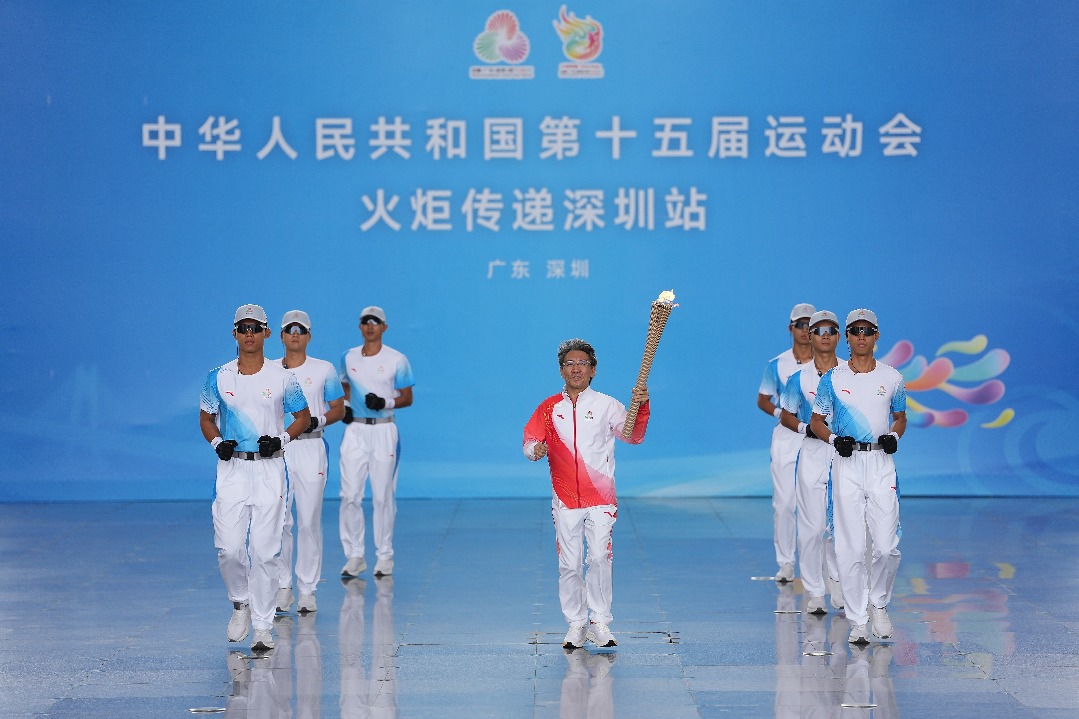
First-ever cross-boundary torch relay held for China’s National Games
In a groundbreaking event, China’s 15th National Games marked a historic moment with its first-ever cross-boundary torch relay, held simultaneously across Guangdong, Hong Kong, and Macao on Sunday. The relay, which commenced just one week before the Games’ opening, symbolizes unity and collaboration within the Greater Bay Area. The launch ceremony took place in Shenzhen, a southern coastal city, with the torch relay extending to Hong Kong, Macao, Guangzhou, and Shenzhen. A total of 200 torchbearers, including renowned physicist Xue Qikun and former Olympic diving champion Yang Jinghui, participated in the event. The ‘source flame’ was uniquely extracted from combustible ice located over 1,500 meters beneath the South China Sea in September. The relay concluded with the convergence of torch flames from the four cities at the Guangdong Olympic Sports Center in Guangzhou, where they were merged into a single flame. This unified flame will ignite the main cauldron at the opening ceremony of the 15th National Games on November 9, marking a significant moment in the history of the event.
-

South Africa wins toss and opts to bowl against India in the Women’s World Cup final
In a rain-affected start to the 2025 Women’s Cricket World Cup final, South Africa’s captain Laura Wolvaardt won the toss and elected to bowl against India at the DY Patil Stadium in Navi Mumbai. The toss, initially scheduled for 0900 GMT, faced multiple delays due to persistent rainfall and a wet outfield. It was eventually conducted at 1102 GMT, with play set to begin at 1130 GMT. No overs were lost, thanks to a two-hour extension allowance for knockout matches, and Monday remains a reserve day if further weather interruptions occur. This final promises a new champion, as India dethroned seven-time winners Australia in the semifinals, while South Africa overcame four-time champions England to reach their first-ever final. Both teams fielded unchanged lineups from their semifinal victories. India, playing on home soil, aims to secure their maiden World Cup title in their third final appearance, while South Africa looks to capitalize on their historic breakthrough. The pitch, known to favor batters, and evening dew could influence the outcome, with five of the last six World Cup finals won by the team batting first.
-
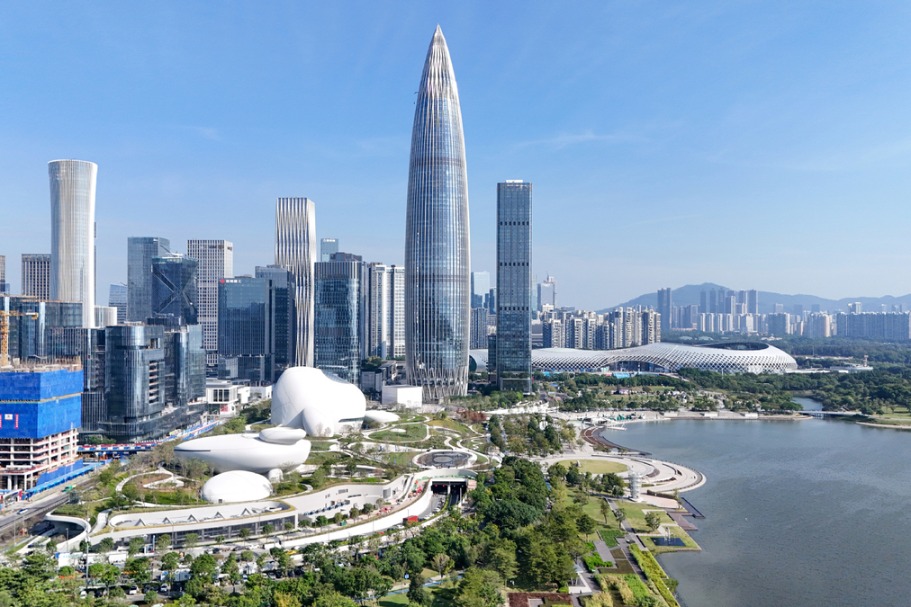
New cultural landmark starts trial operation in Shenzhen
Shenzhen, a bustling metropolis in Guangdong province, has unveiled its latest cultural gem—the Shenzhen Bay Culture Square. This architectural marvel, spanning an impressive 188,000 square meters, commenced its trial operation on November 1, 2025. The square features nine state-of-the-art exhibition halls, designed to showcase a diverse array of cultural and artistic endeavors. The project aims to position itself as a premier destination for cultural enrichment and community engagement. A recent drone photograph captured the grandeur of the square, highlighting its modern design and strategic location along the scenic Shenzhen Bay. This initiative underscores Shenzhen’s commitment to fostering cultural development and enhancing its global reputation as a hub for innovation and creativity.
-
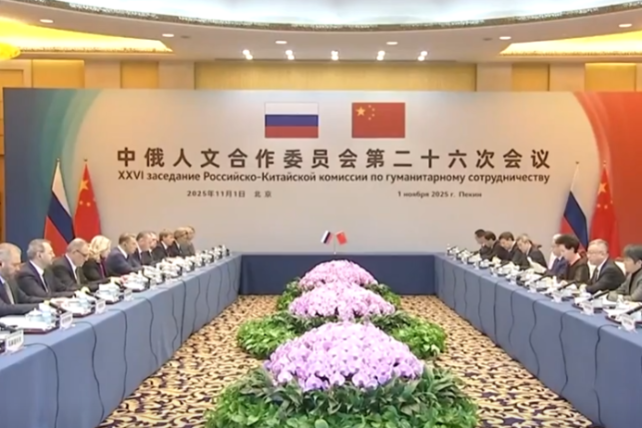
China, Russia to deepen practical cooperation in humanities cooperation
Beijing, November 2, 2025 – In a significant move to bolster bilateral ties, Chinese State Councilor Shen Yiqin and Russian Deputy Prime Minister Tatyana Golikova co-chaired the 26th session of the China-Russia Committee on Humanities Cooperation in Beijing. The meeting underscored the commitment of both nations to deepen practical cooperation across various humanities fields, marking a new chapter in their strategic partnership.
Shen, who also serves as the Chinese chairperson of the committee, highlighted the successful implementation of key agreements reached during the 25th session last year. She emphasized that both countries have organized a series of impactful thematic activities, fostering emotional resonance and mutual understanding between their peoples. The China-Russia Year of Culture, in particular, was lauded for its brilliance and success, elevating humanities cooperation to unprecedented levels.
Looking ahead, Shen pointed out that 2026 will mark the beginning of China’s 15th Five-Year Plan, presenting fresh opportunities for enhanced collaboration. She urged both sides to focus on deepening practical cooperation, improving the effectiveness of joint initiatives, and contributing to the sustained development of China-Russia relations and enduring friendship.
Golikova echoed these sentiments, praising the positive outcomes of the Russia-China humanities cooperation mechanism. She expressed Russia’s eagerness to work closely with China to promote practical cooperation and jointly craft a vibrant future for bilateral humanities initiatives.
The meeting concluded with the signing of several cooperation documents in relevant fields, further solidifying the commitment of both nations to their shared goals.
-
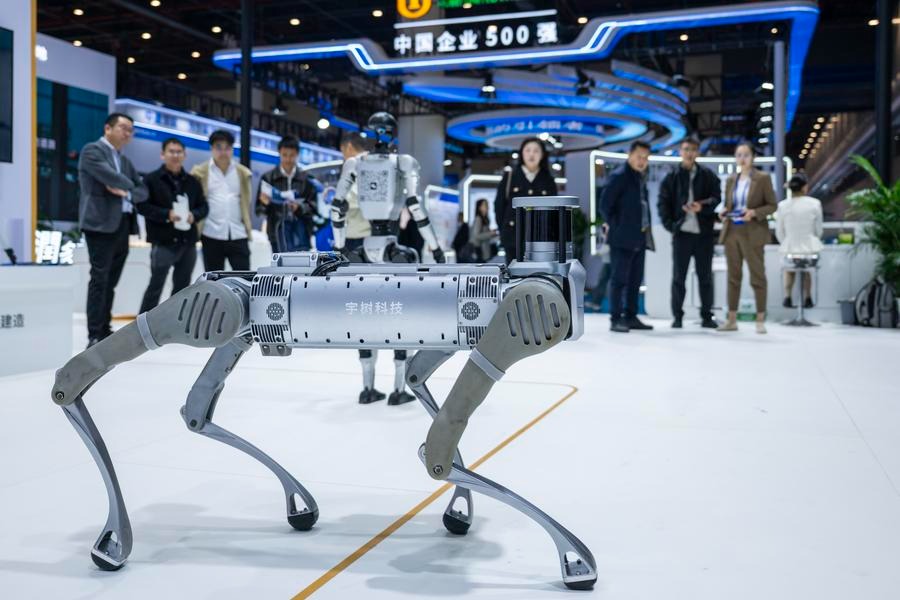
China’s new quality productive forces gather steam to turbocharge future growth
China is undergoing a transformative shift from its traditional role as the ‘world factory’ to becoming a global leader in technological innovation. This transition is driven by the development of ‘new quality productive forces,’ a strategic initiative aimed at fostering high-quality growth and self-reliance in science and technology. The 15th Five-Year Plan (2026-2030) highlights these forces as a cornerstone of China’s economic strategy, emphasizing innovation, digital transformation, and industrial upgrading. Across the nation, industries are leveraging advanced technologies such as artificial intelligence, big data, and the Internet of Things to optimize production processes, enhance efficiency, and reduce environmental impact. For instance, Dongguan Moldbao Smart Technology Co has automated its mold production lines, cutting production cycles by 30%, while Ansteel in Liaoning Province has implemented intelligent systems to reduce costs and wastewater discharge. Shenzhen, a hub of technological innovation, exemplifies this trend with its thriving sci-tech clusters and industry-academia-research collaborations. China’s commitment to innovation is further evidenced by its growing number of high-tech enterprises, which now account for a significant share of global innovation clusters. As China continues to prioritize science and technology self-reliance, it is poised to strengthen its position in the global economy and attract international investment.
-
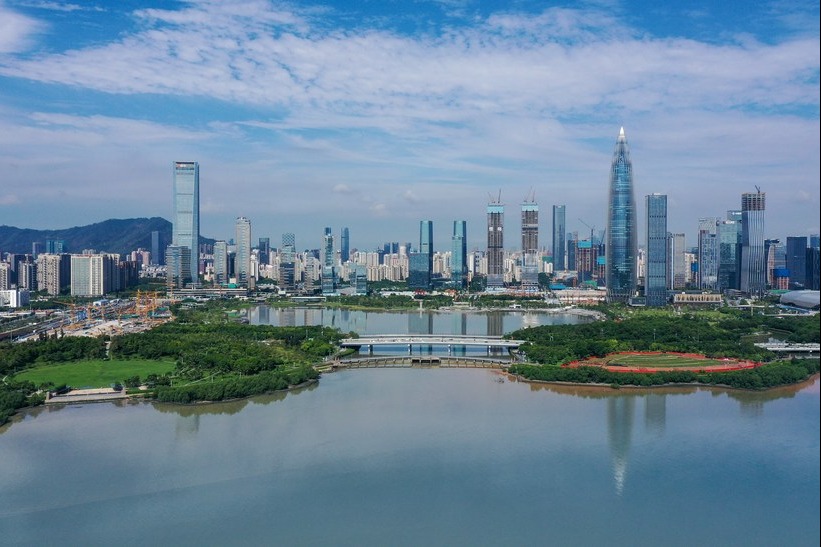
Shenzhen named host city for APEC 2026 as China champions cooperation, green growth
Shenzhen, China’s pioneering metropolis, has been selected as the host city for the Asia-Pacific Economic Cooperation (APEC) Economic Leaders’ Meeting in November 2026. The announcement was made by Chinese President Xi Jinping during the second session of the 32nd APEC Economic Leaders’ Meeting in Gyeongju, South Korea. Shenzhen’s transformation from a modest fishing village to a global innovation hub exemplifies China’s reform and opening-up, making it an ideal venue to shape the future of Asia-Pacific cooperation. President Xi emphasized Shenzhen’s role as a living testament to China’s commitment to sustainable, digital, and green development. The city’s strategic emerging industries, including artificial intelligence, biotech, and advanced manufacturing, contribute significantly to its GDP, with added value reaching 1.56 trillion yuan in 2024. Shenzhen’s leadership in clean energy and sustainable urban development, such as electrifying its public bus fleet and producing renewable energy technologies, aligns with APEC’s goals of green growth. The city’s innovative edge was showcased at the 22nd China-ASEAN Expo, where its ‘Smart Manufacturing’ sector secured contracts worth millions. Experts like Daniel Dumbrill and Andrew Hutchins praised Shenzhen’s cooperative spirit and its potential to inspire APEC economies. President Xi also highlighted China’s ambitious climate goals, including achieving carbon neutrality by 2060, and its support for global green transitions through initiatives like the APEC Support Fund. The 2026 APEC meeting is expected to be a milestone in fostering a more open, inclusive, and sustainable Asia-Pacific economy.
-

Ohtani, Yamamoto make Japan proud helping Dodgers repeat as World Series champions
Tokyo erupted in jubilation as the Los Angeles Dodgers secured their second consecutive World Series championship with a dramatic 5-4 victory over the Toronto Blue Jays in 11 innings. The game, a nail-biting showdown, saw Japanese stars Shohei Ohtani and Yoshinobu Yamamoto play pivotal roles, igniting national pride across Japan. Ohtani, a two-way sensation, contributed with both his bat and arm, while Yamamoto’s stellar pitching earned him the World Series MVP honors. The Dodgers overcame a 3-0 deficit, rallying with a game-tying homer by Miguel Rojas in the ninth and a walk-off homer by Will Smith in the 11th. In Tokyo, fans gathered at Hub, a popular fish-and-chips restaurant, to watch the game live on large screens. The atmosphere was electric, with fans donning Ohtani jerseys and breaking into dance after the victory. The game’s viewership in Japan was massive, with millions tuning in despite late-night hours. Ohtani, a national icon, has been celebrated not only for his on-field prowess but also for his humility and connection to his Japanese roots. Yamamoto, meanwhile, cemented his legacy with back-to-back heroic performances in Games 6 and 7. The Dodgers’ triumph resonated deeply in Japan, even reaching Prime Minister Sanae Takaichi, who watched the game with U.S. President Donald Trump. The victory underscored the global impact of baseball and the pride Japan takes in its homegrown talents.
-
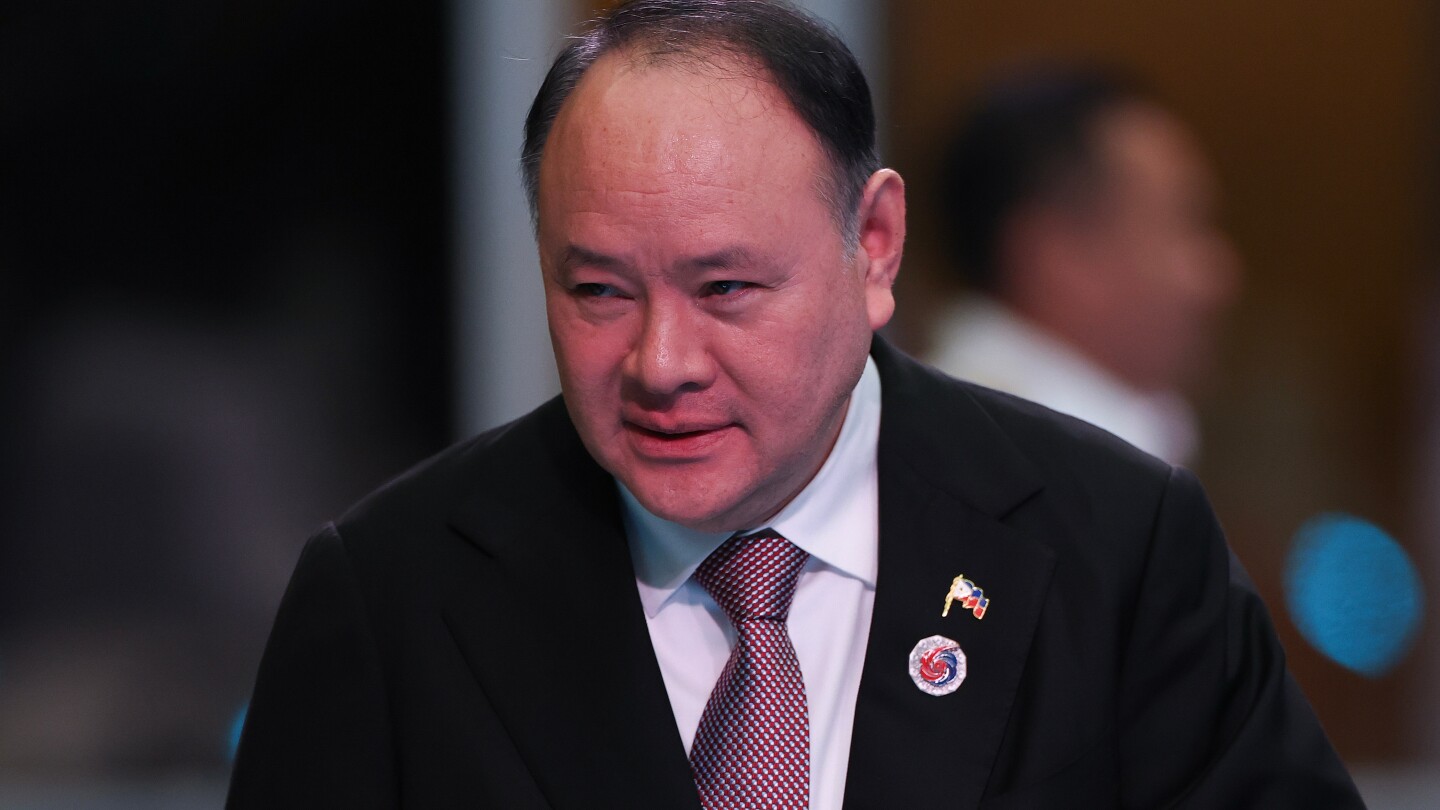
Canada and Philippines to sign defense pact to boost combat drills and deter China’s aggression
In a significant move to counter China’s assertive actions in the South China Sea, Canada and the Philippines are set to sign a pivotal defense agreement on Sunday. The Status of Visiting Forces Agreement (SVFA) will facilitate joint military exercises and enhance security cooperation between the two nations, according to Philippine officials. This agreement underscores Canada’s broader strategy to bolster its military presence in the Indo-Pacific region, aligning with President Ferdinand Marcos Jr.’s efforts to fortify the Philippines’ defense capabilities against China’s growing influence in the disputed waters. China, which claims nearly the entire South China Sea despite a 2016 international arbitration ruling rejecting its claims, has not yet commented on the development. The Philippines has faced repeated confrontations with Chinese vessels, including dangerous maneuvers and water cannon attacks, resulting in injuries to Filipino personnel. The SVFA, signed by Philippine Defense Secretary Gilberto Teodoro Jr. and Canadian counterpart David McGuinty, will take effect after ratification. This marks the Philippines’ third such agreement under Marcos, following similar pacts with Japan and New Zealand. Talks are also underway with France, Singapore, the UK, Germany, and India for comparable defense collaborations. At a recent ASEAN defense ministers’ meeting, Teodoro condemned China’s plan to establish a ‘nature reserve’ in the Scarborough Shoal, calling it a veiled attempt to assert military dominance. Canada has consistently criticized China’s actions in the region, including its use of water cannons against Philippine vessels. Last year, Canada and the Philippines signed a defense cooperation agreement, granting the Philippines access to Canada’s advanced ‘Dark Vessel Detection System,’ which has been instrumental in tracking Chinese ships in the South China Sea.
-
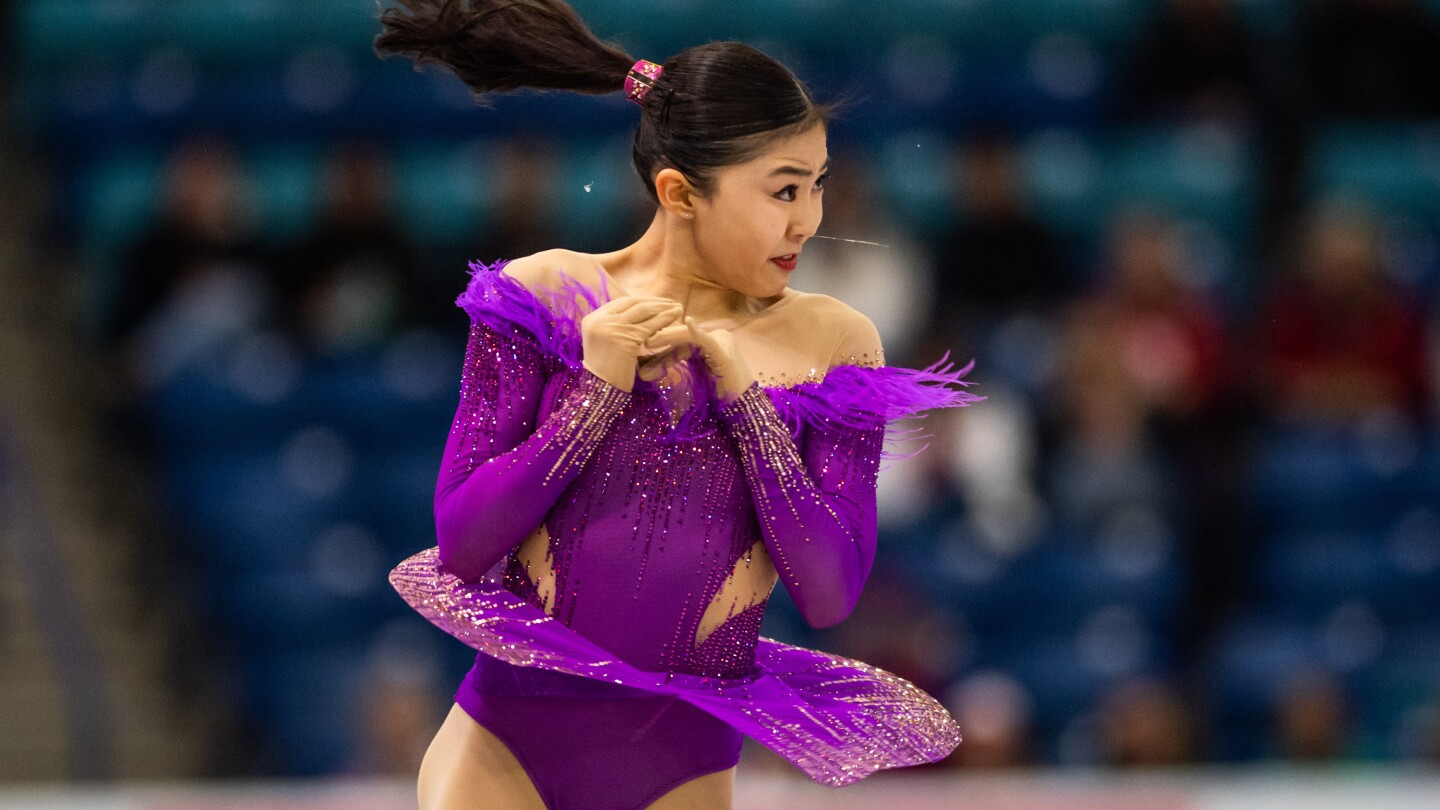
Japan’s Mone Chiba wins Skate Canada, holding off Olympic hopeful Isabeau Levito of the U.S.
SASKATOON, Saskatchewan — Mone Chiba of Japan delivered a breathtaking performance to clinch the Skate Canada title on Saturday night, edging out American prodigy Isabeau Levito in a thrilling showdown. Chiba, a 20-year-old world bronze medalist, showcased her technical prowess and artistry with a near-perfect free skate set to the traditional Hungarian folk tune “Csárdás,” earning a season-best score of 217.23 points. This victory marked her first Grand Prix gold after finishing as the runner-up in both of her assignments last year. Levito, the 18-year-old reigning world silver medalist, had set the stage with a flawless free skate to the soundtrack of “Cinema Paradiso,” scoring 209.77 points. Despite her valiant effort, she had to settle for silver. Ami Nakai of Japan secured third place with 203.09 points. In the pairs competition, Canadian duo Deanna Stellato-Dudek and Maxime Deschamps thrilled the home crowd at SaskTel Centre by claiming their third consecutive Skate Canada gold with a score of 213.40 points, narrowly defeating German pair Minerva Fabienne Hase and Nikita Volodin, who scored 207.18. The men’s and ice dance events are set to conclude on Sunday, with two-time reigning world champion Ilia Malinin leading the men’s short program with a commanding score of 104.84. The competition for the final U.S. Olympic spot remains fierce, with Levito and Bradie Tennell vying for the coveted position.