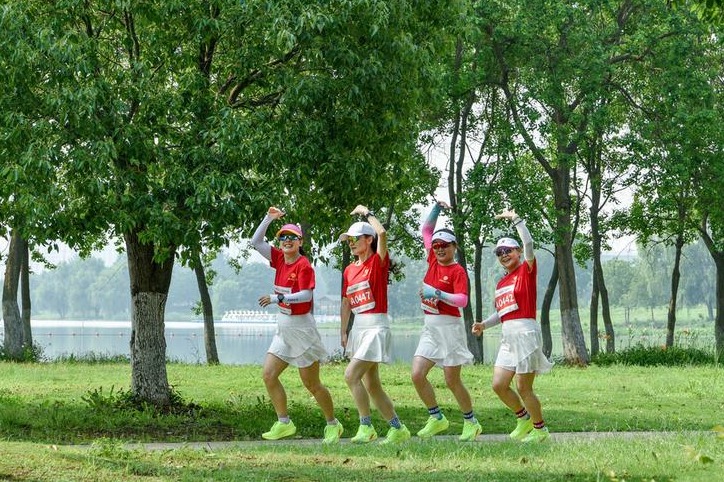
A groundbreaking study published in the international journal *Nature Cardiovascular Research* highlights that women may experience significantly greater cardiovascular benefits from exercise compared to men. Conducted by a collaborative team led by Professor Wang Yan and Associate Researcher Chen Jiajin from Xiamen Cardiovascular Hospital Xiamen University and Shanghai Chest Hospital Affiliated to Shanghai Jiao Tong University School of Medicine, the research analyzed wearable device data from 85,000 participants. The findings reveal that women need only 250 minutes of weekly exercise to reduce their risk of coronary heart disease by 30%, whereas men require 530 minutes to achieve the same level of protection. For individuals already diagnosed with coronary heart disease, women exercising 51 minutes weekly can lower their mortality risk by 30%, while men need 85 minutes for similar results. Coronary heart disease remains a leading cause of death globally, with organizations like the World Health Organization recommending at least 150 minutes of moderate-intensity or 75 minutes of vigorous-intensity weekly activity for adults. The study challenges the ‘one-size-fits-all’ approach to exercise guidelines, advocating for gender-specific recommendations to optimize heart disease prevention and treatment.
标签: Asia
亚洲
-

Shenzhou XX crew’s return trip delayed due to space debris risk
The scheduled return of the Shenzhou XX crew from the Tiangong space station has been postponed due to potential risks posed by space debris, as announced by the China Manned Space Agency. Originally planned for Wednesday, the decision to delay the return was made after assessments revealed that the Shenzhou XX spacecraft, responsible for transporting the three astronauts back to Earth, faced a heightened risk of collision with small debris particles. The agency emphasized that the safety of the crew and the success of the mission remain the top priorities, though a new return date has yet to be disclosed. The Shenzhou XX team, consisting of mission commander Senior Colonel Chen Dong and crew members Colonel Chen Zhongrui and Colonel Wang Jie, has been stationed at the Tiangong space station since April 25, marking over six months in orbit. This mission represents China’s 15th manned spaceflight and the ninth group of residents aboard the Tiangong, which stands as the only independently operated space station globally. Meanwhile, the Shenzhou XXI mission, which arrived at the station on Saturday, has assumed control of operations, ensuring a seamless transition. The delay underscores the growing challenges posed by space debris, a critical issue for space agencies worldwide.
-
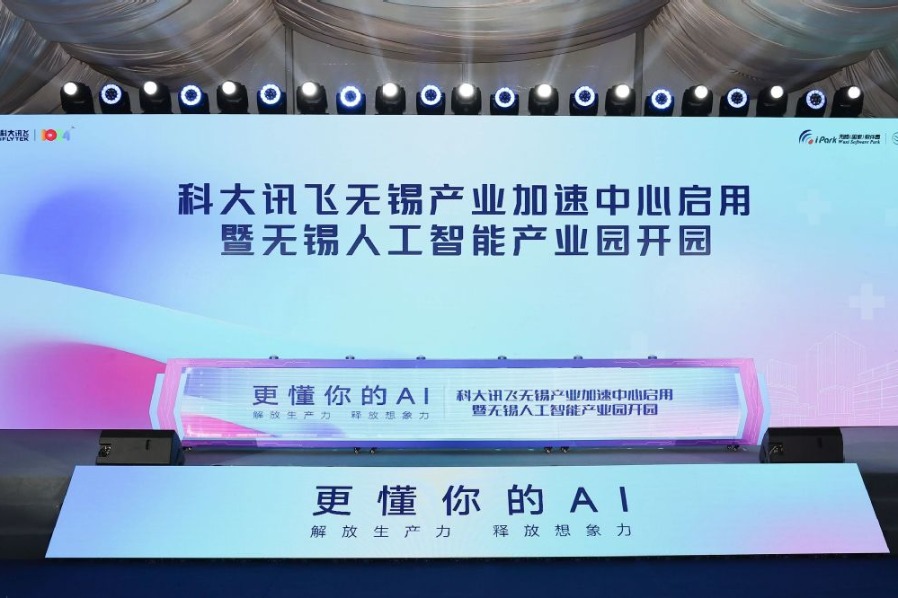
Wuxi partners with iFlytek to launch AI industrial park
Wuxi, a prominent industrial hub in Jiangsu Province, has taken a significant leap into the future of artificial intelligence (AI) by partnering with iFlytek to launch the Wuxi Artificial Intelligence Industrial Park. The inauguration ceremony, held on October 31 at the Wuxi Software Park, marked the official opening of the iFlytek Wuxi Industrial Acceleration Center and the AI industrial park, signaling a transformative step in AI-driven manufacturing support. Spanning an impressive 390,000 square meters, the park is strategically located within the Wuxi National Hi-Tech District and is the city’s first facility dedicated to advancing AI technologies. The park will focus on cutting-edge fields such as multimodal large language models, generative AI, and humanoid robotics. The Corona Borealis Building B, designated as the first phase of the ‘AI Industry Ecological Agglomeration Zone,’ will serve as a hub for top-tier manufacturing enterprises. It will offer comprehensive support, including demand matching and computing resources, to streamline the entire AI workflow—from solution development to collaboration. Additionally, the ‘Xishu Factory’ AI industry service platform has been established within the building, functioning as a one-stop solution provider to empower the manufacturing sector with advanced AI technologies. This initiative underscores Wuxi’s commitment to fostering innovation and solidifying its position as a leader in industrial transformation.
-

Philippines: 66 dead in Typhoon Kalmaegi as survivors confront destruction
The Philippines is reeling from the catastrophic impact of Typhoon Kalmaegi, which has claimed 66 lives and left a trail of destruction in its wake. The province of Cebu, the hardest-hit region, is now a landscape of shattered homes, debris-clogged streets, and displaced families. Survivors are grappling with the aftermath, sifting through the ruins in a desperate search for remnants of their former lives. Among them is Eilene Oken, 38, who returned to her neighborhood in Talisay city only to find her home obliterated. ‘We worked and saved for this for years, then in an instant, it was all gone,’ she lamented, though she expressed gratitude that her family remained unharmed. The typhoon’s devastation comes just weeks after a magnitude 6.9 earthquake struck northern Cebu, compounding the region’s suffering. Kalmaegi, the 20th storm to hit the Philippines this year, intensified as it moved toward Vietnam, where preparations are underway for its expected landfall. Over 200,000 people were evacuated across the Visayas region, including parts of southern Luzon and northern Mindanao, as the storm submerged homes, caused widespread flooding, and triggered power outages. The disaster also claimed the lives of six military personnel whose helicopter crashed during a humanitarian mission in Agusan del Sur. As the Philippines confronts yet another natural disaster, the resilience of its people is being tested once more.
-

LEPAS unveils the future of ‘Elegant Living’ during global brand debut
The 2025 Chery International User Summit in China marked the global debut of LEPAS, Chery Group’s premium mobility brand, introducing a transformative vision of ‘Elegant Living.’ The event showcased three groundbreaking innovations: LEPAS DAY, the world’s first Elegant Lifestyle House, and the brand’s new design philosophy, Spatial Aesthetics. These initiatives reflect LEPAS’s commitment to integrating technology and design into a richer, more human-centric lifestyle experience.
The Elegant Lifestyle House, a pioneering concept, was unveiled as a miniature community embodying LEPAS’s core values of beauty, emotion, and innovation. Designed to blend automotive and home aesthetics, it features three immersive zones: Leopard Shadow Window, Slow Living Corner Café, and Colour & Art District. These spaces harmonize fashion, art, home décor, and nature, seamlessly integrating LEPAS vehicles like the L8, L6, and L4 into daily life. The automobile is reimagined as a cultural and lifestyle element, symbolizing modern elegance.
LEPAS also introduced its Spatial Aesthetics design language, exemplified by the flagship L8 SUV. This model combines spacious interiors, elegant design, and advanced new energy technologies to redefine mobility. The L8’s dynamic exterior and meticulously crafted interior balance comfort and functionality, catering to diverse scenarios from solo drives to family trips.
LEPAS DAY, a global declaration of ‘Elegant Technology,’ highlighted the brand’s philosophy of ‘understanding and serving people.’ The event showcased the Elegant Technology System, a comprehensive framework encompassing next-generation platforms, new energy innovation, holistic safety, and intelligent cockpit design. LEPAS DAY celebrated technology as a bridge between composure, confidence, and grace, demonstrating how elegance can drive global progress.
For more details, visit www.cheryinternational.com.
-
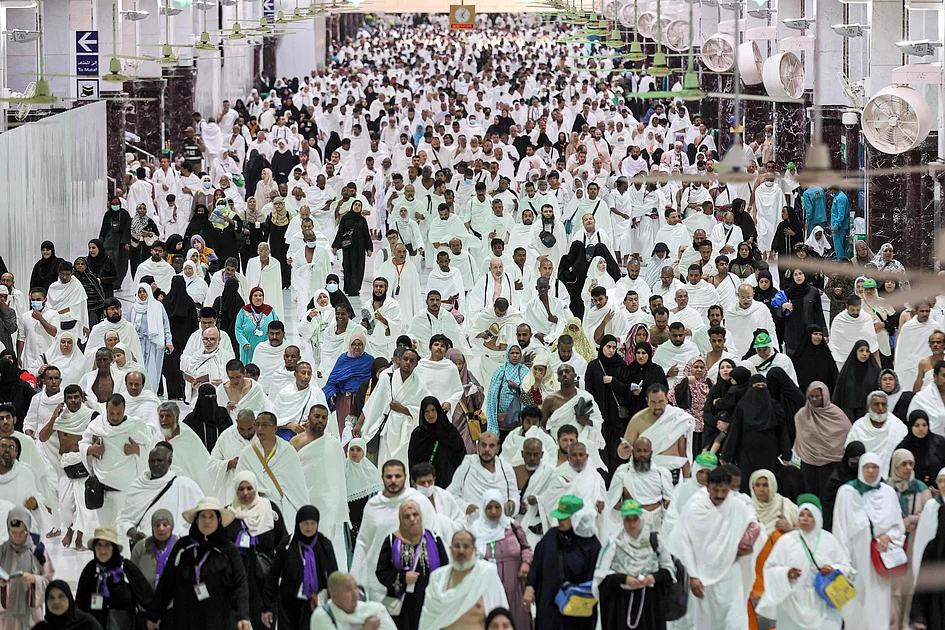
Saudi Arabia: Pilgrim arrested after video pushing security at Makkah Grand Mosque goes viral
A recent incident at the Makkah Grand Mosque in Saudi Arabia has sparked widespread attention after a video of a pilgrim confronting a security officer went viral on social media. The footage shows the man raising his voice and resisting the officer’s attempts to maintain order, despite repeated warnings. The Special Forces for Hajj and Umrah Security swiftly responded, confirming the man’s arrest for violating the mosque’s regulations and procedures. Legal actions are now underway against the individual.
In the wake of the incident, Sheikh Dr. Abdulrahman bin Abdulaziz Al-Sudais, President of the Religious Affairs of the Two Holy Mosques, emphasized the importance of adhering to security protocols. He stated that following these rules is not only a legal obligation but also a profound act of worship and devotion. Sheikh Dr. Abdulrahman highlighted the sacred duty of safeguarding the sanctity of the holy sites and reiterated that while Saudi Arabia is committed to ensuring the safety of pilgrims, it is equally the responsibility of every visitor to comply with the established guidelines. He described security as a ‘red line that cannot be crossed,’ underscoring the gravity of maintaining order in such revered spaces.
The incident has reignited discussions about the balance between religious devotion and adherence to regulations in holy sites, particularly during peak pilgrimage seasons. Authorities have reaffirmed their commitment to enforcing rules to protect the safety and sanctity of the Two Holy Mosques.
-
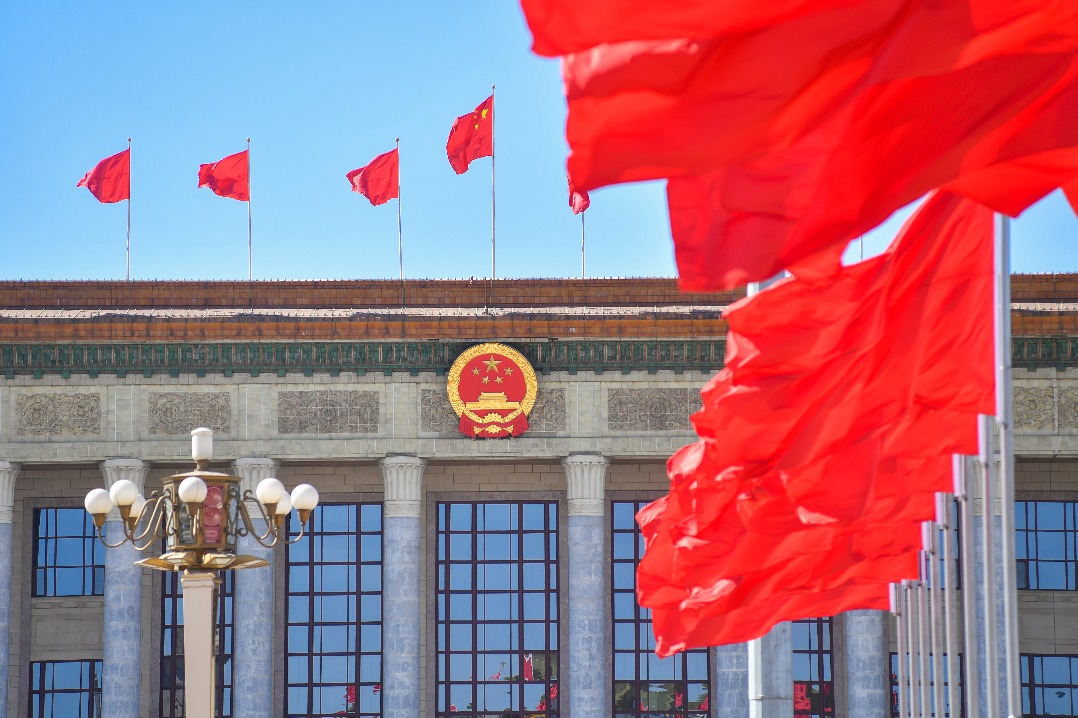
Party plenum: Charting the course for the 15th Five-Year Plan period (2026-30)
China Daily Information Co (CDIC) holds exclusive rights to all content published on its platform, including text, photos, and multimedia materials. Unauthorized republication or use of this content in any form is strictly prohibited without prior written consent from CDIC. The website recommends using browsers with a resolution of 1024*768 or higher for optimal viewing. Additionally, the site provides information on advertising opportunities, contact details, job offers, and employment opportunities for expatriates. Users are encouraged to follow China Daily for updates and news.
-
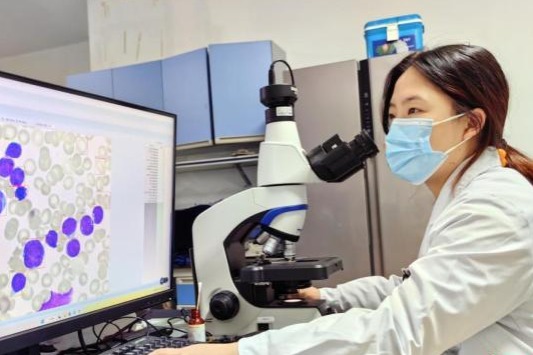
Chinese authorities call for broader AI application in health sector
In a significant move to modernize its healthcare system, China’s National Health Commission, alongside four other governmental bodies, has issued a directive advocating for the extensive application of artificial intelligence (AI) in the health sector. The announcement, made public on Tuesday, outlines ambitious goals to be achieved by 2030. According to the document, primary-level medical institutions, including community and village clinics, will universally adopt intelligent diagnosis and treatment assistance. Furthermore, hospitals at or above the second grade in China’s three-tier hospital system will widely implement AI technologies such as intelligent medical imaging and clinical decision-making support. The directive also emphasizes enhancing patient services through AI, enabling hospitals to offer integrated intelligent services throughout the treatment process, including precise appointment scheduling, triage, and pre-diagnosis and follow-up services. Additionally, China plans to upgrade its intelligent epidemiological investigation systems to provide real-time, precise support for infectious disease prevention and control decision-making. This initiative underscores China’s commitment to leveraging cutting-edge technology to improve healthcare delivery and public health outcomes.
-
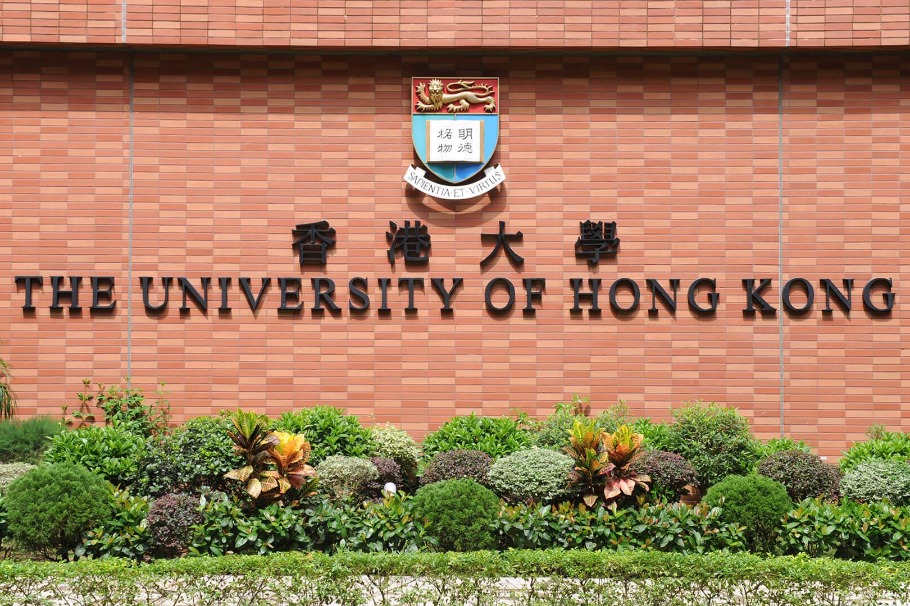
HKU leads as 5 Hong Kong universities make Asia’s top 10 in QS rankings
In a remarkable testament to the strength of Hong Kong’s higher education system, five universities from the region have secured positions in the top ten of the QS Asia University Rankings 2026. The University of Hong Kong (HKU) has emerged as the top-ranked institution, marking a significant milestone for the city’s academic landscape. The rankings, released by Quacquarelli Symonds (QS), a globally recognized higher education research organization, highlight the exceptional performance of Hong Kong’s universities across key metrics such as academic reputation, employer reputation, and international faculty representation. HKU ascended from second to first place, while the Hong Kong University of Science and Technology climbed from 11th to 6th. City University of Hong Kong and the Chinese University of Hong Kong tied at 7th, and the Hong Kong Polytechnic University moved up to 10th. Christine Choi Yuk-lin, Secretary for Education of the Hong Kong Special Administrative Region (HKSAR) government, praised the achievement, emphasizing the city’s role as an international talent hub and its alignment with national education strategies. HKU President Zhang Xiang underscored the university’s commitment to fostering innovation and technology, aligning with broader national development goals. This recognition not only solidifies Hong Kong’s position as a leading education hub but also reflects the effectiveness of government policies in promoting academic excellence.
-
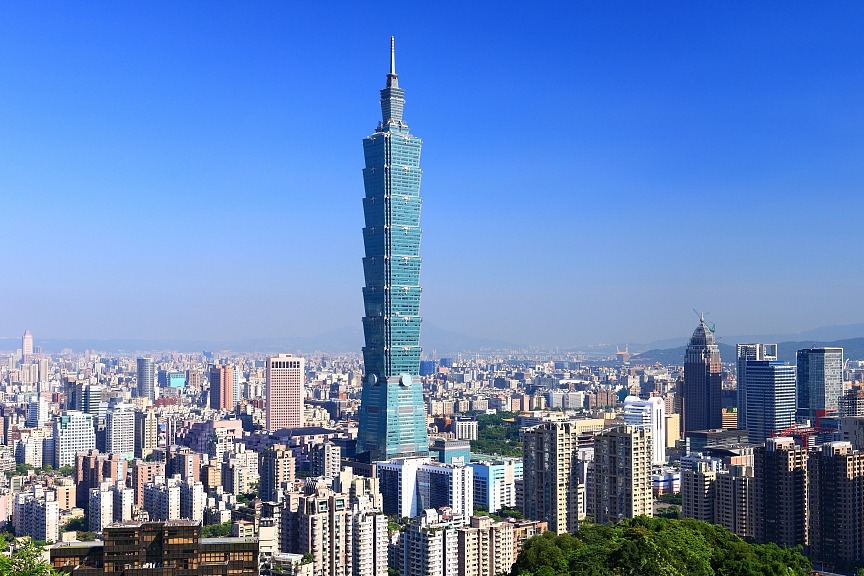
Historians on both sides of Taiwan Strait urge defense of historical truth of Taiwan’s restoration
In a significant gathering of historians from across the Taiwan Strait, the call to uphold the historical truth of Taiwan’s restoration was emphasized during an international academic symposium held in Beijing. The event, hosted by Peking University, brought together nearly 100 experts and scholars from the Chinese mainland, Taiwan, Hong Kong, Macao, and countries like the United States, the United Kingdom, and Japan. The symposium focused on the history of the Chinese People’s War of Resistance against Japanese Aggression and the restoration of Taiwan to China.
Taiwan was occupied by Japan following the Sino-Japanese War of 1894, a period that lasted for half a century. The restoration of Taiwan to Chinese sovereignty was marked by a ceremony on October 25, 1945, in Taipei, where Japan’s surrender in the Taiwan province was accepted. This event signified the return of Taiwan and the Penghu Islands to China’s jurisdiction.
Historians at the symposium highlighted that the resistance of the Taiwanese people against Japanese aggression from 1895 to 1945 was an integral part of the Chinese nation’s War of Resistance. They stressed that Taiwan’s fate has always been intertwined with that of the motherland, with deep connections between the people on both sides.
Chen Hongmin, a professor at Zhejiang University’s School of History, noted that the Taiwanese resistance movements against Japanese invaders began earlier and lasted longer than those in other parts of China, characterized by distinct patriotism, significant sacrifices, and widespread participation. He emphasized the importance of studying Taiwan’s anti-Japanese movement within the framework of the Chinese nation’s War of Resistance, as it was achieved through the joint efforts of all Chinese people, including those in Taiwan.
Liu Wei-kai, a professor at Taiwan’s Chengchi University, underscored the need to rigorously restore the historical evidence and facts of Taiwan’s restoration. He advocated for educational initiatives and the publication of historical materials to help younger generations understand the process and significance of Taiwan’s restoration.
Wang Yingjin, director of the cross-Strait relations research center at Renmin University of China, cited historical and legal documents such as the Cairo Declaration, the Potsdam Proclamation, and United Nations General Assembly Resolution 2758 to stress that Taiwan’s restoration to China is not only a matter of historical justice but also concerns the legitimacy and stability of the post-WWII international order. He called for the international community to jointly defend the hard-earned fruits of victory and peace, emphasizing the one-China principle as a historical responsibility and a commitment to global stability.
The historians at the symposium emphasized the common bloodline and shared memory of the people on both sides of the Strait. They urged drawing wisdom and strength from history to uphold the nation’s greater good and promote national reunification. Wu Yongping, head of Tsinghua University’s Institute of Taiwan Studies, criticized the prevailing WWII historical narrative dominated by the United States and other Western countries for its cognitive biases. He called on the academic community to refute false narratives propagated by separatists in Taiwan and external forces pursuing ‘Taiwan independence.’
Chi Chia-lin, chief of the Research Association on Taiwan History, expressed appreciation for the mainland’s designation of October 25 as Commemoration Day of Taiwan’s Restoration. He called on the academic sector in Taiwan to map the correct narrative of the island’s history and awaken its true memory, stating that reunification is an inevitability and urging Chinese people on both sides to work together for national reunification.